Self-guided audio tour in San Francisco
Start Free on iPhone
Start free on iPhone to unlock this self-guided walking tour in San Francisco. Hear all the stories that make it amazing, walk at your own pace, and begin whenever you want.
Your Private Tour Guide
Step into the vibrant heart of the Castro, a neighborhood that serves as a global beacon for LGBTQ+ rights and liberation. This self-guided walk invites you to explore the streets where history was made, from the grassroots activism of the 1970s to the ongoing pursuit of equality. You will discover the legacy of Harvey Milk, the first openly gay elected official in California, and see how a once-quiet working-class district transformed into the most famous gay neighborhood in the world. As you follow this walking route, the stories of courage and community will come alive through the landmarks that witnessed pivotal moments in the American civil rights movement. This experience is more than just a history lesson; it is a neighborhood stroll through a living monument to diversity and resilience. You will pass by iconic Art Deco architecture, historic meeting spots that broke social barriers, and quiet memorials that honor those lost during the struggle for visibility. Whether you are interested in political history, urban culture, or simply want to soak in the vibrant atmosphere of San Francisco, this walking tour San Francisco provides the context and narrative depth to appreciate the Castro’s unique identity. Starting at the GLBT Historical Society Museum, you will weave through the main thoroughfares and tucked-away corners of the district, ending at the poignant Pink Triangle Memorial. Along the way, you can explore at your own pace, stopping to admire the rainbow-painted crosswalks or grabbing a coffee at a local favorite. This self-guided adventure ensures you don't miss the subtle details, like the commemorative plaques in the sidewalk or the symbolic significance of a tavern’s large glass windows. This walking tour San Francisco offers a comprehensive look at the figures and events that shaped modern queer culture, making it an essential experience for anyone looking to understand the soul of the city.
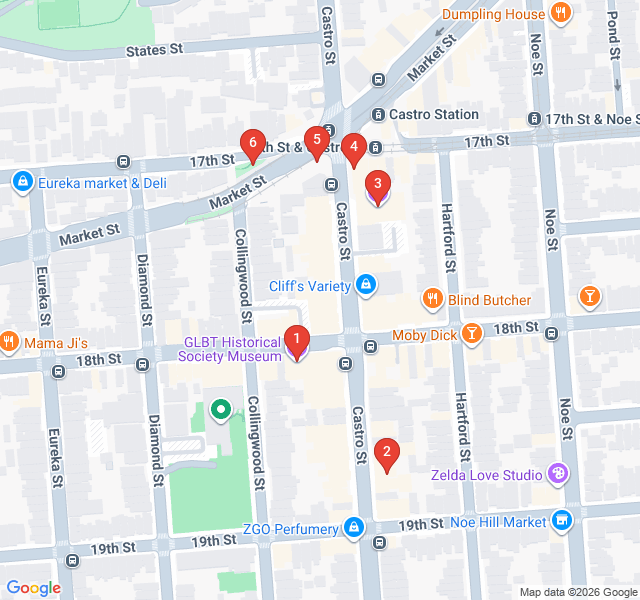
Numbers indicate the order of stops on the tour.
Begin your journey at the GLBT Historical Society Museum, the first stand-alone museum of gay, lesbian, bisexual, and transgender history and culture in the United States. Founded in 1985, this institution houses a massive archive of documents, photographs, and artifacts that tell the story of the community's struggle and triumphs. Inside, you can find the original rainbow flag designed by Gilbert Baker in 1978, as well as personal belongings of Harvey Milk. This museum provides a vital foundation for understanding why the Castro became a sanctuary for so many. It serves as a reminder that the rights enjoyed today were won through decades of grassroots organizing and individual bravery. Take a moment here to ground yourself in the historical context of the neighborhood before heading out to the streets where these stories actually unfolded.
Standing before this unassuming storefront, you are looking at the former site of Castro Camera, the shop owned by Harvey Milk. In the 1970s, this wasn't just a place to develop film; it was the nerve center of the neighborhood's political awakening. Milk lived in the apartment upstairs and used the shop as his campaign headquarters for his successful run for the Board of Supervisors. It was from this very spot that he organized the 'Coors Boycott' and mobilized the community to fight against discriminatory legislation like the Briggs Initiative. Today, the building remains a pilgrimage site for those honoring the 'Mayor of Castro Street.' Look for the commemorative plaque and the mural depicting Milk, which serve as lasting tributes to his vision of hope and his ultimate sacrifice for the cause of civil rights.
The Castro Theatre is the neighborhood's undisputed crown jewel. Designed by renowned architect Timothy Pflueger and opened in 1922, its Spanish Colonial Baroque facade is a masterpiece of San Francisco architecture. While it began as a standard neighborhood movie house, it evolved into a cultural cathedral for the LGBTQ+ community. It has hosted countless film festivals, sing-alongs, and world premieres, often serving as a safe space where the community could see their own lives reflected on the big screen. The interior is just as grand as the exterior, featuring a 'Mighty Wurlitzer' pipe organ that still rises from the orchestra pit to serenade audiences. As you stand here, imagine the crowds that have gathered under this marquee for decades, celebrating the intersection of art, cinema, and queer identity.
At first glance, Twin Peaks Tavern might look like any other classic San Francisco bar, but it holds a revolutionary history. In 1972, the owners did something radical: they installed large, clear glass windows. At a time when most gay bars were hidden behind windowless facades or tucked away in dark alleys to protect patrons from police raids and public shaming, Twin Peaks chose visibility. By allowing the world to look in and the patrons to look out, it signaled that the community would no longer live in the shadows. This 'glass house' became a symbol of the new era of openness. It remains a beloved local landmark, often referred to as the gateway to the Castro, and continues to serve as a testament to the power of simply being seen.
Located at the entrance to the Castro Street Muni Metro station, Harvey Milk Plaza is a bustling transit hub that doubles as a site of political remembrance. The giant rainbow flag flying high above the plaza is a landmark visible from miles away, signaling that you have arrived in a place of pride. This plaza has been the site of countless rallies, vigils, and protests, most notably the 'White Night Riots' of 1979 following the lenient sentencing of Harvey Milk’s assassin. As you walk through the plaza, look for the photographic exhibit 'Harvey's Halo' and other installations that honor Milk's legacy. It is a place where the daily commute of thousands of San Franciscans intersects with the profound history of the fight for justice.
End your walk at the Pink Triangle Memorial Park, a triangular plot of land that serves as a sobering reminder of the persecution LGBTQ+ people faced during the Holocaust. The pink triangle was the symbol Nazi concentration camps used to identify and shame gay men; this memorial reclaims that symbol as a badge of honor and remembrance. It features 15 granite pylons, each representing a segment of the thousands of individuals who perished. The park's location offers a quiet, reflective space slightly removed from the bustle of Castro Street, providing a panoramic view of the neighborhood. It is a place to reflect on the progress made and the work that remains, ensuring that the history of those who suffered is never forgotten amidst the celebration of the present.
Start Free on iPhone
Explore “Rainbow Roots: The Castro's Civil Rights Journey” with your very own Private Tour Guide with Zigway. Start free on iPhone, skip the large group and the fixed routes, and hear the city come alive as you go.
Your Private Tour Guide
Don't miss the good stuff
Explore Freely
 Easy
EasySan Francisco, United States
Explore the historic Barbary Coast waterfront, from the iconic Ferry Building to the vintage arcades and sea lions of the Embarcadero.
 Moderate
San Francisco, United States
Discover hidden art, cinematic history, and historic forts on this self-guided walk through the Presidio’s lush forests and coastal trails.
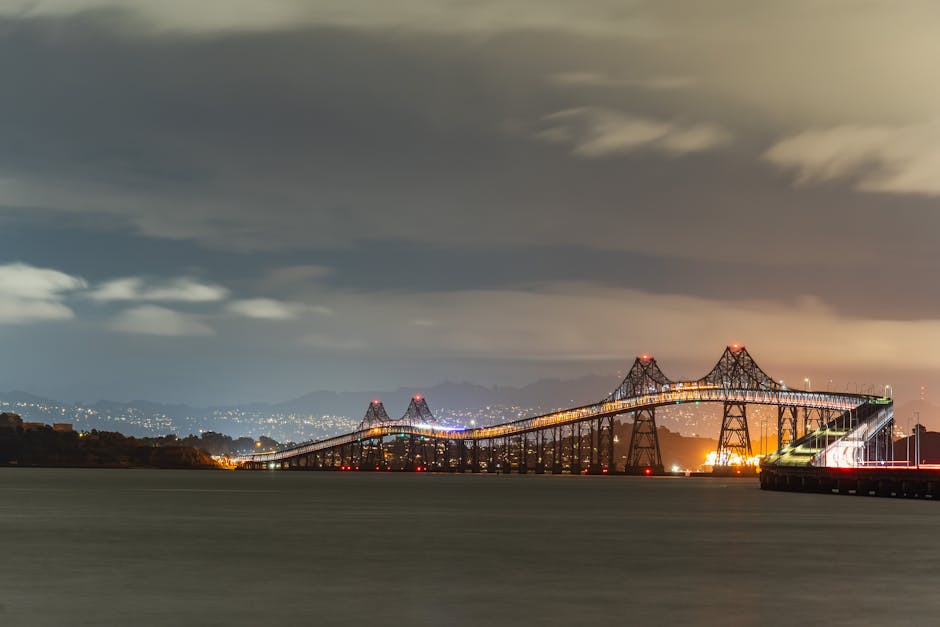 Easy
EasySan Francisco, United States
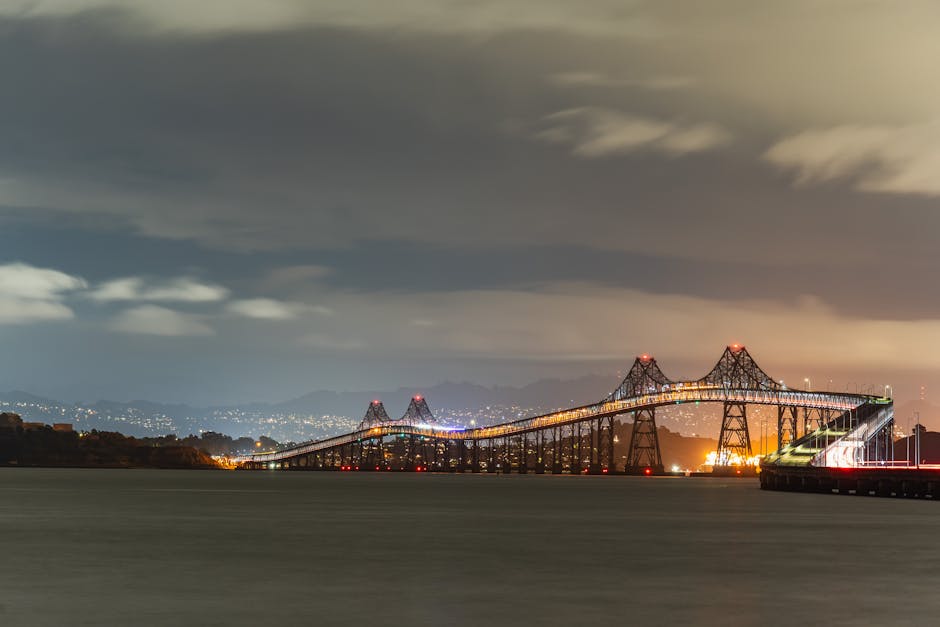
Explore San Francisco’s architectural evolution from historic Art Deco gems to modern glass skyscrapers on this self-guided walking route.
 Easy
EasySan Francisco, United States
Explore SoMa’s transformation from industrial warehouses to a global tech and art hub on this self-guided San Francisco neighborhood stroll.
 Easy
EasyWarsaw, Poland
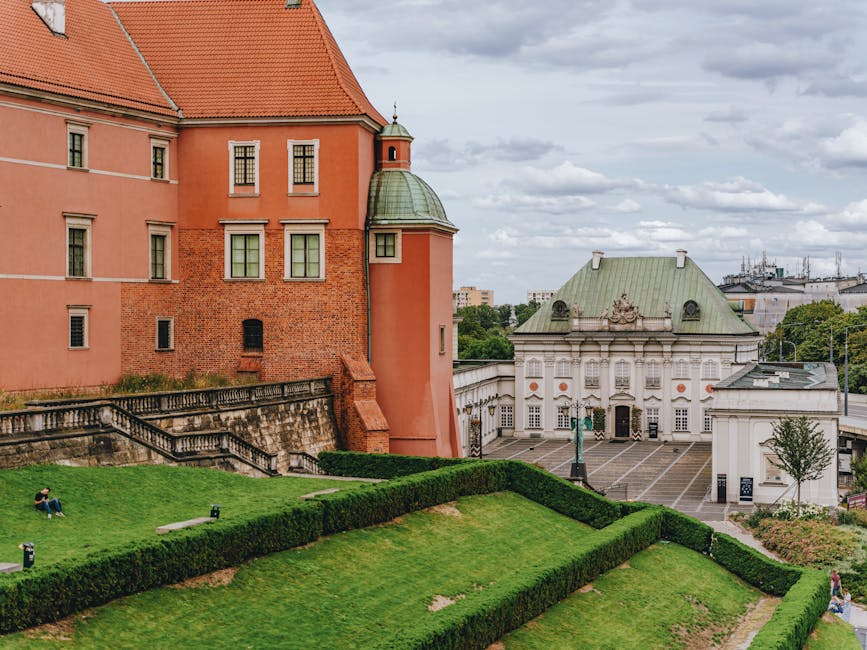
Follow the life of Fryderyk Chopin through Warsaw’s historic center. See where he lived, studied, and where his heart remains today.
 Easy
EasyGothenburg, Sweden
Discover Gothenburg’s 17th-century Dutch foundations, historic canals, and military fortifications on this self-guided architectural walk.
 Easy
EasyNairobi, Kenya
Discover Nairobi’s literary soul on this self-guided walk through historic libraries, iconic bookshops, and cultural centers in the heart of the CBD.
 Moderate
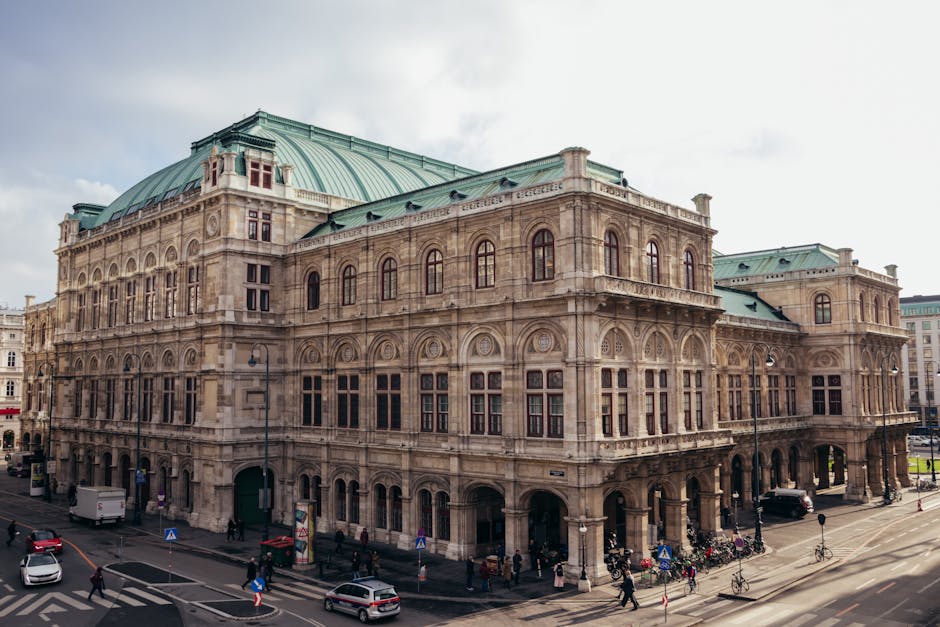
Vienna, Austria
Discover the noir world of The Third Man and Cold War Vienna on this atmospheric self-guided audio walk through the historic Innere Stadt.
 Easy
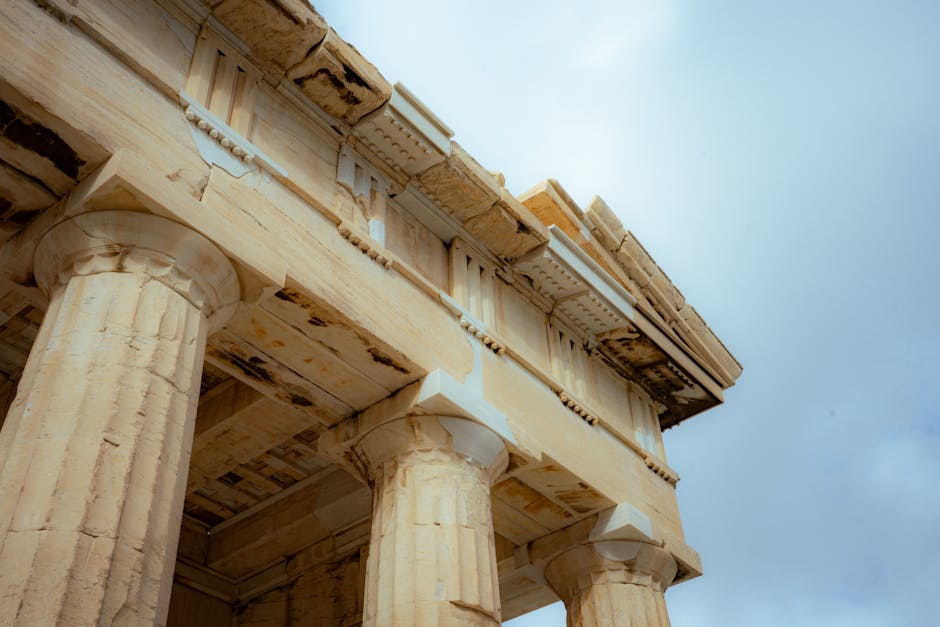
EasyNashville, United States
Explore the 'Athens of the South' on this self-guided walk through Centennial Park, featuring the world's only full-scale Parthenon replica.
 Easy
EasyNashville, United States
Explore Nashville's academic heart and Art Deco gems on this self-guided walk through historic Hillsboro Village.
 Easy
EasyNashville, United States
Explore the heart of Nashville's music industry. Discover iconic studios and the history of the legendary Nashville Sound at your own pace.
 Easy
EasyNashville, United States
Explore Nashville's oldest neighborhood! Discover Victorian architecture, Civil War history, and world-class craft beer on this self-guided walk.