Self-guided audio tour in San Francisco
Start Free on iPhone
Start free on iPhone to unlock this self-guided walking tour in San Francisco. Hear all the stories that make it amazing, walk at your own pace, and begin whenever you want.
Your Private Tour Guide
Step into the fog-shrouded history of San Francisco with this self-guided walk along the Embarcadero. Long before the glass towers of the Financial District rose into the sky, this waterfront was the gateway to a lawless territory known as the Barbary Coast. This maritime route invites you to uncover the secrets of the Pacific, from the buried remains of Gold Rush-era ships beneath your feet to the mechanical marvels of a bygone era. Unlike a traditional walking tour San Francisco, this experience allows you to explore at your own pace, lingering at the spots that capture your imagination while bypassing the crowds when you choose. This neighborhood stroll captures the transition of the city from a rough-and-tumble port to a world-class cultural destination. Your journey begins at the iconic Ferry Building, a survivor of the 1906 earthquake that remains the heart of the city's food and transit culture. As you head north, you will walk along the piers that once hummed with industrial trade and the shouts of 'shanghaied' sailors. You'll stop at Pier 7, perhaps the most photogenic spot on the waterfront, before reaching the innovative Exploratorium at Pier 15. The route then leads you to the bustling energy of PIER 39, where the famous sea lions have claimed their territory. For fans of nostalgia, the Musée Mécanique offers a rare look at antique penny arcade games that still function today. Your maritime exploration concludes at Ghirardelli Square, where the scent of chocolate masks the salty air of the bay. This walking route is perfect for history buffs and first-time visitors alike, offering a comprehensive look at the maritime heritage that built the Golden City. While you might consider a guided tour San Francisco for specific museum interiors, this independent route provides the freedom to discover the city's coastal soul on your own schedule.
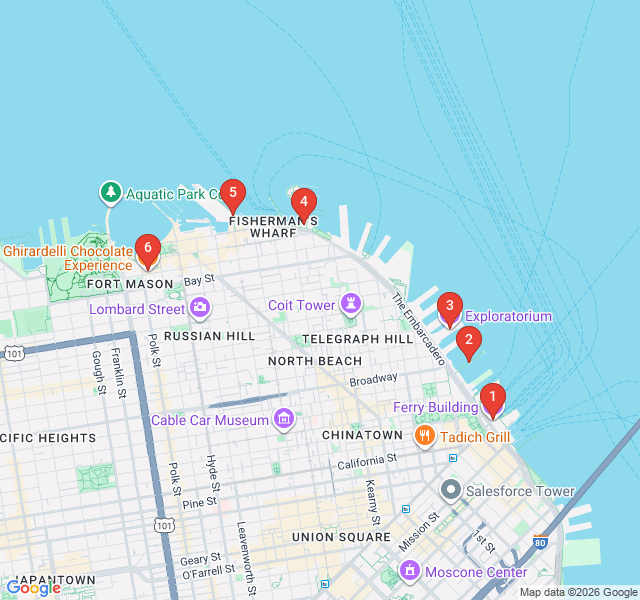
Numbers indicate the order of stops on the tour.
Welcome to the gateway of San Francisco. Completed in 1898, the Ferry Building was once the second busiest transit hub in the world, surpassed only by London’s Charing Cross. Its 245-foot clock tower was modeled after the Giralda bell tower in Seville, Spain. Miraculously, the building survived the 1906 earthquake and subsequent fires, serving as a beacon of hope for a city in ruins. Today, it has transitioned from a purely industrial ferry terminal into a premier food hall. As you stand here, imagine the thousands of commuters who would pour out of ferries every morning before the bridges were built. The history of the city's maritime growth is literally baked into these walls.
Pier 7 is a masterclass in symmetry and maritime charm. Unlike the industrial piers nearby, this wooden boardwalk with its ornate lamp posts feels like a step back into the Victorian era. It offers one of the most striking views in the city: looking back, you see the Transamerica Pyramid framed by the pier’s lamps, and looking forward, you see the vast expanse of the Bay Bridge. Historically, these waters were crowded with 'forests' of masts during the Gold Rush, as hundreds of ships were abandoned by crews who rushed to the hills to find gold. Some of those very ships are still buried beneath the modern streets just a few blocks from where you stand.
Located at Pier 15, the Exploratorium represents the modernization of the waterfront. While it is now a world-renowned museum of science, art, and human perception, the pier itself has a deep maritime history. This area was part of the 'Embarcadero'—Spanish for 'the place to embark.' For decades, these piers were the lifeblood of the city's economy, handling everything from sugar to coffee. The Exploratorium’s move here in 2013 helped revitalize this section of the waterfront, blending the city's innovative future with its industrial past. Take a moment to look at the 'Bay Observatory' at the end of the pier to see how the tides and currents still dictate life in San Francisco.
PIER 39 is perhaps the most famous stop on the Embarcadero. While it’s known for its shops and carousels, the real stars are the California Sea Lions. They first arrived in 1990, shortly after the Loma Prieta earthquake. No one quite knows why they chose this specific spot, but they have stayed ever since, sometimes numbering over a thousand. This pier was originally built in 1978 on the site of a former cargo pier. It marks the transition of the northern waterfront from a place of hard labor to a place of leisure. Listen to the 'barking' of the sea lions; it's the unofficial soundtrack of the San Francisco bay.
Tucked away at Pier 45, the Musée Mécanique is a hidden gem of maritime and mechanical history. This is one of the world's largest privately owned collections of coin-operated mechanical musical instruments and antique arcade machines. You’ll find everything from steam-powered motorcycles to 'Laffing Sal,' the giant, slightly creepy mechanical woman who once stood at the entrance of the city’s historic Playland-at-the-Beach. These machines offer a tactile connection to the entertainment of the early 20th century, a time when sailors and locals alike would seek out these novelties after a long day at the docks. It’s a rare, living museum where the history still works for a quarter.
Your walk ends at Ghirardelli Square, a site that perfectly encapsulates San Francisco’s industrial heritage. Domenico Ghirardelli, an Italian immigrant, moved his chocolate factory here in 1893. The red-brick buildings were designed to be both functional and beautiful, reflecting the success of his confectionery empire. In the 1960s, when the factory was slated for demolition, it was saved and converted into the first adaptive reuse project of its kind in the United States. It set the blueprint for how historic industrial sites could be preserved for future generations. Today, the smell of roasted cocoa beans still lingers, marking a sweet end to your maritime journey.
Start Free on iPhone
Explore “Maritime Mysteries: The Barbary Coast Waterfront” with your very own Private Tour Guide with Zigway. Start free on iPhone, skip the large group and the fixed routes, and hear the city come alive as you go.
Your Private Tour Guide
Don't miss the good stuff
Explore Freely
 Easy
EasySan Francisco, United States
Explore the epicenter of LGBTQ+ history on this self-guided walk through San Francisco's Castro district, from Harvey Milk's legacy to iconic cinema.
 Moderate
San Francisco, United States
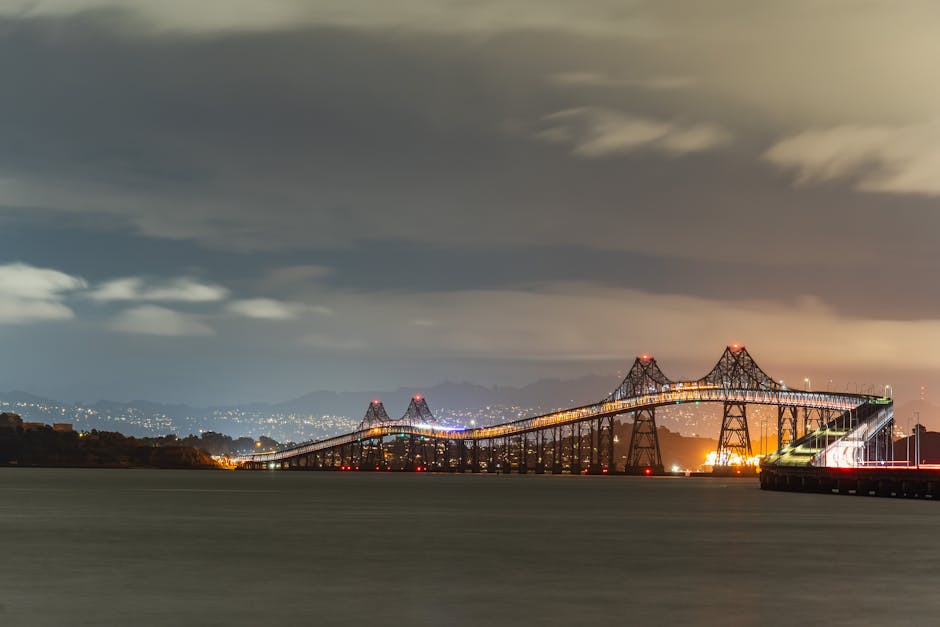
Discover hidden art, cinematic history, and historic forts on this self-guided walk through the Presidio’s lush forests and coastal trails.
 Easy
EasySan Francisco, United States
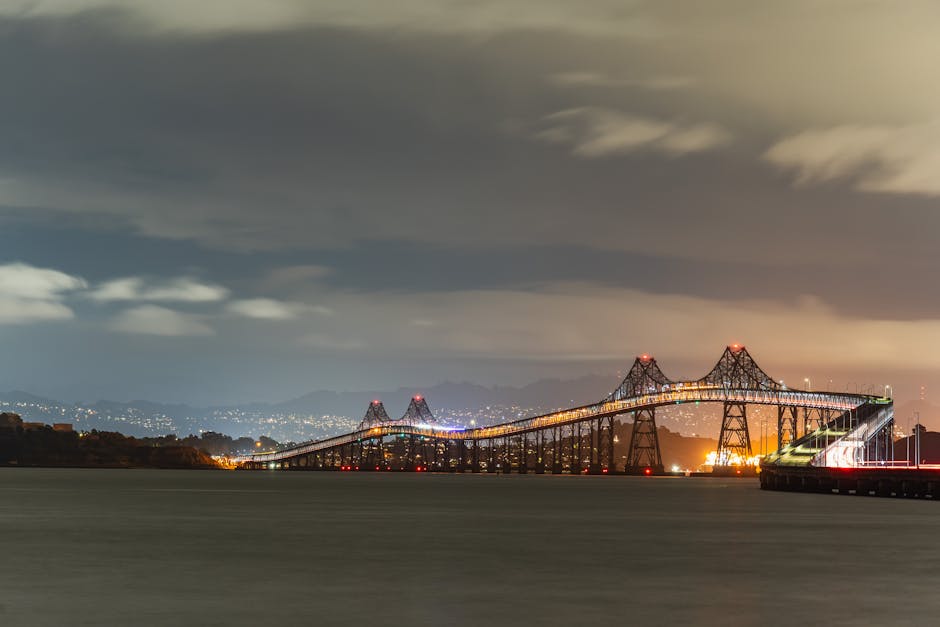
Explore San Francisco’s architectural evolution from historic Art Deco gems to modern glass skyscrapers on this self-guided walking route.
 Easy
EasySan Francisco, United States
Explore SoMa’s transformation from industrial warehouses to a global tech and art hub on this self-guided San Francisco neighborhood stroll.
 Easy
EasyInnsbruck, Austria
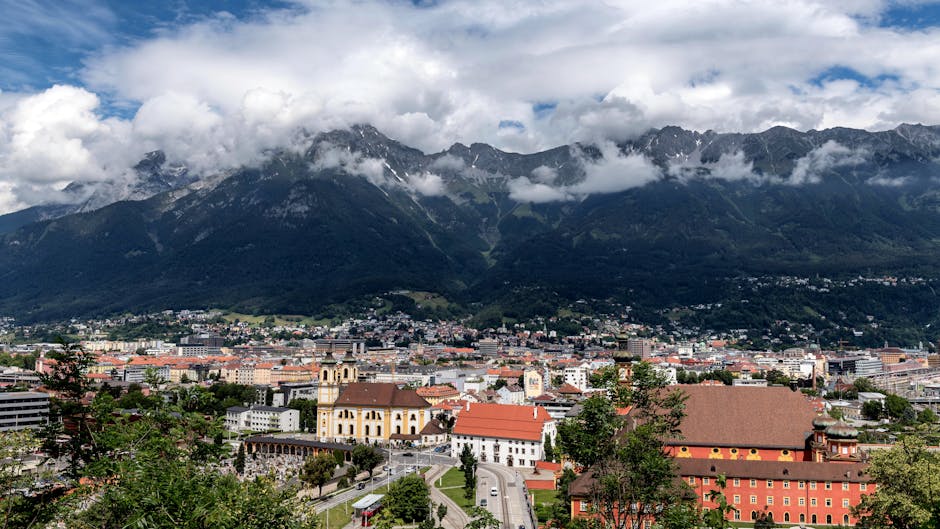
Uncover the myths and legends of Innsbruck on this self-guided walk through the historic Altstadt and beyond.
 Easy
EasyGdansk, Poland
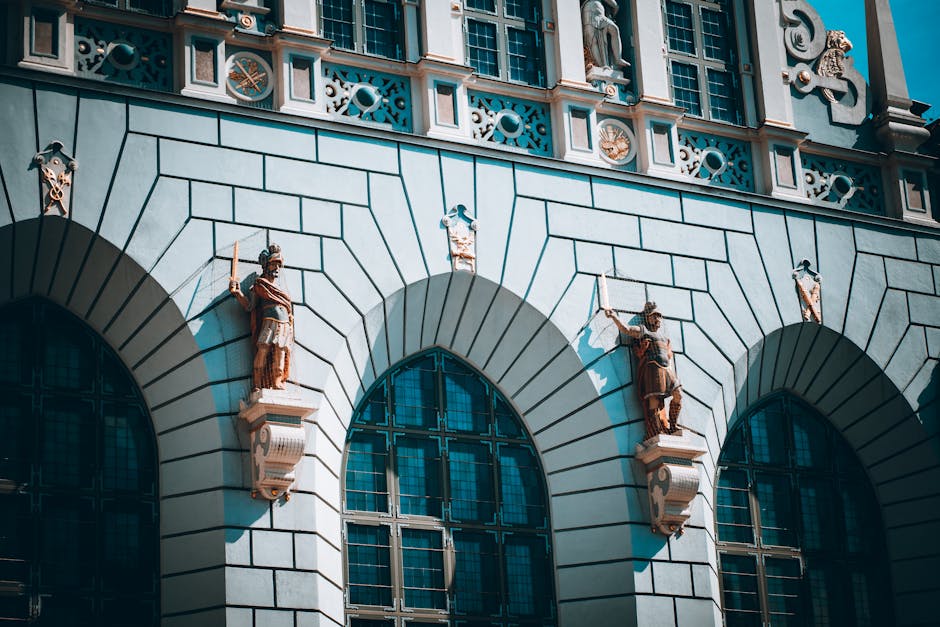
Discover the opulent Royal Way of Gdansk at your own pace. Explore Hanseatic history, gilded architecture, and the iconic Neptune's Fountain.
 Moderate
Helsinki, Finland
Explore the 'Gibraltar of the North' on this independent walking route through the historic bastions and hidden gardens of Suomenlinna Sea Fortress.
 Moderate
Gothenburg, Sweden
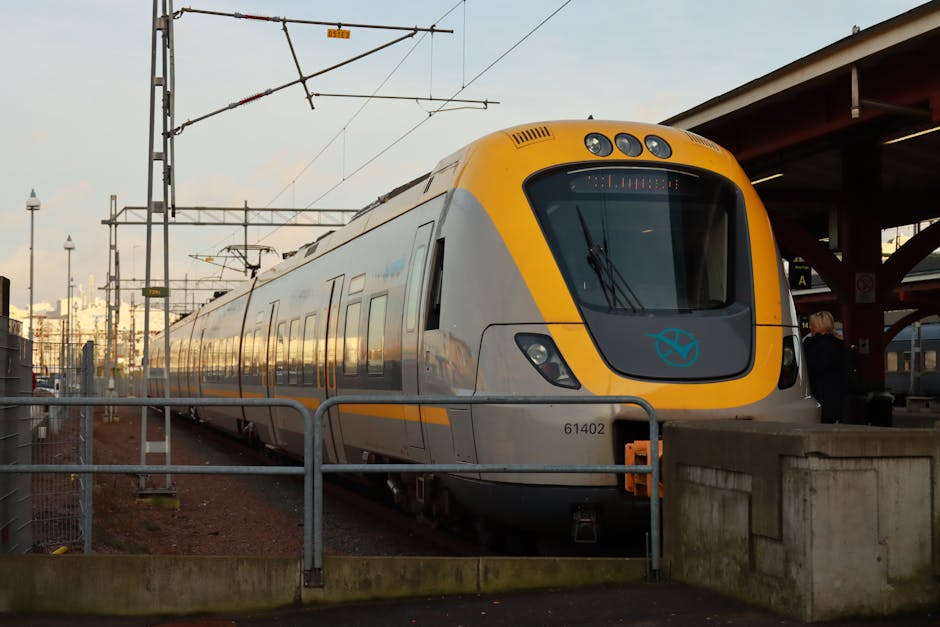
Discover Gothenburg’s maritime soul on this self-guided walk from the historic Central Station to the scenic riverfront at Stenpiren.
 Easy
EasyNashville, United States
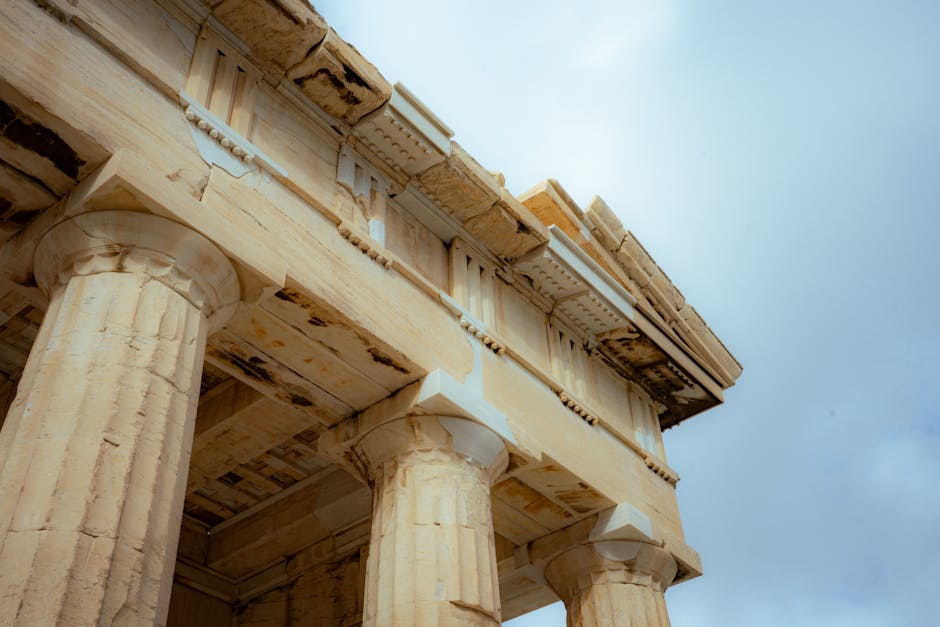
Explore the 'Athens of the South' on this self-guided walk through Centennial Park, featuring the world's only full-scale Parthenon replica.
 Easy
EasyNashville, United States
Explore Nashville's academic heart and Art Deco gems on this self-guided walk through historic Hillsboro Village.
 Easy
EasyNashville, United States
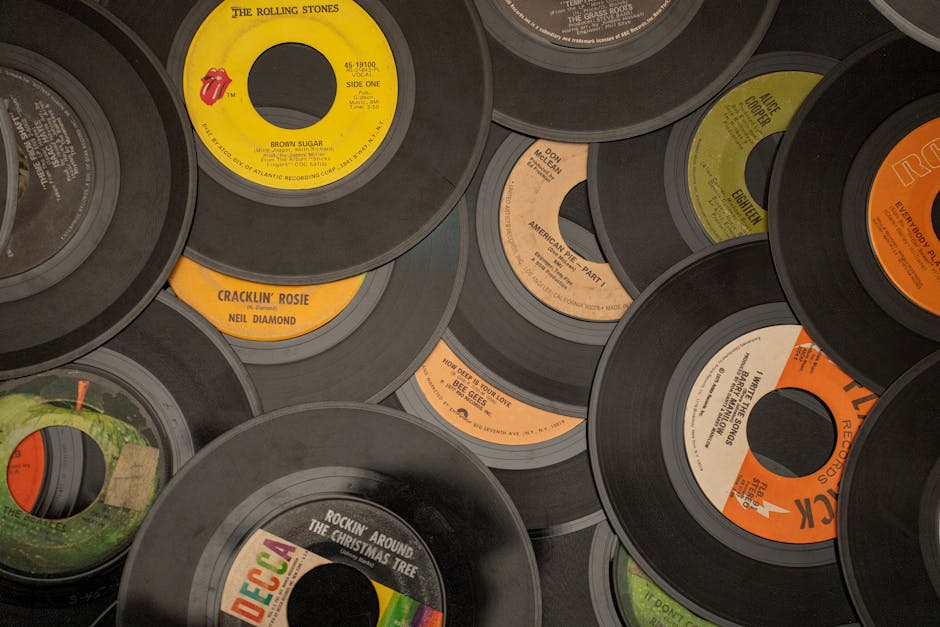
Explore the heart of Nashville's music industry. Discover iconic studios and the history of the legendary Nashville Sound at your own pace.
 Easy
EasyNashville, United States
Explore Nashville's oldest neighborhood! Discover Victorian architecture, Civil War history, and world-class craft beer on this self-guided walk.