Self-guided audio tour in New York City
Start Free on iPhone
Start free on iPhone to unlock this self-guided walking tour in New York City. Hear all the stories that make it amazing, walk at your own pace, and begin whenever you want.
Your Private Tour Guide
Step into the vibrant soul of New York City with this self-guided neighborhood stroll through the Lower East Side. Once the most densely populated square mile on Earth, this district served as the gateway to America for millions of immigrants. Today, it is a living museum where the aromas of smoked brisket and fresh-baked knishes mingle with the stories of the families who built the city. This audio walk invites you to explore the intersection of grit and glamour, tracing the evolution of Jewish, Italian, and Eastern European heritage through its most enduring landmarks. Your journey begins at the heart of the immigrant experience, exploring the architectural legacy of the tenements that housed the city's labor force. As you navigate these historic streets, you will encounter culinary institutions that have remained unchanged for over a century. From the neon glow of world-famous delicatessens to the vintage charm of family-run candy shops, this route captures the essence of a neighborhood that refuses to forget its roots. Unlike a traditional walking tour New York City experience, this self-guided route lets you linger over a pastrami sandwich or browse aisles of nostalgic sweets without a ticking clock. Beyond the food, you will discover the social history that shaped modern America. Visit the site of the first municipal playground in the United States and see where radical thinkers and social reformers gathered to change the world. This walking route offers more than just sightseeing; it provides a sensory connection to the generations of dreamers who called these narrow streets home. Whether you are a history buff or a food lover, this neighborhood stroll offers an authentic look at the resilience and flavor of the Lower East Side.
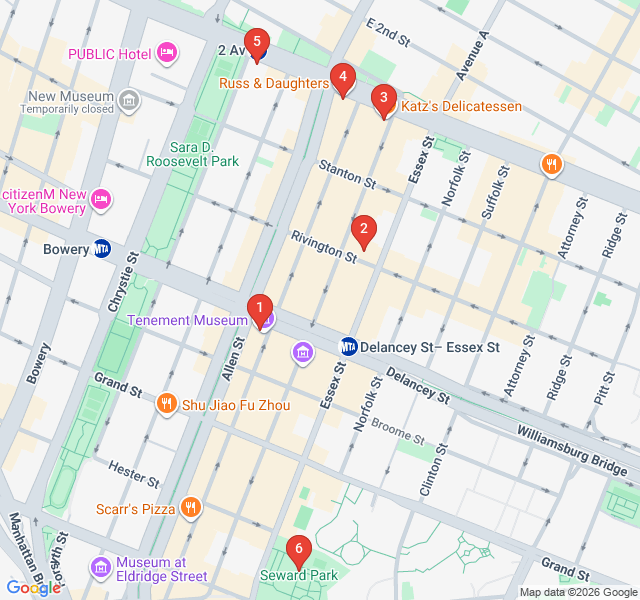
Numbers indicate the order of stops on the tour.
Welcome to 97 Orchard Street. This building is a powerful monument to the millions of immigrants who arrived in New York seeking a better life. Between 1863 and 1935, over 7,000 people from more than 20 nations lived in this single tenement. As you stand outside, notice the narrow windows and the fire escapes—features that became mandatory as the city struggled to improve living conditions in what was once the most crowded neighborhood in the world. The museum preserved these apartments exactly as they were found, offering a rare window into the daily struggles and triumphs of the families who shaped the American dream.
Prepare for a sugar rush at a true neighborhood institution. Economy Candy began in 1937 as a shoe repair shop with a small candy cart outside. During the Great Depression, the candy cart proved more profitable than the shoes, and a legend was born. Today, it remains family-run and is packed floor-to-ceiling with every treat imaginable, from vintage favorites to modern imports. It is often called 'Nosher’s Paradise,' and it stands as a testament to the small businesses that have anchored the Lower East Side for generations. Look for the classic red storefront that has become a symbol of childhood nostalgia for New Yorkers.
You are standing in front of perhaps the most famous delicatessen in the world. Established in 1888, Katz's survived the era when dozens of such delis lined these streets. During World War II, the slogan 'Send a salami to your boy in the army' became a national catchphrase. Inside, the walls are lined with photos of celebrities, and the ticket system remains as it has been for decades—don't lose your ticket, or you’ll face a fine! While it gained Hollywood fame in 'When Harry Met Sally,' its real legacy is the slow-cured pastrami that takes up to 30 days to prepare, a culinary tradition that refuses to be rushed.
Just around the corner is Russ & Daughters, a pioneer of the 'appetizing' tradition. In Jewish culinary culture, a 'deli' sells meat, while an 'appetizing' store sells fish and dairy. Joel Russ started selling herring from a barrel in 1907 before opening this shop in 1914. In a progressive move for the time, he made his three daughters full partners, changing the name to include '& Daughters.' This spot is the gold standard for lox, sable, and cream cheese. The neon sign and the white-coated counters are icons of New York food culture, representing four generations of family dedication to the craft of the perfect bagel and lox.
Since 1910, this narrow storefront has been serving the humblest and most filling of immigrant snacks: the knish. A knish is essentially a pillow of dough stuffed with potato, kasha, or cheese. Yonah Schimmel, a Romanian immigrant, started selling them from a pushcart before moving into this permanent location. Little has changed inside in over a century, including the dumbwaiter used to bring knishes up from the basement oven. It has long been a haunt for politicians and intellectuals, proving that the simple, hearty flavors of the Old World still hold a special place in the fast-paced modern city.
Your walk concludes at Seward Park, a vital green lung in this dense urban landscape. Opened in 1903, it holds the distinction of being the first municipal playground in the United States. Before this, children in the tenements had nowhere to play but the dangerous, crowded streets. The park was a triumph for social reformers who believed that fresh air and recreation were human rights. From here, you can see the former 'Forward' building, which housed the famous Yiddish newspaper. This park remains the neighborhood’s backyard, a place where history and community continue to thrive side by side.
Start Free on iPhone
Explore “Tenements and Tastes of the Lower East Side” with your very own Private Tour Guide with Zigway. Start free on iPhone, skip the large group and the fixed routes, and hear the city come alive as you go.
Your Private Tour Guide
Don't miss the good stuff
Explore Freely
 Easy
EasyNew York City, United States
Explore the golden age of Manhattan architecture on this self-guided walk through Midtown's iconic Art Deco skyscrapers and historic landmarks.
 Easy
EasyNew York City, United States
Discover the literary legends, jazz haunts, and revolutionary history of Greenwich Village on this immersive self-guided walking route.
 Easy
EasyNew York City, United States
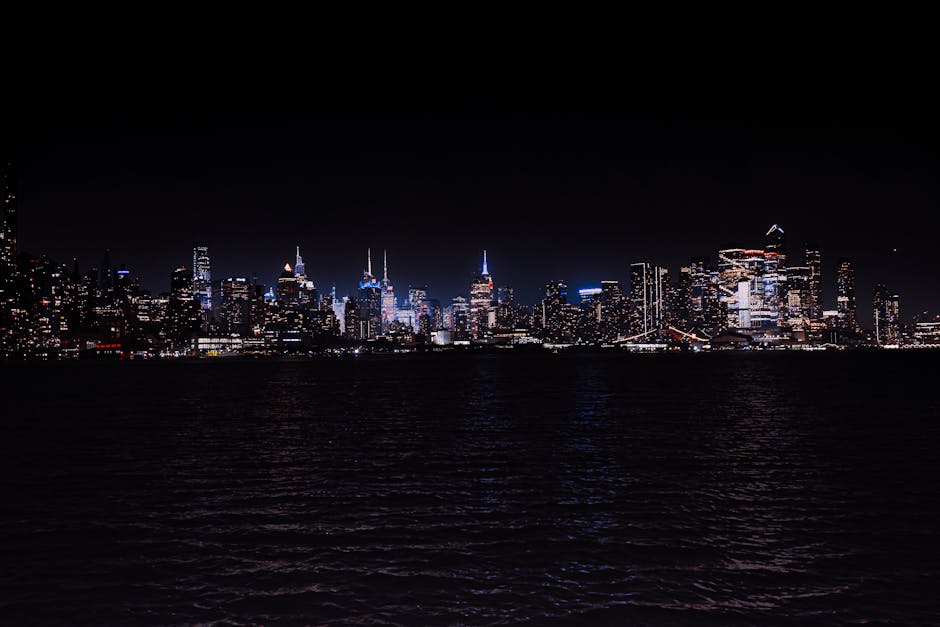
Explore Manhattan's transformation on this self-guided walk from the High Line to Hudson Yards.
 Easy
EasyNew York City, United States
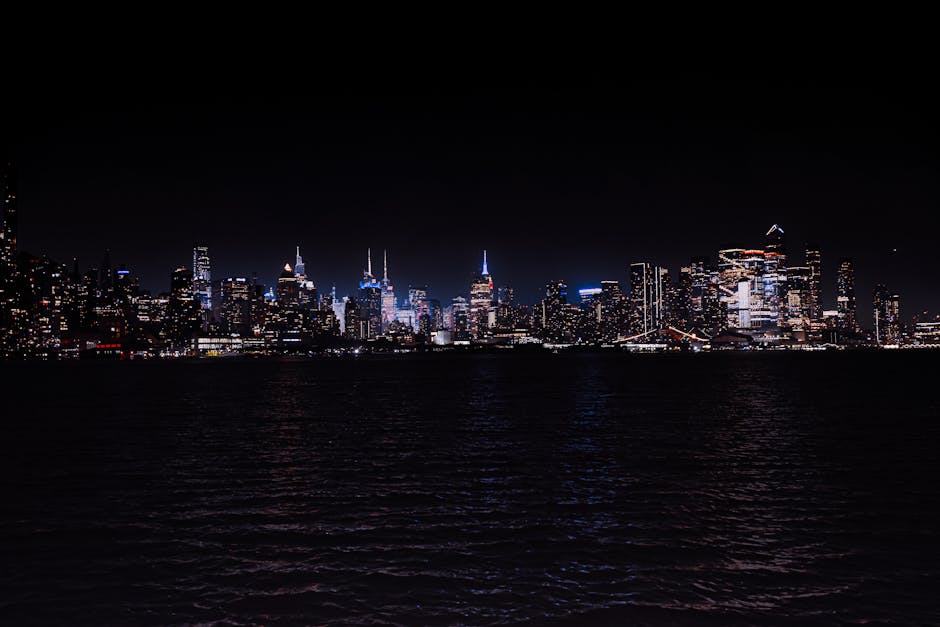
Discover the world's finest cast-iron architecture and the evolution of fashion on this self-guided walking route through NYC's iconic SoHo district.
 Moderate
Warsaw, Poland
A powerful self-guided walk through Warsaw's WWII history, tracking the 1944 Uprising from ruined skyscrapers to solemn memorials.
 Easy
EasyKrakow, Poland
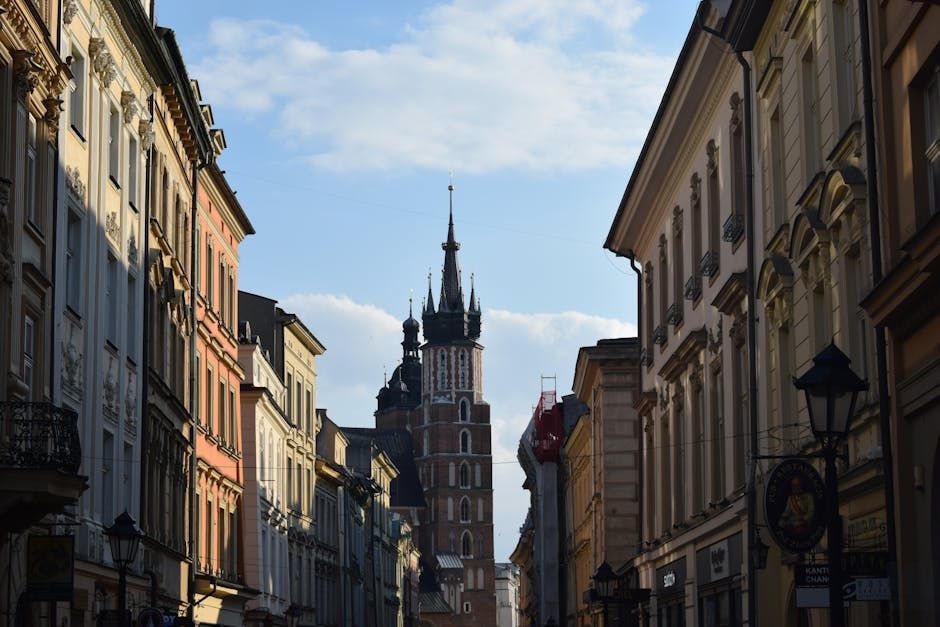
Savor the soul of Krakow on this self-guided walk through historic markets, bohemian cafes, and the city's best pierogi spots.
 Easy
EasyGdansk, Poland
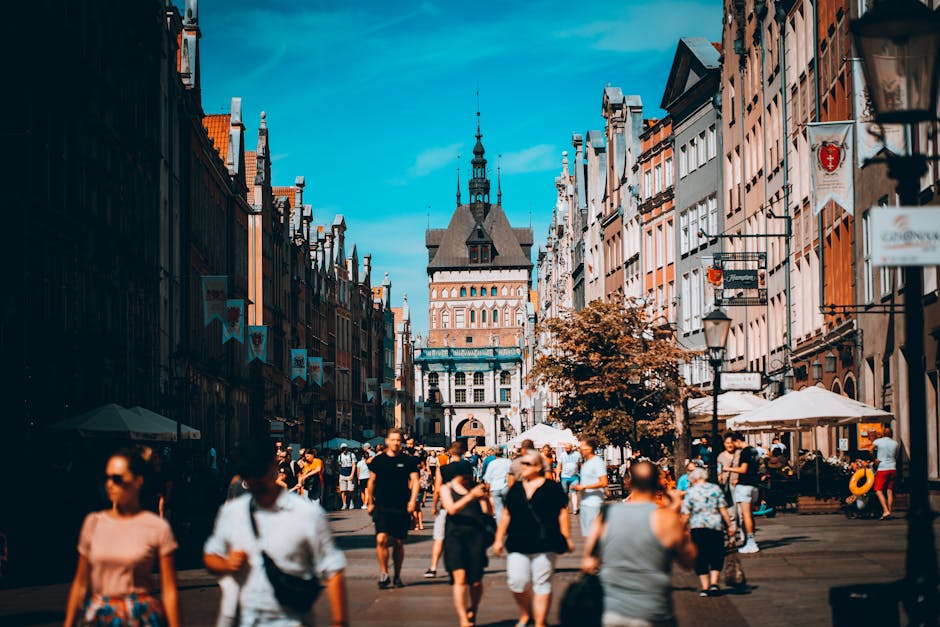
Taste the history of the Baltic. Explore Gdansk's culinary heritage from medieval markets to gold-flecked liqueurs on this self-guided walk.
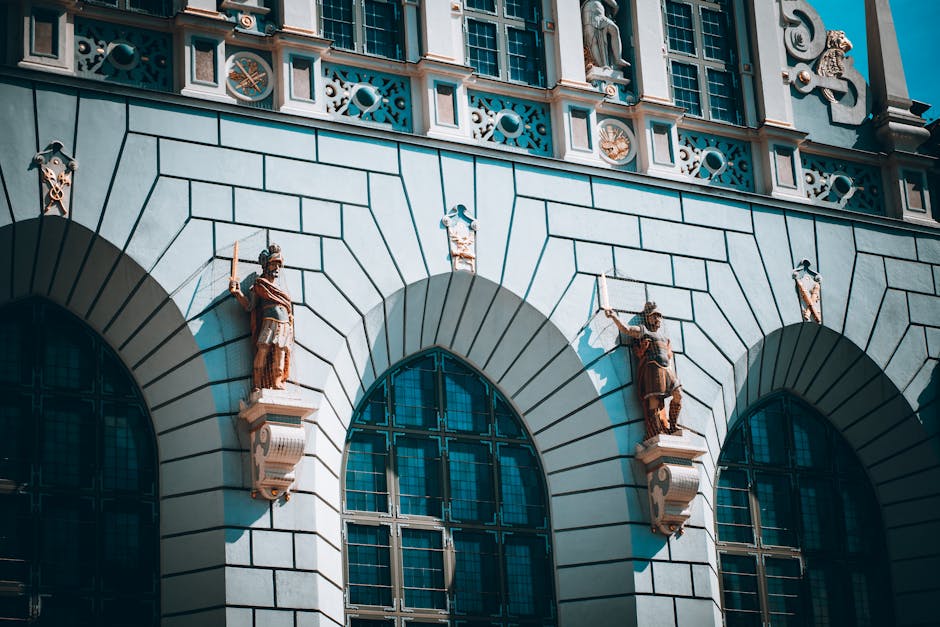 Moderate
Gdansk, Poland
Discover the origins of WWII in Gdansk on this self-guided walk through heroic last stands, massive museums, and strategic hilltop fortifications.
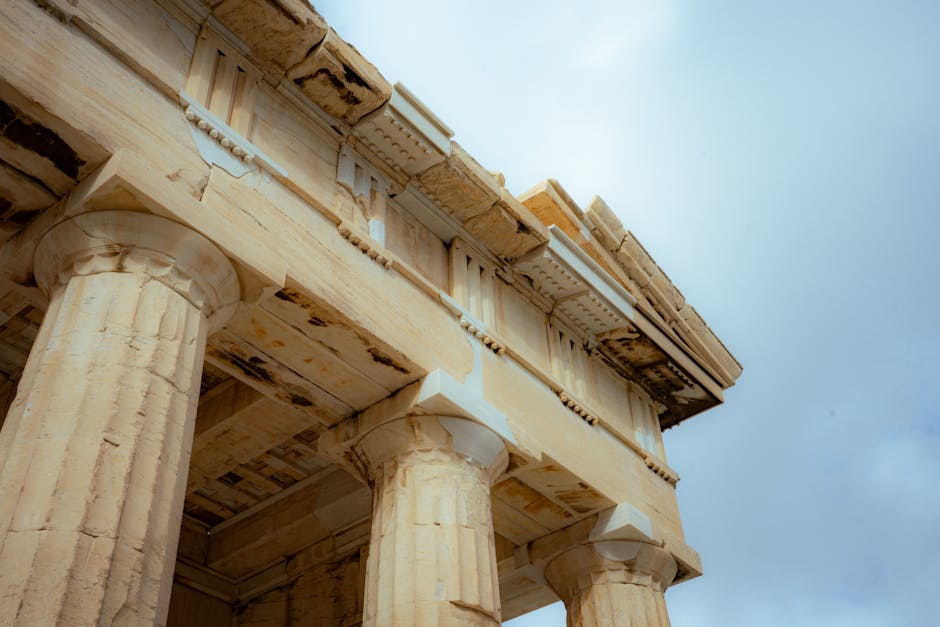 Easy
EasyNashville, United States
Explore the 'Athens of the South' on this self-guided walk through Centennial Park, featuring the world's only full-scale Parthenon replica.
 Easy
EasyNashville, United States
Explore Nashville's academic heart and Art Deco gems on this self-guided walk through historic Hillsboro Village.
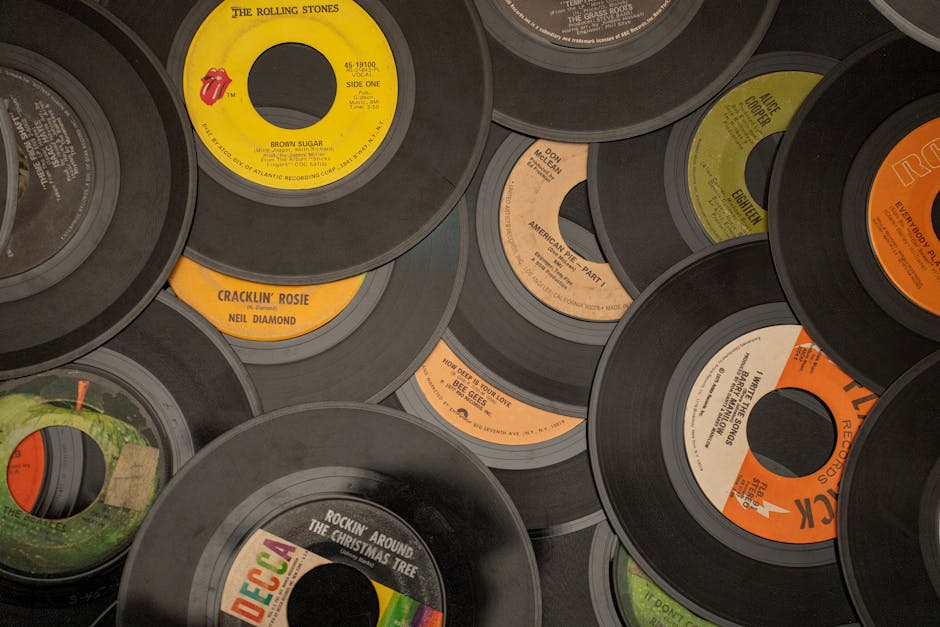 Easy
EasyNashville, United States
Explore the heart of Nashville's music industry. Discover iconic studios and the history of the legendary Nashville Sound at your own pace.
 Easy
EasyNashville, United States
Explore Nashville's oldest neighborhood! Discover Victorian architecture, Civil War history, and world-class craft beer on this self-guided walk.