Self-guided audio tour in New York City
Start Free on iPhone
Start free on iPhone to unlock this self-guided walking tour in New York City. Hear all the stories that make it amazing, walk at your own pace, and begin whenever you want.
Your Private Tour Guide
Step into a living museum where 19th-century industrial grit meets 21st-century high-end glamour. This self-guided walk through SoHo (South of Houston Street) invites you to explore the world's largest collection of cast-iron architecture. Once a manufacturing hub known as 'Hell's Hundred Acres,' the neighborhood transformed into an artist’s colony in the 1970s before evolving into the luxury shopping and fashion mecca it is today. As you follow this neighborhood stroll, you will see how the soaring windows and ornate facades originally designed for warehouses now serve as the backdrop for world-class boutiques and luxury lofts. This walking route highlights the architectural ingenuity that allowed New York to build taller and faster during the Industrial Revolution. You will encounter the site of the world's first successful passenger elevator and walk down cobblestone streets that have served as backdrops for countless films. Beyond the iron facades, the journey takes you toward the edge of Nolita to discover one of the city's most historic religious sites and a legendary publishing house. Whether you are an architecture enthusiast, a fashion lover, or a history buff, this walking tour New York City experience offers a deep dive into the layers of Lower Manhattan. The route is designed to be flexible, allowing you to stop for a photo of a Corinthian column or a quick window-shopping break at a designer flagship. By exploring independently, you can soak in the details of the 'King' and 'Queen' of Greene Street at your own pace. This walking tour New York City provides the perfect introduction to the aesthetic soul of Manhattan, concluding with a taste of modern culinary fame in the heart of the district.
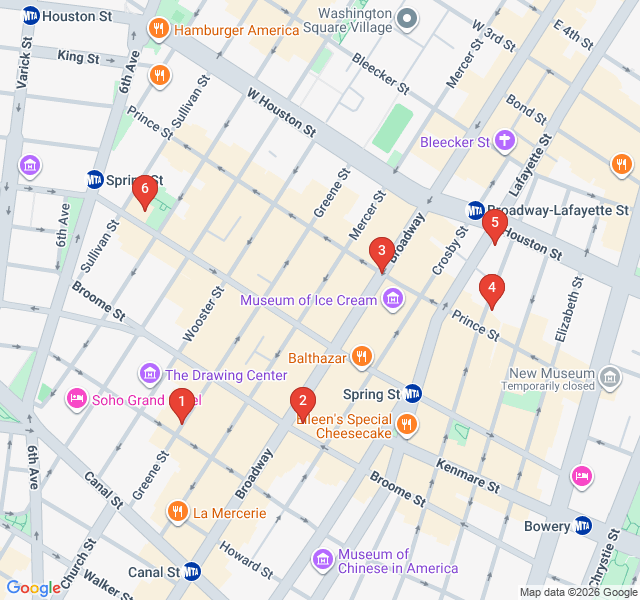
Numbers indicate the order of stops on the tour.
Welcome to the heart of the Cast-Iron District. Greene Street holds the most significant concentration of cast-iron facades in the world. As you walk between Canal and Grand Streets, look up at the 'King of Greene Street' at number 72 and the 'Queen' at number 28. These buildings weren't just for show; cast-iron was a 'pre-fab' technology of the 1800s, allowing builders to create ornate, palace-like designs far cheaper than carving stone. Notice the massive windows, which were essential for letting light into the textile factories that once hummed here. Today, these former warehouses are some of the most expensive residential lofts and retail spaces on the planet.
Standing at the corner of Broadway and Broome, the Haughwout Building is an architectural masterpiece inspired by a Venetian library. While its rhythmic rows of windows are stunning, its true claim to fame is hidden inside. On March 23, 1857, Elisha Otis installed the world's first successful passenger elevator here. Before this, buildings were limited in height by how many stairs people were willing to climb. This single invention paved the way for the modern skyscraper. Imagine the Victorian-era shoppers who once flocked here to buy fine china and chandeliers, marveling at the technology that effortlessly lifted them to the upper floors.
This intersection is the pulsing heart of SoHo’s retail culture. Broadway serves as a canyon of commerce, where historic scale meets modern global brands. As you stand here, you are at the crossroads of fashion and history. During the mid-20th century, this area was almost demolished to make way for a massive highway called the Lower Manhattan Expressway. Thankfully, activists and artists fought to save these structures, leading to the neighborhood's rebirth. Today, the street-level stores are a far cry from the industrial workshops of the past, but the upper stories still retain the grandeur of 19th-century New York.
Tucked away behind a high brick wall is the original St. Patrick's Cathedral, which served as the seat of the Catholic Archdiocese of New York until the 'new' cathedral opened on Fifth Avenue in 1879. Built between 1809 and 1815, this Gothic Revival landmark witnessed the struggles of early Irish and Italian immigrants. The wall surrounding the church was actually built to protect the building from anti-Catholic riots in the mid-19th century. Today, it remains a peaceful sanctuary. If you look closely at the graveyard, you are looking at one of the few remaining green spaces in this densely built part of Manhattan.
This massive red-brick structure is the Puck Building, an iconic example of Romanesque Revival architecture. It was originally built in the 1880s to house the printing presses of Puck Magazine, a famous humor and satire publication. Look for the golden statues of the character Puck—the mischievous sprite from Shakespeare's 'A Midsummer Night's Dream'—perched on the exterior. The building’s deep red color and heavy arches represent a shift away from the lighter cast-iron style you saw earlier. In more recent decades, it became a symbol of NYC's media and tech evolution, and even served as the setting for various television shows and films.
You have reached the final stop on this neighborhood stroll. While SoHo is known for its history, it is also a place of constant innovation—even in the kitchen. Dominique Ansel Bakery became a global sensation in 2013 with the invention of the Cronut, a croissant-doughnut hybrid. People have been known to queue for hours just for a taste. Even if you aren't here for the signature pastry, the bakery represents the modern SoHo: creative, trend-setting, and perpetually in demand. Grab a treat and find a nearby bench to reflect on the journey from industrial warehouses to the pinnacle of New York luxury.
Start Free on iPhone
Explore “SoHo Cast-Iron and Luxury Lofts” with your very own Private Tour Guide with Zigway. Start free on iPhone, skip the large group and the fixed routes, and hear the city come alive as you go.
Your Private Tour Guide
Don't miss the good stuff
Explore Freely
 Easy
EasyNew York City, United States
Explore the golden age of Manhattan architecture on this self-guided walk through Midtown's iconic Art Deco skyscrapers and historic landmarks.
 Easy
EasyNew York City, United States
Discover the literary legends, jazz haunts, and revolutionary history of Greenwich Village on this immersive self-guided walking route.
 Easy
EasyNew York City, United States
Explore Manhattan's transformation on this self-guided walk from the High Line to Hudson Yards.
 Easy
EasyNew York City, United States
Explore the birthplace of American democracy and the heart of global finance on this self-guided walk through NYC's historic Financial District.
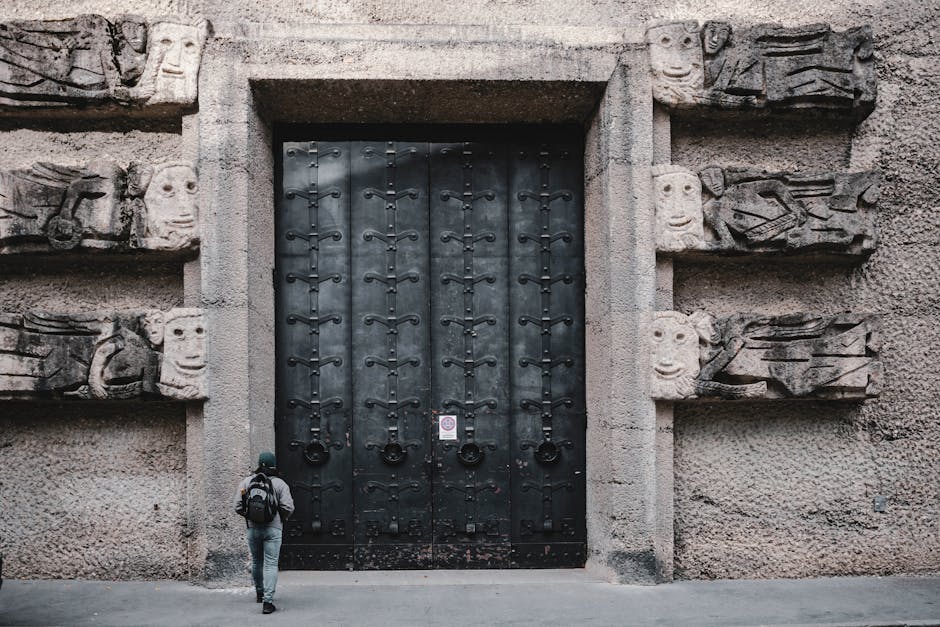 Easy
EasySalzburg, Austria
Discover the 'Rome of the North' on this self-guided walk through the Baroque squares and monumental legacy of Salzburg’s Prince-Archbishops.
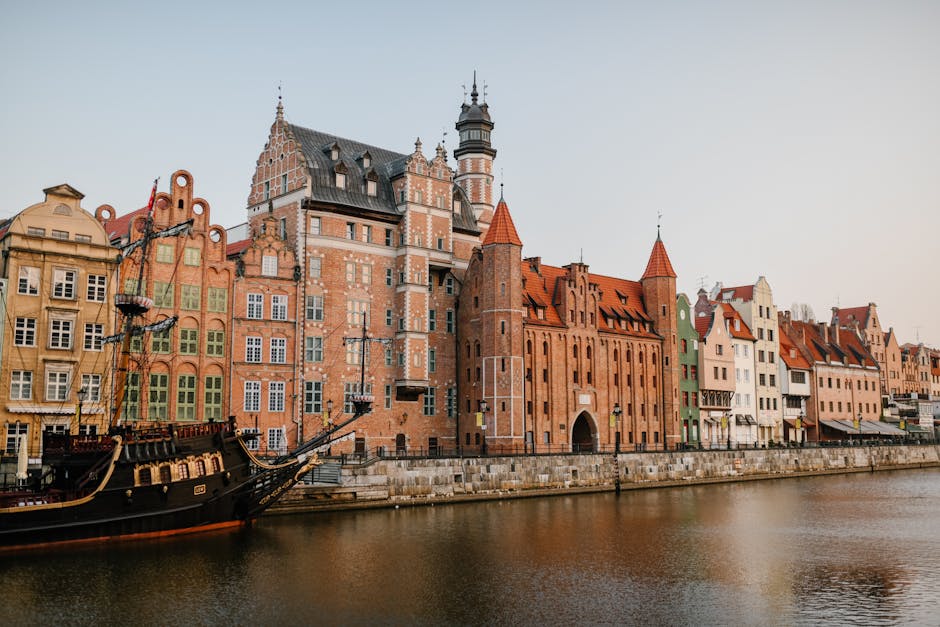 Easy
EasyGdansk, Poland
Discover the 'Baltic Gold' on this self-guided walk through Gdansk's historic mills, massive cathedrals, and the magical Mariacka Street.
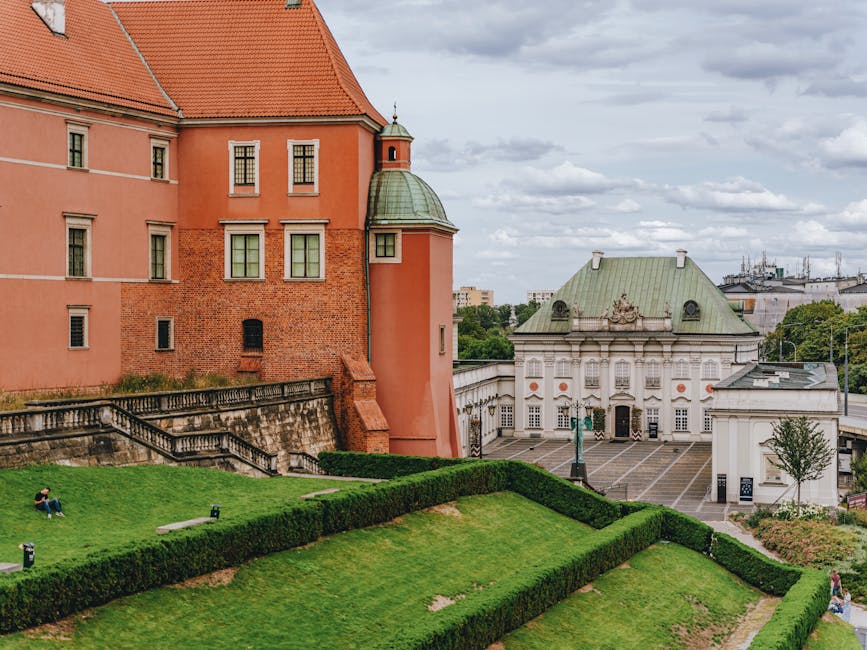 Easy
EasyWarsaw, Poland
Explore the miracle of Warsaw's reconstructed Old Town on this self-guided walk through royal squares, medieval walls, and heroic monuments.
 Easy
EasyGothenburg, Sweden
Discover Gothenburg’s 17th-century Dutch foundations, historic canals, and military fortifications on this self-guided architectural walk.
 Easy
EasyNashville, United States
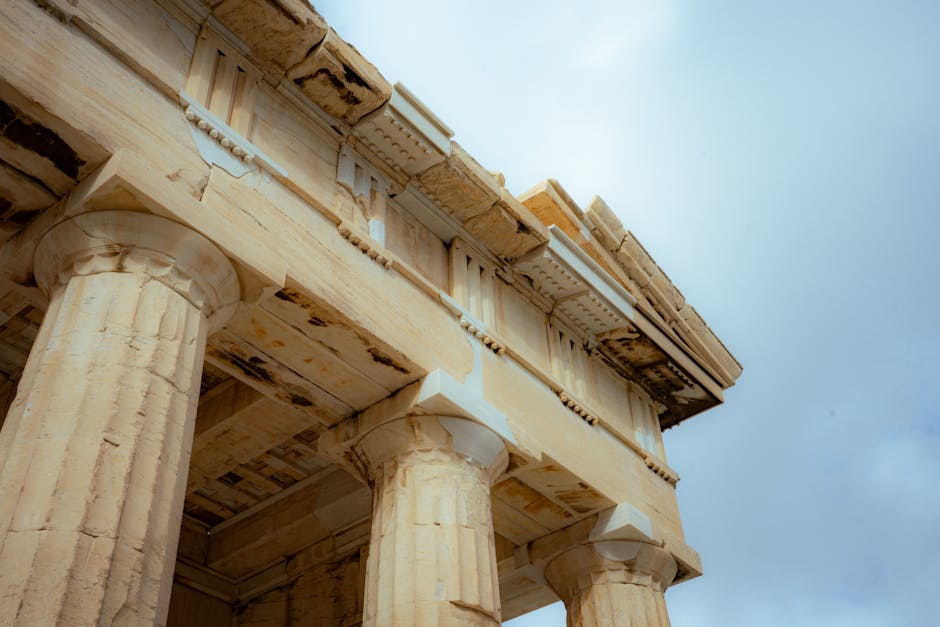
Explore the 'Athens of the South' on this self-guided walk through Centennial Park, featuring the world's only full-scale Parthenon replica.
 Easy
EasyNashville, United States
Explore Nashville's academic heart and Art Deco gems on this self-guided walk through historic Hillsboro Village.
 Easy
EasyNashville, United States
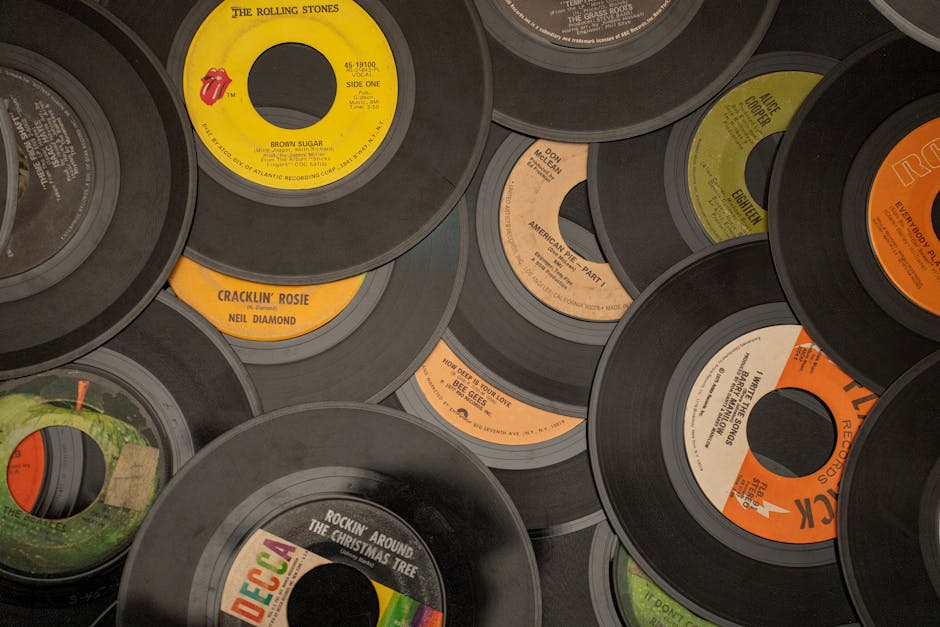
Explore the heart of Nashville's music industry. Discover iconic studios and the history of the legendary Nashville Sound at your own pace.
 Easy
EasyNashville, United States
Explore Nashville's oldest neighborhood! Discover Victorian architecture, Civil War history, and world-class craft beer on this self-guided walk.