Self-guided audio tour in New York City
Start Free on iPhone
Start free on iPhone to unlock this self-guided walking tour in New York City. Hear all the stories that make it amazing, walk at your own pace, and begin whenever you want.
Your Private Tour Guide
Step into the winding, tree-lined streets of Greenwich Village, a neighborhood that famously defies the rigid grid of Manhattan. This self-guided walk invites you to explore the epicenter of American counterculture, where every cobblestone seems to whisper stories of poets, protestors, and pioneers. Known simply as 'the Village,' this area has served as a sanctuary for the creative and the rebellious for over a century. On this neighborhood stroll, you will trace the footsteps of the Beat Generation, witness the birthplace of the modern LGBTQ+ rights movement, and see the haunts where literary giants like Ernest Hemingway and Dylan Thomas sought inspiration and a strong drink. Your journey begins under the monumental Washington Square Arch, the symbolic gateway to a world of artistic expression. From there, the route takes you past historic cafes that introduced Italian espresso culture to the United States and through narrow lanes where the ghosts of jazz legends still linger. You will explore the site of the 1969 Stonewall Uprising, a turning point in civil rights history, and admire the striking Victorian Gothic architecture of the Jefferson Market Library. This walking route is designed for those who want to discover at their own pace, offering the freedom to linger in a park, enjoy a legendary burger at a historic tavern, or simply soak in the vibrant, bohemian atmosphere that continues to define this iconic New York City district. Whether you are a fan of literary history, a student of social movements, or an admirer of historic architecture, this self-guided adventure provides a deep dive into the soul of the Village.
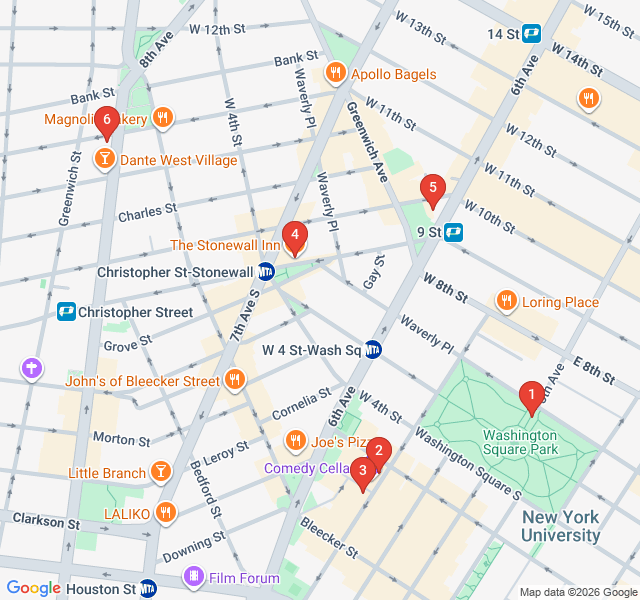
Numbers indicate the order of stops on the tour.
Standing at the foot of Fifth Avenue, the Washington Square Arch is the grand entrance to Greenwich Village. Completed in 1892, this marble triumphal arch replaced a temporary wooden structure built to celebrate the centennial of George Washington's inauguration. Designed by Stanford White, it was modeled after the Arc de Triomphe in Paris. Throughout the 20th century, this spot became a magnet for activists, street performers, and the folk music revival of the 1960s. Look closely at the statues: on the north side, Washington is depicted as a general, while on the south, he is shown as a statesman. It remains the heart of the neighborhood's public life.
Welcome to Caffe Reggio, a true Village institution. Opened in 1927 by Domenico Parisi, this cafe is credited with introducing the cappuccino to the United States. Inside, you can still see the original 1902 espresso machine, a towering ornate piece of chrome and brass. The walls are adorned with Italian Renaissance-style art, creating an atmosphere that has attracted intellectuals and filmmakers for decades. It has appeared in numerous films, including 'The Godfather Part II'. It serves as a perfect example of the Italian immigrant influence that shaped the Village's social fabric in the early 20th century.
Minetta Tavern opened its doors in 1937 and quickly became a clubhouse for the literary elite. Named after the Minetta Brook that once flowed through the area, the tavern was a favorite of Ernest Hemingway, Ezra Pound, and E.E. Cummings. The walls are lined with caricatures of famous patrons, capturing the bohemian spirit of the era. The back room was famously nicknamed 'The Black Hole of Calcutta' by regular Joseph Mitchell. While it has seen renovations over the years, it maintains its classic New York tavern feel, bridging the gap between the neighborhood's gritty past and its polished present.
The Stonewall Inn is one of the most significant civil rights landmarks in America. In June 1969, a police raid here sparked a series of spontaneous protests known as the Stonewall Uprising. This event is widely considered the catalyst for the modern LGBTQ+ rights movement. In 2016, the area was designated as a National Monument, the first of its kind dedicated to LGBTQ+ history. While the building itself is modest, its impact on global social history is immeasurable. It remains an active bar and a place of pilgrimage for those honoring the struggle for equality and the courage of those who fought back.
This striking Victorian Gothic building was originally constructed in the 1870s as a courthouse. With its stained glass, carved gables, and clock tower, it was once voted one of the ten most beautiful buildings in America by a poll of architects. In the 1960s, it faced demolition, but local residents successfully campaigned to save it and convert it into a public library. The clock tower once served as a fire lookout for the neighborhood. Today, it stands as a testament to the Village's long history of community activism and its architectural diversity, providing a quiet sanctuary amidst the bustling city.
Your walk concludes at the White Horse Tavern, which has been serving patrons since 1880. It is perhaps most famous—or infamous—as the place where the Welsh poet Dylan Thomas reportedly drank his final 18 shots of whiskey in 1953. Beyond the Thomas legend, the tavern was a core meeting spot for the Beat Generation, including Jack Kerouac and Allen Ginsberg. It also served as a hub for labor organizers and journalists from the nearby Village Voice. As one of the few remaining 19th-century wood-frame buildings in the city, it offers a window into the old 'Village' soul that persists today.
Start Free on iPhone
Explore “Bohemian Beats and Village Legends” with your very own Private Tour Guide with Zigway. Start free on iPhone, skip the large group and the fixed routes, and hear the city come alive as you go.
Your Private Tour Guide
Don't miss the good stuff
Explore Freely
 Easy
EasyNew York City, United States
Explore the golden age of Manhattan architecture on this self-guided walk through Midtown's iconic Art Deco skyscrapers and historic landmarks.
 Easy
EasyNew York City, United States
Explore Manhattan's transformation on this self-guided walk from the High Line to Hudson Yards.
 Easy
EasyNew York City, United States
Discover the world's finest cast-iron architecture and the evolution of fashion on this self-guided walking route through NYC's iconic SoHo district.
 Easy
EasyNew York City, United States
Explore the birthplace of American democracy and the heart of global finance on this self-guided walk through NYC's historic Financial District.
 Easy
EasyNairobi, Kenya
Discover Nairobi’s literary soul on this self-guided walk through historic libraries, iconic bookshops, and cultural centers in the heart of the CBD.
 Easy
EasyKrakow, Poland
Explore the prestigious Jagiellonian University district, featuring Neo-Gothic architecture, Baroque churches, and Krakow's hidden scholarly gems.
 Easy
EasyWarsaw, Poland
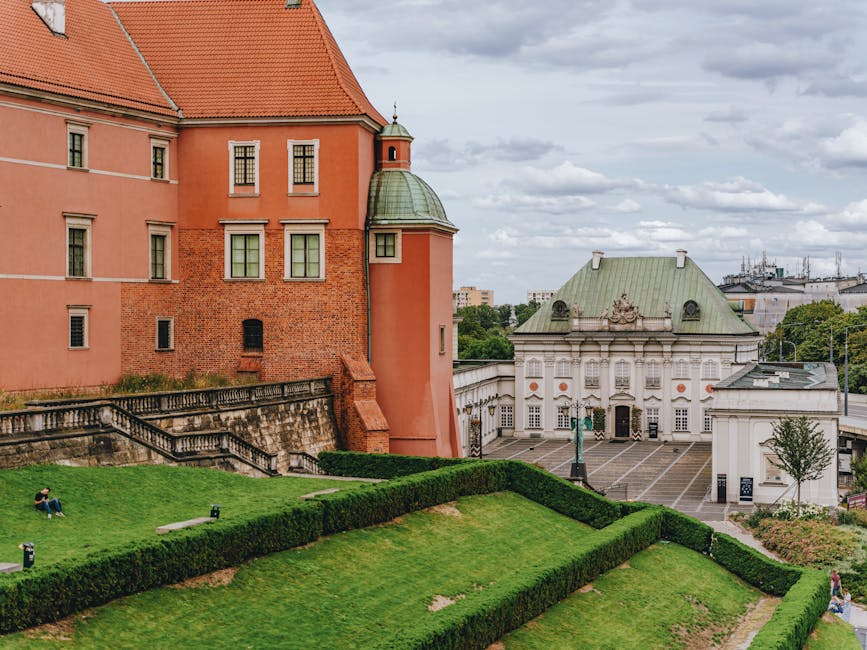
Follow the life of Fryderyk Chopin through Warsaw’s historic center. See where he lived, studied, and where his heart remains today.
 Easy
EasyGothenburg, Sweden
Explore Gothenburg’s historic wooden houses, legendary giant cinnamon buns, and panoramic fortress views on this self-guided neighborhood stroll.
 Easy
EasyNashville, United States
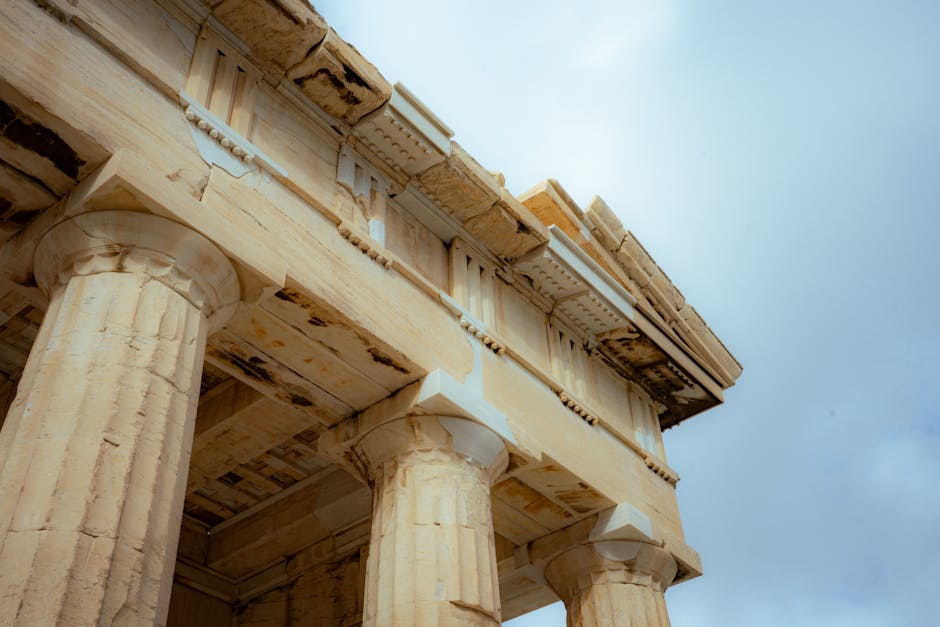
Explore the 'Athens of the South' on this self-guided walk through Centennial Park, featuring the world's only full-scale Parthenon replica.
 Easy
EasyNashville, United States
Explore Nashville's academic heart and Art Deco gems on this self-guided walk through historic Hillsboro Village.
 Easy
EasyNashville, United States
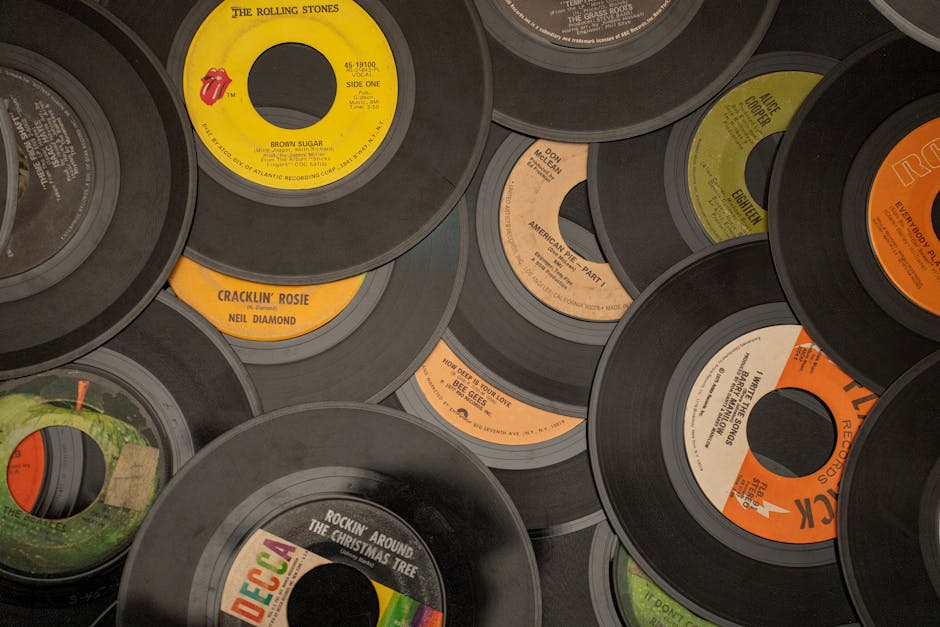
Explore the heart of Nashville's music industry. Discover iconic studios and the history of the legendary Nashville Sound at your own pace.
 Easy
EasyNashville, United States
Explore Nashville's oldest neighborhood! Discover Victorian architecture, Civil War history, and world-class craft beer on this self-guided walk.