Self-guided audio tour in Rome
Now a Guided Walk in the Zigway app
Bridges, pyres, a talking statue and a burning carriage: walk the Rome that never forgot its dead.
2.5 km · 36 min walking · 33 min of stories
The introduction and the first minute at the first stop.
Chiesa Nuova di Santa Maria in Vallicella
The man behind it was Philip Neri, a priest the Church later made a saint. A pope handed Neri's community a gift that looked more like a burden: a small, damp, crumbling church on this spot.
Palazzo della Cancelleria
One belongs to Sixtus the Fourth, the pope who built Ponte Sisto. His nephew, Cardinal Raffaele Riario, built this palace.
Palazzo Farnese
Renaissance Romans nicknamed it the Farnese dice.
Piazza Navona and Sant'Agnese in Agone
Tradition says Saint Agnes was martyred on this ground. The front you see is Borromini's.
Ponte Sisto
Pope Sixtus the Fourth built this crossing more than five centuries ago. His builders reused piers from an older Roman bridge.
Guided Walk · in the Zigway app
Buy it once in the app and walk it whenever you're in Rome. GPS plays each story as you arrive, it works offline, and the introduction and first stop are free to try.
Start Free on iPhone
Hear the stories behind the streets and sights around you as you walk Rome. Try it free on iPhone.
Your Private Tour Guide
As the sun dips below the horizon, Rome sheds its postcard-perfect image and reveals a darker, more mysterious side. This self-guided walk invites you to explore the Parione district, an area where the echoes of the past remain unusually loud. From the grand elegance of Piazza Navona to the imposing shadows of Castel Sant'Angelo, you will uncover the legends of those who never truly left the Eternal City. This walking route is designed for those who prefer to explore at their own pace, far from the crowds of a traditional walking tour Rome. You will encounter the stories of tragic figures like Beatrice Cenci, whose spirit is said to return every September, and the defiant philosopher Giordano Bruno, who stands eternal watch over Campo de' Fiori. Between the stops, the narrow, winding alleys of Rome’s historic center provide the perfect backdrop for a spooky evening. The Parione neighborhood is famous for its Renaissance architecture and lively nightlife, but its stones also hold memories of inquisitions, betrayals, and unrequited love. Along the way, you will see the 'talking statue' of Pasquino, where centuries of anonymous dissent were voiced, and cross the Ponte Sisto, where a ghostly carriage is said to thunder across the cobblestones under the full moon. You will also visit the site of a documented 19th-century poltergeist on Via del Governo Vecchio, a street otherwise known for its charming vintage boutiques. Whether you are a fan of history, a seeker of the supernatural, or simply looking for an atmospheric nighttime stroll, this self-guided adventure offers a unique perspective on the city’s complex heritage. Discover the hidden hauntings and historical enigmas that define Rome after dark, using this audio walk to navigate the labyrinthine streets that have seen centuries of drama. No need for a scheduled group; simply start exploring when the mood strikes and let the shadows of the past lead the way.
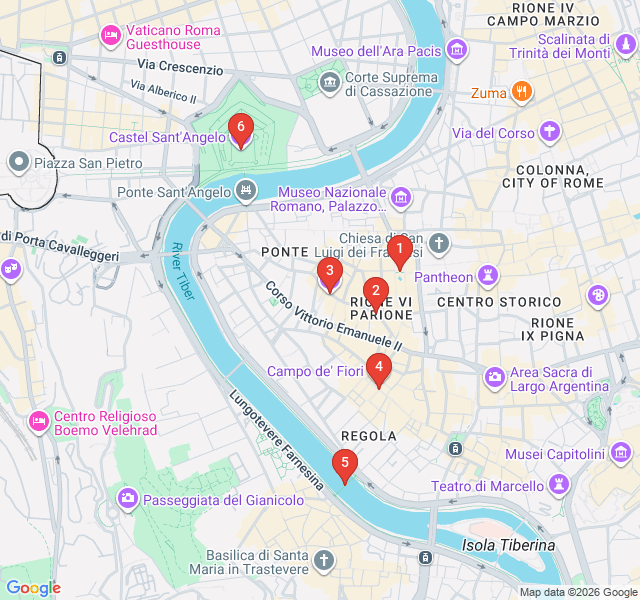
Numbers indicate the order of stops on the tour.
Piazza Navona is world-famous for its Bernini fountains, but it also hosts a chilling legend. Look up at the Palazzo de Cupis. It is said that in the 17th century, a beautiful noblewoman named Costanza De Cupis lived here. She was renowned for her exquisite hands. After a jealous rival cursed her, Costanza lost a finger to an infection and eventually died of grief. Legend has it that on nights when the moon is full, the silhouette of a pale, severed hand appears in one of the palace windows, pressing against the glass. This square, built over the ancient Stadium of Domitian, serves as the perfect starting point for our exploration of Rome's restless spirits.
Just around the corner from Navona stands Pasquino, the most famous of Rome's 'talking statues.' This battered Hellenistic fragment became a vessel for public dissent during the Renaissance. Romans would clandestinely attach satirical poems and biting criticisms of the Pope or the aristocracy to its base under the cover of night. These notes were called 'pasquinades.' Some locals claim that if you stand near the statue at midnight, you can still hear the faint scratching of pens or the hushed whispers of long-dead poets sharing their forbidden verses. It is a place where the political ghosts of the city’s past continue to voice their eternal grievances against authority.
While now a hub for vintage shopping, Via del Governo Vecchio was the site of a terrifying event in 1861. At number 57, a series of poltergeist activities occurred that were so severe they were documented by local authorities. Witnesses reported furniture flying across rooms, mysterious knocking, and invisible hands throwing stones. The disturbances were so violent that the residents eventually fled. To this day, the narrow street feels particularly chilly even on warm nights. As you walk past the historic facades, imagine the terror of those mid-19th-century residents as they realized their homes were shared by an unseen, aggressive presence that defied all rational explanation.
By day, this is a bustling marketplace, but at night, the atmosphere shifts. In the center stands the somber, hooded bronze statue of Giordano Bruno, a philosopher burned at the stake for heresy in 1600. He was executed exactly where his monument now stands. Unlike many statues that face the sun, Bruno glares toward the Vatican, a symbol of his defiance even in death. This square was a primary site for public executions for centuries. Many claim that the air here feels heavy, and the shadow cast by Bruno's statue seems to move independently of the light, a silent reminder of the thousands who met their end on this cobblestone stage.
Crossing the Tiber at Ponte Sisto brings you into the path of 'La Pimpaccia,' the ghost of Olimpia Maidalchini. She was the powerful and widely hated sister-in-law of Pope Innocent X. Known for her greed, it is said that upon the Pope's death, she fled the city with crates of gold. Legend claims that on the anniversary of his death, or during heavy storms, her ghostly carriage, pulled by four black horses breathing fire, thunders across this bridge. The carriage is said to be filled with the treasures she stole, and if you listen closely over the sound of the rushing river, you might hear the frantic rattling of wheels against the ancient stones.
Our journey ends at the formidable Castel Sant'Angelo. This fortress was once a mausoleum, then a papal prison. Its most famous ghost is Beatrice Cenci, a young noblewoman executed on the bridge in 1599 for the murder of her abusive father. Despite public outcry for mercy, the Pope insisted on her death. It is said that every year, on the night before the anniversary of her execution, Beatrice appears on the Ponte Sant'Angelo, carrying her severed head. Her tragic story has inspired poets and painters for centuries, and her presence remains one of Rome's most enduring and heartbreaking legends. The bridge, lined with angels, provides a hauntingly beautiful conclusion to our walk.
Start Free on iPhone
Open Zigway as you walk and your private tour guide tells the stories behind what you pass.
Your Private Tour Guide
Don't miss the good stuff
Explore Freely
 Easy
Rome, Italy
Explore Rome’s industrial heart on this self-guided walk featuring massive murals, the 'Iron Colosseum,' and unique industrial archaeology.
 Easy
Rome, Italy
Explore Rome’s whimsical Fairytale District. A self-guided walk through Art Nouveau palaces, mythical fountains, and the magical Coppedè architecture.
 Moderate
Rome, Italy
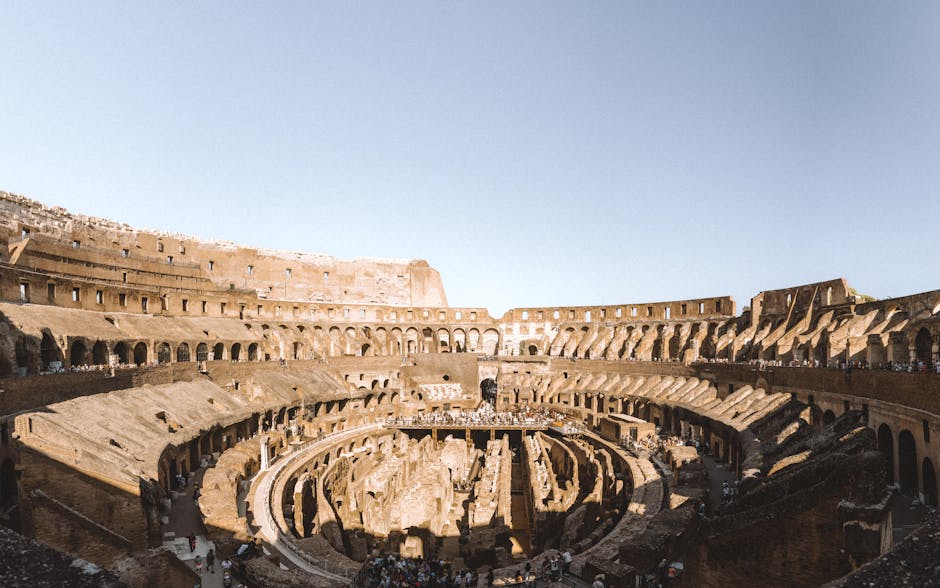
Uncover Rome's hidden history on this self-guided walk through ancient gladiator pits, subterranean temples, and buried Roman houses.
 Challenging
Rome, Italy
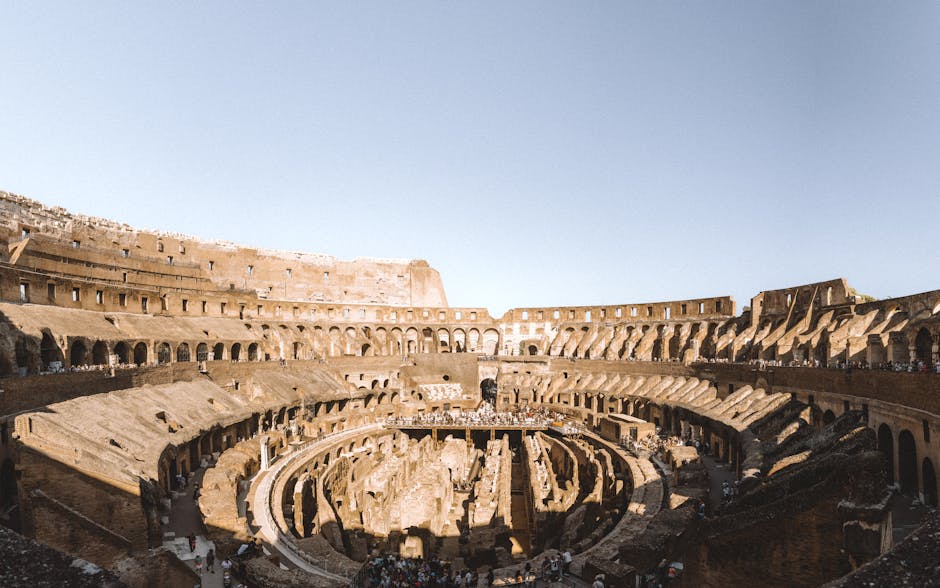
Walk the 'Queen of Roads.' Explore ancient catacombs, imperial villas, and historic basalt stones on this scenic self-guided Roman adventure.
 Easy
Nairobi, Kenya
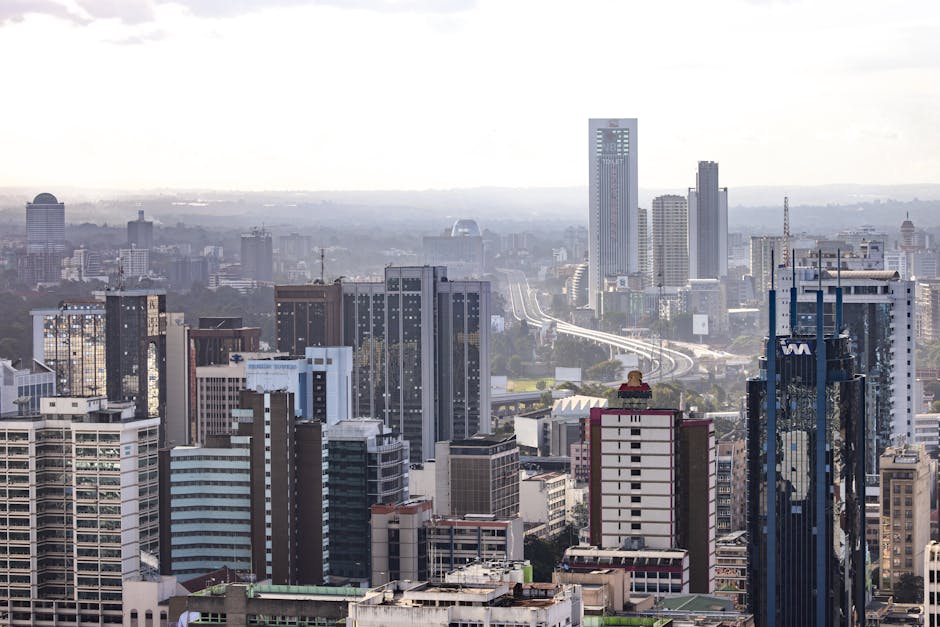
Explore Nairobi's architectural evolution from colonial-era landmarks to iconic Brutalist skyscrapers on this historic self-guided walking route.
 Easy
Nairobi, Kenya
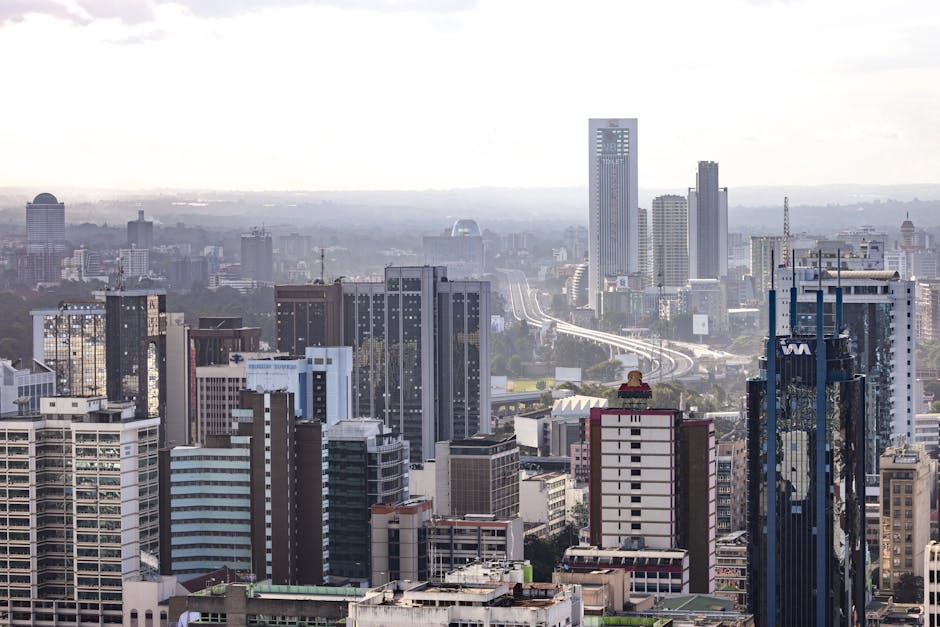
Discover Nairobi's iconic skyline on this self-guided architecture walk through the CBD’s most famous modernist and Brutalist landmarks.
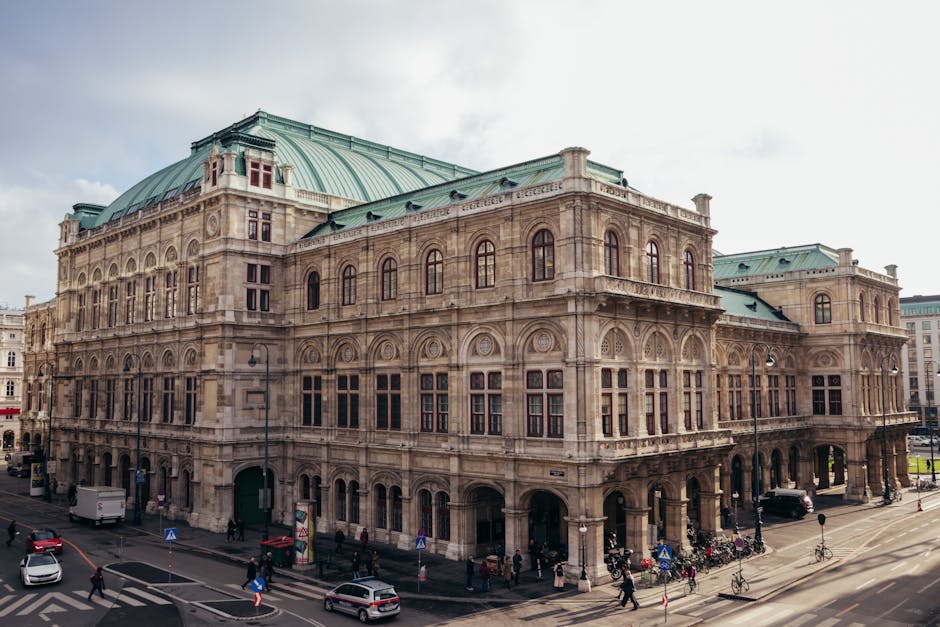 Moderate
Vienna, Austria
Discover the noir world of The Third Man and Cold War Vienna on this atmospheric self-guided audio walk through the historic Innere Stadt.
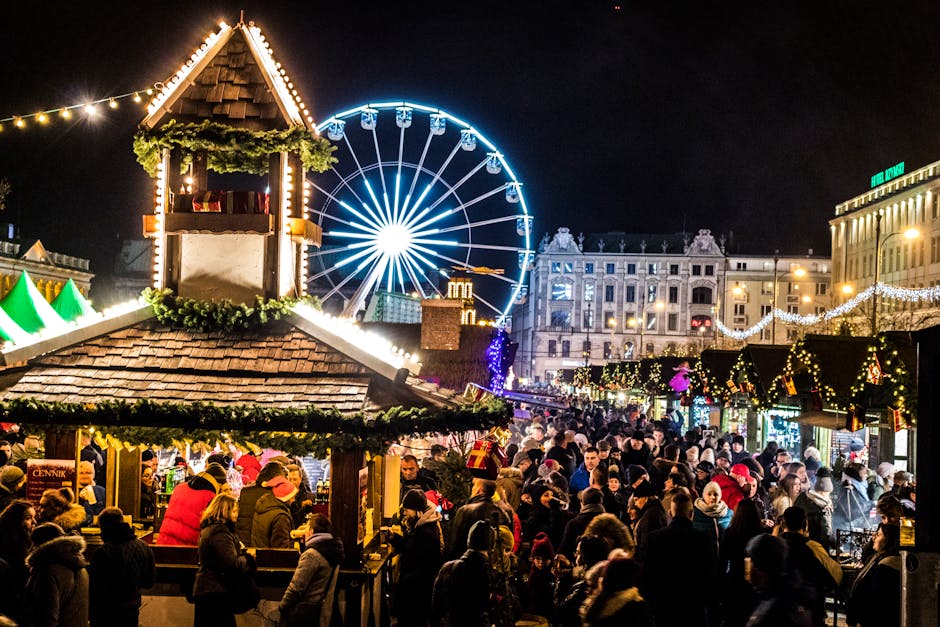 Easy
Krakow, Poland
Explore Krakow's hidden nightlife with this self-guided walk through medieval cellars, jazz clubs, and bohemian bars in the Old Town and Kazimierz.
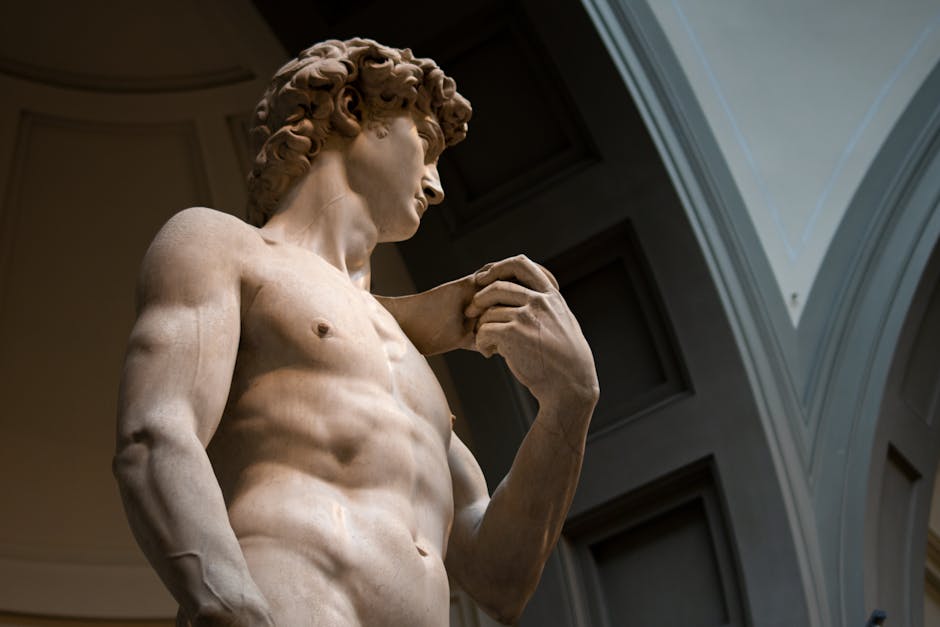 Easy
Florence, Italy
Discover the intersection of Renaissance architecture and modern luxury on this self-guided walk through Florence’s high-fashion districts.
 Easy
Florence, Italy
Explore the medieval streets of Florence through the eyes of Dante Alighieri on this self-guided literary and historical walking route.
 Easy
Florence, Italy
Experience the magic of Florence at sunset. Discover iconic bridges and breathtaking river views on this romantic self-guided audio walk.
 Easy
Florence, Italy
Discover the 'buchette del vino'—Florence's unique Renaissance wine windows—on this self-guided walk through the city's historic streets.