Self-guided audio tour in Rome
Start Free on iPhone
Start free on iPhone to unlock this self-guided walking tour in Rome. Hear all the stories that make it amazing, walk at your own pace, and begin whenever you want.
Your Private Tour Guide
Step into the silver screen on this self-guided walk through Rome, a city that has served as the ultimate open-air film set for decades. From the high-fashion glamour of the 1950s to the gritty realism of post-war masterpieces, this walking route invites you to explore the locations that defined global cinema. You will begin on the legendary Via Veneto, the heart of the 'Hollywood on the Tiber' era, where paparazzi first earned their name and stars like Elizabeth Taylor and Richard Burton escaped the flashbulbs. This neighborhood stroll captures the essence of Federico Fellini’s 'La Dolce Vita,' allowing you to experience the atmosphere of mid-century Italian elegance at your own pace. As you navigate the cobblestone streets of the Centro Storico, you will encounter the very spots where Audrey Hepburn and Gregory Peck shared their whirlwind 'Roman Holiday.' From the world-famous Spanish Steps to the quiet, ivy-draped charm of Via Margutta, the route highlights how Rome’s architecture has influenced directors for generations. This film-focused walking tour Rome offers more than just movie trivia; it provides a historical lens through which to view the city’s most iconic landmarks. You will see the Trevi Fountain, not just as a Baroque masterpiece, but as the stage for Anita Ekberg’s legendary midnight dip. The journey continues toward the Tiber, visiting the mysterious Mouth of Truth and concluding at the majestic Castel Sant'Angelo. Whether you are a photography enthusiast looking for the perfect cinematic frame or a history buff interested in the cultural impact of the Cinecittà studios, this self-guided adventure offers a unique perspective on the Eternal City. Explore independently and discover how Rome’s timeless beauty continues to inspire storytellers from around the world.
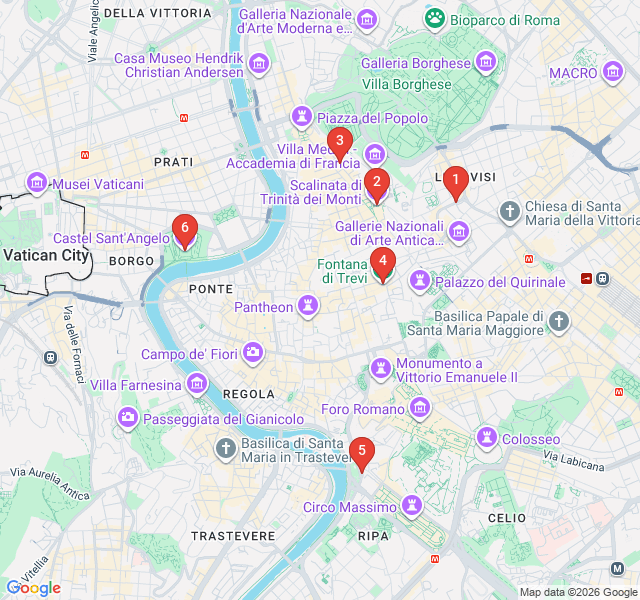
Numbers indicate the order of stops on the tour.
Welcome to the street that defined an era. In the 1950s and 60s, Via Veneto was the center of the 'Dolce Vita' lifestyle. This elegant boulevard was lined with luxury hotels and cafes where international movie stars and intellectuals gathered. Federico Fellini immortalized this street in his 1960 film, capturing the decadence and disillusionment of Rome's high society. As you walk, notice the historic Harry's Bar and Cafe de Paris. It was here that the term 'paparazzi' was born, named after the character Paparazzo, a news photographer in Fellini's film. Imagine the constant flashbulbs of photographers hoping to catch a glimpse of Anita Ekberg or Marcello Mastroianni as you begin your cinematic journey.
The Piazza di Spagna and its monumental staircase are among the most photographed sites in the world. For film lovers, this is where Princess Ann, played by Audrey Hepburn in 'Roman Holiday,' enjoyed a gelato while Gregory Peck’s character 'accidentally' ran into her. The steps represent the youthful, carefree spirit of 1950s cinema. Beyond the movies, the steps were built in the 1720s to connect the Bourbon Spanish Embassy to the Church of Trinità dei Monti above. Take a moment to appreciate the Barcaccia Fountain at the base, designed by Pietro Bernini, which has appeared in countless background shots of both Italian and international films.
Tucked away from the main tourist thoroughfares, Via Margutta is known as the 'street of artists.' Its ivy-covered walls and quiet courtyards make it one of the most romantic spots in Rome. In 'Roman Holiday,' Gregory Peck’s character, Joe Bradley, lived at number 51. The street became a hub for the arts in the 16th century and later served as a residence for Federico Fellini himself. This narrow lane offers a glimpse into a more intimate, bohemian side of Rome that directors have used to represent the city’s authentic heart. It is the perfect place to pause and capture the light filtering through the vines.
No film-themed walk through Rome is complete without the Trevi Fountain. While it is a masterpiece of Baroque art designed by Nicola Salvi, its place in cinematic history was sealed by the scene in 'La Dolce Vita' where Anita Ekberg wades into the water in a black evening gown, calling out to Marcello Mastroianni. This location also features prominently in 'Three Coins in the Fountain.' The fountain marks the terminus of the Aqua Virgo, an ancient Roman aqueduct. While the tradition is to toss a coin to ensure your return to Rome, please remember that wading into the water today—unlike in the movies—will result in a very modern fine from the local police.
This square is home to one of cinema's most famous practical jokes. Inside the portico of the Church of Santa Maria in Cosmedin lies the Bocca della Verità, or the Mouth of Truth. Legend says that if a liar places their hand inside the mouth, it will be bitten off. In 'Roman Holiday,' Gregory Peck famously improvised a prank by hiding his hand in his sleeve, causing a genuine scream of terror from Audrey Hepburn. The disk itself is actually an ancient Roman manhole cover or drain, possibly depicting the face of the sea god Oceanus. The line to test your own honesty can be long, but the square itself is a beautiful example of Roman architectural layers.
Our cinematic journey concludes at the banks of the Tiber River beneath the massive Castel Sant'Angelo. This fortress, originally built as a mausoleum for Emperor Hadrian, served as the backdrop for the dramatic barge dance scene in 'Roman Holiday,' where a brawl breaks out and the protagonists jump into the river to escape. The castle has also appeared in 'Angels and Demons' and Puccini's opera 'Tosca.' From the bridge, Ponte Sant'Angelo, you can see Bernini's magnificent angel statues. It is a fittingly grand finale to a route that showcases how Rome’s ancient monuments provide a dramatic stage for the stories we tell.
Start Free on iPhone
Explore “La Dolce Vita: Rome’s Iconic Film Locations” with your very own Private Tour Guide with Zigway. Start free on iPhone, skip the large group and the fixed routes, and hear the city come alive as you go.
Your Private Tour Guide
Don't miss the good stuff
Explore Freely
 Easy
EasyRome, Italy
Explore Rome’s industrial heart on this self-guided walk featuring massive murals, the 'Iron Colosseum,' and unique industrial archaeology.
 Easy
EasyRome, Italy
Explore Rome’s whimsical Fairytale District. A self-guided walk through Art Nouveau palaces, mythical fountains, and the magical Coppedè architecture.
 Moderate
Rome, Italy
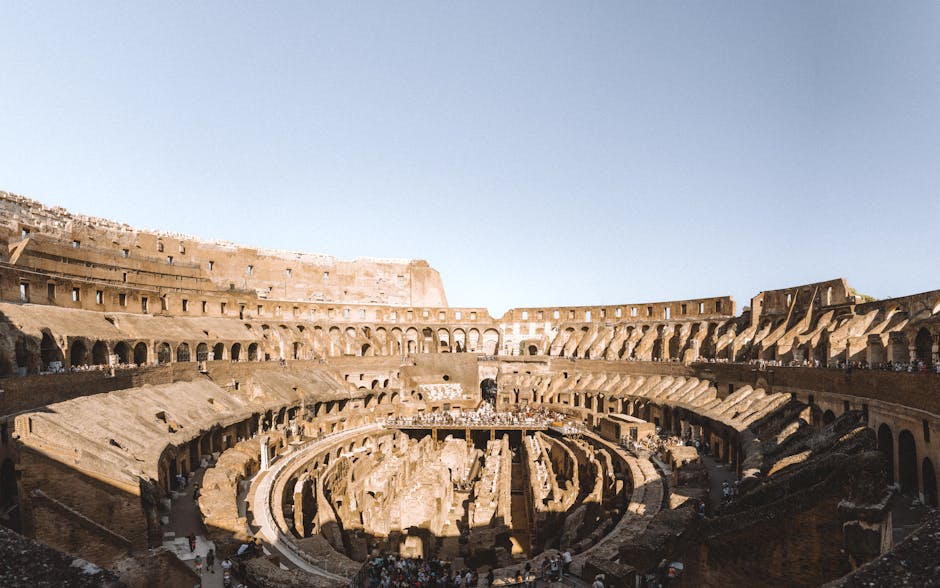
Uncover Rome's hidden history on this self-guided walk through ancient gladiator pits, subterranean temples, and buried Roman houses.
 Challenging
Rome, Italy
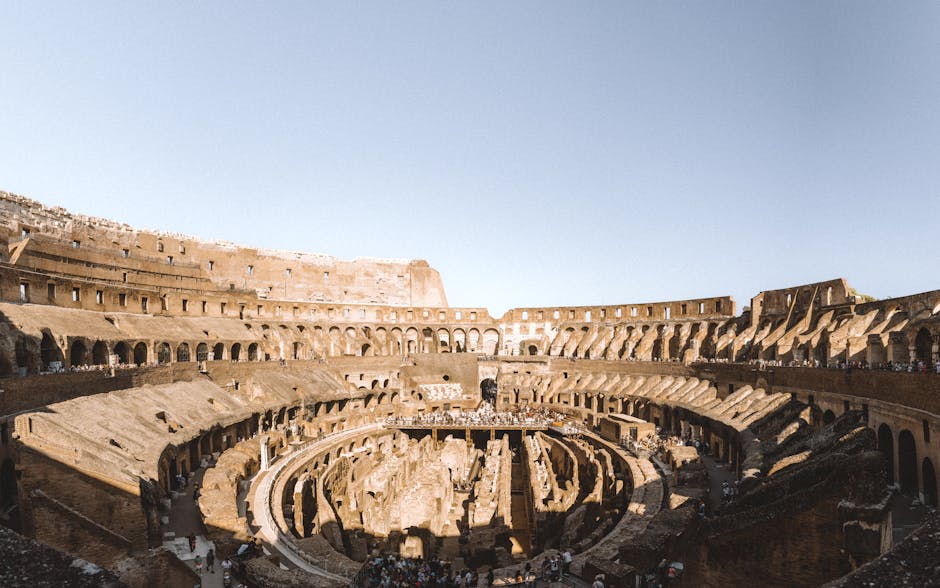
Walk the 'Queen of Roads.' Explore ancient catacombs, imperial villas, and historic basalt stones on this scenic self-guided Roman adventure.
 Moderate
Gothenburg, Sweden
Discover Gothenburg’s maritime soul on this self-guided walk from the historic Central Station to the scenic riverfront at Stenpiren.
 Easy
EasyNairobi, Kenya
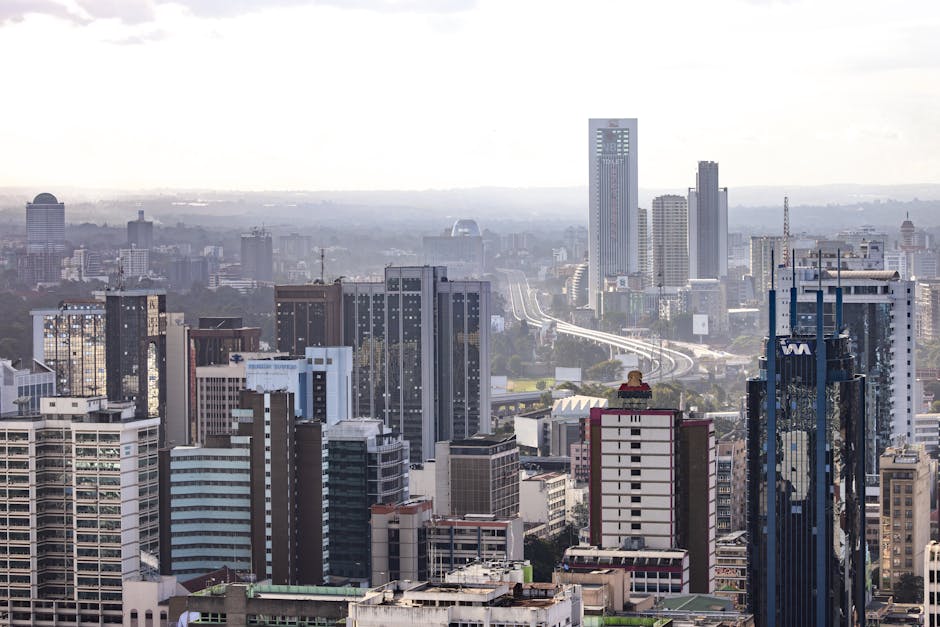
Discover Nairobi's iconic skyline on this self-guided architecture walk through the CBD’s most famous modernist and Brutalist landmarks.
 Moderate
Nairobi, Kenya
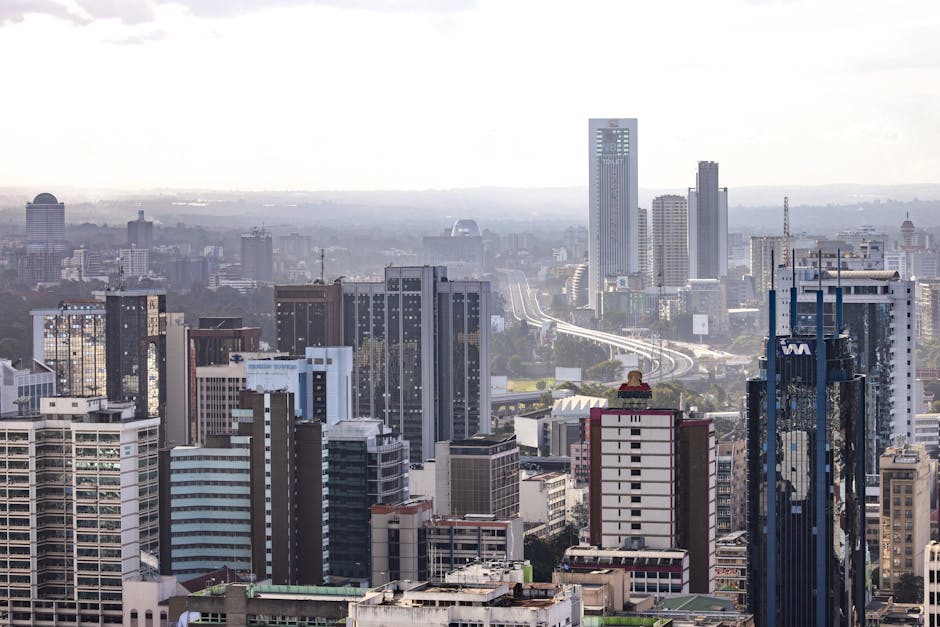
Discover Nairobi's lush side on this self-guided walk through botanical gardens, historic memorials, and vibrant local markets.
 Moderate
Vienna, Austria
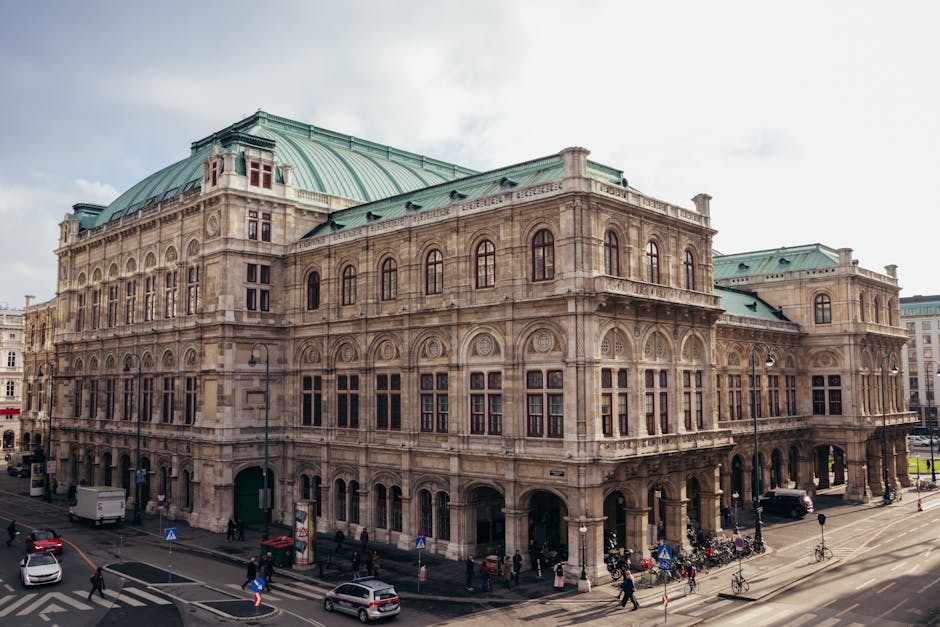
Follow the footsteps of Mozart and Strauss through Vienna’s historic center on this self-guided walk through the city's rich musical history.
 Easy
EasyFlorence, Italy
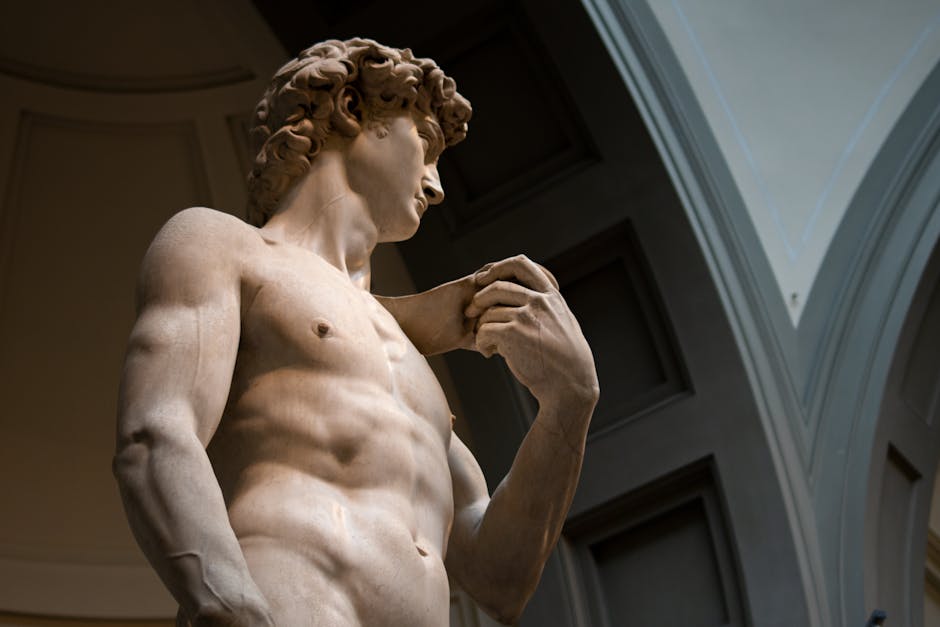
Discover the intersection of Renaissance architecture and modern luxury on this self-guided walk through Florence’s high-fashion districts.
 Easy
EasyFlorence, Italy
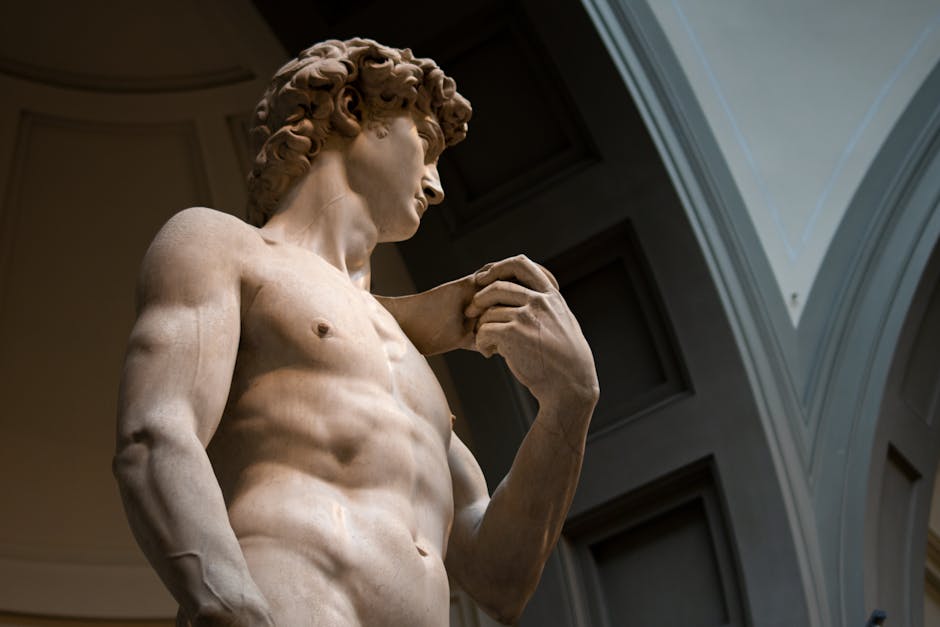
Explore the medieval streets of Florence through the eyes of Dante Alighieri on this self-guided literary and historical walking route.
 Easy
EasyFlorence, Italy
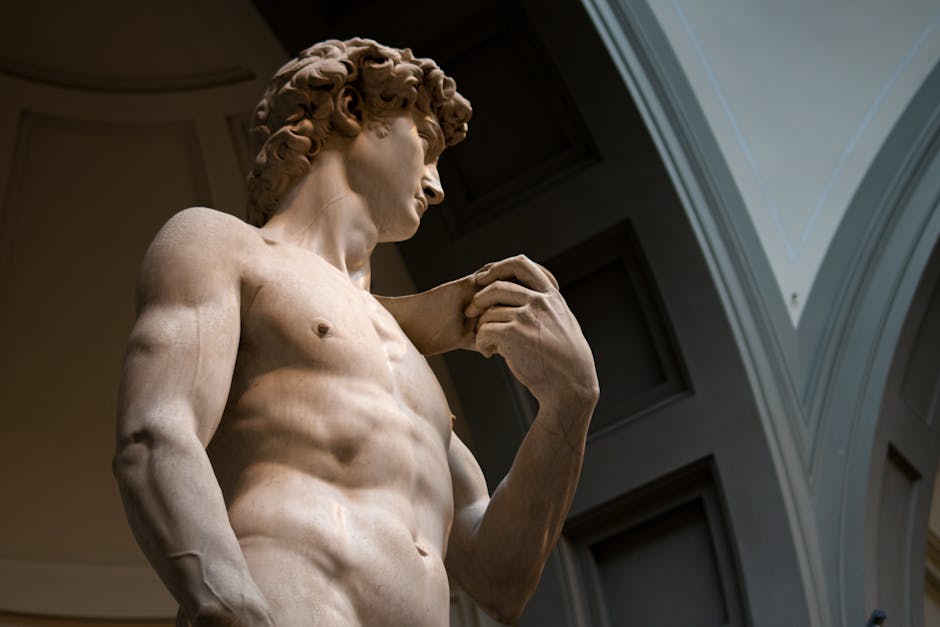
Experience the magic of Florence at sunset. Discover iconic bridges and breathtaking river views on this romantic self-guided audio walk.
 Easy
EasyFlorence, Italy
Discover the 'buchette del vino'—Florence's unique Renaissance wine windows—on this self-guided walk through the city's historic streets.