Self-guided audio tour in Verona
Start Free on iPhone
Start free on iPhone to unlock this self-guided walking tour in Verona. Hear all the stories that make it amazing, walk at your own pace, and begin whenever you want.
Your Private Tour Guide
Verona is often synonymous with Shakespeare, but the true pulse of the city beats with the legacy of the Scaligeri. This self-guided walk invites you to step back into the 13th and 14th centuries, a time when the Della Scala family transformed a Roman settlement into a powerhouse of medieval Italy. As you navigate the winding streets of the Città Antica, you will encounter the red-brick fortifications and soaring towers that defined an era of both ruthless power and artistic patronage. Starting at the formidable Castelvecchio, this walking route leads you through the heart of the historic center. You'll explore the public squares that served as the family's stage and the private corners where they sought solace. The architecture here tells a story of survival and status, from the crenelated walls of the Scaliger Bridge to the intricate Gothic lace of the tombs. This neighborhood stroll is more than a history lesson; it is an opportunity to see Verona through the eyes of its most influential rulers. Along the way, you can admire the panoramic views from the Torre dei Lamberti or stand in the shadow of the statue of Dante Alighieri, who found refuge here during his exile. Whether you are an architecture enthusiast or a history buff, this walking tour Verona offers a flexible way to discover the city's medieval core at your own pace. By following this route, you avoid the constraints of a traditional guided tour Verona and gain the freedom to linger at the sites that fascinate you most. From the imposing Palazzo del Podestà to the intimate Church of Saint Mary 'Antica', the Scaliger legacy remains etched into every stone.
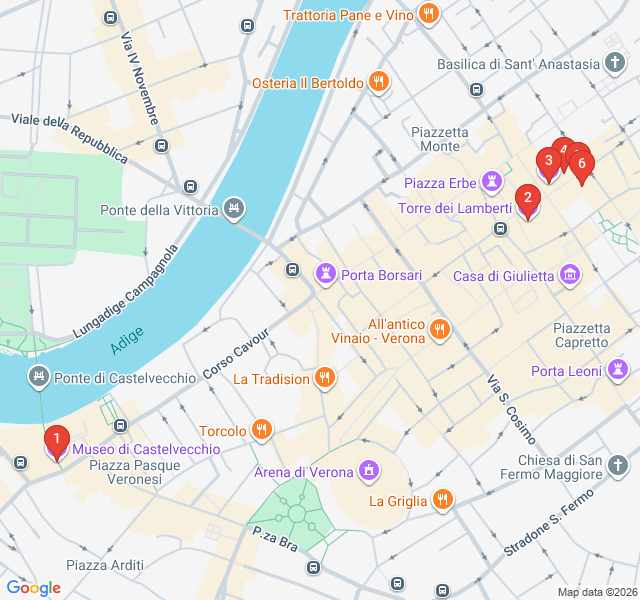
Numbers indicate the order of stops on the tour.
Begin your exploration at Castelvecchio, the 'Old Castle.' Built between 1354 and 1376 by Cangrande II della Scala, this fortress was designed to protect the family from both external enemies and internal uprisings. Notice the distinctive M-shaped merlons atop the walls, a hallmark of Scaliger architecture. The accompanying bridge, Ponte Scaligero, was a private escape route for the family, leading across the Adige river. Today, the castle houses a civic museum, but even from the outside, the massive red-brick structure serves as a powerful reminder of the military might required to maintain a medieval dynasty in Italy.
Rising 84 meters above the city, the Torre dei Lamberti is Verona's tallest tower. While its construction began in the 12th century by the Lamberti family, it became a central symbol of the city's governance during the Scaliger era. Look up to see the two historic bells: the Marangona, which signaled the end of the working day and warned of fires, and the Rengo, used to summon the city council or call citizens to arms. Climbing or taking the lift to the top provides a bird's-eye view of the medieval layout you are currently traversing.
Step into Piazza dei Signori, often called 'Piazza Dante' by locals. This square was the political heart of Scaliger Verona. It is surrounded by monumental buildings that housed the family's administrative offices and residences. In the center stands a 19th-century statue of Dante Alighieri. The great poet was a personal guest of Cangrande I della Scala after being exiled from Florence. The square's refined atmosphere, enclosed by archways and historic palaces, earned it the nickname 'Verona's Drawing Room.' Take a moment to appreciate the harmony of the medieval and Renaissance facades that frame this space.
The Palazzo del Podestà, located on the north side of Piazza dei Signori, served as the primary residence for the Scaliger lords. Cangrande I hosted a lavish court here, attracting scholars, artists, and poets. If you look closely at the portal, you might spot the winged lion of St. Mark, added later when Venice took control of the city. However, the core of the building remains a testament to the Scaligeri's transition from local strongmen to sophisticated patrons of the arts. It was within these walls that the family managed the complex politics of Northern Italy.
Just around the corner from the square lie the Arche Scaligere, or Scaliger Tombs. These are among the most extraordinary examples of Gothic funerary art in Europe. The tombs are enclosed by a delicate wrought-iron fence featuring the 'scala' (ladder) emblem of the family. Three major monuments stand out: the tombs of Cangrande I, Mastino II, and Cansignorio. Cangrande’s tomb, positioned over the church entrance, features a famous equestrian statue (the original is in Castelvecchio). The sheer verticality and intricate stone carvings were intended to ensure the family's glory would endure long after their deaths.
Concluding this self-guided adventure is the Church of Saint Mary 'Antica.' This small, Romanesque church served as the private chapel of the Scaliger family. Its simple, austere interior contrasts sharply with the flamboyant tombs outside. The church dates back to the 8th century but was heavily restored during the Scaliger period. It remains a quiet, spiritual anchor for the dynasty. As you look at the stone walls, imagine the family members who once gathered here for private mass, seeking divine favor for their political ambitions and military campaigns.
Start Free on iPhone
Explore “The Scaliger Dynasty: Medieval Might” with your very own Private Tour Guide with Zigway. Start free on iPhone, skip the large group and the fixed routes, and hear the city come alive as you go.
Your Private Tour Guide
Don't miss the good stuff
Explore Freely
 Moderate
Verona, Italy
Explore Verona’s most magnificent cathedrals and basilicas on this self-guided walk through the city's artistic and spiritual heart.
 Easy
EasyVerona, Italy
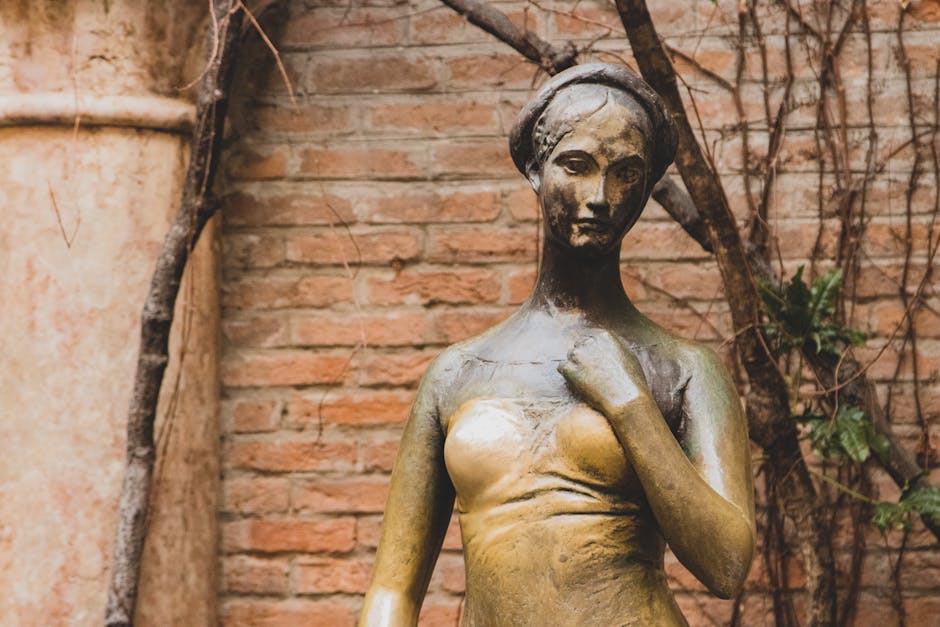
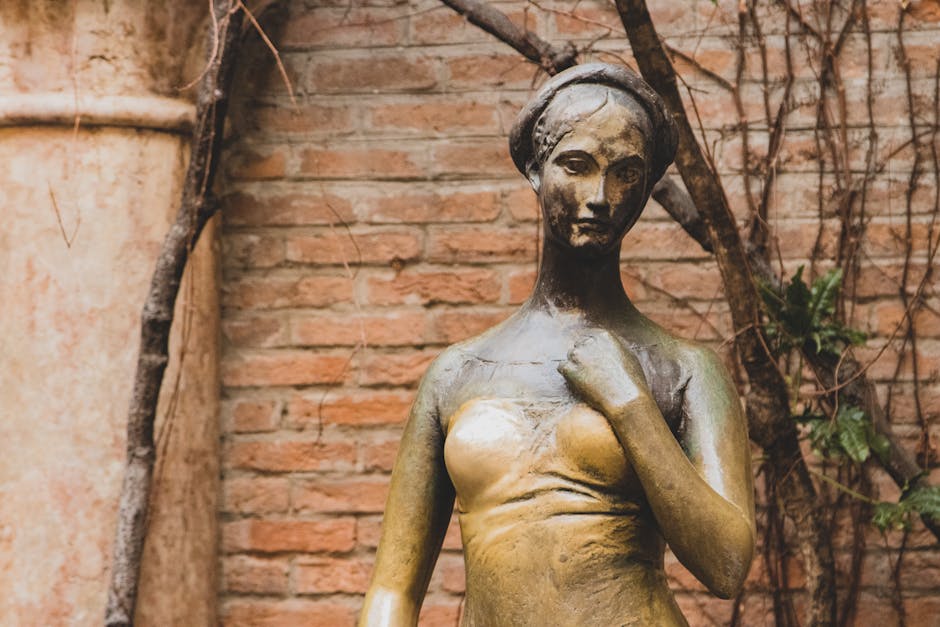
Explore the romantic streets of Verona on this self-guided walk through the history and legends that inspired Shakespeare’s Romeo and Juliet.
 Easy
EasyVerona, Italy
Discover the flavors of Verona on this self-guided walk through historic wine cellars, vibrant markets, and the city's most iconic culinary landmarks.
 Easy
EasyVerona, Italy
Savor Verona's vibrant aperitivo culture on this self-guided stroll through historic squares and charming wine bars. Discover the city's heartbeat.
 Easy
EasyNairobi, Kenya
Discover Nairobi's iconic skyline on this self-guided architecture walk through the CBD’s most famous modernist and Brutalist landmarks.
 Easy
EasyNairobi, Kenya
Explore Nairobi's architectural evolution from colonial-era landmarks to iconic Brutalist skyscrapers on this historic self-guided walking route.
 Easy
EasyGdansk, Poland
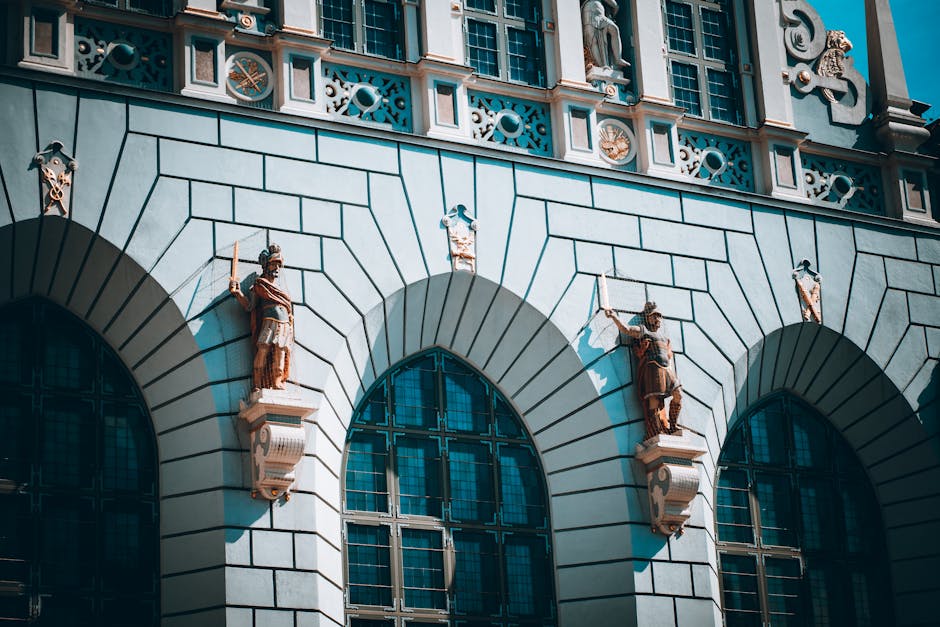
Discover the opulent Royal Way of Gdansk at your own pace. Explore Hanseatic history, gilded architecture, and the iconic Neptune's Fountain.
 Moderate
Gothenburg, Sweden
Discover Gothenburg’s maritime soul on this self-guided walk from the historic Central Station to the scenic riverfront at Stenpiren.
 Easy
EasyRome, Italy
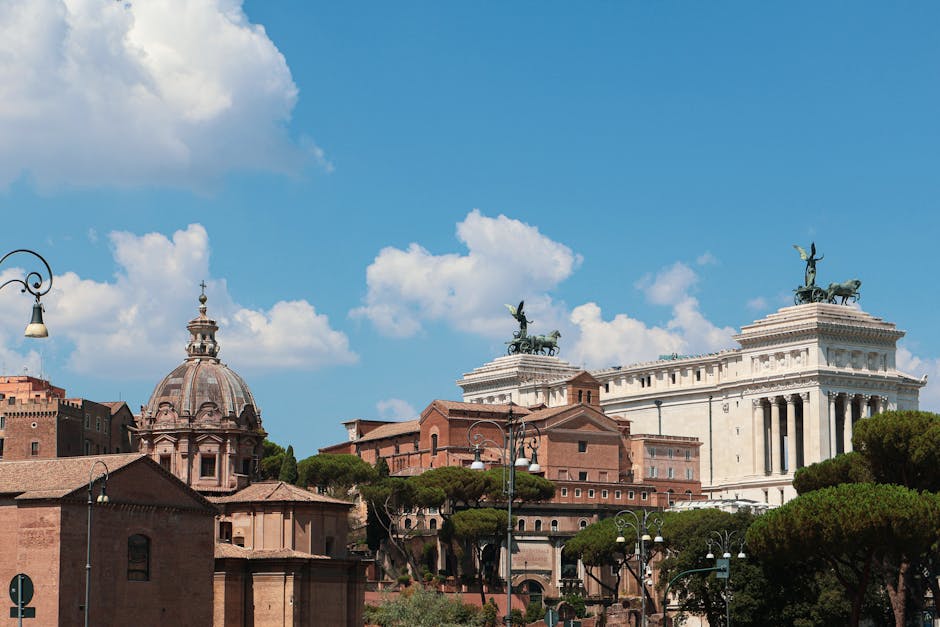
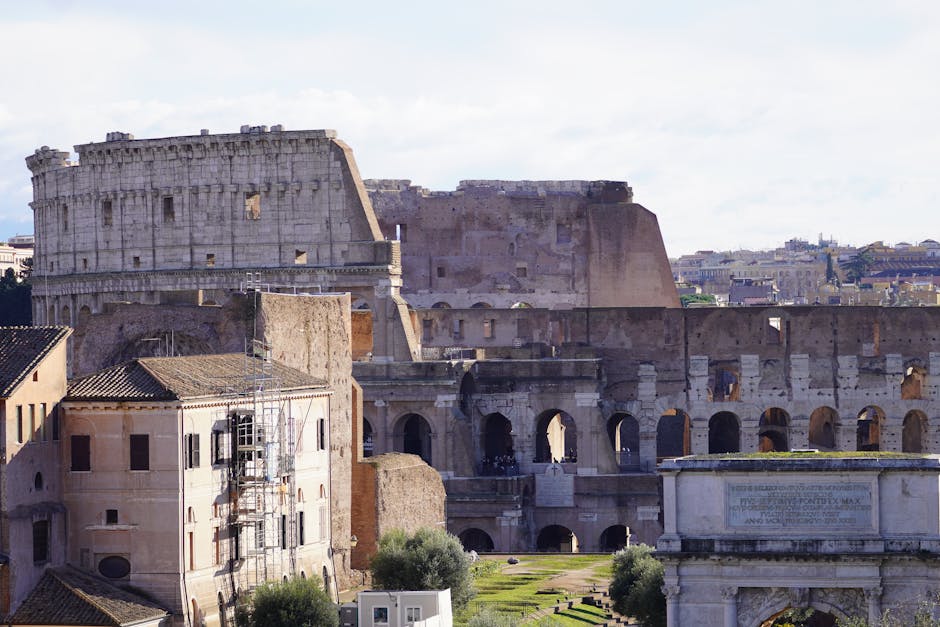
Explore Rome’s industrial heart on this self-guided walk featuring massive murals, the 'Iron Colosseum,' and unique industrial archaeology.
 Easy
EasyRome, Italy
Explore Rome’s whimsical Fairytale District. A self-guided walk through Art Nouveau palaces, mythical fountains, and the magical Coppedè architecture.
 Moderate
Rome, Italy
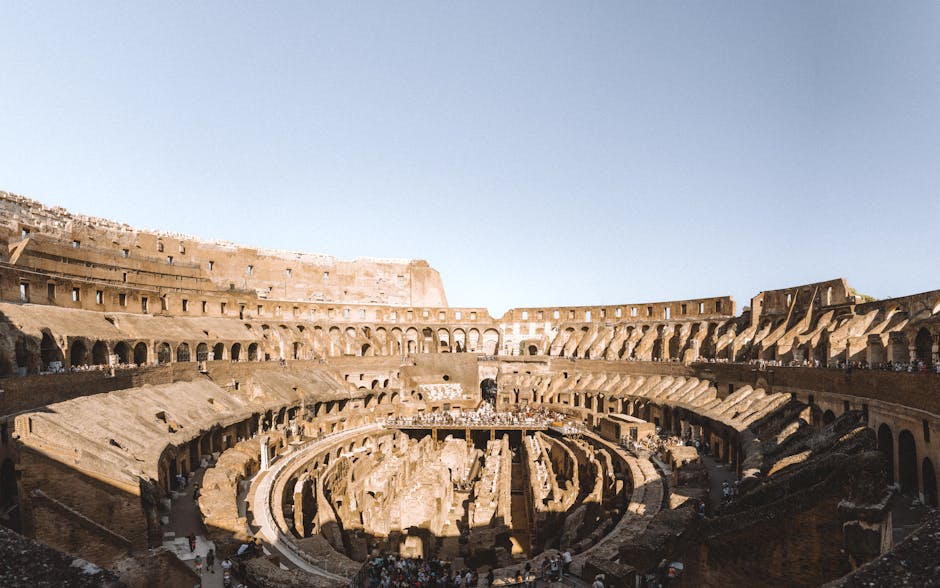
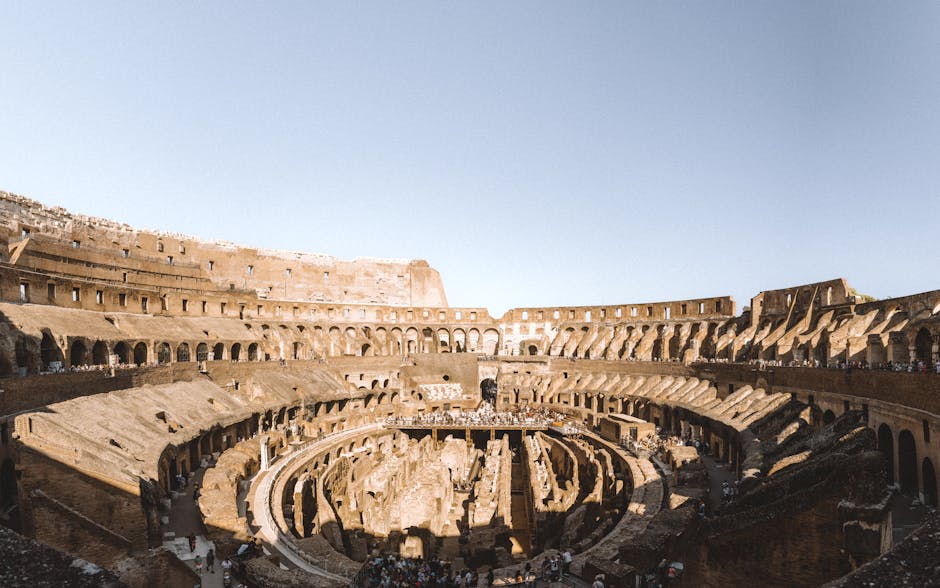
Uncover Rome's hidden history on this self-guided walk through ancient gladiator pits, subterranean temples, and buried Roman houses.
 Challenging
Rome, Italy
Walk the 'Queen of Roads.' Explore ancient catacombs, imperial villas, and historic basalt stones on this scenic self-guided Roman adventure.