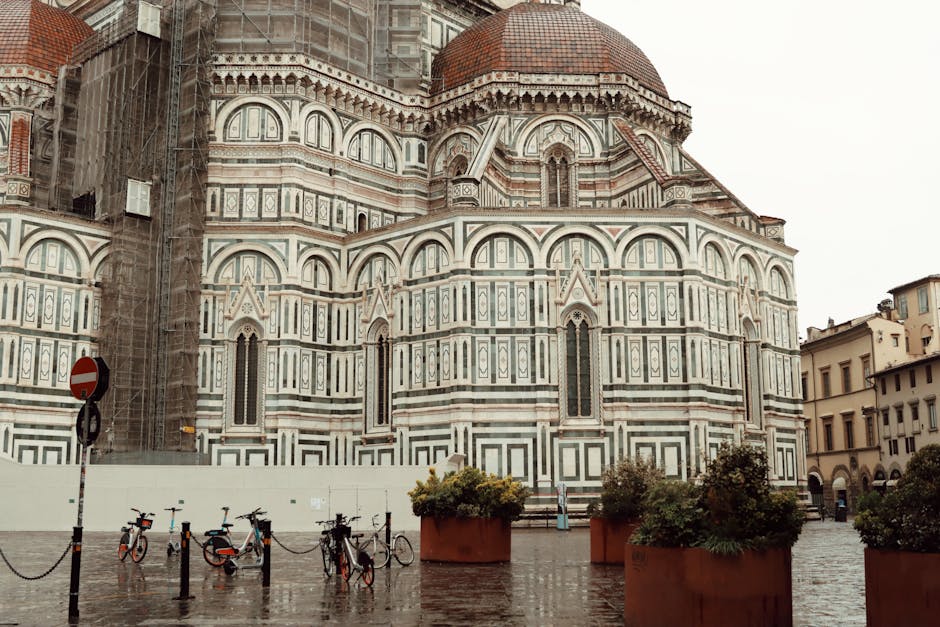
Self-guided audio tour in Florence
Start Free on iPhone
Start free on iPhone to unlock this self-guided walking tour in Florence. Hear all the stories that make it amazing, walk at your own pace, and begin whenever you want.
Your Private Tour Guide
Florence is often celebrated for its grand palaces and bustling galleries, but its soul is found within its hushed chapels and secluded courtyards. This self-guided walk invites you to peel back the layers of the city's spiritual history, moving from the heart of the medieval center to the quiet cloisters of the north. You will discover how art and faith intertwined to create the Renaissance, moving beyond the usual tourist path to find masterpieces tucked away in unexpected corners. The journey begins at Orsanmichele, a building that defies categorization. Originally a grain market, it was transformed into a shrine for the city's powerful guilds. As you walk, the route transitions from these civic expressions of faith to the intimate monastic settings of the Basilica di Santa Trinita and the Ognissanti. In these spaces, you can stand inches away from frescoes by Ghirlandaio and Botticelli, often without the crowds found in the Uffizi. This walking route Florence offers a unique perspective on the city's development, highlighting the patronage of wealthy families like the Sassetti and the Vespucci. A major highlight of this neighborhood stroll is the Basilica of Santa Maria Novella, a cornerstone of Dominican influence with its stunning marble facade and revolutionary perspective in Masaccio's Trinity. However, the true secret of this experience lies further north at the Cloister of the Scalzo. This small, often overlooked courtyard contains a breathtaking cycle of monochrome frescoes by Andrea del Sarto, offering a rare moment of peace. The adventure concludes at the SS. Annunziata, a site of deep local devotion and architectural harmony. By following this audio walk, you can explore independently and at your own pace, soaking in the atmosphere of these sacred spaces. Whether you are an art historian or a curious traveler, these cloisters provide a sanctuary from the modern city, revealing the contemplative side of the Renaissance. Discover the stories of monks, masters, and miracles that continue to resonate within these ancient stone walls. This self-guided adventure ensures you see the essential sights while uncovering the hidden gems that many visitors miss.
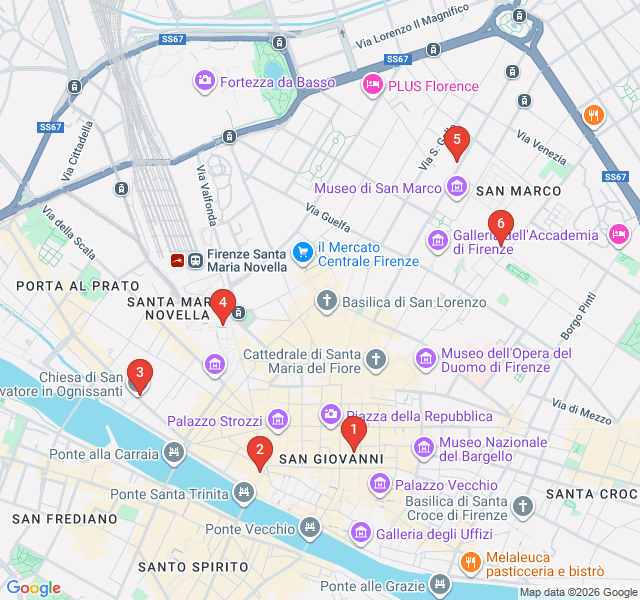
Numbers indicate the order of stops on the tour.
Begin your exploration at Orsanmichele, a structure that uniquely blends civic pride with religious devotion. Originally built as a grain market in the 14th century, the open arches were later walled in to create a church. Notice the external niches, each commissioned by a different Florentine guild. These niches once held masterpieces by Donatello, Ghiberti, and Verrocchio, though most originals are now housed in the museum upstairs. The building's square, fortress-like shape is a departure from traditional cruciform churches, reflecting its utilitarian origins. Inside, look for the magnificent Gothic tabernacle by Orcagna, which houses a miraculous painting of the Virgin. This site serves as a testament to the power of the guilds in shaping both the economy and the spiritual landscape of the Renaissance.
A short walk brings you to the Basilica di Santa Trinita, one of the oldest churches in Florence. While the facade is Mannerist, the interior preserves its austere Gothic atmosphere. The true treasure here is the Sassetti Chapel, decorated with frescoes by Domenico Ghirlandaio. These paintings are famous for their realistic depictions of 15th-century Florence; you can see the Piazza della Signoria and the Ponte Santa Trinita as they appeared in the 1480s. Ghirlandaio even included portraits of the ruling Medici family and their tutors. This chapel represents the height of the Florentine Renaissance, where the sacred stories of Saint Francis were used to celebrate the prestige and daily life of the city's wealthy merchant elite.
Continue your neighborhood stroll toward the Arno to find the Ognissanti church. This was the home church of the Vespucci family—famed for the explorer Amerigo. It is also the final resting place of Sandro Botticelli, who is buried at the feet of his muse, Simonetta Vespucci. The interior houses two significant frescoes facing each other across the nave: Ghirlandaio's Saint Jerome and Botticelli's Saint Augustine. If the refectory is open, do not miss Ghirlandaio's Last Supper, a masterpiece that influenced Leonardo da Vinci's own famous version. The church reflects a transition from medieval spirituality to the humanist focus of the Renaissance, blending quiet monastic tradition with the legacy of Florence's most influential artists.
Arrive at the grand Basilica of Santa Maria Novella, the city's primary Dominican church. Its striking green and white marble facade, completed by Leon Battista Alberti, is a masterpiece of Renaissance geometry. Inside, you will encounter Masaccio's Trinity, a revolutionary work that used linear perspective to create the illusion of a three-dimensional chapel on a flat wall. Beyond the nave lie the cloisters, including the famous Green Cloister named for the green earth pigment used in Paolo Uccello's frescoes. The Spanish Chapel, located off the cloister, features complex allegorical paintings that celebrate the Dominican order's intellectual rigor. This complex was a center of learning and art that helped define the religious identity of Florence for centuries.
Venture further north to discover one of Florence's best-kept secrets: the Chiostro dello Scalzo. This small, unassuming space was the entrance to the headquarters of the Brotherhood of the Scalzo, who walked barefoot during processions. The courtyard is decorated with a stunning series of monochrome frescoes by Andrea del Sarto. By using only shades of gray, or 'grisaille', the artist focused entirely on form, shadow, and emotion, creating a sculptural effect on the walls. These scenes from the life of John the Baptist represent some of the finest examples of High Renaissance art. Because it is small and slightly off the main path, it offers a rare opportunity for quiet contemplation away from the city's busier landmarks.
Your journey concludes at the Basilica della Santissima Annunziata, the spiritual heart of the city for many locals. The church is famous for a miraculous 13th-century painting of the Annunciation, which tradition says was finished by an angel. Before entering the church itself, you pass through the 'Chiostrino dei Voti', or Cloister of the Votive, which features vibrant frescoes by Andrea del Sarto and Pontormo. The surrounding piazza, designed in part by Brunelleschi, is one of the most harmonious urban spaces in Italy. This site has been a place of pilgrimage for centuries, and even today, many Florentine couples visit after their wedding to leave flowers, continuing a tradition of devotion that spans nearly eight hundred years.
Start Free on iPhone
Explore “Sacred Spaces and Secret Cloisters” with your very own Private Tour Guide with Zigway. Start free on iPhone, skip the large group and the fixed routes, and hear the city come alive as you go.
Your Private Tour Guide
Don't miss the good stuff
Explore Freely
 Easy
EasyFlorence, Italy
Discover the intersection of Renaissance architecture and modern luxury on this self-guided walk through Florence’s high-fashion districts.
 Easy
EasyFlorence, Italy
Explore the medieval streets of Florence through the eyes of Dante Alighieri on this self-guided literary and historical walking route.
 Easy
EasyFlorence, Italy
Experience the magic of Florence at sunset. Discover iconic bridges and breathtaking river views on this romantic self-guided audio walk.
 Easy
EasyFlorence, Italy
Discover the 'buchette del vino'—Florence's unique Renaissance wine windows—on this self-guided walk through the city's historic streets.
 Easy
EasySalzburg, Austria
Discover Salzburg's oldest medieval alley, the birthplace of the 'Silent Night' author, and breathtaking views on this quiet self-guided walk.
 Moderate
Nairobi, Kenya
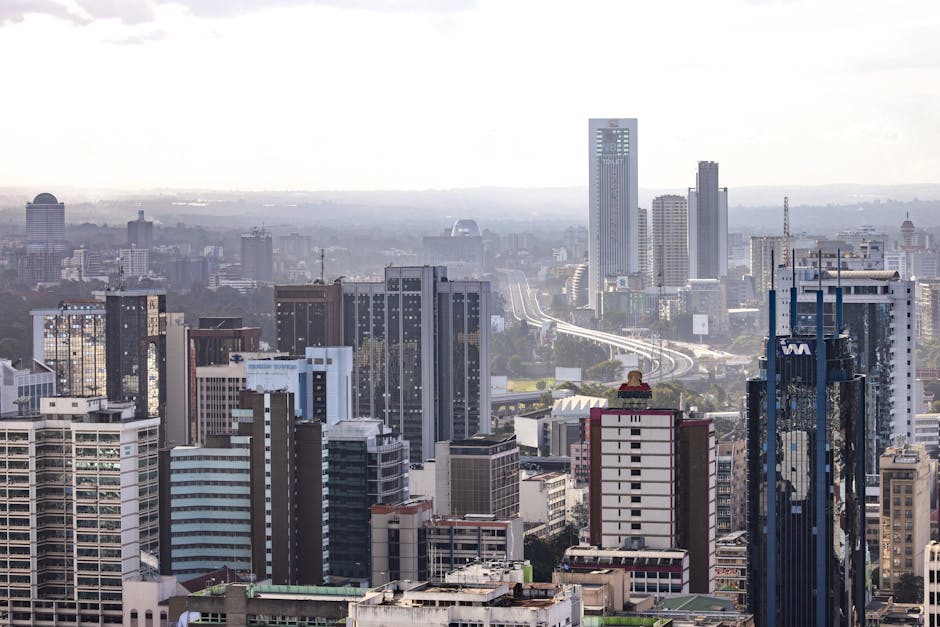
Discover Nairobi's lush side on this self-guided walk through botanical gardens, historic memorials, and vibrant local markets.
 Moderate
Gdansk, Poland
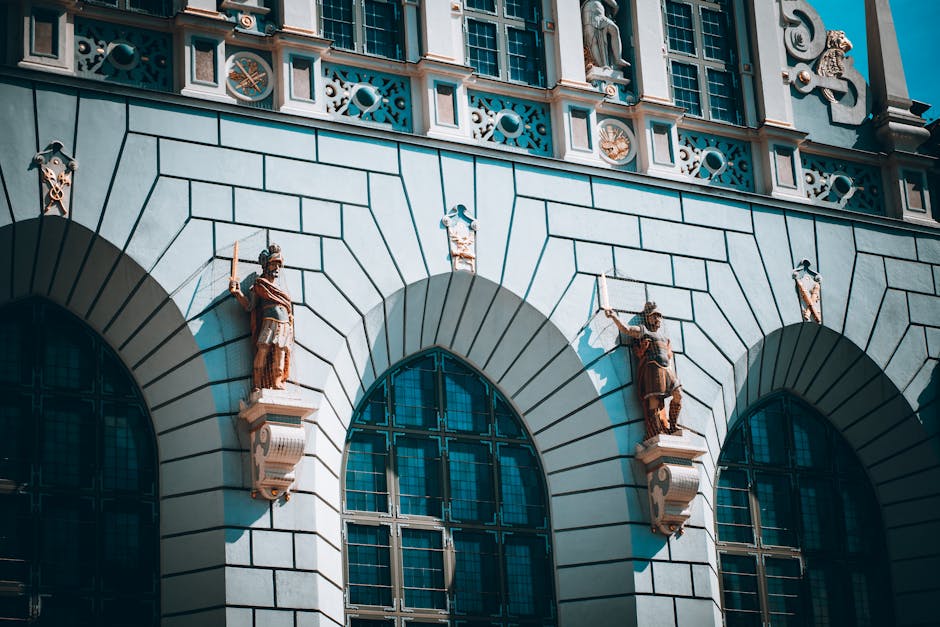
Discover the origins of WWII in Gdansk on this self-guided walk through heroic last stands, massive museums, and strategic hilltop fortifications.
 Moderate
Gdansk, Poland
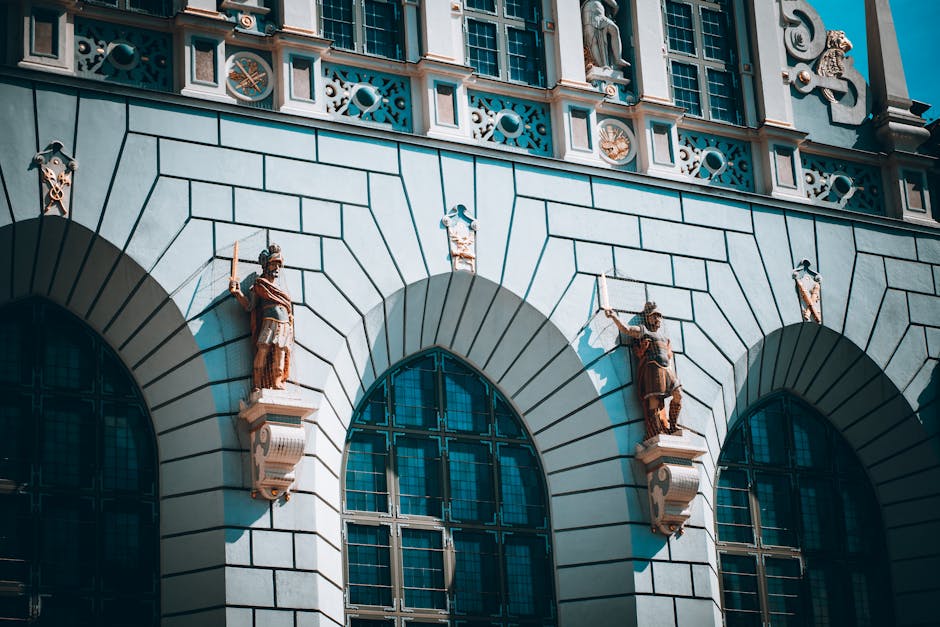
Discover Zaspa, a massive open-air gallery where grey housing blocks are transformed by over 60 monumental murals. Explore at your own pace.
 Easy
EasyRome, Italy
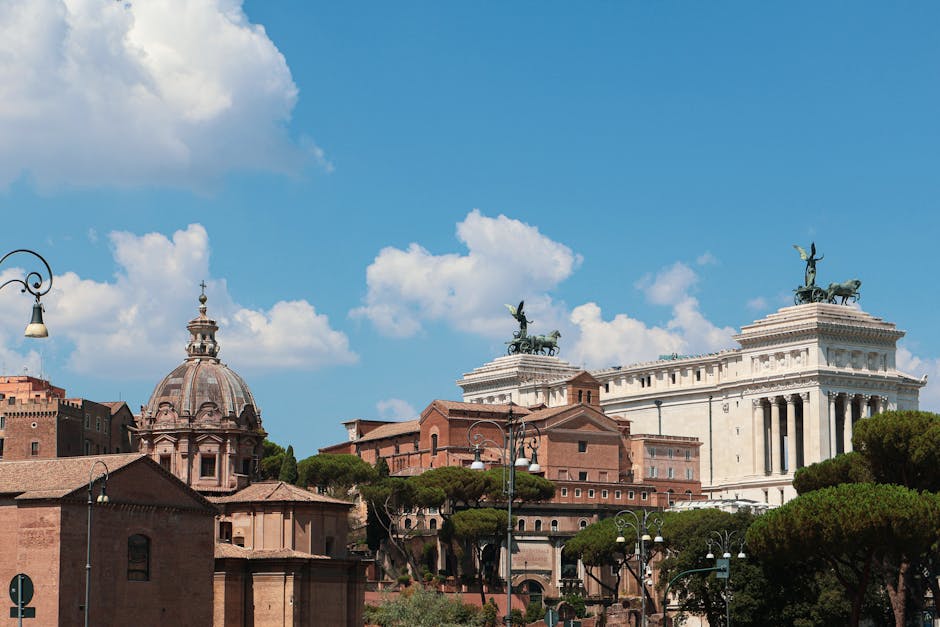
Explore Rome’s industrial heart on this self-guided walk featuring massive murals, the 'Iron Colosseum,' and unique industrial archaeology.
 Easy
EasyRome, Italy
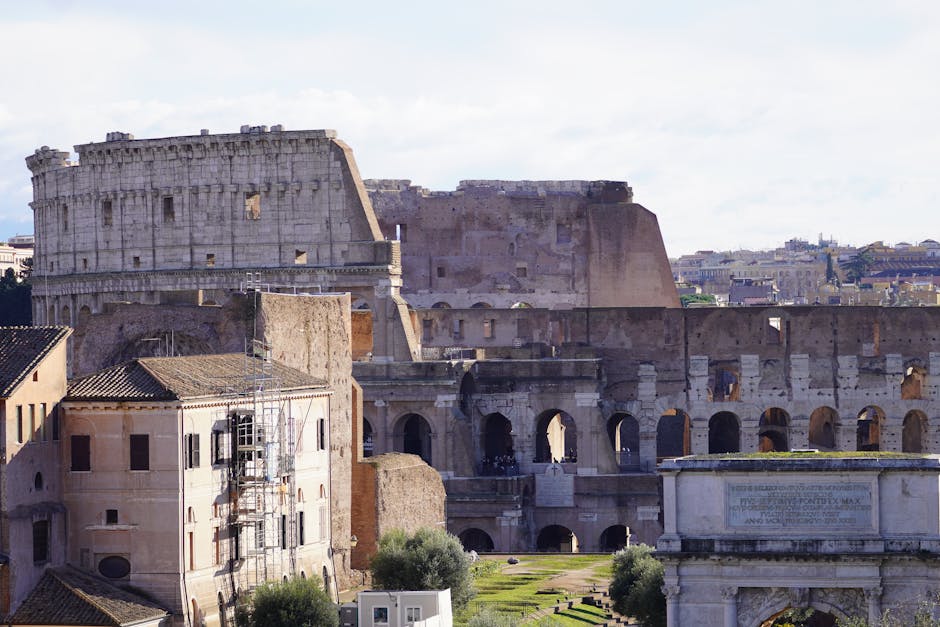
Explore Rome’s whimsical Fairytale District. A self-guided walk through Art Nouveau palaces, mythical fountains, and the magical Coppedè architecture.
 Moderate
Rome, Italy
Uncover Rome's hidden history on this self-guided walk through ancient gladiator pits, subterranean temples, and buried Roman houses.
 Challenging
Rome, Italy
Walk the 'Queen of Roads.' Explore ancient catacombs, imperial villas, and historic basalt stones on this scenic self-guided Roman adventure.