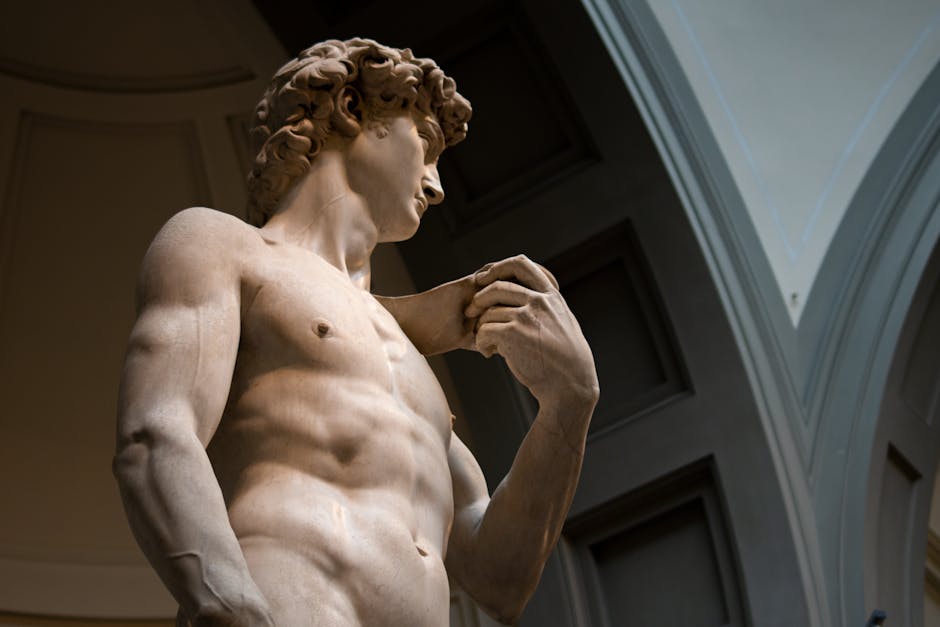
Self-guided audio tour in Florence
Start Free on iPhone
Start free on iPhone to unlock this self-guided walking tour in Florence. Hear all the stories that make it amazing, walk at your own pace, and begin whenever you want.
Your Private Tour Guide
Step away from the crowded corridors of the Uffizi and cross the Ponte Vecchio to discover the true heartbeat of Florence. The Oltrarno district, literally 'beyond the Arno,' has served as the city's creative engine for centuries. This self-guided walk invites you to explore a neighborhood where the rhythmic tapping of hammers and the scent of aged leather still define daily life. Unlike the grander, more formal streets of the historic center, the Oltrarno is a labyrinth of narrow lanes and sun-drenched squares where tradition isn't just preserved in museums, but practiced in living workshops. On this neighborhood stroll, you will encounter the master artisans who maintain Florence's reputation for unparalleled craftsmanship. From the intricate world of marbled paper at historic family-run shops to the high-end antique galleries lining the 'Majestic Way,' every corner reveals a different facet of Florentine culture. You will explore the social center of the district at Piazza Santo Spirito, home to a church designed by the legendary Brunelleschi, and wander through Piazza della Passera, a tiny square that perfectly encapsulates the hidden gems of this area. This walking route offers a deep dive into the 'Commesso Fiorentino,' or stone mosaic, a technique so precise it looks like painting. By choosing this self-guided adventure, you can linger in workshops that pique your interest or pause for an espresso alongside the locals. While a standard walking tour Florence offers might breeze past these details, this route allows you to appreciate the slow, meticulous pace of artisan life. Whether you are a first-time visitor or a seasoned traveler, this exploration of the Oltrarno provides a rare glimpse into the soul of the Renaissance city that remains vibrant and relevant today. **Note:** This area is known for its ever-changing character. Street art, pop-up venues, and temporary exhibitions may differ from what's described. That's part of the adventure - you might discover something entirely new!
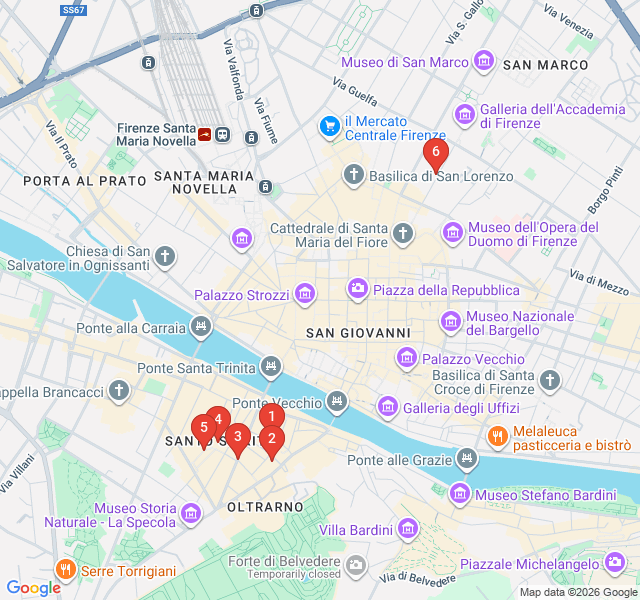
Numbers indicate the order of stops on the tour.
Welcome to one of Florence's most charming and intimate corners. Piazza della Passera may be small, but it is packed with history and local character. Once a neglected area, it has transformed into a hub for artisans and foodies. The square's name has several legendary origins, ranging from a historic brothel that once stood here to a more poetic tale involving a pet sparrow. As you stand here, notice the quiet hum of the neighborhood. This square represents the 'Slow Florence' movement, where independent boutiques and small cafes thrive away from the main tourist trail. It is the perfect starting point to understand the Oltrarno's blend of gritty history and refined creativity.
Just a short walk away, you encounter a true temple of Florentine craft. Established in 1856, Giulio Giannini e Figlio is one of the oldest workshops in the city specializing in 'carta marmorizzata' or marbled paper. This technique involves floating pigments on a liquid surface to create swirling, unique patterns that are then transferred to paper. For over six generations, the Giannini family has bound books for royalty and created stationery that defines the Florentine aesthetic. Take a moment to look at the storefront; the patterns you see are the result of centuries of refined skill. This is not just a shop, but a living museum of the bookbinding arts.
As you turn onto Via Maggio, you are walking on the 'Via Maggiore' or the Majestic Way. During the 16th century, this was the most prestigious street in the Oltrarno, lined with the palaces of noble families who wanted to be close to the Pitti Palace. Today, the street is the center of Florence's antique trade. Look up at the facades, such as the Palazzo di Bianca Cappello with its intricate sgraffito decorations. The workshops here often specialize in restoration, keeping Renaissance furniture and art in pristine condition. The air of aristocratic elegance still lingers, making it a prime location for window-shopping some of the world's finest historical artifacts.
The Basilica di Santo Spirito is a masterpiece of the early Renaissance, designed by Filippo Brunelleschi. Though the facade remains famously unfinished and plain, the interior is a triumph of mathematical harmony and light. This church was the center of a powerful Augustinian monastery that influenced the city's intellectual life for centuries. Inside, you can find a wooden crucifix carved by a young Michelangelo, who was allowed to study anatomy here. The church's simple, curved lines represent a break from the ornate Gothic style, marking a pivotal moment in architectural history. It remains a deeply spiritual place, largely unburdened by the massive crowds found at the Duomo.
Step outside the basilica and you are in the living room of the Oltrarno. Piazza Santo Spirito is where the neighborhood's bohemian spirit truly shines. By day, you might find a daily produce market or a weekend artisan fair where local woodworkers and potters sell their wares. By evening, the steps of the church and the surrounding cafes fill with locals. Unlike the more polished squares across the river, Santo Spirito retains a slightly rebellious, authentic edge. It has been a site of political protest and community gatherings for hundreds of years. Take a seat on a bench and observe the daily rhythms of Florentine life—it is the best place in the city for people-watching.
To conclude this route, we cross back toward the center to visit a master workshop of 'Commesso Fiorentino.' This is the art of Florentine stone mosaic, a technique popularized by the Medici family. Unlike traditional mosaics made of small tiles, this involves cutting semi-precious stones like jasper, lapis lazuli, and malachite into precise shapes that fit together perfectly to create a seamless image. The result is often called 'painting in stone.' At Scarpelli, you can see the modern masters of this craft at work. It can take months to complete a single small piece, as the artisan must find the exact natural color and vein in the stone to represent a leaf, a sky, or a face. It is a stunning display of patience and precision.
Start Free on iPhone
Explore “Oltrarno Artisans and Workshops” with your very own Private Tour Guide with Zigway. Start free on iPhone, skip the large group and the fixed routes, and hear the city come alive as you go.
Your Private Tour Guide
Don't miss the good stuff
Explore Freely
 Easy
EasyFlorence, Italy
Discover the intersection of Renaissance architecture and modern luxury on this self-guided walk through Florence’s high-fashion districts.
 Easy
EasyFlorence, Italy
Explore the medieval streets of Florence through the eyes of Dante Alighieri on this self-guided literary and historical walking route.
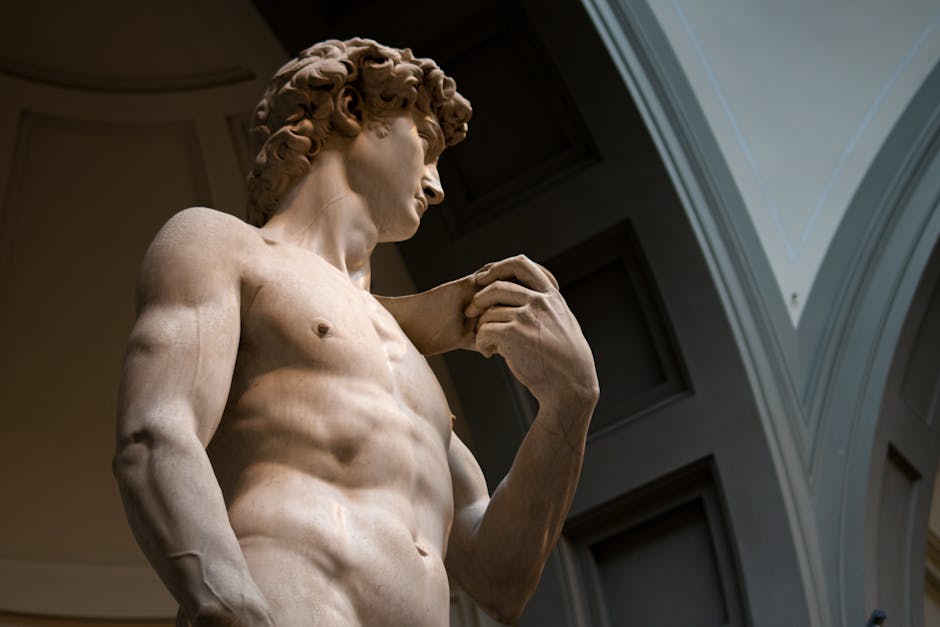 Easy
EasyFlorence, Italy
Experience the magic of Florence at sunset. Discover iconic bridges and breathtaking river views on this romantic self-guided audio walk.
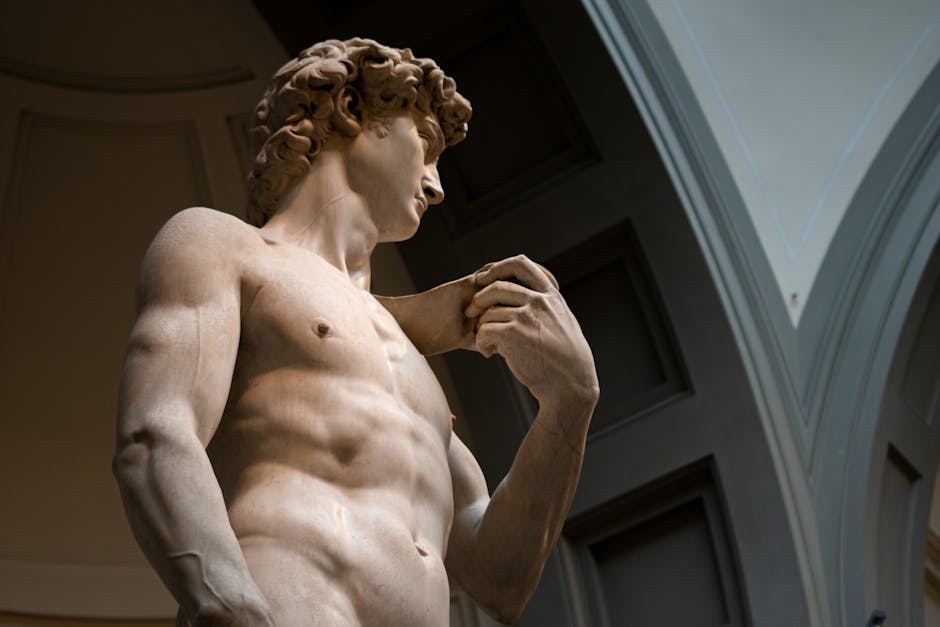 Easy
EasyFlorence, Italy
Discover the 'buchette del vino'—Florence's unique Renaissance wine windows—on this self-guided walk through the city's historic streets.
 Moderate
Nairobi, Kenya
Discover the creative soul of Nairobi on this self-guided walk through the city's premier art galleries, markets, and artisan workshops.
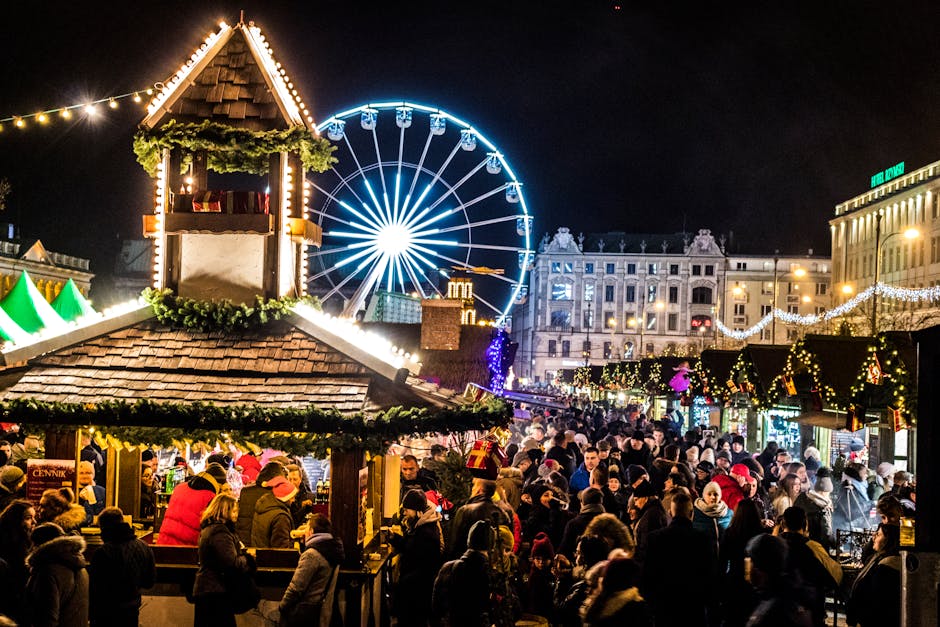 Easy
EasyKrakow, Poland
Explore Krakow's hidden nightlife with this self-guided walk through medieval cellars, jazz clubs, and bohemian bars in the Old Town and Kazimierz.
 Easy
EasyKrakow, Poland
Discover Krakow’s creative soul in Zabłocie, exploring industrial heritage, contemporary art museums, and avant-garde architecture at your own pace.
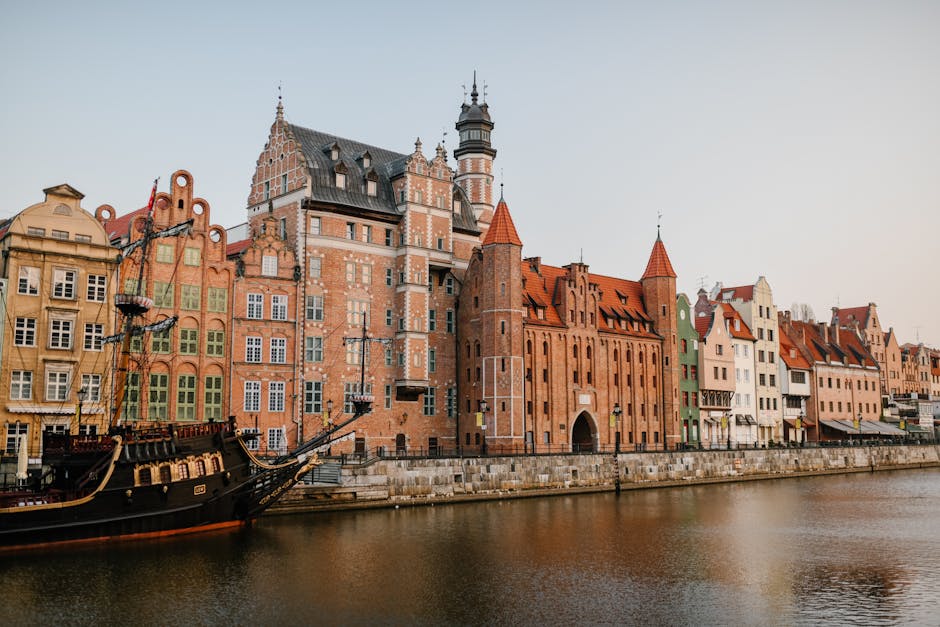 Easy
EasyGdansk, Poland
Discover the 'Baltic Gold' on this self-guided walk through Gdansk's historic mills, massive cathedrals, and the magical Mariacka Street.
 Easy
EasyRome, Italy
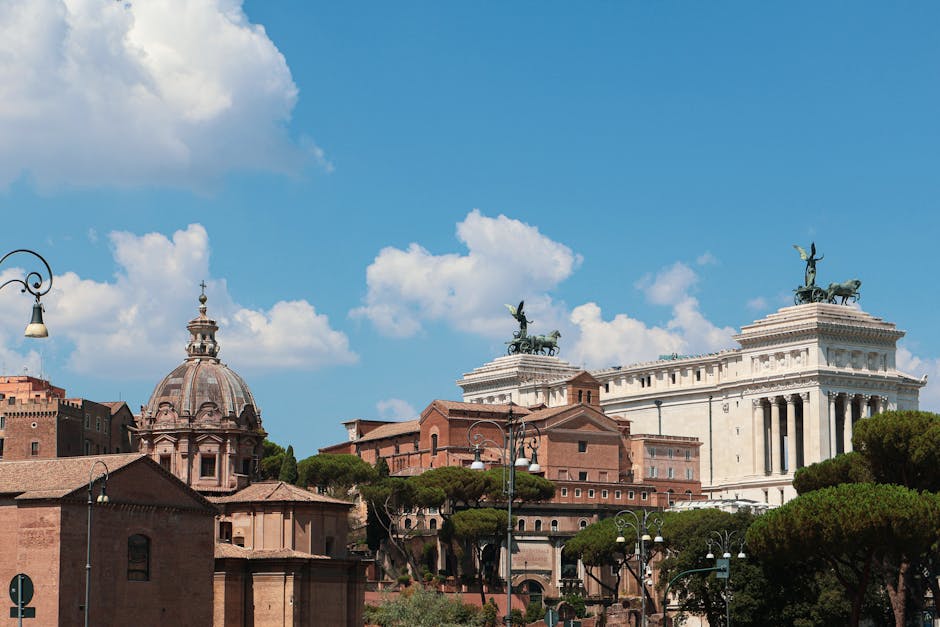
Explore Rome’s industrial heart on this self-guided walk featuring massive murals, the 'Iron Colosseum,' and unique industrial archaeology.
 Easy
EasyRome, Italy
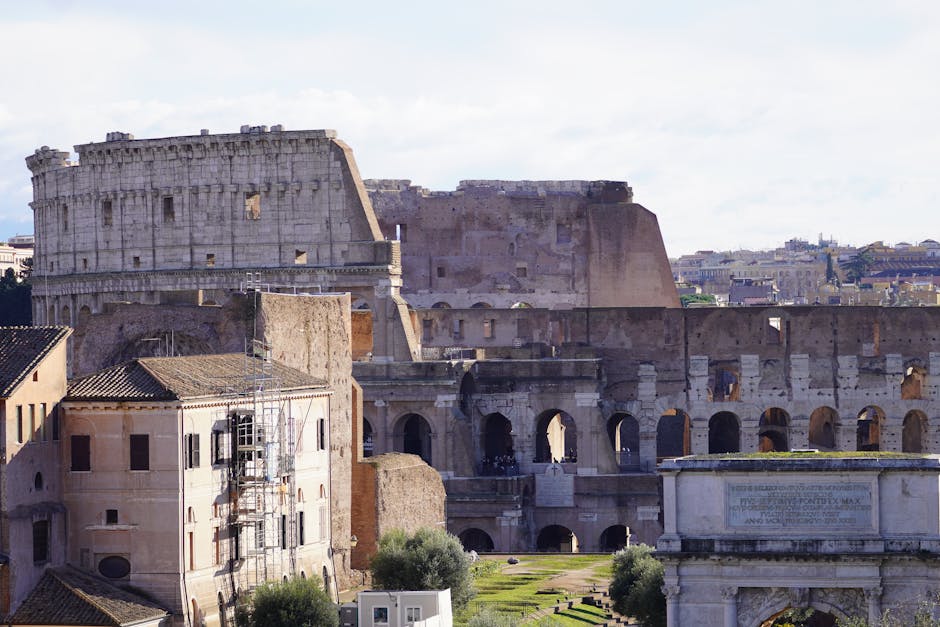
Explore Rome’s whimsical Fairytale District. A self-guided walk through Art Nouveau palaces, mythical fountains, and the magical Coppedè architecture.
 Moderate
Rome, Italy
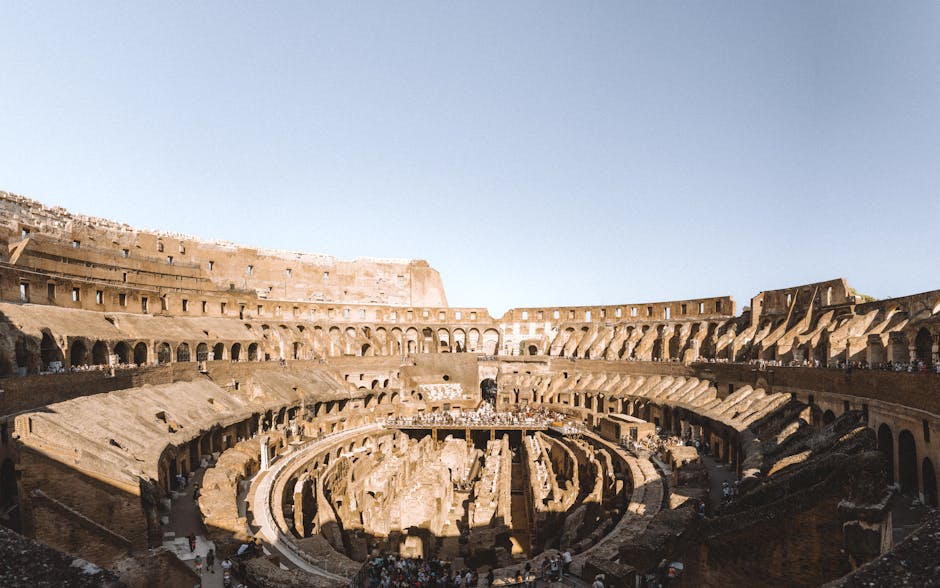
Uncover Rome's hidden history on this self-guided walk through ancient gladiator pits, subterranean temples, and buried Roman houses.
 Challenging
Rome, Italy
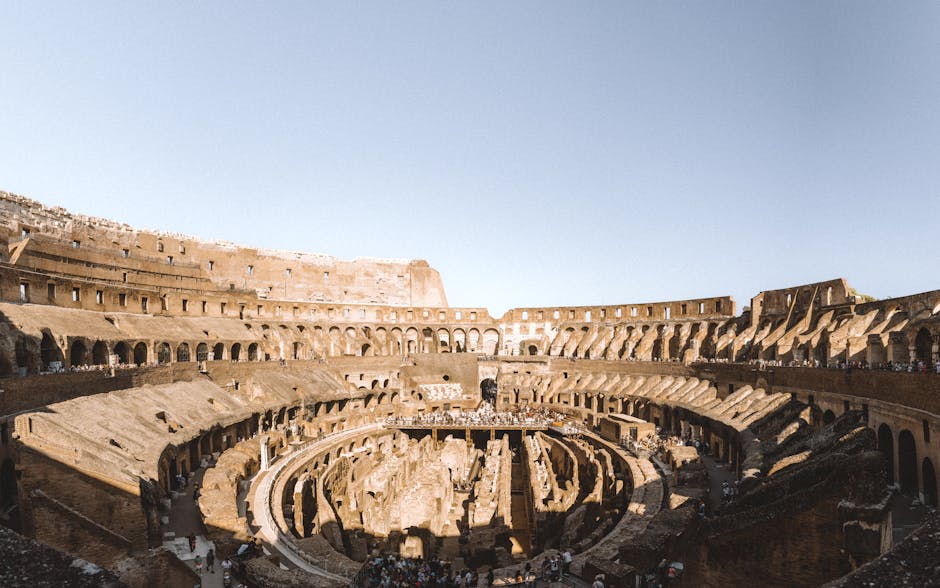
Walk the 'Queen of Roads.' Explore ancient catacombs, imperial villas, and historic basalt stones on this scenic self-guided Roman adventure.