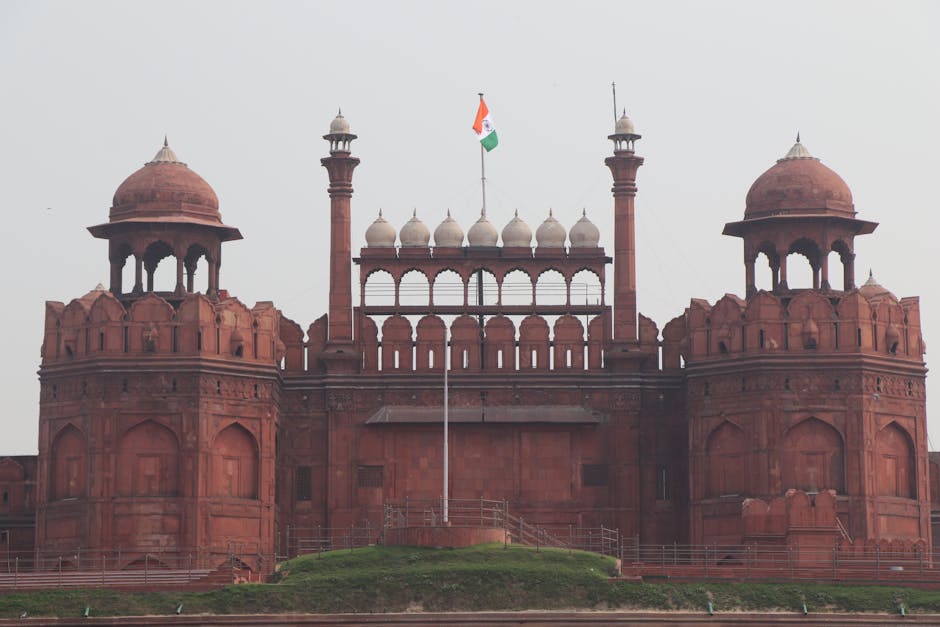
Self-guided audio tour in Delhi
Start Free on iPhone
Start free on iPhone to unlock this self-guided walking tour in Delhi. Hear all the stories that make it amazing, walk at your own pace, and begin whenever you want.
Your Private Tour Guide
Embark on an independent exploration of India's political heart with this self-guided walk through Lutyens' Delhi. This neighborhood stroll unveils the architectural legacy left by Sir Edwin Lutyens and Herbert Baker, the masterminds who reimagined the capital of British India in the early 20th century. As you traverse the wide, tree-lined boulevards, you will witness the seamless fusion of Western Neoclassical styles with traditional Indian motifs, a style often referred to as 'Delhi Renaissance.' This walking route is perfect for history buffs and architecture enthusiasts who want to discover the secrets of the Rajpath at their own pace. Your self-guided adventure begins at the National Museum, a treasure trove of Indian heritage, before heading toward the iconic India Gate. Standing as a solemn tribute to fallen soldiers, this triumphal arch is the centerpiece of the city's ceremonial axis. Nearby, the National War Memorial offers a modern perspective on India’s military history, set within beautifully landscaped lawns. As you approach the seat of power, you will encounter the imposing Secretariat buildings—the North and South Blocks—which house the highest offices of the Indian government. These sandstone structures, with their baroque features and intricate jaali screens, represent the zenith of colonial administrative architecture. The journey concludes at the magnificent Rashtrapati Bhavan, the official residence of the President of India. Once the Viceroy’s House, this massive structure is one of the largest residential buildings in the world. Exploring this area independently allows you to appreciate the sheer scale of the urban planning, from the hexagonal street patterns to the meticulously placed vistas that frame the city's most important landmarks. Whether you are interested in the political history of the subcontinent or the aesthetic details of colonial building techniques, this walking route Delhi offers a comprehensive look at the grandeur that defines modern India's capital.
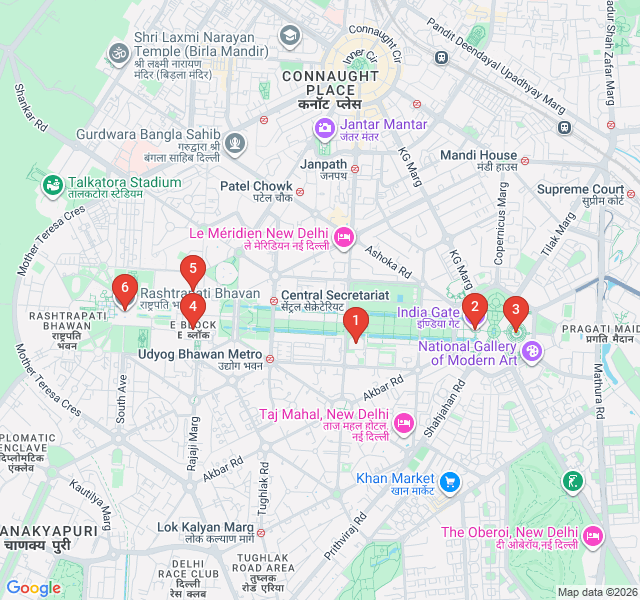
Numbers indicate the order of stops on the tour.
Start your self-guided walk at the National Museum, one of India's largest museums. Established in 1949, it holds over 200,000 works of art covering 5,000 years of Indian history. While the building itself is a fine example of mid-century institutional architecture, the treasures inside are the real draw—ranging from Indus Valley Civilization artifacts to intricate Mughal miniatures. This location serves as the perfect prologue to your journey, providing context for the deep history that the Lutyens' city was built upon. Take a moment to admire the circular layout of the nearby Udyog Bhawan area, which demonstrates the geometric precision characteristic of the city's 20th-century urban planning.
Walk down the ceremonial axis of Kartavya Path to reach India Gate. Designed by Sir Edwin Lutyens and completed in 1931, this 42-meter-high arch is often compared to the Arc de Triomphe in Paris. It was originally built as the All India War Memorial to honor the 70,000 soldiers of the British Indian Army who died in the First World War. If you look closely at the walls, you can see thousands of names inscribed in the stone. Beneath the arch, the Amar Jawan Jyoti (Flame of the Immortal Soldier) once burned continuously, though the primary flame has now been integrated with the nearby National War Memorial. This is the symbolic heart of New Delhi.
Just a short stroll from India Gate lies the National War Memorial, inaugurated in 2019. This modern monument is spread across 40 acres and is designed as four concentric circles: the Circle of Immortality, the Circle of Bravery, the Circle of Sacrifice, and the Circle of Protection. Each circle tells a story of the Indian Armed Forces' contributions since independence. The central obelisk stands tall against the Delhi skyline, surrounded by bronze murals depicting famous battles. The memorial is a peaceful space for reflection, contrasting the bustling energy of the surrounding city and offering a contemporary bookend to the colonial history of India Gate.
As you move toward the Secretariat buildings, you pass the administrative zones known as the 'Blocks.' E Block and its neighbors represent the functional side of Lutyens' design. While less ornate than the President's House, these buildings showcase the 'Delhi Order' of columns—a unique architectural style Lutyens created specifically for this city, featuring small bells carved into the capitals. The bell motif was a subtle nod to Indian tradition, symbolizing the end of an empire when the bells stopped ringing. These offices still hum with the daily business of the Indian government, serving as the engine room of the nation's bureaucracy.
You are now standing before the North Block, one half of the Secretariat Building designed by Herbert Baker. Constructed using red and beige Dholpur sandstone, this building houses the Ministry of Finance and the Ministry of Home Affairs. Notice the blend of European Classical architecture with Indian features like 'chhatris' (domed pavilions) and 'jalis' (perforated stone screens). Baker and Lutyens often disagreed on the height and placement of these buildings; Baker famously won the argument to place the Secretariats on the Raisina Hill, which partially obscured the view of the Rashtrapati Bhavan—a decision Lutyens called his 'Bakerloo.'
The final stop on your walking route is the magnificent Rashtrapati Bhavan, the official residence of the President of India. Completed in 1929, it contains 340 rooms and was built using 700 million bricks. The most striking feature is its massive copper dome, which draws inspiration from the Great Stupa at Sanchi. The building sits atop Raisina Hill, overlooking the entire expanse of the city you just walked through. The Jaipur Column, a gift from the Maharaja of Jaipur, stands in the forecourt, topped with a glass Star of India. This structure serves as a powerful symbol of Indian democracy, housed within one of the greatest architectural achievements of the 20th century.
Start Free on iPhone
Explore “Imperial Grandeur of Lutyens' Delhi” with your very own Private Tour Guide with Zigway. Start free on iPhone, skip the large group and the fixed routes, and hear the city come alive as you go.
Your Private Tour Guide
Don't miss the good stuff
Explore Freely
 Challenging
Delhi, India
Explore the legendary flavors of Old Delhi on this self-guided audio walk through the historic markets and hidden food stalls of the Walled City.
 Easy
EasyDelhi, India
Explore where 14th-century ruins meet high-end fashion in Delhi's most creative urban village on this self-guided neighborhood stroll.
 Moderate
Delhi, India
Explore Delhi's soul from the markets of Janpath to the hidden alleys of Little Tibet on this culture-rich, self-guided food and neighborhood stroll.
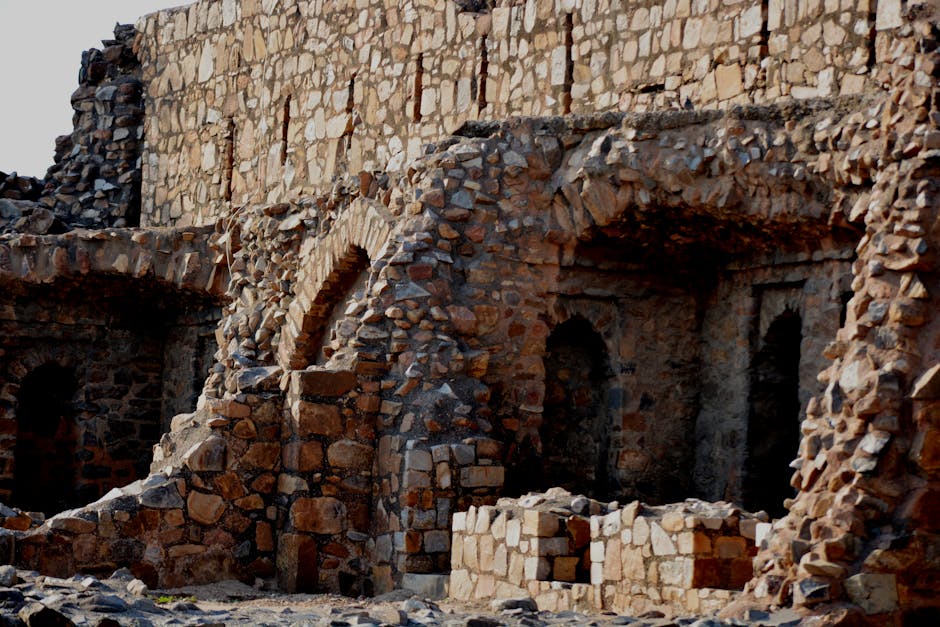 Challenging
Delhi, India
Experience the sensory magic of Old Delhi on this self-guided walk through historic spice markets, silver lanes, and grand Mughal monuments.
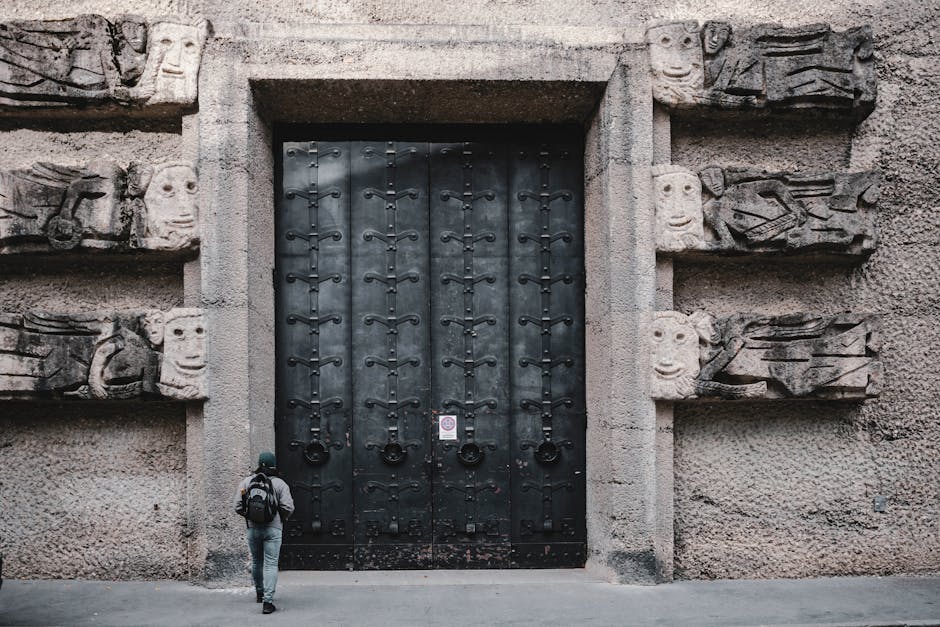 Easy
EasySalzburg, Austria
Discover the 'Rome of the North' on this self-guided walk through the Baroque squares and monumental legacy of Salzburg’s Prince-Archbishops.
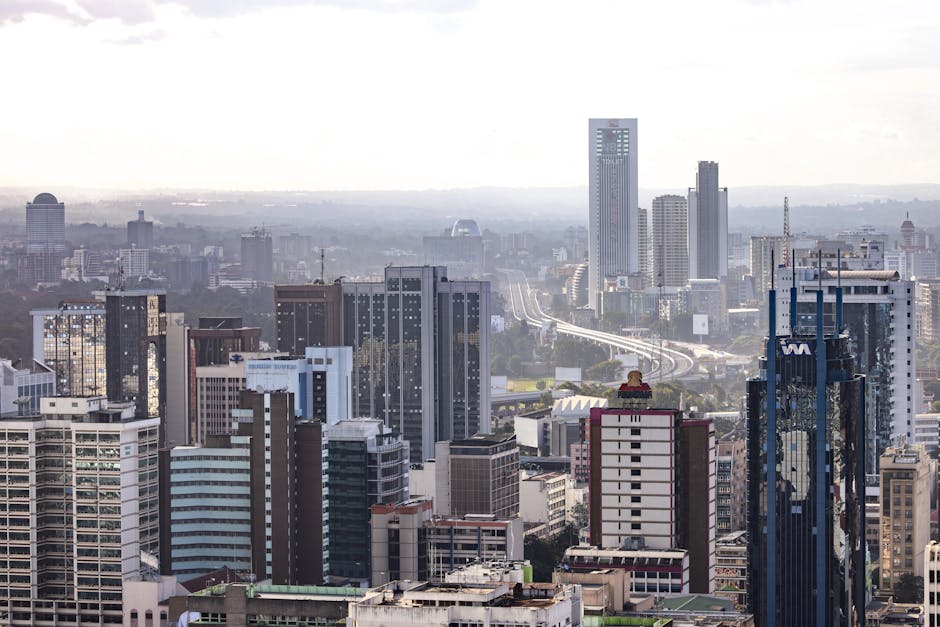 Easy
EasyNairobi, Kenya
Explore Nairobi's architectural evolution from colonial-era landmarks to iconic Brutalist skyscrapers on this historic self-guided walking route.
 Easy
EasyNairobi, Kenya
Discover Nairobi's iconic skyline on this self-guided architecture walk through the CBD’s most famous modernist and Brutalist landmarks.
 Easy
EasyKrakow, Poland
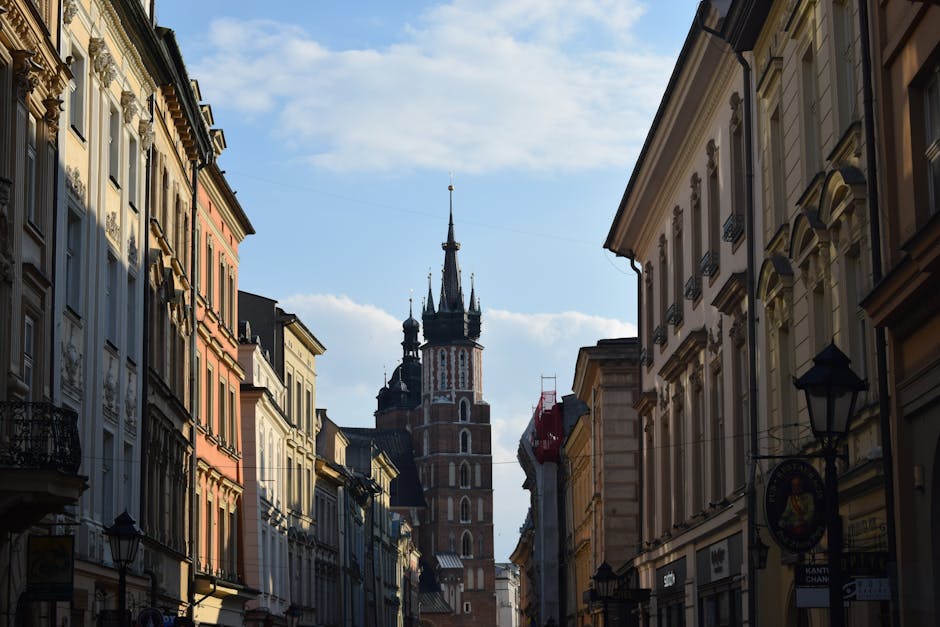
Uncover Krakow's legendary past on this self-guided walk from literary monuments to the fire-breathing Wawel Dragon.
 Easy
EasyMumbai, India
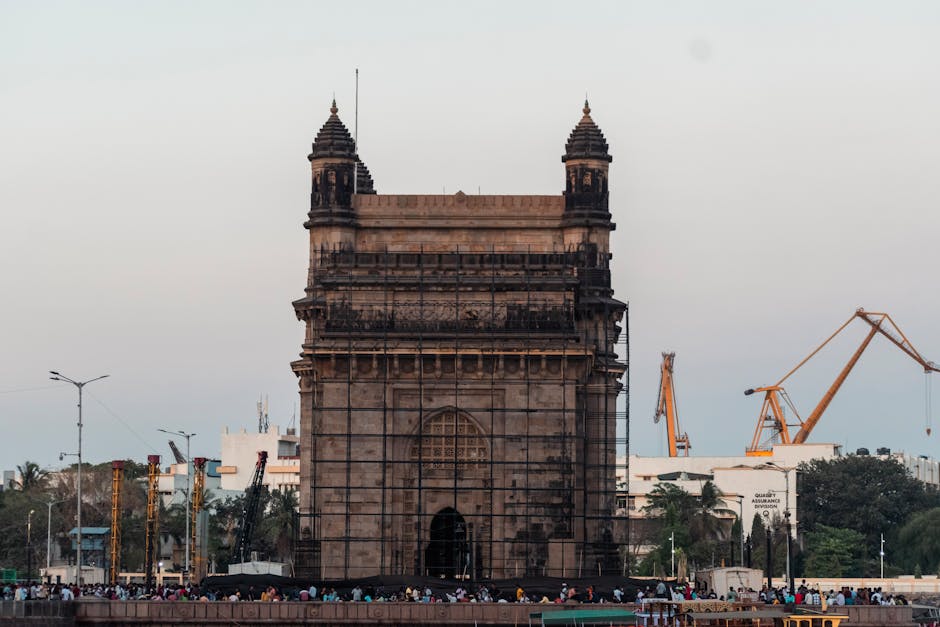
Explore Mumbai's stunning UNESCO Art Deco heritage on this self-guided walking route along the iconic Marine Drive promenade.
 Challenging
Mumbai, India
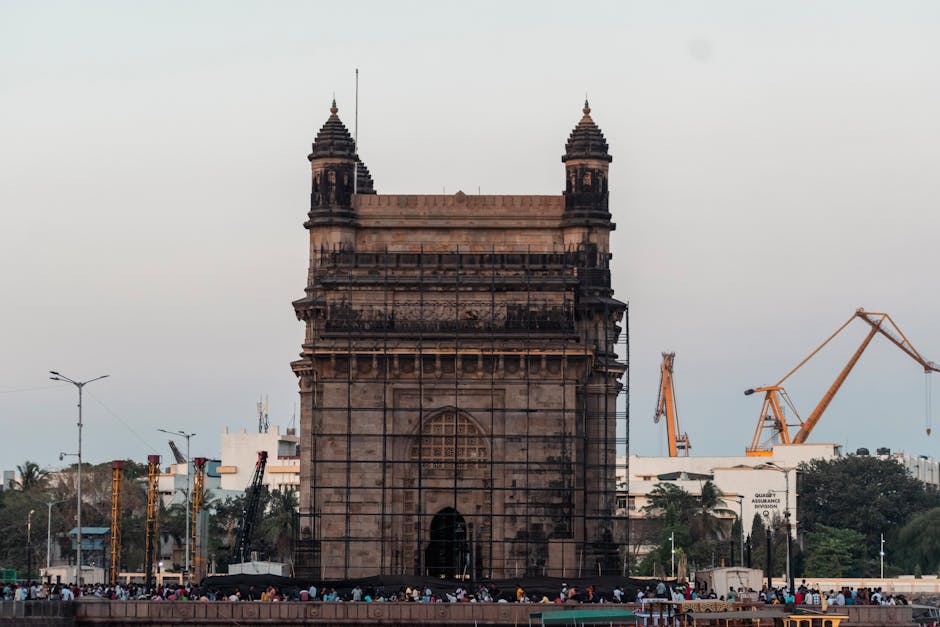
Experience the sensory explosion of Mumbai's historic markets on this challenging self-guided walk through Kalbadevi and Crawford Market.
 Easy
EasyMumbai, India
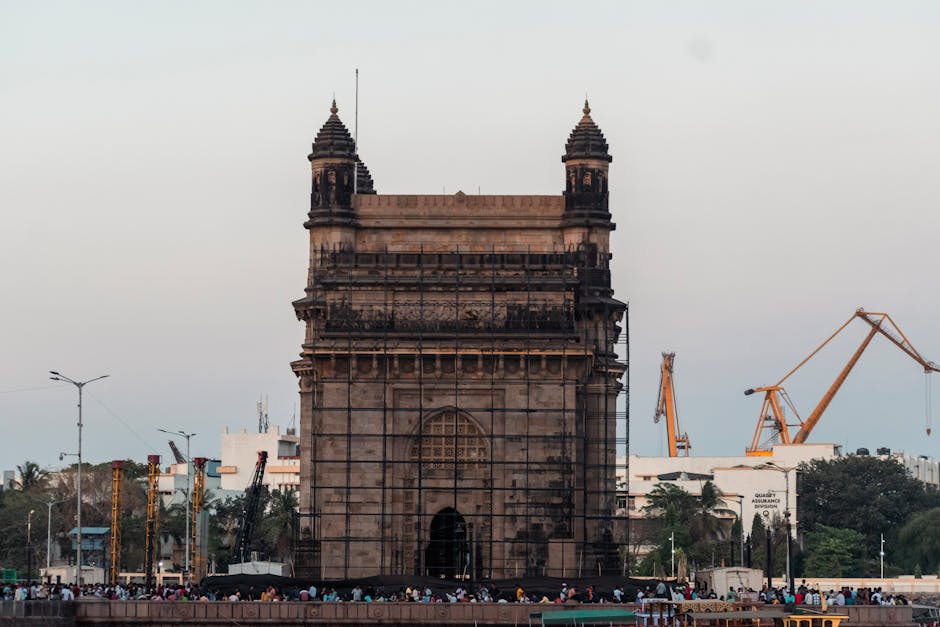
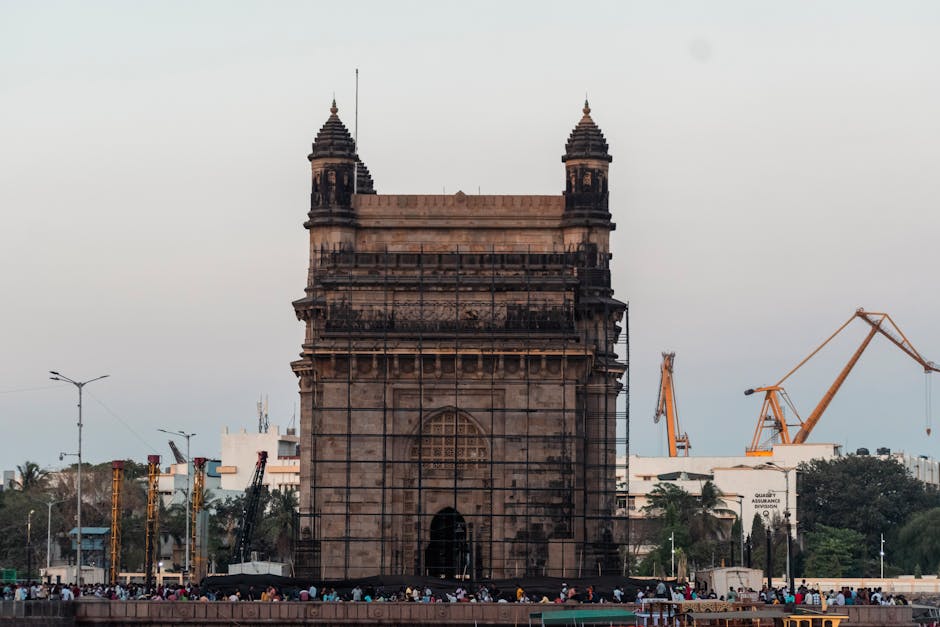
Explore Mumbai's colonial legacy on this self-guided walk through Colaba's iconic landmarks, from the Gateway of India to grand Art Deco palaces.
 Moderate
Mumbai, India
Explore the ancient fishing village of Worli Koliwada, historic forts, and stunning sea views on this self-guided cultural walking route.