Self-guided audio tour in Mumbai
Start Free on iPhone
Start free on iPhone to unlock this self-guided walking tour in Mumbai. Hear all the stories that make it amazing, walk at your own pace, and begin whenever you want.
Your Private Tour Guide
Step back into an era of grand stone facades and imperial ambition with this self-guided walking route through Mumbai’s historic Colaba district. As you wander through the southern tip of the city, the salty air of the Arabian Sea mingles with the scent of old teak and stone, setting the stage for a journey through the evolution of Bombay into the modern powerhouse of Mumbai. This neighborhood stroll captures the transition from the Gothic Revival of the late 19th century to the sleek Art Deco lines of the 1930s, offering a visual timeline of the city's growth. This independent exploration allows you to witness how the British Raj left an indelible mark on the skyline, creating a unique hybrid of European styles and Indian motifs known as Indo-Saracenic architecture. You will begin at the imposing Maharashtra Police Headquarters, once a home for sailors, before moving past the regal Dhanraj Mahal, which speaks to the opulence of Indian royalty during the colonial period. Along the way, the route highlights the Royal Bombay Yacht Club, an exclusive bastion of maritime history, and the Regal Cinema, a pioneer of the city’s Art Deco movement. No walking route in this area would be complete without visiting the legendary Taj Mahal Palace, Mumbai’s first luxury hotel, and the iconic Gateway of India, the ceremonial entrance to the subcontinent. This walking tour Mumbai experience is designed for history enthusiasts and architecture lovers who want to discover the stories behind the stone at their own pace. By following this self-guided walk, you avoid the rush of a group and can linger at the sites that intrigue you most, from the intricate carvings of the police headquarters to the bustling waterfront where history was made. Whether you are a first-time visitor or a returning traveler, this neighborhood stroll offers a profound look at the architectural legacy of the Raj and the spirit of a city that never stops moving.
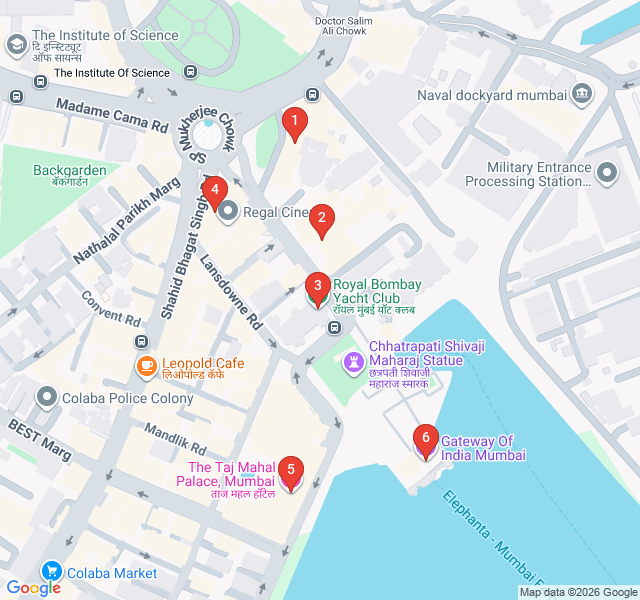
Numbers indicate the order of stops on the tour.
Begin your self-guided adventure at the Maharashtra Police Headquarters, an architectural gem originally known as the Alfred Sailors' Home. Completed in 1876, this building was designed by Frederick William Stevens, the same visionary behind the Victoria Terminus. Notice the blue basalt stone and the intricate carvings that depict the maritime history of the city. Originally intended to house 20 officers and 100 sailors, the building’s design reflects the Gothic Revival style that dominated British Bombay. Look up at the gables to see the sculpted figures, which represent the diverse maritime life of the era. It transitioned to the police headquarters in 1930, standing today as a symbol of law and order housed within a palace of sea-faring history.
Just a short stroll away stands Dhanraj Mahal, a stunning example of the Art Deco style that swept through Mumbai in the early 20th century. Built in the 1930s, this was once the former palace of the Raja of Dhanrajgir. At the time of its construction, it was the largest and costliest residential building in the city. Its pinkish facade and symmetrical wings wrap around a central courtyard, showcasing a blend of modernism and traditional luxury. While it now houses offices and residences, its grand entrance still whispers stories of the lavish parties and royal guests that once graced its halls, representing the transition from colonial Gothic to the cosmopolitan Art Deco era.
The Royal Bombay Yacht Club, founded in 1846, is one of the oldest and most prestigious social clubs in India. This Neo-Gothic building, completed in 1881, served as a sanctuary for the British elite. Its timber-framed balconies and steep roofs look as though they were plucked straight from a European seaside town. For decades, it was the social heart of the British administration, where naval officers and colonial officials gathered. While the club remains private, the exterior offers a fascinating glimpse into the exclusive world of the Raj. It sits in quiet contrast to the bustling city, maintaining an air of old-world discipline and maritime tradition along the Mumbai waterfront.
Across the busy junction sits the Regal Cinema, a landmark that marked the beginning of Mumbai's obsession with the silver screen. Opened in 1933 during the height of the Art Deco movement, it was the first of its kind in the city, designed by Charles Stevens. The interior was famously the first in India to feature air conditioning and an underground parking lot. Its clean lines and lack of ornate Gothic carvings represented a move toward a modern, global future. For generations of Mumbaikars, the Regal was the place to see Hollywood and Bollywood premieres, and it remains an active cinema today, standing as a testament to the city's enduring love for film and modern design.
The Taj Mahal Palace is more than just a luxury hotel; it is a symbol of Indian pride. Legend has it that industrialist Jamsetji Tata commissioned the hotel after being denied entry to the European-only Watson's Hotel. Opened in 1903, five years before the Gateway of India was even built, its massive red dome has served as a beacon for ships entering the harbor for over a century. The architecture is a breathtaking blend of Moorish, Oriental, and Florentine styles. Having hosted royalty, presidents, and rock stars, the hotel also stands as a monument to resilience, having famously recovered from the tragic terror attacks of 2008 to remain the crown jewel of Mumbai’s hospitality.
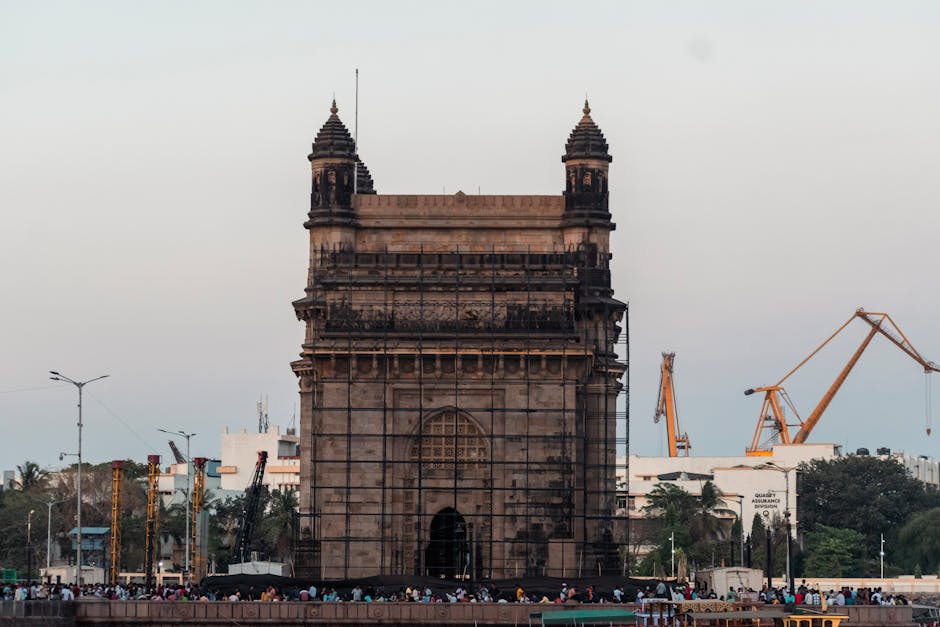
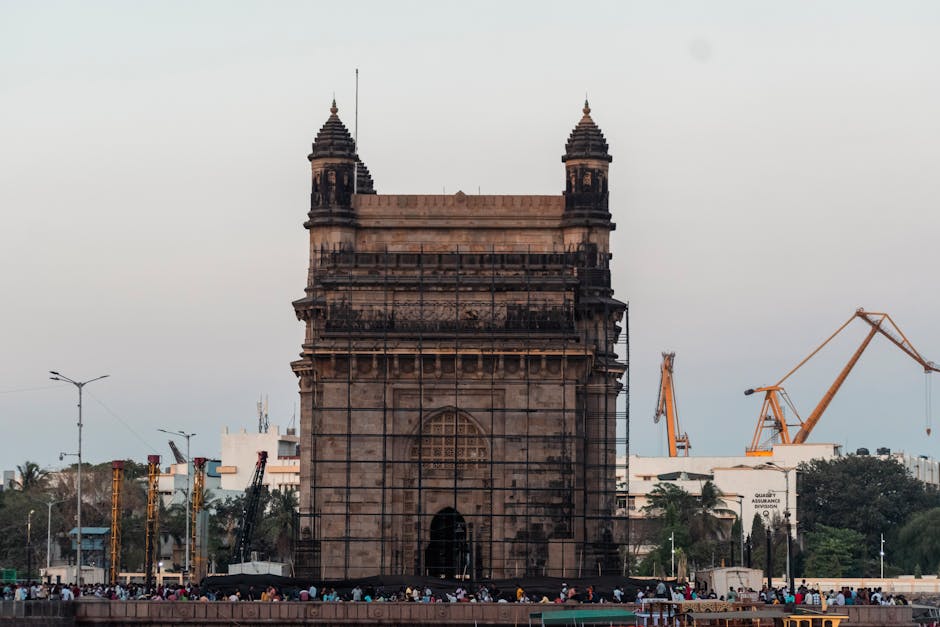
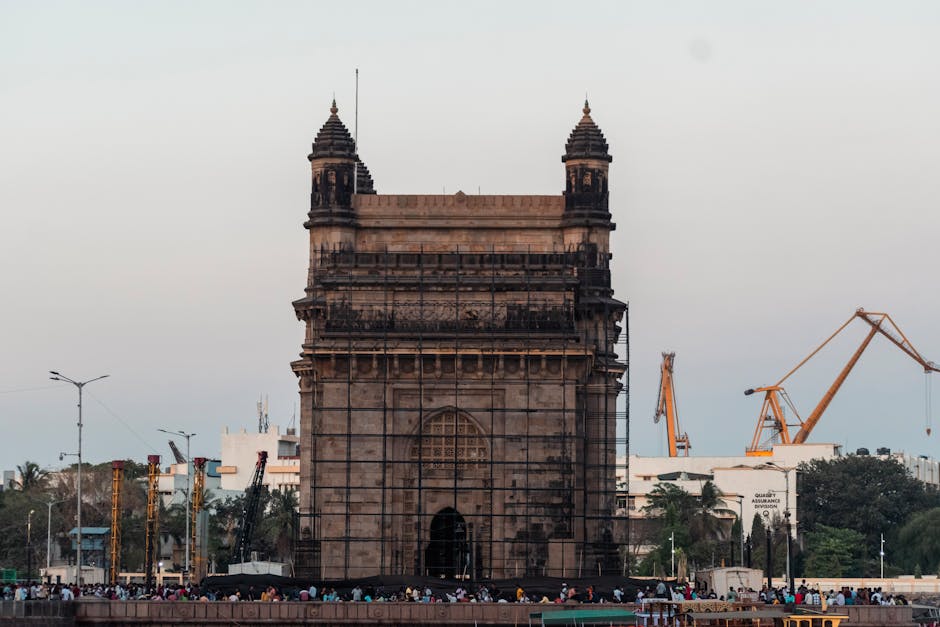
Your walking route concludes at the Gateway of India, perhaps the most recognizable landmark in the country. Built to commemorate the visit of King George V and Queen Mary in 1911, this Indo-Saracenic arch was completed in 1924. Paradoxically, while it was built to welcome the British, it was also the site where the last British troops departed India in 1948, marking the end of colonial rule. Constructed from yellow basalt, the arch combines the triumphal arch style of Rome with the decorative elements of 16th-century Gujarati architecture. Today, it is a vibrant gathering place for locals and tourists alike, serving as the symbolic doorstep to India.
Start Free on iPhone
Explore “Colonial Echoes of the Raj” with your very own Private Tour Guide with Zigway. Start free on iPhone, skip the large group and the fixed routes, and hear the city come alive as you go.
Your Private Tour Guide
Don't miss the good stuff
Explore Freely
 Easy
EasyMumbai, India
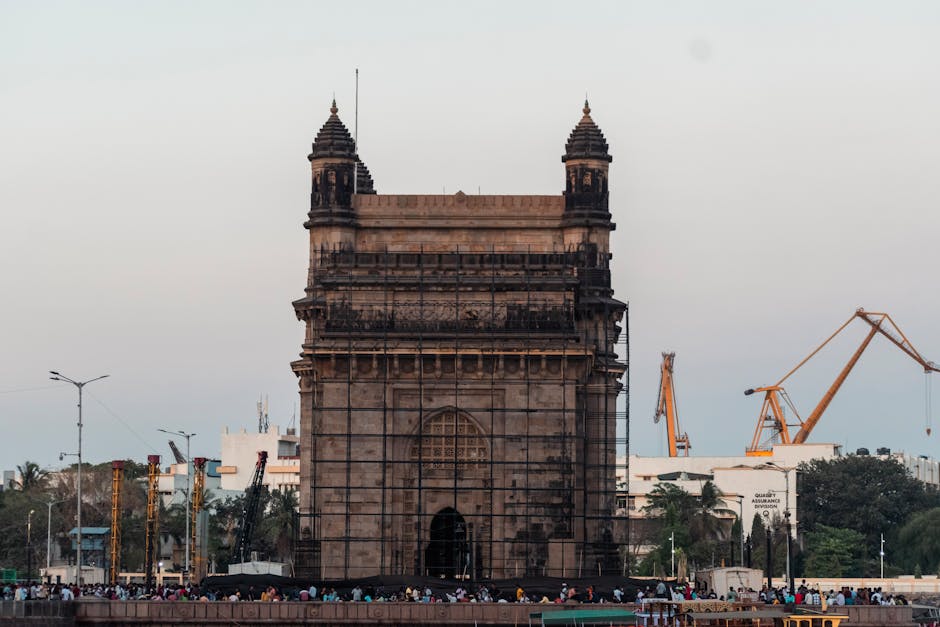
Explore Mumbai's stunning UNESCO Art Deco heritage on this self-guided walking route along the iconic Marine Drive promenade.
 Challenging
Mumbai, India
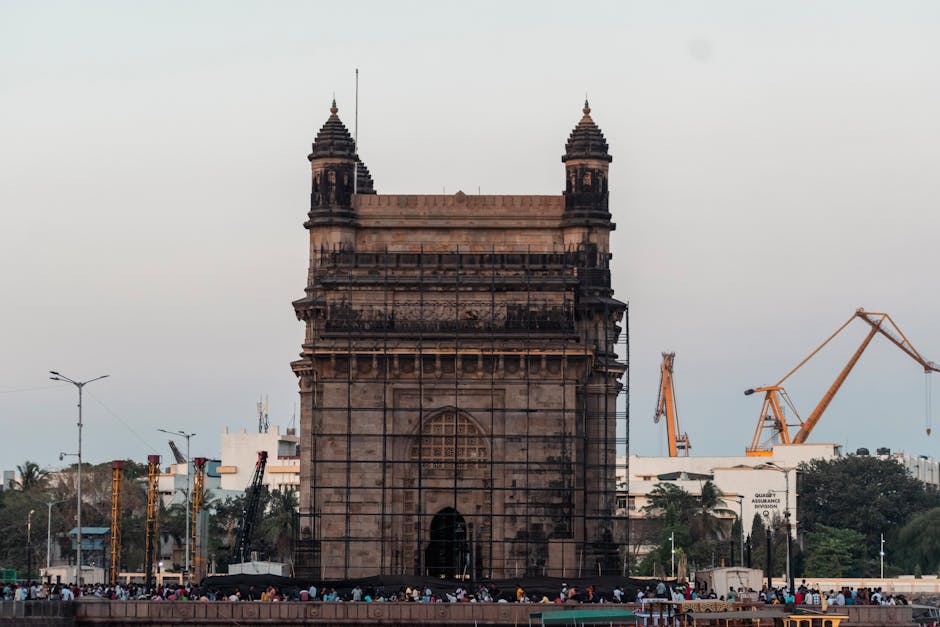
Experience the sensory explosion of Mumbai's historic markets on this challenging self-guided walk through Kalbadevi and Crawford Market.
 Moderate
Mumbai, India
Explore the ancient fishing village of Worli Koliwada, historic forts, and stunning sea views on this self-guided cultural walking route.
 Easy
EasyMumbai, India
Discover vibrant murals and centuries-old heritage in Bandra’s hidden lanes on this self-guided neighborhood stroll through Ranwar and Chapel Road.
 Easy
EasyNairobi, Kenya
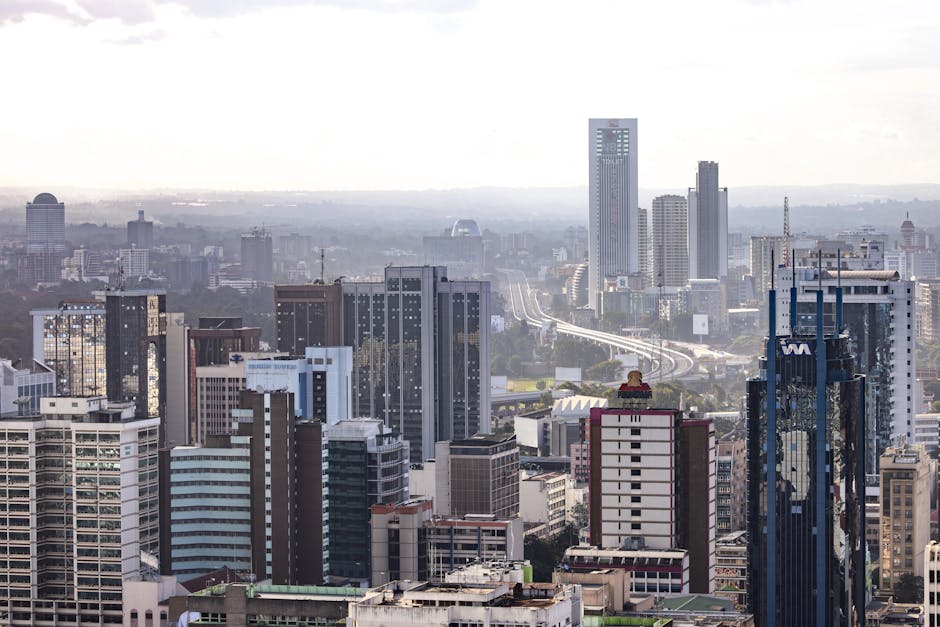
Explore Nairobi's architectural evolution from colonial-era landmarks to iconic Brutalist skyscrapers on this historic self-guided walking route.
 Easy
EasyNairobi, Kenya
Discover Nairobi's iconic skyline on this self-guided architecture walk through the CBD’s most famous modernist and Brutalist landmarks.
 Easy
EasyGothenburg, Sweden
Discover Gothenburg’s 17th-century Dutch foundations, historic canals, and military fortifications on this self-guided architectural walk.
 Easy
EasySalzburg, Austria
Discover the 'Rome of the North' on this self-guided walk through the Baroque squares and monumental legacy of Salzburg’s Prince-Archbishops.
 Challenging
Delhi, India
Explore the legendary flavors of Old Delhi on this self-guided audio walk through the historic markets and hidden food stalls of the Walled City.
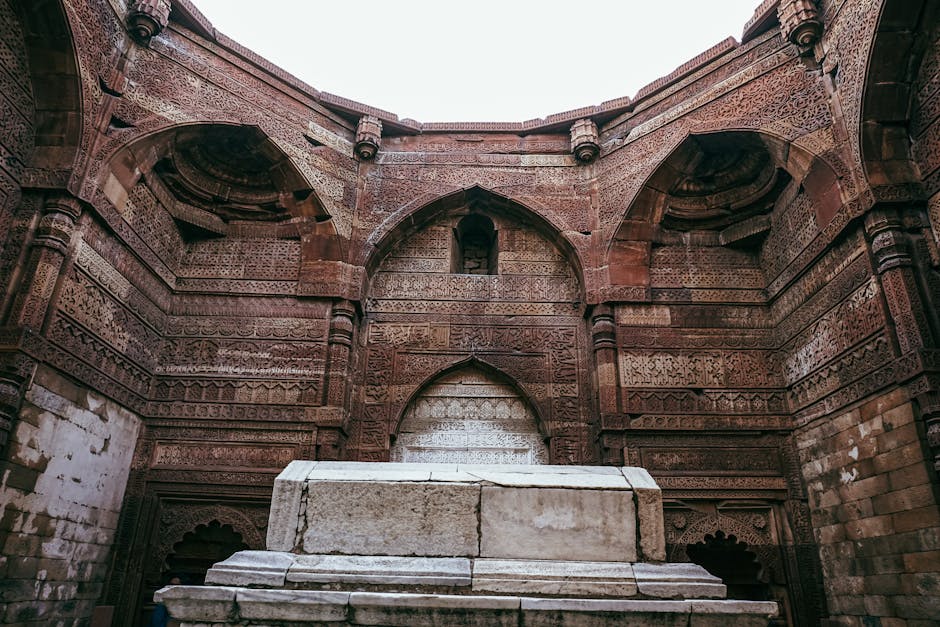 Easy
EasyDelhi, India
Explore where 14th-century ruins meet high-end fashion in Delhi's most creative urban village on this self-guided neighborhood stroll.
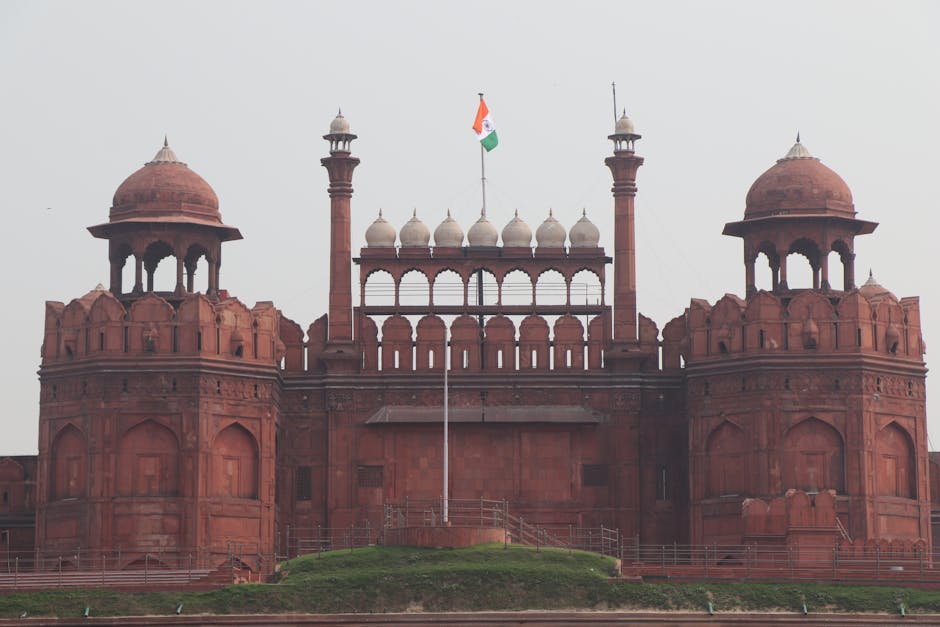 Moderate
Delhi, India
Explore Delhi's soul from the markets of Janpath to the hidden alleys of Little Tibet on this culture-rich, self-guided food and neighborhood stroll.
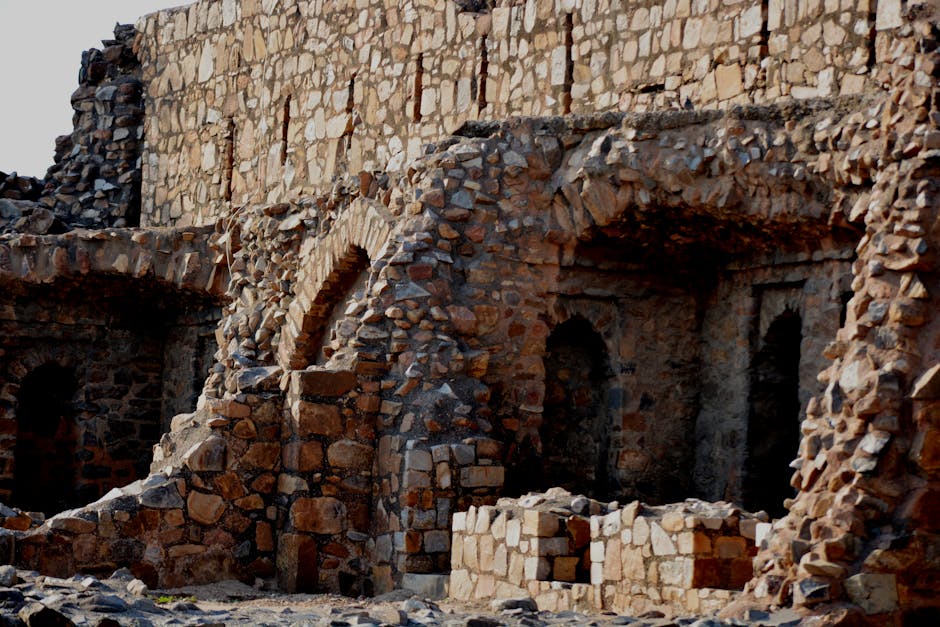 Challenging
Delhi, India
Experience the sensory magic of Old Delhi on this self-guided walk through historic spice markets, silver lanes, and grand Mughal monuments.