Self-guided audio tour in Delhi
Start Free on iPhone
Start free on iPhone to unlock this self-guided walking tour in Delhi. Hear all the stories that make it amazing, walk at your own pace, and begin whenever you want.
Your Private Tour Guide
Shahpur Jat is one of Delhi's most captivating urban villages, where the medieval past and the cutting-edge present exist in a tight, colorful embrace. This self-guided walk invites you to wander through a neighborhood that has transformed from a 14th-century fortress into a premier hub for independent design and high-end fashion. As you explore independently, you will notice how the jagged remains of the Siri Fort wall provide a dramatic backdrop to chic boutiques and quirky cafes. This neighborhood stroll is perfect for those who want to escape the typical tourist circuits and discover the hidden gems of the capital. The route highlights the unique architectural history of the Khalji dynasty while showcasing the creative energy that defines modern Delhi. You will encounter ancient domes tucked between designer studios and narrow lanes filled with the hum of sewing machines and the aroma of regional cuisines. Whether you are an architecture enthusiast, a fashion lover, or a curious traveler, this walking route offers a deep dive into the layers of Delhi's identity. From the rooftop views of regional Bihari delicacies to the historic 'Gifted Dome,' the journey captures the essence of a city that never stops reinventing itself. Unlike a traditional walking tour Delhi, this experience allows you to linger at a boutique or pause for a photo by an ancient ruin at your own pace. Discover how the local community has preserved its village roots while becoming a global destination for art and history. **Note:** This area is known for its ever-changing character. Street art, pop-up venues, and temporary exhibitions may differ from what's described. That's part of the adventure - you might discover something entirely new!
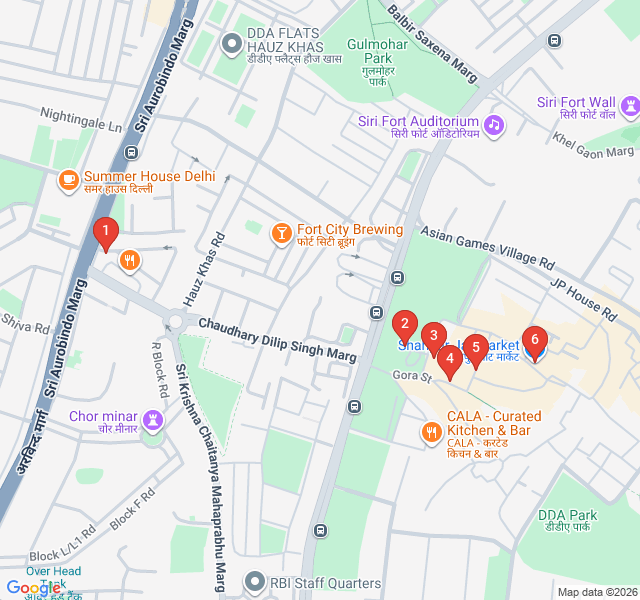
Numbers indicate the order of stops on the tour.
Begin your exploration at this iconic rooftop spot. The Potbelly is more than just a cafe; it is a pioneer in bringing Bihari cuisine to Delhi's mainstream food scene. As you look out from the rooftop, you get a bird's-eye view of the dense, labyrinthine layout of Shahpur Jat. This area was originally built on the ruins of Siri, the second city of Delhi established by Alauddin Khalji in the 14th century. The cafe's vibrant decor mirrors the creative spirit of the neighborhood. It is the perfect place to orient yourself before diving into the narrow lanes below. Notice the contrast between the traditional village housing and the modern, artistic touches that have defined the area over the last decade.
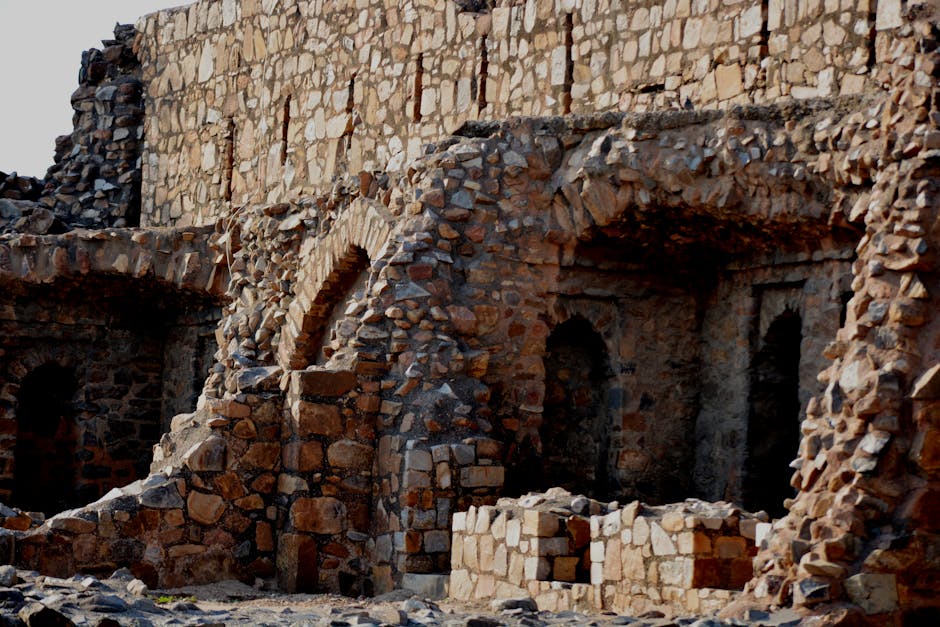
Just a short walk away, you will encounter the rugged, stony remains of the Siri Fort wall. Built around 1303, these walls were once part of a massive fortification designed to protect the city from Mongol invasions. Today, they serve as a silent witness to centuries of change, now integrated into the daily life of the village. Local residents often sit near these stones, and children play where soldiers once stood guard. The masonry reflects the Seljuk influence on Indo-Islamic architecture, characterized by the use of rubble and lime plaster. This site illustrates how Delhi's residents live alongside history, treating 700-year-old ruins as part of their modern backyard.
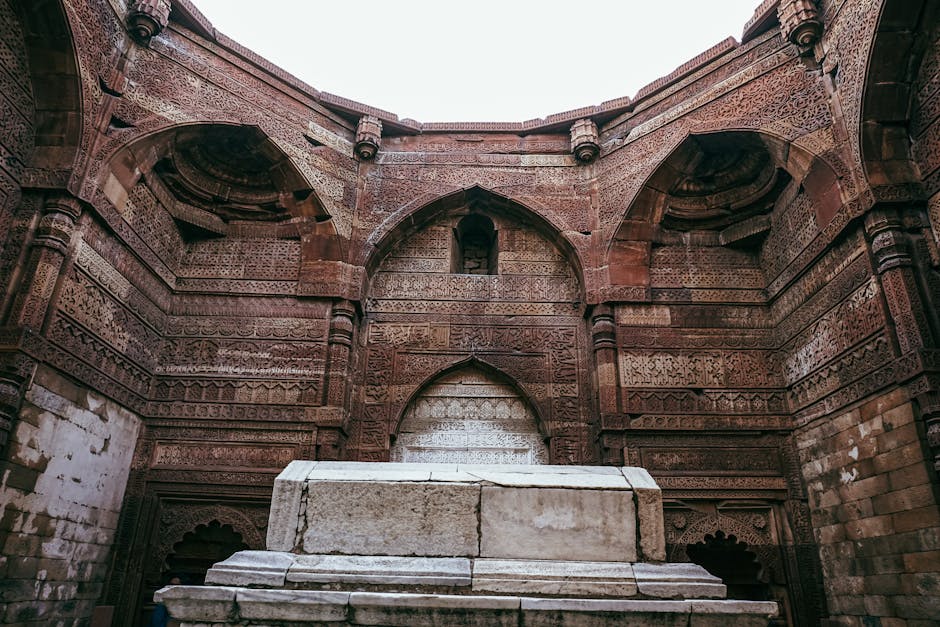
This Archaeological Survey of India (ASI) protected site is a true hidden gem. 'Tohfe wala Gumbad' literally translates to 'The Gifted Dome.' While its exact origins are debated, it is widely believed to date back to the Tughlaq or Khalji period. The structure features a classic square tomb design with a high dome and arched openings. It is remarkably well-preserved despite being surrounded by residential buildings. Take a moment to observe the intricate stonework and the peaceful atmosphere that contrasts with the busy market nearby. It is a reminder of the spiritual and funerary architecture that once dotted this entire landscape before it became a bustling design hub.
Moving from the medieval to the modern, this stop highlights the design evolution of Shahpur Jat. Baradari and the surrounding studios represent the 'new' village—a place where traditional craftsmanship meets contemporary aesthetics. This area is famous for 'zardozi' (intricate metal embroidery) and bespoke tailoring. Many of the designers here work out of converted village homes, maintaining the original structure while updating the interiors with minimalist, high-fashion sensibilities. It is a great spot to see how the neighborhood has become a destination for brides-to-be and fashionistas from across the world, all while keeping the local manufacturing spirit alive in the small workshops tucked upstairs.
Dada Jungi House is perhaps the most famous address in Shahpur Jat. This narrow lane is the beating heart of the neighborhood's commercial life. As you walk through, you will find an eclectic mix of high-end bridal wear, quirky stationery shops, and artisanal jewelry boutiques. The lane is often decorated with colorful flags or seasonal installations, making it highly photogenic. Keep an eye out for the small doorways that lead to hidden courtyards or upstairs studios. The energy here is palpable, with designers, tailors, and shoppers constantly moving through the space. It perfectly encapsulates the 'urban village' vibe where global commerce happens in a localized, intimate setting.
Conclude your walk in the main area of the village. This spot allows you to see the full spectrum of Shahpur Jat's identity—from the traditional milk shops and local grocers to the upscale art galleries and concept stores. Over the years, this area has also become a canvas for street artists, with several walls featuring large-scale murals that change periodically. This self-guided adventure ends where the village meets the modern city roads. Reflect on how the layers of history, from the Khalji fortification to the modern design revolution, have created a neighborhood that is unlike any other in Delhi. It remains a testament to the city's ability to repurpose its past for a creative future.
Start Free on iPhone
Explore “Design and Heritage in Shahpur Jat” with your very own Private Tour Guide with Zigway. Start free on iPhone, skip the large group and the fixed routes, and hear the city come alive as you go.
Your Private Tour Guide
Don't miss the good stuff
Explore Freely
 Challenging
Delhi, India
Explore the legendary flavors of Old Delhi on this self-guided audio walk through the historic markets and hidden food stalls of the Walled City.
 Moderate
Delhi, India
Explore Delhi's soul from the markets of Janpath to the hidden alleys of Little Tibet on this culture-rich, self-guided food and neighborhood stroll.
 Challenging
Delhi, India
Experience the sensory magic of Old Delhi on this self-guided walk through historic spice markets, silver lanes, and grand Mughal monuments.
 Moderate
Delhi, India
Uncover the colonial secrets of Delhi's Civil Lines on this self-guided audio walk through 1857 battlefields and Victorian-era architecture.
 Easy
EasyKrakow, Poland
Discover Krakow’s creative soul in Zabłocie, exploring industrial heritage, contemporary art museums, and avant-garde architecture at your own pace.
 Moderate
Nairobi, Kenya
Discover the creative soul of Nairobi on this self-guided walk through the city's premier art galleries, markets, and artisan workshops.
 Moderate
Nairobi, Kenya
Discover the pulse of Nairobi's contemporary art scene on this self-guided walk through the galleries and creative spaces of Kilimani.
 Moderate
Gdansk, Poland
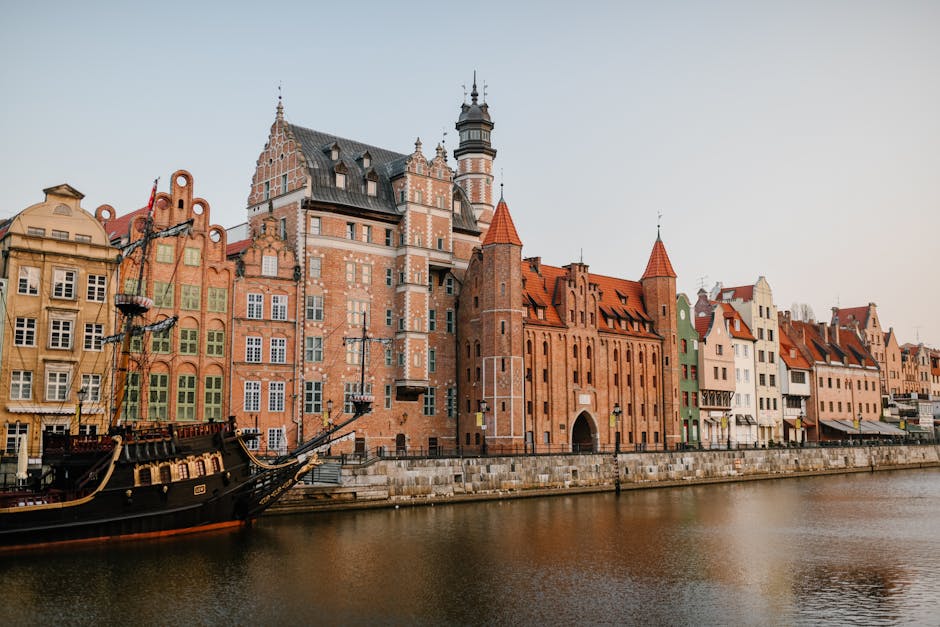
Discover the raw beauty of Gdansk’s Lower Town. Explore industrial ruins, hidden sluices, and riverside bastions on this self-guided walk.
 Easy
EasyMumbai, India
Explore Mumbai's stunning UNESCO Art Deco heritage on this self-guided walking route along the iconic Marine Drive promenade.
 Challenging
Mumbai, India
Experience the sensory explosion of Mumbai's historic markets on this challenging self-guided walk through Kalbadevi and Crawford Market.
 Easy
EasyMumbai, India
Explore Mumbai's colonial legacy on this self-guided walk through Colaba's iconic landmarks, from the Gateway of India to grand Art Deco palaces.
 Moderate
Mumbai, India
Explore the ancient fishing village of Worli Koliwada, historic forts, and stunning sea views on this self-guided cultural walking route.