Self-guided audio tour in Delhi
Start Free on iPhone
Start free on iPhone to unlock this self-guided walking tour in Delhi. Hear all the stories that make it amazing, walk at your own pace, and begin whenever you want.
Your Private Tour Guide
Step back into a time of colonial grandeur and tumultuous history with this self-guided walking route through Delhi’s Civil Lines. Long before New Delhi was a glimmer in the eyes of British architects, this northern neighborhood served as the primary residential hub for the British elite. On this neighborhood stroll, you will traverse the historic Ridge, a rocky outcrop that witnessed some of the most intense moments of the 1857 Uprising. This area offers a stark contrast to the chaotic energy of Old Delhi, providing a peaceful, leafy environment where Victorian architecture still stands as a silent witness to a bygone era. Your exploration begins at the stately St. James’ Church, one of the oldest in the city, before moving toward the battle-scarred Kashmere Gate. As you follow this walking route, you will encounter the Nicholson Cemetery, a place of quiet reflection that holds the remains of many who shaped British India. The journey then ascends the North Ridge, where the narrative shifts from the 19th century to ancient India at the Ashoka Pillar. You will conclude your self-guided adventure at the Mutiny Memorial and the Flagstaff Tower, locations that offer panoramic views and deep historical resonance. This walking tour Delhi experience is perfect for those who enjoy uncovering layers of history, from the Maurya Empire to the height of the British Raj. Whether you are a fan of Victorian Gothic architecture or interested in the literary echoes of writers like William Dalrymple who have chronicled these streets, this route provides a comprehensive look at a forgotten side of the capital. Discover at your own pace why Civil Lines remains one of the most intriguing pockets of the city, blending the somber memories of conflict with the enduring beauty of its colonial-era estates. This self-guided walk is an essential addition to any travel itinerary focusing on the complex heritage of India's capital.
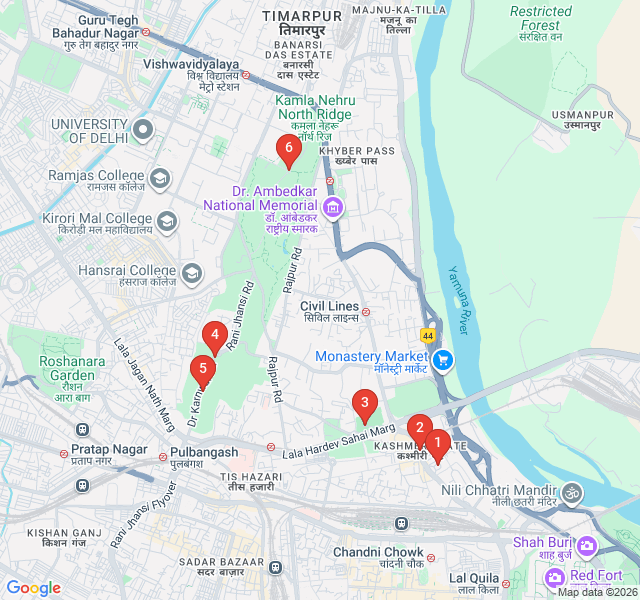
Numbers indicate the order of stops on the tour.
Welcome to one of Delhi's oldest churches, commissioned by Colonel James Skinner. Legend has it that Skinner, lying wounded on a battlefield, vowed to build a church if he survived. Completed in 1836, this yellow Renaissance-style building was once the official church of the Viceroy. Look closely at the dome and the facade; the building still bears marks from the 1857 Uprising. Inside, the church houses Skinner’s family vault and a beautiful copper ball and cross. The peaceful courtyard offers a moment of serenity before you dive into the more turbulent history of the neighborhood.
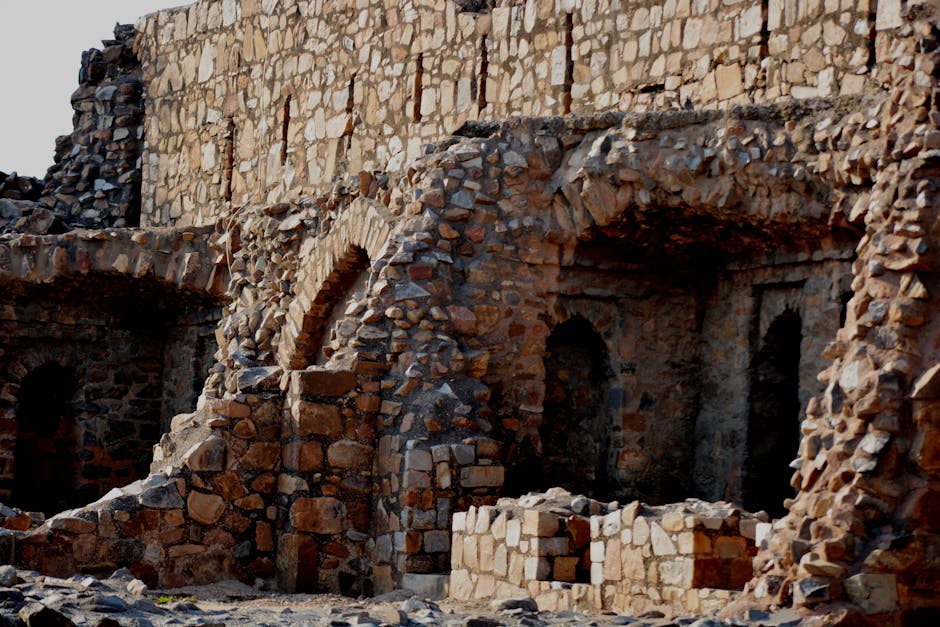
You are standing at the northern gate of the walled city of Shahjahanabad. During the 1857 Uprising, this was the site of a desperate and bloody siege. British forces blew up the gate to regain entry into Delhi, and if you examine the red sandstone walls today, you can still see the jagged holes and indentations left by cannon fire. It serves as a grim monument to the intensity of the conflict. Today, it stands as a bridge between the Mughal era and the British expansion that would eventually lead to the creation of New Delhi.
This quiet, overgrown cemetery is named after Brigadier General John Nicholson, a towering and controversial figure of the British Raj. Nicholson led the assault on Kashmere Gate and died from his wounds shortly after. The cemetery is the final resting place for many British soldiers, officials, and their families who lived and died in Delhi during the 19th century. Walking through the rows of weathered headstones, you’ll notice the Victorian funerary art and inscriptions that offer a poignant glimpse into the personal lives of those who lived far from their ancestral homes.
While most of this route focuses on colonial history, this stop takes you back over 2,000 years. This polished sandstone pillar was originally erected by Emperor Ashoka in Meerut around 250 BCE. In the 14th century, Sultan Feroz Shah Tughlaq was so impressed by these 'golden pillars' that he had them carefully transported to Delhi. The pillar is inscribed with Ashoka's edicts on morality and dharma in Brahmi script. Its presence here on the Ridge is a reminder that Delhi has been a seat of power for countless empires across millennia.
Rising like a Gothic needle from the Ridge, this red sandstone memorial was built by the British in 1863 to honor their soldiers who fell during the siege of Delhi. Interestingly, after India's independence, the memorial was renamed 'Ajitgarh' (Place of the Unconquered) and plaques were added to honor the Indian freedom fighters who died fighting against the British. The architecture is classic Victorian Gothic, featuring four tiers and intricate carvings. It stands on the exact spot where the British batteries were positioned to shell the city below.
Our final stop is the Flagstaff Tower, the highest point on the North Ridge. On May 11, 1857, as the uprising spread through the city, British women, children, and officers gathered here, hoping for reinforcements from nearby Meerut that never arrived. It is a simple, circular brick tower that once held a signaling flag. From this vantage point, you can look out over the university area and the Yamuna River. It’s a place of heavy historical weight, marking the end of British safety in the city during that fateful summer.
Start Free on iPhone
Explore “Victorian Echoes in Civil Lines” with your very own Private Tour Guide with Zigway. Start free on iPhone, skip the large group and the fixed routes, and hear the city come alive as you go.
Your Private Tour Guide
Don't miss the good stuff
Explore Freely
 Challenging
Delhi, India
Explore the legendary flavors of Old Delhi on this self-guided audio walk through the historic markets and hidden food stalls of the Walled City.
 Easy
EasyDelhi, India
Explore where 14th-century ruins meet high-end fashion in Delhi's most creative urban village on this self-guided neighborhood stroll.
 Moderate
Delhi, India
Explore Delhi's soul from the markets of Janpath to the hidden alleys of Little Tibet on this culture-rich, self-guided food and neighborhood stroll.
 Challenging
Delhi, India
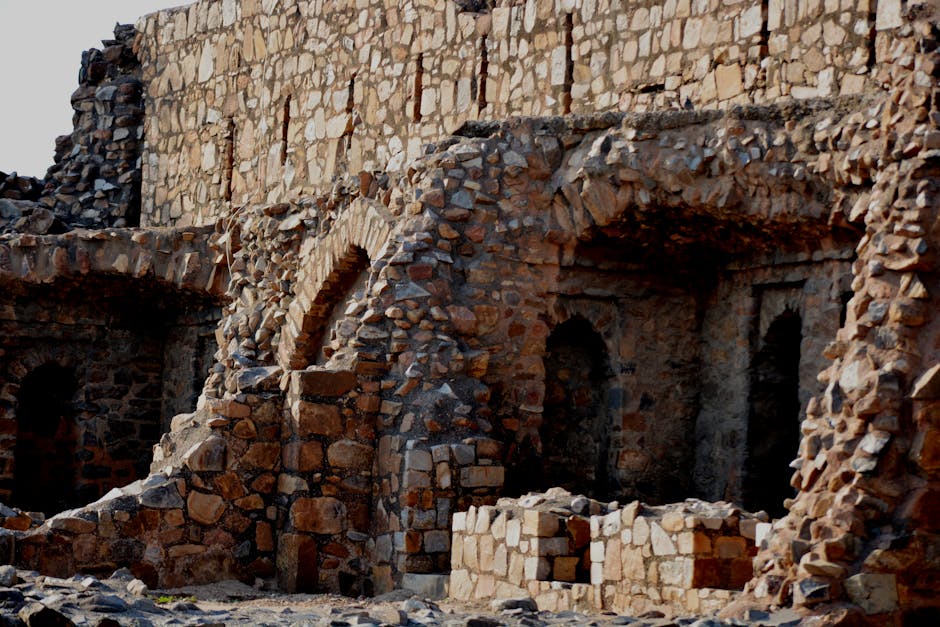
Experience the sensory magic of Old Delhi on this self-guided walk through historic spice markets, silver lanes, and grand Mughal monuments.
 Moderate
Gdansk, Poland
Discover the origins of WWII in Gdansk on this self-guided walk through heroic last stands, massive museums, and strategic hilltop fortifications.
 Easy
EasyNairobi, Kenya
Explore Nairobi's architectural evolution from colonial-era landmarks to iconic Brutalist skyscrapers on this historic self-guided walking route.
 Easy
EasyNairobi, Kenya
Discover Nairobi's iconic skyline on this self-guided architecture walk through the CBD’s most famous modernist and Brutalist landmarks.
 Moderate
Nairobi, Kenya
Discover Nairobi's lush side on this self-guided walk through botanical gardens, historic memorials, and vibrant local markets.
 Easy
EasyMumbai, India
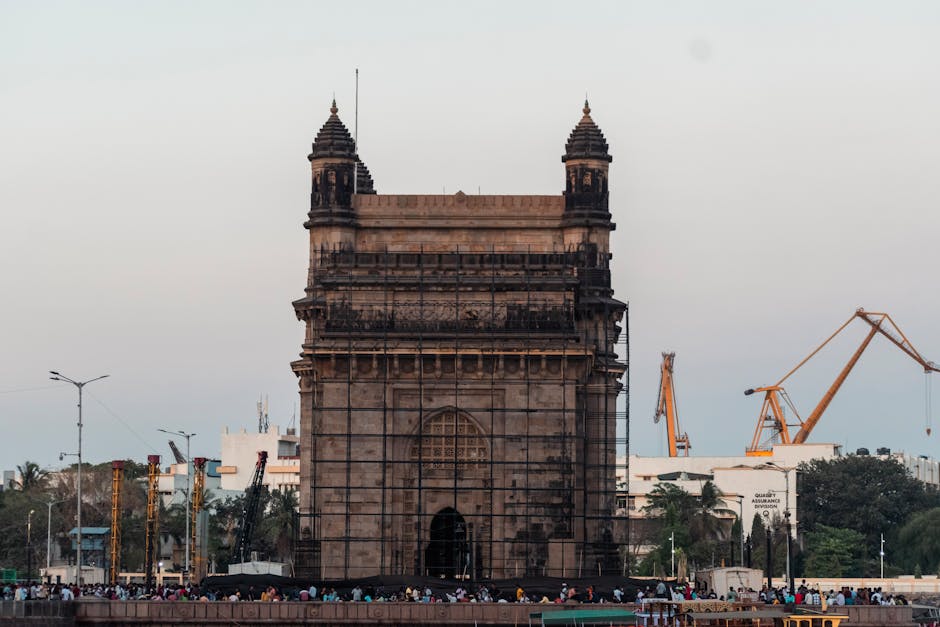
Explore Mumbai's stunning UNESCO Art Deco heritage on this self-guided walking route along the iconic Marine Drive promenade.
 Challenging
Mumbai, India
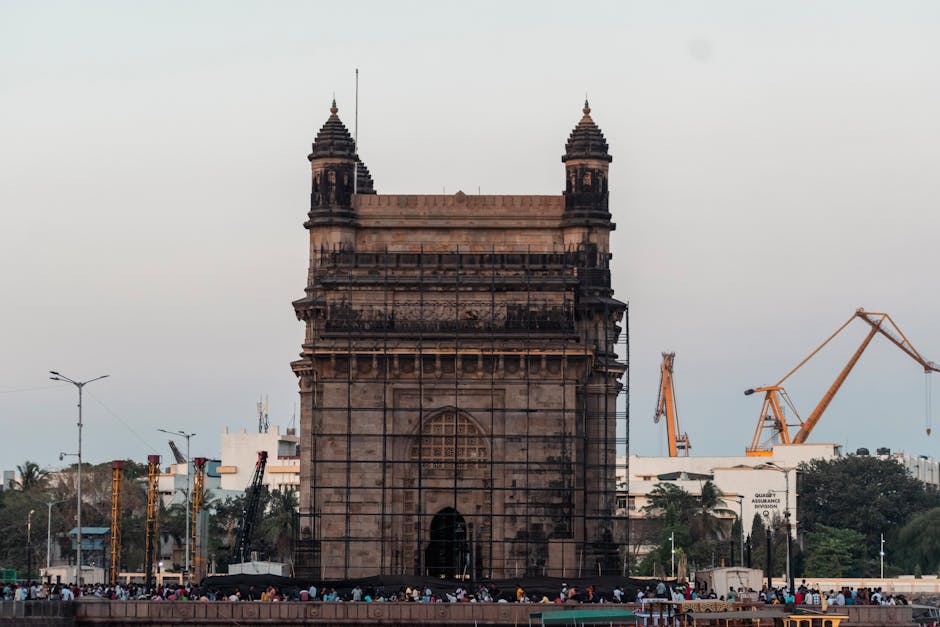
Experience the sensory explosion of Mumbai's historic markets on this challenging self-guided walk through Kalbadevi and Crawford Market.
 Easy
EasyMumbai, India
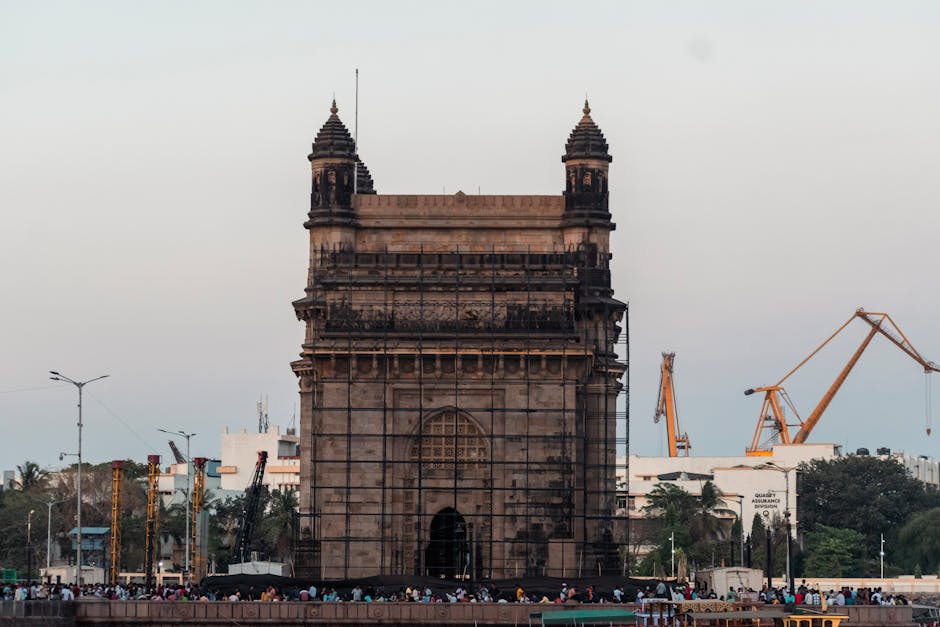
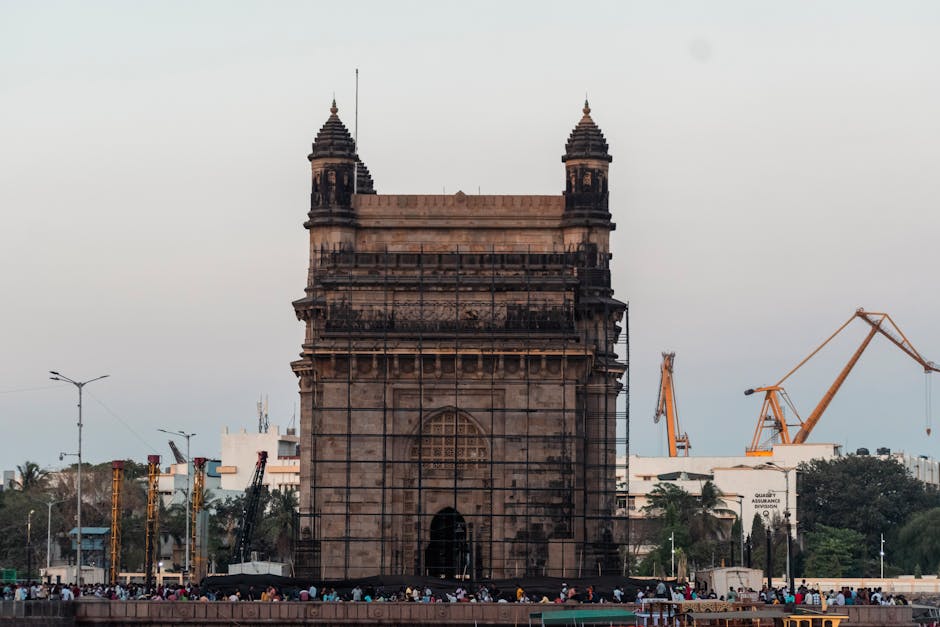
Explore Mumbai's colonial legacy on this self-guided walk through Colaba's iconic landmarks, from the Gateway of India to grand Art Deco palaces.
 Moderate
Mumbai, India
Explore the ancient fishing village of Worli Koliwada, historic forts, and stunning sea views on this self-guided cultural walking route.