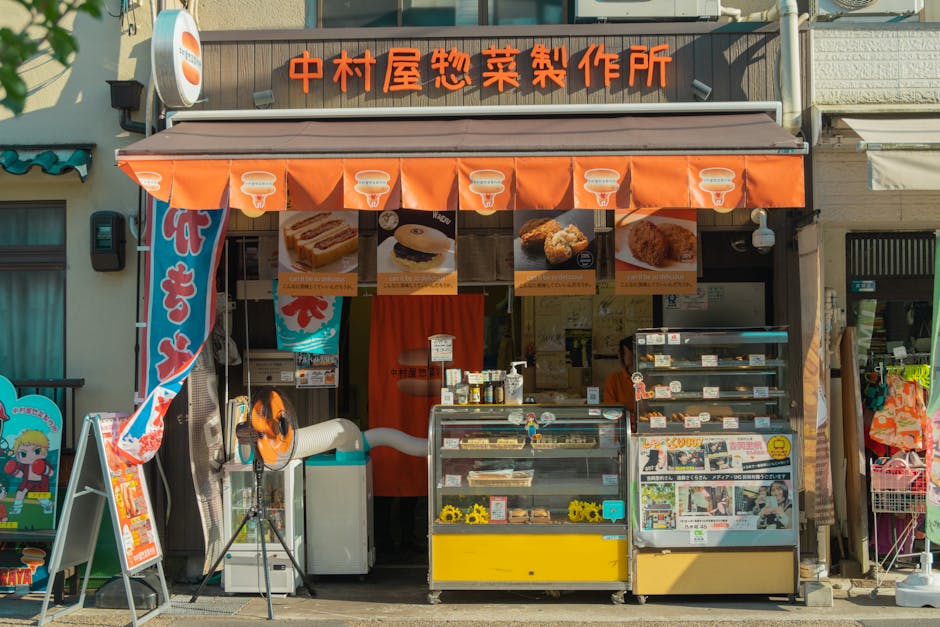
Self-guided audio tour in Kyoto
Start Free on iPhone
Start free on iPhone to unlock this self-guided walking tour in Kyoto. Hear all the stories that make it amazing, walk at your own pace, and begin whenever you want.
Your Private Tour Guide
Step away from the crowded temples of central Kyoto and enter the atmospheric world of Fushimi, the city’s historic sake-brewing district. This neighborhood stroll invites you to explore a landscape defined by traditional black-and-white wooden warehouses, weeping willow trees, and the gentle flow of ancient canals. Fushimi, which literally translates to 'hidden water,' owes its legacy to the pristine underground springs that have fueled Japan’s sake production for centuries. This self-guided walk leads you through the heart of the brewing industry, where the scent of fermenting rice often lingers in the air and the architecture transports you back to the Edo period. Throughout this walking route, you will discover how Fushimi evolved from a vital river port connecting Kyoto to Osaka into one of the most prestigious brewing hubs in the world. You will encounter the Gekkeikan Ōkura Sake Museum, where the story of one of Japan’s oldest brands began in 1637, and see the traditional flat-bottomed Jikkoku-bune boats that once carried barrels of 'liquid gold' down the Uji River. Beyond the breweries, this neighborhood is steeped in samurai history. You can stand outside the Teradaya Inn, the site of a famous assassination attempt on the revolutionary Sakamoto Ryoma, a pivotal figure who helped end the Shogunate. This walking tour Kyoto provides a perfect blend of industrial heritage and cultural rebellion. Whether you are a connoisseur of Japanese rice wine or an admirer of traditional architecture, this route offers a peaceful, independent way to experience a different side of Kyoto. The journey concludes at a vibrant tasting hall where you can sample the diverse flavors of eighteen local breweries under one roof. Unlike a standard guided tour Kyoto, this independent audio walk allows you to linger by the canal-side willows or spend extra time in a museum at your own pace.
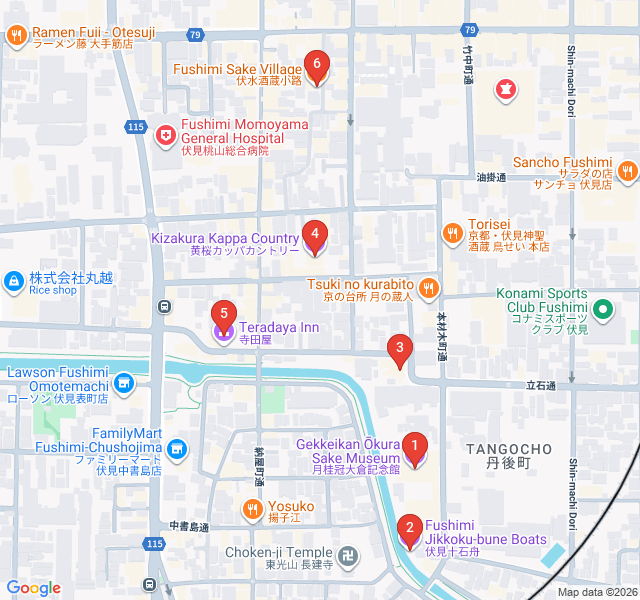
Numbers indicate the order of stops on the tour.
Start exploring with Zigway at the Gekkeikan Ōkura Sake Museum, the spiritual home of one of the world's most famous sake brands. This facility is housed in a renovated brewery dating back to 1909, though the company itself was founded in 1637. As you stand before the dark wooden exterior, notice the traditional 'sugidama'—a ball of cedar sprigs hanging over the entrance. When it is green, it signals new sake has been brewed; when it turns brown, the sake is aged and ready. Inside, the museum showcases over 6,000 traditional brewing tools, many of which are designated folk-culture assets. The history here isn't just about drink; it's about the 'Fushimizu'—the high-quality spring water that made this region the second-largest sake producer in Japan.
Just a short walk from the museum, you will find the boarding point for the Jikkoku-bune boats. These flat-bottomed wooden vessels are replicas of the transport ships that plied these waters during the Edo period. Before the advent of modern railways, Fushimi was a crucial river port. These boats carried sake, rice, and passengers between Kyoto and Osaka via the Yodo River system. Today, they offer a picturesque glimpse into the past, especially when the cherry blossoms or willow trees lean over the water. Even if you don't take a ride, the view from the bridge provides one of the most photographed vistas in Kyoto, capturing the essence of a bygone era of Japanese commerce.
This elegant building was once the head office of the Gekkeikan company during the Taisho period. Its architecture is a fascinating mix of traditional Japanese elements and early 20th-century Western influences. Today, it serves as a community cafe and souvenir shop. It is a perfect spot to appreciate the transition of Fushimi from a feudal brewing hub to a modern industrial powerhouse. Inside, you can find unique sake-flavored treats, including sake steamed buns and sake-infused castella cake. The high ceilings and dark wood beams reflect the prosperity of the brewers who shaped this neighborhood’s identity. It serves as a reminder that Fushimi’s legacy is preserved not just in museums, but in the functional beauty of its streets.
Continue your self-guided adventure at Kizakura Kappa Country. Kizakura is a younger brewery compared to Gekkeikan, but it is famous across Japan for its use of the 'Kappa'—a mythical water imp—in its advertising. This facility combines a brewery, a museum dedicated to Kappa folklore, and a restaurant. The Kappa is a fitting mascot for Fushimi, as these creatures are said to live in clean, clear water—the same water essential for great sake. Here, you can learn about the brewing process through modern exhibits and see how Kizakura has branched out into craft beer, producing the 'Kyoto Beer' line. The courtyard offers a relaxed atmosphere to see how modern marketing blends with ancient brewing traditions.
The Teradaya Inn is a site of high drama and political intrigue. During the Bakumatsu period in the 1860s, this was a favorite haunt of Sakamoto Ryoma, a visionary samurai seeking to modernize Japan. In 1866, he was attacked here by Shogunate agents. Legend says his future wife, Narasaki Ryo, heard the assassins while in the bath and ran naked through the inn to warn him. While the original building was likely destroyed during the Battle of Toba-Fushimi and rebuilt shortly after, the inn maintains the atmosphere of the 19th century. Look for the bullet holes and sword cuts in the wood, which, though contested by some historians, serve as vivid symbols of the violent birth of modern Japan.
Conclude your neighborhood stroll at the Fushimi Sake Village. This modern tasting hall is a paradise for enthusiasts, featuring a massive counter where you can order a 'Sakagura Set'—a tasting flight representing 18 different breweries from the Fushimi Sake Brewers Association. It is housed in a lively, market-style atmosphere with various food stalls offering 'otsumami' or sake snacks. This is the perfect place to compare the 'Onna-zake' (feminine sake) of Fushimi—known for its soft, mellow flavor—against the varieties you may have tried elsewhere. It is a fitting end to your journey, celebrating the living tradition of a craft that has defined this community for nearly four centuries.
Start Free on iPhone
Explore “The Sake Brewer’s Legacy in Fushimi” with your very own Private Tour Guide with Zigway. Start free on iPhone, skip the large group and the fixed routes, and hear the city come alive as you go.
Your Private Tour Guide
Don't miss the good stuff
Explore Freely
 Moderate
Kyoto, Japan
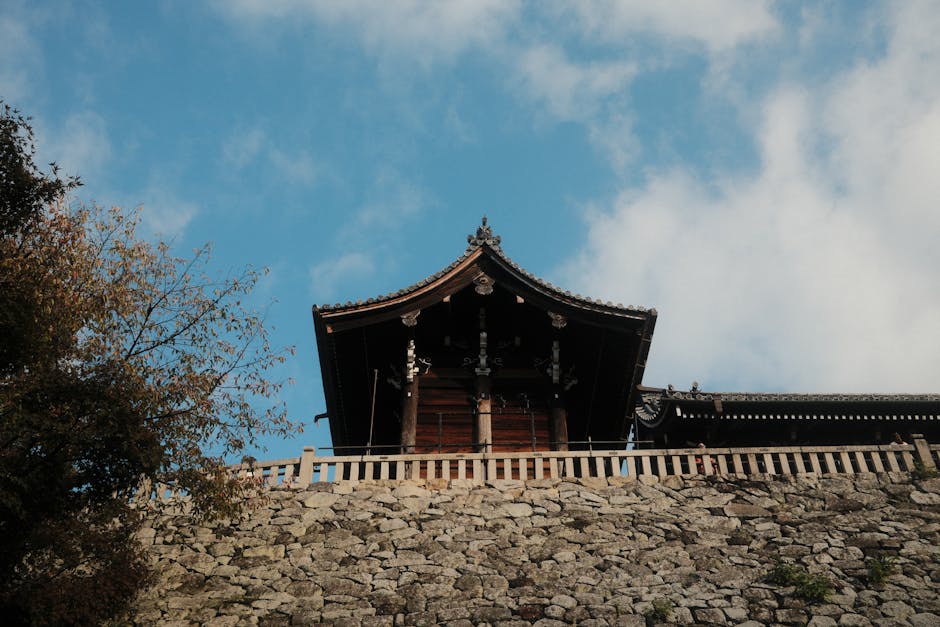
Discover the soul of old Kyoto on this self-guided walk through preserved stone lanes, iconic pagodas, and the grand wooden stage of Kiyomizu-dera.
 Challenging
Kyoto, Japan
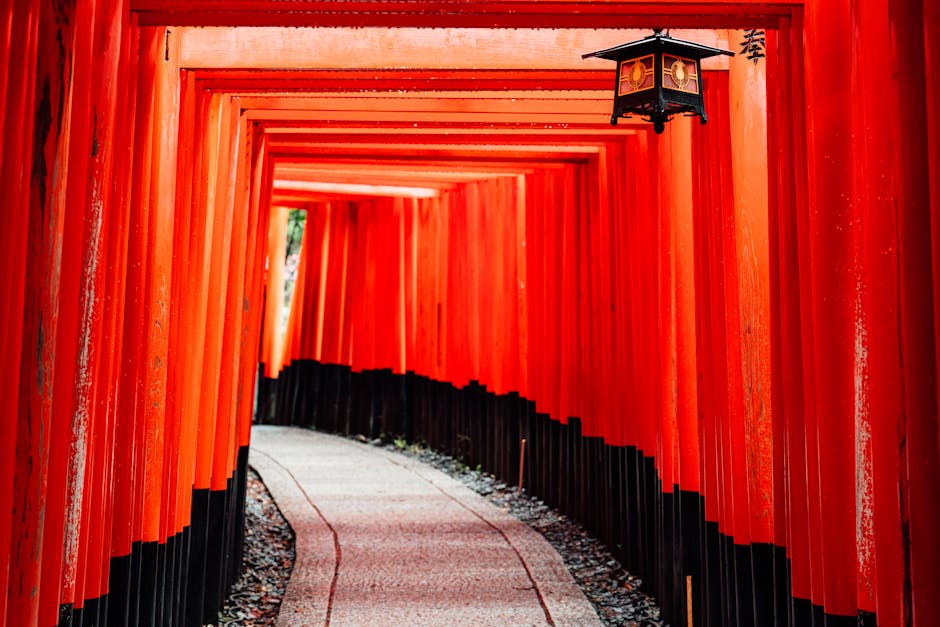
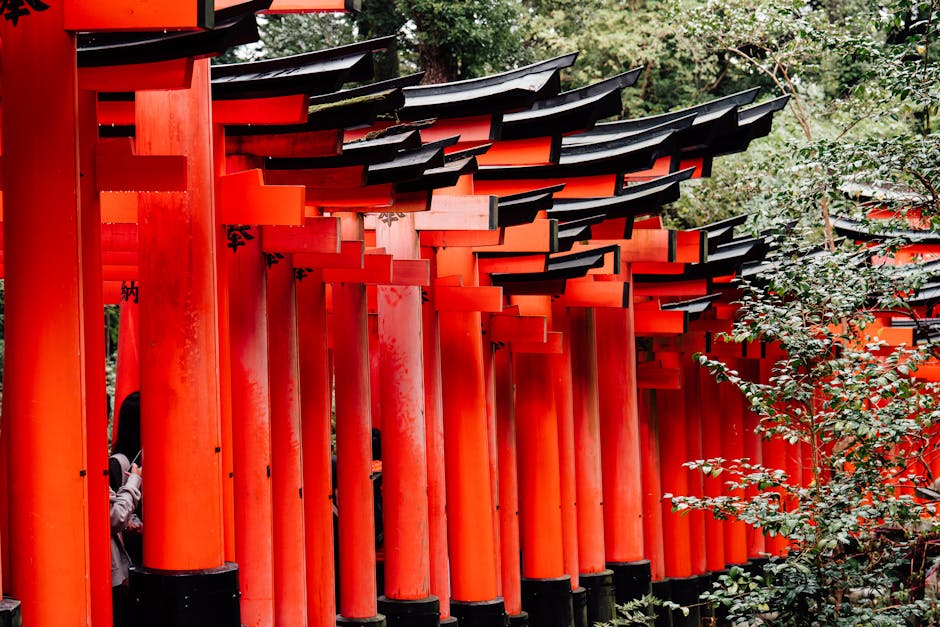
Ascend the sacred Mount Inari through thousands of vermillion torii gates on this challenging and spiritual self-guided walk in Kyoto.
 Easy
EasyKyoto, Japan
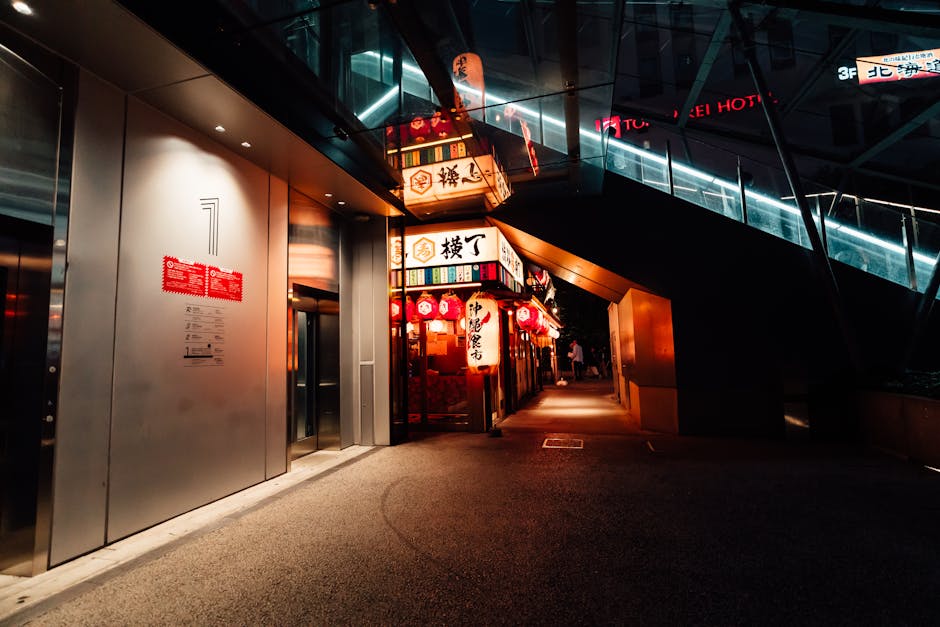
Explore Kyoto's most atmospheric alleyway. Discover geiko history, riverside dining, and hidden nightlife on this self-guided evening stroll.
 Moderate
Kyoto, Japan
Experience a serene self-guided walk along Kyoto's iconic Philosopher's Path, visiting Zen temples, hidden shrines, and the stunning Silver Pavilion.
 Easy
EasyHelsinki, Finland
Discover Helsinki's oldest neighborhood on this self-guided audio walk through Kruununhaka’s historic streets, hidden courtyards, and scenic shores.
 Easy
EasyGothenburg, Sweden
Explore Gothenburg's maritime soul on this self-guided walk from historic shipyards to sleek modern piers and iconic industrial landmarks.
 Easy
EasyKrakow, Poland
Explore the prestigious Jagiellonian University district, featuring Neo-Gothic architecture, Baroque churches, and Krakow's hidden scholarly gems.
 Easy
EasyKrakow, Poland
Discover Krakow’s creative soul in Zabłocie, exploring industrial heritage, contemporary art museums, and avant-garde architecture at your own pace.
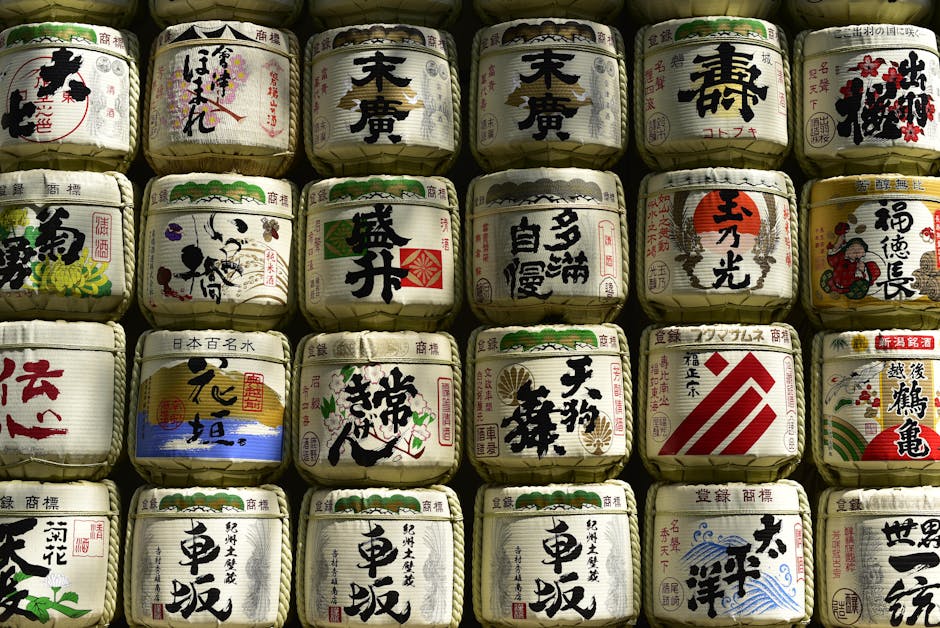 Moderate
Tokyo, Japan
Discover Tokyo's premier creative district on this self-guided walk through Roppongi’s world-class museums and striking modern architecture.
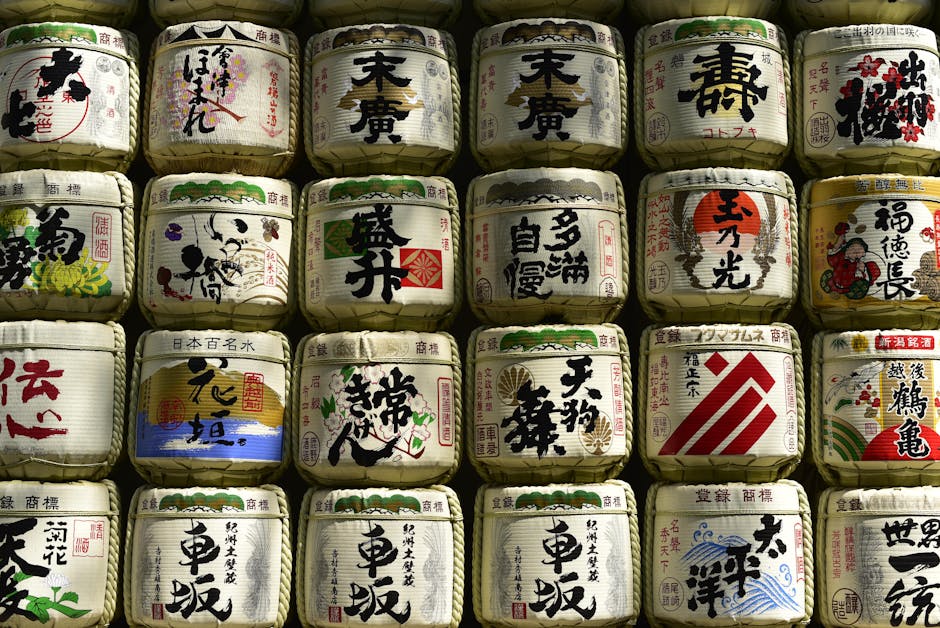 Easy
EasyTokyo, Japan
Discover the 'Old Tokyo' charm of Yanaka on this self-guided walk through historic temples, artisan alleys, and a stunning torii gate shrine.
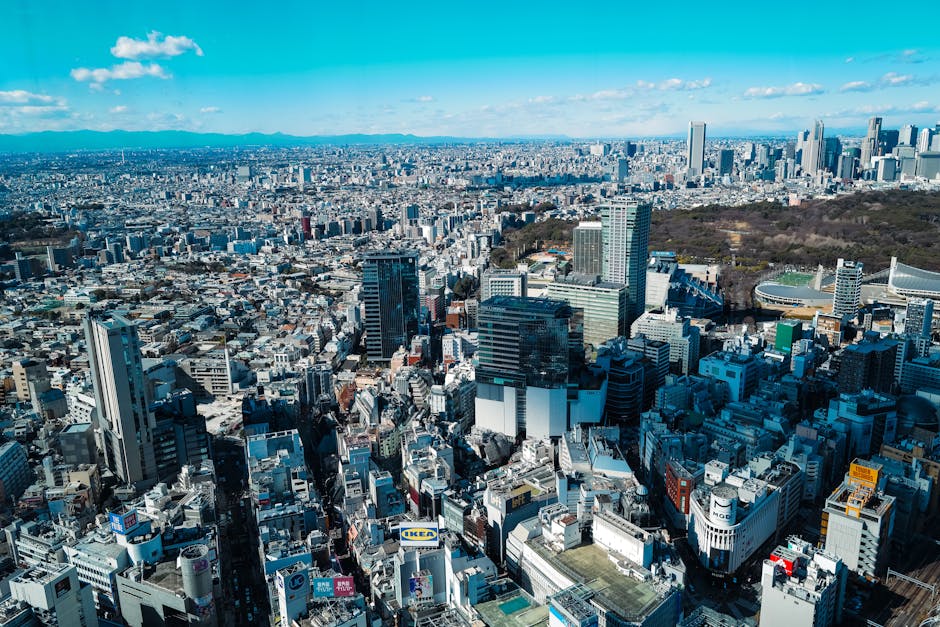 Easy
EasyTokyo, Japan
Experience Shibuya's electric energy on this self-guided walk from the iconic Scramble Crossing to the panoramic views of Shibuya Sky.
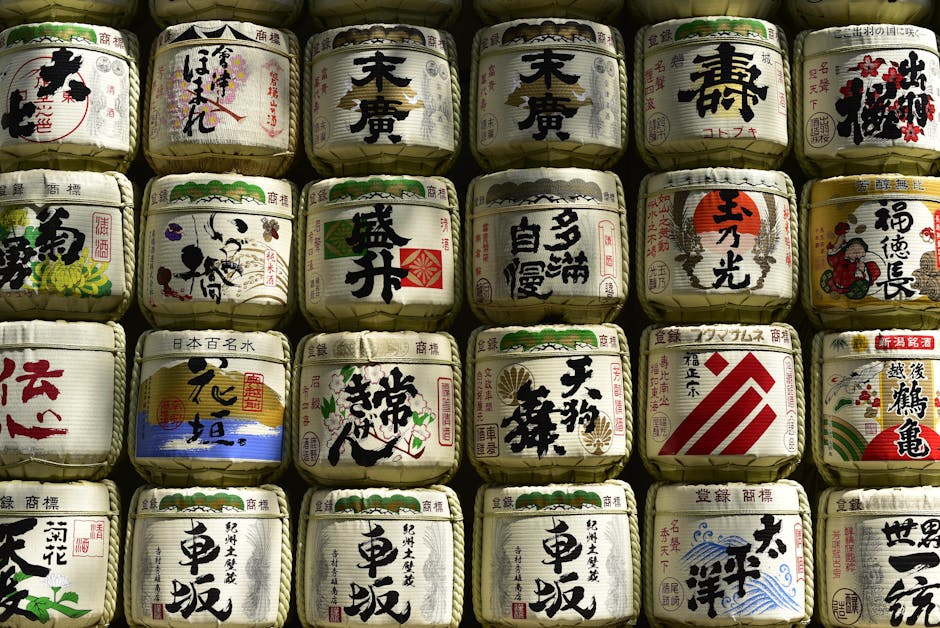 Easy
EasyTokyo, Japan
Explore Tokyo's indie heart. From vintage fashion in Shimokitazawa to world-class art in Shinjuku, discover the city's creative soul independently.