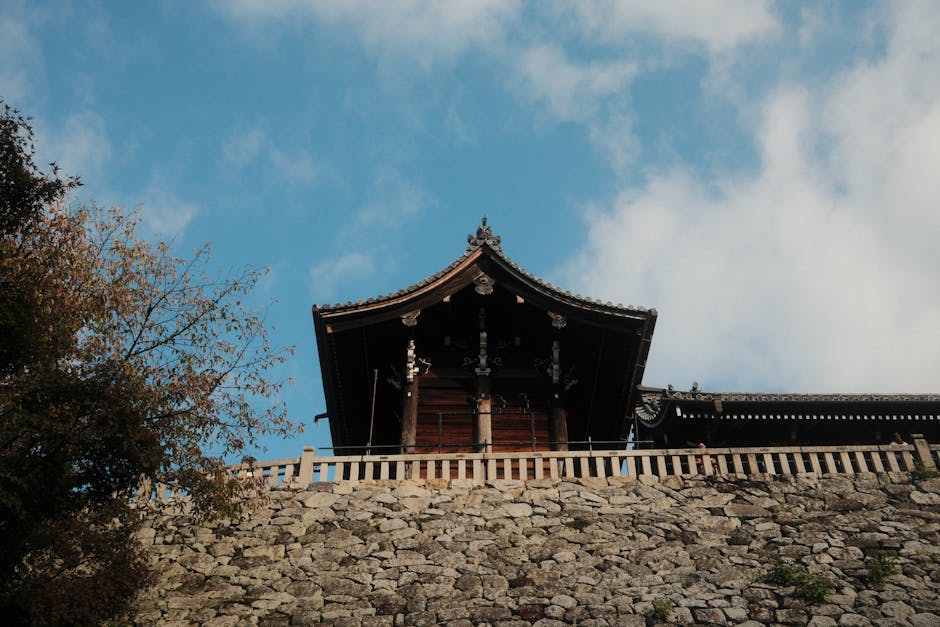
Self-guided audio tour in Kyoto
Start Free on iPhone
Start free on iPhone to unlock this self-guided walking tour in Kyoto. Hear all the stories that make it amazing, walk at your own pace, and begin whenever you want.
Your Private Tour Guide
Step away from the crowded temples of eastern Kyoto and immerse yourself in the quiet, sophisticated atmosphere of Nishijin, the city's historic weaving district. This self-guided walk invites you to explore a neighborhood where the rhythmic clatter of looms has provided a soundtrack for centuries. On this walking route, you will discover the intricate connection between spiritual mysticism, traditional craftsmanship, and the everyday lives of Kyoto's master artisans. Nishijin is not just a place on a map; it is a living museum of Japanese aesthetics, where narrow alleys reveal hidden workshops and centuries-old machiya townhouses. Your journey begins at the mystical Seimei Shrine, dedicated to a legendary yin-yang master, before diving into the heart of the textile world at the Nishijin Textile Center and the elegant Orinasukan. As you wander through these streets, you will witness the evolution of Nishijin-ori, the high-quality silk brocade that has dressed emperors and aristocrats for over a millennium. This neighborhood stroll also highlights the communal spirit of the area, featuring a visit to one of Japan's most architecturally significant bathhouses, Funaoka Onsen. The route then leads you to the grand Kitano Tenmangu Shrine, a place of learning and seasonal blossoms, before concluding with the refined natural beauty of the Shugakuin Imperial Villa. Whether you are an art enthusiast, a history buff, or a traveler seeking hidden gems, this walking tour Kyoto offers a profound look at the enduring traditions that define the soul of the city. By choosing this independent audio walk, you can linger over a delicate textile display or pause for a quiet moment in a shrine garden, exploring the depth of Kyoto's cultural heritage at your own speed.
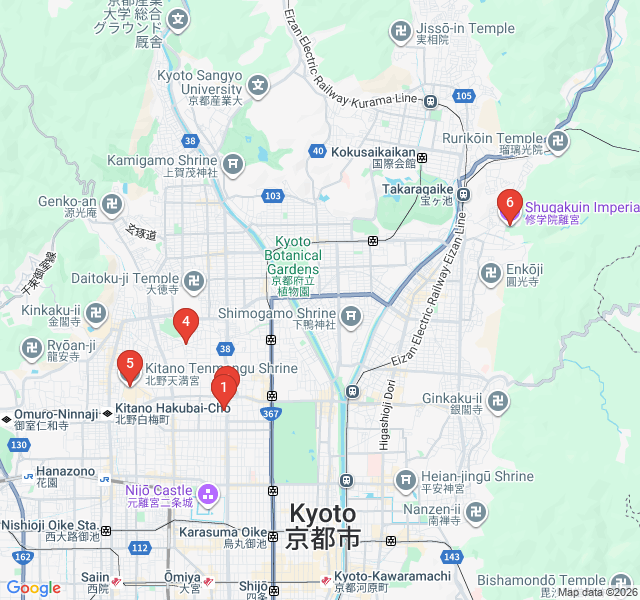
Numbers indicate the order of stops on the tour.
Welcome to Seimei Shrine, a site steeped in the mystical arts of Onmyodo, or traditional Japanese esotericism. This shrine is dedicated to Abe no Seimei, a legendary 10th-century astronomer and yin-yang master who served the Imperial Court. As you walk through the torii gate, look for the five-pointed star, or pentagram, known as the Seimei Kikyo. This symbol, rare in Japanese Shinto architecture, represents the five Chinese elements and was believed to ward off evil. The shrine sits on the former site of Seimei's residence. Legend says he possessed supernatural powers, including the ability to command spirits called Shikigami. Notice the old Ichijo Modori-bashi bridge pillar nearby; the original bridge was said to be a gateway between the human and spirit worlds.
Just a short walk away is the Nishijin Textile Center, the modern hub for Kyoto's most famous industry. Nishijin-ori is a traditional textile characterized by its use of pre-dyed yarns woven into complex, colorful patterns. This craft was perfected over 1,200 years, largely to satisfy the demand for high-end kimono and priest robes. Inside, you can often see master weavers working at traditional looms. The precision required is staggering; some patterns are so complex that a weaver may only complete a few centimeters of fabric in an entire day. This center serves as a vital link between the ancient guild system and the modern fashion world, ensuring these techniques are never lost.
Enter the Orinasukan to experience the quieter, more intimate side of Nishijin's history. Housed in a beautifully preserved traditional machiya and a former weaving factory, this museum showcases the pinnacle of hand-weaving. The foundation focuses on preserving the 'Orinasu'—the act of weaving together history and technique. As you explore the wooden corridors, you'll find exquisite examples of Noh theater costumes and regional textiles from across Japan. The architecture itself is a highlight; the high ceilings and skylights were designed to provide the natural light necessary for weavers to distinguish between hundreds of subtly different thread colors. It is a testament to the dedication of the artisans who lived and worked in these spaces.
Funaoka Onsen is not your typical neighborhood bathhouse. Established in 1923, it is recognized as a Tangible Cultural Property of Japan. While it still functions as a public bath today, its historical value lies in its stunning interior. The changing room is adorned with incredibly detailed wood carvings depicting scenes from the Japanese occupation of Taiwan and various festivals. Look up at the ceiling to see a large carving of Kurama Tengu, a legendary winged spirit. The vibrant majolica tiles, imported from the West in the early 20th century, add a unique 'Taisho Roman' aesthetic. It represents the social heart of Nishijin, where weavers and residents have gathered to soak away the day's labor for a century.
Kitano Tenmangu is one of the most important shrines in Japan, dedicated to Sugawara no Michizane, a 9th-century scholar and politician who is now revered as the deity of learning. You will often see students here praying for success in their exams. The shrine grounds are famous for their thousands of plum trees, which were Michizane's favorite. If you are here on the 25th of the month, the quiet streets transform into 'Tenjin-san,' a massive flea market selling everything from antique kimonos to street food. The current main hall, or Honden, dates back to 1607 and is a masterpiece of Momoyama-period architecture, featuring bold colors and intricate carvings that reflect the power of the era.
To conclude our journey, we move toward the foothills of Mount Hiei to the Shugakuin Imperial Villa. Built in the 17th century by the Retired Emperor Go-Mizunoo, this estate is a pinnacle of Japanese garden design. It consists of three separate villas—Lower, Middle, and Upper—connected by paths through pine groves and rice fields. The design utilizes 'borrowed scenery,' incorporating the surrounding mountains into the garden's visual composition. The Upper Villa's large pond and pavilion offer a panoramic view of the Kyoto basin. It serves as a serene contrast to the urban bustle of Nishijin, illustrating how the ruling class sought harmony with nature through meticulously planned landscapes. Please note that access to the inner grounds usually requires a pre-booked permit from the Imperial Household Agency.
Start Free on iPhone
Explore “Weaving History through Nishijin” with your very own Private Tour Guide with Zigway. Start free on iPhone, skip the large group and the fixed routes, and hear the city come alive as you go.
Your Private Tour Guide
Don't miss the good stuff
Explore Freely
 Moderate
Kyoto, Japan
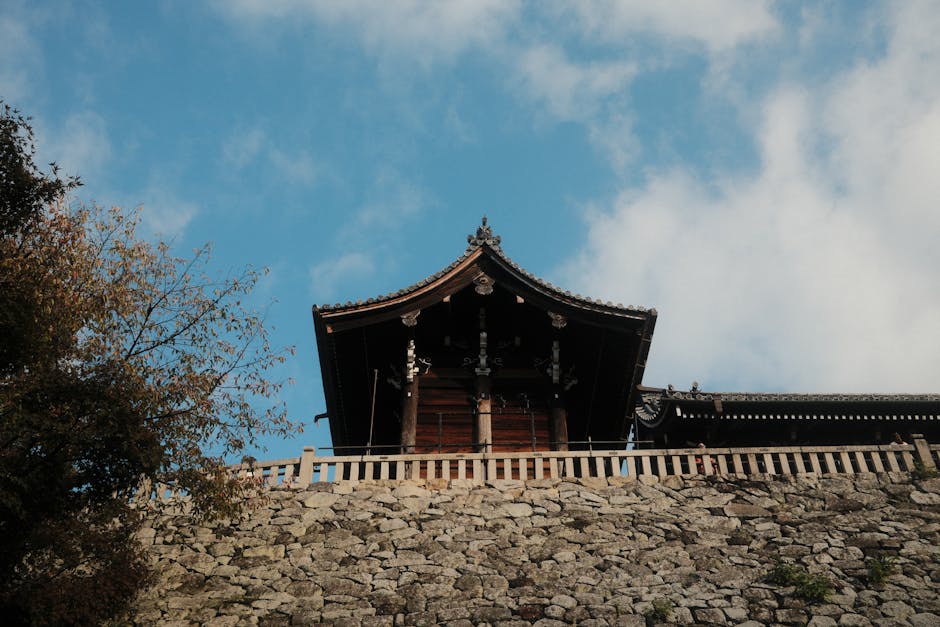
Discover the soul of old Kyoto on this self-guided walk through preserved stone lanes, iconic pagodas, and the grand wooden stage of Kiyomizu-dera.
 Challenging
Kyoto, Japan
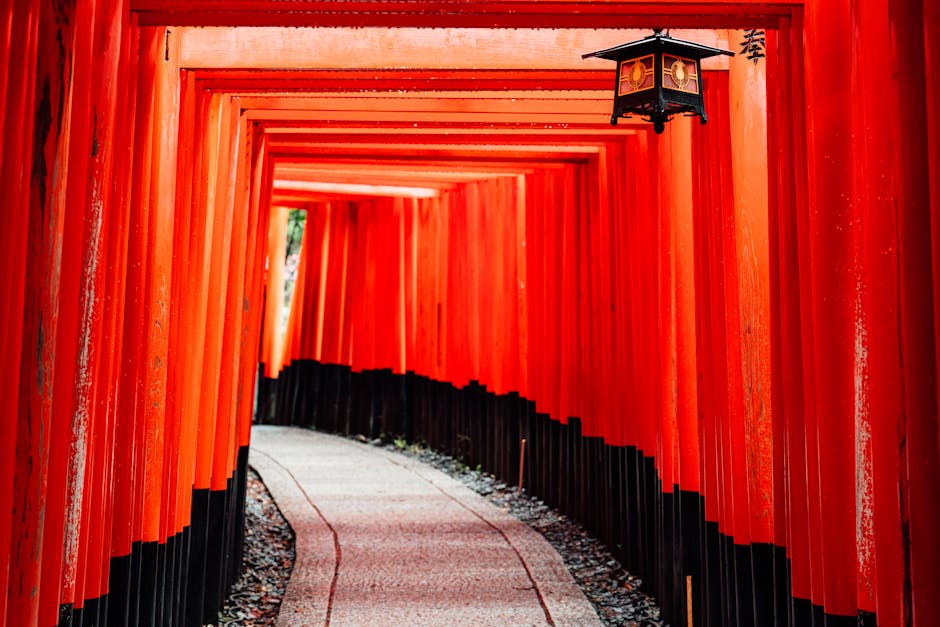
Ascend the sacred Mount Inari through thousands of vermillion torii gates on this challenging and spiritual self-guided walk in Kyoto.
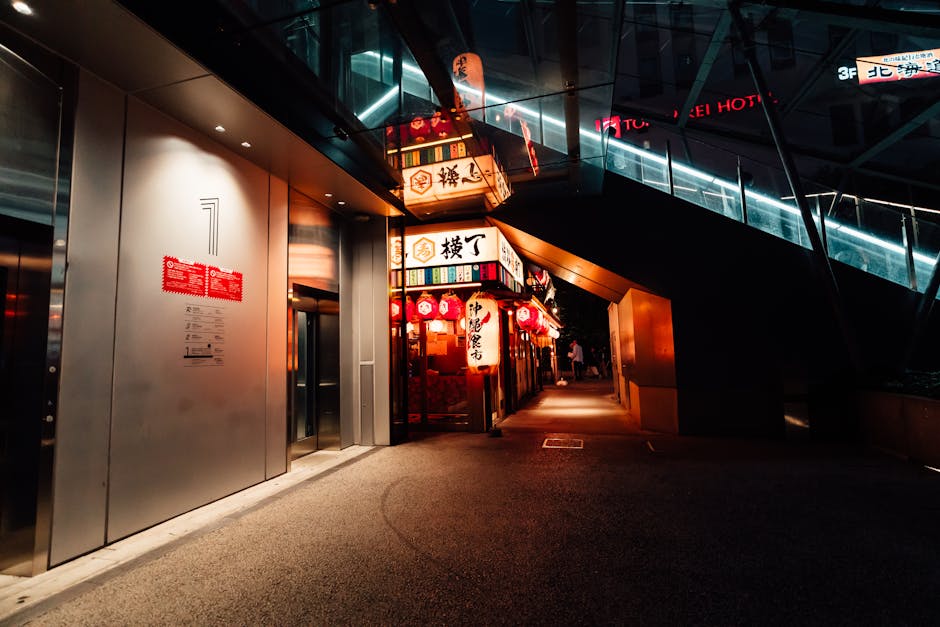 Easy
EasyKyoto, Japan
Explore Kyoto's most atmospheric alleyway. Discover geiko history, riverside dining, and hidden nightlife on this self-guided evening stroll.
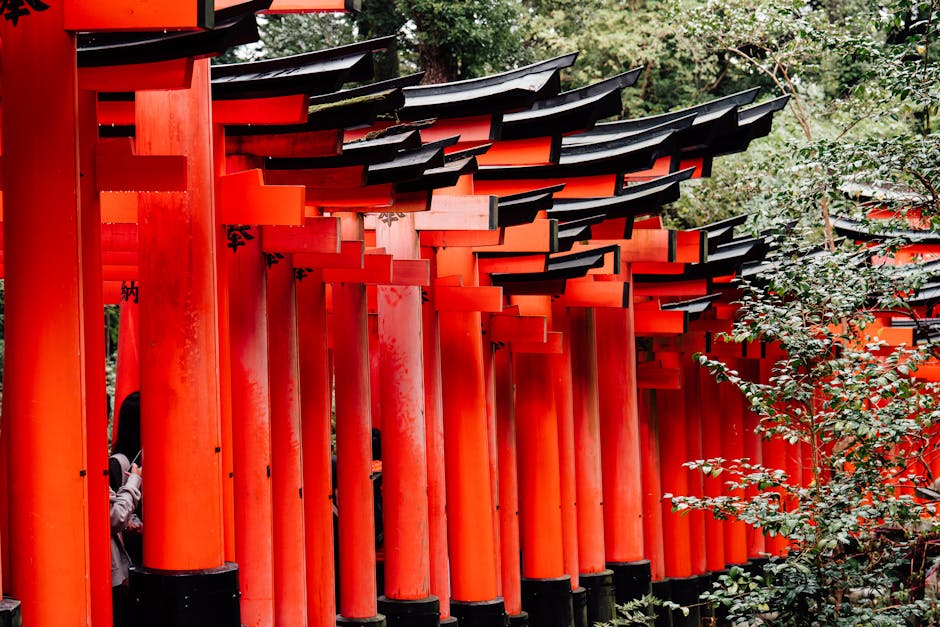 Moderate
Kyoto, Japan
Experience a serene self-guided walk along Kyoto's iconic Philosopher's Path, visiting Zen temples, hidden shrines, and the stunning Silver Pavilion.
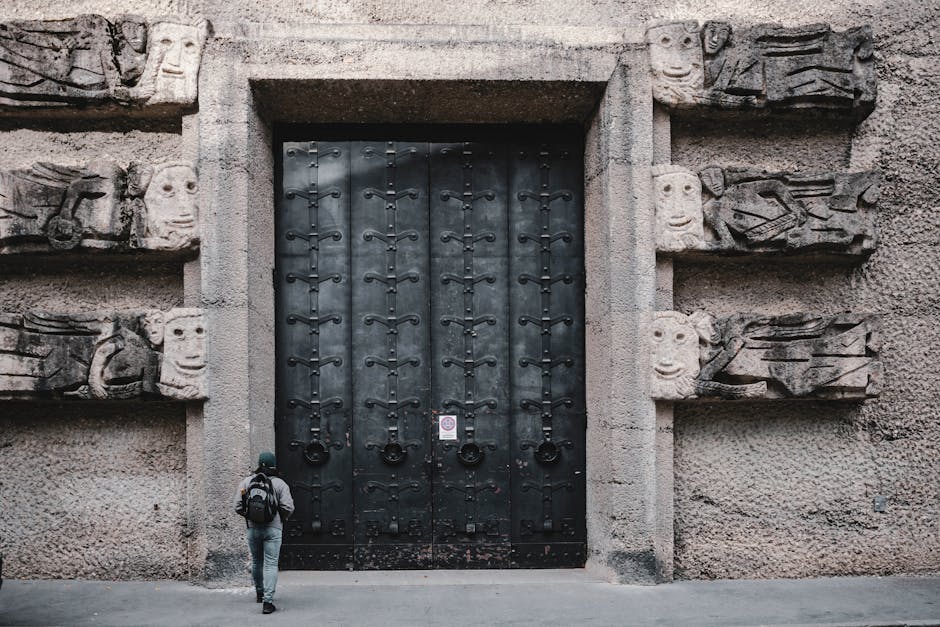 Easy
EasySalzburg, Austria
Discover the 'Rome of the North' on this self-guided walk through the Baroque squares and monumental legacy of Salzburg’s Prince-Archbishops.
 Easy
EasyKrakow, Poland
Explore the historic heart of Kazimierz on this self-guided walk through synagogues, ancient cemeteries, and vibrant squares.
 Easy
EasyWarsaw, Poland
Discover the hidden courtyards and grand pre-war architecture of Warsaw's most atmospheric neighborhood on this self-guided stroll.
 Easy
EasySalzburg, Austria
Discover Salzburg's oldest medieval alley, the birthplace of the 'Silent Night' author, and breathtaking views on this quiet self-guided walk.
 Moderate
Tokyo, Japan
Discover Tokyo's premier creative district on this self-guided walk through Roppongi’s world-class museums and striking modern architecture.
 Easy
EasyTokyo, Japan
Discover the 'Old Tokyo' charm of Yanaka on this self-guided walk through historic temples, artisan alleys, and a stunning torii gate shrine.
 Easy
EasyTokyo, Japan
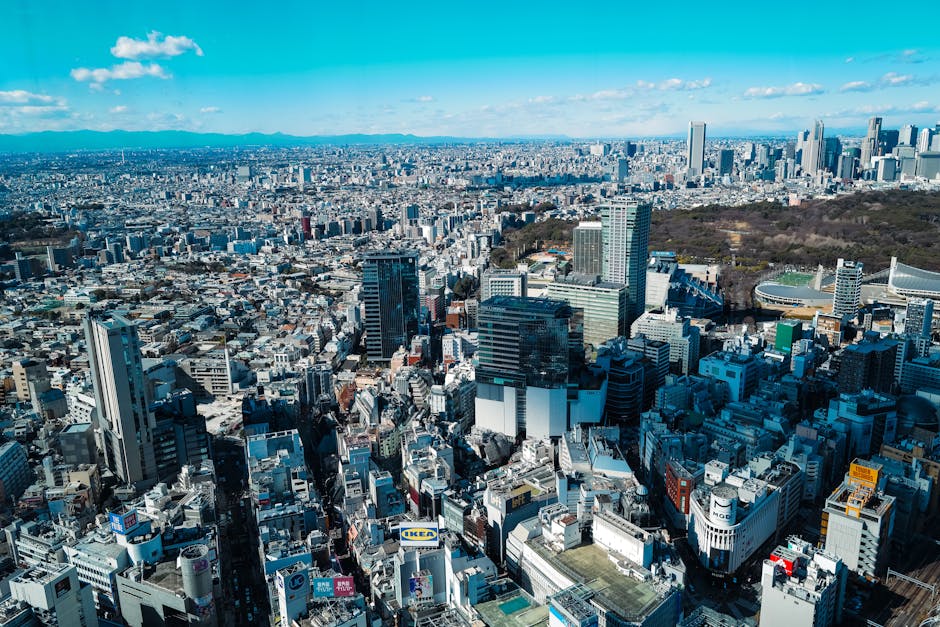
Experience Shibuya's electric energy on this self-guided walk from the iconic Scramble Crossing to the panoramic views of Shibuya Sky.
 Easy
EasyTokyo, Japan
Explore Tokyo's indie heart. From vintage fashion in Shimokitazawa to world-class art in Shinjuku, discover the city's creative soul independently.