Self-guided audio tour in Tokyo
Start Free on iPhone
Start free on iPhone to unlock this self-guided walking tour in Tokyo. Hear all the stories that make it amazing, walk at your own pace, and begin whenever you want.
Your Private Tour Guide
Asakusa is where the soul of old Tokyo still breathes, offering a glimpse into a world of traditional craftsmanship, ancient spirituality, and the bustling energy of the Edo period. This self-guided walking route invites you to explore the evolution of the city, from the shimmering waters of the Sumida River to the incense-filled air of Tokyo's oldest temple. This neighborhood stroll captures the contrast between the modern skyline, dominated by the Tokyo Skytree, and the historic gates that have stood as symbols of resilience for centuries. While many visitors look for a walking tour Tokyo to navigate the crowds, this audio walk allows you to linger at the artisan stalls of Denboin Street or contemplate the architecture of Senso-ji at your own pace. You will begin at the iconic Azuma Bridge, a primary gateway to the district that offers panoramic views of the riverfront and the unique Asahi Beer Hall. From there, the route leads you through the Kaminarimon, or 'Thunder Gate,' where a massive red lantern marks the entrance to a sacred realm. As you move through Nakamise Shopping Street, you will encounter flavors and crafts that have been sold here for generations. This self-guided walk is designed to highlight the legends of the area, including the miraculous discovery of the Kannon statue by two local fishermen and the history of the Sanja Matsuri festival. It is a perfect way to experience the cultural heart of the city independently. Whether you are interested in the intricate details of Buddhist architecture or the local folklore of the Asakusa Shrine, this walking route provides a comprehensive look at one of Tokyo's most beloved districts. This experience is a fantastic alternative to a traditional walking tour Tokyo, giving you the freedom to explore every hidden corner and vibrant market stall without a fixed schedule.
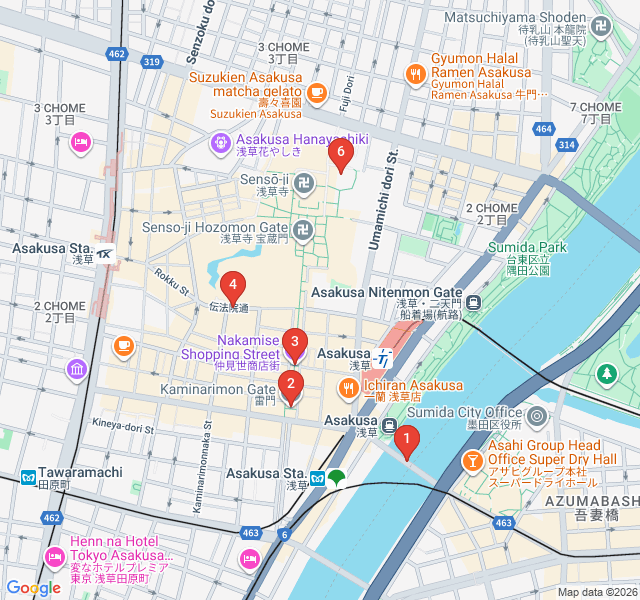
Numbers indicate the order of stops on the tour.
Start your journey at Azuma Bridge, a striking vermilion structure that has served as a vital link over the Sumida River since the late 18th century. From here, you can see the dramatic contrast of Tokyo's identity. To the east stands the Tokyo Skytree, the tallest structure in Japan, alongside the Asahi Beer Hall with its famous 'Golden Flame' sculpture. The bridge itself was originally built in 1774 and was the only bridge across the river in this area for a long time. It provides a perfect vantage point to understand Asakusa's history as a water-based transport hub during the Edo period, when boats filled with goods and travelers would constantly ply these waters.
Standing before the Kaminarimon, or 'Thunder Gate,' you are looking at the most famous symbol of Asakusa. The massive red lantern, weighing roughly 700 kilograms, is flanked by two formidable statues: Fujin, the god of wind, and Raijin, the god of thunder. These deities protect the temple from storms and fires. While the gate has been destroyed by fire multiple times over the centuries, the current structure was donated in 1960 by Konosuke Matsushita, the founder of Panasonic. Look closely at the base of the lantern to see the intricate dragon carving, a nod to the water deities that are believed to protect this sacred site.
As you pass through the gate, you enter Nakamise-dori, one of the oldest shopping streets in Japan. This 250-meter path has been a bustling marketplace since the early 18th century, when local residents were granted permission to sell goods to the pilgrims visiting the temple. Today, nearly 90 stalls line the route, offering traditional Edo-style snacks like 'ningyo-yaki' (small cakes filled with red bean paste) and 'senbei' (rice crackers). The atmosphere here captures the 'shitamachi' spirit—the culture of the old downtown working class—where commerce and community have thrived alongside spirituality for hundreds of years.
Turning off the main path, Denboin Street offers a quieter look at Asakusa's heritage. This street is designed to evoke the atmosphere of the Edo period, with traditional-style storefronts and decorative shutters. If you look up at the rooftops or check the painted shutters when shops are closed, you might spot figures of 'Nezumi Kozo,' a legendary Japanese Robin Hood-like character. This area is famous for its high-quality crafts, including Edo-kiriko cut glass and traditional combs. It is a wonderful place to see the attention to detail and craftsmanship that defines Japanese local culture away from the main tourist rush.
You have arrived at Senso-ji, Tokyo's oldest and most significant Buddhist temple. Founded in 628 AD, the temple's history began when two brothers fished a golden statue of Kannon, the goddess of mercy, out of the Sumida River. Despite their attempts to return the statue to the water, it kept coming back to them, leading to the temple's founding. The current Main Hall is a 1958 reconstruction, as the original was lost in World War II. Before entering, many visitors stop at the 'jokoro' or large incense burner; the smoke is said to have healing properties. The temple remains a vibrant center of faith where thousands come daily to offer prayers.
Just a short walk from the temple's main hall is the Asakusa Shrine, also known as Sanja-sama. While the temple is Buddhist, this is a Shinto shrine, showcasing the harmonious coexistence of the two religions in Japan. It was built during the Edo period in 1649 by the shogun Tokugawa Iemitsu to honor the three men who founded Senso-ji: the two fishermen brothers and their village headman. This shrine is the heart of the Sanja Matsuri, one of Tokyo's three largest and wildest festivals. The building is a rare survivor of the air raids of 1945 and is designated as an Important Cultural Property.
Start Free on iPhone
Explore “Legends of Asakusa: Senso-ji and the Riverfront” with your very own Private Tour Guide with Zigway. Start free on iPhone, skip the large group and the fixed routes, and hear the city come alive as you go.
Your Private Tour Guide
Don't miss the good stuff
Explore Freely
 Moderate
Tokyo, Japan
Discover Tokyo's premier creative district on this self-guided walk through Roppongi’s world-class museums and striking modern architecture.
 Easy
EasyTokyo, Japan
Discover the 'Old Tokyo' charm of Yanaka on this self-guided walk through historic temples, artisan alleys, and a stunning torii gate shrine.
 Easy
EasyTokyo, Japan
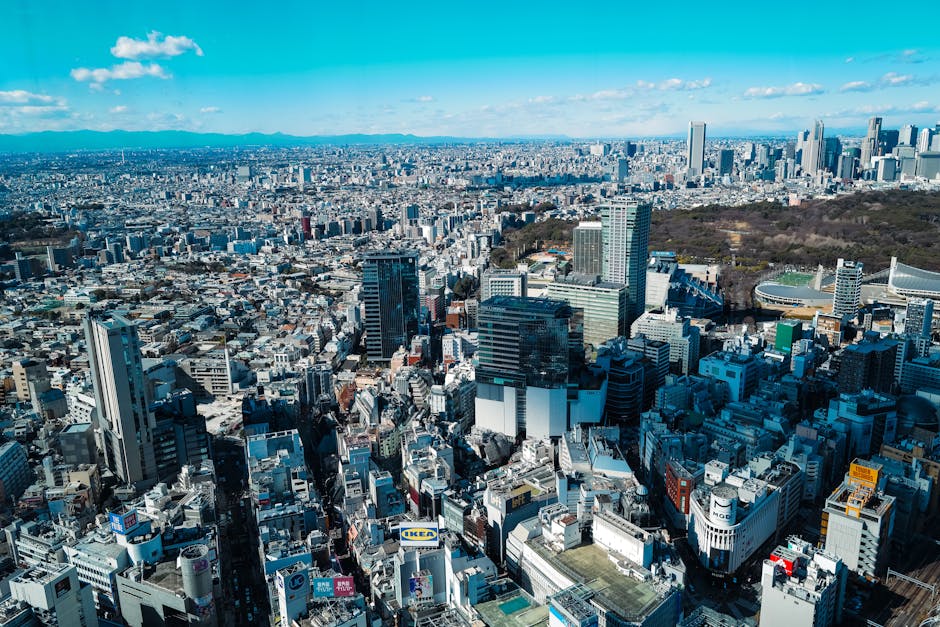
Experience Shibuya's electric energy on this self-guided walk from the iconic Scramble Crossing to the panoramic views of Shibuya Sky.
 Easy
EasyTokyo, Japan
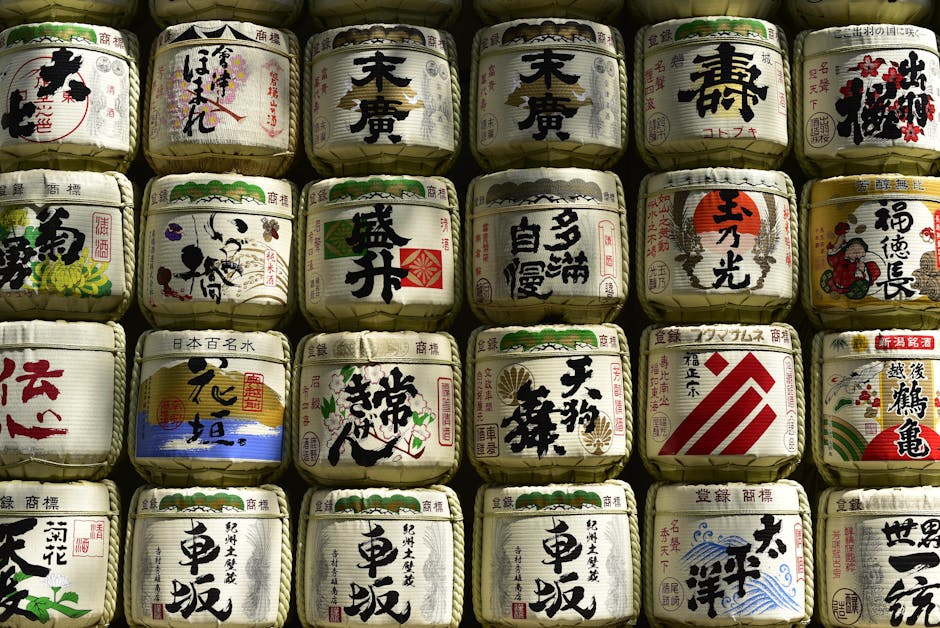
Explore Tokyo's indie heart. From vintage fashion in Shimokitazawa to world-class art in Shinjuku, discover the city's creative soul independently.
 Easy
EasyNairobi, Kenya
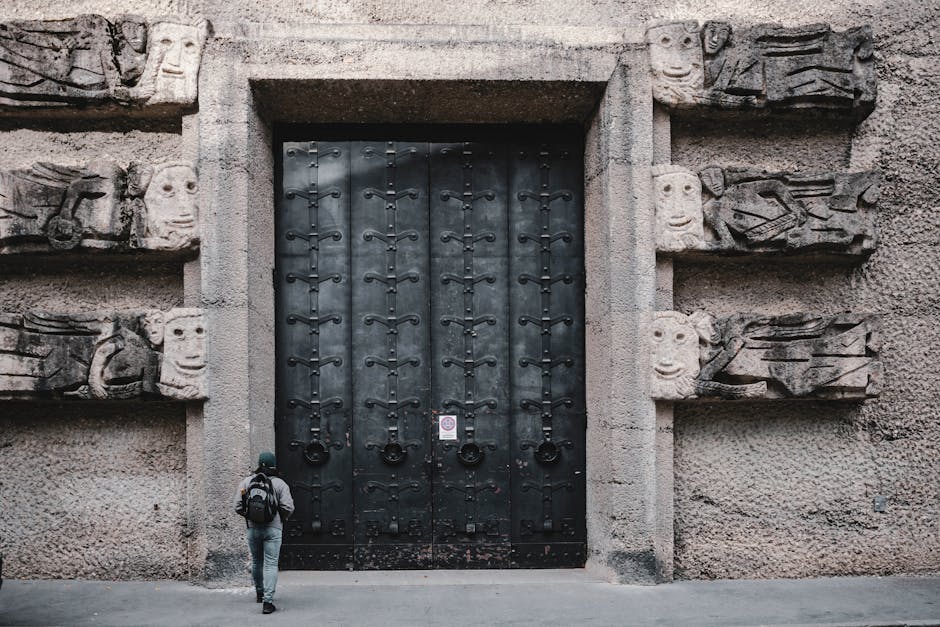
Discover Nairobi's iconic skyline on this self-guided architecture walk through the CBD’s most famous modernist and Brutalist landmarks.
 Easy
EasyGdansk, Poland
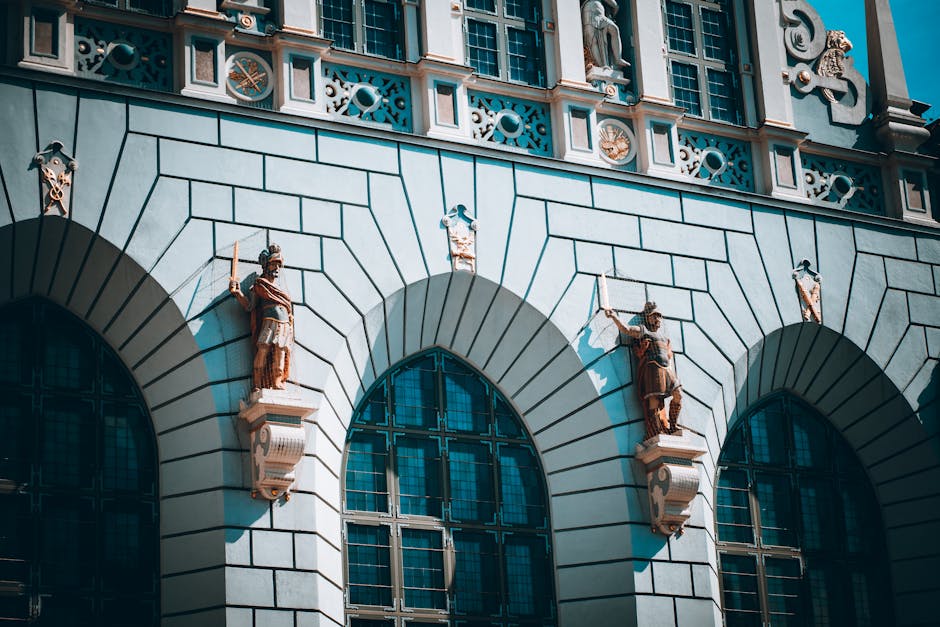
Discover the opulent Royal Way of Gdansk at your own pace. Explore Hanseatic history, gilded architecture, and the iconic Neptune's Fountain.
 Easy
EasySalzburg, Austria
Discover the 'Rome of the North' on this self-guided walk through the Baroque squares and monumental legacy of Salzburg’s Prince-Archbishops.
 Easy
EasyWarsaw, Poland
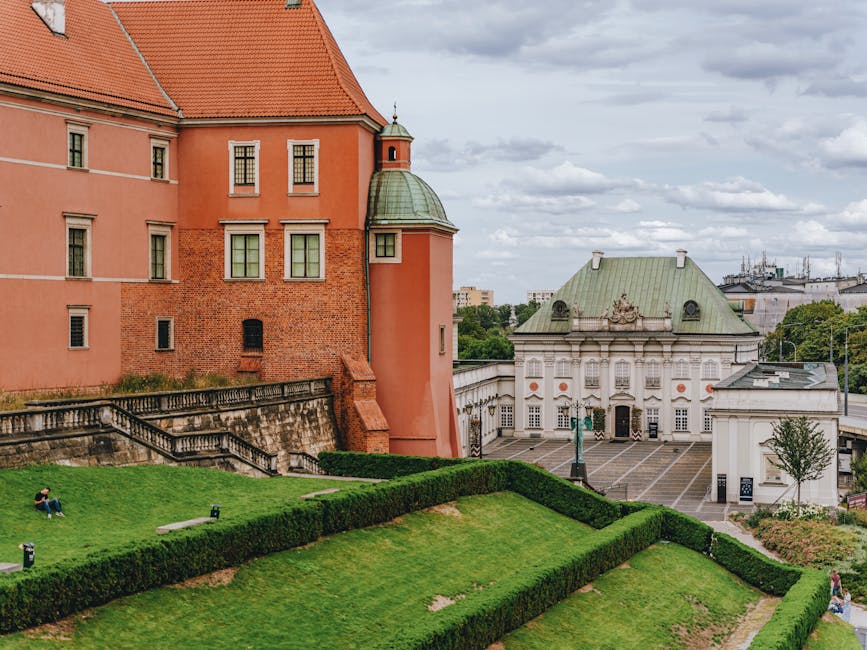
Explore the miracle of Warsaw's reconstructed Old Town on this self-guided walk through royal squares, medieval walls, and heroic monuments.
 Moderate
Kyoto, Japan
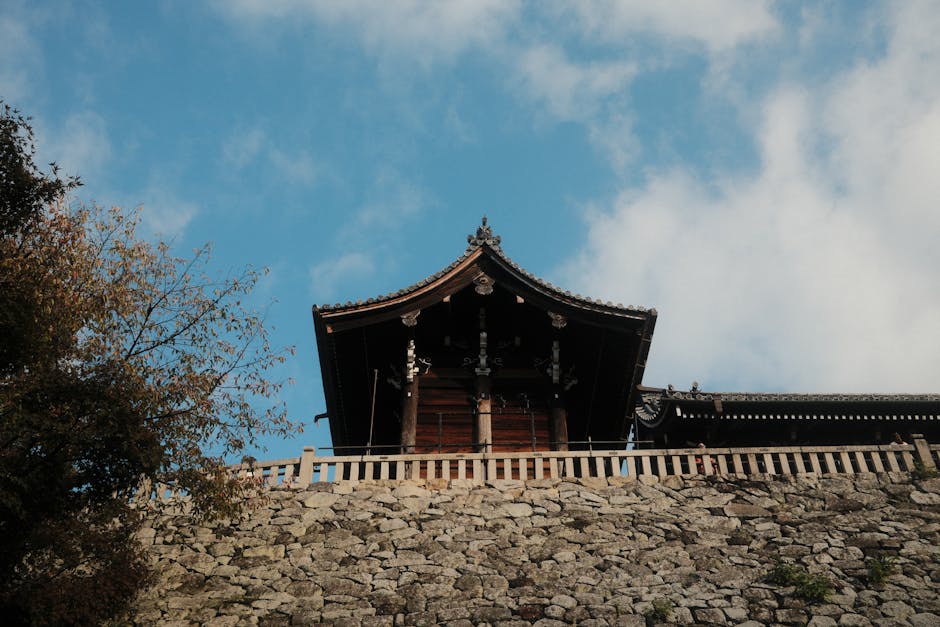
Discover the soul of old Kyoto on this self-guided walk through preserved stone lanes, iconic pagodas, and the grand wooden stage of Kiyomizu-dera.
 Challenging
Kyoto, Japan
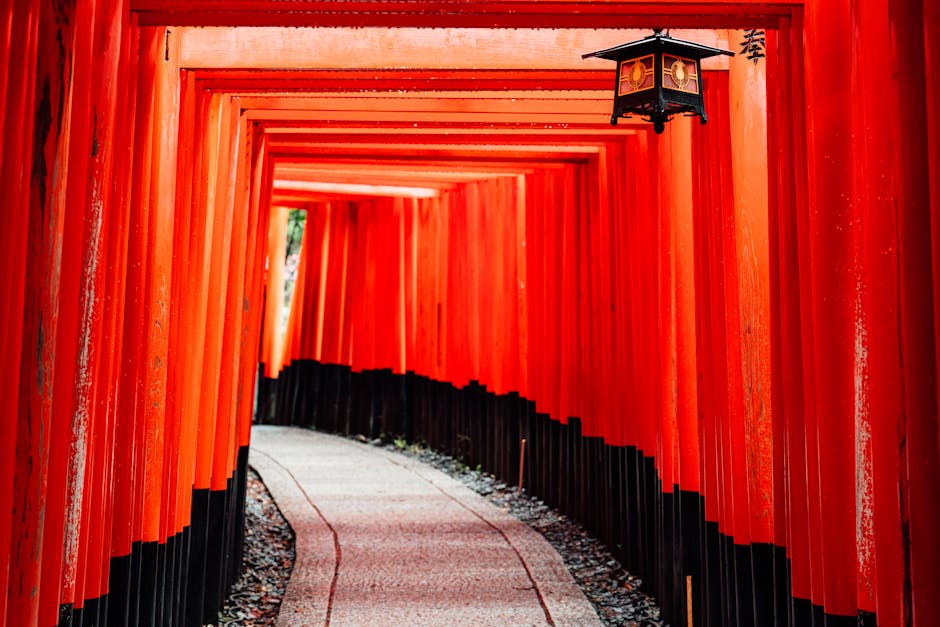
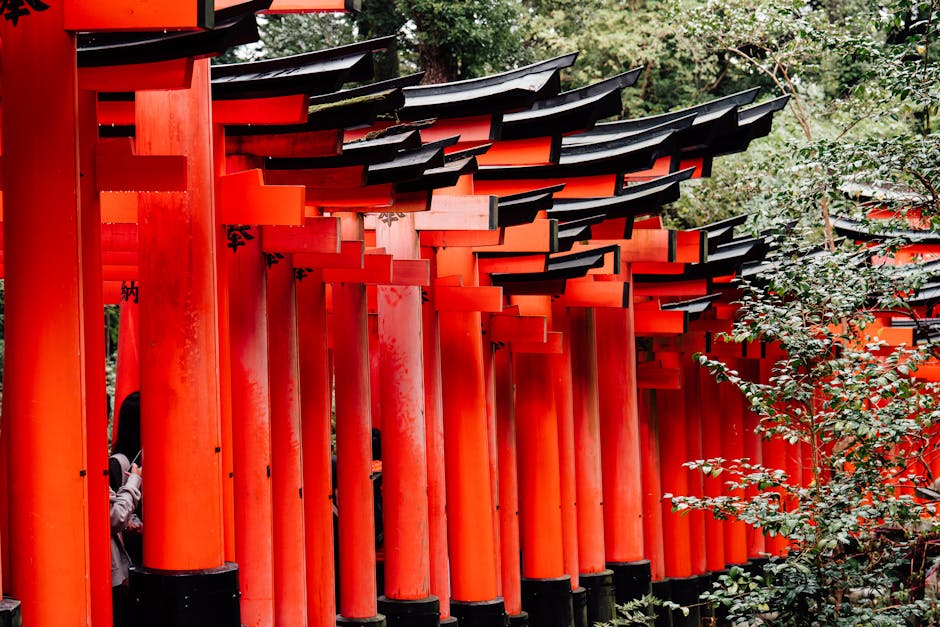
Ascend the sacred Mount Inari through thousands of vermillion torii gates on this challenging and spiritual self-guided walk in Kyoto.
 Easy
EasyKyoto, Japan
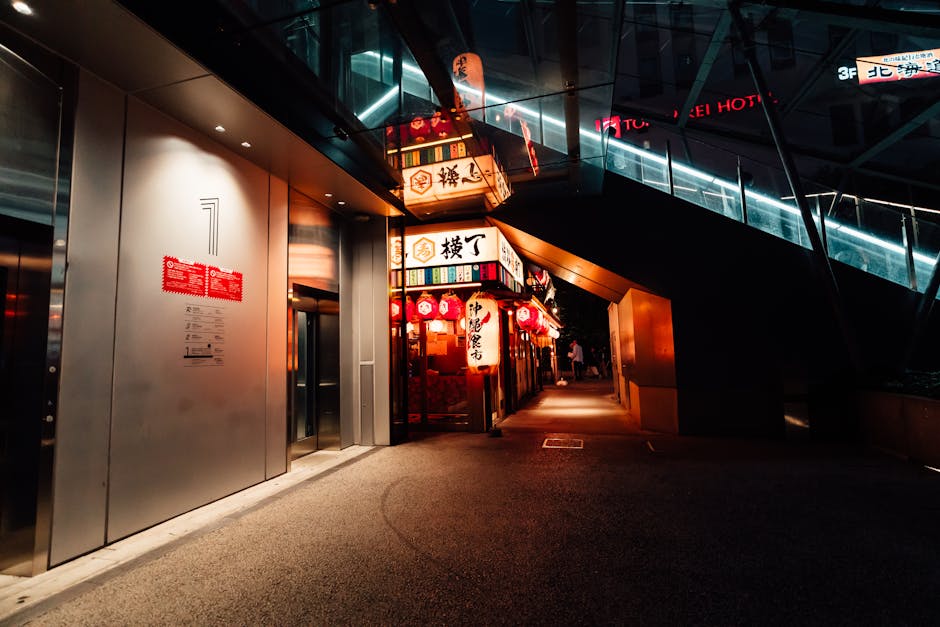
Explore Kyoto's most atmospheric alleyway. Discover geiko history, riverside dining, and hidden nightlife on this self-guided evening stroll.
 Moderate
Kyoto, Japan
Experience a serene self-guided walk along Kyoto's iconic Philosopher's Path, visiting Zen temples, hidden shrines, and the stunning Silver Pavilion.