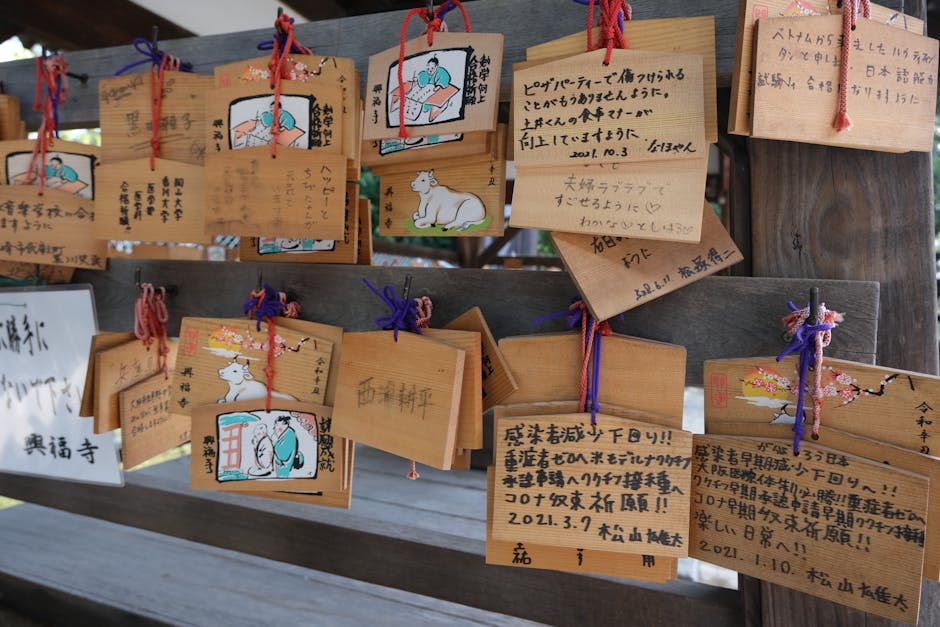
Self-guided audio tour in Nara
Start Free on iPhone
Start free on iPhone to unlock this self-guided walking tour in Nara. Hear all the stories that make it amazing, walk at your own pace, and begin whenever you want.
Your Private Tour Guide
Nara serves as the spiritual cradle of Japan, a city where the history of the nation is carved into wood, cast in bronze, and molded in clay. This self-guided walking route invites you to discover the sublime world of Nara Buddhist art, focusing on the master sculptors who transformed religious icons into profound works of human emotion. As you explore the serene grounds of Nara Park, you will encounter some of the most significant National Treasures in the country, ranging from the delicate elegance of the Tenpyo era to the powerful realism of the Kamakura period. This exploration is not just about religious devotion, but about the evolution of Japanese craftsmanship and the enduring legacy of the masters who shaped it. The route begins at the Kofukuji complex, home to the iconic Ashura statue, and winds through the prestigious halls of the Nara National Museum before concluding at the Kaidan Hall of Todaiji, where four clay guardians have stood watch for over a millennium. Along the way, you will see how various artistic schools, such as the legendary Kei school, introduced a sense of lifelike vitality to these divine figures. Whether you are an art historian or a curious traveler, this neighborhood stroll offers a deep dive into the aesthetic soul of ancient Japan. Unlike a standard walking tour Nara might offer in a group setting, this self-guided adventure allows you to linger in front of these masterpieces as long as you wish, absorbing the tranquil atmosphere of the temples at your own pace. By the end of this walking route, you will have a newfound appreciation for the technical mastery and spiritual depth that define Nara's unique artistic heritage.
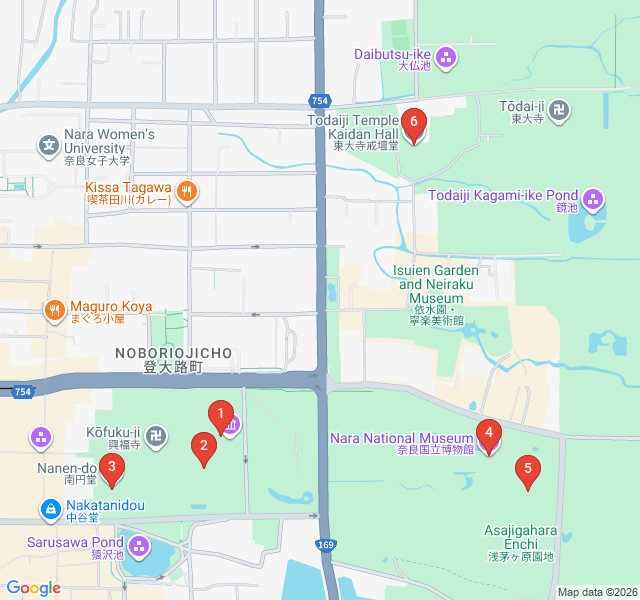
Numbers indicate the order of stops on the tour.
Start your independent exploration at the Kofukuji National Treasure Museum, a site that houses one of the finest collections of Buddhist art in Japan. The crown jewel here is undoubtedly the statue of Ashura, a three-faced, six-armed deity. Created in the 8th century using the complex 'dry lacquer' technique, Ashura’s expression is famously enigmatic—a mix of sorrow, repentance, and resolve. This figure represents the height of Tenpyo-era art, characterized by a pursuit of ideal beauty and spiritual realism. As you walk through the gallery, notice how the sculptures transition from the slender, ethereal forms of the early Nara period to the more robust and expressive figures of later centuries. The museum provides a quiet space to appreciate the intricate details of these National Treasures away from the bustling park outside.
Just outside the museum stands the Tokon-do, or East Golden Hall. Originally founded in 726 by Emperor Shomu, the current building dates to 1415, though it faithfully preserves the classical style. Inside, the central figure is Yakushi Nyorai, the Medicine Buddha, flanked by Nikko and Gakko Bosatsu. However, pay close attention to the Twelve Heavenly Generals surrounding them. These wooden figures, carved in the 13th century, showcase the dynamic realism of the Kei school of sculpture. Their fierce expressions, dramatic poses, and detailed armor were designed to protect the Buddha and the faithful. The contrast between the serene central deity and the intense energy of the guardians is a hallmark of Japanese temple arrangement and artistic philosophy.
A short stroll toward the western edge of the Kofukuji grounds brings you to Nanen-do. This striking octagonal hall is one of the most famous buildings in the complex and serves as the 9th station of the Saigoku Kannon Pilgrimage. While the interior is only opened to the public one day a year (October 17th), the exterior is a masterpiece of architectural symmetry. It houses a magnificent seated statue of Fukukenjaku Kannon, carved by the master Kokei in 1189. Kokei was the father of Unkei, perhaps Japan's most famous sculptor. Even from the outside, the hall's presence is powerful. Take a moment to observe the pilgrims offering prayers here, connecting this ancient art to living religious practice.
Cross the street and enter the Nara National Museum, specifically the Nara Buddhist Sculpture Hall. This elegant Western-style building, completed in 1894, provides a stark contrast to the wooden temples you just visited. Inside, you will find a rotating selection of Japan’s most important Buddhist icons. This is the best place to compare different eras of Japanese art side-by-side. Look for the transition from the heavy, solemn bronze figures influenced by China's Tang Dynasty to the uniquely Japanese 'yosegi-zukuri' (joined-wood) technique that allowed for larger, more intricate statues. The museum offers detailed English descriptions, helping you decode the hand gestures (mudras) and symbolic attributes that define each deity’s role in the Buddhist cosmos.
Next to the main museum galleries is the Buddhist Art Library. This building is an architectural gem in its own right, originally built as the Nara Prefectural Products Exhibition Hall in 1902. It blends traditional Japanese motifs, like the 'karahafu' gabled roof, with modern brick construction. While the library is primarily a research facility for scholars of Buddhist history and art, its exterior reflects the Meiji-era effort to preserve and categorize Japan’s artistic heritage during a time of rapid modernization. It serves as a reminder that the statues you see today were once nearly lost during periods of anti-Buddhist sentiment, and it was the dedication of early art historians that ensured their survival for future generations.
Conclude your walk at the Kaidan-in, or Ordination Hall, located in a quiet corner of the massive Todaiji complex. This hall was established in the 8th century by the Chinese monk Ganjin as a place for monks to receive their official vows. Inside, standing at the four corners of the ordination altar, are the Four Heavenly Kings (Shitenno). These are widely considered the finest clay statues in Japan. Unlike wood or bronze, the clay allowed the sculptors to achieve an incredible level of lifelike detail in the facial features and the texture of the armor. The figures—Zochoten, Komokuten, Tamonten, and Jikokuten—look down with intense, watchful eyes, protecting the sacred space. It is a powerful, intimate conclusion to your journey through Nara’s divine artistry.
Start Free on iPhone
Explore “Divine Statues: Masters of Nara Buddhist Art” with your very own Private Tour Guide with Zigway. Start free on iPhone, skip the large group and the fixed routes, and hear the city come alive as you go.
Your Private Tour Guide
Don't miss the good stuff
Explore Freely
 Moderate
Nara, Japan
Discover a mystical path through Nara's ancient forest, lined with 3,000 lanterns and sacred deer on this serene self-guided walk.
 Challenging
Nara, Japan
Journey from Nara's imperial ruins and refined gardens into the ancient, sacred silence of the UNESCO-protected Mount Kasuga Primeval Forest.
 Moderate
Nara, Japan
Discover Nara’s literary soul on this self-guided walk through historic Takabatake’s temples, writer residences, and poetic gardens.
 Easy
EasyNara, Japan
Explore Nara's evening charm on this self-guided walk through illuminated pagodas, historic shopping streets, and world-class hidden bars.
 Moderate
Gdansk, Poland
Discover the origins of WWII in Gdansk on this self-guided walk through heroic last stands, massive museums, and strategic hilltop fortifications.
 Easy
EasyNairobi, Kenya
Explore Nairobi's architectural evolution from colonial-era landmarks to iconic Brutalist skyscrapers on this historic self-guided walking route.
 Easy
EasyNairobi, Kenya
Discover Nairobi's iconic skyline on this self-guided architecture walk through the CBD’s most famous modernist and Brutalist landmarks.
 Easy
EasyKrakow, Poland
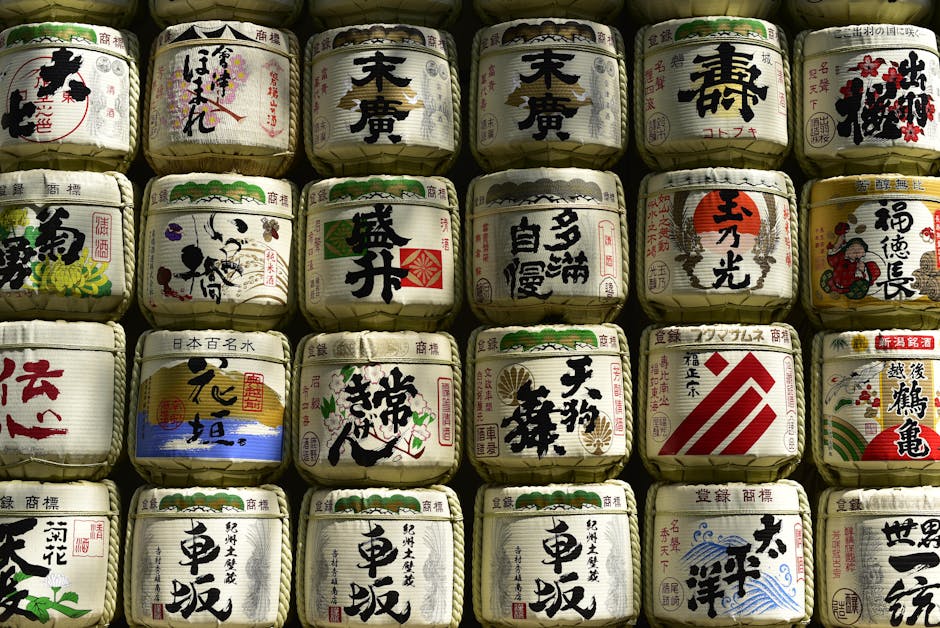
Explore the historic heart of Kazimierz on this self-guided walk through synagogues, ancient cemeteries, and vibrant squares.
 Moderate
Tokyo, Japan
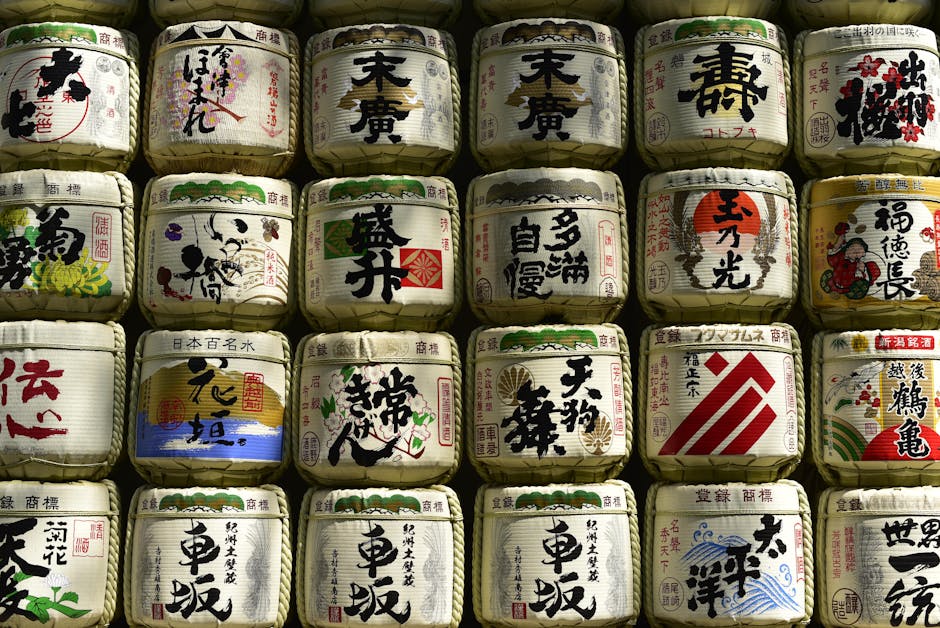
Discover Tokyo's premier creative district on this self-guided walk through Roppongi’s world-class museums and striking modern architecture.
 Easy
EasyTokyo, Japan
Discover the 'Old Tokyo' charm of Yanaka on this self-guided walk through historic temples, artisan alleys, and a stunning torii gate shrine.
 Easy
EasyTokyo, Japan
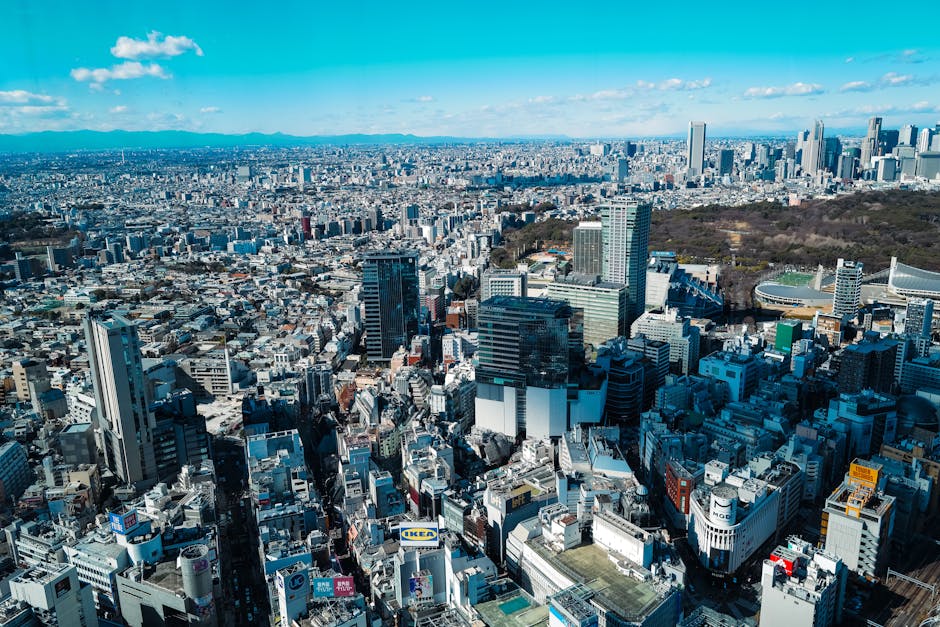
Experience Shibuya's electric energy on this self-guided walk from the iconic Scramble Crossing to the panoramic views of Shibuya Sky.
 Easy
EasyTokyo, Japan
Explore Tokyo's indie heart. From vintage fashion in Shimokitazawa to world-class art in Shinjuku, discover the city's creative soul independently.