Self-guided audio tour in Nara
Start Free on iPhone
Start free on iPhone to unlock this self-guided walking tour in Nara. Hear all the stories that make it amazing, walk at your own pace, and begin whenever you want.
Your Private Tour Guide
Escape the bustling tourist centers and immerse yourself in the ancient spiritual landscape of Nara. This walking route offers a profound transition from the city's refined cultural museums to the wild, untamed beauty of the Mount Kasuga Primeval Forest. Your journey begins with a look at Nara’s unique relationship with nature at the Ikimono and Kingyo Museums before crossing the historic Heijō Palace Site, where the city’s imperial story first took root. As you move eastward, the landscape shifts from the manicured elegance of Yoshikien and Isuien Gardens into the expansive greenery of Nara Park, home to the city’s famous sacred deer. The true heart of this self-guided walk lies beyond the iconic Kasugataisha Shrine. Here, you leave the crowds behind and enter a realm that has remained largely untouched for over a millennium. The Mount Kasuga Primeval Forest is a UNESCO World Heritage site where hunting and logging have been prohibited since the year 841, preserving a rare ecosystem that the Japanese have long considered a 'kami-yama' or mountain of the gods. As you ascend the challenging forest trails, the air cools and the sounds of the city fade, replaced by the rustle of ancient trees and the hidden echoes of Buddhist history. Along the rugged path, you will encounter the weathered stone carvings of the Jigokudani Stone Cavern Buddhas and the enigmatic Kubikiri Jizo, artifacts of a time when these mountains served as a rigorous training ground for monks. This route is designed for those who seek more than just a standard walking tour Nara; it is a pilgrimage into the silence that has defined Nara’s spiritual identity for centuries. Prepare for a physical challenge that rewards you with deep tranquility and a connection to Japan’s primeval past. Whether you are a photography enthusiast capturing the moss-covered lanterns or a nature lover seeking the quietest corners of the region, this neighborhood stroll provides an unforgettable look at Nara's sacred geography.
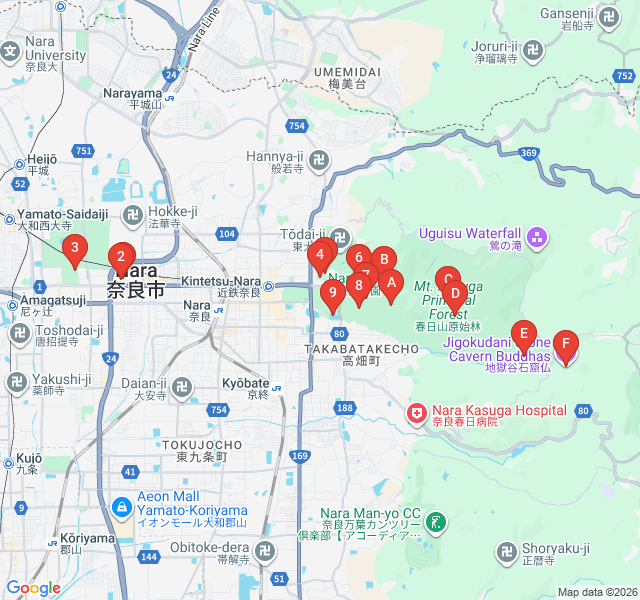
Numbers indicate the order of stops on the tour.
Start your exploration at the Nara Ikimono Museum, a unique space dedicated to the 'living things' that define our planet. Unlike traditional natural history museums, this space emphasizes the interaction between humans and various species, including reptiles, fish, and amphibians. It sets a perfect thematic foundation for your walk, highlighting the biodiversity that Japan holds sacred. Take a moment to observe the intricate displays before we transition from these curated environments to the vast imperial history of Nara's past.
Located nearby, the Kingyo Museum celebrates the goldfish, a creature deeply embedded in Japanese culture since the Edo period. This isn't just an aquarium; it's an artistic installation where light, projection mapping, and traditional aesthetics meet. Nara Prefecture is one of Japan's leading producers of goldfish, and this museum showcases them as living jewels. The vibrant colors and creative tank designs offer a whimsical look at how Japanese art often mirrors and enhances the natural world.
Step back to the 8th century at the Heijō Palace Site. This was the heart of Nara when it served as Japan's first permanent capital. The vast, open fields and reconstructed gates, such as the Suzakumon, give you a sense of the city's original scale and its layout modeled after the Chinese Tang Dynasty capital. Standing here, you can imagine the imperial processions that once moved through these grounds. It is a stark, impressive contrast to the dense forest we will encounter later in our walk.
Yoshikien is a hidden gem often overlooked by those rushing to the larger temples. This garden is unique because it features three distinct styles: a pond garden, a moss garden, and a tea ceremony garden. The moss garden is particularly stunning after a light rain, showcasing various shades of deep green. It was built on the site of former residences belonging to the high priests of Kofuku-ji, and it retains a quiet, scholarly atmosphere that is perfect for a peaceful stroll.
Directly adjacent to Yoshikien is Isuien, a masterpiece of 'shakkei' or borrowed scenery. Look toward the background and notice how the Nandaimon Gate of Todai-ji Temple and the mountains of Mount Wakakusa and Mount Kasuga are incorporated into the garden's design. The garden is divided into two sections: the front garden from the 17th century and the larger back garden from the Meiji era. The Neiraku Museum on-site houses a fine collection of ancient Chinese and Korean ceramics.
Enter the famous Nara Park, a massive public space where history and nature coexist. While it is home to major temples, the park itself is a landmark of Japanese heritage. Established in 1880, it is one of the oldest parks in Japan. As you walk, notice the ancient pine trees and the open lawns that have been maintained for centuries. This is the gateway to the more spiritual and wild sections of the city, where the boundary between the human and divine worlds begins to blur.
Operated by Kasugataisha Shrine, this garden is dedicated to the plants mentioned in the 'Manyoshu,' Japan's oldest collection of poetry. Over 300 plant species are featured here, each linked to an ancient verse. The garden is most famous for its Wisteria (Fuji) blossoms, which hang in heavy, fragrant purple clusters in late April and early May. It’s a place where literature and botany intertwine, offering a glimpse into how the ancient Japanese perceived the natural world around them.
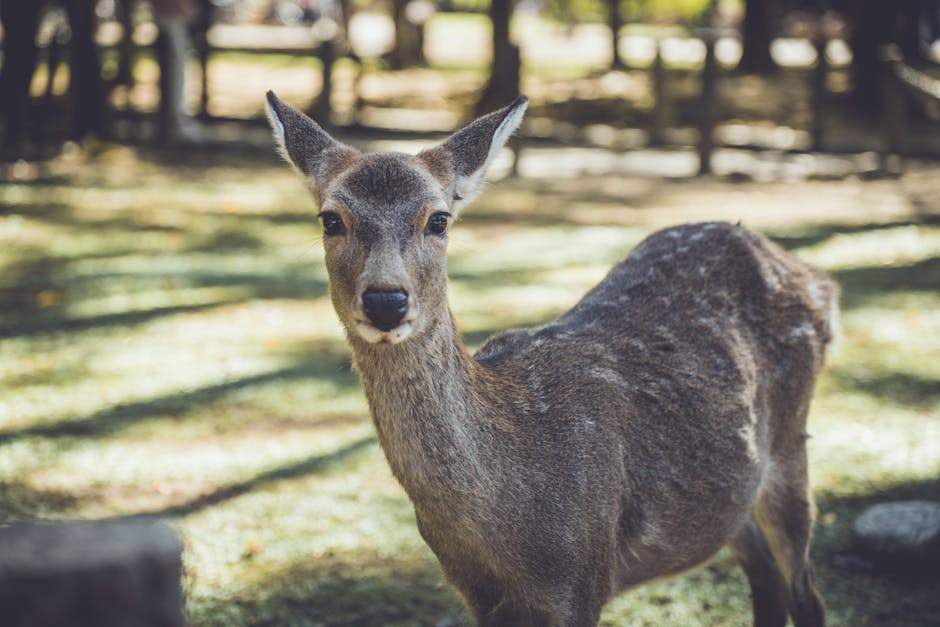
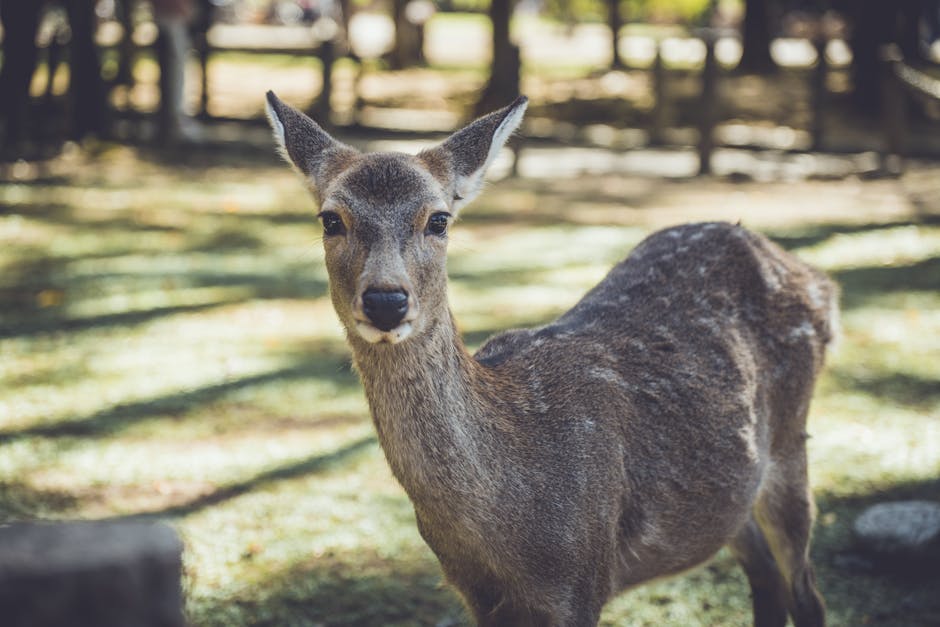
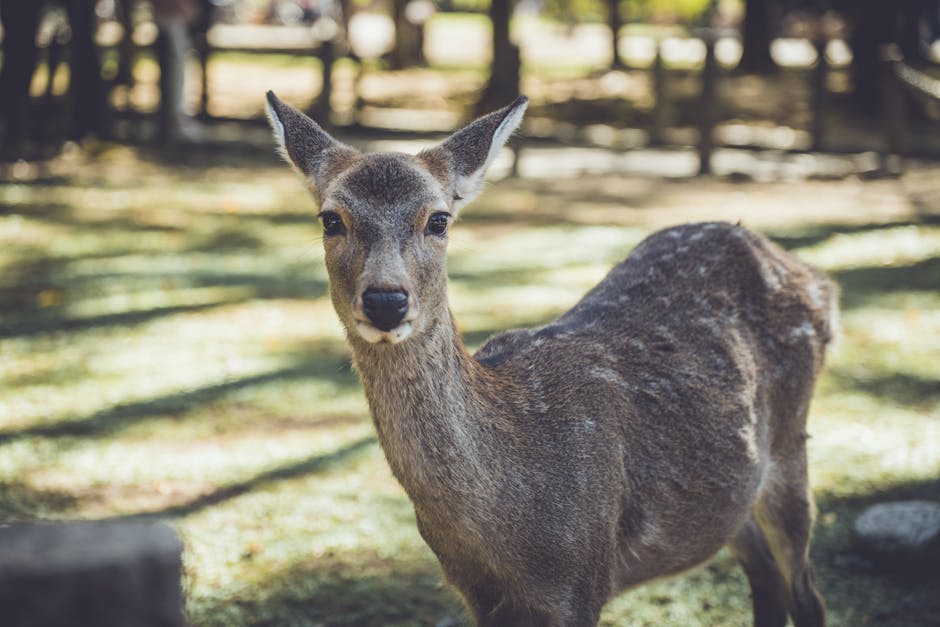
While deer are everywhere in Nara, this area of the park allows for a closer look at these 'messengers of the gods.' According to legend, the deity Takemikazuchi arrived in Nara on a white deer to protect the new capital. Since then, the deer have been protected and revered. While they are wild animals, they have learned to interact with visitors, often bowing for 'shika senbei' (deer crackers). Observe their social dynamics and the way they roam freely, a living symbol of Nara’s spiritual history.
Pause at the Sagi-ike Pond to admire the Ukimido Pavilion. This wooden gazebo appears to float on the water, connected to the shore by a graceful bridge. It is a quintessentially romantic spot, especially beautiful during the cherry blossom season or when the autumn leaves reflect in the still water. The pavilion provides a moment of architectural tranquility before we begin our ascent toward the more rugged and sacred Mount Kasuga.
Welcome to Kasugataisha, Nara’s most celebrated Shinto shrine. Founded in 768, it is famous for its thousands of lanterns. Over 3,000 lanterns—both stone ones lining the pathways and bronze ones hanging from the buildings—have been donated by devotees over centuries. They are all lit twice a year during the Mantoro festivals. The shrine’s bright vermillion buildings against the dark green forest backdrop create a striking visual of Shinto's vibrant presence in the natural landscape.
Before heading into the deep woods, catch your breath at the base of Mount Wakakusa. This grass-covered mountain is famous for the 'Yamayaki' festival in January, when the entire hillside is set ablaze. From this vantage point, you can see the slope rising above you. It marks the transition point where the park's open spaces end and the dense, primeval forest begins. Ensure your water bottle is full, as the terrain becomes significantly more challenging from here.
You are now entering the Mount Kasuga Primeval Forest. Because this mountain is considered the 'shintai' (divine body) of the Kasugataisha deities, hunting and logging have been strictly forbidden here since 841 AD. This has resulted in a rare, ancient ecosystem featuring massive cedar and oak trees that are centuries old. The silence here is heavy and sacred. As you hike the winding trails, you are walking through a landscape that looks much as it did to the monks and emperors of ancient Japan.
Deep within the forest sits Myokengu, a small and secluded shrine. It is far removed from the primary tourist paths, offering a moment of true 'sacred silence.' Such mountain shrines were often places of intense spiritual practice for mountain ascetics. The simple structure, surrounded by towering trees and moss-covered earth, exemplifies the Shinto belief that the divine resides within the deepest parts of nature. It is a place for quiet reflection before the final leg of our journey.
Further along the trail, you will find the Kubikiri Jizo, or 'Beheaded Jizo.' This stone statue of the bodhisattva Jizo has a distinct crack at its neck. Legend says that the master swordsman Araki Mataemon tested his blade on this statue, severing its head. Jizo is the protector of travelers and children, and finding such a statue deep in the woods was a sign of comfort for those navigating these lonely mountain passes in centuries past.
Our journey concludes at the Jigokudani (Hell Valley) Stone Cavern Buddhas. Carved directly into the volcanic rock faces, these ancient Buddhist images date back to the late Heian or early Kamakura periods. The weathered, mossy faces of the Buddhas emerging from the stone create a hauntingly beautiful atmosphere. This site was once a place where monks came to meditate on the transition between life and death. Standing here, surrounded by the primeval forest, you can feel the enduring power of Nara’s spiritual roots.
Start Free on iPhone
Explore “Sacred Silence: The Primeval Forest Escape” with your very own Private Tour Guide with Zigway. Start free on iPhone, skip the large group and the fixed routes, and hear the city come alive as you go.
Your Private Tour Guide
Don't miss the good stuff
Explore Freely
 Moderate
Nara, Japan
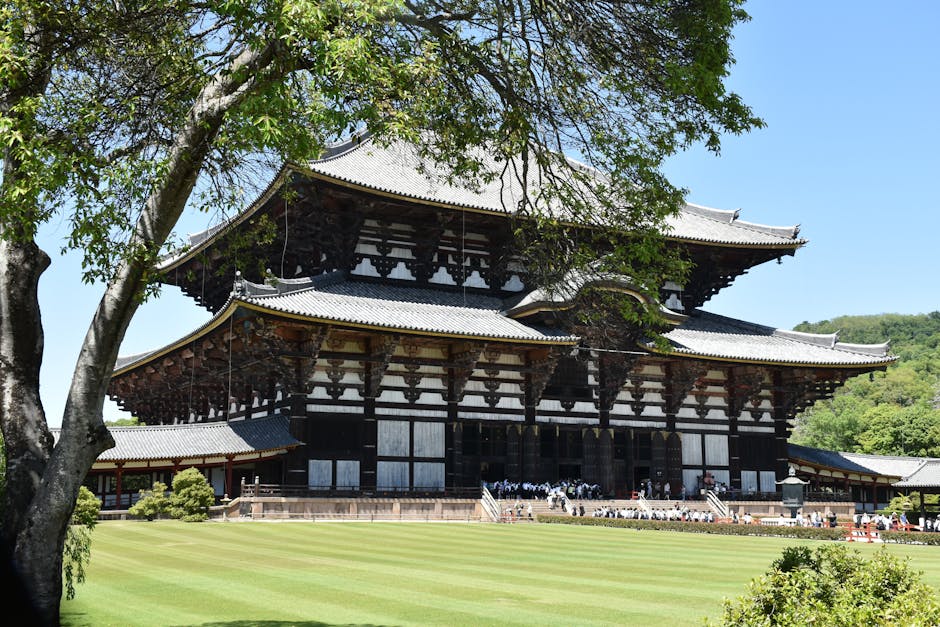
Discover a mystical path through Nara's ancient forest, lined with 3,000 lanterns and sacred deer on this serene self-guided walk.
 Moderate
Nara, Japan
Discover Nara’s literary soul on this self-guided walk through historic Takabatake’s temples, writer residences, and poetic gardens.
 Easy
EasyNara, Japan
Explore Nara's evening charm on this self-guided walk through illuminated pagodas, historic shopping streets, and world-class hidden bars.
 Challenging
Nara, Japan
Ascend the grassy slopes of Mount Wakakusa for panoramic vistas, hidden waterfalls, and the serene gardens of Nara on this challenging self-guided walk.
 Easy
EasyGdansk, Poland
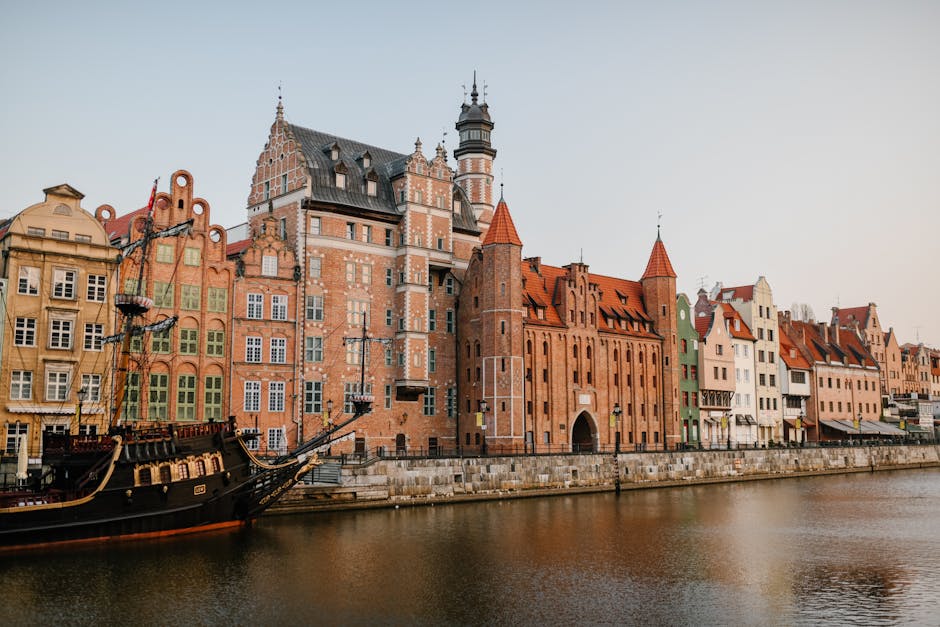
Discover the monastic heritage, world-famous organs, and lush botanical gardens of Oliwa on this peaceful self-guided neighborhood stroll.
 Moderate
Nairobi, Kenya
Discover Nairobi's lush side on this self-guided walk through botanical gardens, historic memorials, and vibrant local markets.
 Easy
EasyWarsaw, Poland
Explore the 'Polish Versailles' at your own pace. Discover Baroque architecture, royal history, and stunning gardens on this self-guided walk.
 Easy
EasyWarsaw, Poland
Discover Warsaw's intellectual heart through historic campuses, peaceful parks, and the stunning rooftop gardens of the University Library.
 Moderate
Tokyo, Japan
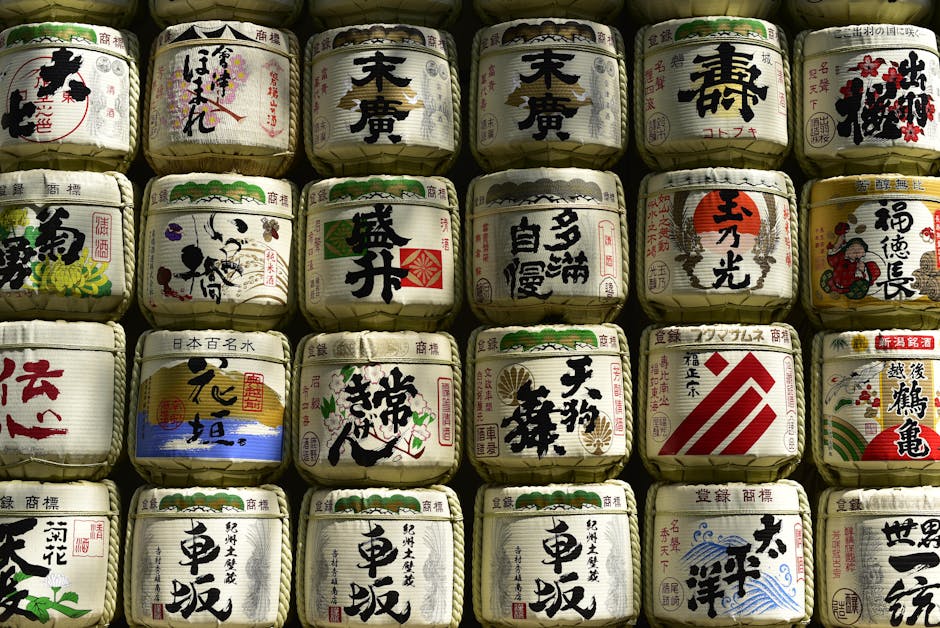
Discover Tokyo's premier creative district on this self-guided walk through Roppongi’s world-class museums and striking modern architecture.
 Easy
EasyTokyo, Japan
Discover the 'Old Tokyo' charm of Yanaka on this self-guided walk through historic temples, artisan alleys, and a stunning torii gate shrine.
 Easy
EasyTokyo, Japan
Experience Shibuya's electric energy on this self-guided walk from the iconic Scramble Crossing to the panoramic views of Shibuya Sky.
 Easy
EasyTokyo, Japan
Explore Tokyo's indie heart. From vintage fashion in Shimokitazawa to world-class art in Shinjuku, discover the city's creative soul independently.