Self-guided audio tour in Galway
Start Free on iPhone
Start free on iPhone to unlock this self-guided walking tour in Galway. Hear all the stories that make it amazing, walk at your own pace, and begin whenever you want.
Your Private Tour Guide
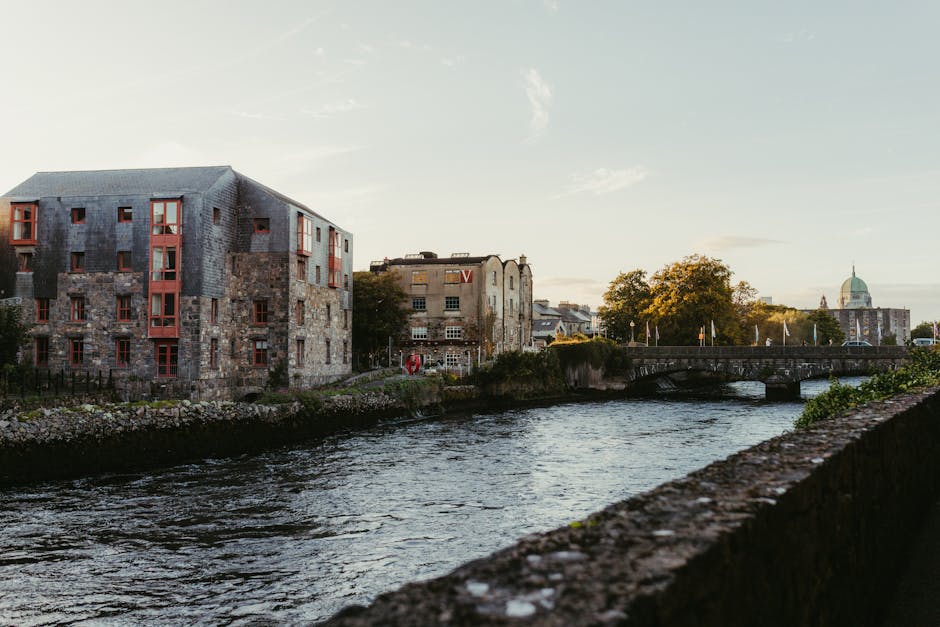
Step into a world where 19th-century academic tradition meets 21st-century innovation on this self-guided walk through the University of Galway. Founded in 1845 as Queen's College Galway, this campus is more than just a place of learning; it is a living museum of architectural evolution. This neighborhood stroll takes you from the ivy-clad walls of the historic Quadrangle to the cutting-edge, sustainable design of the Alice Perry Engineering Building. As you explore independently, you will discover how the university has shaped the cultural and intellectual landscape of the West of Ireland. The route winds along the banks of the River Corrib, offering a peaceful escape from the bustle of the city center while showcasing the limestone masonry that gives Galway its 'City of the Tribes' character. This is not a guided tour Galway visitors usually experience in a group; rather, it is a self-paced journey through the 'Scholars and Stone' that define this institution. You will encounter the James Mitchell Geology Museum, a 'museum of a museum' that remains largely unchanged since the Victorian era, and the O'Donoghue Centre, which brilliantly repurposes an industrial mill into a space for drama and performance. The architecture here tells a story of resilience and adaptation, reflecting Galway's own transformation from a medieval port to a global hub for research and the arts. Whether you are interested in the Tudor Gothic revival style of the 1840s or the 'living laboratory' concepts of modern engineering, this walking route provides a comprehensive look at the university's heritage. This walking tour Galway experience is ideal for those who appreciate the intersection of history, science, and the environment. Along the way, you can admire the Ryan Institute’s focus on marine biology and the vast literary archives housed in the James Hardiman Library. Discover at your own pace why this campus is consistently ranked among the most beautiful in Europe, and enjoy the unique atmosphere where tradition and modernity coexist along the flowing waters of the Corrib.
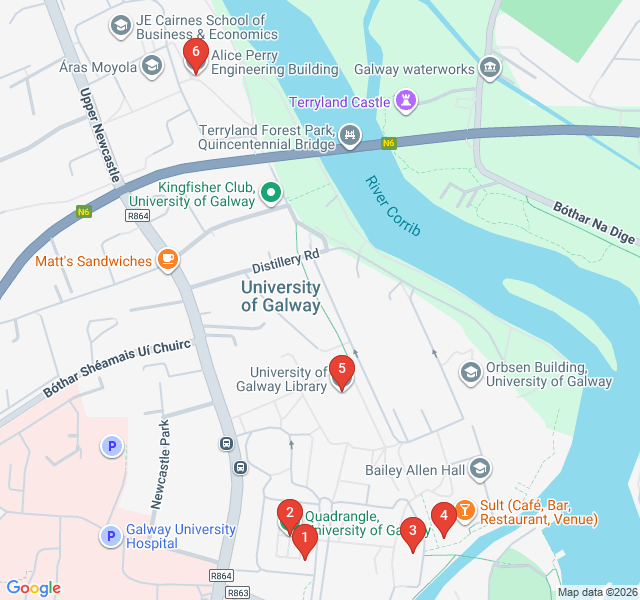
Numbers indicate the order of stops on the tour.
Begin your self-guided adventure at the James Mitchell Geology Museum, located within the historic main building. Often described as a 'museum of a museum,' this space has retained much of its 19th-century Victorian character. Established in 1852, it houses over 15,000 specimens, including fossils, minerals, and rocks that tell the geological story of Ireland and beyond. The dark wood cabinets and high ceilings evoke an era of early scientific discovery. Pay close attention to the local Connemara marble samples, a distinctive green stone that you will see reflected in the architecture throughout the city. This stop sets the stage for the 'stone' element of our theme, showing the raw materials that built this university.
Step into the heart of the campus at the Quadrangle. Completed in 1849, this Tudor Gothic structure was built using local grey limestone. It was designed by architect Joseph B. Keane to resemble Christ Church, one of the colleges at Oxford University. For decades, this single building housed the entire university, including the lecture halls, the library, and even the student residences. As you walk through the archways, notice the intricate stonework and the vibrant ivy that covers the walls, turning a brilliant red in the autumn. The Quad remains the most iconic landmark of the university, symbolizing its long-standing academic tradition in the West of Ireland.
Moving toward the river, you encounter the Ryan Institute. This center is the powerhouse of the university’s environmental and marine research. Given Galway's location on the edge of the Atlantic, the institute plays a critical role in studying climate change, biodiversity, and sustainable energy. The building itself reflects a shift in the university's focus toward the natural world and the preservation of Ireland’s unique ecosystems. While the Quadrangle represents the past, the Ryan Institute represents the university’s commitment to the future of the planet. The surrounding greenery and proximity to the River Corrib make this a peaceful spot to appreciate the connection between the campus and the local environment.
The O'Donoghue Centre is a masterclass in architectural repurposing. Before it was a hub for the arts, this site was a 19th-century mill, utilizing the power of the adjacent Eglinton Canal. The renovation preserved the original stone walls and industrial character while creating a state-of-the-art theater space. It stands as a testament to Galway’s reputation as a UNESCO City of Film and a center for theatrical excellence. The building has won numerous architectural awards for how it blends the city's industrial heritage with modern functionality. It serves as a reminder that the university is not just a place for science and stone, but a vibrant home for creativity and performance.
The James Hardiman Library is the intellectual engine of the campus. In contrast to the Gothic Quad, this building represents a more modern, functionalist approach to campus design. However, its importance lies in what it holds within. The library houses world-class archives, including the digital collections of the Abbey Theatre and the Gate Theatre, making it a pilgrimage site for literary scholars. The building is named after James Hardiman, a 19th-century librarian and historian who was instrumental in preserving Galway's history. It is a place where the 'scholars' of our theme spend their days, bridging the gap between historical records and modern academic research.
Your walk concludes at the Alice Perry Engineering Building, a stunning example of contemporary sustainable design. Opened in 2011, it is named after Alice Perry, who graduated from this university in 1906 and is believed to be the first woman in Ireland or Great Britain to earn a degree in engineering. The building is a 'living laboratory,' with exposed structural elements and sensors that allow students to monitor its energy performance in real-time. From its zinc cladding to its water-harvesting systems, it represents the cutting edge of green architecture. It is a fitting final stop, showing how the university continues to evolve from its limestone beginnings into a leader of modern innovation.
Start Free on iPhone
Explore “Scholars and Stone: University of Galway Campus Walk” with your very own Private Tour Guide with Zigway. Start free on iPhone, skip the large group and the fixed routes, and hear the city come alive as you go.
Your Private Tour Guide
Don't miss the good stuff
Explore Freely
 Easy
EasyGalway, Ireland
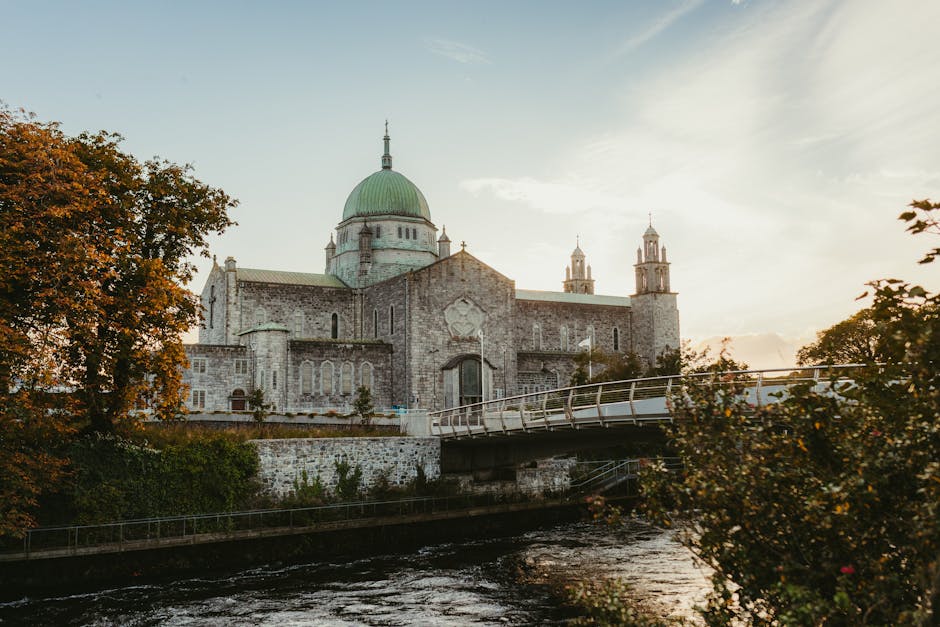
Explore Galway’s literary soul on this self-guided walk through historic bookshops, legendary theaters, and the haunts of Joyce and Wilde.
 Easy
EasyGalway, Ireland
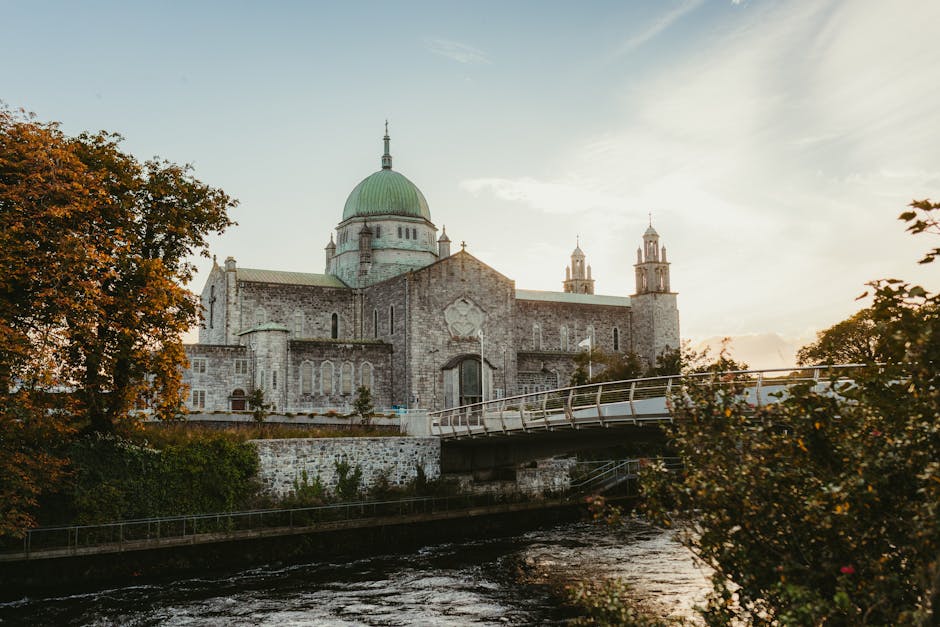
Explore Galway’s vibrant street art, contemporary galleries, and scenic photography spots on this independent neighborhood stroll.
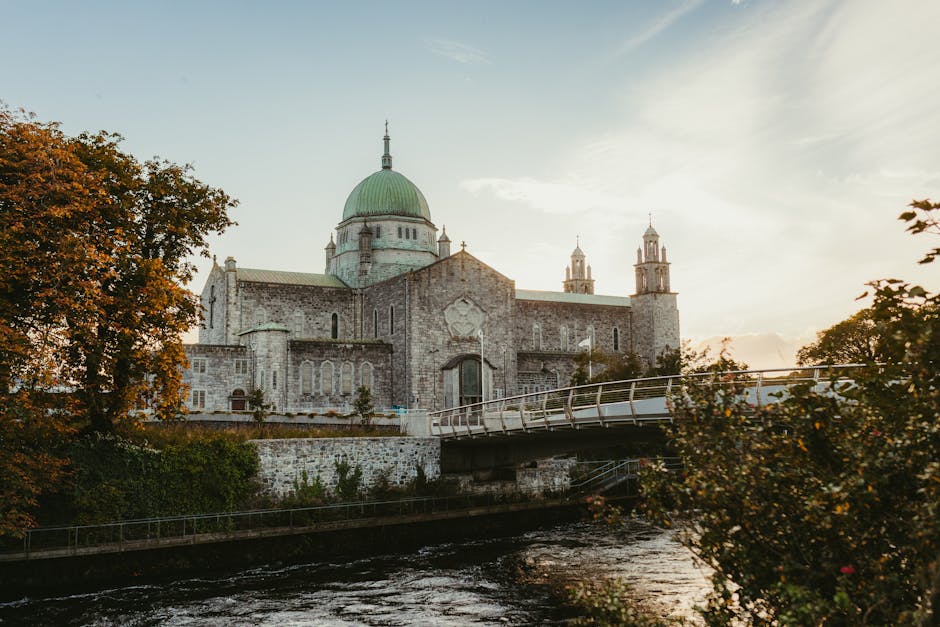 Easy
EasyGalway, Ireland
Capture Galway's most iconic views on this self-guided stroll through the Claddagh and along the vibrant Long Walk.
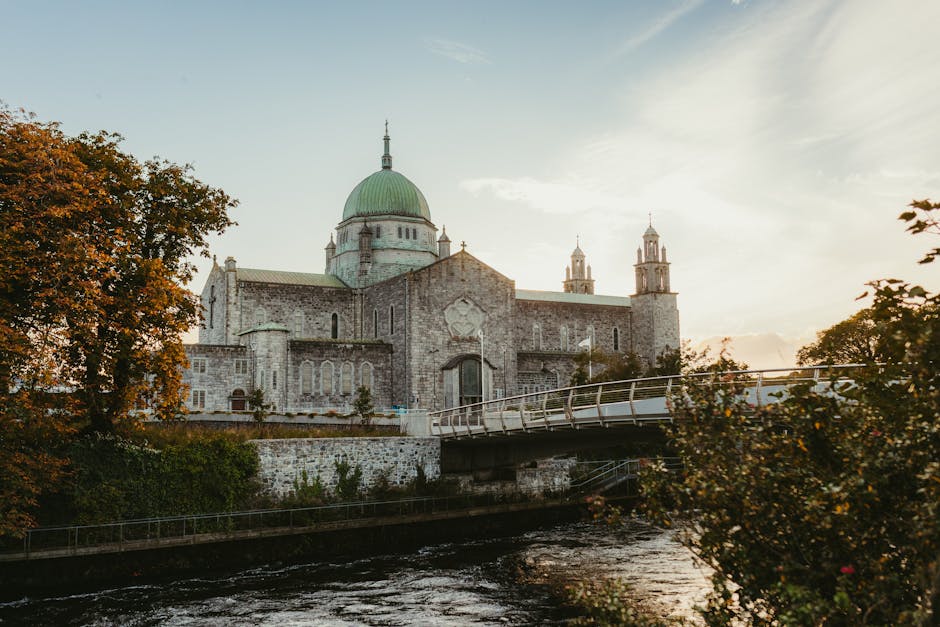 Easy
EasyGalway, Ireland
Explore Salthill’s iconic promenade, discover local traditions, and enjoy stunning Atlantic views on this refreshing self-guided seaside walk.
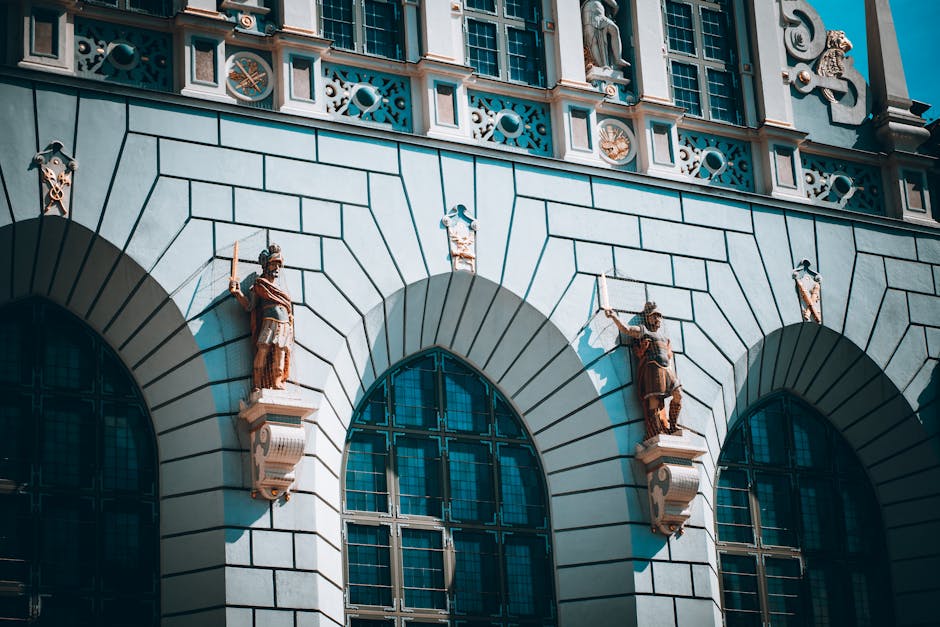 Moderate
Gdansk, Poland
Discover the origins of WWII in Gdansk on this self-guided walk through heroic last stands, massive museums, and strategic hilltop fortifications.
 Easy
EasyGothenburg, Sweden
Explore Gothenburg's elegant academic district, featuring grand 19th-century stone architecture and the iconic cultural hub of Götaplatsen.
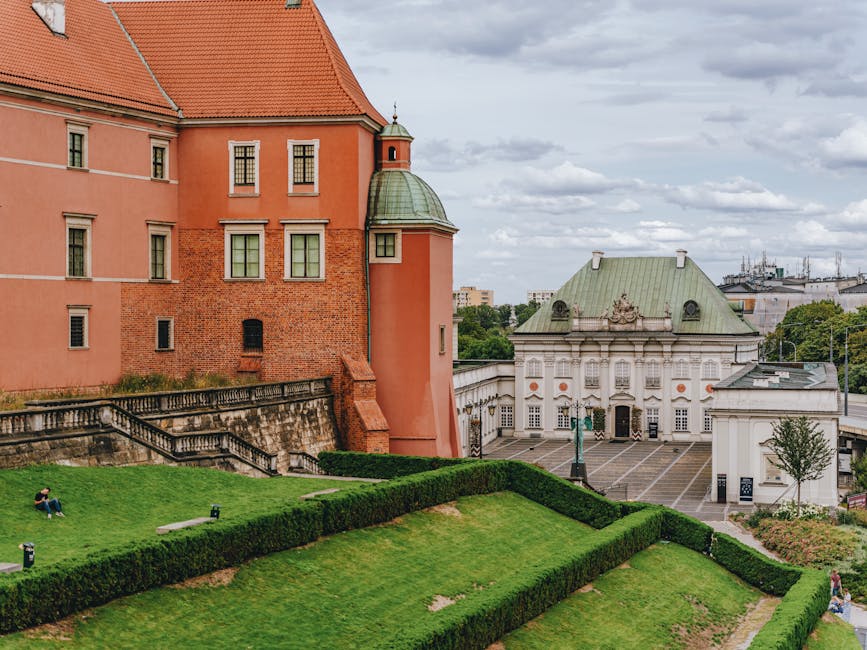 Moderate
Warsaw, Poland
Explore the resilient spirit of Warsaw's Muranów district on this self-guided walk through the history and landmarks of the former Jewish Ghetto.
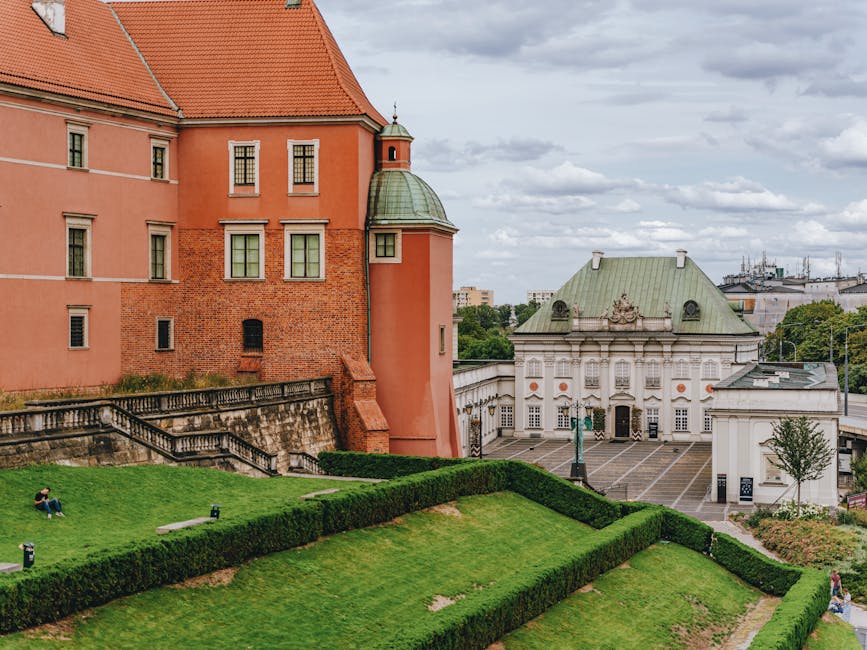 Moderate
Warsaw, Poland
A powerful self-guided walk through Warsaw's WWII history, tracking the 1944 Uprising from ruined skyscrapers to solemn memorials.
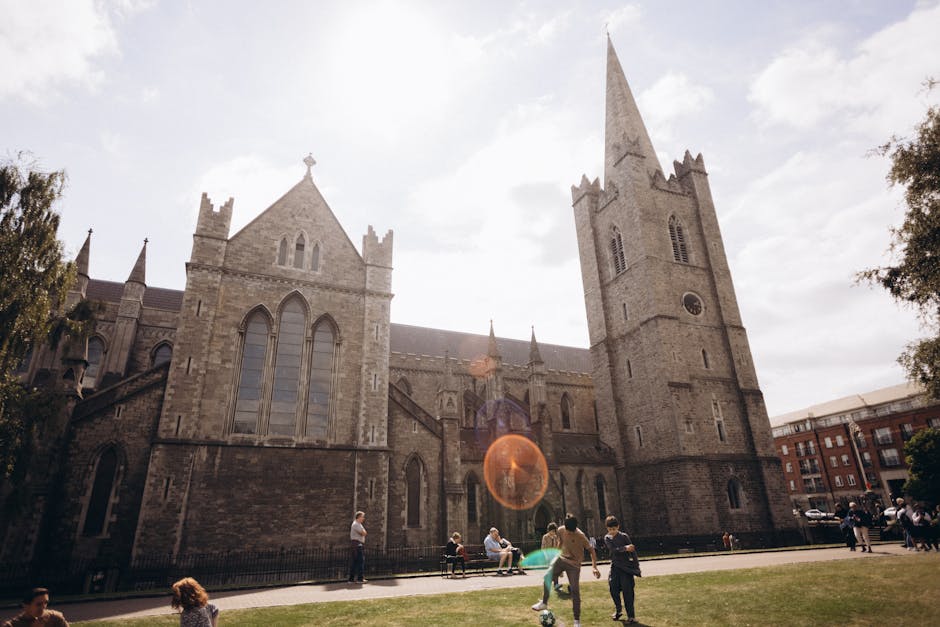 Easy
EasyDublin, Ireland
Explore Dublin's 'Silicon Docks' on this self-guided walk featuring futuristic bridges, famine history, and world-class modern architecture.
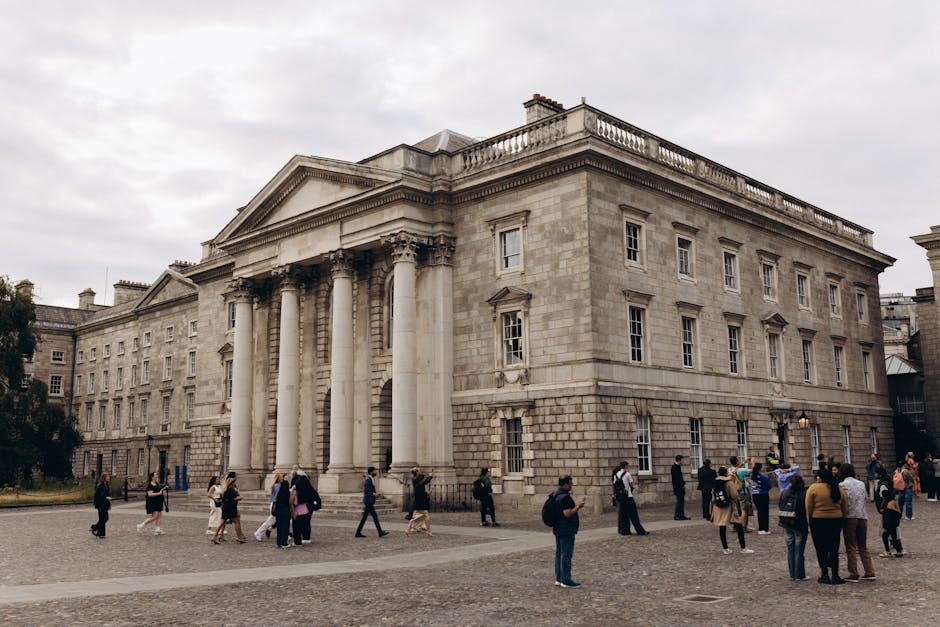 Moderate
Dublin, Ireland
Uncover Dublin’s macabre history on this self-guided walk featuring mummies, medieval rebels, and the city’s most infamous legends.
 Moderate
Dublin, Ireland
Discover Dublin's poetic waterways and modern docks on this self-guided walk through leafy canals and glass-fronted tech hubs.
 Easy
EasyDublin, Ireland
Explore Dublin's storied streets at your own pace on this self-guided literary walk, from Joyce’s statues to Wilde’s colorful memorial.