Self-guided audio tour in Barcelona
Start Free on iPhone
Start free on iPhone to unlock this self-guided walking tour in Barcelona. Hear all the stories that make it amazing, walk at your own pace, and begin whenever you want.
Your Private Tour Guide
Step away from the shadows of the Gothic Quarter and breathe in the salt air of Barceloneta. This neighborhood stroll takes you through the heart of Barcelona's maritime soul, a place where the history of seafaring families meets the modern glitz of the Mediterranean coast. Originally a triangular spit of land reclaimed from the sea, Barceloneta was built in the 18th century to house residents displaced by the construction of the Ciutadella fortress. Today, it remains a distinct community with its own unique character, characterized by narrow streets, laundry hanging from balconies, and some of the best seafood in the city. On this self-guided walk, you will explore the transition from industrial harbor to Olympic playground. The route begins at the Palau de Mar, a 19th-century warehouse that now houses the Museum of the History of Catalonia, offering a perfect introduction to the region's past. From there, you will dive into the interior grid of the neighborhood, visiting the central square and the bustling local market where the catch of the day is still the star of the show. As you move toward the water, the narration reveals the hidden history of Somorrostro beach, once a sprawling shantytown and the birthplace of legendary flamenco dancer Carmen Amaya. The journey concludes at the tip of the peninsula, where the historic 18th-century Clock Tower stands in the shadow of the ultra-modern W Barcelona hotel. This walking route Barcelona provides a sensory experience of the city's relationship with the sea, blending architectural landmarks with the everyday life of a working-class neighborhood that has successfully reinvented itself as a world-class destination. Whether you are interested in the grit of the old docks or the sleek lines of contemporary design, this explore-at-your-own-pace journey offers a comprehensive look at the evolution of the Barcelona waterfront.
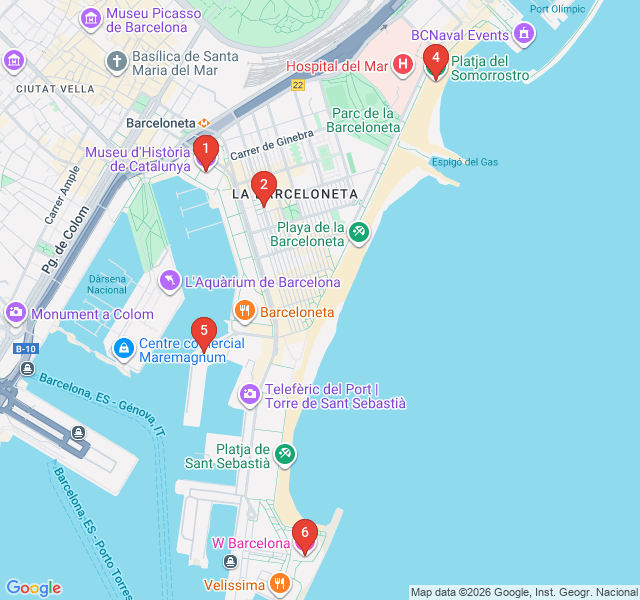
Numbers indicate the order of stops on the tour.
Start your self-guided adventure at the Palau de Mar, the only building of the old Port Vell that still stands today. This impressive red-brick structure was built in 1881 as a general warehouse, designed in the style of the great docks of London and Liverpool. Today, it houses the Museum of the History of Catalonia. Even if you don't go inside, take a moment to admire the industrial architecture that once defined this harbor. This spot marks the threshold between the ancient city and the sea. For centuries, this area was just sand and marshland until the port was developed to handle the city's growing trade. From here, look out over the yachts in the harbor, a stark contrast to the fishing boats that once dominated these waters.
Walk into the heart of the neighborhood to find its primary social hub, the Plaça de la Barceloneta. This square is dominated by the Church of Sant Miquel del Port, a beautiful Baroque building completed in 1755. Notice how the church feels somewhat small for a neighborhood of this size; this is because the original military regulations for Barceloneta forbade tall buildings so that the city's cannons could fire over the neighborhood if necessary. The square remains a local favorite for morning coffee and community gatherings. The grid-like street pattern you see around you was a revolutionary urban planning move in the 1700s, designed to house the thousands of people left homeless after the construction of the Ciutadella.
Continue your neighborhood stroll to the local market, the Mercat de la Barceloneta. This site has been a center for trade since the 1880s, though the current structure was renovated in 2007 with a striking, undulating roof that mimics the waves of the nearby sea. Inside, the market remains a bastion of local life. While many parts of Barcelona have become highly touristy, this market still serves the residents who have lived here for generations. You will find the freshest seafood in the city here, often brought directly from the fishing wharves just a few hundred meters away. The surrounding bars are famous for 'bombas'—a local potato and meat tapa that was reportedly invented right here in this neighborhood.
As you reach the coastline, you are standing on Somorrostro Beach. Today, it is a place for sunbathing and volleyball, but until the mid-1960s, it was home to one of Spain's largest shantytowns. Over 15,000 people lived here in makeshift huts directly on the sand, often in extreme poverty. This was the childhood home of Carmen Amaya, arguably the greatest flamenco dancer of all time, who learned to dance to the rhythm of the waves. The shanties were cleared away for the visit of Francisco Franco in 1966, and later, the entire area was transformed for the 1992 Olympics. It serves as a powerful reminder of how quickly the urban landscape of Barcelona has shifted in just a few decades.
Heading south along the pier, you will find the Torre del Rellotge, or the Clock Tower. This structure was originally built in 1772, not as a clock, but as the port's first lighthouse. It guided ships into the harbor for nearly a century until the port was expanded. In the mid-19th century, when the lighthouse was no longer needed for navigation, it was converted into a clock tower to help the local fishermen keep time. An interesting piece of trivia for science buffs: this tower was used as one of the key points for Pierre Méchain to measure the meridian arc between Dunkirk and Barcelona, which eventually led to the official definition of the meter.
The walking route concludes at the W Barcelona, known locally as the 'Hotel Vela' or Sail Hotel. Designed by the renowned architect Ricardo Bofill and completed in 2009, this 99-meter tall glass structure has become a modern icon of the Barcelona skyline. It sits on land reclaimed from the sea, marking the furthest point of the harbor's southern expansion. The hotel's design is meant to evoke a sail catching the wind, reflecting the city's enduring maritime identity in a contemporary way. From the base of the hotel, you have a panoramic view of the entire Barceloneta beach stretch and the Mediterranean horizon, making it the perfect spot to finish your exploration and perhaps enjoy a seaside drink.
Start Free on iPhone
Explore “Barceloneta: Sailors and Seafood” with your very own Private Tour Guide with Zigway. Start free on iPhone, skip the large group and the fixed routes, and hear the city come alive as you go.
Your Private Tour Guide
Don't miss the good stuff
Explore Freely
 Moderate
Barcelona, Spain
Explore the elegant 'village' of Sarrià, where Gothic monasteries and Gaudí's hidden gems meet charming local markets and narrow streets.
 Moderate
Barcelona, Spain
Discover the revolutionary history and haunting scars of the Spanish Civil War on this self-guided walk through Barcelona's historic streets.
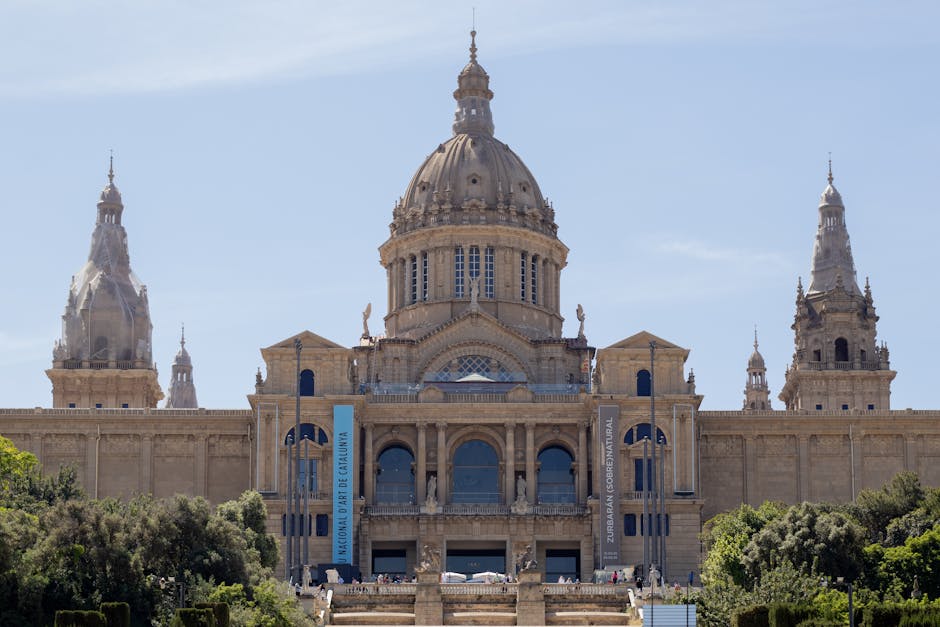 Easy
EasyBarcelona, Spain
Discover the architectural wonders of Barcelona's Golden Square on this self-guided stroll through Eixample's most luxurious Modernista streets.
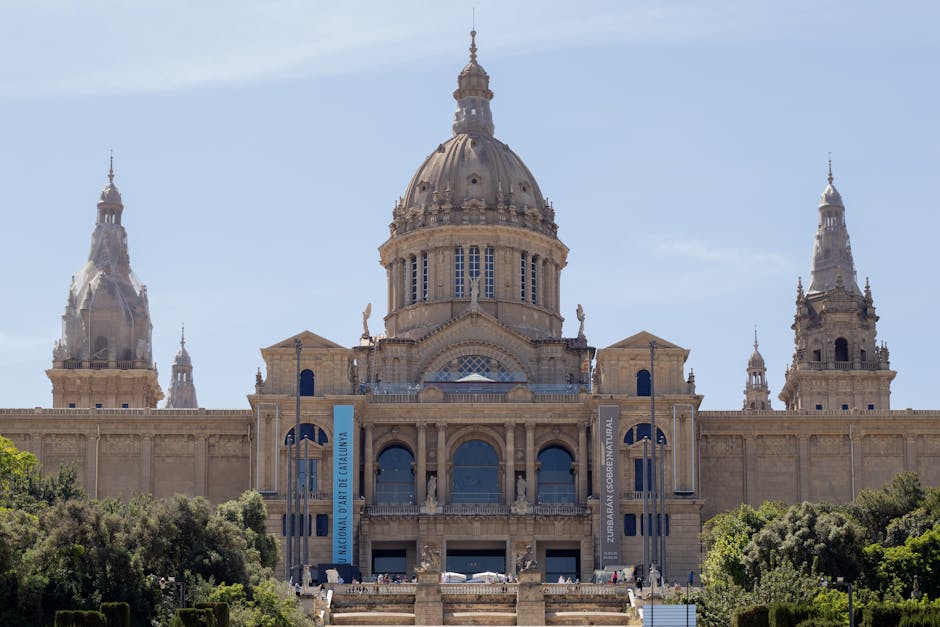 Challenging
Barcelona, Spain
Explore Montjuïc’s lush gardens, historic fortress, and iconic Olympic venues on this scenic self-guided walk with panoramic Mediterranean views.
 Easy
EasyGothenburg, Sweden
Discover Gothenburg’s 17th-century Dutch foundations, historic canals, and military fortifications on this self-guided architectural walk.
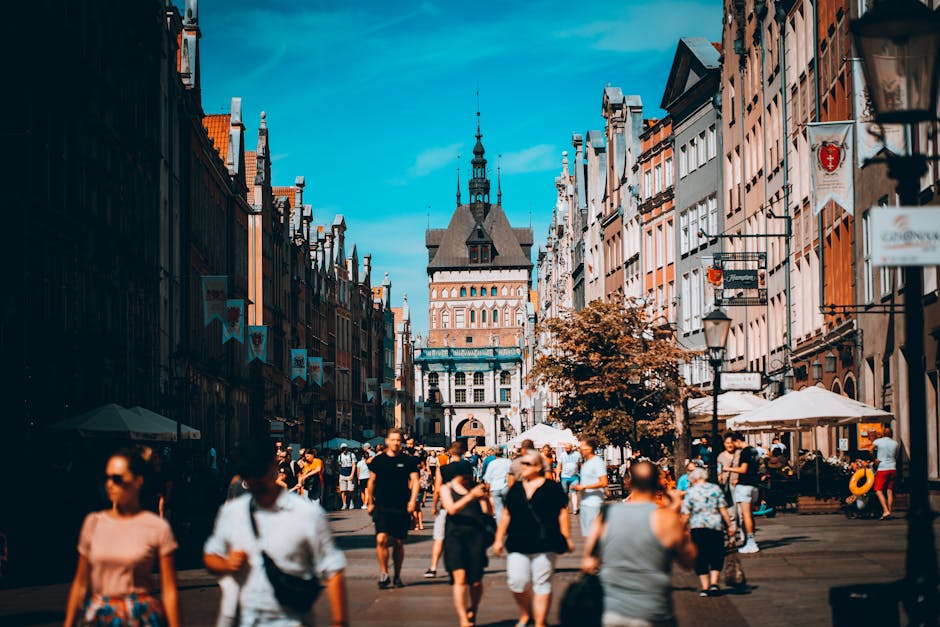 Easy
EasyGdansk, Poland
Taste the history of the Baltic. Explore Gdansk's culinary heritage from medieval markets to gold-flecked liqueurs on this self-guided walk.
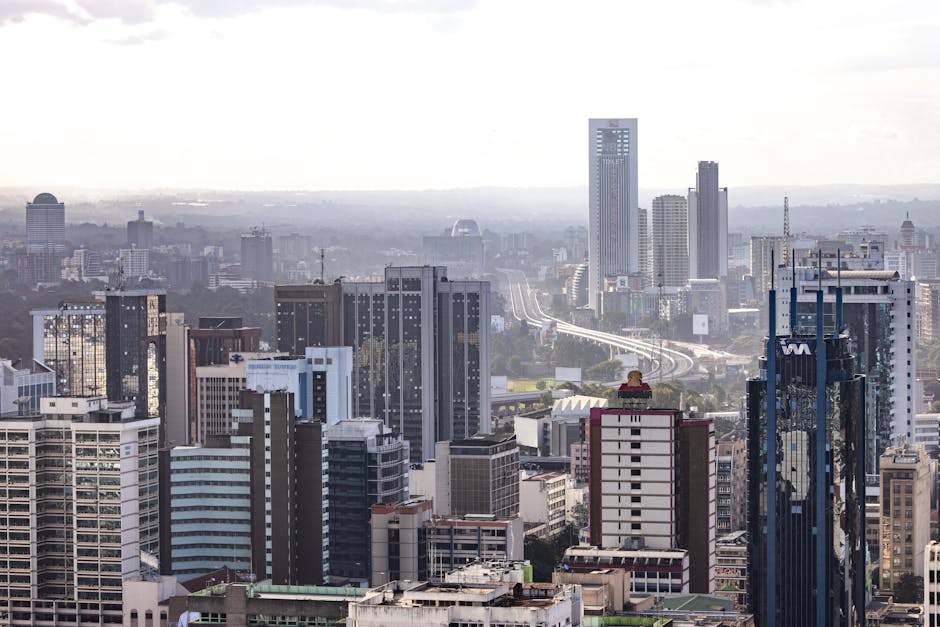 Easy
EasyNairobi, Kenya
Explore the history of Kenya’s independence through the statues, monuments, and parks that define Nairobi’s political heart on this self-guided walk.
 Easy
EasyInnsbruck, Austria
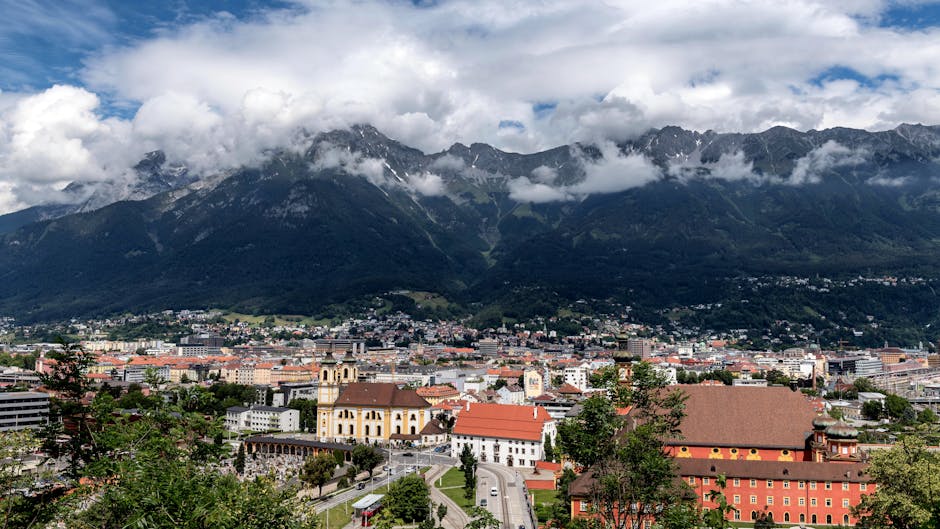
Uncover the myths and legends of Innsbruck on this self-guided walk through the historic Altstadt and beyond.
 Easy
EasyMadrid, Spain
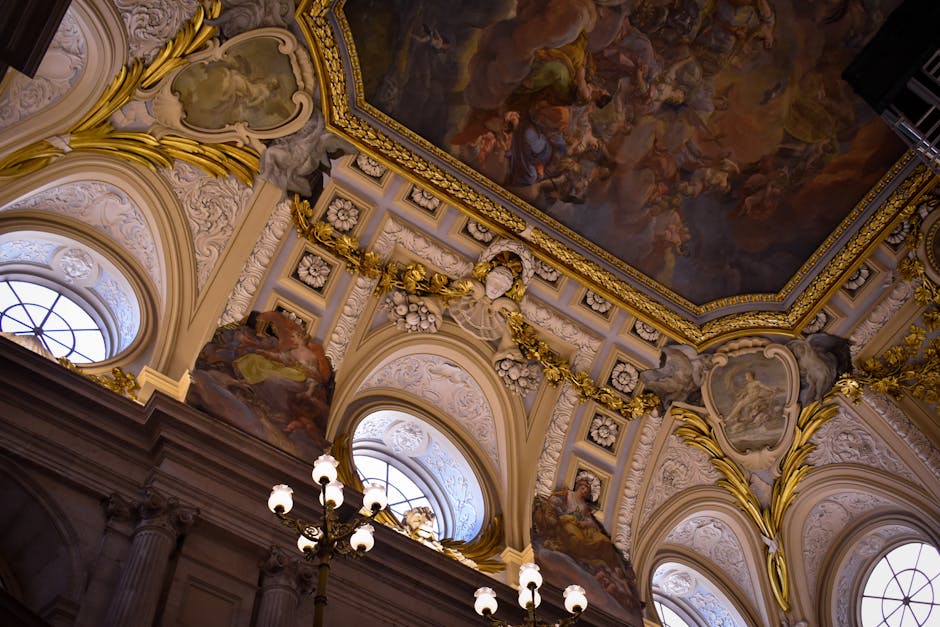
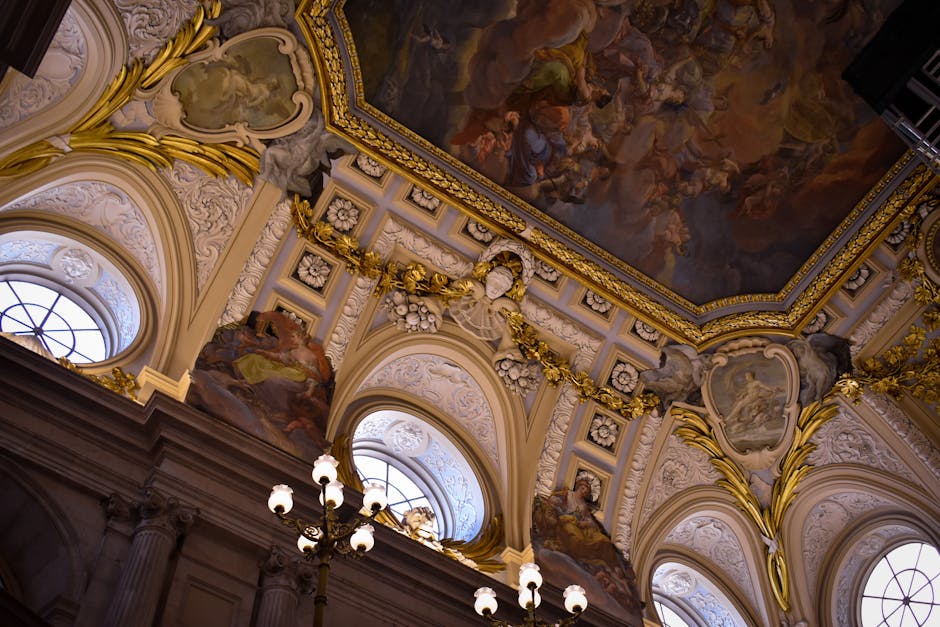
Explore Madrid's 'Landscape of Light' on this self-guided walk through the world-renowned Golden Triangle of Art, from Cibeles to the Reina Sofía.
 Moderate
Madrid, Spain
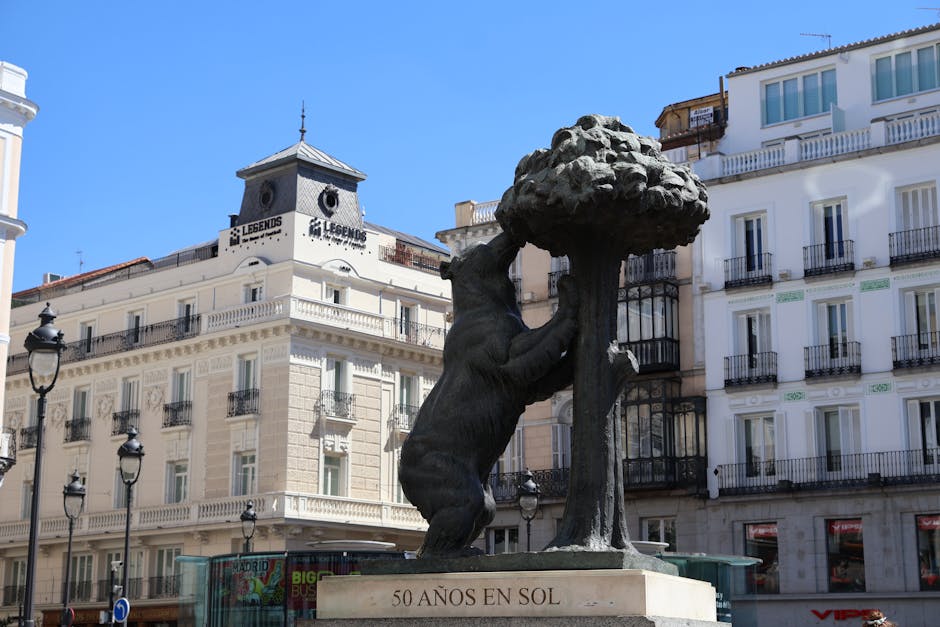
Explore Madrid's most diverse neighborhood on this self-guided walk through street art, historic markets, and multicultural squares.
 Easy
EasyMadrid, Spain
Explore the royal legacy and medieval alleys of Madrid's historic Habsburg district on this immersive self-guided walk through the city's heart.
 Easy
EasyMadrid, Spain
Discover the rebellious spirit of Malasaña on this self-guided walk through Madrid's best street art, historic squares, and counter-culture hubs.