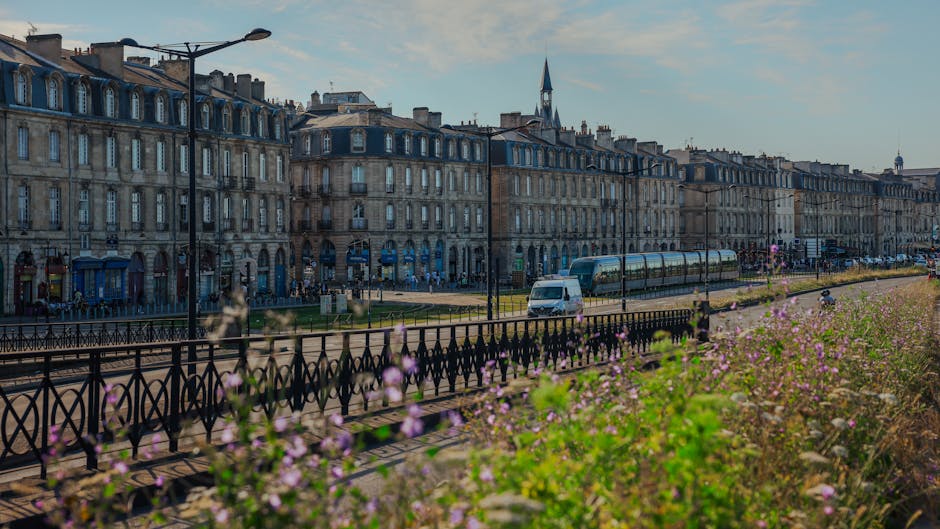
Self-guided audio tour in Bordeaux
Start Free on iPhone
Start free on iPhone to unlock this self-guided walking tour in Bordeaux. Hear all the stories that make it amazing, walk at your own pace, and begin whenever you want.
Your Private Tour Guide
Step back into one of the most transformative periods in French history with this self-guided walking route through Bordeaux. While today the city is celebrated for its world-class vineyards and 18th-century elegance, its streets still whisper stories of the dark days of the German Occupation and the heroic efforts of the French Resistance. This walking route invites you to explore the city's wartime identity, from the clandestine offices of resistance leaders to the imposing concrete structures built by the Third Reich. This is a journey through a city that served as the temporary capital of France three times, most critically in June 1940 as the country faced its darkest hour. On this neighborhood stroll, you will encounter landmarks that served as headquarters for both the occupiers and the liberators. You'll visit the Centre Jean Moulin, a dedicated space for Resistance history, and the Great Synagogue, a poignant reminder of the community’s struggle during the Vichy regime. The route also takes you past the opulent Grand Hotel, which once served as a hub for German command, and concludes at the monumental Base sous-marine. This massive U-boat base in the Bacalan district stands as a stark example of industrial wartime architecture. By following this walking tour Bordeaux, you gain a deeper understanding of how the 'Sleeping Beauty' of France woke up to resist and eventually reclaim its freedom. This self-guided walk is perfect for history enthusiasts and curious travelers who want to look beyond the limestone facades and discover the resilient spirit of the Bordelais people during World War II.
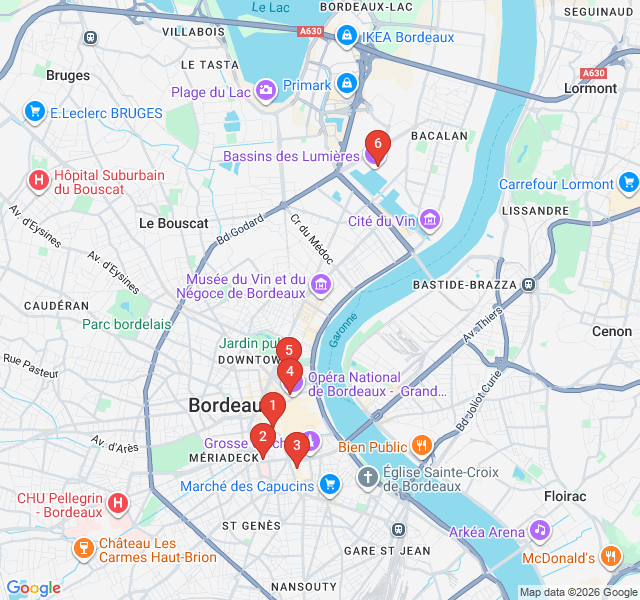
Numbers indicate the order of stops on the tour.
Begin your self-guided adventure at the Centre Jean Moulin, located in the former Caisse d'Épargne building. This museum and documentation center is named after the most famous leader of the French Resistance, who unified the various underground movements under General de Gaulle. Inside, the exhibits trace the timeline of the Occupation in the region, detailing the life of Resistance fighters, the clandestine press, and the eventual liberation of the city. It is a somber but vital introduction to the atmosphere of Bordeaux in the 1940s, highlighting the bravery of those who risked everything to fight from the shadows against the Nazi regime.
As you stand in the Place de la République, you are at a crossroads of Bordeaux's judicial and administrative history. During the war, this area was heavily patrolled. Nearby, the Palais de Justice witnessed the implementation of repressive laws under the Vichy government. This square serves as a space for reflection on the loss of civil liberties during the Occupation. It was here and in the surrounding government buildings that the difficult reality of collaboration and the struggle for administrative resistance played out daily. Take a moment to observe the architecture, which reflects the city's transition from a seat of regional power to a occupied zone.
The Great Synagogue of Bordeaux is one of the most beautiful in Europe, but its history during WWII is deeply tragic. In 1944, the building was desecrated and used by the occupiers as a detention center for the Jewish population before they were deported to camps like Drancy and eventually Auschwitz. Despite the horrors it witnessed, the structure survived the war—a rarity in occupied Europe. Today, it stands as a testament to the resilience of the Jewish community in Bordeaux. Look at its grand facade, which blends Sephardic and Byzantine styles, and remember the thousands who passed through these doors during the city's darkest days.
This opulent building, known as the Grand Hotel, presents a stark contrast between luxury and war history. During the Occupation, its strategic location in the heart of the city made it the ideal headquarters for the German Kommandantur. The high-ranking officers of the Third Reich walked these halls, overlooking the Place de la Comédie. It was a hub of military administration and social activity for the occupiers, standing just steps away from the Grand Théâtre. Seeing it today, it is hard to imagine the swastika flags once hanging here, but the building remains a silent witness to the city's period of forced hospitality.
The Monument aux Girondins, with its towering column and dramatic fountains, is a tribute to the Girondist deputies of the French Revolution. However, it has a significant WWII story: during the Occupation, the Germans intended to melt down the massive bronze statues for armaments. To save them, members of the local community and resistance sympathizers managed to hide several of the bronze pieces. They weren't fully restored to the monument until decades after the war. This site symbolizes the enduring French values of 'Liberté, Égalité, Fraternité' that the Resistance fought so hard to restore during the 1940s.
To reach this final stop, a short tram ride or bike ride north is recommended. The Base sous-marine is a colossal concrete bunker built by the Germans between 1941 and 1943 to house the 12th U-boat Flotilla. It was constructed using forced labor, including many Spanish Republicans. The sheer scale is staggering—eleven submarine pens protected by a roof nearly 9 meters thick to withstand aerial bombardment. Today, it has been converted into a unique cultural space known as the Bassins des Lumières, but the raw, indestructible concrete remains a haunting monument to the industrial scale of WWII warfare and the strategic importance of Bordeaux's port.
Start Free on iPhone
Explore “Echoes of the Resistance: Bordeaux in WWII” with your very own Private Tour Guide with Zigway. Start free on iPhone, skip the large group and the fixed routes, and hear the city come alive as you go.
Your Private Tour Guide
Don't miss the good stuff
Explore Freely
 Easy
EasyBordeaux, France
Explore the vibrant Saint-Michel district and the legendary Marché des Capucins on this self-guided food and culture walk through Bordeaux.
 Easy
EasyBordeaux, France
Discover the intellectual soul of Bordeaux on this self-guided walk through the haunts of legendary philosophers and writers.
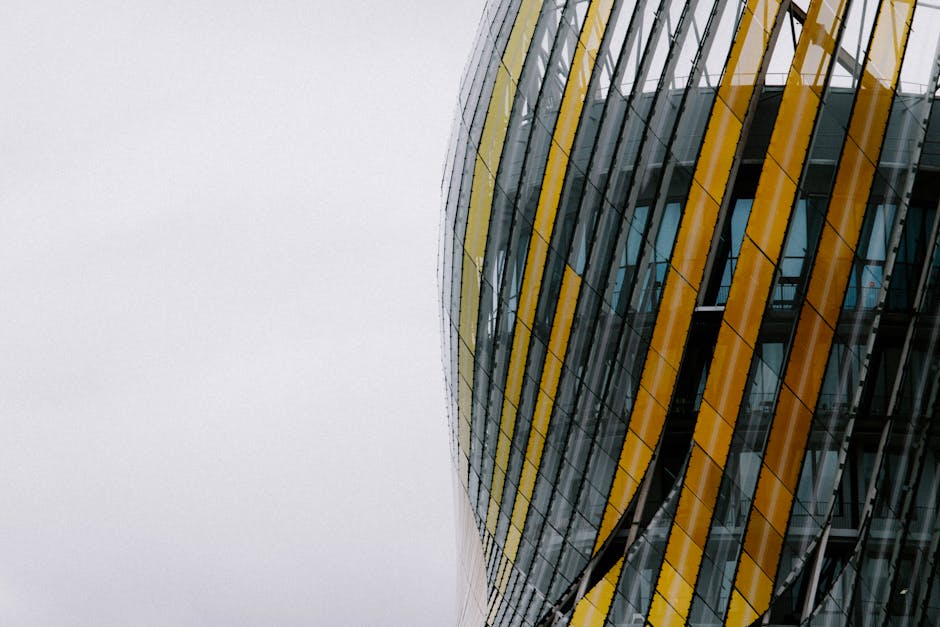 Moderate
Bordeaux, France
Explore the bold Brutalist architecture of Bordeaux's Mériadeck district on this self-guided walk through 1970s urban design and hanging gardens.
 Moderate
Bordeaux, France
Explore Bordeaux's creative edge on this self-guided walk from classic museums to the vibrant Darwin Ecosystem and industrial ruins.
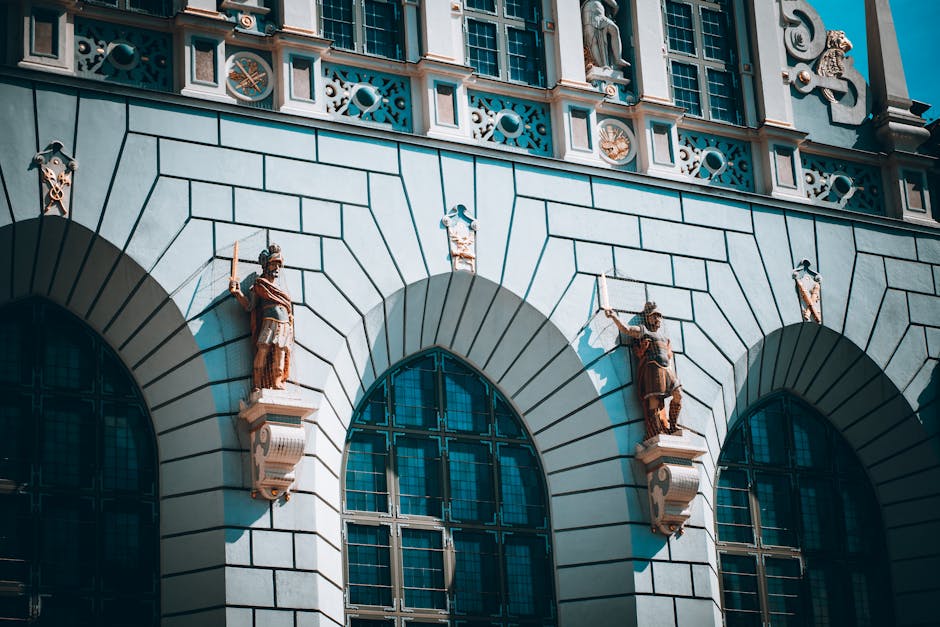 Moderate
Gdansk, Poland
Discover the origins of WWII in Gdansk on this self-guided walk through heroic last stands, massive museums, and strategic hilltop fortifications.
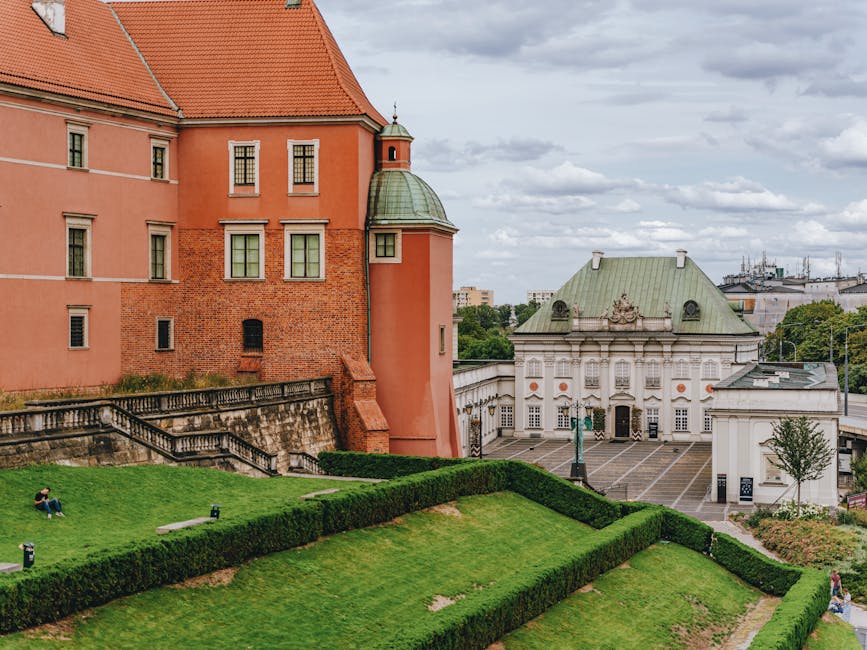 Moderate
Warsaw, Poland
A powerful self-guided walk through Warsaw's WWII history, tracking the 1944 Uprising from ruined skyscrapers to solemn memorials.
 Moderate
Warsaw, Poland
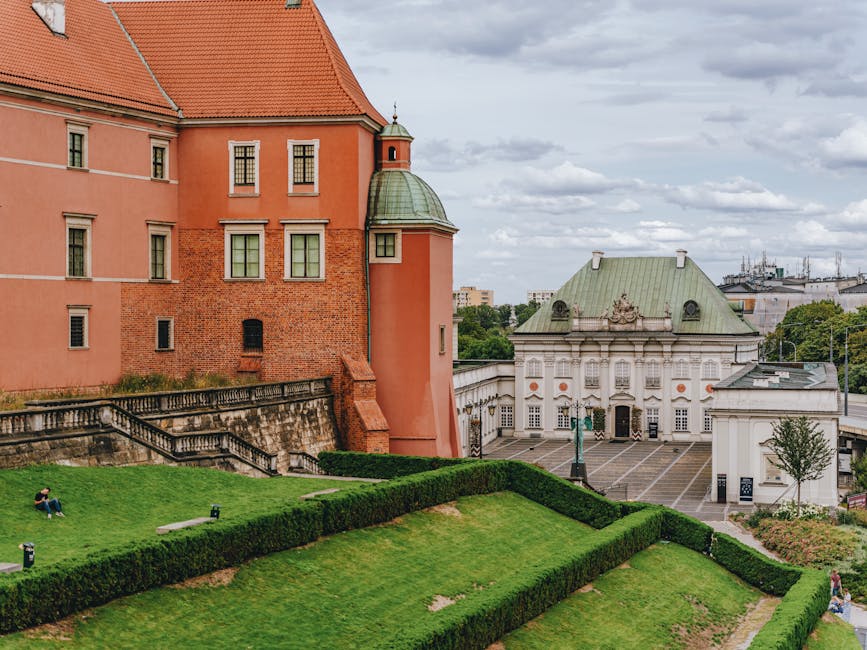
Explore the resilient spirit of Warsaw's Muranów district on this self-guided walk through the history and landmarks of the former Jewish Ghetto.
 Moderate
Vienna, Austria
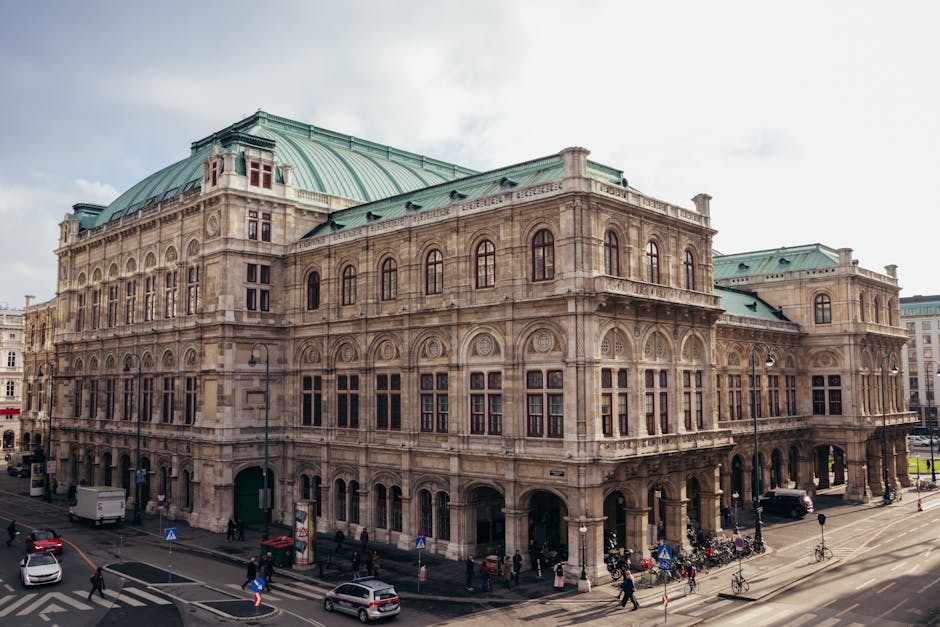
Follow the footsteps of Mozart and Strauss through Vienna’s historic center on this self-guided walk through the city's rich musical history.
 Challenging
Paris, France
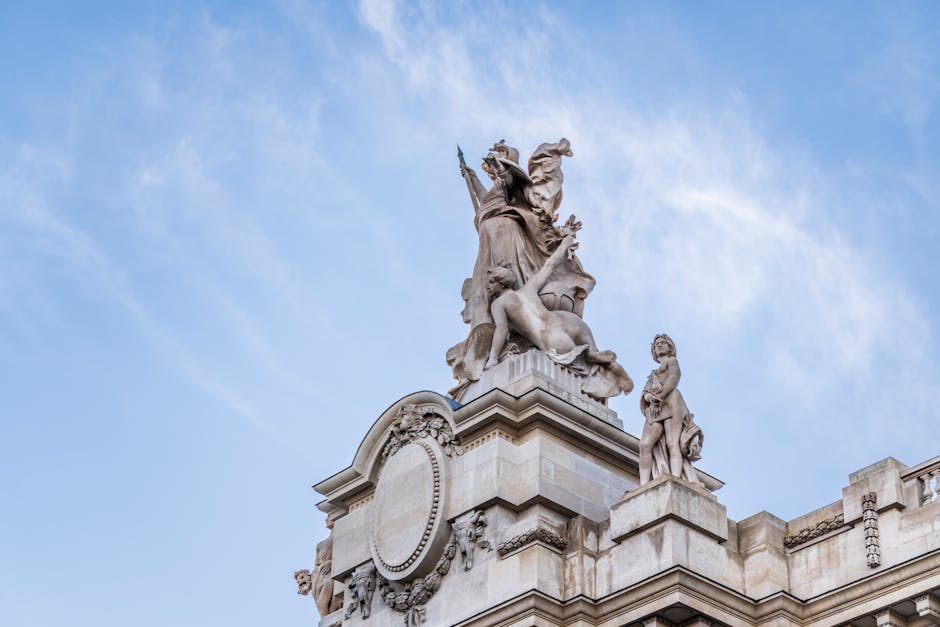
Explore the secret vineyards, legendary artist studios, and hidden squares of Paris's iconic hilltop on this self-guided bohemian walking route.
 Easy
EasyParis, France
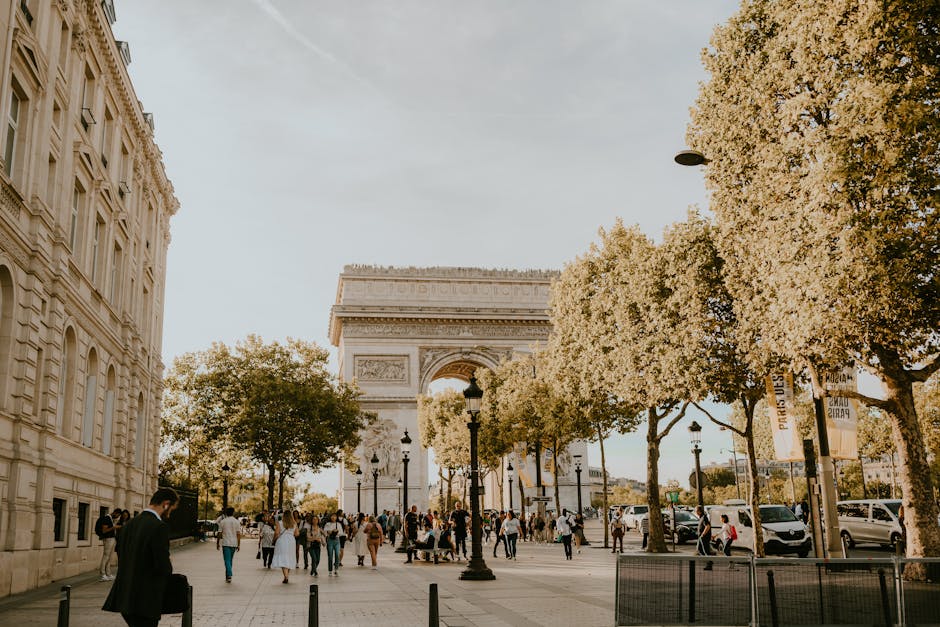
Explore the evolution of Parisian design from Art Nouveau whimsy to Le Corbusier's Modernist masterpieces on this self-guided architectural walk.
 Easy
EasyParis, France
Explore the flavors and history of Bastille on this self-guided walk through the legendary Aligre Market and the scenic Coulée Verte.
 Easy
EasyParis, France
Discover aristocratic mansions, secret medieval courtyards, and royal history on this self-guided walk through the enchanting Marais district.