Self-guided audio tour in Bordeaux
Start Free on iPhone
Start free on iPhone to unlock this self-guided walking tour in Bordeaux. Hear all the stories that make it amazing, walk at your own pace, and begin whenever you want.
Your Private Tour Guide
Step away from the limestone facades of the Golden Triangle and cross the Garonne to discover the rebellious, creative soul of Bordeaux. This self-guided walk invites you to explore the contrast between the city's prestigious classical history and its thriving underground culture. While the Left Bank is famed for its 18th-century elegance, the Right Bank—specifically the La Bastide neighborhood—is where industrial heritage meets contemporary street art and ecological innovation. This walking route bridges the gap between these two worlds, starting at the heart of the city's fine arts district before leading you across the historic Pont de Pierre to the unconventional Darwin Ecosystem. Along the way, you will encounter hidden gems like the blue lion of Place Stalingrad and the repurposed shipyards of the Garonne. The journey culminates in the Bacalan district, where massive industrial structures like the Base sous-marine have been transformed into ethereal art spaces. This is a journey for those who want to see Bordeaux beyond the postcards, uncovering a neighborhood stroll that highlights the city's constant evolution. Whether you are interested in the grit of urban street art or the sleek architecture of the Cité du Vin, this route offers a comprehensive look at how Bordeaux honors its past while fiercely embracing the future. It is a moderate walk that rewards curiosity, taking you through botanical gardens, past grand monuments, and into the heart of the city's modern art scene. By the time you reach the final stop at the submarine base, you will have experienced a walking tour Bordeaux is rarely credited for in traditional guides—one that is vibrant, edgy, and full of surprises. **Note:** This area is known for its ever-changing character. Street art, pop-up venues, and temporary exhibitions may differ from what's described. That's part of the adventure - you might discover something entirely new!
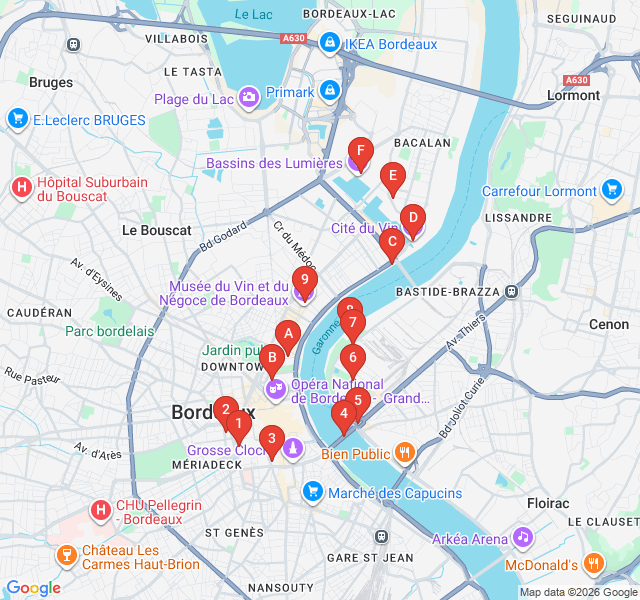
Numbers indicate the order of stops on the tour.
Begin your journey at the Musée des Beaux-Arts, one of the oldest public museums in France, established in 1801. Located within the wings of the Palais Rohan, which serves as the City Hall, this institution houses an impressive collection spanning from the Renaissance to the 20th century. As you stand here, notice the classical architecture that defines the Left Bank's prestige. This stop sets the 'traditional' baseline for our walk, showcasing works by masters like Rubens and Delacroix. It represents the established art world of Bordeaux before we head toward the more experimental and rebellious spaces on the other side of the river.
Just a short walk away, the Museum of Illusion offers a sharp contrast to the classical fine arts. This space is dedicated to the science of perception and the trickery of the mind. It reflects a more playful, modern side of Bordeaux's cultural scene. While the fine arts museum focuses on historical beauty, this stop emphasizes interaction and the shifting nature of reality. It serves as a perfect transition point, preparing your senses for the unconventional sights you will encounter as we leave the historic center and head toward the river.
To understand the 'rebel' spirit of the Right Bank, one must first understand the history of the region. The Musée d'Aquitaine traces the story of Bordeaux and its surroundings from prehistory to the present day. Of particular note is the section detailing Bordeaux's 18th-century wealth, which was built largely on maritime trade. This history of commerce and industry is what eventually shaped the landscapes of the neighborhoods we are about to visit. The museum provides the context for why the city looks the way it does today, from its grand port history to its colonial past.
You are now approaching the Pont de Pierre, the first bridge ever built to connect the two banks of the Garonne. Commissioned by Napoleon I, it consists of 17 arches—matching the number of letters in Napoleon Bonaparte's name. Until 1822, the only way to cross the river was by boat. Crossing this bridge is a symbolic act on this walking route; you are literally leaving the 'Old World' of the Left Bank and entering the formerly industrial 'New World' of the Right Bank. Take a moment to enjoy the view of the Port of the Moon behind you.
Welcome to Place Stalingrad, the gateway to the La Bastide neighborhood. The most striking feature here is 'Le Lion de Veilhan,' a massive, light-blue lion statue. Created by artist Xavier Veilhan, this contemporary sculpture was initially controversial but has become a beloved symbol of the Right Bank's rejuvenation. It stands as a guardian of the neighborhood, representing the bold, modern identity of this side of the river. The lion's vibrant color and geometric shape signal that you have officially entered a space where traditional rules of aesthetics are often challenged.
The Jardin Botanique on the Right Bank is a masterpiece of modern landscape architecture. Unlike the traditional public gardens in the city center, this space is designed to showcase the diverse ecosystems of the Aquitaine basin. It features experimental fields, a giant water lily pond, and a greenhouse. The garden reflects the neighborhood's commitment to sustainability and environmental education. It is a peaceful, green transition between the bustling riverfront and the industrial zones further north, highlighting the 'green' rebellion against urban sprawl.
Darwin is the beating heart of Bordeaux's alternative scene. This former military barracks, the Caserne Niel, has been transformed into a hub for social innovation, organic businesses, and street art. Note that the murals and installations here change frequently, as Darwin is a living canvas for urban artists. It houses a skate park, a massive organic grocery store, and various co-working spaces. Darwin represents a 'rebellion' against traditional consumerism, focusing instead on circular economies and creative freedom. Spend some time wandering through the central courtyard to soak in the vibrant, gritty atmosphere.
Located right on the riverbank, Les Chantiers de la Garonne is housed in a former shipyard. This spot perfectly encapsulates the industrial heritage of the Right Bank. Today, it is a popular local hangout where you can find a brewery and a sandy 'beach' area. It maintains its raw, maritime character, reminding visitors of the days when this area was filled with the sounds of shipbuilding. It is an excellent example of how Bordeaux repurposes its industrial ruins into community-focused spaces without losing their historical soul.
We now cross back toward the Chartrons district, the historic home of the wine merchants. This museum is located in the cellar of a former merchant's house built in 1720. While the Cité du Vin is about the global culture of wine, this museum focuses on the specific history of the 'négoce'—the trade and aging of wine in Bordeaux. It tells the story of the families and workers who made Bordeaux the wine capital of the world, often working in these very vaulted cellars. It bridges the gap between the city's commercial past and its liquid legacy.
The CAPC is housed in the Entrepôt Lainé, a former warehouse for colonial goods like coffee and sugar. The building itself is a monumental piece of industrial architecture, with vast stone arches that now house cutting-edge contemporary art. The museum was a pioneer in using industrial spaces for art in France. The exhibitions here are often provocative and large-scale, utilizing the immense volume of the warehouse. It reflects the city's ability to turn a dark chapter of its commercial history into a space for modern creative expression.
Located at the Place des Quinconces, one of Europe's largest city squares, this monument is a tribute to the Girondists, a political group during the French Revolution. The fountain is famous for its dramatic bronze statues of horses and allegorical figures. It represents the revolutionary spirit of Bordeaux. During WWII, the statues were removed by the Nazis to be melted down but were hidden and later restored. It stands as a symbol of resistance and the enduring power of freedom, themes that resonate with the 'rebel' spirit of our walk.
As we head north toward the Bacalan district, we find Cap Sciences at the foot of the Jacques Chaban-Delmas Bridge. This science center is located in a sleek, modern building on the quays. It focuses on making scientific and technical culture accessible to everyone. Its location in the formerly gritty Bacalan area marks the neighborhood's transition into a hub for knowledge and innovation. From the balcony, you get a fantastic view of the lift bridge, a feat of modern engineering that allows large cruise ships to enter the Port of the Moon.
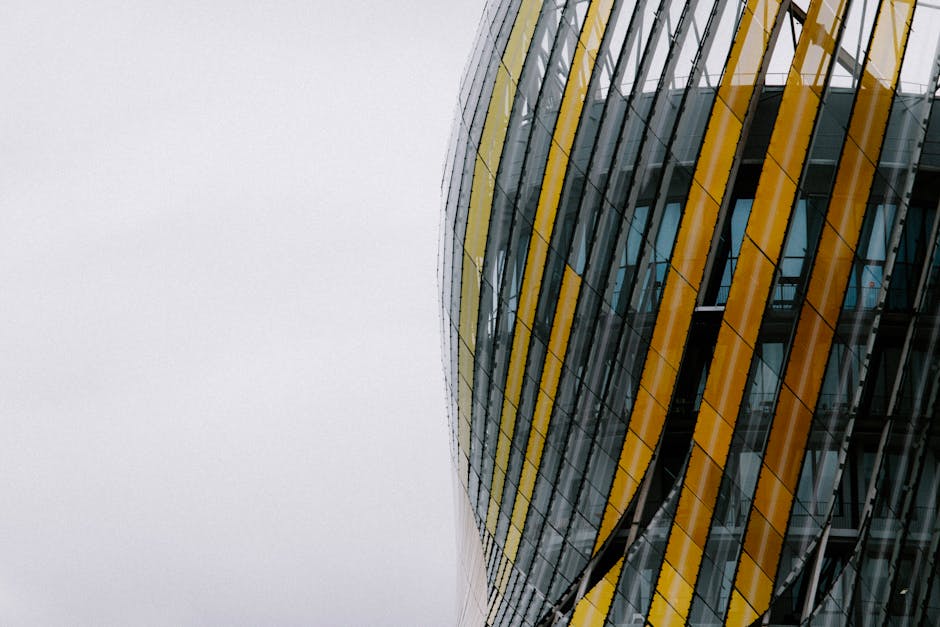
The Cité du Vin is an architectural marvel designed to resemble the swirl of wine in a glass or the movement of the Garonne. This is not a traditional museum but an immersive cultural center dedicated to the universal heritage of wine. Since opening in 2016, it has become the icon of 'Modern Bordeaux.' Its presence has completely transformed the surrounding Bacalan district, turning an old industrial dockland into a world-class destination. The building's shimmering gold and silver panels reflect the light of the river, signaling the city's high-tech future.
Bordeaux's history is inseparable from the sea. The Musée Mer Marine, located near the historic wet docks, explores the relationship between humans and the ocean. The collection includes everything from ancient ship models to modern marine art. The museum is part of the massive redevelopment of the Bassins à Flot (the floating docks), an area that was once the industrial heart of the city's port. It honors the sailors and shipbuilders who defined Bordeaux's global reach for centuries.
Our journey ends at the Base sous-marine, a colossal concrete bunker built by the Germans during WWII to house U-boats. This 'rebel' of a building is indestructible, so the city transformed it into a unique cultural space. Today, its massive cells host 'Les Bassins des Lumières,' the world's largest digital art center. The juxtaposition of the brutalist, scarred concrete and the delicate digital projections of light and music is breathtaking. It is the ultimate example of Bordeaux's ability to reclaim its most difficult spaces and turn them into something extraordinary.
Start Free on iPhone
Explore “Darwin Ecosystem and Right Bank Rebels” with your very own Private Tour Guide with Zigway. Start free on iPhone, skip the large group and the fixed routes, and hear the city come alive as you go.
Your Private Tour Guide
Don't miss the good stuff
Explore Freely
 Easy
EasyBordeaux, France
Explore the vibrant Saint-Michel district and the legendary Marché des Capucins on this self-guided food and culture walk through Bordeaux.
 Easy
EasyBordeaux, France
Discover the intellectual soul of Bordeaux on this self-guided walk through the haunts of legendary philosophers and writers.
 Moderate
Bordeaux, France
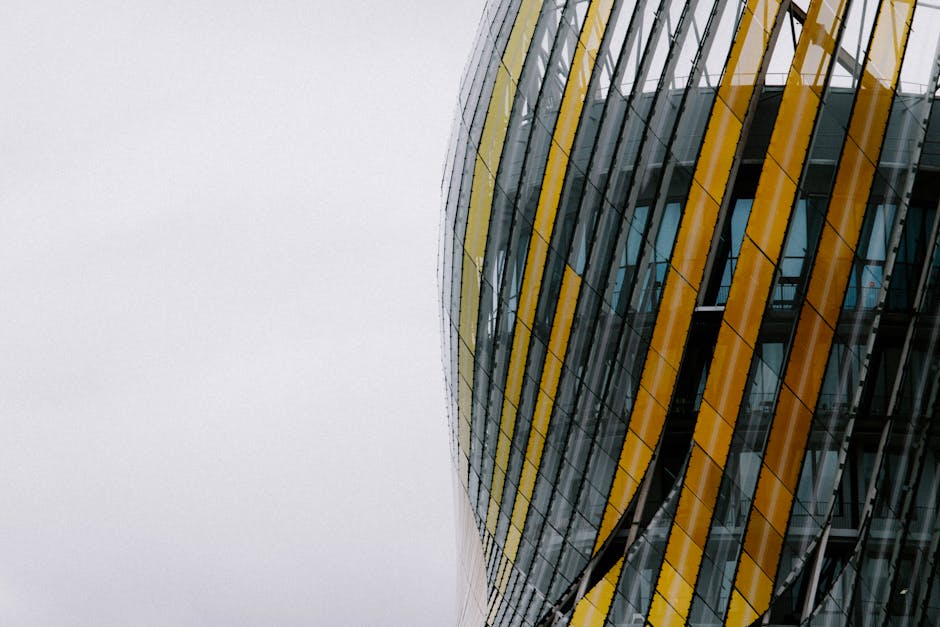
Explore the bold Brutalist architecture of Bordeaux's Mériadeck district on this self-guided walk through 1970s urban design and hanging gardens.
 Easy
EasyBordeaux, France
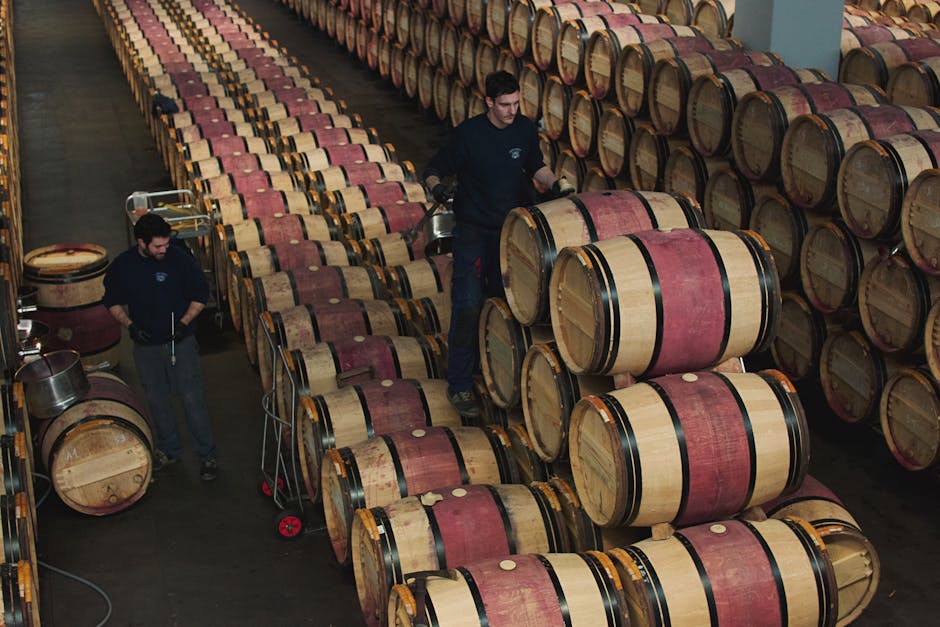
Explore the bohemian heart of Bordeaux on this self-guided walk through Saint-Michel’s markets, antique shops, and historic churches.
 Moderate
Gdansk, Poland
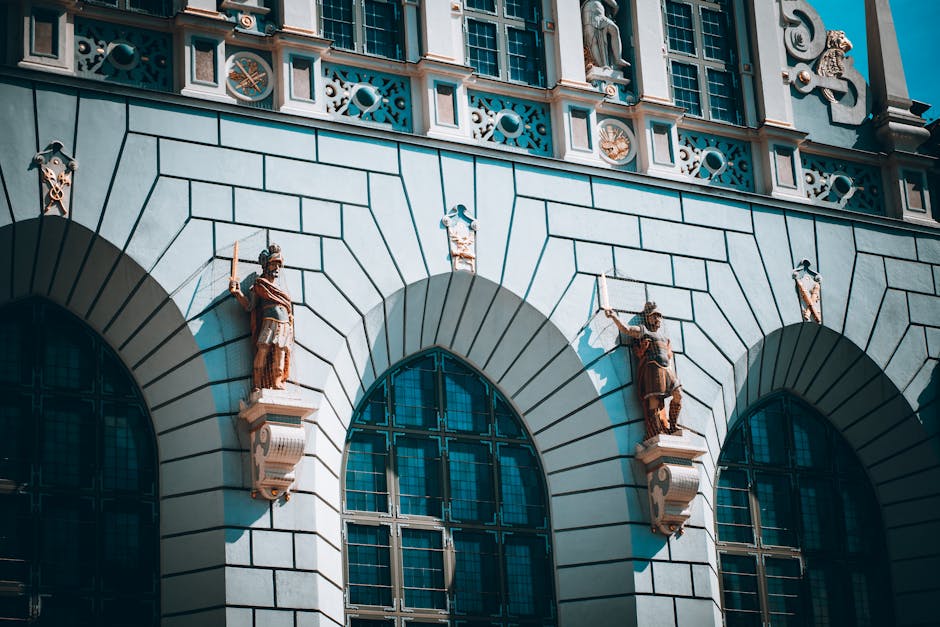
Discover Zaspa, a massive open-air gallery where grey housing blocks are transformed by over 60 monumental murals. Explore at your own pace.
 Moderate
Nairobi, Kenya
Discover the creative soul of Nairobi on this self-guided walk through the city's premier art galleries, markets, and artisan workshops.
 Easy
EasyKrakow, Poland
Discover Krakow’s creative soul in Zabłocie, exploring industrial heritage, contemporary art museums, and avant-garde architecture at your own pace.
 Easy
EasyKrakow, Poland
Explore Krakow’s artistic evolution from Renaissance masterpieces to vibrant urban murals on this inspiring self-guided walk through the city.
 Challenging
Paris, France
Explore the secret vineyards, legendary artist studios, and hidden squares of Paris's iconic hilltop on this self-guided bohemian walking route.
 Easy
EasyParis, France
Explore the evolution of Parisian design from Art Nouveau whimsy to Le Corbusier's Modernist masterpieces on this self-guided architectural walk.
 Easy
EasyParis, France
Explore the flavors and history of Bastille on this self-guided walk through the legendary Aligre Market and the scenic Coulée Verte.
 Easy
EasyParis, France
Discover aristocratic mansions, secret medieval courtyards, and royal history on this self-guided walk through the enchanting Marais district.