Self-guided audio tour in Johannesburg
Start Free on iPhone
Start free on iPhone to unlock this self-guided walking tour in Johannesburg. Hear all the stories that make it amazing, walk at your own pace, and begin whenever you want.
Your Private Tour Guide
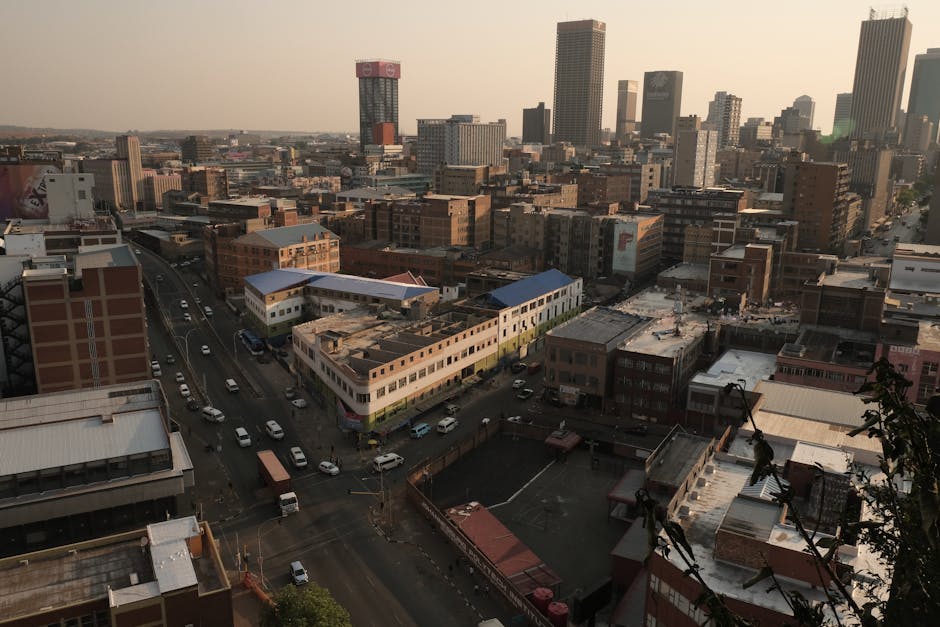
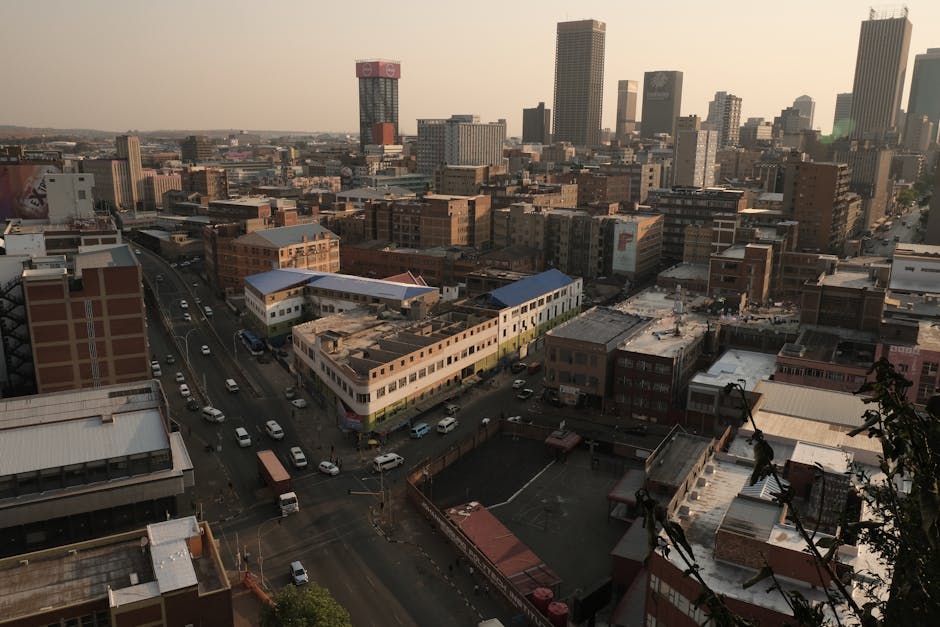
Step into the heart of the 'City of Gold' with this self-guided walk through Marshalltown, Johannesburg’s historic Mining District. This neighborhood stroll reveals the layers of a city built on the world’s richest gold reef, where towering corporate headquarters stand alongside poignant symbols of the struggle for freedom. As you explore independently, you will witness the transformation of a 19th-century mining camp into a sophisticated financial hub. The route begins at Gandhi Square, a bustling urban center named after the man who once practiced law nearby long before his days as a global icon of peace. From there, your walking route takes you down the pedestrianized Main Street, an open-air museum dedicated to the industrial heritage of South Africa. You will encounter massive mining machinery, a scale map of the Witwatersrand gold reef, and the stunning architecture of the former Anglo American Head Office. This area is a masterclass in early 20th-century design, featuring Art Deco and Beaux-Arts influences that reflect the immense wealth of the Randlords. This walking tour Johannesburg highlights the intersection of commerce and culture. One of the most striking sights is the Impala Stampede, a dynamic bronze sculpture that captures the wild spirit of the highveld. The journey concludes at Chancellor House, where Nelson Mandela and Oliver Tambo established the country’s first Black-owned law firm. This self-guided adventure offers a profound look at how Johannesburg’s identity is inextricably linked to both the minerals beneath its soil and the resilience of its people. Whether you are interested in the evolution of corporate power or the history of the anti-apartheid movement, this neighborhood stroll provides a comprehensive overview of the forces that shaped modern South Africa. Discover the city at your own pace while admiring the preservation of heritage in one of the continent's most significant commercial districts.
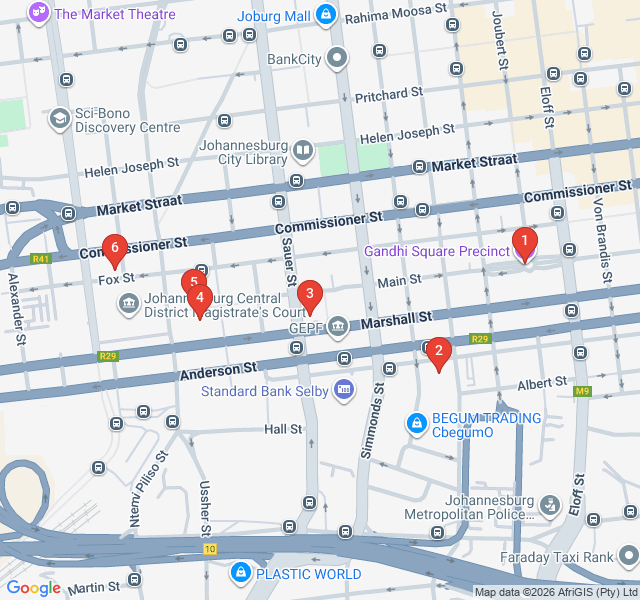
Numbers indicate the order of stops on the tour.
Welcome to Gandhi Square, the vibrant heart of the city's commercial core. This precinct was once the site of the city’s first courthouse, where Mahatma Gandhi practiced law between 1903 and 1914. Notice the bronze statue of Gandhi in his legal robes, a reminder of his formative years in South Africa. The square underwent a massive revitalization in the early 2000s, turning a derelict bus terminus into a safe, bustling urban hub. Today, it is a primary transit point for the city, surrounded by cafes and corporate offices, showcasing the successful urban renewal of downtown Johannesburg.
As you walk toward the corner of Simmonds and Frederick Streets, you'll find the Standard Bank Gallery. This is not just a corporate building but one of the city's premier art spaces. Built in a striking Brutalist style, the gallery hosts world-class rotating exhibitions ranging from traditional African art to contemporary global masterpieces. The presence of such a significant cultural institution in the middle of the financial district underscores the historical role of mining houses in patronizing the arts. It serves as a quiet, contemplative space amidst the high-stakes energy of the banking sector.
Step onto the Main Street pedestrian mall, which serves as an open-air museum. Here, the history of the Witwatersrand Gold Rush is tangible. Look for the massive 'headgear'—the steel structures used to lower miners into the shafts—and the stamp mills used to crush gold-bearing rock. Embedded in the pavement, you will find a scale map of the reef, showing the vast underground network that fueled the world's economy for decades. This street is a tribute to the thousands of laborers whose work built the foundations of this metropolis, and the machinery here is all authentic hardware salvaged from old mines.
Behold 44 Main Street, the former headquarters of Anglo American. Designed in the 1930s, this building is a masterpiece of corporate architecture. It was commissioned by Sir Ernest Oppenheimer and reflects the prestige of the mining conglomerate that dominated the South African economy. The building combines Beaux-Arts classicism with subtle Art Deco flourishes. If the doors are open, peek at the lobby's exquisite craftsmanship. This address was the nerve center of the global diamond and gold trade for much of the 20th century, symbolizing the immense wealth generated from the earth just miles from this spot.
Outside the Anglo American building, you cannot miss the Impala Stampede. This magnificent bronze sculpture features 17 life-sized impalas leaping across a fountain. Created by David Williams-Ellis and gifted to the city by Harry Oppenheimer, it represents the grace and energy of South Africa's wildlife. The statue is a favorite for photographers, capturing a sense of movement that contrasts with the solid, immovable stone of the surrounding skyscrapers. It serves as a reminder of the natural highveld landscape that existed here before the discovery of gold changed the terrain forever.
The final stop is Chancellor House, a modest three-story building with immense historical weight. In the 1950s, Nelson Mandela and Oliver Tambo opened their law firm here, providing legal aid to Black South Africans suffering under apartheid laws. While the interior is not always open, the windows have been converted into a permanent museum display, chronicling the firm's history and the struggle for human rights. Across the street, look for the 'Shadow Boxer' statue, which depicts a young Mandela in his boxing gear, symbolizing the fight for justice. This site marks where the legal battle against oppression was championed.
Start Free on iPhone
Explore “Mining District Gold Trail” with your very own Private Tour Guide with Zigway. Start free on iPhone, skip the large group and the fixed routes, and hear the city come alive as you go.
Your Private Tour Guide
Don't miss the good stuff
Explore Freely
 Easy
EasyJohannesburg, South Africa
Explore Johannesburg's cultural soul on this self-guided walk through Newtown’s historic theaters, jazz venues, and powerful migrant labor museums.
 Moderate
Johannesburg, South Africa
Explore the creative soul of Johannesburg on this self-guided walk through Melville’s iconic bookstores, cafes, and ancient ridges.
 Easy
EasyJohannesburg, South Africa
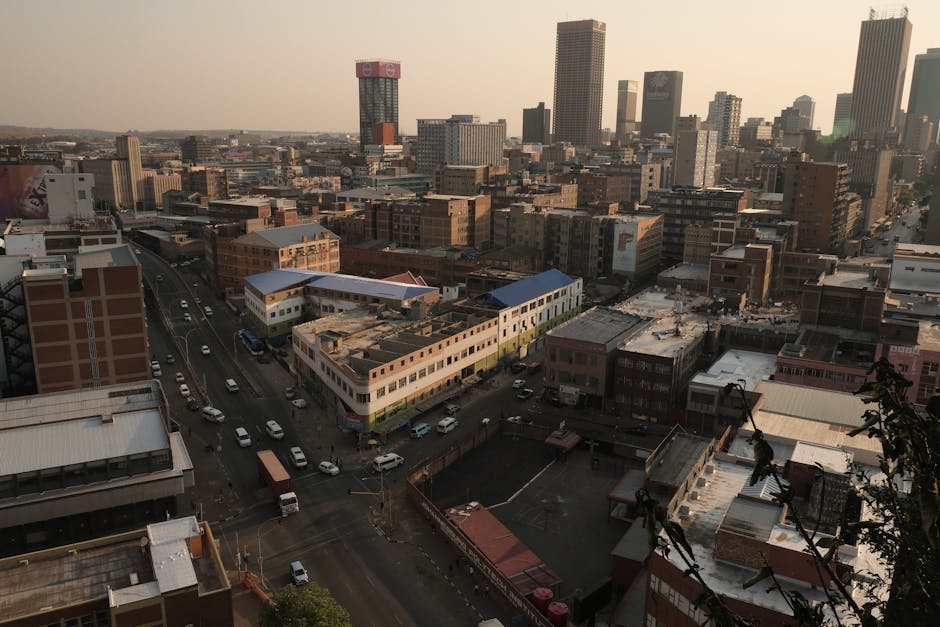
A sensory self-guided walk through Johannesburg's Indian district, featuring aromatic spices, legendary street food, and rich anti-apartheid history.
 Challenging
Johannesburg, South Africa
Explore the opulent Victorian and Edwardian mansions of the Randlords on this historic self-guided walk through Johannesburg's Parktown.
 Easy
EasyNairobi, Kenya
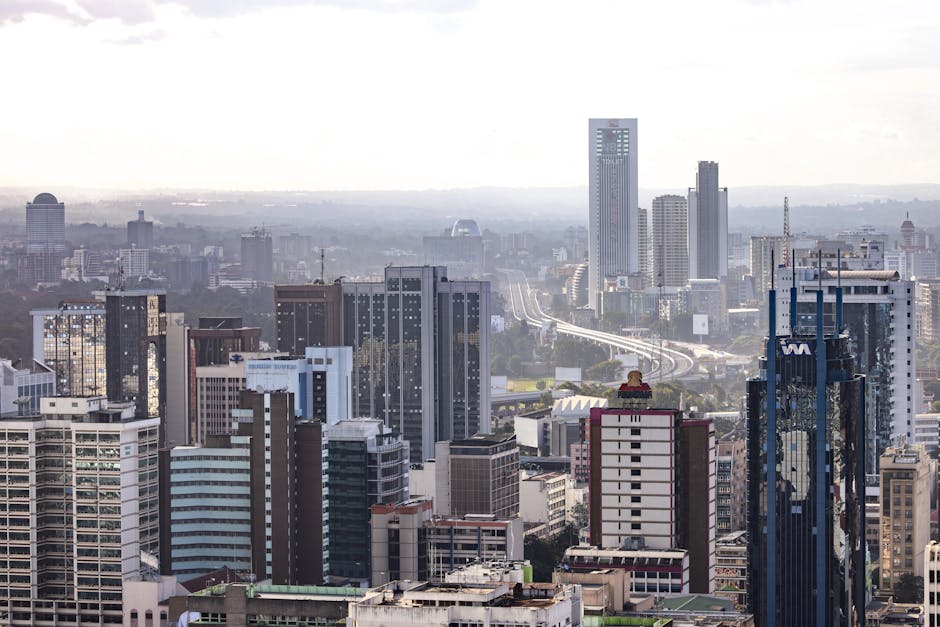
Explore Nairobi's architectural evolution from colonial-era landmarks to iconic Brutalist skyscrapers on this historic self-guided walking route.
 Easy
EasyNairobi, Kenya
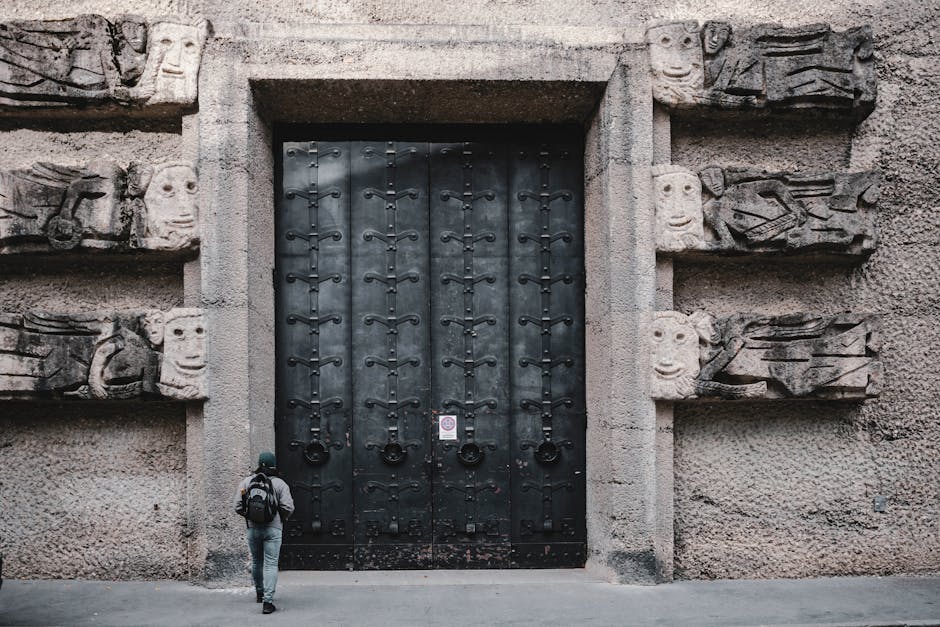
Discover Nairobi's iconic skyline on this self-guided architecture walk through the CBD’s most famous modernist and Brutalist landmarks.
 Easy
EasySalzburg, Austria
Discover the 'Rome of the North' on this self-guided walk through the Baroque squares and monumental legacy of Salzburg’s Prince-Archbishops.
 Easy
EasyGothenburg, Sweden
Discover Gothenburg’s 17th-century Dutch foundations, historic canals, and military fortifications on this self-guided architectural walk.
 Moderate
Cape Town, South Africa
Explore the vibrant murals and creative hubs of Woodstock on this self-guided neighborhood stroll through Cape Town's artistic heart.
 Easy
EasyCape Town, South Africa
Explore the evolution of Cape Town’s harbor from its 18th-century roots to a modern cultural hub on this self-guided maritime history walk.
 Easy
EasyCape Town, South Africa
Discover the heritage of Cape Town on this self-guided audio walk through the historic Company’s Garden and its surrounding landmarks.
 Easy
EasyCape Town, South Africa
Explore Cape Town's bohemian heart and scientific heritage on this self-guided walk through the eclectic and historic Observatory neighborhood.