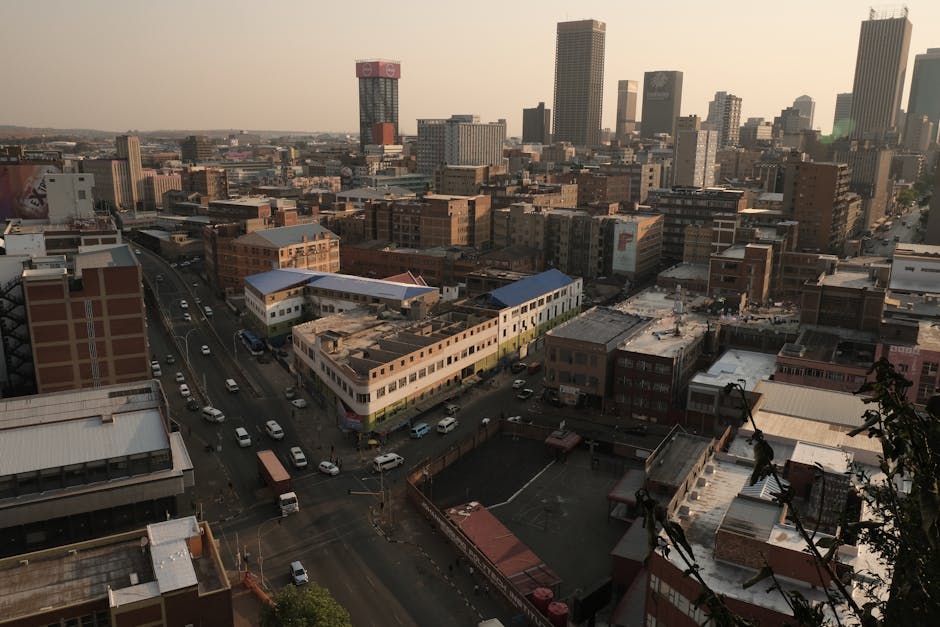
Self-guided audio tour in Johannesburg
Start Free on iPhone
Start free on iPhone to unlock this self-guided walking tour in Johannesburg. Hear all the stories that make it amazing, walk at your own pace, and begin whenever you want.
Your Private Tour Guide
Step back into the Gilded Age of Johannesburg with a self-guided walk through the leafy, undulating streets of Parktown. This neighborhood was once the exclusive enclave of the 'Randlords'—the wealthy mining magnates who shaped the city's early destiny. As you traverse this walking route, you will encounter a stunning collection of Victorian and Edwardian mansions that survived the rapid modernization of the city. These homes were designed by legendary architects like Sir Herbert Baker, showcasing a transition from the ornate frills of the late Victorian era to the more grounded Arts and Crafts movement. This architectural journey provides a window into the lives of figures like Sir Thomas Cullinan and the eccentric Dale Laces, whose legacies are etched into the stone and red brick of these estates. Beyond the buildings themselves, the route offers breathtaking vistas from the Parktown Ridge, looking out over the northern suburbs. Exploring this area independently allows you to appreciate the intricate details of the wrought ironwork and the sturdy Koppie stone masonry at your own pace. It is a challenging but rewarding exploration of Johannesburg's historical soul, where every corner reveals a story of ambition, opulence, and preservation. While finding a comprehensive walking tour Johannesburg can be difficult, this self-guided route ensures you don't miss the hidden stories of the ridge. Whether you are an architecture enthusiast or a history buff, this stroll through Parktown reveals why these mansions remain some of the most iconic landmarks in South Africa.
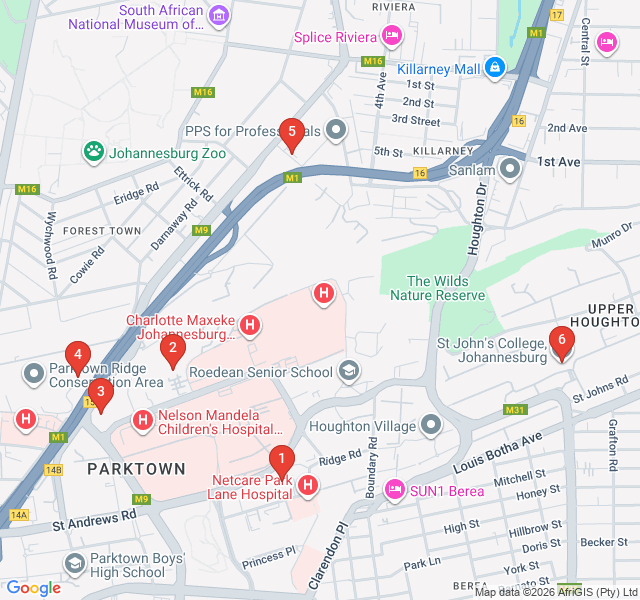
Numbers indicate the order of stops on the tour.
Start your self-guided adventure at The View, a stately Victorian mansion built in 1896. This was the home of Sir Thomas Cullinan, the diamond magnate after whom the world's largest diamond was named. As the oldest surviving house in Johannesburg, it serves as a perfect introduction to the opulence of the Randlords. Notice the intricate 'Broekie Lace'—the decorative Victorian wrought ironwork—that adorns the wrap-around verandas. Today, it serves as the headquarters for the Transvaal Scottish Regiment, and its red-brick facade stands as a testament to the early wealth generated by the gold mines. The gardens here offer a peaceful moment before you begin the climb up the ridge.
Perched on the edge of the Parktown Ridge, Emoyeni means 'Place in the Wind' in Zulu. Built in 1905 for the Honourable H.C. Hull, a member of the first Union Cabinet, this Edwardian mansion reflects a shift toward a more substantial, permanent style of architecture. The house is constructed from local Koppie stone, blending the structure into the rocky landscape it sits upon. Take a moment to look northward from this vantage point; the view across the forest of the northern suburbs toward the Magaliesberg mountains is one of the best in the city. It exemplifies the desire of the early elite to look down upon the dusty mining town they had created.
Dolobran is perhaps the most unique and whimsical home in Parktown. Built in 1906 for Sir Charles Llewellyn Andersson, the house is an eclectic mix of styles, featuring a prominent red-domed corner tower and Art Nouveau influences. Unlike many of its neighbors, Dolobran has remained in the same family for generations, preserving its original character. Look for the intricate stained glass and the variety of window shapes that give the house its fairy-tale appearance. It stands as a symbol of the individualistic and often flamboyant tastes of the men who made their fortunes on the Witwatersrand gold fields.
Northwards is a masterpiece of the Arts and Crafts movement, designed by the renowned architect Sir Herbert Baker in 1904. It was built for the flamboyant Jose Dale Lace and his wife, Josie. The house is famous for its use of local stone and its integration with the surrounding rocky outcrop. After a fire in the early 20th century, it was rebuilt and later became the home of the mining financier Sir George Albu. The grand proportions, the vaulted ceilings, and the expansive terrace designed for entertaining reflect the height of Parktown's social prestige. It remains one of the most significant residential buildings in South Africa.
Moving along the ridge, you reach Holy Family College, originally known as the Parktown Convent. Founded in 1905, this site demonstrates that the ridge wasn't just for private residences but also for grand institutional buildings. The red-brick architecture and the peaceful courtyards provided an educational sanctuary for the daughters of Johannesburg's elite. The school's presence here helped cement Parktown as the premier residential and social hub of the early city. Its neo-Gothic elements and sturdy construction mirror the confidence of the Edwardian era, standing as a quiet sentinel over the evolving neighborhood.
Concluding your neighborhood stroll is St John's College, one of the most prestigious schools in the country. Much of the historic campus was designed by Sir Herbert Baker and his partner Fleming. The school is a magnificent example of the use of dressed stone, featuring beautiful cloisters, a grand chapel, and the iconic Pelican Quad. The architecture was intended to evoke the tradition and permanence of English public schools, adapted for the South African landscape. Walking past the stone arches, you can feel the weight of history and the influence of the British colonial aesthetic that defined Parktown for over a century.
Start Free on iPhone
Explore “Parktown's Victorian Mansions” with your very own Private Tour Guide with Zigway. Start free on iPhone, skip the large group and the fixed routes, and hear the city come alive as you go.
Your Private Tour Guide
Don't miss the good stuff
Explore Freely
 Easy
EasyJohannesburg, South Africa
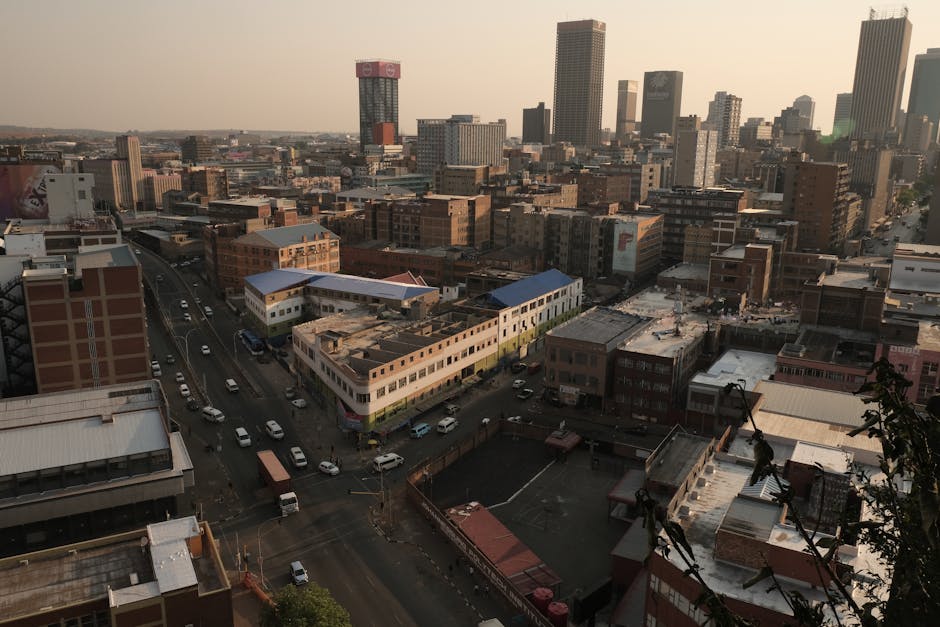
Explore Johannesburg's cultural soul on this self-guided walk through Newtown’s historic theaters, jazz venues, and powerful migrant labor museums.
 Easy
EasyJohannesburg, South Africa
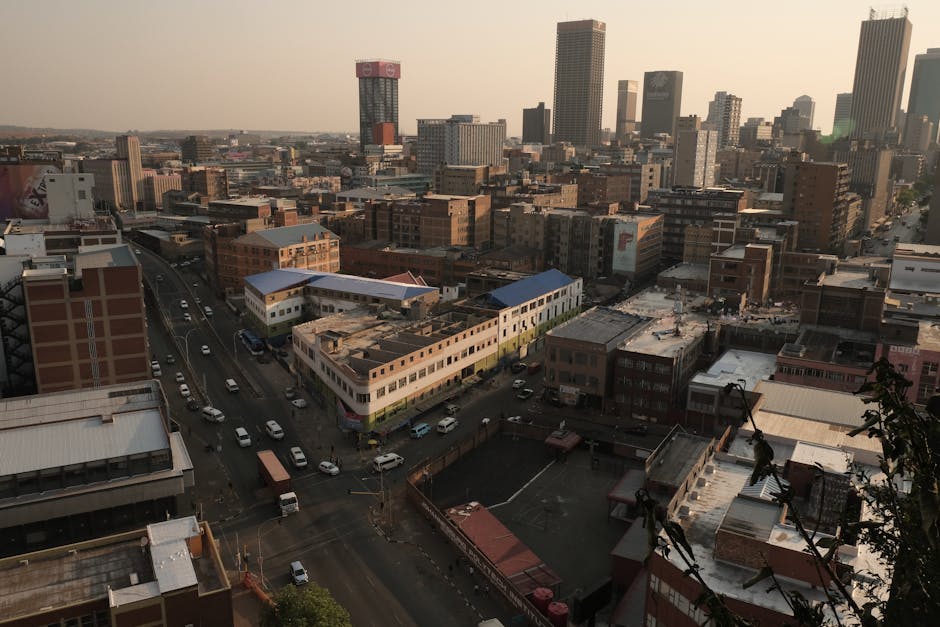
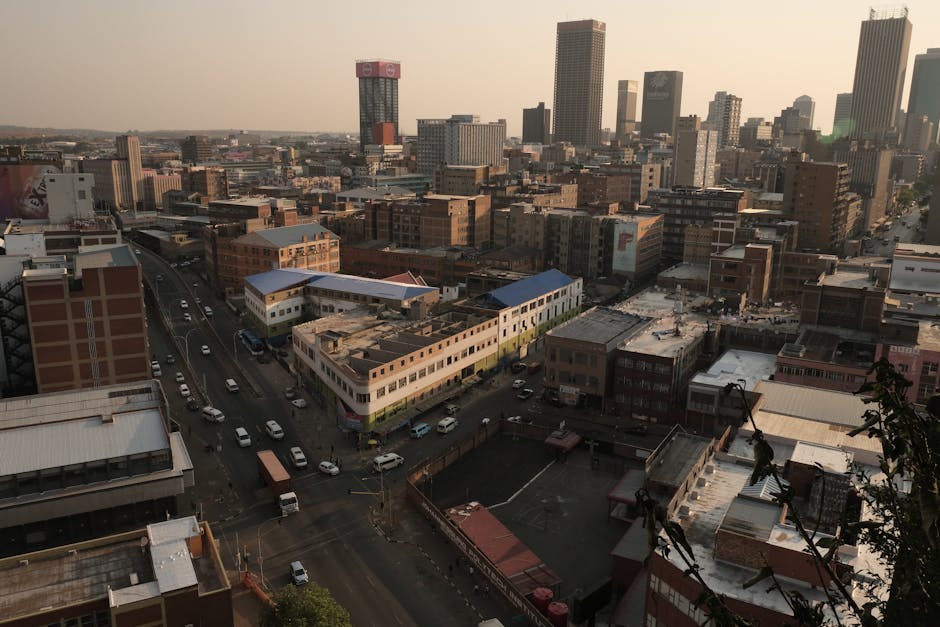
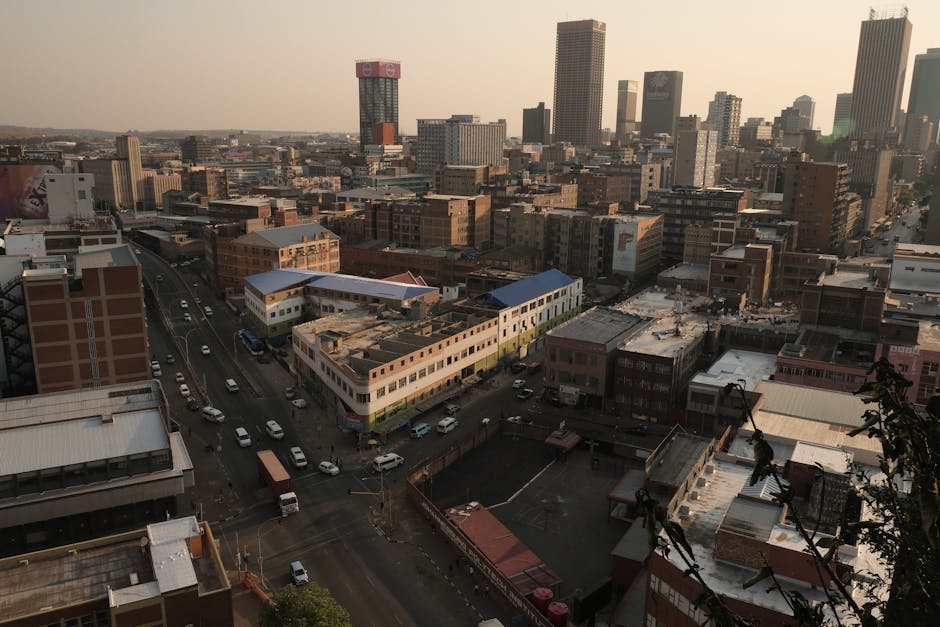
Discover the 'City of Gold' on this self-guided walk through Johannesburg’s historic mining district, from Gandhi Square to Mandela’s law office.
 Moderate
Johannesburg, South Africa
Explore the creative soul of Johannesburg on this self-guided walk through Melville’s iconic bookstores, cafes, and ancient ridges.
 Easy
EasyJohannesburg, South Africa
A sensory self-guided walk through Johannesburg's Indian district, featuring aromatic spices, legendary street food, and rich anti-apartheid history.
 Easy
EasyNairobi, Kenya
Discover Nairobi's iconic skyline on this self-guided architecture walk through the CBD’s most famous modernist and Brutalist landmarks.
 Easy
EasySalzburg, Austria
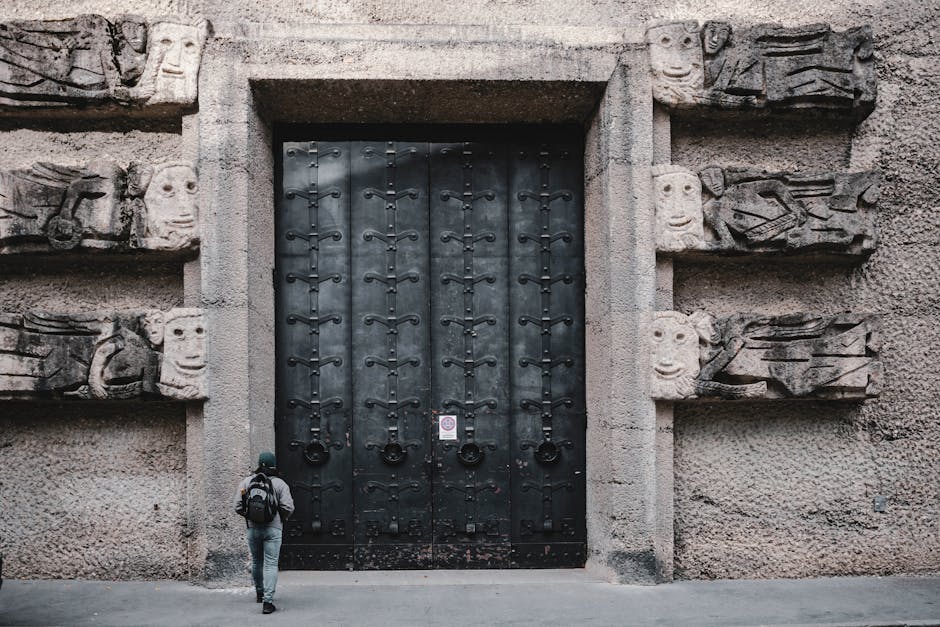
Discover the 'Rome of the North' on this self-guided walk through the Baroque squares and monumental legacy of Salzburg’s Prince-Archbishops.
 Easy
EasyGdansk, Poland
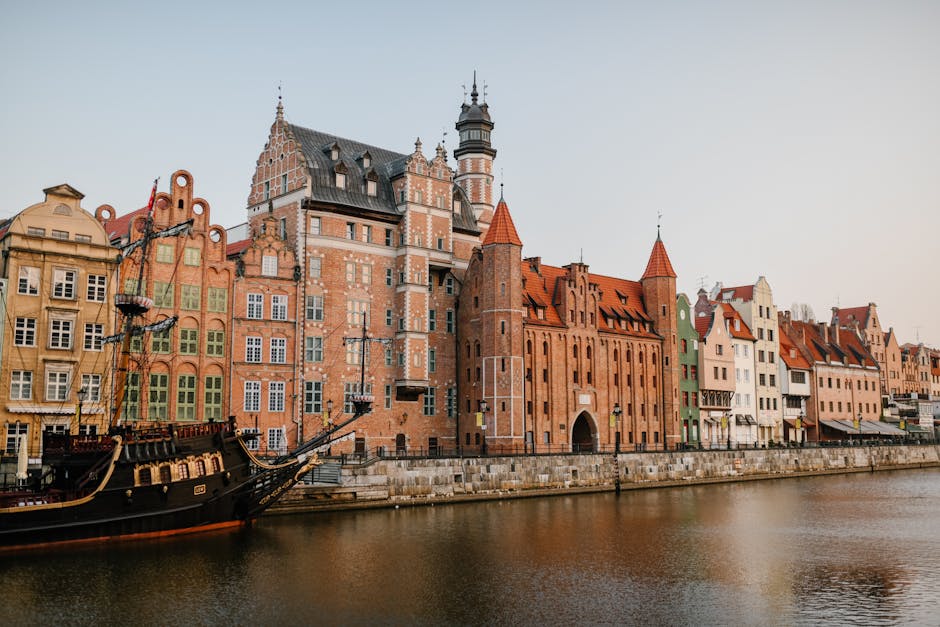
Discover the 'Baltic Gold' on this self-guided walk through Gdansk's historic mills, massive cathedrals, and the magical Mariacka Street.
 Easy
EasyWarsaw, Poland
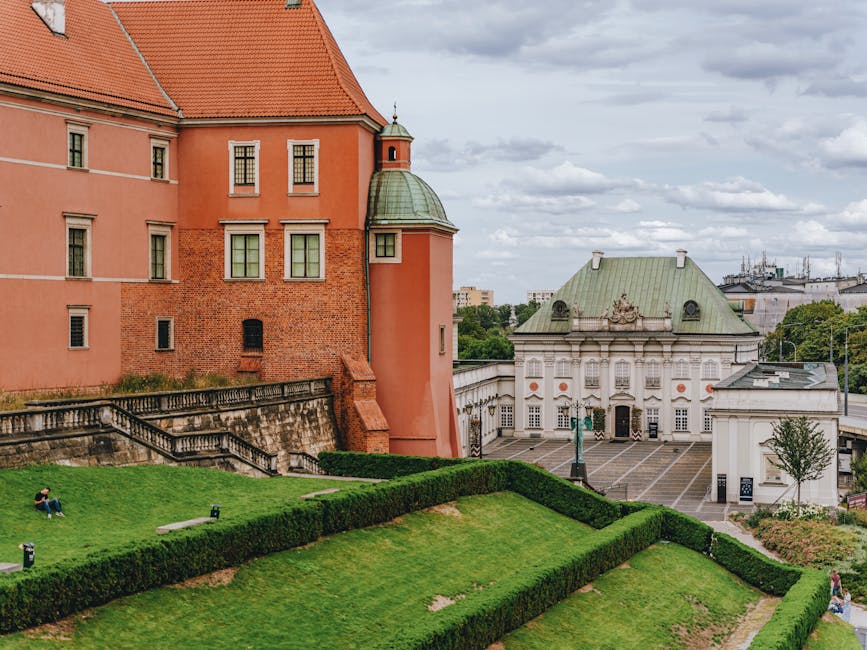
Explore the miracle of Warsaw's reconstructed Old Town on this self-guided walk through royal squares, medieval walls, and heroic monuments.
 Moderate
Cape Town, South Africa
Explore the vibrant murals and creative hubs of Woodstock on this self-guided neighborhood stroll through Cape Town's artistic heart.
 Easy
EasyCape Town, South Africa
Explore the evolution of Cape Town’s harbor from its 18th-century roots to a modern cultural hub on this self-guided maritime history walk.
 Easy
EasyCape Town, South Africa
Discover the heritage of Cape Town on this self-guided audio walk through the historic Company’s Garden and its surrounding landmarks.
 Easy
EasyCape Town, South Africa
Explore Cape Town's bohemian heart and scientific heritage on this self-guided walk through the eclectic and historic Observatory neighborhood.