Self-guided audio tour in Warsaw
Start Free on iPhone
Hear the stories behind the streets and sights around you as you walk Warsaw. Try it free on iPhone.
Your Private Tour Guide
Warsaw's Communist past is easiest to read in the Socialist Realist buildings of the City Center, which you follow on a self-guided walk from the MDM housing district to the Palace of Culture and Science. Most people know the skyline's big, controversial 'gift' from the East, but the city's Communist past runs through far more than one skyscraper. Stalin's Gift and Socialist Dreams is a walking tour of the monumental architecture of the Polish People's Republic, the PRL, and of the grand plans behind it. The official style was Socialist Realism, meant to be 'socialist in content and national in form'. You'll see exactly what that looked like on the wide boulevards of the center. The route starts in the Marszałkowska Housing District, known as MDM. It was a huge post-war project, built to give the working class 'palaces' of their own. Walk from the giant candelabras on Constitution Square to the old Communist Party Headquarters and the pattern gets hard to miss: ideology decided the bricks and mortar here. There's a paradox, too. The regime put up grand ministries while ordinary people often queued for basic goods. The Palace of Culture and Science is the big finish. People still argue about it, and it's still the building that says Warsaw to most visitors. Along the way, the audio covers the huge parade grounds and the buildings that went up on the ruins of the pre-war city. It suits anyone into Cold War history or urban planning, or curious about how Poles kept going behind the Iron Curtain. The monuments of the 20th century still shape the modern city, and by the end you'll see Warsaw a bit differently. Go at your own pace. Stop for photos of the reliefs. Duck into a milk bar for a taste of the past if you're hungry. For anyone keen on Warsaw history, this one is easy to recommend.
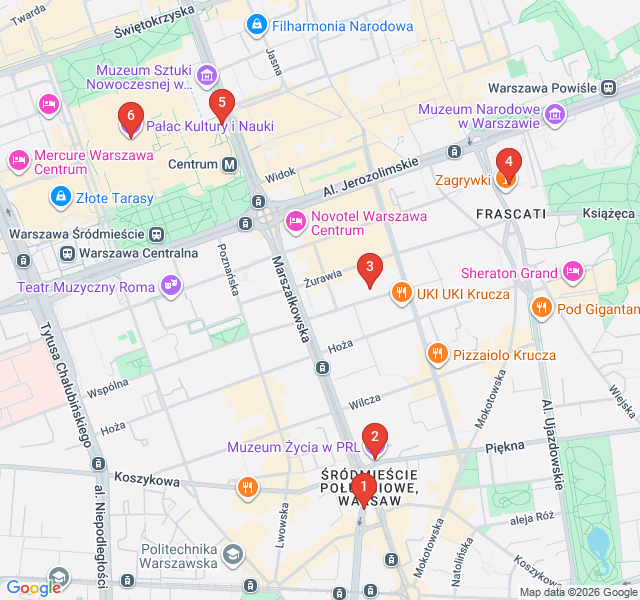
Numbers indicate the order of stops on the tour.
Constitution Square is the center of the Marszałkowska Housing District, or MDM. It went up between 1950 and 1952 as the flagship of Socialist Realist planning in Warsaw. Look up at the huge candelabras. They became the symbol of the era's grandiosity, and once you've seen them you won't forget them. The buildings around you were meant to impress, and to give high-standard housing to the 'leading' members of the working class. Get close to the facades and you'll find big sculptures and reliefs of workers, mothers and peasants, the heroes of the socialist state. The square hosted plenty of official parades too. It was planned as a parade ground for the people, and it still has that scale when you stand in the middle of it.
Just off the main square is a museum about everyday life in the Polish People's Republic. It's moving in places and often funny. Outside, the architecture is all grandeur. Inside people's homes, life was shaped by shortages, clever substitutions and the very particular look of the 1960s and 70s. This is the human side of the Communist years. You'll see typical apartment interiors and the famous 'Maluch', the Fiat 126p. After all the stone heroes on the facades, it's a useful reminder that millions of people stood behind those monuments, trying to live normal lives in an abnormal system. Worth a look even if museums aren't usually your thing.
The Ministry of Agriculture and Rural Development is one of the most striking Socialist Realist buildings in Warsaw. Check out the massive colonnade, then take in the sheer size of the thing. It was designed to look like a temple of labor, putting the rural worker high up in the new socialist order. The architects borrowed classical forms and bent them to project power and stability. That's the trick of the whole style, really. It's still a working government building today. It stands as a silent witness to the years when the state controlled every part of production and land. Walk the length of the facade if you have a minute. The scale only really lands on foot.
This was the headquarters of the Polish United Workers' Party, once nicknamed Warsaw's 'White House'. Communist power in Poland was run from here. Now for the irony, and it's a good one: the old heart of anti-capitalist sentiment is now a financial and banking center. The building is plainer than the other socialist landmarks on this route. It leans toward the modernist style that was popular in the late 1940s. Many of the most critical decisions of Poland's Cold War years were made inside, well away from public view. It's easy to walk past without a second look. That says something about where the real power sat, while the columns and statues did the talking elsewhere.
Plac Defilad is enormous. It was once the largest parade ground in Europe, laid out for mass demonstrations and military displays. Thousands of soldiers and citizens marched across it while party leaders watched from the stone tribune. These days it feels a bit empty and broken up. That reflects an argument the city still hasn't settled, about what to do with a space this politically charged. It also works as a giant pedestal for the Palace of Culture, and that's deliberate. All this open ground pushes the building's dominance over the city. Walk out toward the middle for a minute to get the full effect, then turn and look up.
Last stop, and the most famous landmark in Poland: the Palace of Culture and Science. It was finished in 1955 as a 'gift from the Soviet people to the Polish nation' and modeled on the 'Seven Sisters' in Moscow. For decades it was Poland's tallest building and a constant reminder of Soviet influence. Plenty of people once wanted it demolished. Instead it's now a protected monument, with theaters, cinemas and museums inside. Look at the stonework up close. Motifs from Polish architecture sit right beside Soviet symbolism. Some see oppression in stone, others a masterpiece, and people here argue both. Either way, you can't picture the Warsaw skyline without it.
Explore Mode
Open Zigway, start Explore Mode and just walk. Your guide notices where you are and tells you the story of what's around you, on this route or any street you turn into.
Start Free on iPhone
Open Zigway as you walk and your private tour guide tells the stories behind what you pass.
Your Private Tour Guide
Don't miss the good stuff
Explore Freely
 Easy
Warsaw, Poland
Discover the hidden courtyards and grand pre-war architecture of Warsaw's most atmospheric neighborhood on this self-guided stroll.
 Easy
Warsaw, Poland
Explore the 'Polish Versailles' at your own pace. Discover Baroque architecture, royal history, and stunning gardens on this self-guided walk.
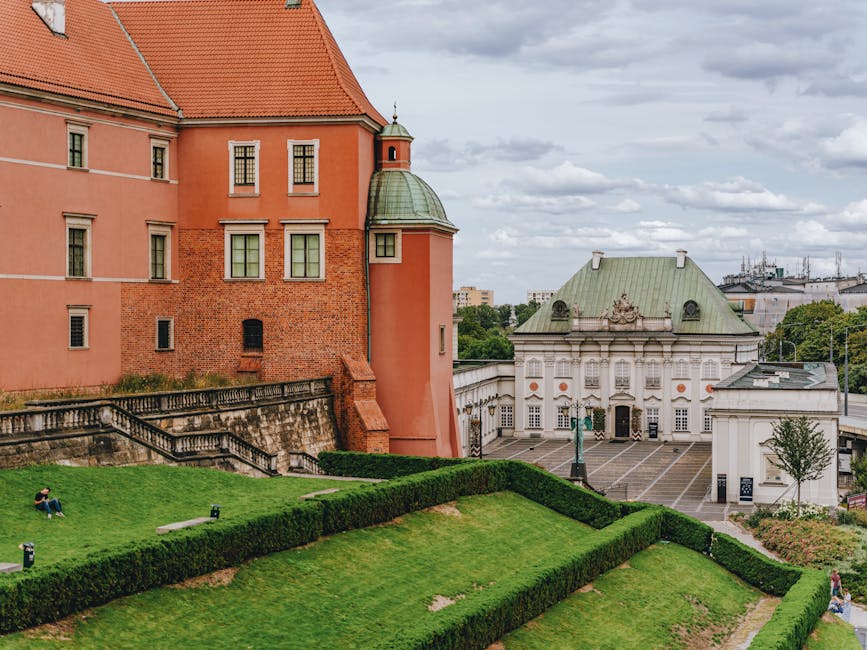 Moderate
Warsaw, Poland
Explore the resilient spirit of Warsaw's Muranów district on this self-guided walk through the history and landmarks of the former Jewish Ghetto.
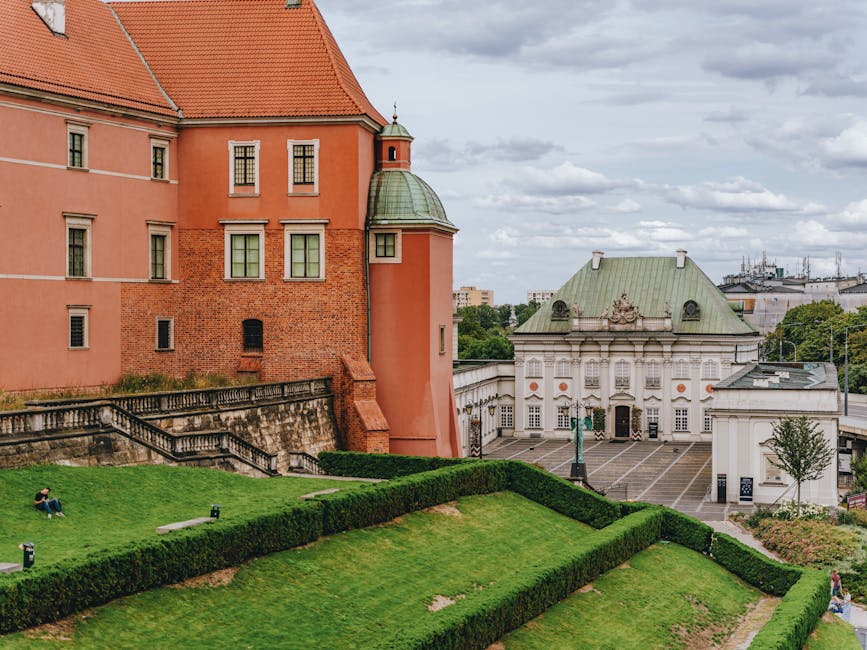 Moderate
Warsaw, Poland
A powerful self-guided walk through Warsaw's WWII history, tracking the 1944 Uprising from ruined skyscrapers to solemn memorials.
 Easy
Gothenburg, Sweden
Discover Gothenburg’s 17th-century Dutch foundations, historic canals, and military fortifications on this self-guided architectural walk.
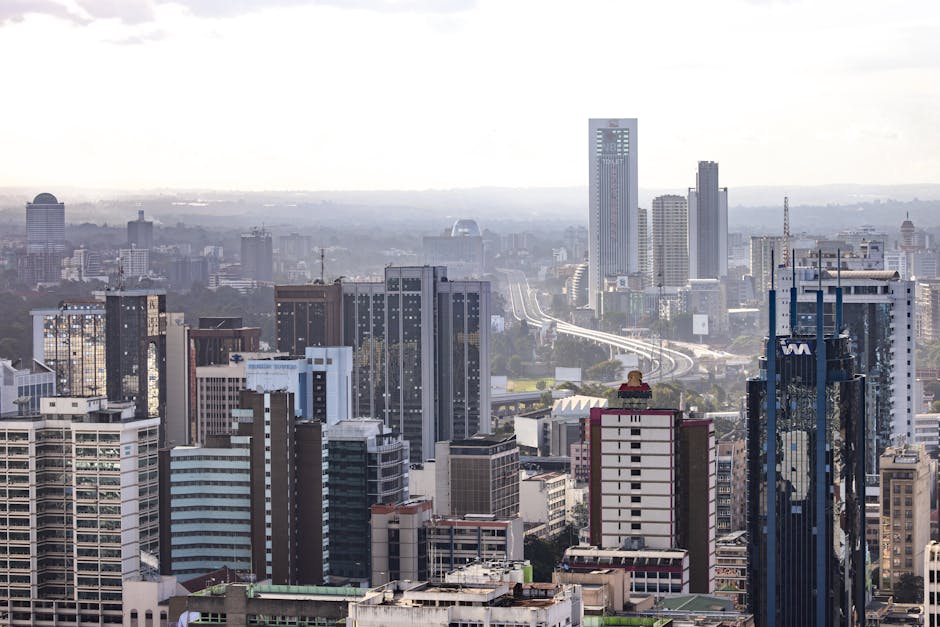 Easy
Nairobi, Kenya
Explore Nairobi's architectural evolution from colonial-era landmarks to iconic Brutalist skyscrapers on this historic self-guided walking route.
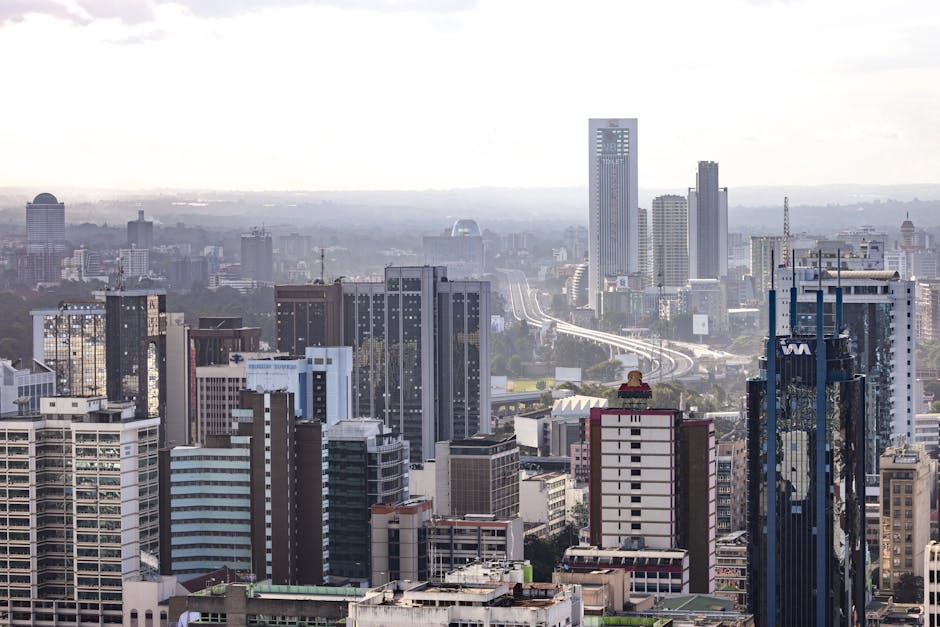 Easy
Nairobi, Kenya
Discover Nairobi's iconic skyline on this self-guided architecture walk through the CBD’s most famous modernist and Brutalist landmarks.
 Easy
Krakow, Poland
Explore the historic heart of Kazimierz on this self-guided walk through synagogues, ancient cemeteries, and vibrant squares.
 Easy
Krakow, Poland
Explore the prestigious Jagiellonian University district, featuring Neo-Gothic architecture, Baroque churches, and Krakow's hidden scholarly gems.
 Easy
Krakow, Poland
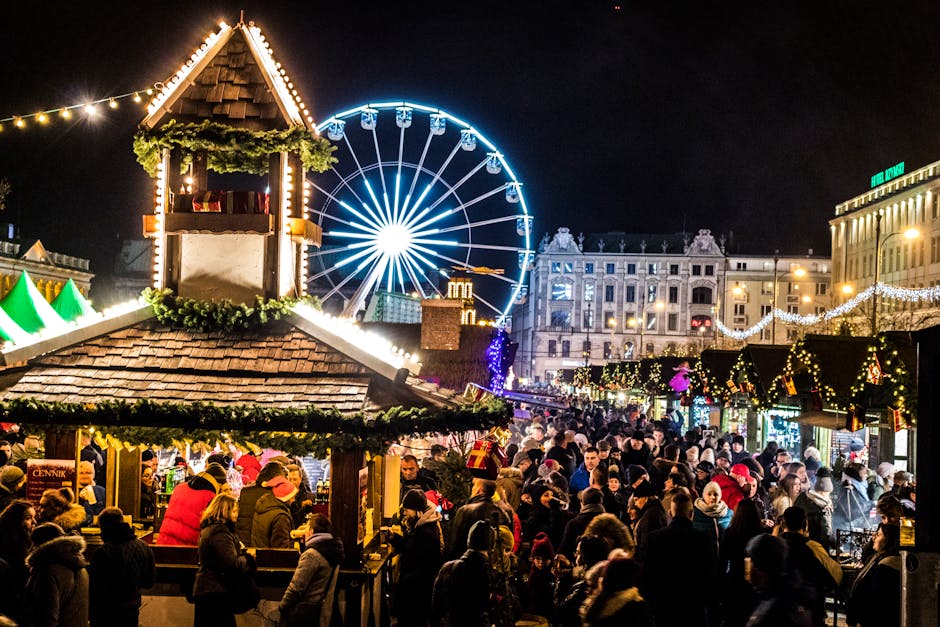
Explore Krakow's hidden nightlife with this self-guided walk through medieval cellars, jazz clubs, and bohemian bars in the Old Town and Kazimierz.
 Easy
Krakow, Poland
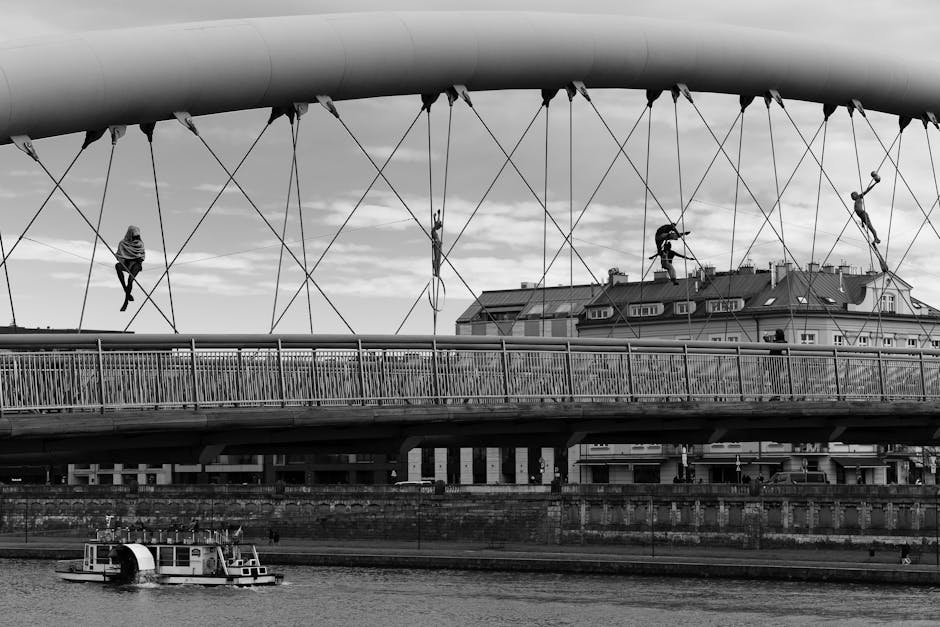
Discover Krakow’s creative soul in Zabłocie, exploring industrial heritage, contemporary art museums, and avant-garde architecture at your own pace.
EasyKrakow, Poland
Explore the historic heart of Kazimierz on this self-guided walk through synagogues, ancient cemeteries, and vibrant squares.