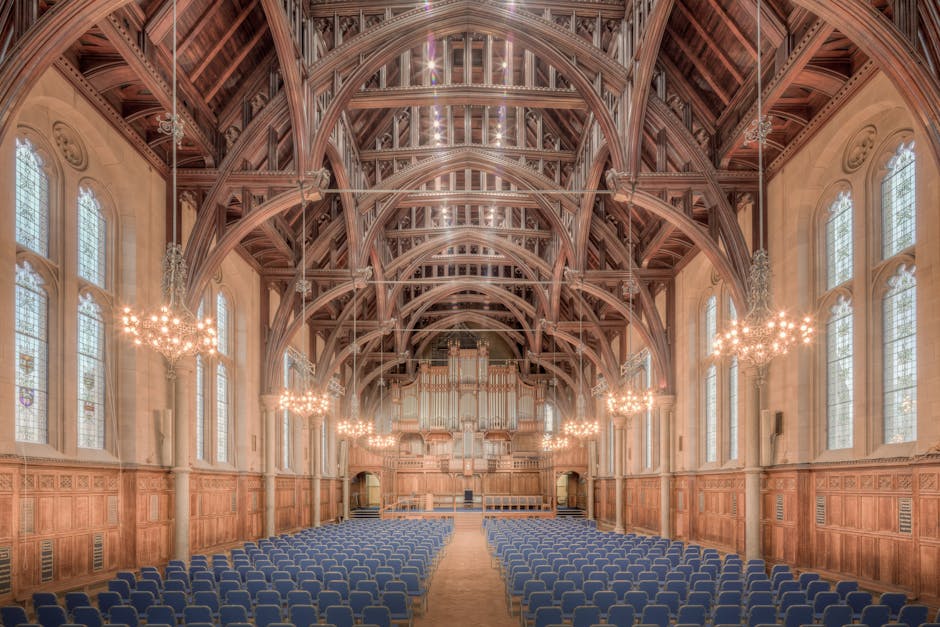
Self-guided audio tour in Manchester
Start Free on iPhone
Start free on iPhone to unlock this self-guided walking tour in Manchester. Hear all the stories that make it amazing, walk at your own pace, and begin whenever you want.
Your Private Tour Guide
Step into the cradle of the Industrial Revolution with a self-guided walk through Castlefield, Manchester's most historic district. This neighborhood stroll reveals a landscape where Roman ruins coexist with Victorian engineering and modern urban renewal. Your journey begins at the site of the world's first inter-city passenger railway station and winds through a labyrinth of red-brick warehouses, towering iron viaducts, and tranquil canal basins. Castlefield isn't just a quiet corner of the city; it is a designated Urban Heritage Park that tells the story of how Manchester transformed from a remote Roman outpost into the 'Shock City' of the 19th century. As you explore this walking route, you will see how the Bridgewater Canal—the first industrial canal in England—sparked a global economic shift. You will also discover the recent transformation of the Castlefield Viaduct into a stunning 'sky park,' echoing the innovative spirit that has always defined this area. This walking tour Manchester experience offers a deep dive into the industrial-heritage that shaped the modern world. Whether you are interested in the meticulous reconstruction of the Mamucium Roman Fort or the adaptive reuse of 19th-century railway arches, this route provides a comprehensive look at the city's architectural evolution. It is a perfect way to travel through time at your own pace, away from the frantic energy of the modern city center, while still being in the heart of the action. Discover the secrets of the canal locks, learn about the engineers who defied geography, and enjoy the unique atmosphere of a district that remains one of the most Instagram-worthy spots in the United Kingdom.
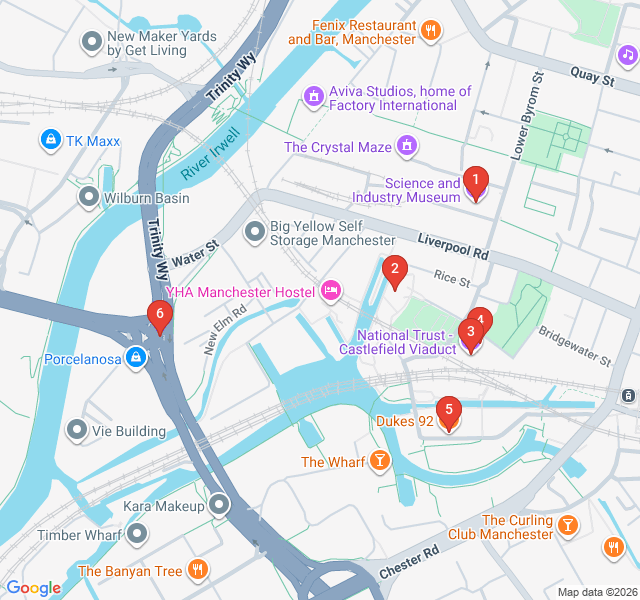
Numbers indicate the order of stops on the tour.
Begin your self-guided adventure at the Science and Industry Museum, located on the site of the world's oldest surviving passenger railway station. Opened in 1830, the Liverpool Road Station was the terminus of the Liverpool and Manchester Railway, the first to rely exclusively on steam power and a scheduled timetable. As you stand among these historic buildings, imagine the chaotic energy of the early 19th century when this site was the epicenter of a global transport revolution. The museum houses the 1830 Station and the 1830 Warehouse, both Grade I listed structures. This site represents the moment Manchester truly became the world's first industrial city, connecting the textile mills of the north to the global port of Liverpool.
Follow the path toward Castlefield Bowl, a dramatic outdoor performance space that highlights the neighborhood's unique vertical architecture. Look up to see the layered history of Manchester: Roman foundations below, canal water at eye level, and a web of Victorian railway viaducts crisscrossing the sky. This area was once a bustling hub for goods arriving by rail and water. Today, the bowl hosts major concerts, but even when empty, it serves as a spectacular viewpoint for the ironwork bridges that define the city's skyline. The juxtaposition of heavy industrial steel and open public space makes this one of the most iconic landmarks in Manchester.
Ascend to the Castlefield Viaduct, an inspired project by the National Trust that has transformed a derelict Victorian railway bridge into a vibrant 'sky park.' Built in 1892 by the same engineers who constructed the Blackpool Tower, this heavy steel viaduct once carried coal and goods into the Great Northern Warehouse. After decades of abandonment, it now features a variety of plants and trees, providing a green corridor in the heart of the city. Walking along this elevated route offers a unique perspective on the canals below and the modern skyscrapers rising in the distance, perfectly encapsulating Manchester's blend of heritage and future-facing design.
Step back nearly 2,000 years at the Mamucium Roman Fort. While Castlefield is famous for its industry, its history actually began in 79 AD when the Romans built a fort here to guard the road between Chester and York. The name 'Manchester' is derived from 'Mamucium,' which likely meant 'breast-shaped hill.' What you see today is a partial reconstruction of the gatehouse and granary, built upon the original stone foundations discovered during excavations. This quiet grassy area offers a moment of reflection on the city's ancient origins, standing in stark contrast to the massive brick warehouses and iron bridges that surround it.
Arrive at the waterfront near Dukes 92, one of Manchester's most famous bars, housed in a former stable block for the horses that pulled canal barges. This spot marks the terminus of the Bridgewater Canal, which opened in 1761. Before the railway, coal was brought here from the Duke of Bridgewater's mines in Worsley, drastically reducing the price of fuel and powering the city's factories. The lock system and the basin here were the lifeblood of the early Industrial Revolution. Today, the area has been beautifully restored, turning former industrial workspaces into popular social spots where you can enjoy the water's edge.
Conclude your neighborhood stroll at the junction where the Rochdale Canal meets the Bridgewater Canal. This watery crossroads was once one of the busiest commercial intersections in the world. Look for the Grocers Warehouse, a reconstructed building that demonstrates how goods were hoisted directly from boats into storage. The intricate network of towpaths, locks, and footbridges makes this area a favorite for photographers and locals alike. It is a peaceful conclusion to your journey, illustrating how Manchester has successfully preserved its industrial-heritage while creating a livable, modern urban environment. Take a moment to watch the canal boats pass through the locks before heading back to the city center.
Start Free on iPhone
Explore “Industrial Origins of Castlefield” with your very own Private Tour Guide with Zigway. Start free on iPhone, skip the large group and the fixed routes, and hear the city come alive as you go.
Your Private Tour Guide
Don't miss the good stuff
Explore Freely
 Moderate
Manchester, United Kingdom
Discover Manchester’s secret green spaces and hidden parks on this self-guided audio walk through the city’s most tranquil and photogenic spots.
 Easy
EasyManchester, United Kingdom
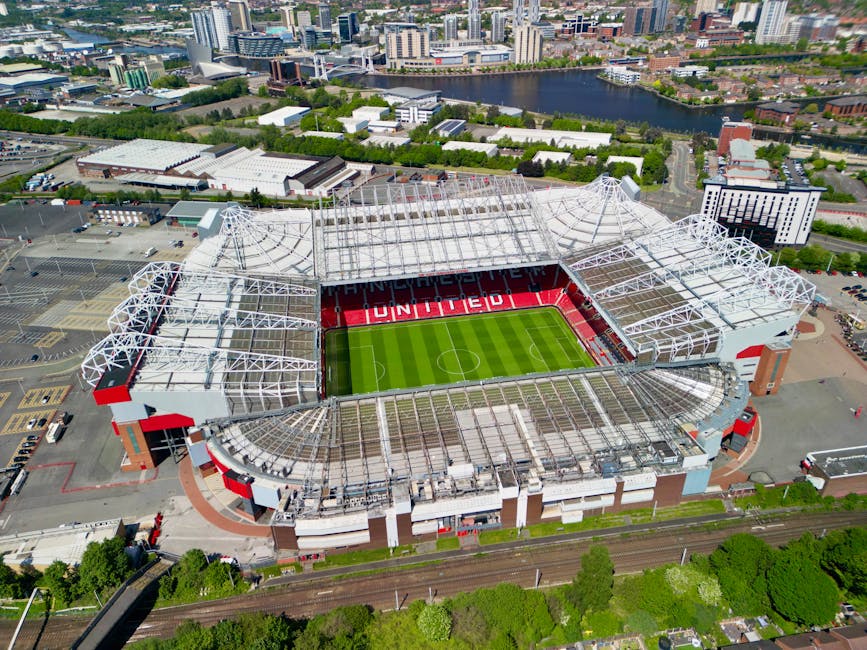
Explore Manchester’s creative soul on this self-guided stroll through the Northern Quarter’s iconic street art and quirky subculture.
 Easy
EasyManchester, United Kingdom
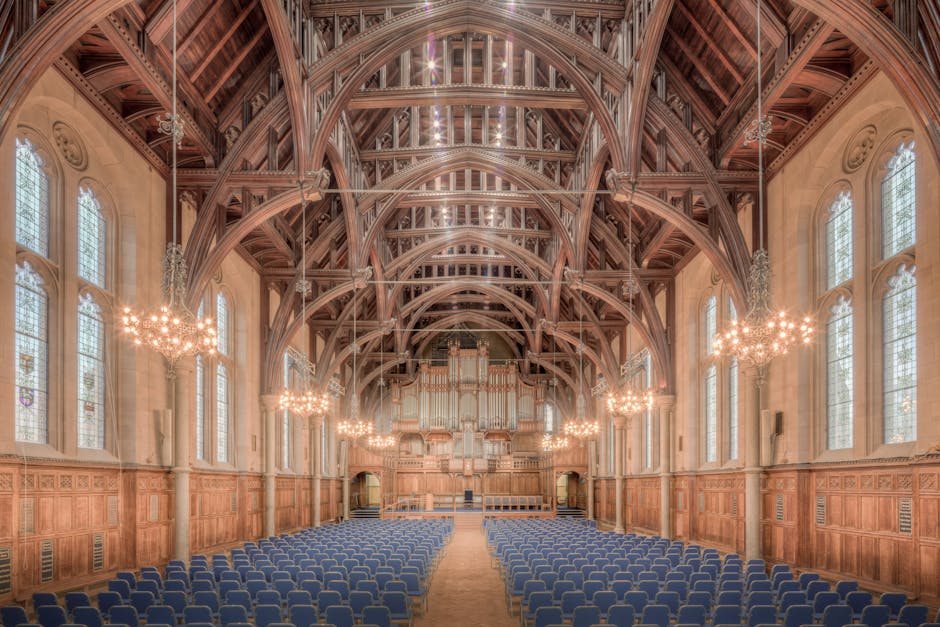
Discover the transformation of Ancoats from industrial 'Little Italy' to Manchester's trendiest culinary district on this self-guided audio walk.
 Moderate
Manchester, United Kingdom
Trace the sonic legacy of Manchester from the birth of punk to the Oasis era on this self-guided walking route through music history.
 Easy
EasyGothenburg, Sweden
Explore Gothenburg's elegant academic district, featuring grand 19th-century stone architecture and the iconic cultural hub of Götaplatsen.
 Easy
EasyGothenburg, Sweden
Explore Gothenburg's maritime soul on this self-guided walk from historic shipyards to sleek modern piers and iconic industrial landmarks.
 Easy
EasyGdansk, Poland
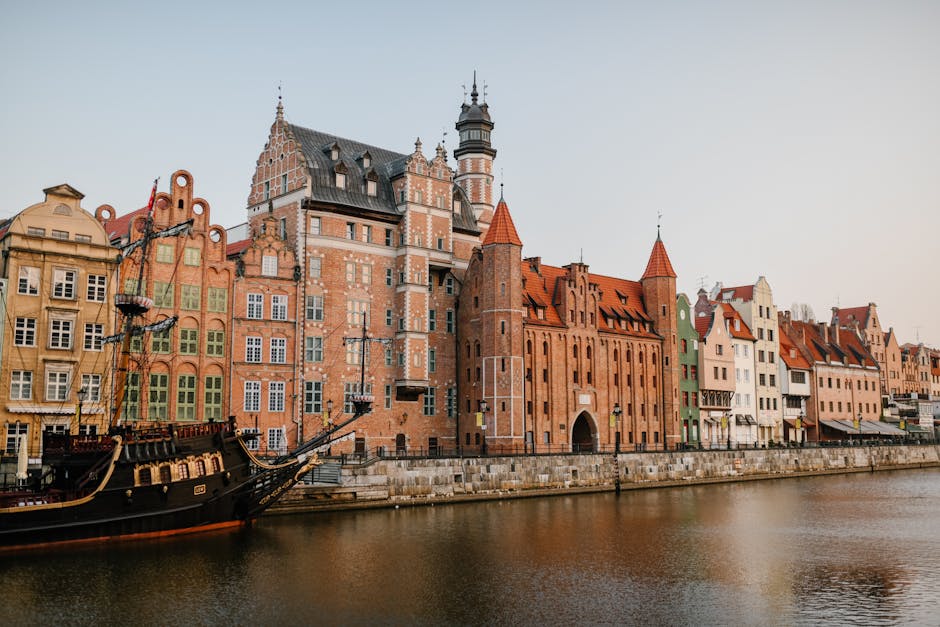
Discover the 'Baltic Gold' on this self-guided walk through Gdansk's historic mills, massive cathedrals, and the magical Mariacka Street.
 Easy
EasyHelsinki, Finland
Discover Helsinki's oldest neighborhood on this self-guided audio walk through Kruununhaka’s historic streets, hidden courtyards, and scenic shores.
 Easy
EasyEdinburgh, United Kingdom
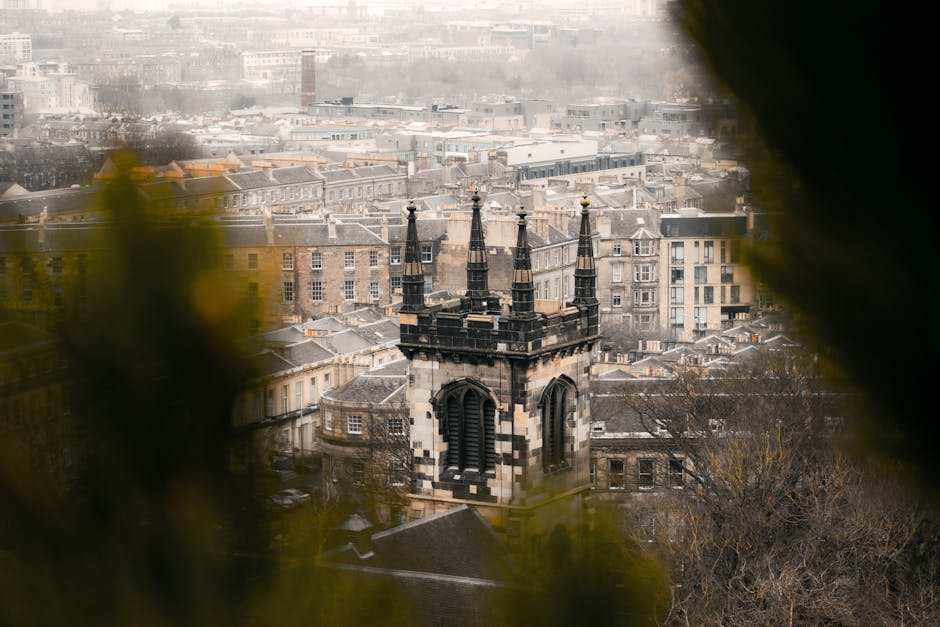
Explore Edinburgh's historic Royal Mile at your own pace, from the heights of the Castle to the royal Palace of Holyroodhouse.
 Easy
EasyEdinburgh, United Kingdom
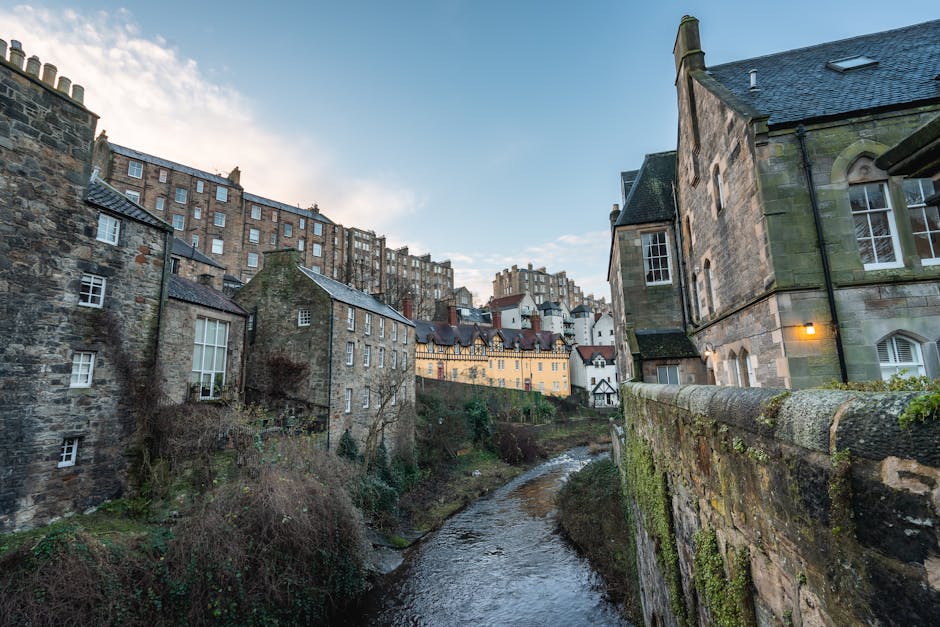
Capture the magic of Edinburgh on this self-guided stroll through the fairy-tale Dean Village, floral Circus Lane, and the scenic Water of Leith.
 Easy
EasyEdinburgh, United Kingdom
Explore Edinburgh's creative soul on this self-guided walk from historic museums to the stylish galleries and boutiques of the West End.
 Challenging
Edinburgh, United Kingdom
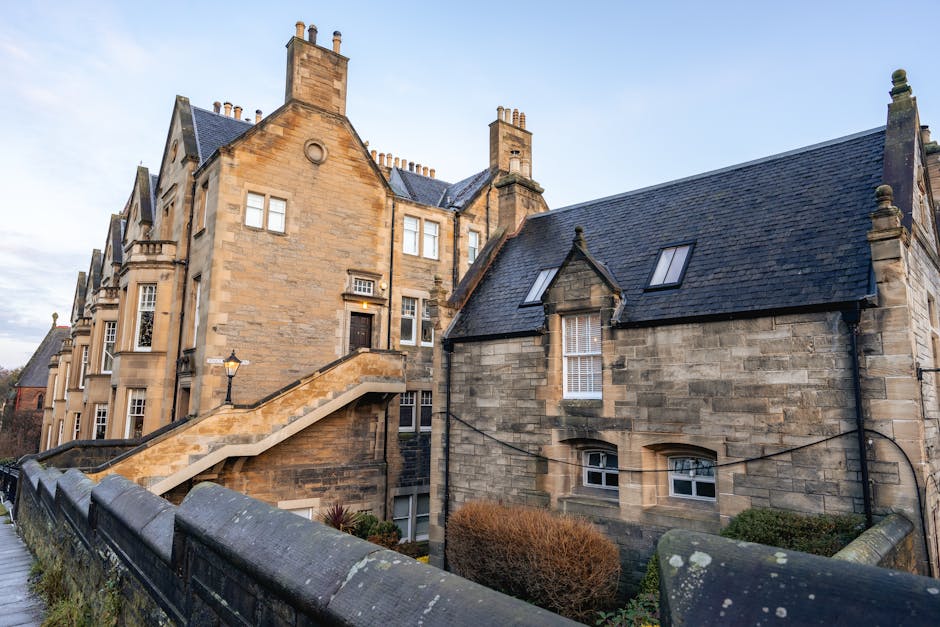
Ascend an ancient volcano and discover royal history on this challenging self-guided walk through Edinburgh's iconic Holyrood Park.