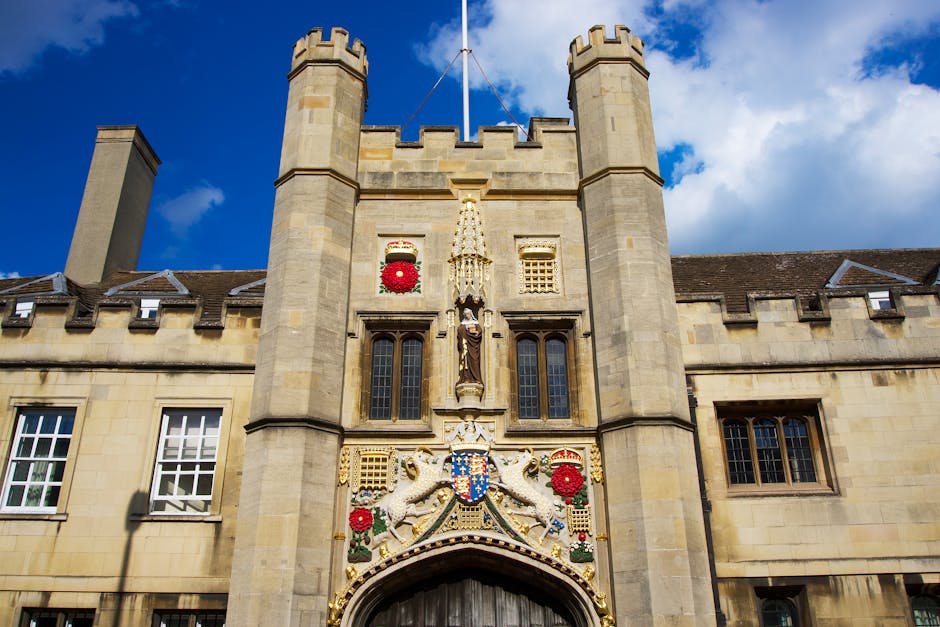
Self-guided audio tour in Cambridge
Start Free on iPhone
Start free on iPhone to unlock this self-guided walking tour in Cambridge. Hear all the stories that make it amazing, walk at your own pace, and begin whenever you want.
Your Private Tour Guide
Step into a history that was nearly written out of the records on this self-guided walk through Cambridge. While the university’s spires and chapels are often associated with famous men, the city’s streets hold the echoes of defiant women who fought for the right to learn, research, and lead. This walking route takes you from the beautiful gardens of the first female colleges to the site of historic protests where women’s academic rights were fiercely contested. You will explore how the 'Blue Stockings' transformed Cambridge from a male-only bastion into a modern center of excellence. Along the way, this neighborhood stroll highlights the architectural beauty of Newnham College and the symbolic distance of Girton College, illustrating the isolation early female scholars faced. You will visit The Eagle, a pub famous for scientific breakthroughs, where you can reflect on the often-overlooked contributions of Rosalind Franklin to the discovery of DNA’s structure. The route also stops at Senate House, the scene of a notorious 1897 demonstration where an effigy of a woman on a bicycle was hung by male students to protest the granting of degrees to women. This self-guided adventure is more than just a trip through university history; it is a journey through the evolution of equality. You’ll see the modern legacy of these pioneers at Lucy Cavendish College and the Sidgwick Site, where today’s scholars follow in the footsteps of trailblazers like Anne Clough and Emily Davies. Whether you are a student, a history buff, or a solo traveler, this walking tour Cambridge offers a fresh perspective on the city's academic heritage. Discover at your own pace the stories of the scientists, activists, and educators who changed the face of Cambridge forever. This walking route Cambridge is a tribute to the resilience of those who refused to take 'no' for an answer in the pursuit of knowledge.
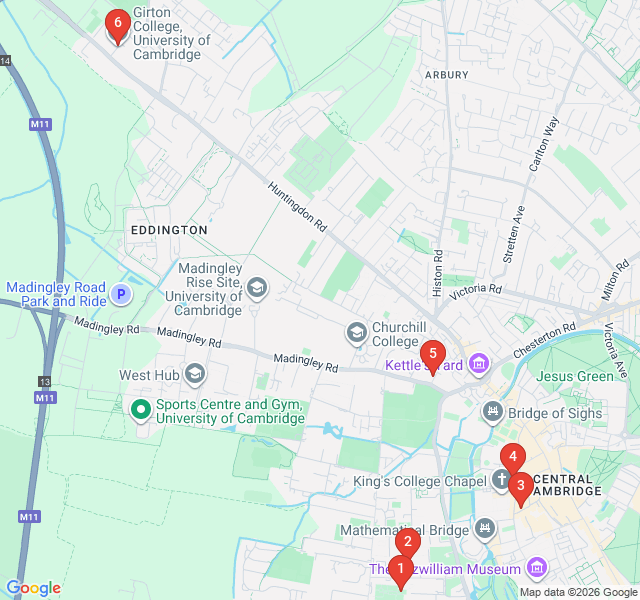
Numbers indicate the order of stops on the tour.
Start exploring with Zigway at Newnham College, established in 1871. As you stand before its red-brick buildings, imagine the first principal, Anne Jemima Clough, welcoming the first five students into a house in Regent Street before this site was built. Newnham was a radical experiment in women’s education. Notice the stunning Champneys-designed architecture; the college was built with long corridors specifically so that students didn't have to go outside in bad weather—a luxury at the time. The gardens here are some of the most beautiful in Cambridge, once a secluded sanctuary for women who were often barred from the city’s more public academic spaces. It remains one of the few all-female colleges, preserving a unique atmosphere of scholarship.
A short walk brings you to the Sidgwick Site, the modern heart of the humanities at Cambridge. This area is named after Henry Sidgwick, a co-founder of Newnham College and a major proponent of women’s education. While the buildings here are more contemporary, they represent the integration of women into the core of the university's academic life. In the mid-20th century, this site became a hub where female lecturers and researchers finally gained the same standing as their male counterparts. As you wander through the plaza, think of the thousands of women who have walked these paths, from pioneering archaeologists to groundbreaking literary critics, finally claiming their place in the lecture halls.
The Eagle is one of Cambridge's oldest and most famous pubs, known primarily as the spot where Watson and Crick announced they had 'discovered the secret of life'—the structure of DNA. However, this stop on your walking route highlights the 'Dark Lady of DNA,' Rosalind Franklin. Her Photo 51 was the critical piece of evidence that allowed the men to build their model, yet she was long denied the credit she deserved. While the pub’s ceiling is covered in the graffiti of WWII airmen, take a moment to consider the scientific glass ceiling that Franklin and other women in the nearby Cavendish Laboratory had to shatter. It is a place to toast to the unsung heroines of science.
Senate House is the ceremonial heart of the University, where degrees are conferred. But for women, it was a site of struggle for decades. In 1897, a vote was held here to decide if women should be granted full degrees. Male undergraduates gathered outside in a frenzy, hanging an effigy of a woman on a bicycle—the symbol of the 'New Woman'—from the windows of a shop across the street. The proposal was resoundingly defeated, and women wouldn't receive full degrees from Cambridge until 1948. When you look at the grand Neoclassical facade today, remember it not just as a place of graduation, but as a landmark of the long, hard-fought battle for academic recognition.
Heading north, you reach Lucy Cavendish College. Founded in 1965, it was originally established to provide opportunities for mature women students—those whose education might have been interrupted or who decided to pursue a degree later in life. It is named after Lucy Cavendish, who campaigned for the reform of women's education in the 19th century. The college represents the late-stage evolution of the university’s inclusivity. In 2021, the college began admitting men as well, but its origins remain a testament to the specific barriers women faced in accessing higher education and the creative solutions they built to overcome them. The atmosphere here is peaceful and forward-looking.
Your final stop is Girton College. Located about two miles from the city center, its distance was intentional. When it was founded in 1869 by Emily Davies and Barbara Bodichon, many felt that women should be kept away from the 'distractions' (and potential scandals) of the male students in the center. Girton was the first residential college for women in England to offer a degree-level education. The walk or bus ride out here underscores the physical and social isolation early female students endured. Today, it is a vibrant, co-educational community, but its majestic Victorian Gothic buildings still stand as a monument to the pioneers who proved that women could meet the same rigorous academic standards as men.
Start Free on iPhone
Explore “The Women of Cambridge: Trailblazers and Pioneers” with your very own Private Tour Guide with Zigway. Start free on iPhone, skip the large group and the fixed routes, and hear the city come alive as you go.
Your Private Tour Guide
Don't miss the good stuff
Explore Freely
 Moderate
Cambridge, United Kingdom
Discover Cambridge's verdant soul on this self-guided walk through the Botanic Garden and secret riverside fens. Perfect for nature lovers.
 Easy
EasyCambridge, United Kingdom
Discover the Saxon and Norman roots of Cambridge on this self-guided walk through the city's oldest churches and medieval landmarks.
 Easy
EasyCambridge, United Kingdom
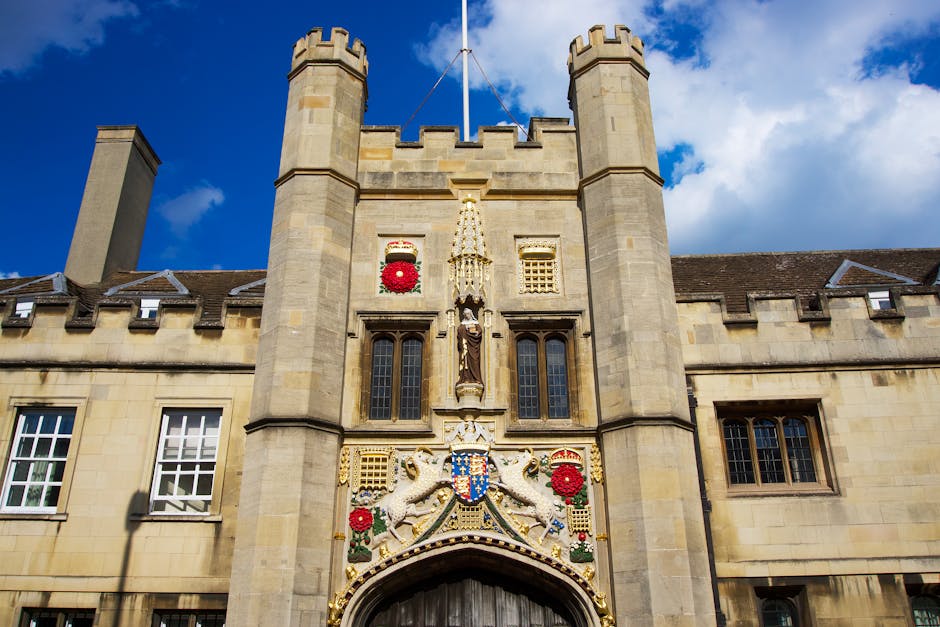
Discover the architectural wonders and scholarly secrets of Cambridge’s most prestigious colleges on this independent, historic neighborhood stroll.
 Moderate
Cambridge, United Kingdom
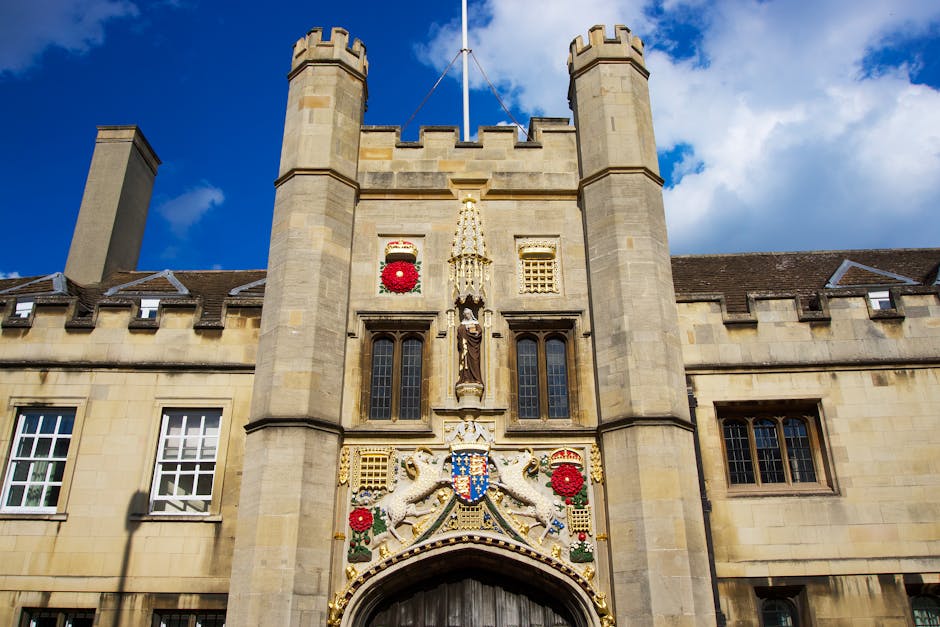
Discover the ancient roots of Cambridge and the stunning art of Kettle's Yard on this self-guided stroll through the historic Castle Hill district.
 Moderate
Gdansk, Poland
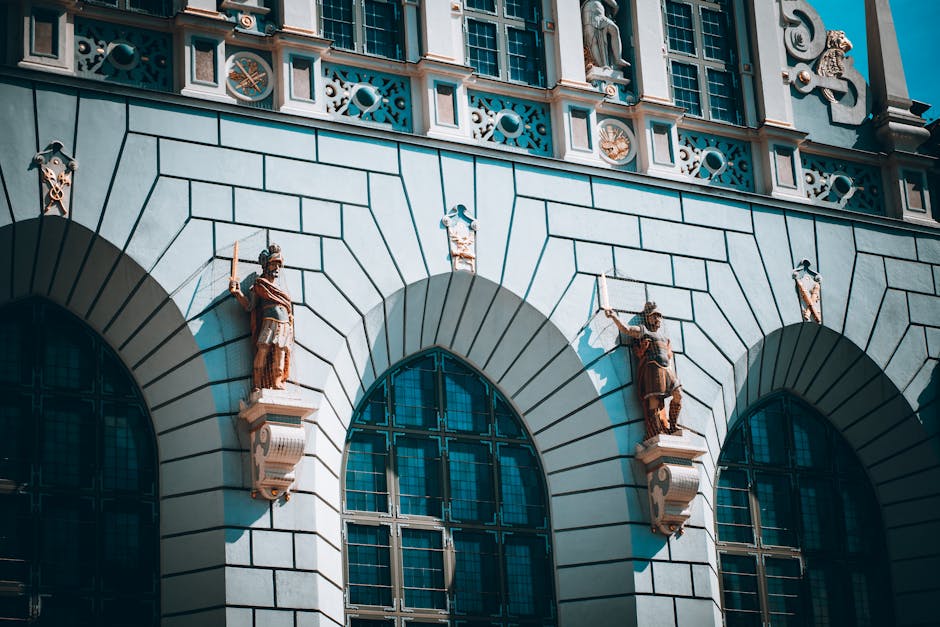
Discover the origins of WWII in Gdansk on this self-guided walk through heroic last stands, massive museums, and strategic hilltop fortifications.
 Moderate
Nairobi, Kenya
Discover Nairobi's lush side on this self-guided walk through botanical gardens, historic memorials, and vibrant local markets.
 Moderate
Vienna, Austria
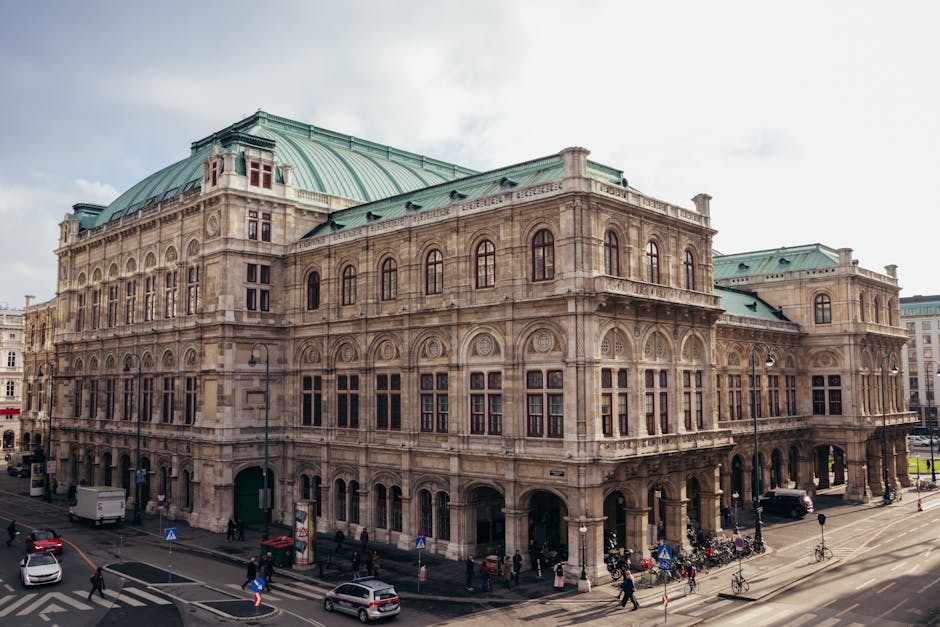
Follow the footsteps of Mozart and Strauss through Vienna’s historic center on this self-guided walk through the city's rich musical history.
 Easy
EasyKrakow, Poland
Explore the prestigious Jagiellonian University district, featuring Neo-Gothic architecture, Baroque churches, and Krakow's hidden scholarly gems.
 Easy
EasyEdinburgh, United Kingdom
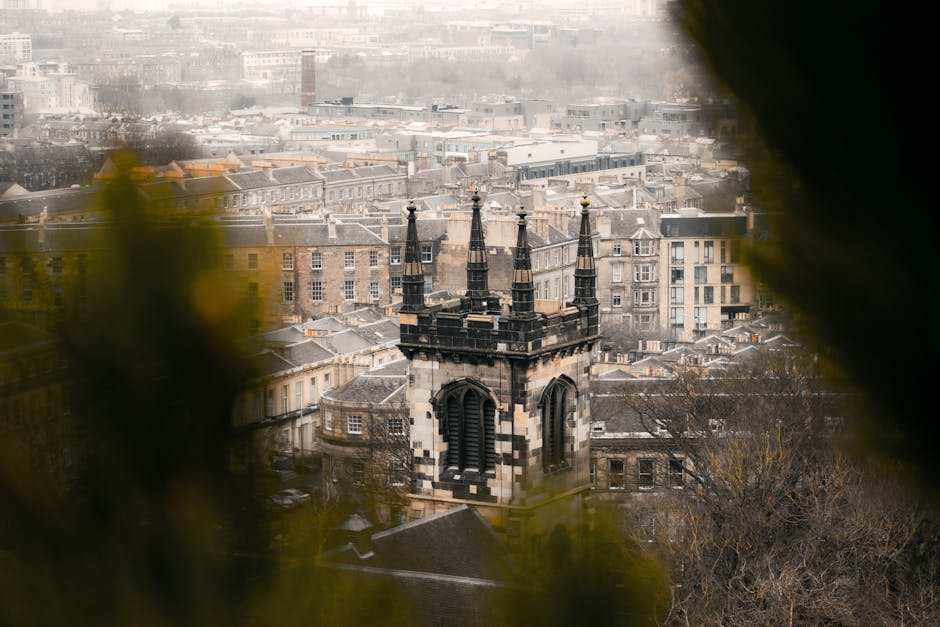
Explore Edinburgh's historic Royal Mile at your own pace, from the heights of the Castle to the royal Palace of Holyroodhouse.
 Easy
EasyEdinburgh, United Kingdom
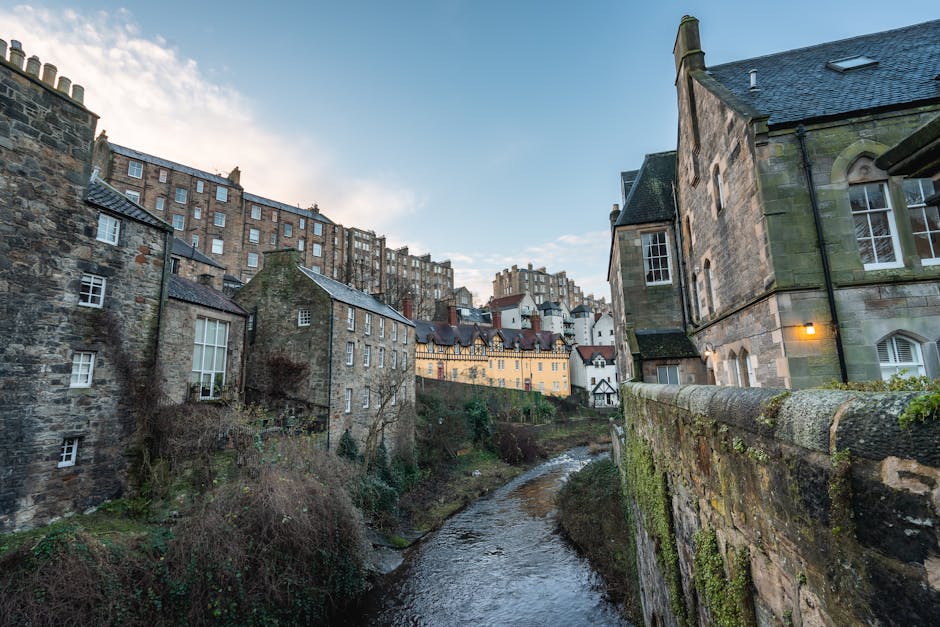
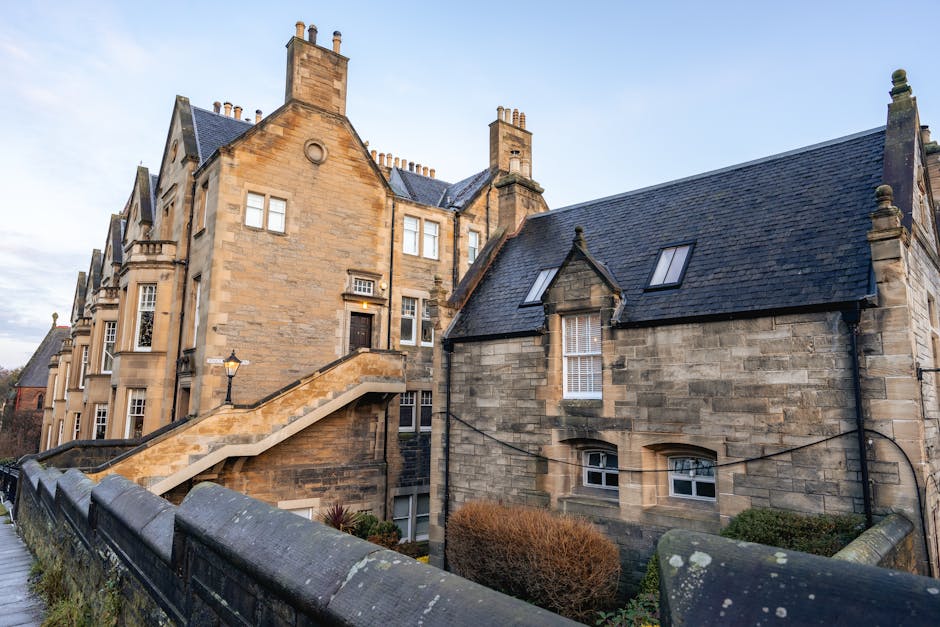
Capture the magic of Edinburgh on this self-guided stroll through the fairy-tale Dean Village, floral Circus Lane, and the scenic Water of Leith.
 Easy
EasyEdinburgh, United Kingdom
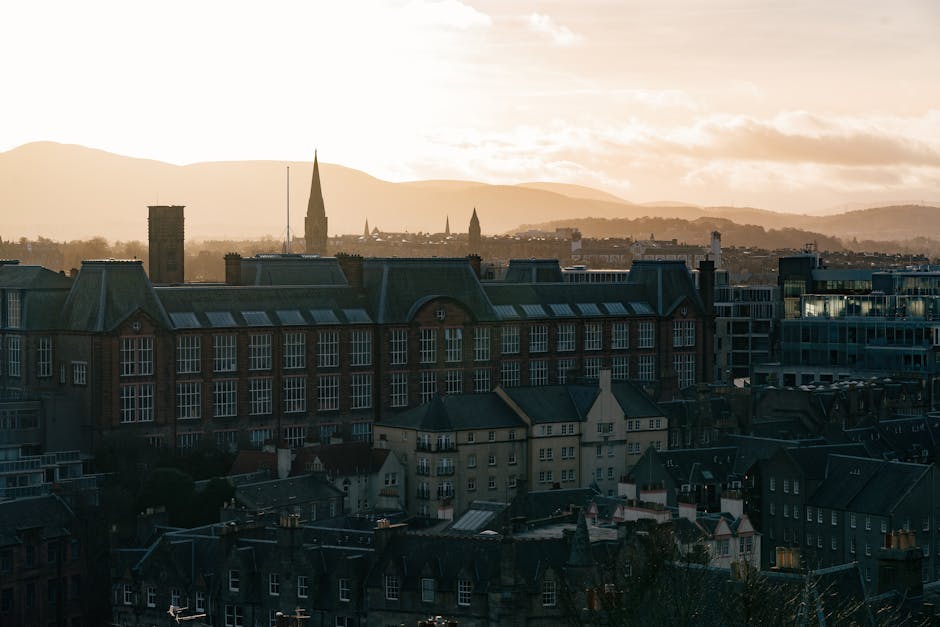
Explore Edinburgh's creative soul on this self-guided walk from historic museums to the stylish galleries and boutiques of the West End.
 Challenging
Edinburgh, United Kingdom
Ascend an ancient volcano and discover royal history on this challenging self-guided walk through Edinburgh's iconic Holyrood Park.