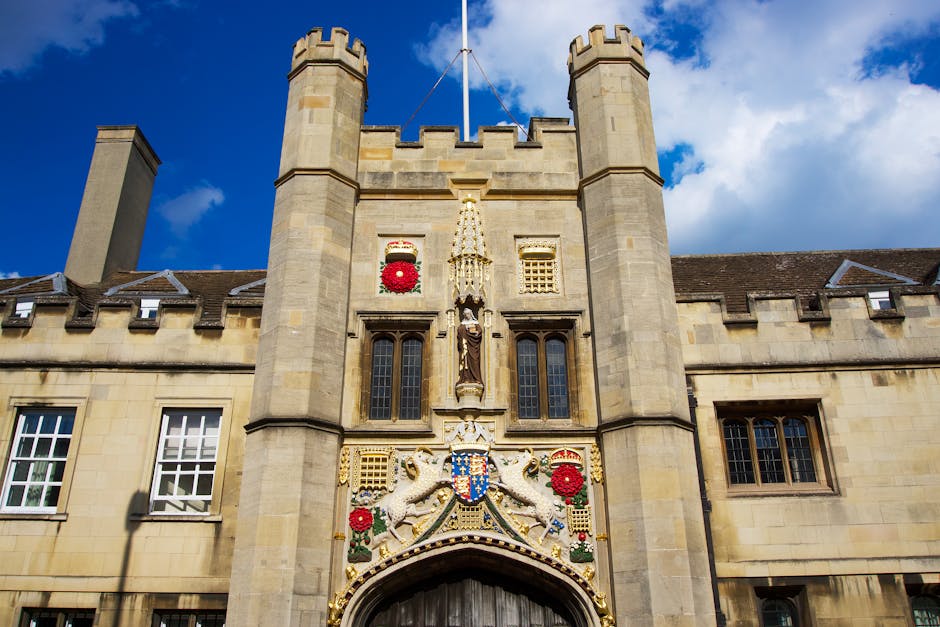
Self-guided audio tour in Cambridge
Start Free on iPhone
Start free on iPhone to unlock this self-guided walking tour in Cambridge. Hear all the stories that make it amazing, walk at your own pace, and begin whenever you want.
Your Private Tour Guide
Step into a world where centuries of academic excellence meet breathtaking architectural grandeur. This self-guided walking route invites you to explore the historic heart of Cambridge, a city defined by its prestigious university and the scholars who have shaped human history within its walls. As you navigate the winding medieval streets and open plazas, you will encounter the very structures that have inspired thinkers from Sir Isaac Newton to Stephen Hawking. The journey begins at the intersection of tradition and innovation, leading you through a sequence of colleges that represent the pinnacle of English Gothic and Neoclassical design. This neighborhood stroll offers an intimate look at the University of Cambridge's most iconic sites without the constraints of a group schedule. You will see the majestic King’s College Chapel, a masterpiece of Perpendicular Gothic architecture, and the Senate House, where generations of students have celebrated their academic triumphs. The route also highlights the unique traditions of the colleges, such as the symbolic gates of Gonville & Caius and the regal entrance to Trinity College. Beyond the stone facades, you will discover the stories of rivalry, discovery, and royal patronage that have defined this institution since the 13th century. Whether you are a history buff, an architecture enthusiast, or a first-time visitor, this walking route provides the flexibility to linger at your favorite spots. You can pause to admire the intricate stonework of St John's or take a moment to reflect on the scholarly legacy of The Old Schools. This experience is more than just a walk; it is an invitation to immerse yourself in the atmosphere of one of the world's most famous university towns at your own pace. While some visitors might look for a traditional guided tour Cambridge offers, this independent audio walk allows you to truly connect with the city's spirit. By following this path, you gain a deeper understanding of how Cambridge evolved from a medieval trading post into a global center of learning. For anyone planning a walking tour Cambridge is best experienced through its quiet courts and monumental gates, which this route captures perfectly.
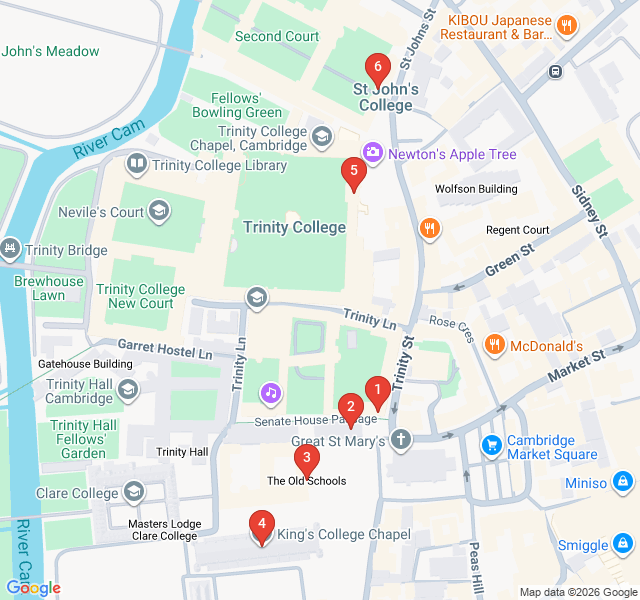
Numbers indicate the order of stops on the tour.
Welcome to one of the oldest and most influential colleges in Cambridge. Founded in 1348, Gonville & Caius—pronounced 'Keys'—is a place where tradition is literally built into the architecture. Look for the three famous gates: the Gate of Humility, through which students enter; the Gate of Virtue, which they pass through daily; and the Gate of Honour, through which they walk to receive their degrees at the Senate House. This college has a long-standing reputation for excellence in medicine and science, famously serving as the academic home of Stephen Hawking for over 50 years. The blend of medieval and Victorian structures here reflects the college's continuous evolution over seven centuries of academic life.
Standing before you is the ceremonial heart of the University. This stunning neoclassical building, designed by James Gibbs and completed in 1730, is where the university’s most important business is conducted, most notably the graduation ceremonies. On graduation days, you might see students in full academic dress queuing outside. The building is constructed from Portland stone and is a prime example of the Palladian style that was popular in the 18th century. In 1958, this site gained local notoriety when a group of engineering students managed to hoist an Austin Seven van onto the roof overnight—a legendary prank that took the authorities nearly a week to dismantle.
Tucked away behind the Senate House lies The Old Schools, the original site of the university's teaching and administration. Parts of this complex date back to the 14th century, making it some of the oldest university fabric in existence. For centuries, this was the location of the University Library and the Divinity, Law, and Arts schools. Today, it houses the central administrative offices of the University. The courtyard architecture shows a fascinating transition from medieval brickwork to more modern additions. As you stand here, you are at the very spot where the bureaucratic and intellectual foundations of Cambridge were laid down long before the individual colleges became the dominant force they are today.
This is perhaps the most iconic image of Cambridge. King's College Chapel is a masterpiece of Perpendicular Gothic architecture, commissioned by Henry VI in 1441. It took five kings and over 70 years to complete. Inside, it features the world’s largest fan-vaulted ceiling and magnificent 16th-century stained glass windows. The chapel isn't just a museum; it is home to the world-famous Choir of King’s College, whose Christmas Eve services are broadcast to millions. Look for the 'R' and 'A' initials carved in the wooden screen inside, representing Henry VIII and Anne Boleyn—a rare surviving tribute to their ill-fated marriage. The scale and detail of the stonework remain a testament to royal ambition and medieval craftsmanship.
You are now at the entrance to the wealthiest college in Cambridge. The Great Gate, completed in 1535, is guarded by a statue of King Henry VIII. Look closely at the scepter in his right hand—you'll notice it's actually a wooden chair leg. Local legend says it was swapped by students as a prank years ago, and the college decided to keep it. Trinity has produced more Nobel Prize winners than many entire countries and was the home of Sir Isaac Newton. Just outside the gate, you can see a descendant of the famous apple tree that allegedly inspired his theory of gravity. The sheer scale of the Great Court beyond the gate is a symbol of the college's immense prestige.
The final stop on our walk is St John's College, famous for its magnificent Tudor brickwork and its rivalry with neighboring Trinity. The Great Gate here is adorned with the 'yales'—mythical beasts with elephant tails and goat bodies—and the arms of Lady Margaret Beaufort, the college's foundress and mother of Henry VII. St John's is also home to the Bridge of Sighs, which crosses the River Cam. While named after the famous bridge in Venice, Queen Victoria is said to have found this version even more beautiful. The college's sprawling grounds and historic courts provide a perfect summary of the architectural and academic grandeur that makes Cambridge so unique.
Start Free on iPhone
Explore “The Grand Colleges Walk” with your very own Private Tour Guide with Zigway. Start free on iPhone, skip the large group and the fixed routes, and hear the city come alive as you go.
Your Private Tour Guide
Don't miss the good stuff
Explore Freely
 Moderate
Cambridge, United Kingdom
Discover Cambridge's verdant soul on this self-guided walk through the Botanic Garden and secret riverside fens. Perfect for nature lovers.
 Easy
EasyCambridge, United Kingdom
Discover the Saxon and Norman roots of Cambridge on this self-guided walk through the city's oldest churches and medieval landmarks.
 Moderate
Cambridge, United Kingdom
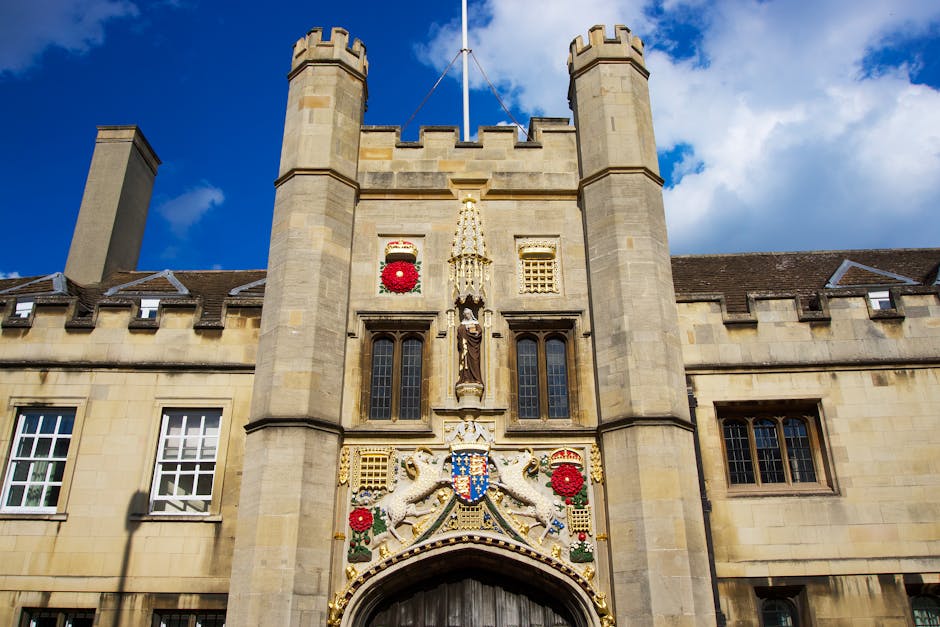
Discover the ancient roots of Cambridge and the stunning art of Kettle's Yard on this self-guided stroll through the historic Castle Hill district.
 Moderate
Cambridge, United Kingdom
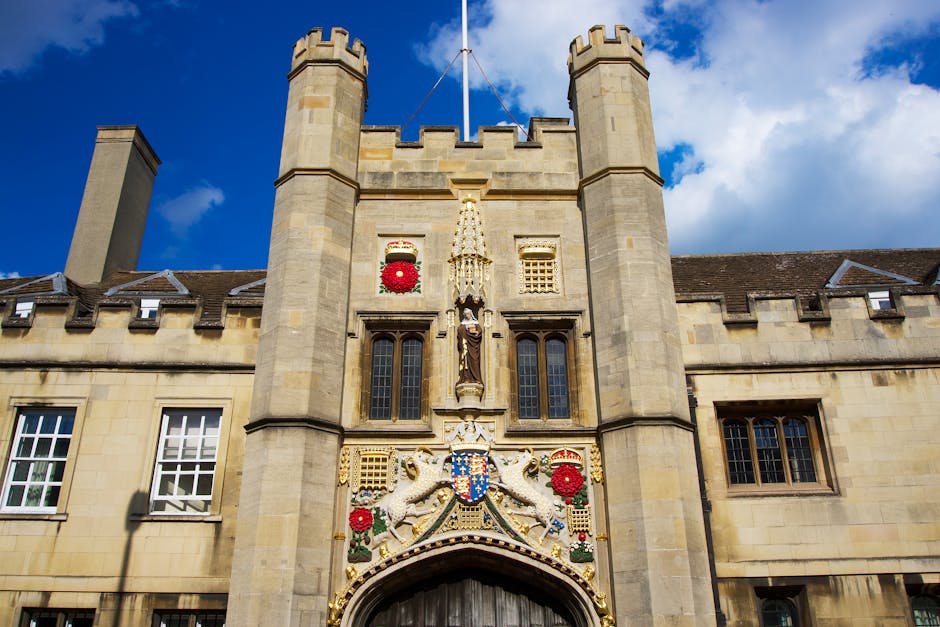
Discover the hidden history of the female pioneers who fought for equality and transformed the University of Cambridge on this self-guided walk.
 Easy
EasyNairobi, Kenya
Discover Nairobi's iconic skyline on this self-guided architecture walk through the CBD’s most famous modernist and Brutalist landmarks.
 Easy
EasyGdansk, Poland
Discover the opulent Royal Way of Gdansk at your own pace. Explore Hanseatic history, gilded architecture, and the iconic Neptune's Fountain.
 Easy
EasyWarsaw, Poland
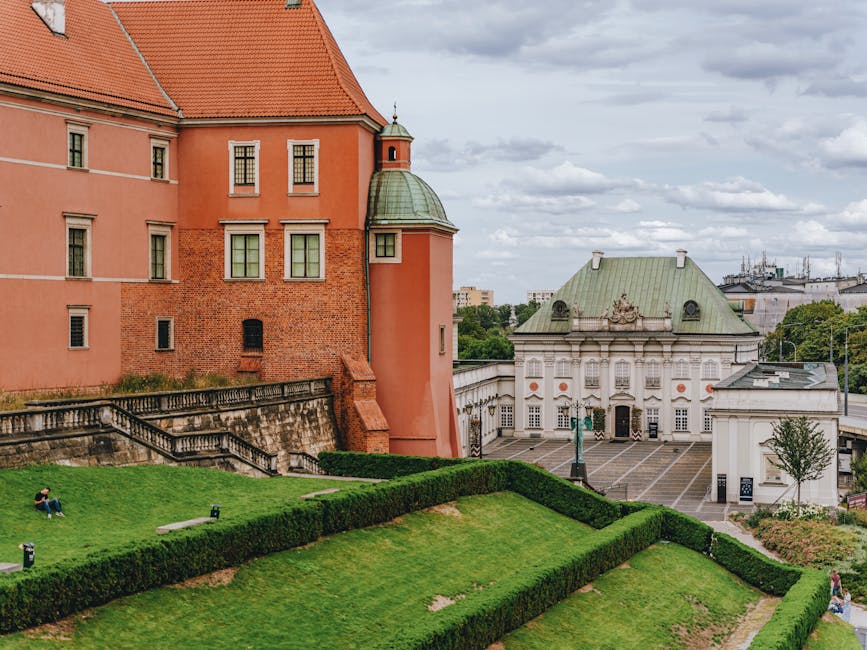
Explore the miracle of Warsaw's reconstructed Old Town on this self-guided walk through royal squares, medieval walls, and heroic monuments.
 Moderate
Gothenburg, Sweden
Discover Gothenburg’s maritime soul on this self-guided walk from the historic Central Station to the scenic riverfront at Stenpiren.
 Easy
EasyEdinburgh, United Kingdom
Explore Edinburgh's historic Royal Mile at your own pace, from the heights of the Castle to the royal Palace of Holyroodhouse.
 Easy
EasyEdinburgh, United Kingdom
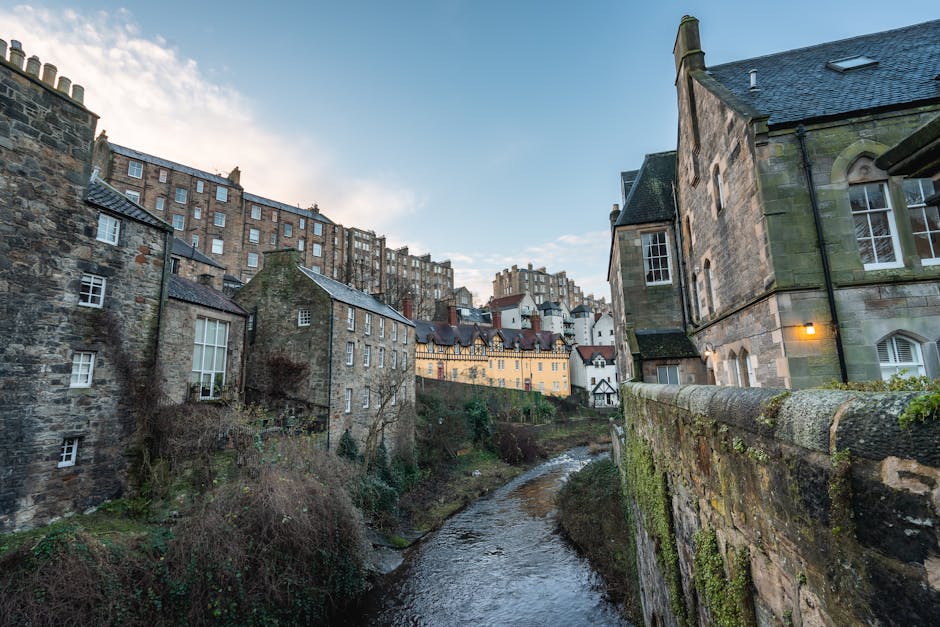
Capture the magic of Edinburgh on this self-guided stroll through the fairy-tale Dean Village, floral Circus Lane, and the scenic Water of Leith.
 Easy
EasyEdinburgh, United Kingdom
Explore Edinburgh's creative soul on this self-guided walk from historic museums to the stylish galleries and boutiques of the West End.
 Challenging
Edinburgh, United Kingdom
Ascend an ancient volcano and discover royal history on this challenging self-guided walk through Edinburgh's iconic Holyrood Park.