Self-guided audio tour in Bath
Start Free on iPhone
Start free on iPhone to unlock this self-guided walking tour in Bath. Hear all the stories that make it amazing, walk at your own pace, and begin whenever you want.
Your Private Tour Guide
Discover a side of Bath that many visitors overlook on this self-guided walk through the city's artistic soul. While Bath is famous for its Roman remains and Georgian crescents, it also boasts a thriving contemporary art scene and a wealth of creative galleries that bridge the gap between history and modern expression. This walking route takes you from the city's oldest house to cutting-edge university art spaces, exploring how the honey-colored stone provides a backdrop for diverse artistic movements. Begin your self-guided adventure in the heart of the city, where historic eating houses double as museums. You will quickly move into the realm of fine arts at Beaux Arts Bath and the community-focused 44AD artspace. This neighborhood stroll balances the grand institutional collections of the Victoria Art Gallery and The Holburne Museum with smaller, quirkier venues like the Museum of Bath at Work and the Herschel Museum of Astronomy, which highlights the art of scientific discovery. What makes this route special is its breadth. You will encounter classical sculpture at the Roman Baths, decorative arts in the Royal Crescent, and even folk art at the American Museum on the city's outskirts. Whether you are interested in traditional oil paintings, modern ceramics, or industrial heritage, this walking route Bath offers a comprehensive look at the creative spirit that has defined this UNESCO World Heritage site for centuries. Explore independently and take your time at the venues that pique your interest, as many host rotating exhibitions that ensure there is always something new to see. This journey through the Modern Art and Creative Galleries of Bath proves that the city is more than just a living museum—it is an active hub for makers and thinkers alike. **Note:** This area is known for its ever-changing character. Street art, pop-up venues, and temporary exhibitions may differ from what's described. That's part of the adventure - you might discover something entirely new!
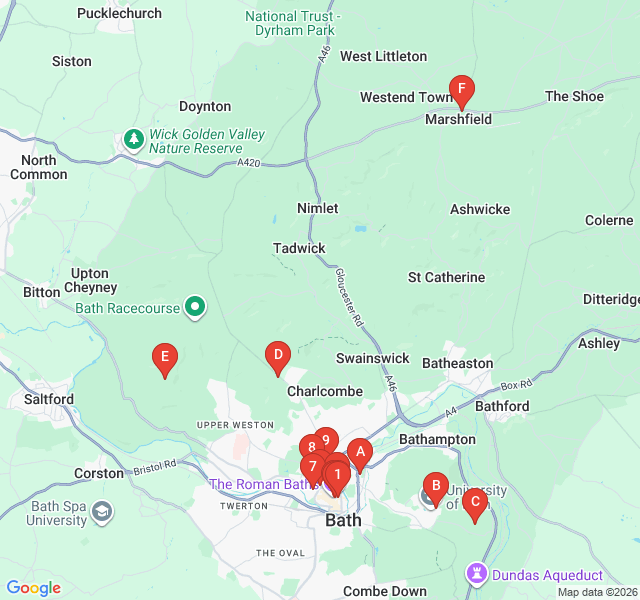
Numbers indicate the order of stops on the tour.
Start exploring with Zigway at one of the oldest houses in Bath, dating back to approximately 1482. While famous for its unique brioche-style bun, the building itself is a marvel of medieval and Georgian evolution. Downstairs, the kitchen museum reveals the original floor levels of the city, dating back to Roman times. This stop sets the stage for our route, showing how Bath’s creative history is literally layered. Notice the architectural shifts as you stand in the cellar; it is a physical timeline of the city’s development and a testament to the preservation of local craft.
Located in a beautiful Grade II listed building, Beaux Arts is the longest-established commercial gallery in the city. It specializes in major 20th-century painters and contemporary studio ceramics. The gallery represents several members of the Royal Academy and is known for its focus on the St Ives School. As you browse, look for the unique juxtaposition of modern sculpture against the classic architectural details of the gallery space. The exhibitions here change frequently, often featuring high-profile British artists alongside emerging local talent.
44AD is a vibrant, artist-led gallery and studio space that represents the grassroots of Bath’s modern art scene. Unlike the more formal institutions, this space often hosts experimental work, multi-disciplinary projects, and community-focused exhibitions. It serves as an incubator for local artists, providing them with a platform to showcase work that might not fit in a traditional museum setting. Because the content here changes often, you might find anything from immersive digital installations to traditional life drawing on display. It is a vital pulse point for the city's current creative output.
While primarily an archaeological site, the Roman Baths are a masterclass in ancient art and masonry. The sculpture of the Gorgon’s head from the Temple of Sulis Minerva is one of the most significant pieces of Roman art in Britain. As you walk the ancient pavements, observe the intricate carvings and the sheer scale of the engineering. The site also incorporates Victorian additions that show how later generations interpreted and framed these ancient wonders. It is the foundation upon which Bath’s entire aesthetic identity was built, blending natural thermal waters with human artistic ambition.
Named to commemorate Queen Victoria's Diamond Jubilee, this is the city's official art gallery. The upper gallery is a grand, traditional space featuring a permanent collection that includes works by Gainsborough, Sickert, and Zoffany. The lower gallery hosts a rotating program of high-quality temporary exhibitions, often focusing on contemporary themes or modern British masters. Don't miss the chance to see the collection of glass, watches, and porcelain that highlights the decorative arts. The building’s exterior is also notable for its intricate friezes and statues, which embody the civic pride of late 19th-century Bath.
The BRLSI is a cultural hub that has been at the center of intellectual life in Bath since 1824. While it functions as a learned society, its gallery spaces host fascinating exhibitions that often bridge the gap between art, science, and history. The institution holds a vast collection of fossils, ethnographic artifacts, and rare books. The exhibitions here frequently explore how visual art is used to document and explain the natural world. It is a quiet, contemplative space that offers a deeper look into the scholarly side of the city's creative history.
This museum is located in the former home of William and Caroline Herschel, the siblings who discovered the planet Uranus from their garden here in 1781. While the focus is scientific, the museum highlights the 'art of discovery' and the beautiful craftsmanship of 18th-century scientific instruments. The house itself is a perfectly preserved example of a modest Georgian townhouse, filled with musical instruments and astronomical tools that are works of art in their own right. It reminds us that in the 18th century, science, music, and art were deeply interconnected pursuits.
No. 1 Royal Crescent offers an immersive look at the decorative arts of the late 18th century. As the first house to be built in Bath’s most famous crescent, it has been restored to show how a wealthy household would have looked between 1776 and 1796. From the fine furniture and textiles to the paintings and silverware, every object in the house tells a story of social status and artistic taste. The architecture of the Crescent itself, designed by John Wood the Younger, is perhaps Bath’s greatest work of art, representing the pinnacle of Palladian design in England.
This museum celebrates the 'industrial art' of the city. Located in a former real tennis court, it houses the reconstructed workshops of local businesses, including an 18th-century brass foundry and a mineral water bottling plant. It explores how design and creativity were applied to everyday labor and manufacturing. The collection highlights the skill of Bath’s artisans and engineers, showing that creativity wasn't just for the upper classes in their drawing rooms, but was also found on the factory floor. It provides a gritty, fascinating contrast to the city's more polished galleries.
Set at the end of the grand Great Pulteney Street, The Holburne Museum was Bath’s first public art gallery. It houses the eclectic collection of Sir William Holburne, featuring fine silver, porcelain, and Renaissance bronzes. The museum is particularly famous for its collection of 18th-century British portraits. In recent years, a striking modern glass extension was added, creating a beautiful dialogue between the old stone architecture and contemporary design. The surrounding Sydney Gardens, the only remaining 18th-century pleasure gardens in the UK, provide a picturesque setting for this temple of art.
Located on the University of Bath campus, The Edge is a modern arts center that promotes interdisciplinary research and creativity. The Andrew Brownsword Gallery within the building hosts a range of contemporary exhibitions that often explore the intersection of art, science, and technology. Because it is part of a research university, the work here is often conceptual and thought-provoking. It represents the forward-looking, academic side of Bath’s art world. Please note that exhibitions here are temporary and subject to the academic calendar, so the space may occasionally be in transition.
Located just outside the city center at Claverton Manor, this is the only museum of American decorative arts outside the United States. It features a world-renowned collection of American quilts and folk art, showcasing the creative spirit of early settlers. The 'Period Rooms' take you on a journey through American history via interior design and craftsmanship. The gardens are equally artistic, featuring a Mount Vernon replica and contemporary planting schemes. This stop requires a short bus or taxi ride from the center, but it offers a unique international perspective on the theme of creativity.
This extraordinary 120-foot neo-classical tower was built for the eccentric collector William Beckford in 1827. It was designed to house his library and his vast collection of art and rare objects. Today, the museum inside the tower explores Beckford’s life as a writer, collector, and patron of the arts. The climb to the top offers panoramic views of the city, but the real treasure is the gold-leafed lantern and the history of the man who created this 'solitary retreat.' It is a monument to individual artistic vision and the pursuit of aesthetic perfection at any cost.
For a change of pace, Kelston Roundhill represents landscape as art. This natural landmark offers some of the most stunning views over the Cotswolds and the Bristol Channel. Many local artists come here to capture the changing light and the rolling hills that surround Bath. It is a place for reflection on the natural beauty that inspired the city's architects and painters. While not a gallery in the traditional sense, the 'art' here is the vista itself, which has remained largely unchanged for centuries. It’s a perfect spot to appreciate the geographic context of Bath’s creative heritage.
Finish your walking route at The Makery, a modern hub for the 'do-it-yourself' movement in Bath. This space is dedicated to modern craft, offering workshops and supplies for everything from sewing to jewelry making. It represents the democratization of art, encouraging everyone to become a maker. While the specific workshops and products change frequently, the focus remains on sustainable, creative living. It’s a great place to pick up a unique local gift or to get inspired for your next project, bringing your journey through Bath's creative history into the tangible present.
Start Free on iPhone
Explore “Modern Art and Creative Galleries” with your very own Private Tour Guide with Zigway. Start free on iPhone, skip the large group and the fixed routes, and hear the city come alive as you go.
Your Private Tour Guide
Don't miss the good stuff
Explore Freely
 Easy
EasyBath, United Kingdom
Uncover Roman ruins and Gothic spires on this self-guided audio walk through the historic heart of Bath. Explore at your own pace.
 Easy
EasyBath, United Kingdom
Uncover the eerie secrets and dark history of Bath on this self-guided audio walk through haunted theaters and historic Victorian cemeteries.
 Easy
EasyBath, United Kingdom
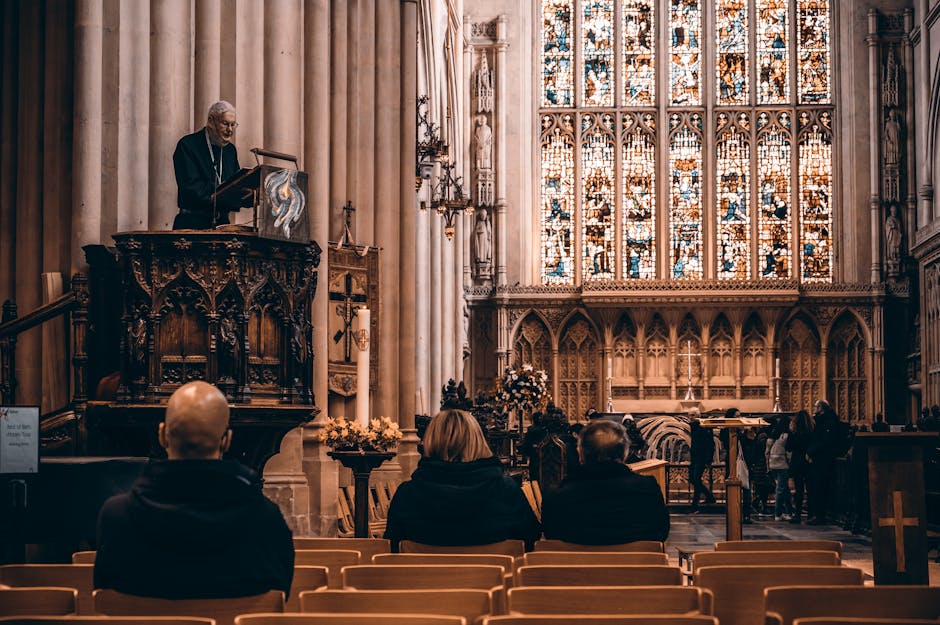
Explore Bath's industrial-heritage on this self-guided walk along the Kennet & Avon Canal, from engineering marvels to tranquil garden escapes.
 Moderate
Bath, United Kingdom
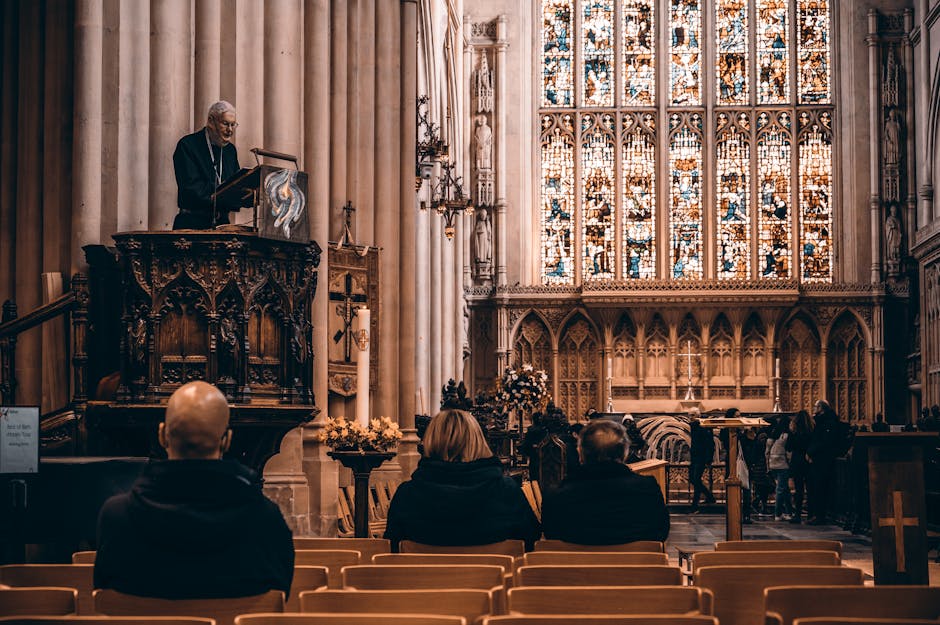
Escape the crowds and ascend the hills of Bath on this self-guided walk featuring panoramic views, historic follies, and hidden Victorian cemeteries.
 Moderate
Gdansk, Poland
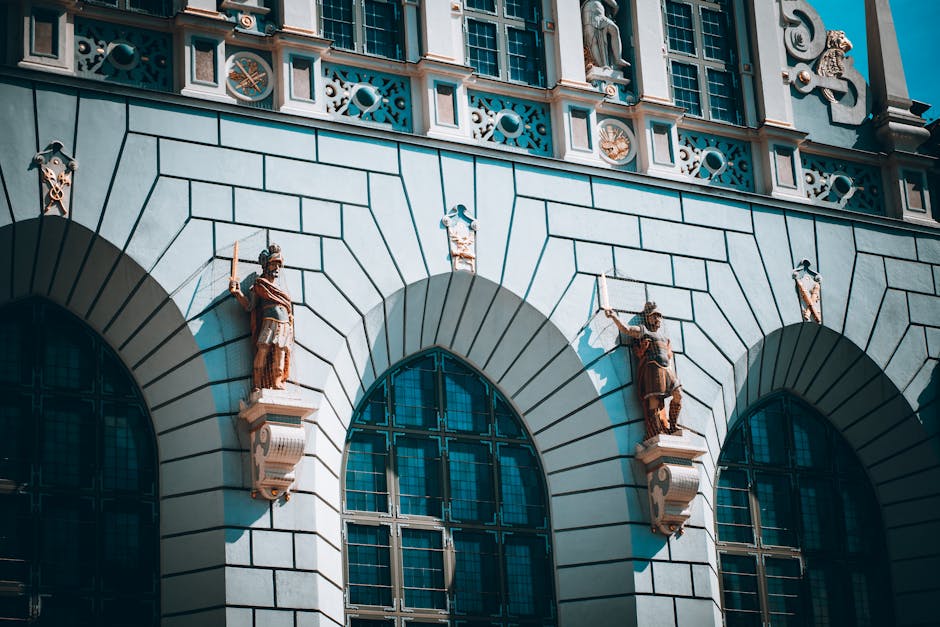
Discover Zaspa, a massive open-air gallery where grey housing blocks are transformed by over 60 monumental murals. Explore at your own pace.
 Moderate
Nairobi, Kenya
Taste your way through Nairobi's Westlands on this self-guided walk featuring street snacks, cultural landmarks, and hidden foodie gems.
 Easy
EasyKrakow, Poland
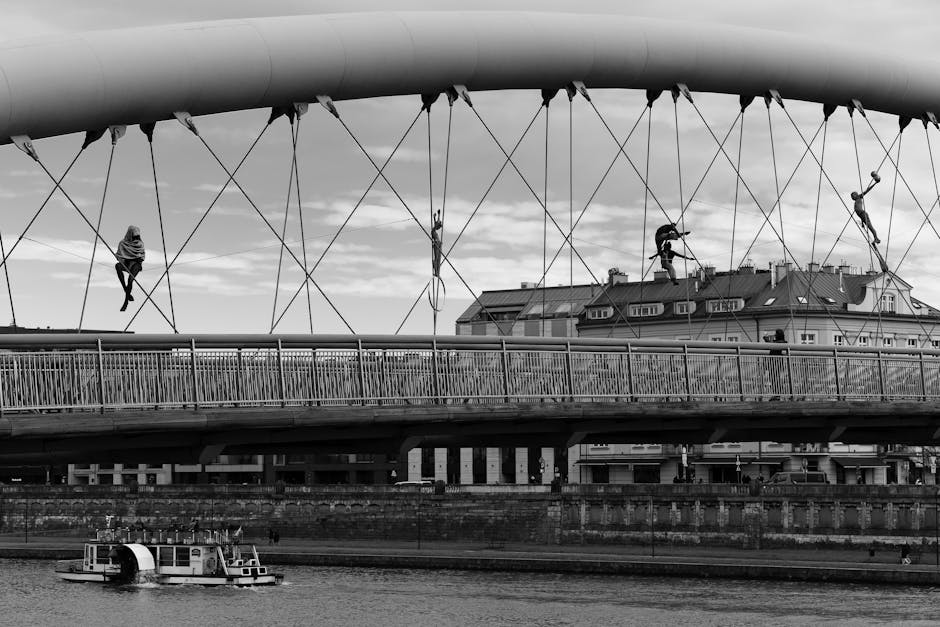
Explore Krakow’s artistic evolution from Renaissance masterpieces to vibrant urban murals on this inspiring self-guided walk through the city.
 Easy
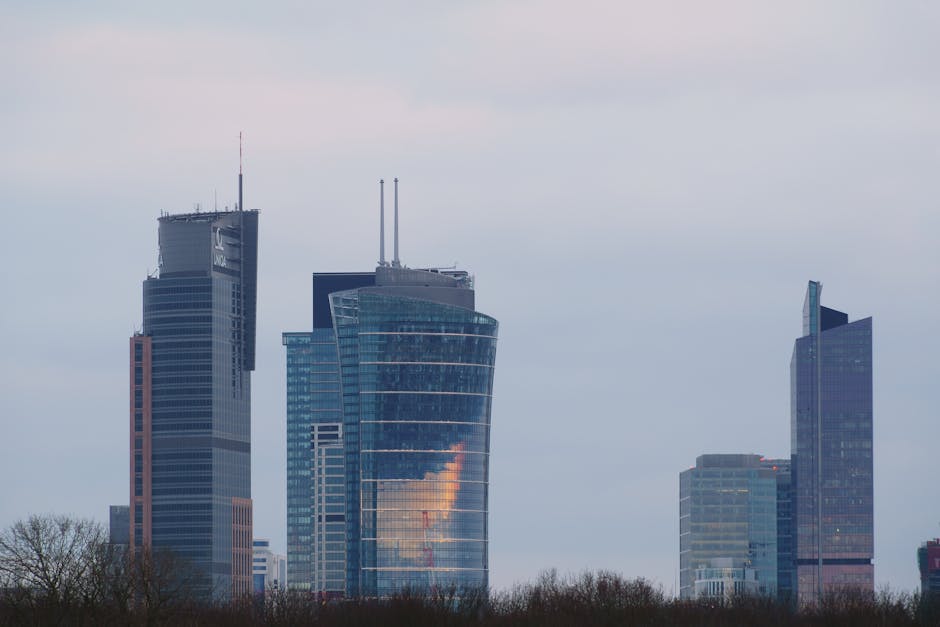
EasyWarsaw, Poland
Discover the hidden courtyards and grand pre-war architecture of Warsaw's most atmospheric neighborhood on this self-guided stroll.
 Easy
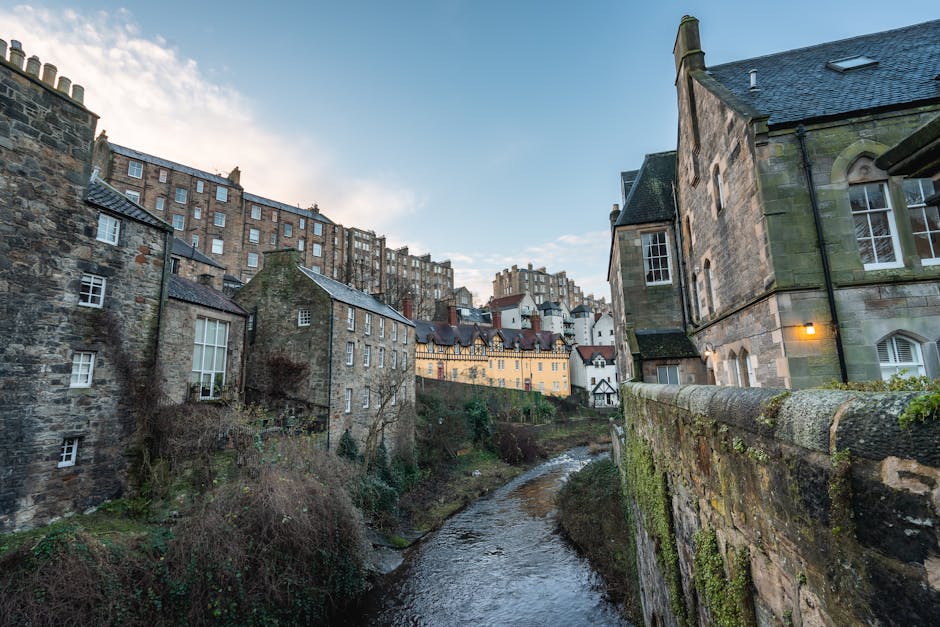
EasyEdinburgh, United Kingdom
Explore Edinburgh's historic Royal Mile at your own pace, from the heights of the Castle to the royal Palace of Holyroodhouse.
 Easy
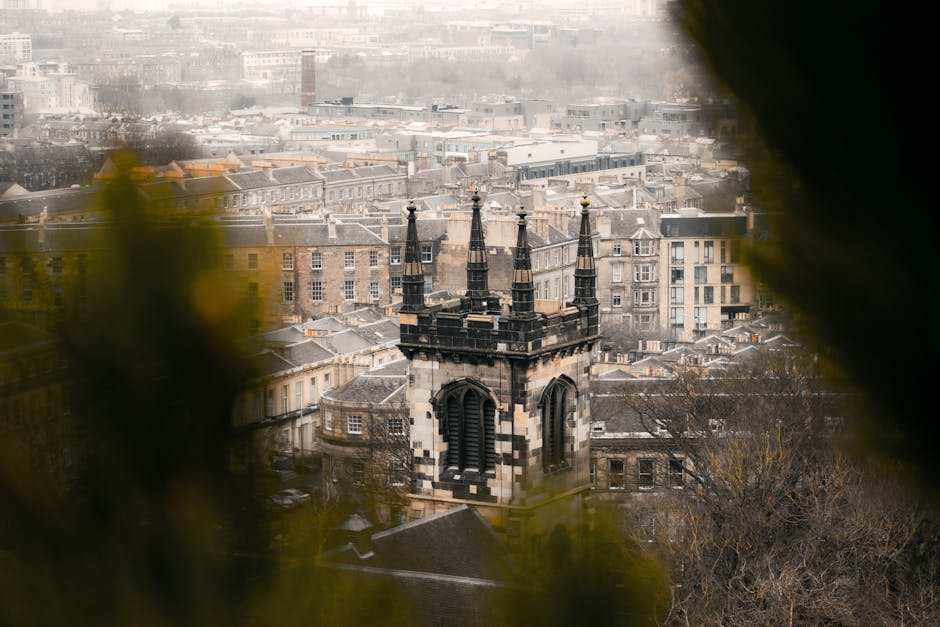
EasyEdinburgh, United Kingdom
Capture the magic of Edinburgh on this self-guided stroll through the fairy-tale Dean Village, floral Circus Lane, and the scenic Water of Leith.
 Easy
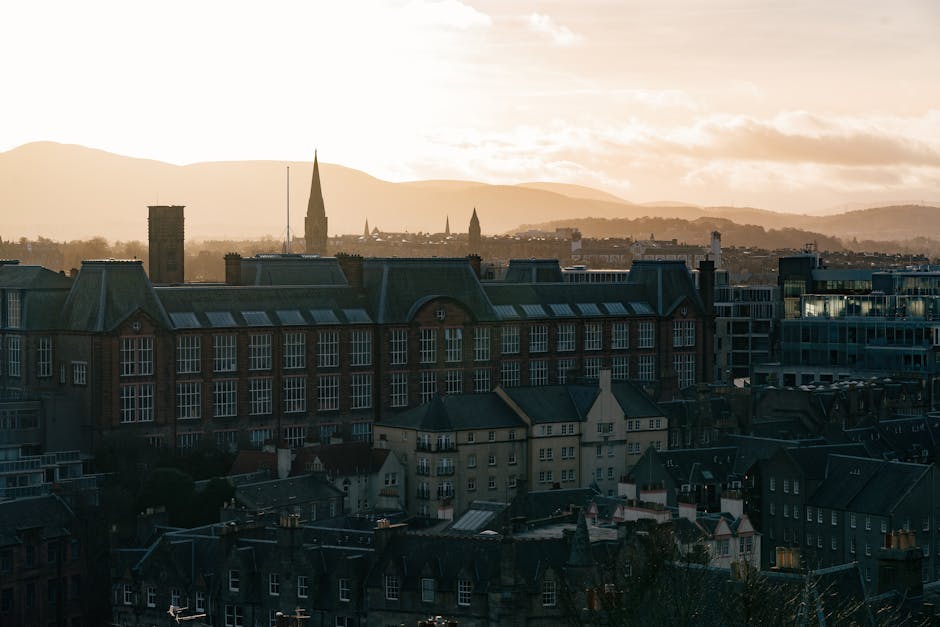
EasyEdinburgh, United Kingdom
Explore Edinburgh's creative soul on this self-guided walk from historic museums to the stylish galleries and boutiques of the West End.
 Challenging
Edinburgh, United Kingdom
Ascend an ancient volcano and discover royal history on this challenging self-guided walk through Edinburgh's iconic Holyrood Park.