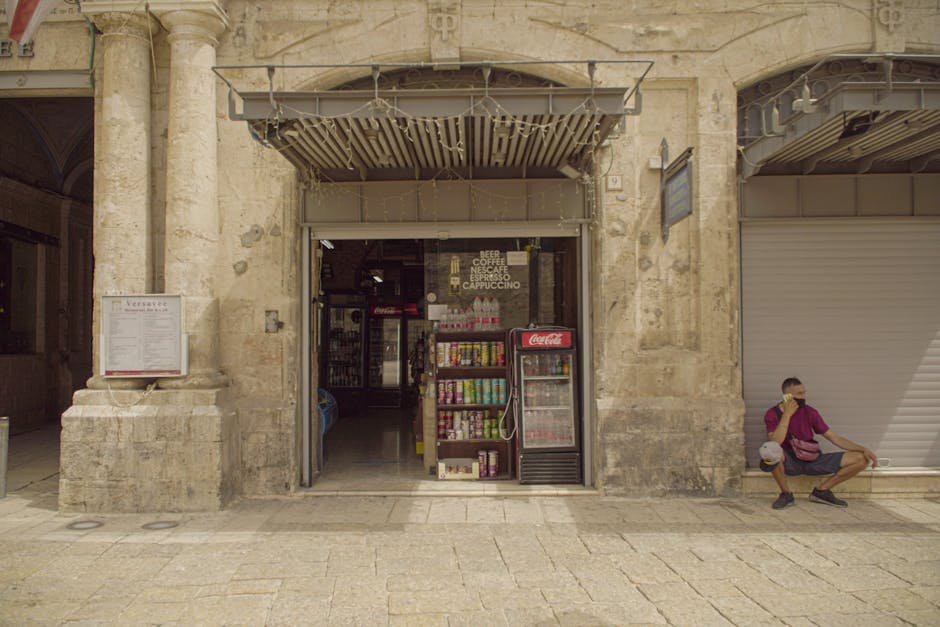
Self-guided audio tour in Jerusalem
Start Free on iPhone
Start free on iPhone to unlock this self-guided walking tour in Jerusalem. Hear all the stories that make it amazing, walk at your own pace, and begin whenever you want.
Your Private Tour Guide
Step into a slice of 19th-century Europe nestled in the heart of the Holy City with this self-guided walking route through Jerusalem's German Colony. Established in the late 1800s by the Temple Society—a group of German pietists who moved to the Holy Land to prepare for the second coming—this neighborhood offers a striking contrast to the ancient stone of the Old City. As you begin your self-guided adventure, you will discover a district defined by its red-tiled roofs, shuttered windows, and lush gardens, all built with the meticulous craftsmanship characteristic of German architecture. This neighborhood stroll isn't just about the buildings; it is an exploration of a community that sought to blend European modernity with biblical heritage, leaving a permanent mark on the city's urban fabric. The route takes you from the historic villa of the Museum of Natural History to the hauntingly beautiful Hansen House, once a secluded hospital and now a vibrant cultural hub. You will wander down Emek Refa'im Street, the colony's main artery, where historic lintels still bear German inscriptions above the doorways of trendy cafes. The walk also visits the solemn Templer Cemetery, where the names on the headstones tell the stories of the families who built this community. For those interested in the industrial history of the region, the route leads to The First Station, the beautifully restored terminus of the Jaffa-Jerusalem railway that once connected these colonists to the world. Whether you are an architecture enthusiast or a history buff, this walking route Jerusalem offers a quiet, contemplative way to see a side of the city often missed by the crowds. Explore independently and at your own pace as you uncover the fascinating, complex, and sometimes controversial legacy of the Templers in Jerusalem.
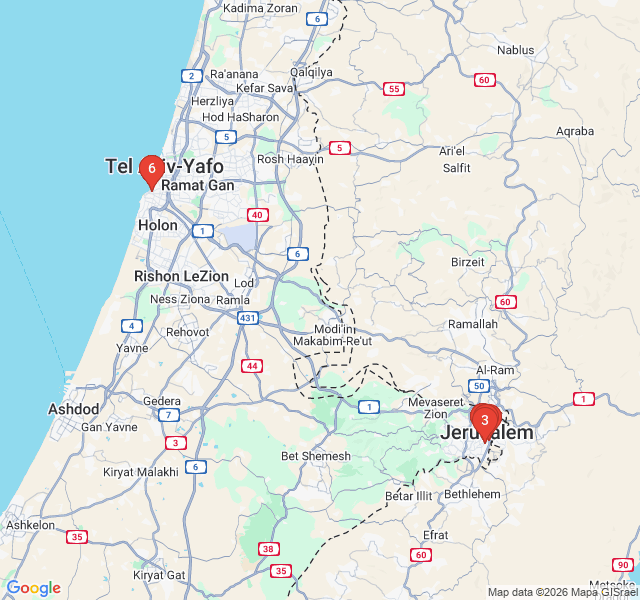
Numbers indicate the order of stops on the tour.
Start exploring with Zigway at this hidden gem. This grand 19th-century villa, known as the Villa Dekan, was built by a wealthy Armenian businessman before being used by the Templers. It serves as a perfect introduction to the neighborhood's architecture, featuring high ceilings and thick stone walls designed to keep the interior cool during Jerusalem's hot summers. Today, it houses a modest natural history museum, but the real draw is the surrounding garden and the sense of stepping back into a more tranquil era of the city's development. Notice the blend of local stone with European proportions.
Just a short walk away lies Hansen House, originally established in 1887 as the 'Jesus Hilfe' asylum for those suffering from leprosy. Designed by German architect Conrad Schick, this walled compound was once an isolated world of its own, complete with its own farm and gardens to sustain the patients. For decades, it was a place of mystery and seclusion. Today, it has been brilliantly repurposed as a center for design, media, and technology. As you walk through the grounds, you can still feel the serenity that was intended to provide comfort to the residents over a century ago.
Emek Refa'im is the heart of the German Colony. As you stroll down this vibrant street, look up above the doorways. You will see several homes featuring German inscriptions, such as 'Eben-Ezer,' reflecting the religious devotion of the original Templer residents. The Templers were skilled craftsmen and farmers who introduced modern agriculture and industry to the region. Today, the street is a mix of historic preservation and modern life, where the original stone houses now host boutiques and restaurants, making it one of the most sought-after neighborhoods in Jerusalem.
Tucked away behind a stone wall on a side street is the Templer Cemetery. This is the final resting place for many of the colony's founders and their families. The headstones here bear names like Hoffman and Hardegg—the leaders of the Temple Society. Walking through these quiet rows offers a moment of reflection on the dreams and challenges of these European settlers. The cemetery is also home to a memorial for the Templers who were deported by the British during World War II, marking the bittersweet end of their presence in the Holy Land.
Following the path of the old tracks, you reach The First Station. Opened in 1892, this was the terminus of the Jaffa-Jerusalem railway, a revolutionary project that shortened the journey from the coast from two days to just a few hours. The Templers were instrumental in the logistics and commerce that the railway enabled. After decades of neglect, the station was restored as a pedestrian leisure hub. You can still see the original station building and the tracks, which have now been converted into the 'Park HaMesila,' a popular walking and cycling path.
While our walking route focuses on Jerusalem, the story of the Templers is inextricably linked to their other settlements. Immanuel Church, though located in the American-German Colony of Jaffa, represents the pinnacle of their architectural and spiritual legacy in Israel. Built in 1904, its neo-Gothic spire and stunning stained glass are hallmarks of the German influence on the landscape. It serves as a sister site to the Jerusalem colony, reminding us that these settlements were part of a larger network of pioneers who sought to create a 'spiritual temple' through their physical labor in the land.
Start Free on iPhone
Explore “The Templer Legacy: Strolling the German Colony” with your very own Private Tour Guide with Zigway. Start free on iPhone, skip the large group and the fixed routes, and hear the city come alive as you go.
Your Private Tour Guide
Don't miss the good stuff
Explore Freely
 Easy
EasyJerusalem, Israel
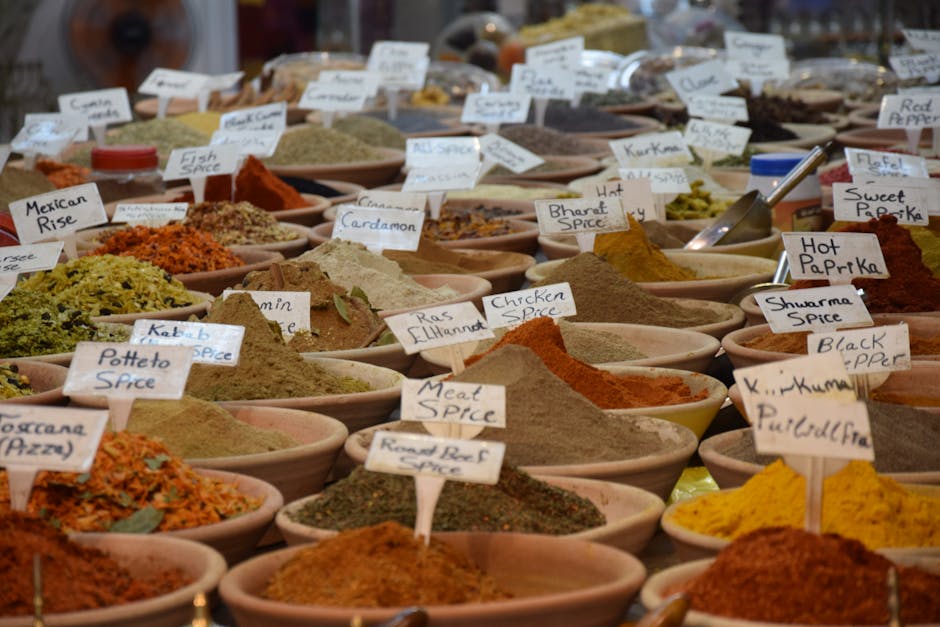
Taste the heart of Jerusalem on this self-guided walk through the legendary stalls and hidden gems of Mahane Yehuda Market.
 Easy
EasyJerusalem, Israel
Explore the secluded world of Mea Shearim on this self-guided walk through Jerusalem’s historic ultra-Orthodox district and 19th-century courtyards.
 Easy
EasyJerusalem, Israel
Explore Jerusalem's nightlife and street art, from the shutter murals of the Shuk to secret speakeasies and creative hubs in the City Center.
 Easy
EasyJerusalem, Israel
Explore the 'Garden Suburb' of Jerusalem's elite. Discover Bauhaus architecture, historic residences of prime ministers, and intellectual landmarks.
 Easy
EasyWarsaw, Poland
Discover the hidden courtyards and grand pre-war architecture of Warsaw's most atmospheric neighborhood on this self-guided stroll.
 Easy
EasyNairobi, Kenya
Discover Nairobi’s literary soul on this self-guided walk through historic libraries, iconic bookshops, and cultural centers in the heart of the CBD.
 Easy
EasyKrakow, Poland
Explore the prestigious Jagiellonian University district, featuring Neo-Gothic architecture, Baroque churches, and Krakow's hidden scholarly gems.
 Easy
EasyKrakow, Poland
Explore the historic heart of Kazimierz on this self-guided walk through synagogues, ancient cemeteries, and vibrant squares.
 Easy
EasyTel Aviv, Israel
Explore a hidden New England-style village in Tel Aviv. Discover wooden houses and 19th-century history on this peaceful self-guided walk.
 Easy
EasyTel Aviv, Israel
Explore the literary heart and stunning architecture of Tel Aviv's most beautiful historic street on this self-guided neighborhood stroll.
 Easy
EasyTel Aviv, Israel
Experience the sea breeze on this self-guided walk through Tel Aviv's historic port, featuring iconic boardwalks, markets, and sunset views.
 Easy
EasyTel Aviv, Israel
Explore the birthplace of Tel Aviv on a self-guided adventure through Bauhaus architecture and the historic site of Israel's independence.