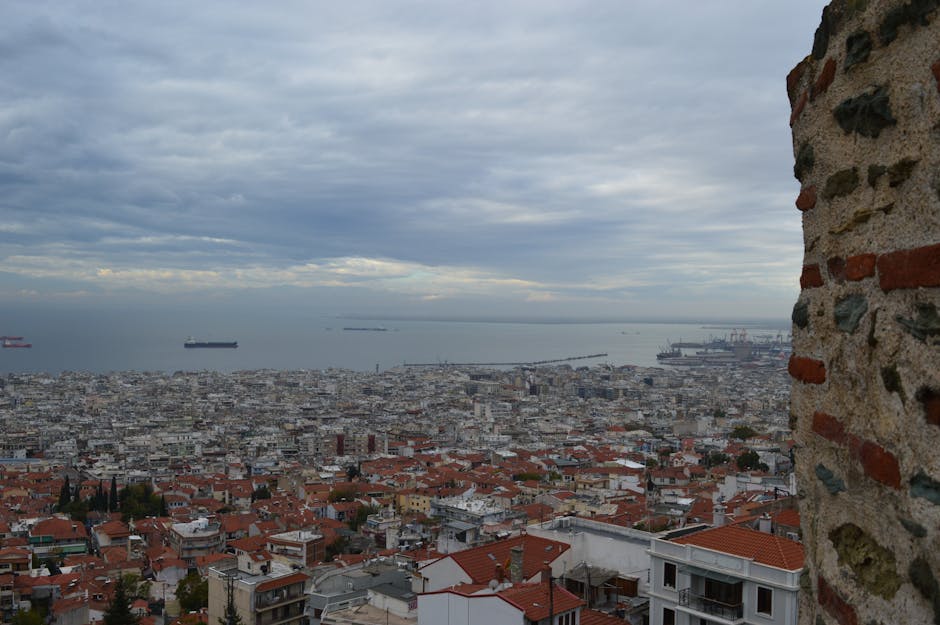
Self-guided audio tour in Thessaloniki
Start Free on iPhone
Start free on iPhone to unlock this self-guided walking tour in Thessaloniki. Hear all the stories that make it amazing, walk at your own pace, and begin whenever you want.
Your Private Tour Guide
Experience the radiant soul of Greece’s second city on this self-guided walk through Thessaloniki’s most visually stunning districts. This walking route captures the essence of a city where ancient Roman ruins and Byzantine heritage meet cutting-edge modern art. As you explore independently, you will witness the transition from the historic center to the breezy, revitalized waterfront that has become the city's modern living room. The theme of this journey is the intersection of history and creativity, making it a dream for those interested in photography and urban design. From the somber elegance of the Jewish Museum to the playful installations of the Museum of Illusions, the route offers a diverse palette of experiences. Your self-guided adventure leads you through the heart of the city, passing the monumental statue of Eleftherios Venizelos and the sprawling Roman Forum, which remains a testament to the city’s importance in antiquity. As the walk progresses toward the sea, the scenery shifts. You will explore the lush Pasha’s Gardens and the heights of the Acropolis for panoramic views before descending toward the cultural hub near the waterfront. Here, the Archaeological Museum and the Museum of Byzantine Civilization offer deep dives into the region's rich past. The highlight for many is the Nea Paralia, the city’s award-winning waterfront promenade. This stretch is home to the iconic Umbrellas by Zongolopoulos, perhaps the most photographed spot in the city, especially during the golden hour. The route continues past the towering statue of Alexander the Great and the historic White Tower, eventually concluding at the sleek Thessaloniki Concert Hall. This neighborhood stroll is more than just a walk; it is an invitation to see Thessaloniki through a lens of artistic expression and historical resilience. Whether you are a first-time visitor or a repeat traveler, this walking route Thessaloniki offers a comprehensive look at the city's unique character at your own pace.
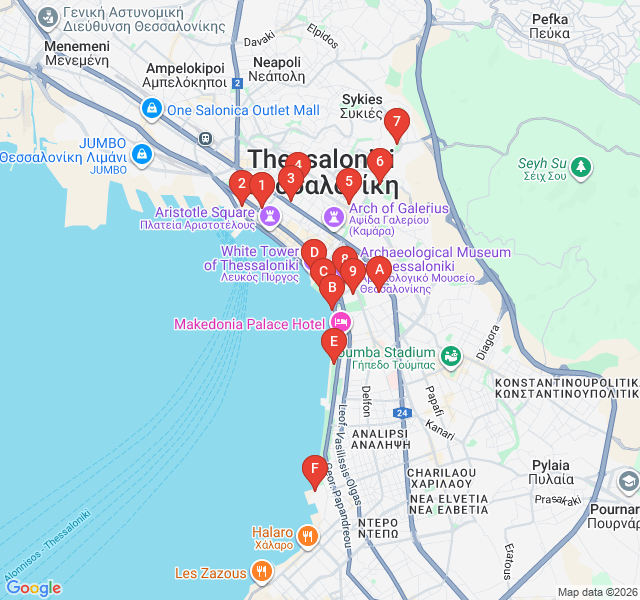
Numbers indicate the order of stops on the tour.
Start your self-guided walk at the Jewish Museum, housed in one of the few Jewish structures to survive the Great Fire of 1917. Thessaloniki was once known as the 'Madre de Israel' (Mother of Israel) due to its thriving Sephardic community. This museum traces the history of the Jews in the city from the 15th century through the tragedies of the Holocaust. The building itself, once the Bank of Athens, is a beautiful example of early 20th-century architecture. Take a moment to appreciate the commemorative plaques that honor a community that shaped the city's identity for centuries.
Just a short stroll away, the Museum of Illusions offers a complete change of pace. This stop is a playground for photography enthusiasts. The museum features various rooms and installations designed to trick the eye and challenge your perception of gravity and scale. While modern and quirky, it reflects Thessaloniki's contemporary creative energy. It is a popular spot for capturing unique social media content before heading back into the historical layers of the city. Notice how the surrounding Ladadika district blends these new attractions with traditional tavernas.
Located at the top of Aristotelous Square, this statue honors Eleftherios Venizelos, one of the most significant statesmen in modern Greek history. He served as Prime Minister multiple times and played a crucial role in the expansion of the Greek state. This area serves as the city's central hub, where the grand neo-Byzantine architecture of the square meets the bustling commercial streets. It is an excellent vantage point to see the city's layout, designed by French architect Ernest Hébrard after the 1917 fire.
Step back nearly 2,000 years at the Roman Forum, the ancient heart of Thessaloniki. Discovered by accident in the 1960s, this site was once the center of public life, featuring a theater, a mint, and a massive underground stoa. The well-preserved odeon, where musical performances and meetings took place, still stands today. As you look down into the excavations from the street level, you can see the layers of history that exist just beneath the modern pavement. It is a stark reminder of the city's status as a major metropolis in the Roman Empire.
This modest pink house is the birthplace of Mustafa Kemal Ataturk, the founder of modern Turkey. Born here in 1881 when Thessaloniki was part of the Ottoman Empire, Ataturk spent his early years in these rooms. The house is now a museum and part of the Turkish Consulate complex. It features original furniture and personal items belonging to Ataturk, offering a glimpse into the late Ottoman period of the city. The site is a significant point of historical pilgrimage and highlights the multicultural tapestry that defines Thessaloniki’s past.
Tucked away near the eastern walls, Pasha’s Gardens is one of the city's most mysterious and beautiful hidden gems. Created in 1904, the gardens feature unusual stone structures that many compare to the works of Antoni Gaudí in Barcelona. The origins of these 'fantasy' structures are shrouded in local myth, with some attributing them to mystical or Masonic influences. Today, it is a peaceful retreat filled with lush greenery and crumbling stone pillars, offering a quiet moment away from the urban bustle and a fantastic backdrop for atmospheric photography.
Ascend to the Heptapyrgion, or the 'Fortress of the Seven Towers,' located at the highest point of the city’s Acropolis. This Byzantine and Ottoman-era fortress served as the city's primary defense for centuries before becoming a notorious prison in the late 19th century. Walking along the massive stone walls, you are rewarded with the most spectacular panoramic view of Thessaloniki and the Thermaic Gulf. From here, you can see how the city spills down toward the sea, framed by the distant peaks of Mount Olympus on a clear day.
Descending back toward the sea, you reach one of Greece's most important museums. The Archaeological Museum of Thessaloniki houses artifacts from the Prehistoric to Late Roman periods, with a particular focus on the Kingdom of Macedonia. You will find incredible gold jewelry, intricate mosaics, and the famous Derveni Krater. The exhibits tell the story of the people who lived in this region, their rituals, and their artistry. The museum's courtyard also features impressive Roman sarcophagi and architectural fragments, allowing for a quiet stroll through ancient history.
Right next door is the award-winning Museum of Byzantine Civilization. This museum is a masterpiece of modern architecture, designed by Kyriakos Krokos using exposed brick and concrete. Inside, the collection explores the Byzantine Empire through icons, frescoes, coins, and everyday objects. It is not just a religious museum; it covers the political and social life of an empire that lasted over a millennium. The lighting and layout are specifically designed to enhance the beauty of the artifacts, making it a serene and educational stop on your walking route.
Located in a building designed by architect Vitaliano Poselli, the War Museum chronicles the military history of Northern Greece. The exhibits cover various conflicts, including the Greek Revolution, the Balkan Wars, and the World Wars. Outside, you can see a collection of military vehicles, aircraft, and artillery pieces. It provides a sobering look at the strategic importance of Thessaloniki throughout the centuries and the sacrifices made during the struggle for Greek independence and modern statehood.
Step onto the Nea Paralia to see the city's most iconic modern landmark. Installed in 1997 when Thessaloniki was the European Capital of Culture, George Zongolopoulos’s 'Umbrellas' have become a symbol of the city’s rejuvenation. The stainless steel structure stands 13 meters tall, with the umbrellas seemingly floating against the sky. This is the ultimate photography spot in Thessaloniki. As the sun begins to set, the light reflects off the steel and the sea, creating a magical atmosphere. It perfectly captures the city's blend of whimsy and elegance.
Continue along the waterfront to find the massive bronze statue of Alexander the Great. Standing on his horse, Bucephalus, the legendary Macedonian king gazes out toward the east. Behind him, several sarissas (long spears used by the Macedonian phalanx) stand tall, symbolizing the military might of his empire. This monument is a point of immense local pride and a popular gathering spot for locals. The wide-open space around the statue offers great views of the White Tower and the vast expanse of the Aegean Sea.
The White Tower is the undisputed symbol of Thessaloniki. Originally built by the Ottomans to replace an older Byzantine fortification, it was used as a fort, a garrison, and a notorious prison known as the 'Tower of Blood.' After the city’s liberation in 1912, it was symbolically whitewashed. Today, it houses a museum dedicated to the city’s history. Standing at the junction of the old city walls and the new waterfront, the tower marks the transition between the historic past and the vibrant present of the city’s social life.
The Nea Paralia (New Waterfront) is a 3.5-kilometer-long linear park that has won numerous international architectural awards. It is divided into several 'themed gardens,' such as the Garden of Sound, the Garden of Roses, and the Garden of Water. This area has transformed the city's relationship with the sea, providing a vast public space for walking, cycling, and relaxing. It is the best place to observe local life—families walking, joggers, and street performers all share this beautiful maritime stage.
Your walk concludes at the Thessaloniki Concert Hall, a striking pair of buildings at the southern end of the waterfront. The first building is a modern take on Byzantine architecture, while the second, M2, is a glass-fronted contemporary structure designed by Arata Isozaki. The way the glass reflects the sea and sky is particularly beautiful at twilight. This venue hosts world-class musical and cultural events, serving as a beacon of the city’s ongoing commitment to the arts. From here, you can enjoy a final look back at the illuminated city skyline.
Start Free on iPhone
Explore “Sunset Serenade: Thessaloniki’s Iconic Waterfront” with your very own Private Tour Guide with Zigway. Start free on iPhone, skip the large group and the fixed routes, and hear the city come alive as you go.
Your Private Tour Guide
Don't miss the good stuff
Explore Freely
 Moderate
Thessaloniki, Greece
Discover Thessaloniki’s creative soul on this self-guided walk through hidden alleys, vibrant murals, and iconic modern art installations.
 Easy
EasyThessaloniki, Greece
Uncover the hidden Ottoman soul of Thessaloniki. Explore ancient bathhouses, vibrant markets, and historic mosques on this self-guided audio walk.
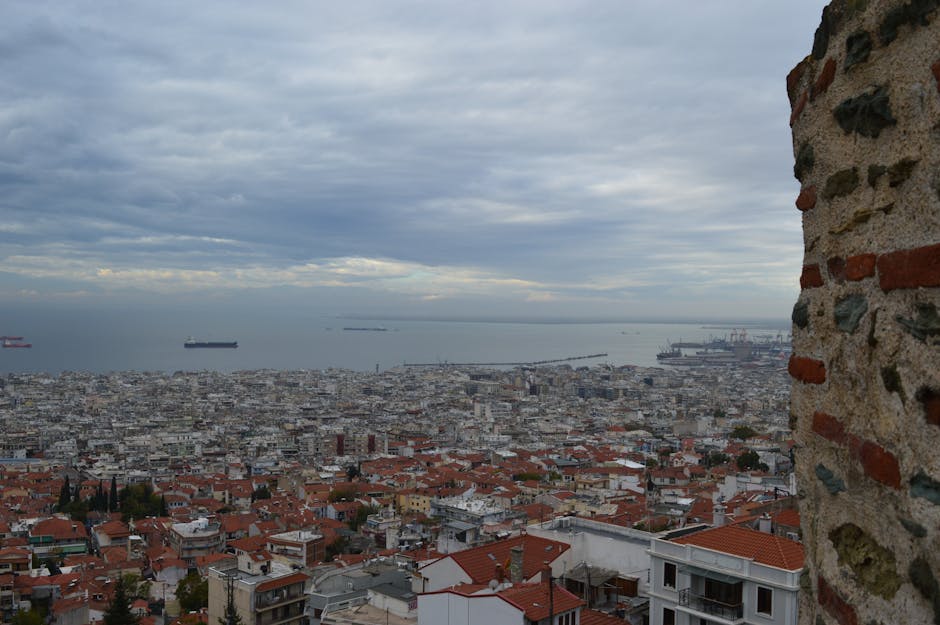 Easy
EasyThessaloniki, Greece
Discover how the 1917 Great Fire transformed Thessaloniki into a modern European masterpiece on this self-guided architectural walking route.
 Easy
EasyThessaloniki, Greece
Explore the heart of Thessaloniki on this self-guided walk, discovering Roman ruins and Byzantine masterpieces at your own pace.
 Easy
EasyNairobi, Kenya
Explore the history of Kenya’s independence through the statues, monuments, and parks that define Nairobi’s political heart on this self-guided walk.
 Moderate
Krakow, Poland
Discover Krakow’s stunning skyline and riverside charm on this self-guided audio walk through scenic viewpoints and historic mounds.
 Easy
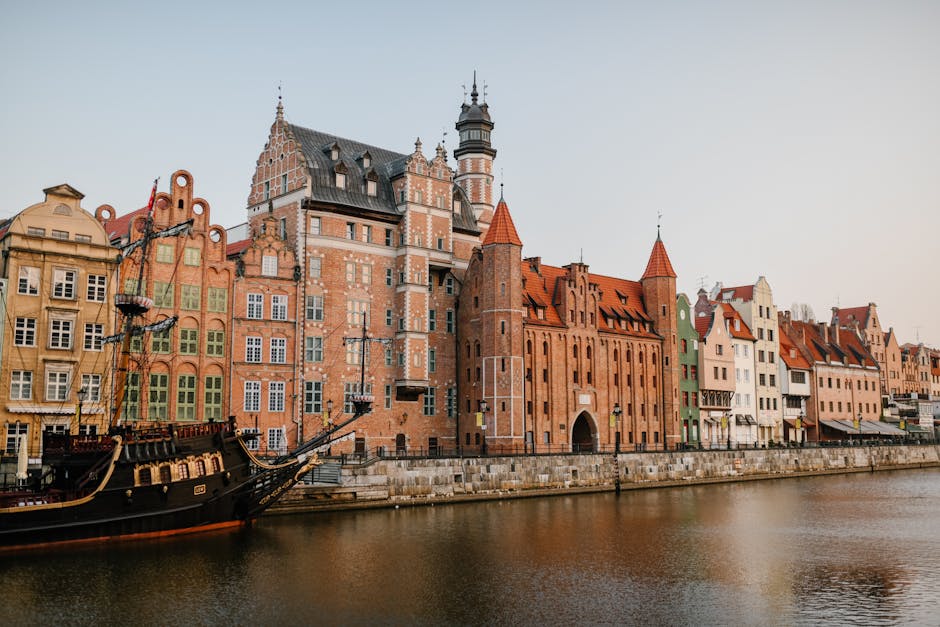
EasyGdansk, Poland
Discover the 'Baltic Gold' on this self-guided walk through Gdansk's historic mills, massive cathedrals, and the magical Mariacka Street.
 Easy
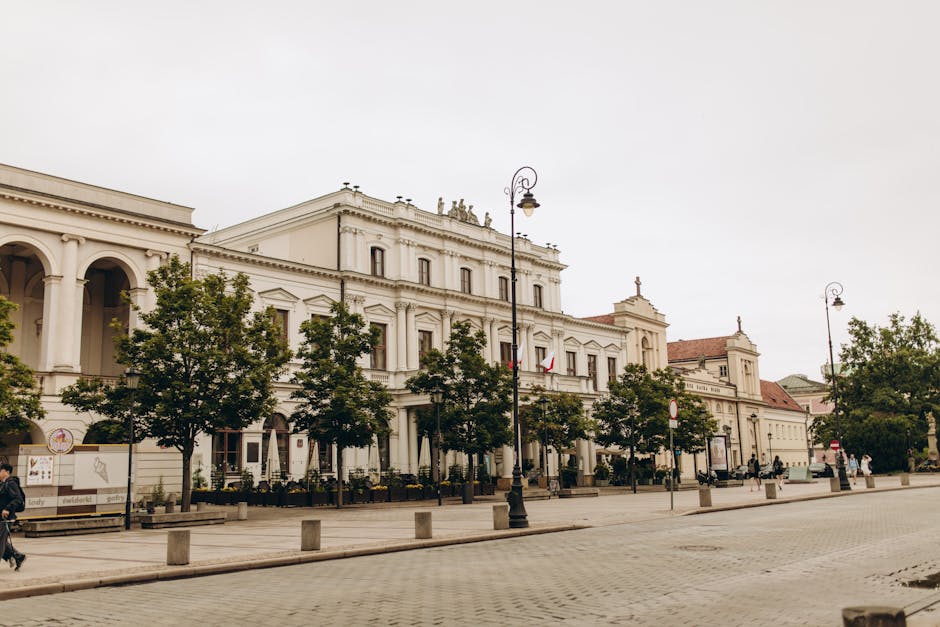
EasyWarsaw, Poland
Explore Warsaw's scenic riverfront, rooftop gardens, and industrial-chic architecture on this self-guided stroll through the Powiśle district.
 Easy
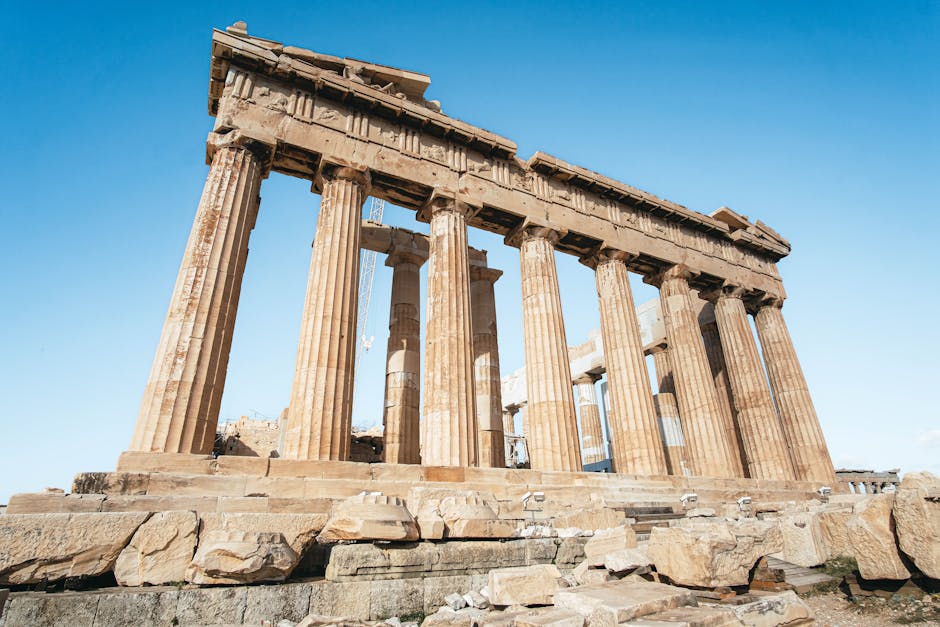
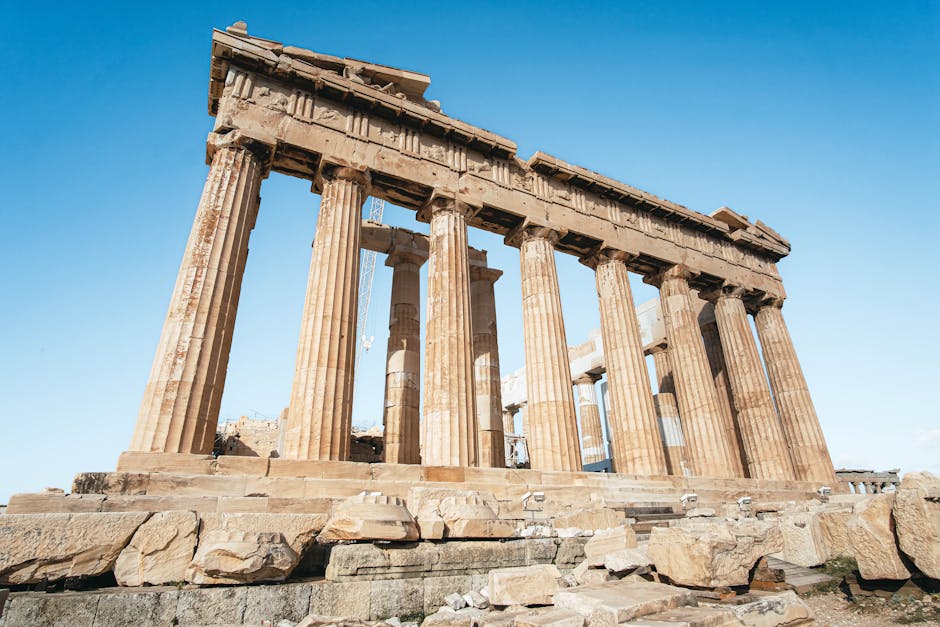
EasyAthens, Greece
Explore the intersection of ancient history and industrial art on this self-guided walk through Kerameikos and the vibrant Gazi district.
 Moderate
Athens, Greece
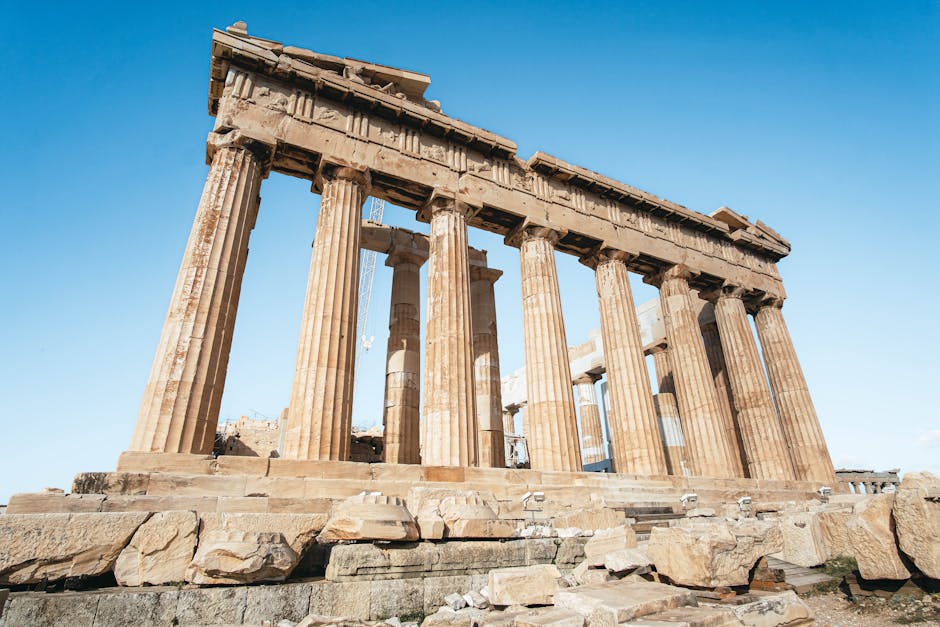
Ascend the Hill of the Muses for breathtaking Acropolis views and ancient democratic sites on this scenic self-guided walking route in Athens.
 Moderate
Athens, Greece
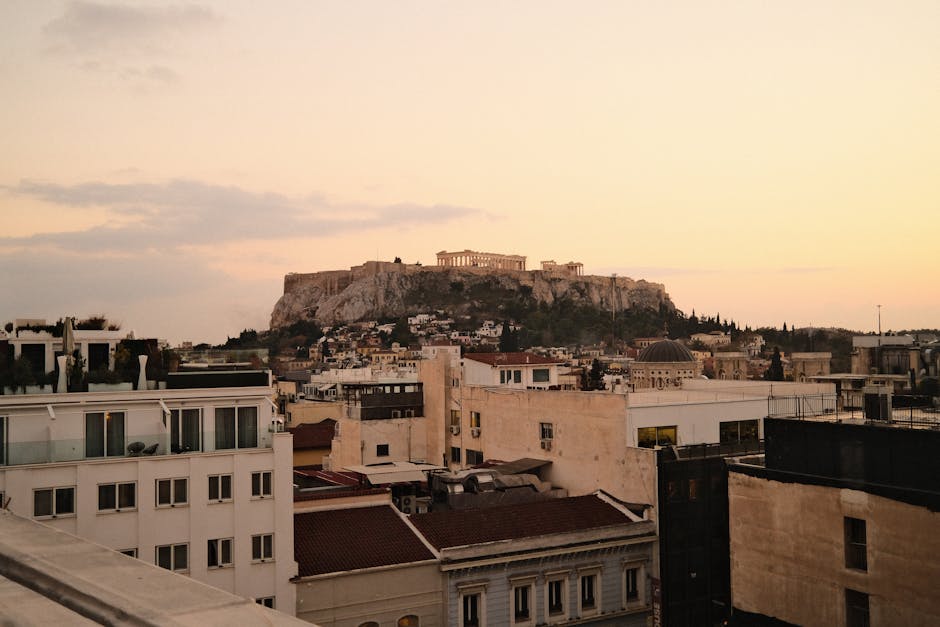
Discover a hidden Cycladic village and ancient monuments on this self-guided walking route through the enchanting alleys of Plaka and Anafiotika.
 Challenging
Athens, Greece
Conquer the highest peak in Athens on this self-guided walking route through chic Kolonaki to the stunning 360-degree summit of Mount Lycabettus.