Self-guided audio tour in Athens
Start Free on iPhone
Start free on iPhone to unlock this self-guided walking tour in Athens. Hear all the stories that make it amazing, walk at your own pace, and begin whenever you want.
Your Private Tour Guide
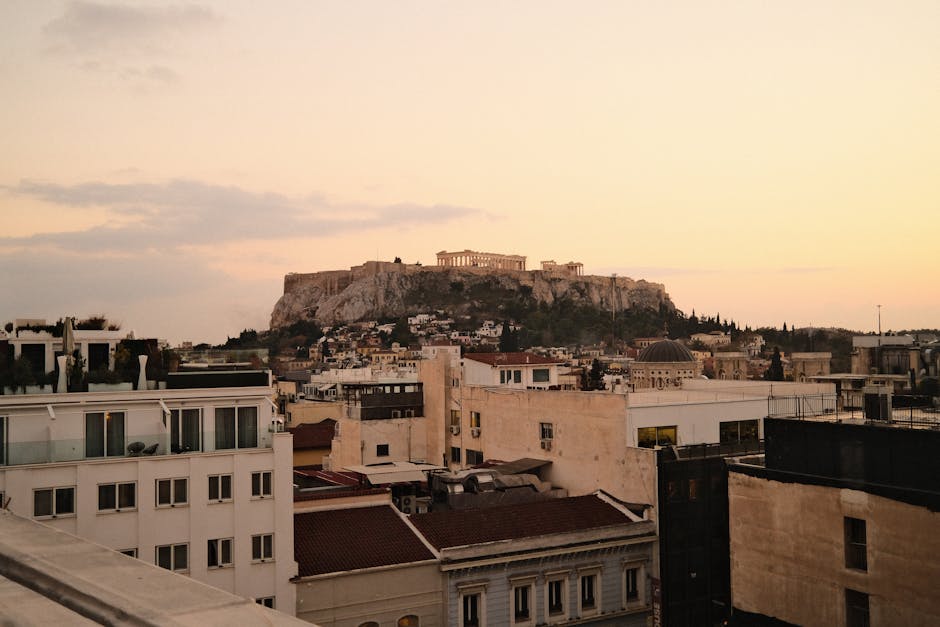
Rising 277 meters above the Saronic Gulf, Mount Lycabettus is the highest point in Athens, offering a panoramic spectacle that few other urban viewpoints can match. This self-guided walk invites you to conquer the peak, beginning in the sophisticated neighborhood of Kolonaki and winding upward through pine-scented paths to the summit. While many visitors opt for the funicular, the true Lycabettus experience is found on foot, where the transition from Neoclassical urban elegance to rugged limestone slopes reveals the diverse character of the Greek capital. This neighborhood stroll captures the essence of Athens' verticality, rewarding your effort with a 360-degree view that stretches from the mountains of Parnitha to the shimmering Aegean Sea. As you navigate this walking route, you will encounter the historic Dexameni square, a place steeped in literary history where the city's intellectual elite once gathered over coffee. The ascent continues through the winding streets of Aristippou, where the city noise begins to fade, replaced by the rustle of Mediterranean flora. Reaching the top, the whitewashed Holy Church of Saint George stands as a silent sentinel over the sprawling metropolis below. This is not just a physical challenge; it is a journey through the layers of Athenian history, from Roman engineering at the ancient aqueduct to the modernist architecture of the Lycabettus Theatre. Whether you are a photography enthusiast looking for the ultimate sunset shot of the Acropolis or a nature lover seeking a brief escape from the concrete jungle, this self-guided adventure provides the perfect balance of exercise and exploration. Unlike a typical walking tour Athens visitors might find in the crowded Plaka, this route offers a sense of accomplishment and a unique perspective on the city's layout. It is a challenging yet exhilarating way to experience the grandeur of the 'Cradle of Western Civilization' from its most commanding height.
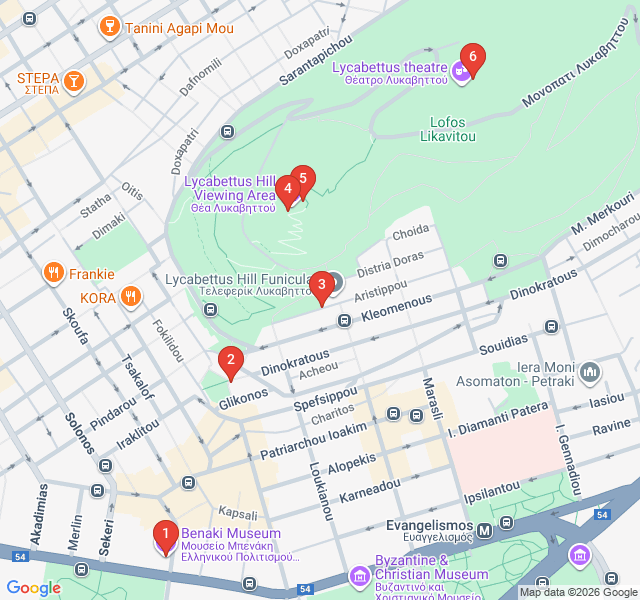
Numbers indicate the order of stops on the tour.
Our self-guided walk begins at the Benaki Museum of Greek Culture, housed in a magnificent Neoclassical mansion. This building was the family home of Antonis Benakis, who gifted the mansion and his massive collection to the Greek state in 1930. The architecture here serves as a perfect introduction to the Kolonaki district, an area that became the heart of the Athenian elite in the late 19th century. As you stand outside, notice the clean lines and marble details that define the 'Athenian Classicism' style. This museum acts as a bridge between the ancient city center and the rising slopes we are about to climb, housing artifacts that span the entirety of Greek history.
Walking up into the heart of Kolonaki, we reach Dexameni Square. The name 'Dexameni' translates to 'cistern' or 'reservoir,' referring to the Roman-era aqueduct built by Emperor Hadrian that terminates here. For centuries, this was the primary water source for Athens. By the early 20th century, this square became a legendary bohemian hub. Famous Greek writers like Alexandros Papadiamantis and Nikos Kazantzakis would sit at the local cafes, debating philosophy and literature. It remains a cherished local favorite, offering a shaded, peaceful atmosphere that feels worlds away from the busy avenues of Syntagma nearby.
As we turn onto Aristippou Street, the real challenge begins. This street marks the boundary between the urban grid and the natural park of Lycabettus. The slope increases significantly here, and you will notice the pavement giving way to stone stairs and narrow paths. This area is a prime example of how Athens has expanded vertically, with apartments clinging to the hillside to maximize their view of the city. Take your time with the ascent; the surrounding pine trees provide some shade, and the air begins to feel noticeably cooler and fresher as you leave the traffic of the lower streets behind.
You have reached the summit! At 277 meters, you are standing at the highest point in Athens. According to Greek mythology, the goddess Athena was carrying this giant limestone rock to the Acropolis to serve as a fortification. However, she received bad news from a crow and dropped the rock in a fit of surprise, creating the hill where you now stand. From this vantage point, you can see the entire Attic basin. Look toward the sea to spot the Acropolis and the Parthenon, which appear surprisingly small from this height. On a clear day, you can even see the mountains of the Peloponnese in the far distance.
Perched at the very top of the hill is the charming, whitewashed chapel of Saint George. This Byzantine-style church was built in the 19th century on the foundations of an older, medieval church. Before that, the site likely held a temple dedicated to Zeus. The bright white exterior reflects the intense Greek sun, making it a visible landmark from almost anywhere in the city. The terrace surrounding the church is the most popular spot in Athens for watching the sunset. It is a place of quiet reflection amidst the grand scale of the city below, and its simple beauty contrasts sharply with the rugged rock it sits upon.
Descending slightly toward the eastern side of the hill, we find the Lycabettus Theatre. This open-air venue was designed by the visionary Greek architect Takis Zenetos in 1965, built inside an old quarry. Its industrial, minimalist design was intended to look like a 'shell' resting in the rock. For decades, it has been one of the most prestigious concert venues in Greece, hosting legendary international acts from Leonard Cohen to Radiohead. The acoustics provided by the natural stone walls are exceptional. As you explore the area around the theatre, you can see the more rugged, less-visited side of the hill, completing your circuit of the peak.
Start Free on iPhone
Explore “The Lycabettus Peak Challenge” with your very own Private Tour Guide with Zigway. Start free on iPhone, skip the large group and the fixed routes, and hear the city come alive as you go.
Your Private Tour Guide
Don't miss the good stuff
Explore Freely
 Easy
EasyAthens, Greece
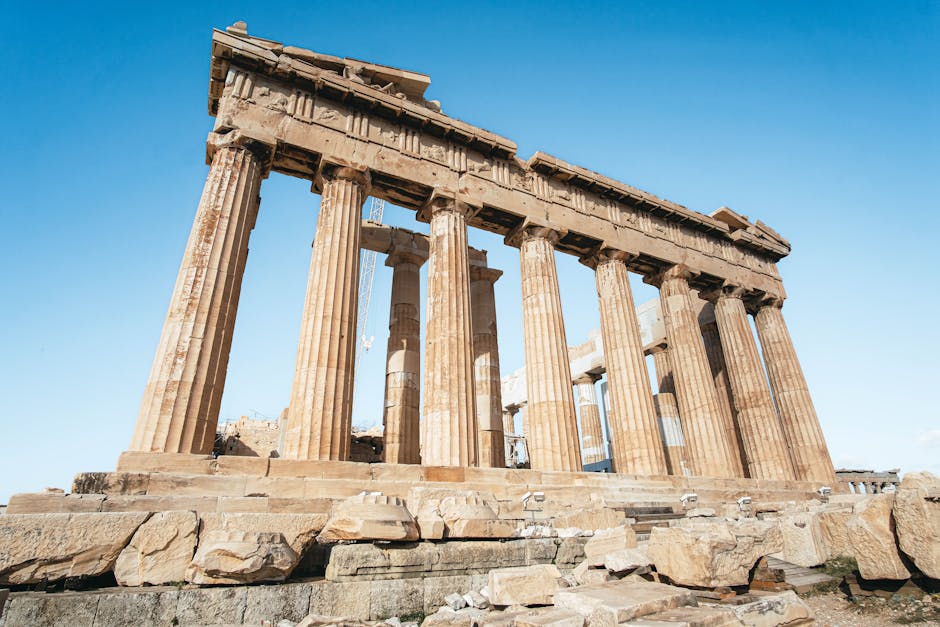
Explore the intersection of ancient history and industrial art on this self-guided walk through Kerameikos and the vibrant Gazi district.
 Moderate
Athens, Greece
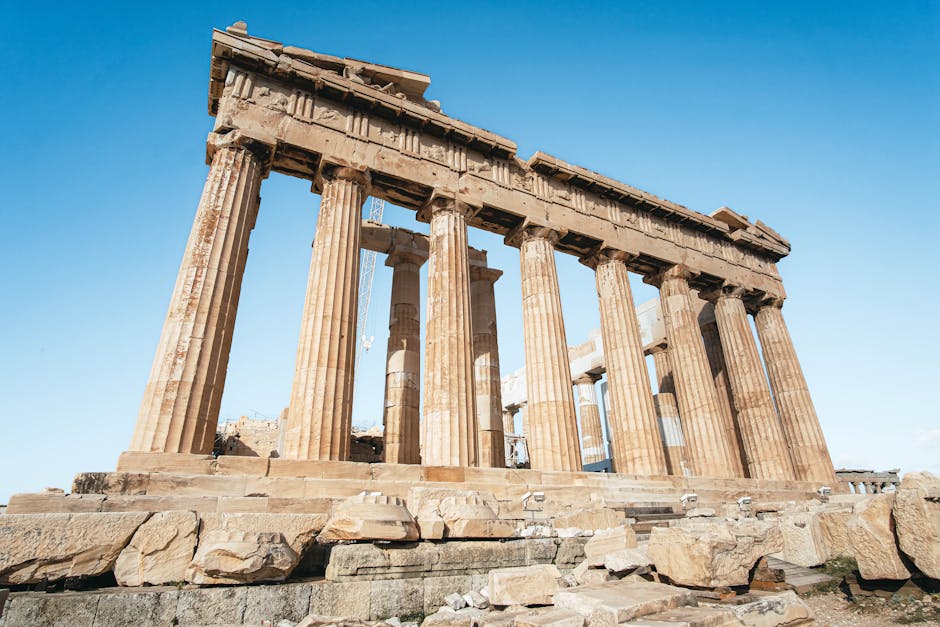
Ascend the Hill of the Muses for breathtaking Acropolis views and ancient democratic sites on this scenic self-guided walking route in Athens.
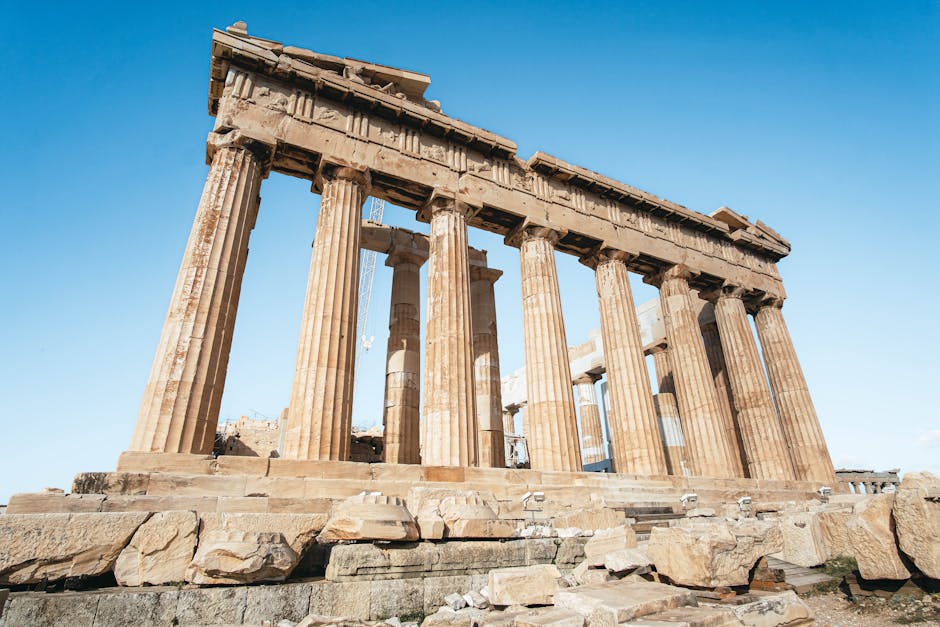 Moderate
Athens, Greece
Discover a hidden Cycladic village and ancient monuments on this self-guided walking route through the enchanting alleys of Plaka and Anafiotika.
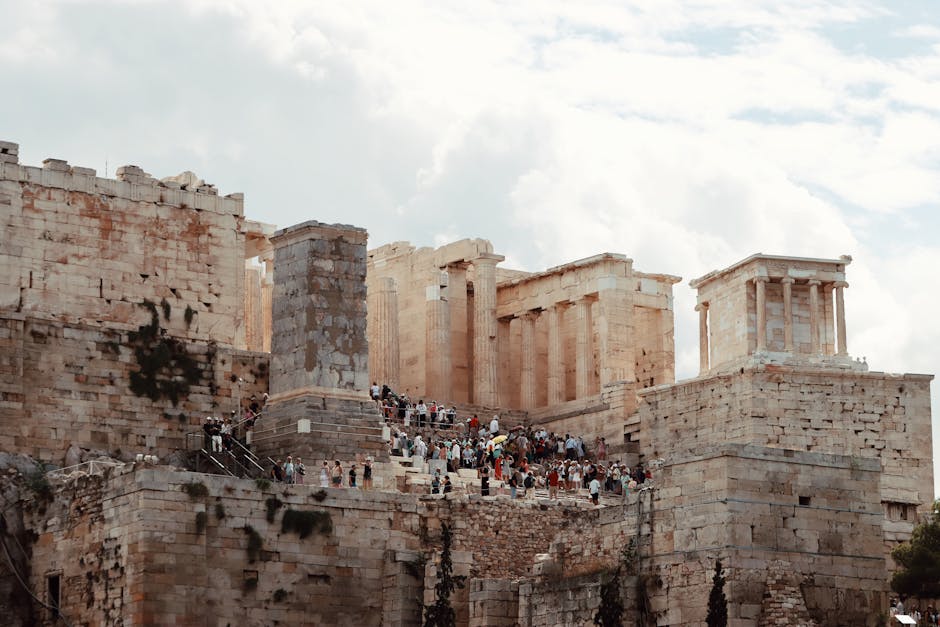 Easy
EasyAthens, Greece
Explore the 'Athenian Trilogy' and 19th-century marble wonders on this self-guided walk through the city's elegant Neoclassical center.
 Moderate
Krakow, Poland
Discover Krakow’s stunning skyline and riverside charm on this self-guided audio walk through scenic viewpoints and historic mounds.
 Easy
EasyWarsaw, Poland
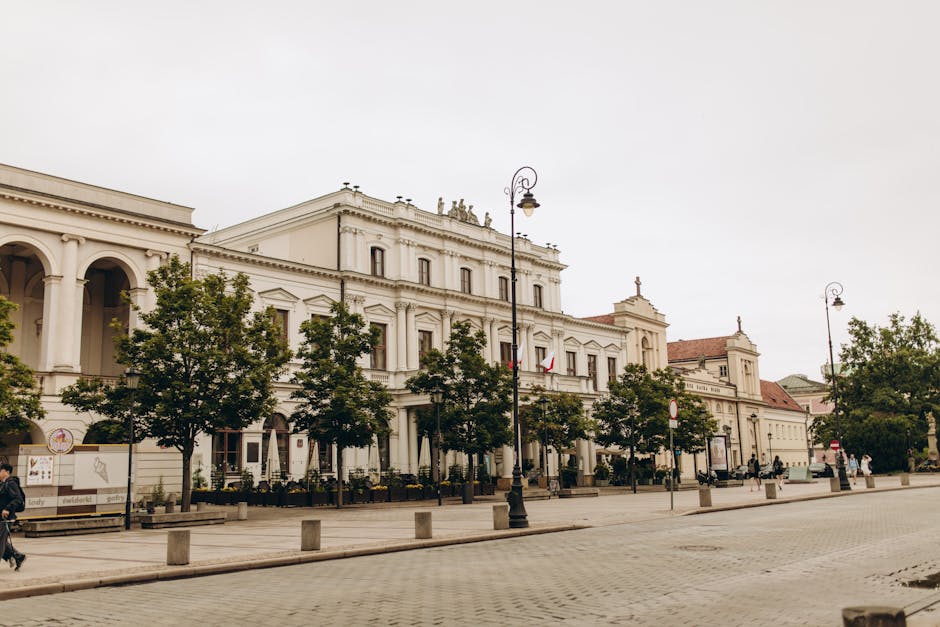
Explore Warsaw's scenic riverfront, rooftop gardens, and industrial-chic architecture on this self-guided stroll through the Powiśle district.
 Easy
EasyWarsaw, Poland
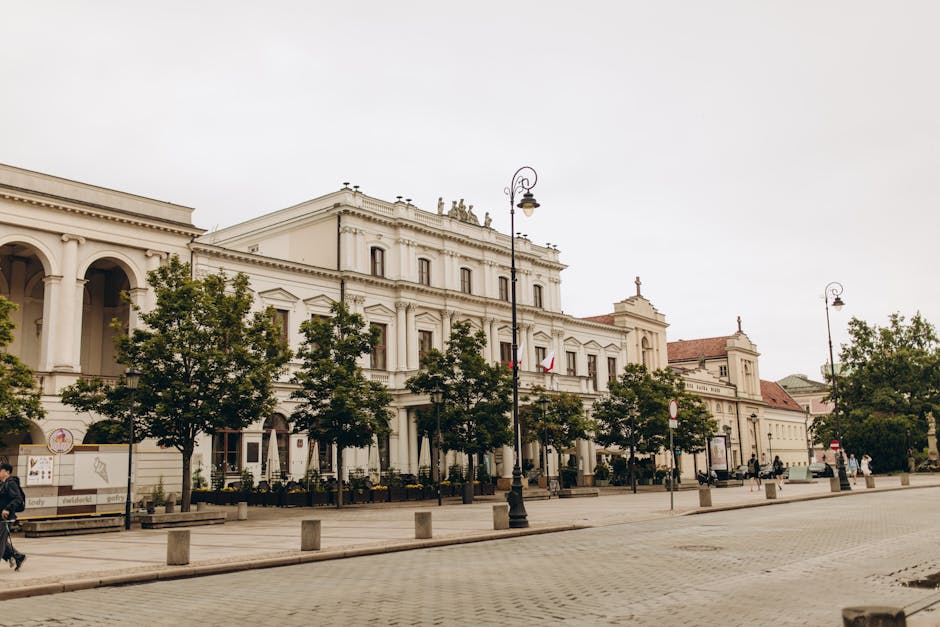
Discover Warsaw's intellectual heart through historic campuses, peaceful parks, and the stunning rooftop gardens of the University Library.
 Easy
EasyGothenburg, Sweden
Explore Gothenburg’s historic wooden houses, legendary giant cinnamon buns, and panoramic fortress views on this self-guided neighborhood stroll.
 Moderate
Thessaloniki, Greece
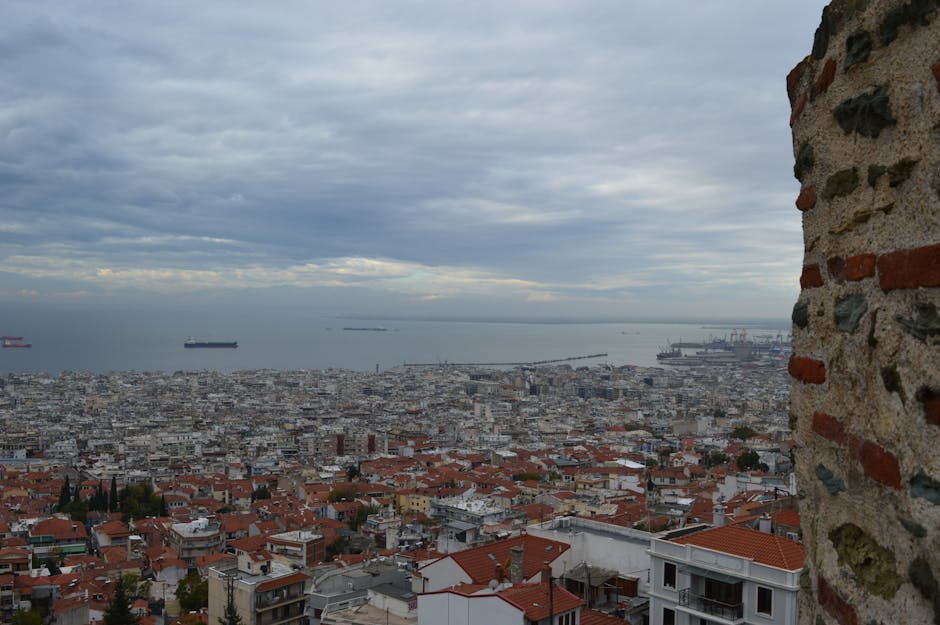
Discover Thessaloniki’s creative soul on this self-guided walk through hidden alleys, vibrant murals, and iconic modern art installations.
 Easy
EasyThessaloniki, Greece
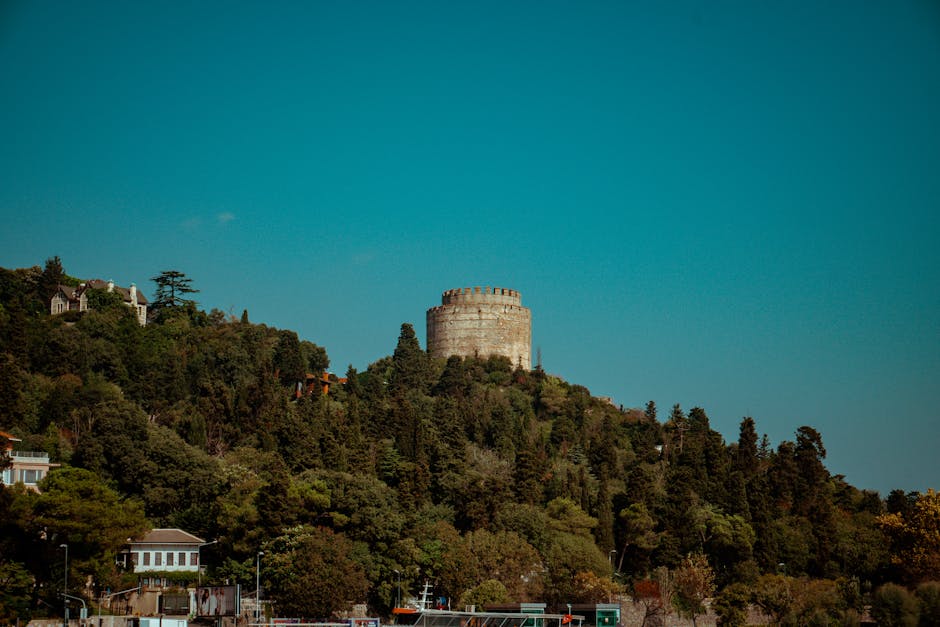
Uncover the hidden Ottoman soul of Thessaloniki. Explore ancient bathhouses, vibrant markets, and historic mosques on this self-guided audio walk.
 Easy
EasyThessaloniki, Greece
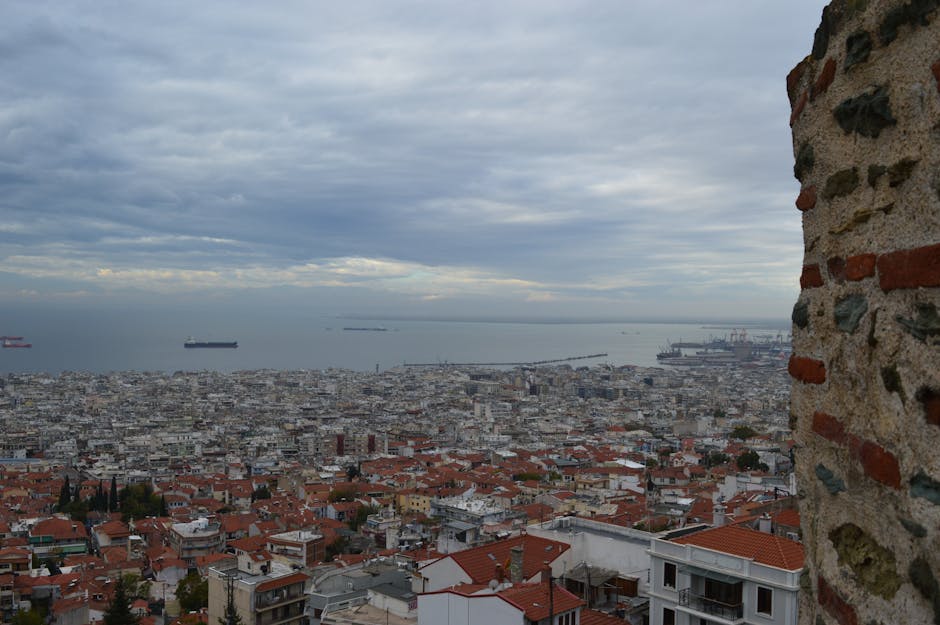
Discover how the 1917 Great Fire transformed Thessaloniki into a modern European masterpiece on this self-guided architectural walking route.
 Easy
EasyThessaloniki, Greece
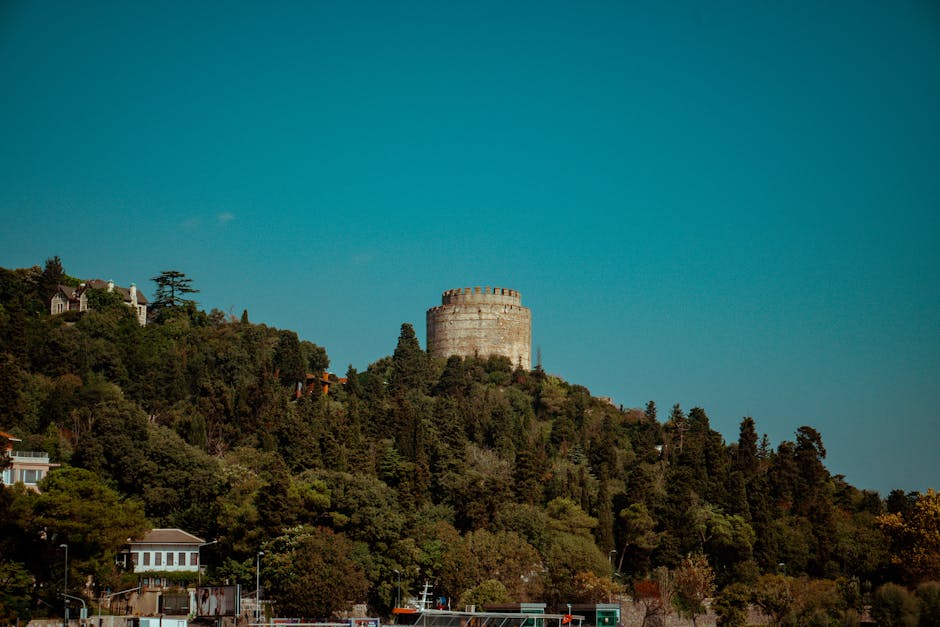
Explore the heart of Thessaloniki on this self-guided walk, discovering Roman ruins and Byzantine masterpieces at your own pace.