Self-guided audio tour in Washington DC
Start Free on iPhone
Start free on iPhone to unlock this self-guided walking tour in Washington DC. Hear all the stories that make it amazing, walk at your own pace, and begin whenever you want.
Your Private Tour Guide
Step into the vibrant legacy of U Street, a neighborhood once known as 'Black Broadway.' Long before the Harlem Renaissance became a household name, this corridor in Washington DC was the epicenter of African American culture, commerce, and resistance. This self-guided walk invites you to explore the intersection of jazz history and the fight for justice, traversing a landscape where Duke Ellington played his first notes and civil rights leaders planned movements over bowls of chili. On this neighborhood stroll, you will encounter legendary theaters that hosted the likes of Pearl Bailey and Cab Calloway, alongside institutions that served as the backbone of the community during the era of segregation. The route captures the spirit of resilience, from the 1968 riots that transformed the street to the modern revitalization that keeps the music playing today. Beyond the neon lights and marquee signs, you will discover the stories of the United States Colored Troops and the pioneers of Black-owned banking. This walking tour Washington DC provides an intimate look at how a single street became a national symbol of Black excellence. Whether you are a music lover, a history buff, or a foodie looking for the city's most iconic flavors, this route offers a deep dive into the soul of the District. Discover the landmarks that define the U Street corridor at your own pace and see why this area remains a vital pulse of the city's identity. This self-guided walking tour Washington DC ensures you don't miss the hidden details that make this historic district truly remarkable. **Note:** This area is known for its ever-changing character. Street art, pop-up venues, and temporary exhibitions may differ from what's described. That's part of the adventure - you might discover something entirely new!
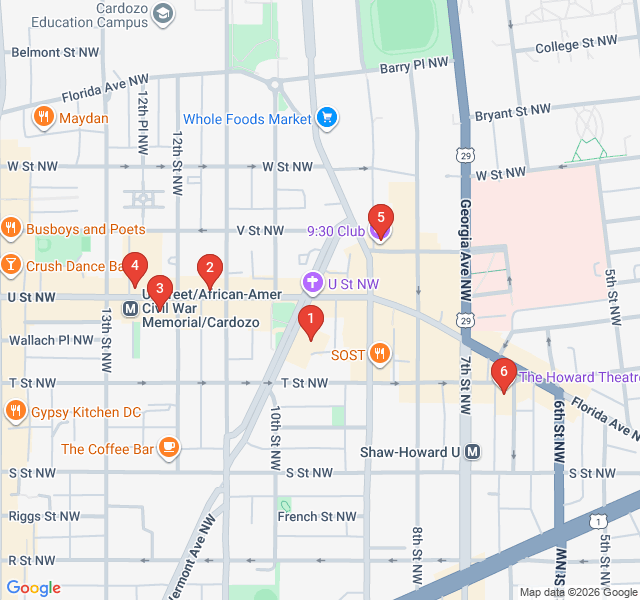
Numbers indicate the order of stops on the tour.
Begin your self-guided adventure at the African American Civil War Museum, located directly across from the memorial. This site honors the more than 200,000 soldiers of the United States Colored Troops who fought for freedom during the American Civil War. The Spirit of Freedom monument outside features a wall of names, a somber and powerful reminder of those who served. Inside, the museum offers a deeper look at the struggle for citizenship and the transition from slavery to freedom. This stop sets the stage for the neighborhood's long history of activism and justice. Note that museum exhibits may change periodically, so check the latest displays upon arrival.
As you walk down U Street, stop outside the Industrial Bank. Founded in 1934 by Jesse Mitchell, this institution became a cornerstone of the 'Black Broadway' community. During an era when many banks refused to serve African Americans, Industrial Bank provided the capital that allowed local businesses, churches, and homeowners to thrive. Its resilience through the Great Depression and the 1968 riots makes it a symbol of economic empowerment. The building's classic architecture reflects the stability and prestige it brought to the corridor. It remains a family-owned, Black-operated bank to this day, continuing its legacy of service to the neighborhood.
No neighborhood stroll here is complete without visiting Ben's Chili Bowl. Established in 1958 by Ben and Virginia Ali, this eatery is more than just a place to grab a Half-Smoke; it is a sanctuary of civil rights history. During the 1968 riots following the assassination of Dr. Martin Luther King Jr., Ben's was one of the few businesses allowed to stay open to feed activists and protestors. It has hosted everyone from President Obama to Muhammad Ali. Take a moment to look at the 'Torch Bearers' mural on the side of the building, which celebrates Black icons. Mural art in this area is dynamic and may be updated or restored over time.
Just a few doors down stands the Lincoln Theatre, opened in 1922. This was the cultural heart of the neighborhood during its heyday as Black Broadway. Because segregation barred Black performers from many downtown venues, the Lincoln became the premier stage for legends like Duke Ellington, Ella Fitzgerald, and Billie Holiday. The theater's interior is renowned for its Victorian-style opulence. While it fell into disrepair after the 1968 riots, a major restoration in the 1990s returned it to its former glory. Today, it continues to host live music and performances, maintaining its role as a beacon of the arts in DC.
Walking toward V Street, you will find the 9:30 Club. While younger than some of the jazz-era landmarks, this venue is a titan in the world of independent music. Originally located elsewhere, it moved to this historic warehouse space—formerly the Wust Radio Building—in 1996. It was a pivotal site for the DC hardcore punk scene and has since hosted nearly every major touring act in the world. Its presence here marks the neighborhood's transition into a modern nightlife destination while respecting the industrial history of the architecture. The club's influence on the global music scene is immense, making it a must-see for any music fan.
Conclude your walk at the Howard Theatre, the 'Grand Old Lady' of U Street. Opened in 1910, it predates the Apollo in Harlem and was the first major theater in the country built specifically for African American audiences. This was where the 'Chitlin' Circuit' truly shone, launching the careers of Motown stars and jazz greats alike. After decades of closure, it underwent a massive renovation and reopened in 2012. The statue of Duke Ellington nearby honors the DC native who often performed here. This site represents the full circle of U Street’s history: from birth to decline and triumphant rebirth.
Start Free on iPhone
Explore “Black Broadway: U Street’s Jazz & Justice Heritage” with your very own Private Tour Guide with Zigway. Start free on iPhone, skip the large group and the fixed routes, and hear the city come alive as you go.
Your Private Tour Guide
Don't miss the good stuff
Explore Freely
 Easy
EasyWashington DC, United States
Trace the footsteps of Abraham Lincoln and his conspirators on this self-guided history walk through the heart of Washington D.C.
 Easy
EasyWashington DC, United States
Uncover the secrets of DC’s most infamous political scandals on this self-guided walk from the historic Octagon to the iconic Watergate Hotel.
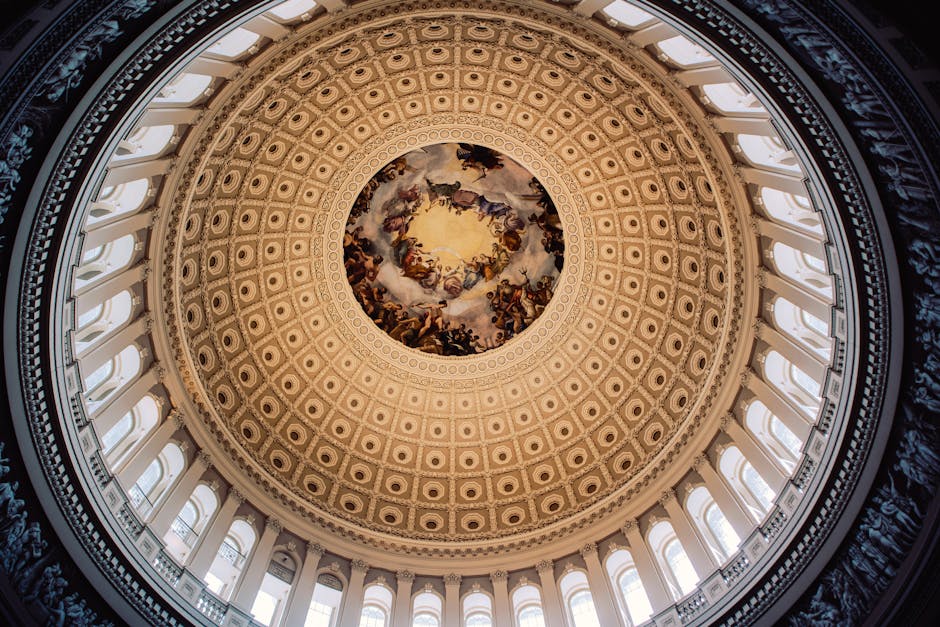 Moderate
Washington DC, United States
Explore Georgetown’s secret alleys, Kennedy family haunts, and cinematic landmarks on this self-guided walk through DC’s historic core.
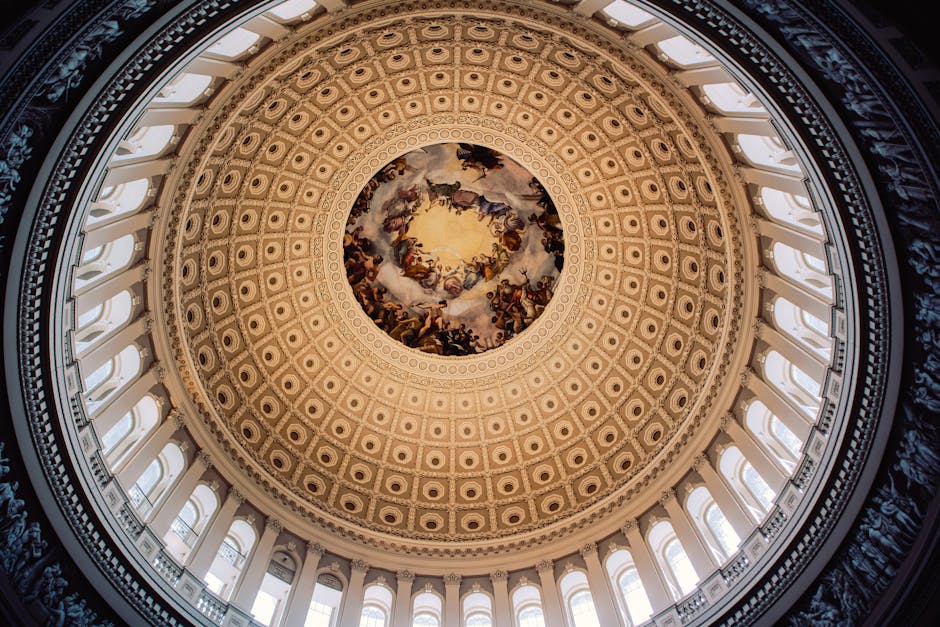 Easy
EasyWashington DC, United States
Uncover the scandals and secrets of Lafayette Square on this self-guided audio walk through the historic heart of Washington DC.
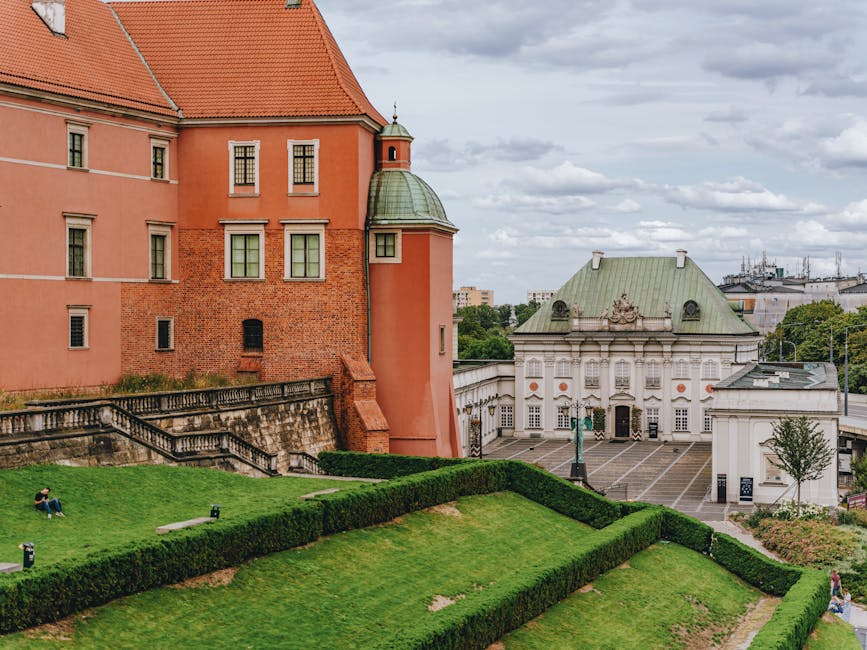 Easy
EasyWarsaw, Poland
Follow the life of Fryderyk Chopin through Warsaw’s historic center. See where he lived, studied, and where his heart remains today.
 Easy
EasyGothenburg, Sweden
Explore Gothenburg’s historic wooden houses, legendary giant cinnamon buns, and panoramic fortress views on this self-guided neighborhood stroll.
 Easy
EasyGothenburg, Sweden
Discover Gothenburg’s 17th-century Dutch foundations, historic canals, and military fortifications on this self-guided architectural walk.
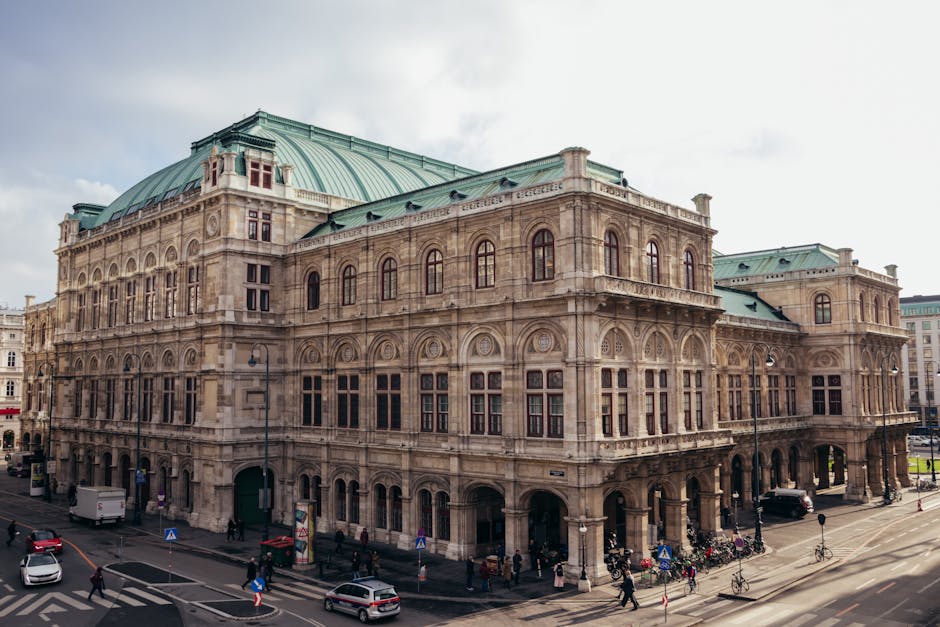 Moderate
Vienna, Austria
Discover the noir world of The Third Man and Cold War Vienna on this atmospheric self-guided audio walk through the historic Innere Stadt.
 Easy
EasyNashville, United States
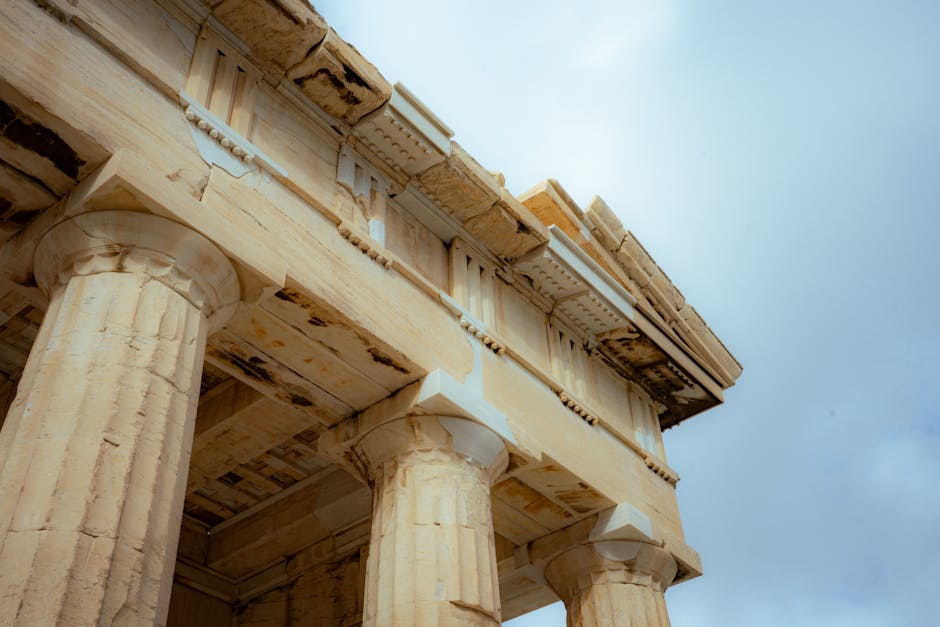
Explore the 'Athens of the South' on this self-guided walk through Centennial Park, featuring the world's only full-scale Parthenon replica.
 Easy
EasyNashville, United States
Explore Nashville's academic heart and Art Deco gems on this self-guided walk through historic Hillsboro Village.
 Easy
EasyNashville, United States
Explore the heart of Nashville's music industry. Discover iconic studios and the history of the legendary Nashville Sound at your own pace.
 Easy
EasyNashville, United States
Explore Nashville's oldest neighborhood! Discover Victorian architecture, Civil War history, and world-class craft beer on this self-guided walk.