Self-guided audio tour in Miami
Start Free on iPhone
Start free on iPhone to unlock this self-guided walking tour in Miami. Hear all the stories that make it amazing, walk at your own pace, and begin whenever you want.
Your Private Tour Guide
Before the neon lights of South Beach and the high-rises of Brickell, Miami was a burgeoning frontier town born from the determination of a few pioneers. This self-guided walk through Downtown Miami invites you to peel back the layers of the 'Magic City' to find its historic soul. Long before it became a global vacation destination, Miami was defined by the arrival of the railroad, the Mediterranean Revival architecture of the 1920s, and its pivotal role as a sanctuary for those seeking freedom. On this walking route, you will encounter the grand theaters of the silent film era and the architectural triumphs of the Art Deco movement that predated the beachside hotels. Your independent journey begins at the Olympia Theater, a masterpiece of the 'atmospheric' style that once transported audiences to a Mediterranean courtyard under a twinkling sky. As you explore the neighborhood, you will see the Alfred I. duPont Building, a monument to Depression-era resilience and Art Deco elegance. The route also highlights the religious roots of the city at Gesù Church, the oldest Catholic parish in South Florida, before leading you to the iconic Freedom Tower. Known as the 'Ellis Island of the South,' the Freedom Tower stands as a testament to Miami's deep connection with the Cuban community. This walking route Miami offers isn't just about buildings; it's about the people who shaped the land. You will conclude your stroll at the Miami City Cemetery, the final resting place of city founders like Julia Tuttle. While many visitors stick to the coast, this neighborhood stroll provides a deeper understanding of how a mangrove swamp transformed into a cosmopolitan metropolis. Whether you are an architecture enthusiast or a history buff, this self-guided adventure allows you to discover the hidden narratives of Downtown at your own pace.
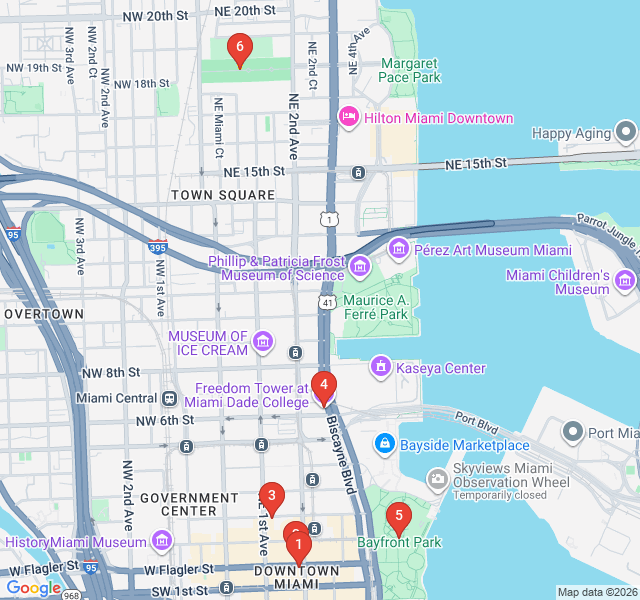
Numbers indicate the order of stops on the tour.
Welcome to the start of your journey. Built in 1926, the Olympia Theater was Miami's grandest silent movie palace. It was designed by John Eberson in the 'atmospheric' style, meant to make guests feel like they were sitting in a Mediterranean garden under a simulated night sky, complete with twinkling stars and drifting clouds. This was also the first building in Miami to feature air conditioning—a true luxury in the 1920s. Over the decades, its stage has hosted everyone from Elvis Presley to B.B. King, serving as the cultural heartbeat of the city as it grew from a small town into a bustling urban center.
Completed in 1939, this building is a rare example of Depression-era Art Deco, often called 'Seaboard Deco.' Named after the financier Alfred I. duPont, it was built to signal Miami's recovery after the Great Hurricane of 1926 and the subsequent economic crash. Look up at the granite and limestone facade, but the real treasure is inside the lobby. It features hand-painted cypress ceilings and ornate brass elevator doors depicting Florida's flora and fauna. During World War II, the building served as the headquarters for the 7th Naval District, further cementing its place in national history.
This is the oldest Catholic parish in South Florida, founded in 1896—the same year Miami was incorporated as a city. The current building, finished in 1924, is a stunning example of Mediterranean Revival architecture. Its most striking features are the intricate stained-glass windows made in Munich and the vertical orientation that was quite modern for its time. For over a century, Gesù Church has been a spiritual anchor for the diverse communities that have called Downtown Miami home, from early pioneers to the influx of immigrants in the mid-20th century.
Often called the 'Ellis Island of the South,' the Freedom Tower is perhaps Miami's most significant historic landmark. Built in 1925 as the headquarters for the Miami News, its design was inspired by the Giralda Tower in Seville, Spain. However, its most famous chapter began in the 1960s, when it served as the Cuban Assistance Center. Here, hundreds of thousands of Cuban refugees were processed, receiving medical care and housing assistance as they fled the Castro regime. Today, it stands as a monument to the resilience of the Cuban-American community and the city's identity as a place of refuge.
This urban oasis was one of the first public gathering spaces in the city, dating back to the 1920s. While it has undergone many redesigns—including work by the famed landscape architect Isamu Noguchi—it remains the city's front porch. Historically, it was the site of the 1933 attempted assassination of President-elect Franklin D. Roosevelt, which tragically claimed the life of Chicago Mayor Anton Cermak instead. Today, it connects the urban density of Downtown with the waters of Biscayne Bay, offering a space for reflection amidst the modern skyline that now surrounds the historic core.
Your walk concludes at the city's oldest cemetery, established in 1897. This site is a microcosm of Miami's complex social history. It is the final resting place of Julia Tuttle, known as the 'Mother of Miami' for being the only woman to found a major American city. You will also find the graves of Civil War veterans and early Black pioneers in a section that reflects the era's segregation laws. The unique 'above-ground' limestone tombs are a necessity of Miami's high water table. Walking these paths offers a quiet, poignant look at the individuals who built the foundation of the city you see today.
Start Free on iPhone
Explore “Miami's Birthplace: Downtown History Trail” with your very own Private Tour Guide with Zigway. Start free on iPhone, skip the large group and the fixed routes, and hear the city come alive as you go.
Your Private Tour Guide
Don't miss the good stuff
Explore Freely
 Moderate
Miami, United States
Discover the neon-lit charm of Miami Modern architecture. A self-guided walk through the historic motels and mid-century gems of Biscayne Boulevard.
 Moderate
Miami, United States
Explore the Mediterranean Revival architecture and lush history of Coral Gables on this elegant self-guided audio walk through 'The City Beautiful.'
 Challenging
Miami, United States
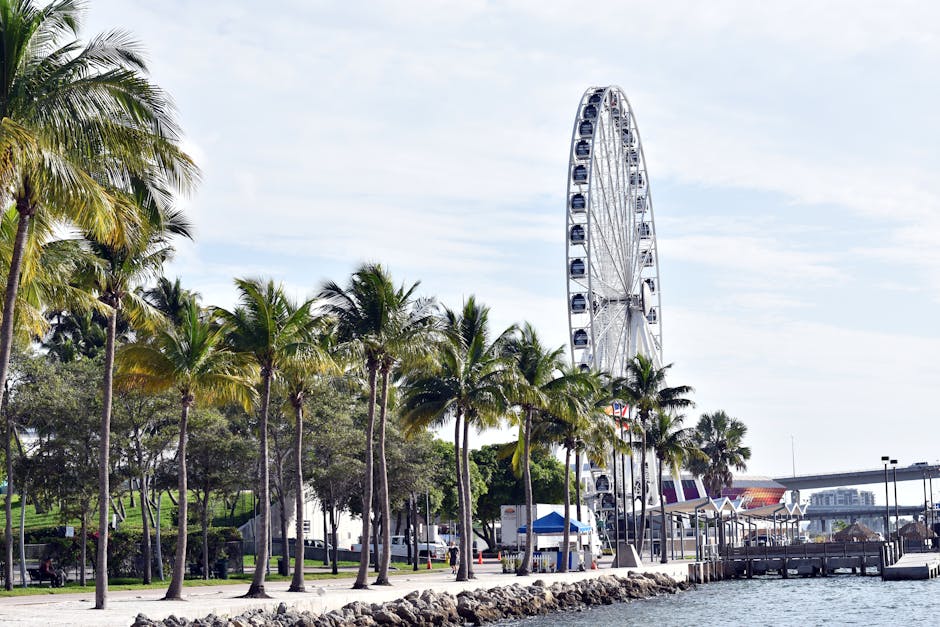
Discover pristine beaches, mangrove forests, and the historic 1825 lighthouse on this scenic self-guided coastal walk through Key Biscayne.
 Easy
EasyMiami, United States
Explore Miami’s 'Manhattan of the South' on this self-guided walk through Brickell’s glittering skyscrapers, ancient ruins, and urban parks.
 Easy
EasyGothenburg, Sweden
Discover Gothenburg’s 17th-century Dutch foundations, historic canals, and military fortifications on this self-guided architectural walk.
 Moderate
Vienna, Austria
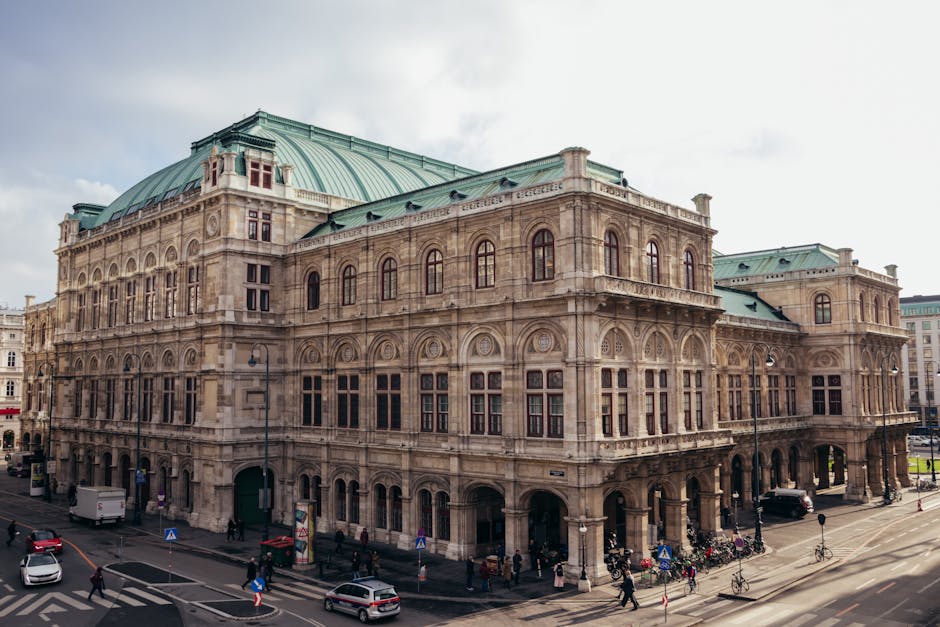
Discover the noir world of The Third Man and Cold War Vienna on this atmospheric self-guided audio walk through the historic Innere Stadt.
 Easy
EasyGothenburg, Sweden
Explore Gothenburg’s historic wooden houses, legendary giant cinnamon buns, and panoramic fortress views on this self-guided neighborhood stroll.
 Easy
EasyNairobi, Kenya
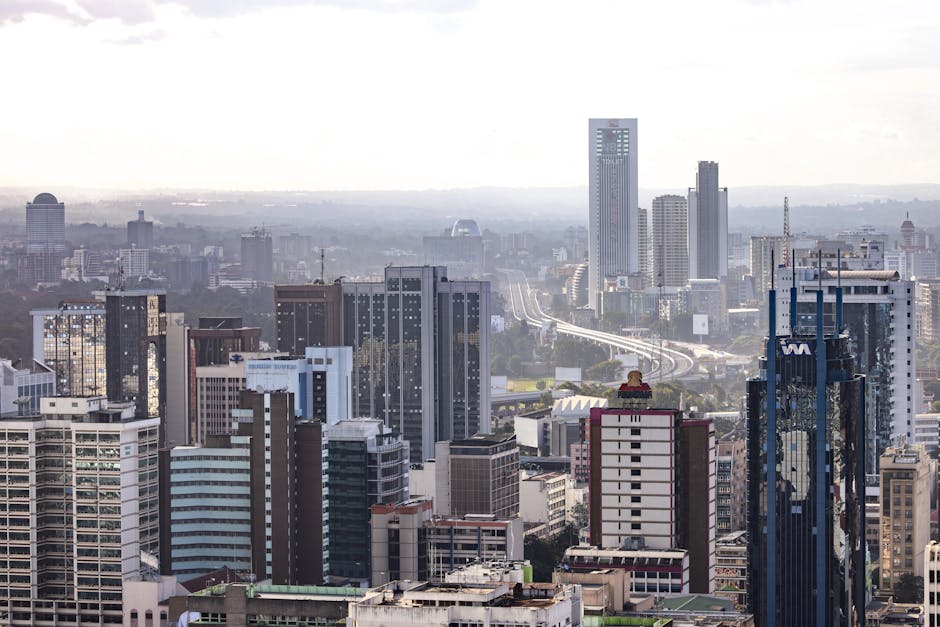
Explore Nairobi's architectural evolution from colonial-era landmarks to iconic Brutalist skyscrapers on this historic self-guided walking route.
 Easy
EasyNashville, United States
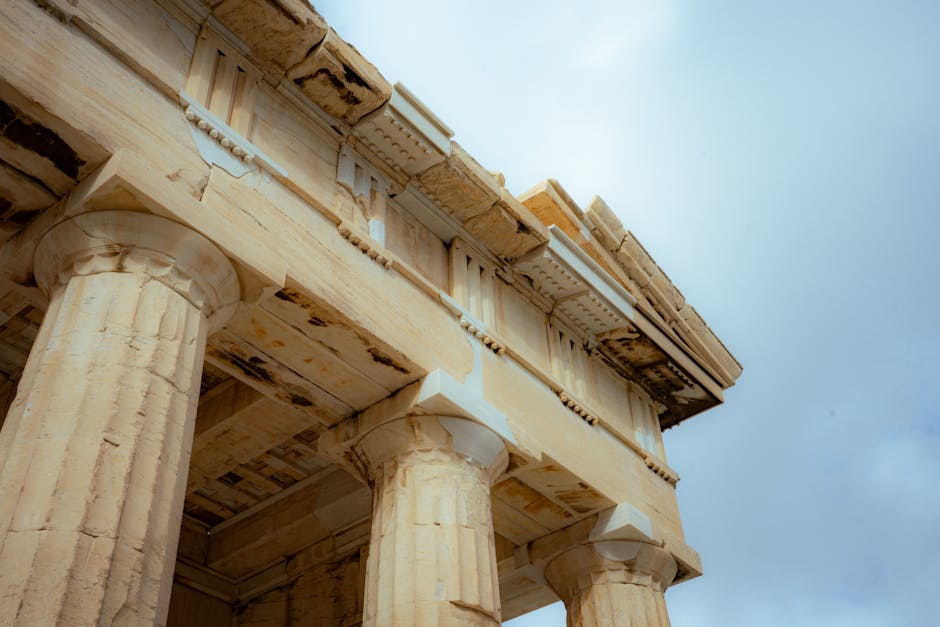
Explore the 'Athens of the South' on this self-guided walk through Centennial Park, featuring the world's only full-scale Parthenon replica.
 Easy
EasyNashville, United States
Explore Nashville's academic heart and Art Deco gems on this self-guided walk through historic Hillsboro Village.
 Easy
EasyNashville, United States
Explore the heart of Nashville's music industry. Discover iconic studios and the history of the legendary Nashville Sound at your own pace.
 Easy
EasyNashville, United States
Explore Nashville's oldest neighborhood! Discover Victorian architecture, Civil War history, and world-class craft beer on this self-guided walk.