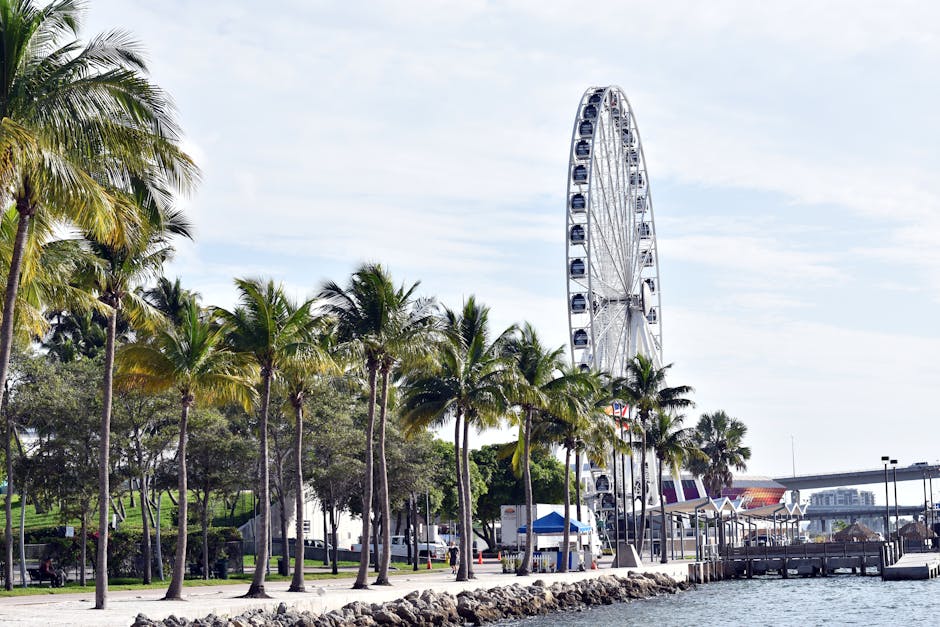
Self-guided audio tour in Miami
Start Free on iPhone
Start free on iPhone to unlock this self-guided walking tour in Miami. Hear all the stories that make it amazing, walk at your own pace, and begin whenever you want.
Your Private Tour Guide
Escape the neon glow of South Beach for the rugged natural beauty and deep-rooted history of Key Biscayne. This self-guided walk offers a refreshing alternative to the typical walking tour Miami experience, leading you through lush coastal hammocks, across ancient fossilized reefs, and toward the oldest standing structure in Miami-Dade County. Your journey begins at Crandon Park, once the largest coconut plantation in the United States, where the Atlantic breeze sets the tone for a half-day exploration of Florida's barrier island ecology. As you traverse this walking route, you will transition from the manicured beaches of the north to the wilder, untamed landscapes of Bill Baggs Cape Florida State Park. Along the way, the path reveals stories of the 'Saltwater Underground Railroad,' where freedom seekers sought passage to the Bahamas, and the resilient pioneers who braved the isolated 'Cape of Florida.' The route highlights the intersection of nature and history, offering panoramic views of the turquoise sea and the distant Miami skyline. Key experiences include a visit to the tranquil No Name Harbor, a hidden gem favored by local sailors, and a stop at the iconic Cape Florida Lighthouse. Whether you are interested in maritime heritage or simply looking for a peaceful retreat into nature, this island stroll provides an independent way to discover the quieter side of Miami. The path is long and the sun is strong, making this a rewarding challenge for those who enjoy a true hike along the coast. Prepare for vast open spaces, sightings of local wildlife like iguanas and ospreys, and the rhythmic sound of waves that have shaped this island for centuries.
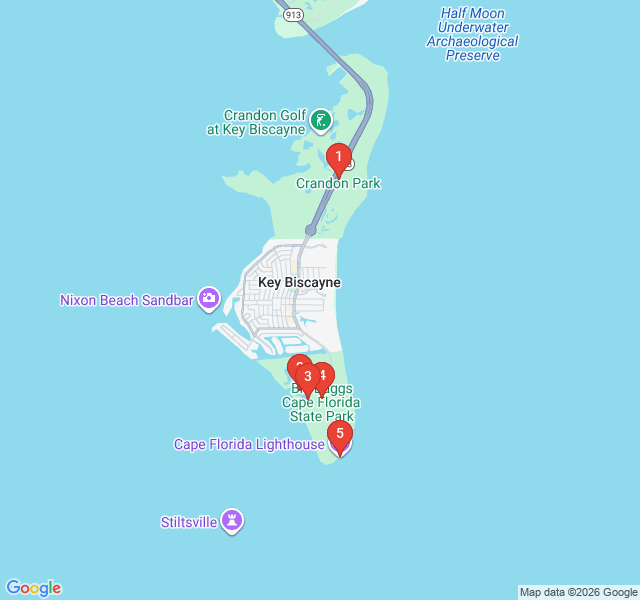
Numbers indicate the order of stops on the tour.
Welcome to the northern gateway of Key Biscayne. Before it was a public park, this land was a massive coconut plantation owned by the Matheson family. In the 1940s, they donated over 800 acres to the public, creating the oasis you see today. As you begin your walk, notice the unique ecosystem; Crandon is home to a rare fossilized reef and extensive seagrass beds. These waters provide a vital nursery for marine life. The park’s diverse habitats, from dunes to mangroves, make it a premier destination for birdwatchers. Take a moment to breathe in the salt air and appreciate the preservation of this coastal wilderness amidst Miami's urban sprawl.
Tucked away at the southern end of the island, No Name Harbor is a legendary sanctuary for boaters. For decades, sailors have used this natural harbor as a staging point before crossing the Gulf Stream to the Bahamas. Its name reflects its humble, utilitarian origins. The harbor is part of Bill Baggs Cape Florida State Park and offers a glimpse into the local maritime culture. Watch the sailboats sway in the current and keep an eye out for manatees, which often frequent these calm, protected waters during the cooler months. It is a place where time seems to slow down, far removed from the city's frantic pace.
Perched on the edge of No Name Harbor, Boater's Grill is a staple of Key Biscayne life. This isn't just a place to eat; it's a window into the island's Cuban-American heritage. The scent of fresh seafood and traditional spices fills the air. While the restaurant is a modern establishment, it captures the spirit of the old fishing camps that once dotted the Florida coast. It serves as a social hub for the boating community and weary hikers alike. Even if you aren't stopping for a full meal, the view of the harbor from the deck offers one of the most authentic coastal vistas in South Florida.
You are now standing in a place of profound historical significance. This park is a certified site on the National Underground Railroad Network to Freedom. In the early 19th century, before Florida became a U.S. state, Black Seminoles and enslaved people gathered here to escape to the British Bahamas. The park is named after Bill Baggs, a local newspaper editor who fought tirelessly in the 1960s to protect this land from development. Thanks to his efforts, we can still experience the native Florida landscape as it appeared centuries ago, dominated by sea grapes and saw palmettos.
The crowning jewel of the island is the Cape Florida Lighthouse. Built in 1825, it has survived hurricanes, an attack during the Second Seminole War, and nearly two centuries of coastal erosion. It stands as the oldest structure in Miami-Dade County. The lighthouse served as a vital navigational aid for ships navigating the treacherous Florida Reef. If you choose to climb the 109 steps to the top, you'll be rewarded with a 360-degree view that encompasses the Atlantic Ocean, Biscayne Bay, and the 'Stiltsville' houses rising from the water in the distance. It is a monument to the resilience of the Florida coast.
Start Free on iPhone
Explore “Island Escape: Key Biscayne Coastal Path” with your very own Private Tour Guide with Zigway. Start free on iPhone, skip the large group and the fixed routes, and hear the city come alive as you go.
Your Private Tour Guide
Don't miss the good stuff
Explore Freely
 Moderate
Miami, United States
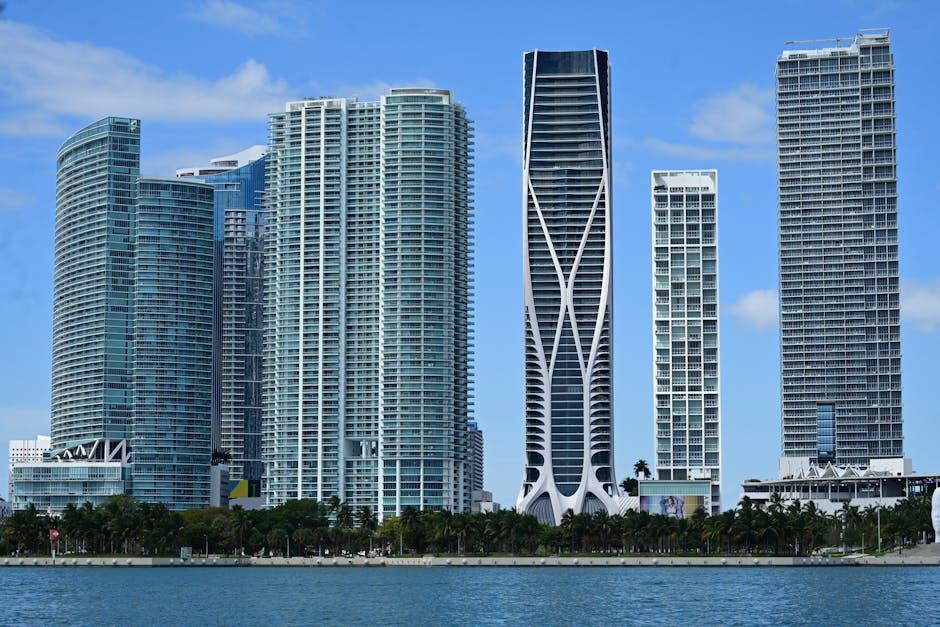
Discover the neon-lit charm of Miami Modern architecture. A self-guided walk through the historic motels and mid-century gems of Biscayne Boulevard.
 Moderate
Miami, United States
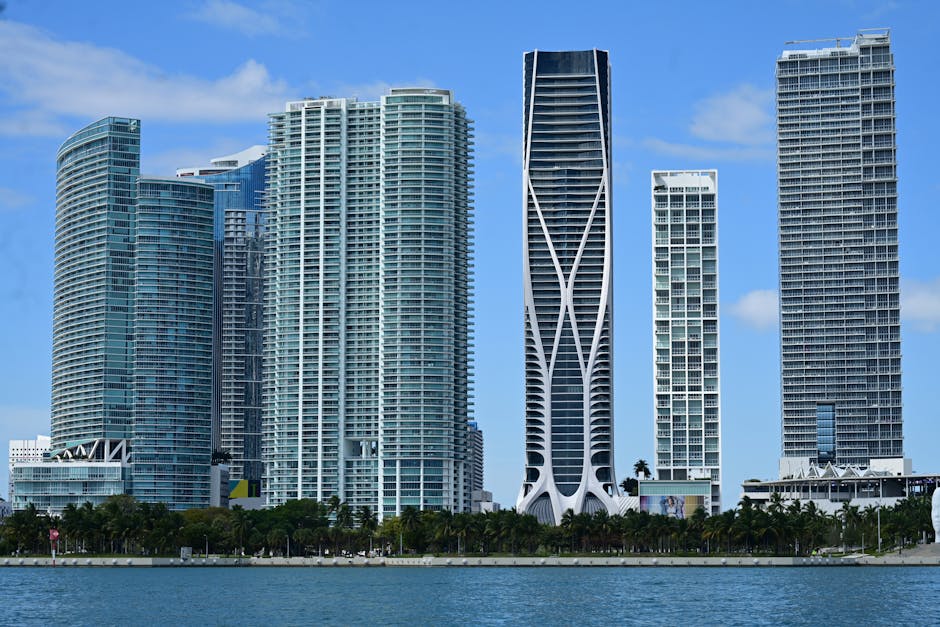
Explore the Mediterranean Revival architecture and lush history of Coral Gables on this elegant self-guided audio walk through 'The City Beautiful.'
 Easy
EasyMiami, United States
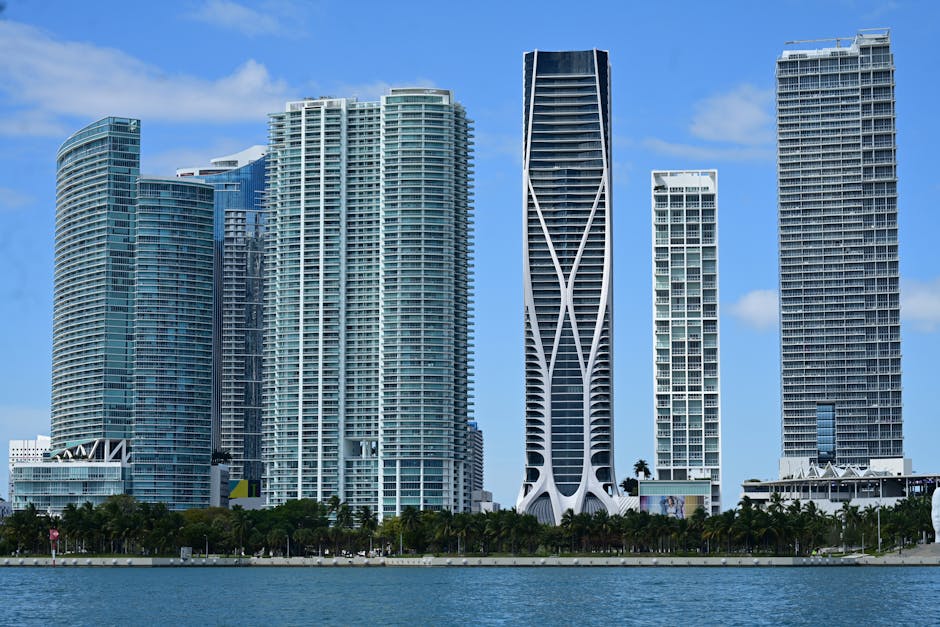
Explore Miami’s 'Manhattan of the South' on this self-guided walk through Brickell’s glittering skyscrapers, ancient ruins, and urban parks.
 Easy
EasyMiami, United States
Explore Miami's iconic Art Deco district and neon-lit Ocean Drive on this self-guided architecture and photography walk through South Beach.
 Easy
EasyNairobi, Kenya
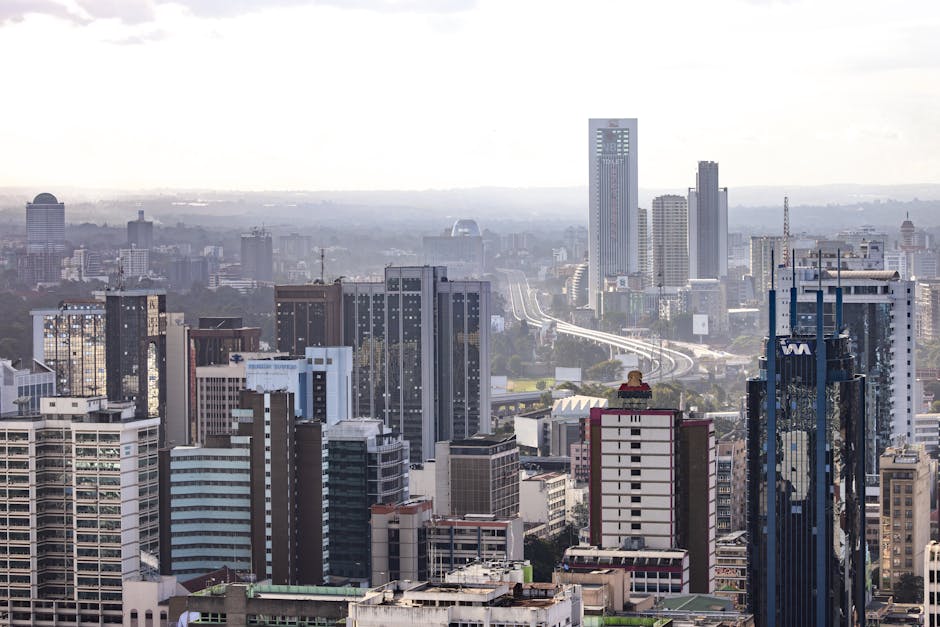
Discover Nairobi's iconic skyline on this self-guided architecture walk through the CBD’s most famous modernist and Brutalist landmarks.
 Moderate
Vienna, Austria
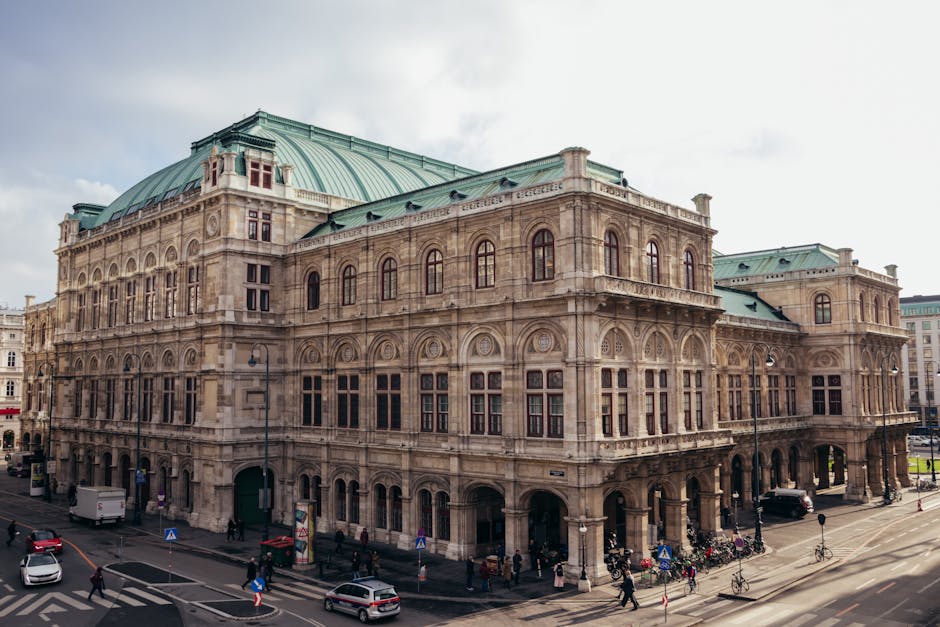
Discover the noir world of The Third Man and Cold War Vienna on this atmospheric self-guided audio walk through the historic Innere Stadt.
 Moderate
Krakow, Poland
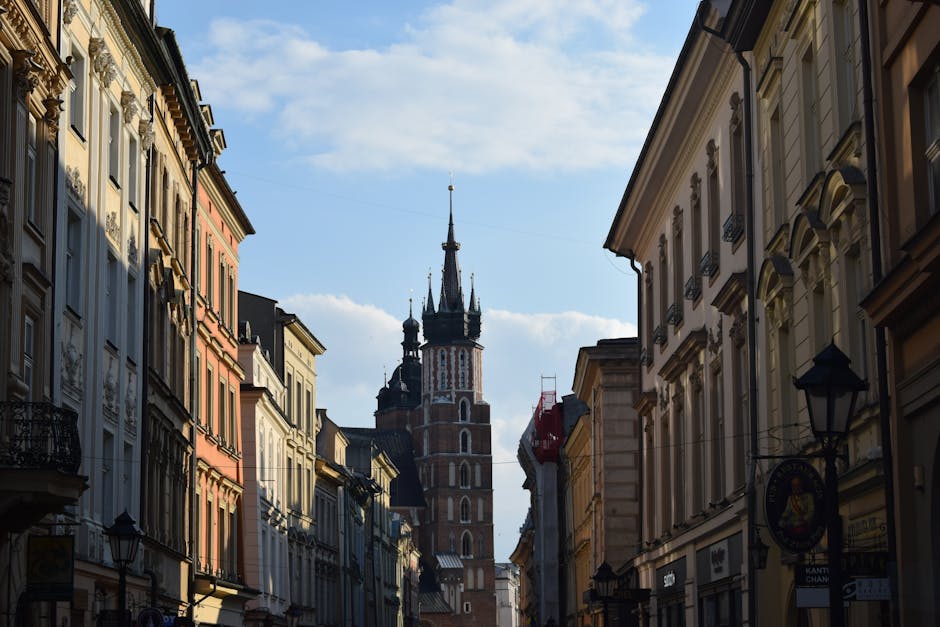
Discover Krakow’s stunning skyline and riverside charm on this self-guided audio walk through scenic viewpoints and historic mounds.
 Easy
EasyGdansk, Poland
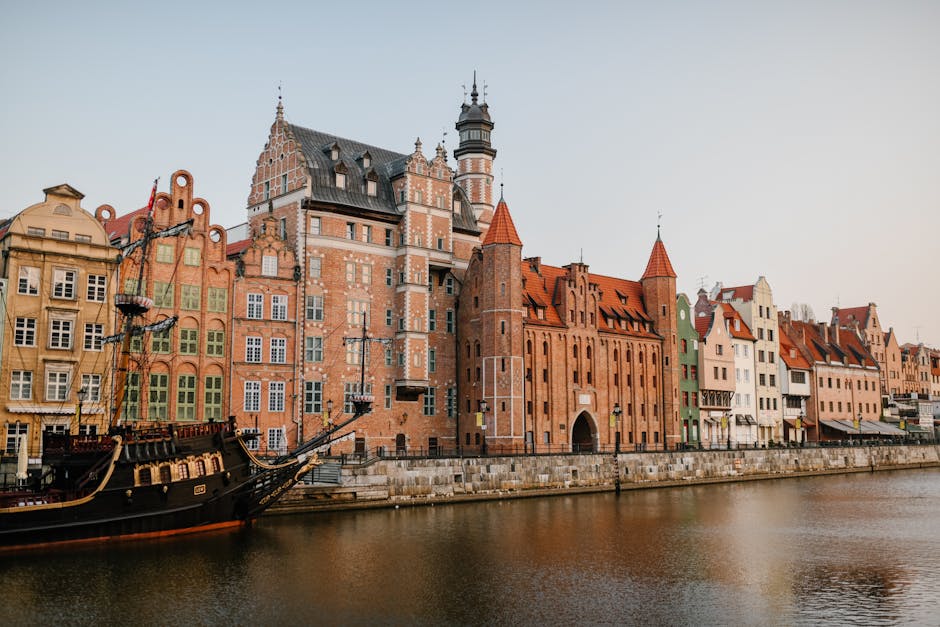
Discover the monastic heritage, world-famous organs, and lush botanical gardens of Oliwa on this peaceful self-guided neighborhood stroll.
 Easy
EasyNashville, United States
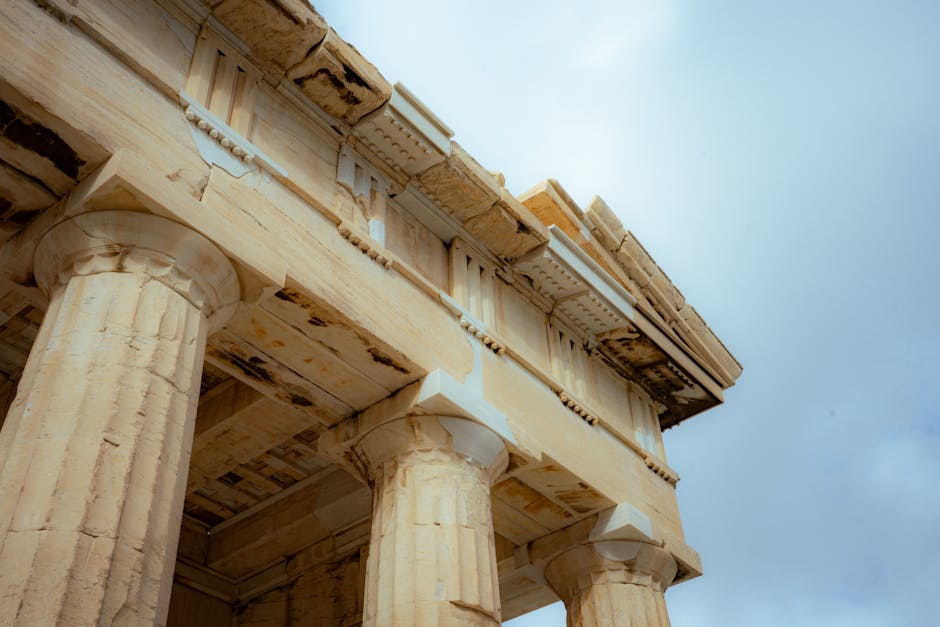
Explore the 'Athens of the South' on this self-guided walk through Centennial Park, featuring the world's only full-scale Parthenon replica.
 Easy
EasyNashville, United States
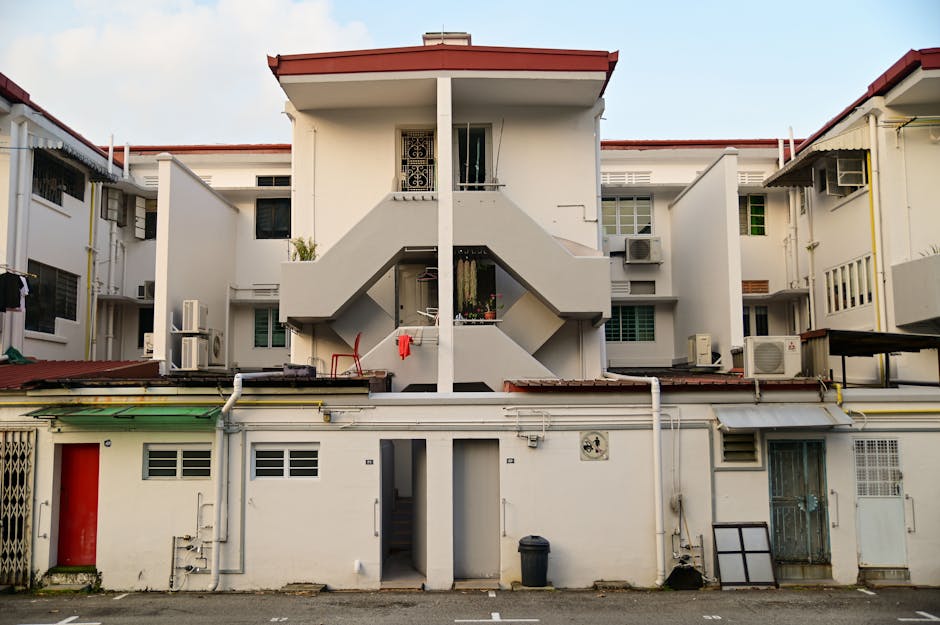
Explore Nashville's academic heart and Art Deco gems on this self-guided walk through historic Hillsboro Village.
 Easy
EasyNashville, United States
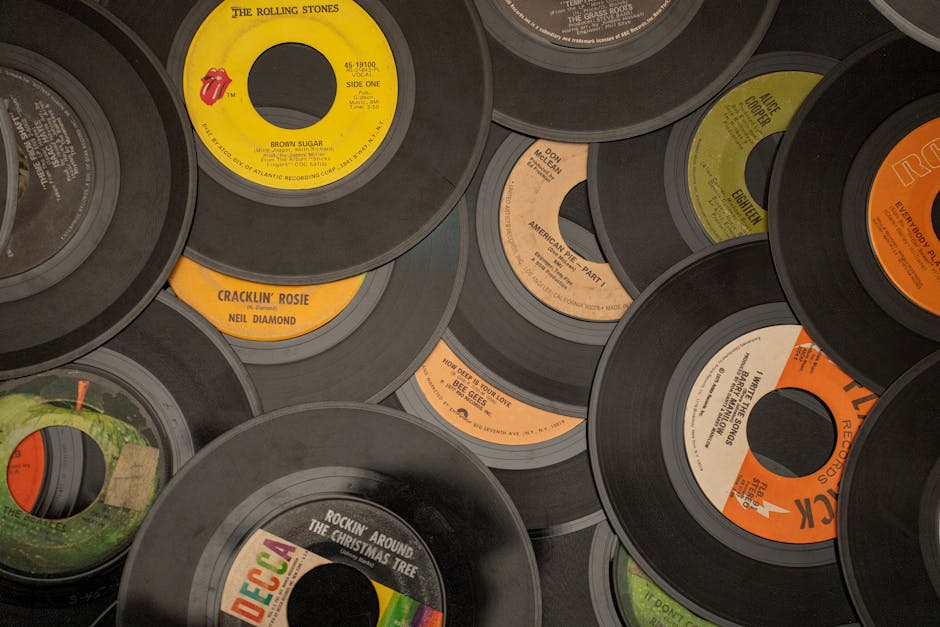
Explore the heart of Nashville's music industry. Discover iconic studios and the history of the legendary Nashville Sound at your own pace.
 Easy
EasyNashville, United States
Explore Nashville's oldest neighborhood! Discover Victorian architecture, Civil War history, and world-class craft beer on this self-guided walk.