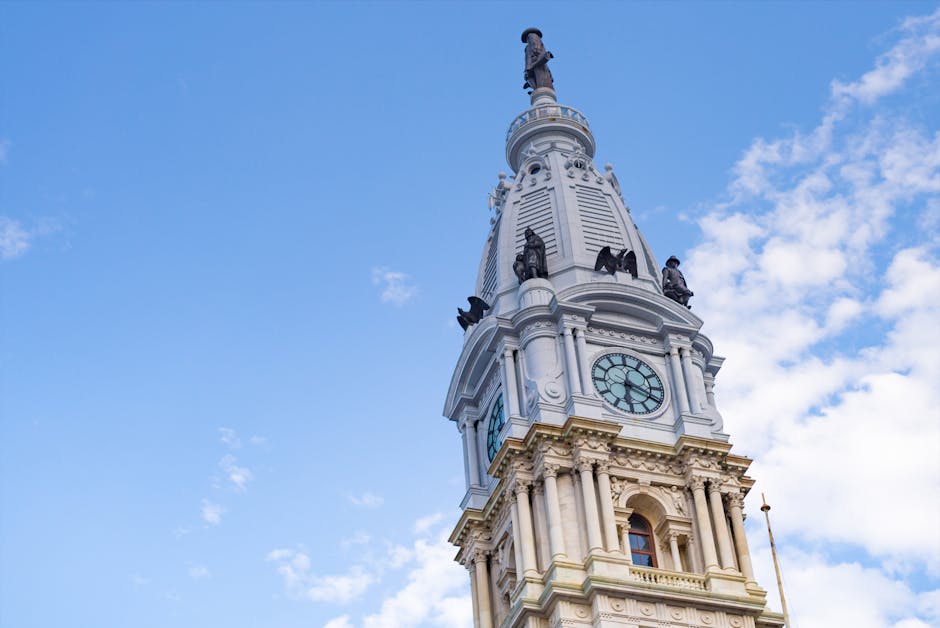
Self-guided audio tour in Philadelphia
Start Free on iPhone
Start free on iPhone to unlock this self-guided walking tour in Philadelphia. Hear all the stories that make it amazing, walk at your own pace, and begin whenever you want.
Your Private Tour Guide
As the sun sets over the brick-lined streets of Old City, Philadelphia transforms. The birthplace of American democracy holds more than just the echoes of liberty; it harbors centuries of restless spirits and chilling tales that linger in the shadows of its most famous landmarks. This self-guided walk invites you to explore the darker side of the city's history, from the pioneering but often gruesome early medical practices at the nation’s first hospital to the quiet, haunted corners of colonial-era burial grounds. Philadelphia's past is layered with stories of revolution, yellow fever epidemics, and personal tragedies that have left an indelible mark on its streets. On this neighborhood stroll, you will encounter the architectural beauty of the Powel House, once a center of colonial high society and now allegedly home to several spectral residents. You will also stand at the site of the President’s House, where the heavy legacy of slavery contrasts with the ideals of the burgeoning nation. This route is designed for those who appreciate history with a touch of the macabre, offering a unique perspective on the 'City of Brotherly Love.' Whether you are a fan of ghost stories or a history buff interested in the grit behind the glory, this walking tour Philadelphia provides a deep dive into the local lore. Unlike a traditional guided tour Philadelphia, this audio-led journey allows you to linger at the gravesites of founding fathers or pause beneath the flickering gas lamps of Society Hill at your own pace. You'll hear about the mysterious occurrences at Library Hall and the tragic history of the Pennsylvania Hospital’s 'lunatic' department. This walking tour Philadelphia is best experienced in the late afternoon or evening, when the atmosphere of the Old City truly comes alive. Prepare to see the historic district not just as a museum of the past, but as a living landscape where the dead might still have something to say.
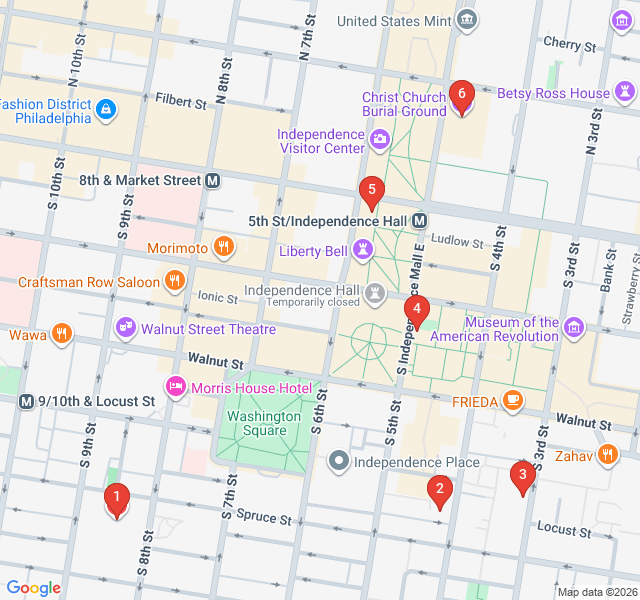
Numbers indicate the order of stops on the tour.
Welcome to the Pennsylvania Hospital, founded in 1751 by Benjamin Franklin and Dr. Thomas Bond. As the first hospital in the United States, it was a beacon of progress, but its early history has a darker side. The Pine Building, which stands before you, once housed the 'department for the insane' in its basement. In the 18th century, curious locals would pay a small fee to peer through the windows at the patients, treating the facility like a colonial-era sideshow. The hospital is also home to the oldest surgical amphitheater in the country, where students watched surgeries performed without modern anesthesia. It is said that the spirits of former patients still wander the gardens and the historic corridors, a reminder of the hospital's long and sometimes painful legacy.
Established in 1763, Old Saint Mary’s was the second Catholic church in Philadelphia and served as the city’s cathedral for years. During the Revolutionary War, it was a place of worship for many influential figures, but its graveyard is where the real stories reside. Among the prominent figures buried here is Commodore John Barry, the 'Father of the American Navy.' Local legend tells of 'The Bishop’s Ghost'—Bishop Michael Egan, who died in 1814 and was reportedly so distressed by the infighting within the church during his life that his spirit remains restless. The quiet, walled cemetery is a pocket of silence in the city, where many visitors report a sudden chill even on warm summer evenings.
The Powel House is one of the finest examples of Georgian architecture in America, but it’s more famous for its former guests than its bricks. Samuel Powel, the last mayor of Philadelphia under British rule, hosted icons like George Washington and Benjamin Franklin here. However, the house's most frequent 'visitor' is said to be the ghost of Benedict Arnold’s wife, Peggy Shippen. She was a frequent guest at the Powel’s lavish parties, and many believe her spirit still lingers in the second-floor ballroom. Staff and visitors have reported the scent of lavender perfume and the sound of silk dresses rustling across the floorboards. The house stands as a beautiful yet eerie monument to the high-society drama of the Revolutionary era.
Library Hall is a reconstruction of the original 1790 building that housed the Library Company of Philadelphia. Above the entrance, you’ll see a statue of Benjamin Franklin dressed in a Roman toga. Local lore suggests that Franklin, ever the polymath, isn't quite finished with his work. Passersby have claimed to see the statue move or even leave its pedestal at night to wander the streets he loved so much. Inside the vaults, the library holds incredible treasures, including a lock of Franklin’s hair. Some say the presence of the founding fathers is so strong here that the rustle of turning pages can be heard in the middle of the night, even when the building is empty.
This open-air memorial marks the site where George Washington and John Adams lived during their presidencies. It is a place of profound historical tension. While the leaders of a new nation debated freedom just steps away at Independence Hall, Washington held nine enslaved people within this house. The site highlights the story of Oney Judge, an enslaved woman who escaped from this very location to find her freedom in New Hampshire. Visitors often describe a heavy, somber atmosphere here. The haunting presence of the past is felt not through ghosts in the traditional sense, but through the powerful, lingering memory of those who lived in bondage at the very heart of the 'cradle of liberty.'
Our final stop is the Christ Church Burial Ground, the resting place of Benjamin Franklin and four other signers of the Declaration of Independence. Established in 1719, this cemetery contains over 4,000 graves. You’ll notice a large number of pennies on Benjamin Franklin’s grave; it’s a local tradition to toss a coin for good luck, honoring his famous proverb, 'a penny saved is a penny earned.' But the burial ground has its darker tales, including those of the thousands who died during the Yellow Fever epidemic of 1793. Many were buried in haste, and some say the spirits of those lost to the 'American Plague' still haunt the perimeter of these brick walls, seeking the recognition they were denied in their final moments.
Start Free on iPhone
Explore “Haunted Tales and Dark History” with your very own Private Tour Guide with Zigway. Start free on iPhone, skip the large group and the fixed routes, and hear the city come alive as you go.
Your Private Tour Guide
Don't miss the good stuff
Explore Freely
 Easy
EasyPhiladelphia, United States
Discover the flavors of South Philly on this self-guided walk through the historic Italian Market and the iconic Cheesesteak Vegas.
 Easy
EasyPhiladelphia, United States
Discover colonial elegance on this self-guided walk through Philadelphia's most historic residential neighborhood, from grand manors to secret alleys.
 Easy
EasyPhiladelphia, United States
Explore Philadelphia's Gilded Age masterpieces, from the world's largest masonry building to historic opera houses, on this architectural stroll.
 Moderate
Philadelphia, United States
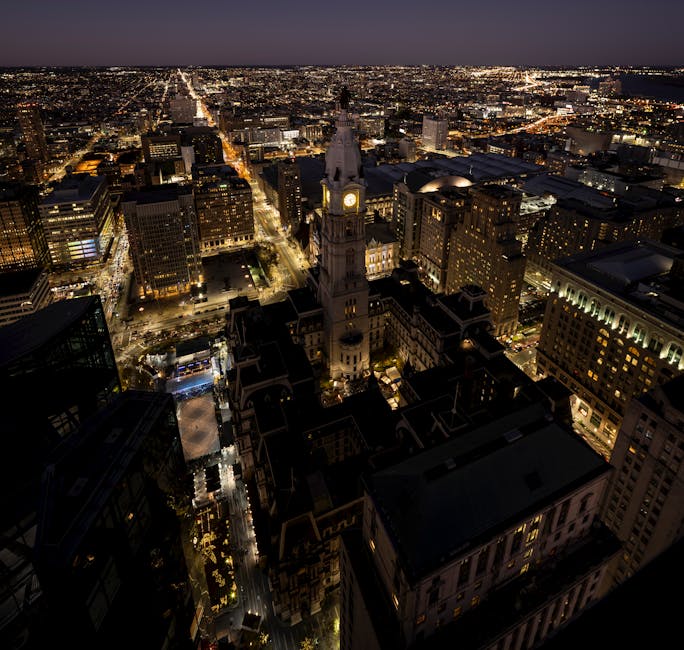
Explore Philadelphia’s rich literary heritage on this self-guided walk from Franklin’s library to the dark world of Edgar Allan Poe.
 Easy
EasyGothenburg, Sweden
Discover Gothenburg’s 17th-century Dutch foundations, historic canals, and military fortifications on this self-guided architectural walk.
 Easy
EasyNairobi, Kenya
Explore Nairobi's architectural evolution from colonial-era landmarks to iconic Brutalist skyscrapers on this historic self-guided walking route.
 Easy
EasyNairobi, Kenya
Discover Nairobi's iconic skyline on this self-guided architecture walk through the CBD’s most famous modernist and Brutalist landmarks.
 Easy
EasyKrakow, Poland
Explore the historic heart of Kazimierz on this self-guided walk through synagogues, ancient cemeteries, and vibrant squares.
 Easy
EasyNashville, United States
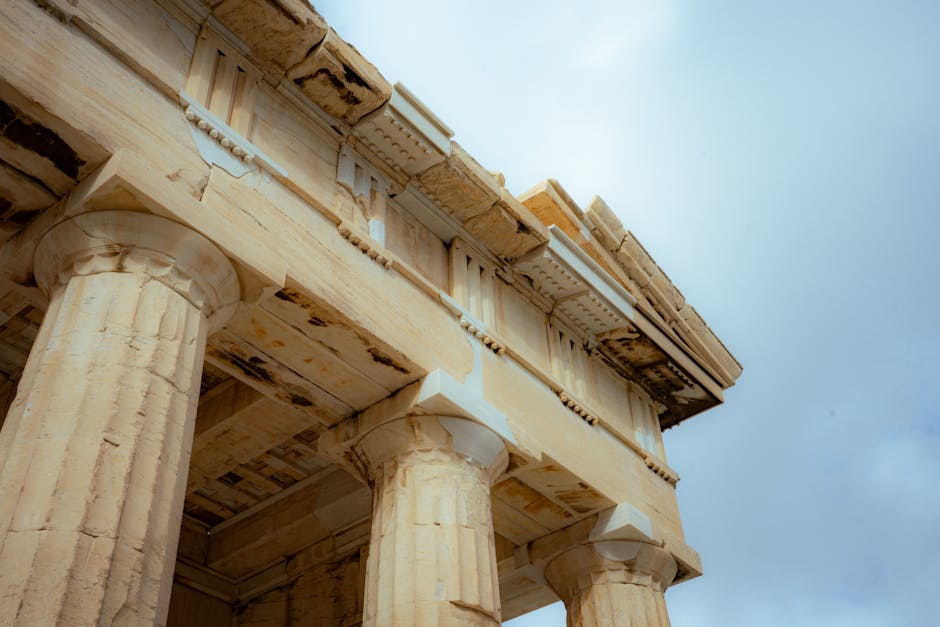
Explore the 'Athens of the South' on this self-guided walk through Centennial Park, featuring the world's only full-scale Parthenon replica.
 Easy
EasyNashville, United States
Explore Nashville's academic heart and Art Deco gems on this self-guided walk through historic Hillsboro Village.
 Easy
EasyNashville, United States
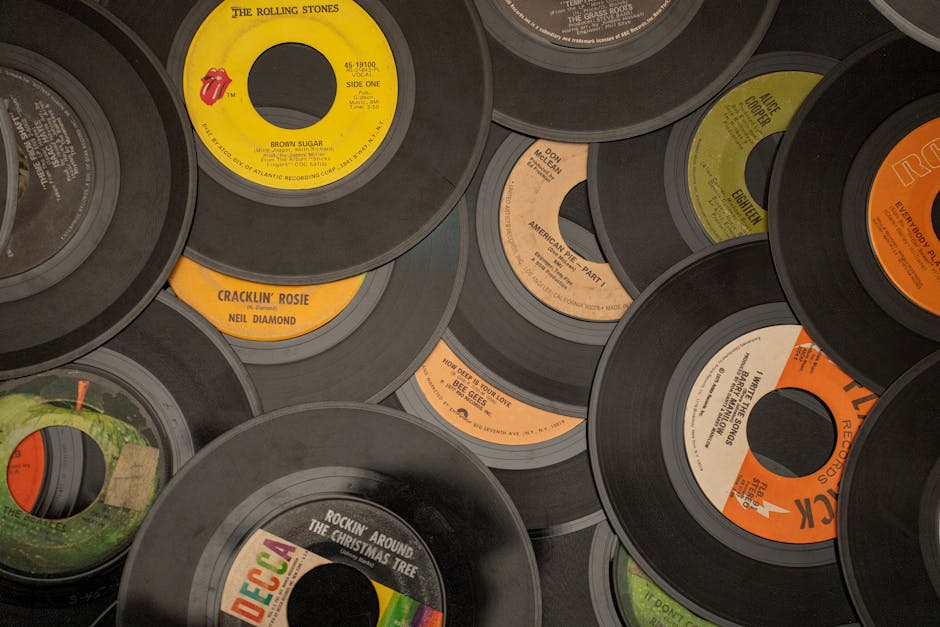
Explore the heart of Nashville's music industry. Discover iconic studios and the history of the legendary Nashville Sound at your own pace.
 Easy
EasyNashville, United States
Explore Nashville's oldest neighborhood! Discover Victorian architecture, Civil War history, and world-class craft beer on this self-guided walk.