Self-guided audio tour in Philadelphia
Start Free on iPhone
Start free on iPhone to unlock this self-guided walking tour in Philadelphia. Hear all the stories that make it amazing, walk at your own pace, and begin whenever you want.
Your Private Tour Guide
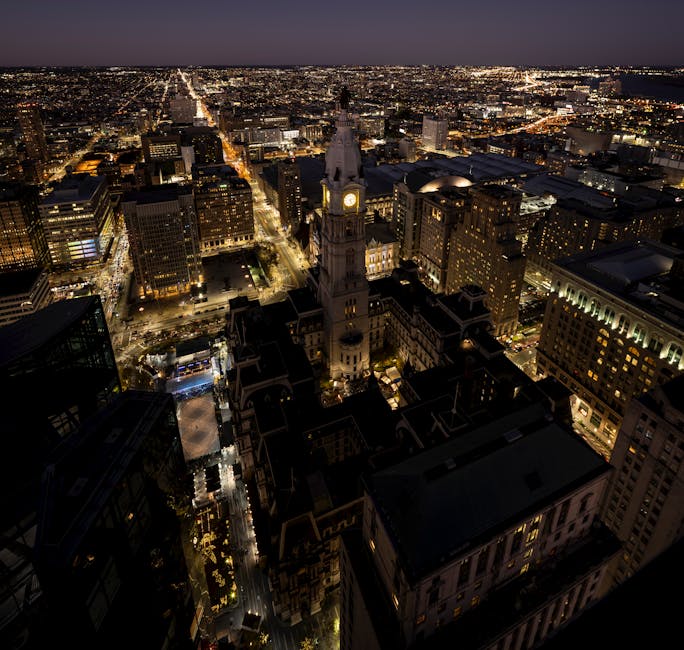
Step into the opulence of late 19th-century America with this self-guided walking route along Philadelphia's historic Broad Street. Known as the 'Avenue of the Arts,' this stretch of the city serves as a living museum of Gilded Age ambition and architectural mastery. As you explore independently, you will encounter some of the most significant structures in the United States, ranging from the massive masonry of City Hall to the delicate acoustics of the Academy of Music. This neighborhood stroll captures the transition of Philadelphia from a colonial capital to a global industrial powerhouse, showcasing the wealth and prestige that defined the era. The route is designed for those who appreciate fine detail, from the intricate stone carvings on the Masonic Temple to the grand Second Empire facade of the Union League. Beyond the history, this walking route Philadelphia offers a glimpse into the city's cultural heart, ending at the modern glass-domed Kimmel Center. Whether you are a photography enthusiast looking for the perfect angle of the William Penn statue or a history buff eager to learn about the elite clubs of the 1800s, this neighborhood explore provides a flexible way to see the city's grandest sights at your own pace. Discover the stories behind the limestone and marble that shaped Philadelphia's skyline long before skyscrapers dominated the view. This experience is more than just a walk; it is an immersion into the architectural legacy that continues to define the city's identity today.
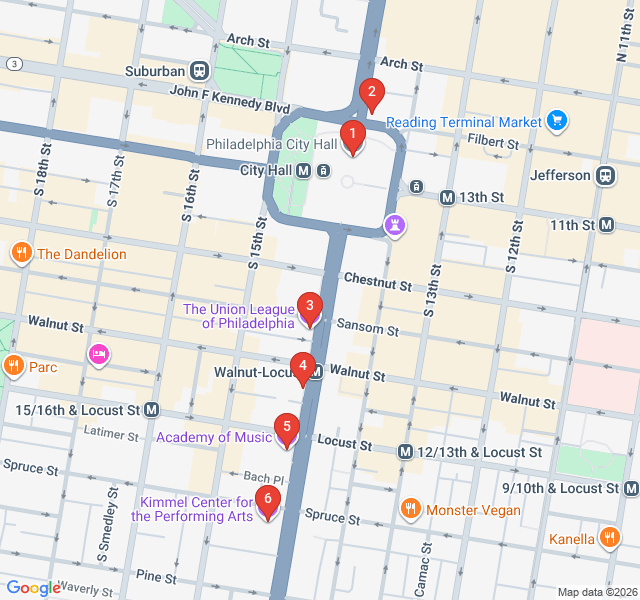
Numbers indicate the order of stops on the tour.
Begin your self-guided adventure at the geographic and symbolic heart of the city. Philadelphia City Hall is a masterpiece of the Second Empire style and remains the world's largest masonry building. Completed in 1901 after 30 years of construction, it was intended to be the tallest building in the world, though it was surpassed by the Eiffel Tower and Washington Monument during its long building process. Look up to see the 37-foot-tall bronze statue of William Penn, the city's founder, designed by Alexander Milne Calder. The building is adorned with over 250 sculptures representing various cultures, animals, and virtues, making it one of the most decorated municipal buildings in existence.
Just across from City Hall stands the Masonic Temple, an architectural gem that often surprises first-time visitors. Completed in 1873, the exterior is designed in the Norman style, characterized by its heavy masonry and rounded arches. It serves as the headquarters of the Grand Lodge of Pennsylvania. While the outside is impressive, the interior is legendary, featuring seven lodge rooms each designed in a different architectural style, including Egyptian, Ionic, and Italian Renaissance. Even from the sidewalk, you can appreciate the intricate stonework and the sense of mystery that surrounds this historic fraternal meeting place, which has been a fixture of Philadelphia's civic life for over 150 years.
Continuing south on Broad Street, you will find the Union League, a striking red brick and white marble building. Founded in 1862 as a patriotic society to support the Union and President Abraham Lincoln during the Civil War, this club became a bastion of Philadelphia's elite. The building itself is a classic example of Second Empire architecture, featuring a grand double-curved staircase and a mansard roof. It represents the height of Gilded Age prestige. While the club remains private, the exterior stands as a testament to the political and social influence of Philadelphia’s industrial leaders during the late 19th century.
Known as the 'Grand Dame of Broad Street,' the Bellevue-Stratford Hotel was the most luxurious hotel in the world when it opened in 1904. Built by George Boldt—who also managed the Waldorf-Astoria—the Bellevue was designed to be the epicenter of Philadelphia high society. Its French Renaissance facade is adorned with ornate terracotta and stone. Over the decades, it has hosted presidents, royalty, and celebrities. It is also historically significant as the site where Legionnaires' disease was first identified in 1976. Today, it remains a mixed-use landmark, housing a hotel, offices, and retail, preserving the architectural elegance of a bygone era.
The Academy of Music is the oldest opera house in the United States still used for its original purpose. Opened in 1857, its design was inspired by La Scala in Milan. While the exterior is relatively modest brick, the interior is a lavish display of gold leaf and crimson velvet. The building was the longtime home of the Philadelphia Orchestra before they moved to the Kimmel Center. It has seen the American premieres of operas like Faust and Aida. The Academy is celebrated for its 'dry' acoustics, which were specifically designed to ensure that every note from the stage reached the back of the house without echo.
Your walking route concludes at the Kimmel Center, a modern counterpoint to the historic structures you have just seen. Opened in 2001, this facility was designed by architect Rafael Viñoly. The most striking feature is the massive glass barrel-vaulted roof that encloses a public plaza, known as Commonwealth Plaza. This 'urban room' is designed to be an extension of the sidewalk, inviting the public inside. The center houses Verizon Hall and the Perelman Theater, serving as the modern anchor for the Avenue of the Arts. It represents the evolution of Philadelphia’s architectural identity, blending 21st-century transparency with the city's long-standing dedication to the performing arts.
Start Free on iPhone
Explore “Gilded Age Grandeur: Broad Street Architecture” with your very own Private Tour Guide with Zigway. Start free on iPhone, skip the large group and the fixed routes, and hear the city come alive as you go.
Your Private Tour Guide
Don't miss the good stuff
Explore Freely
 Easy
EasyPhiladelphia, United States
Discover the flavors of South Philly on this self-guided walk through the historic Italian Market and the iconic Cheesesteak Vegas.
 Easy
EasyPhiladelphia, United States
Discover colonial elegance on this self-guided walk through Philadelphia's most historic residential neighborhood, from grand manors to secret alleys.
 Moderate
Philadelphia, United States
Explore Philadelphia’s rich literary heritage on this self-guided walk from Franklin’s library to the dark world of Edgar Allan Poe.
 Easy
EasyPhiladelphia, United States
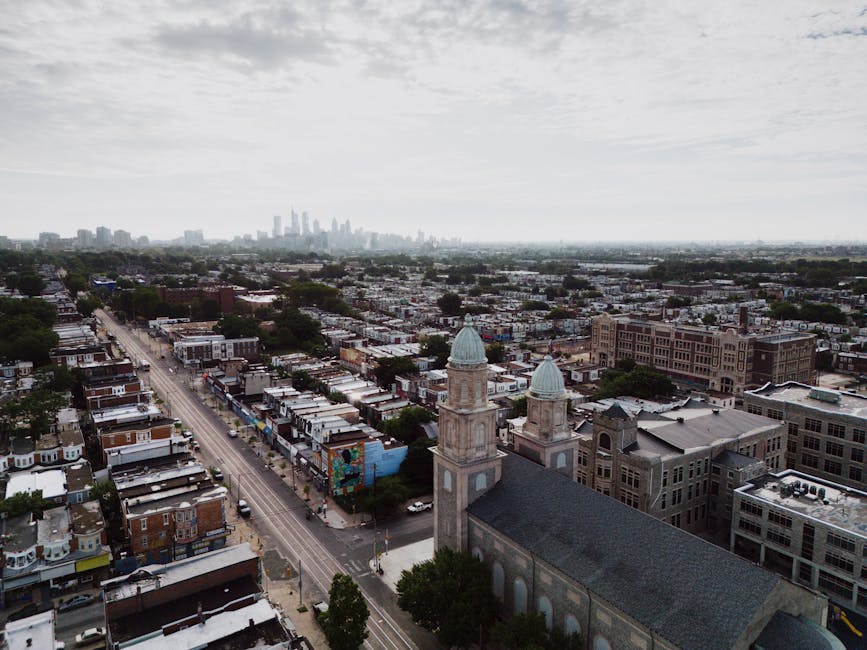
Explore Fishtown’s transformation from an industrial hub to a nightlife hotspot on this self-guided walk through Philly's trendiest neighborhood.
 Easy
EasyNairobi, Kenya
Discover Nairobi's iconic skyline on this self-guided architecture walk through the CBD’s most famous modernist and Brutalist landmarks.
 Easy
EasyGdansk, Poland
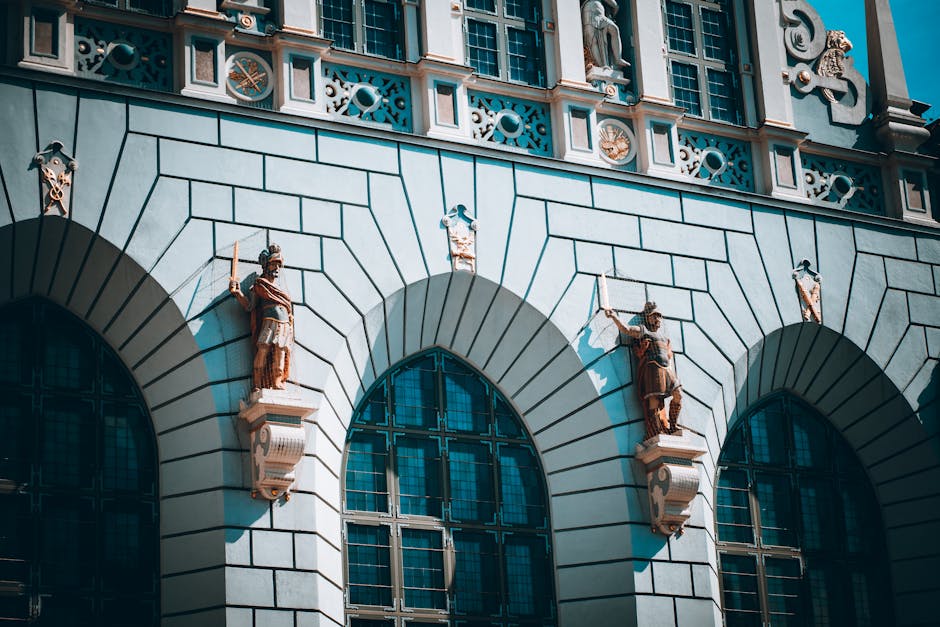
Discover the opulent Royal Way of Gdansk at your own pace. Explore Hanseatic history, gilded architecture, and the iconic Neptune's Fountain.
 Easy
EasyGothenburg, Sweden
Discover Gothenburg’s 17th-century Dutch foundations, historic canals, and military fortifications on this self-guided architectural walk.
 Easy
EasyNairobi, Kenya
Explore Nairobi's architectural evolution from colonial-era landmarks to iconic Brutalist skyscrapers on this historic self-guided walking route.
 Easy
EasyNashville, United States
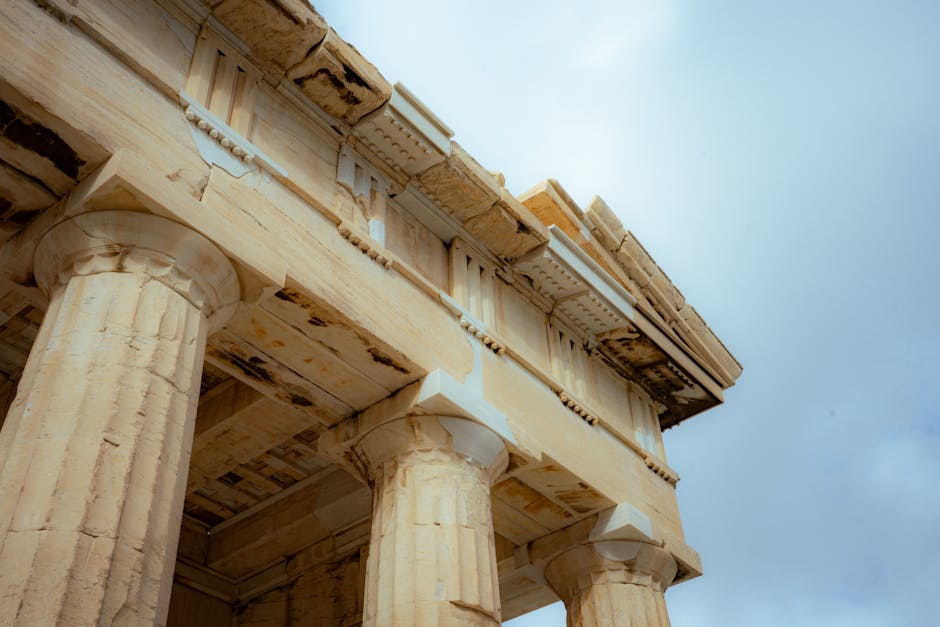
Explore the 'Athens of the South' on this self-guided walk through Centennial Park, featuring the world's only full-scale Parthenon replica.
 Easy
EasyNashville, United States
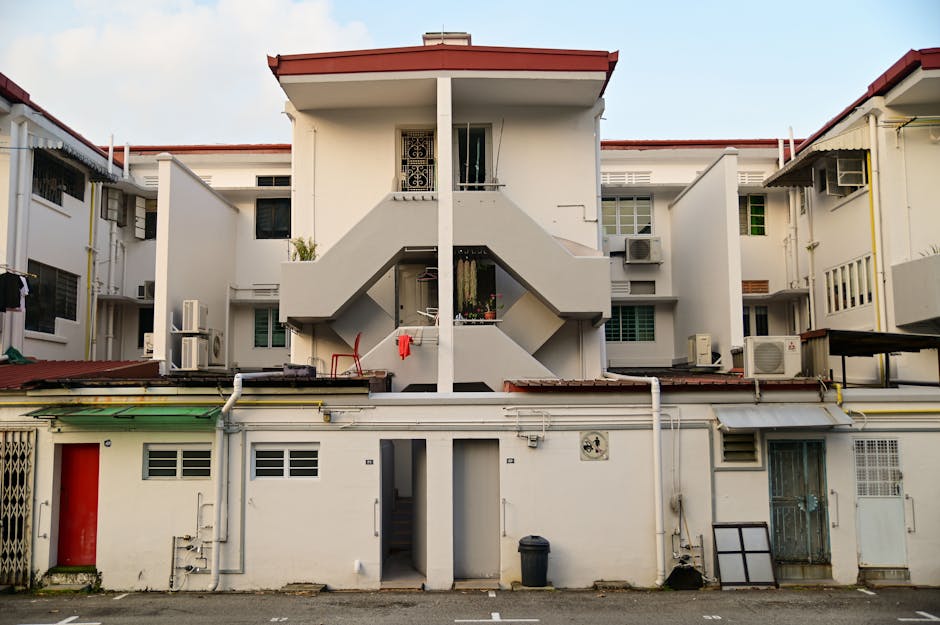
Explore Nashville's academic heart and Art Deco gems on this self-guided walk through historic Hillsboro Village.
 Easy
EasyNashville, United States
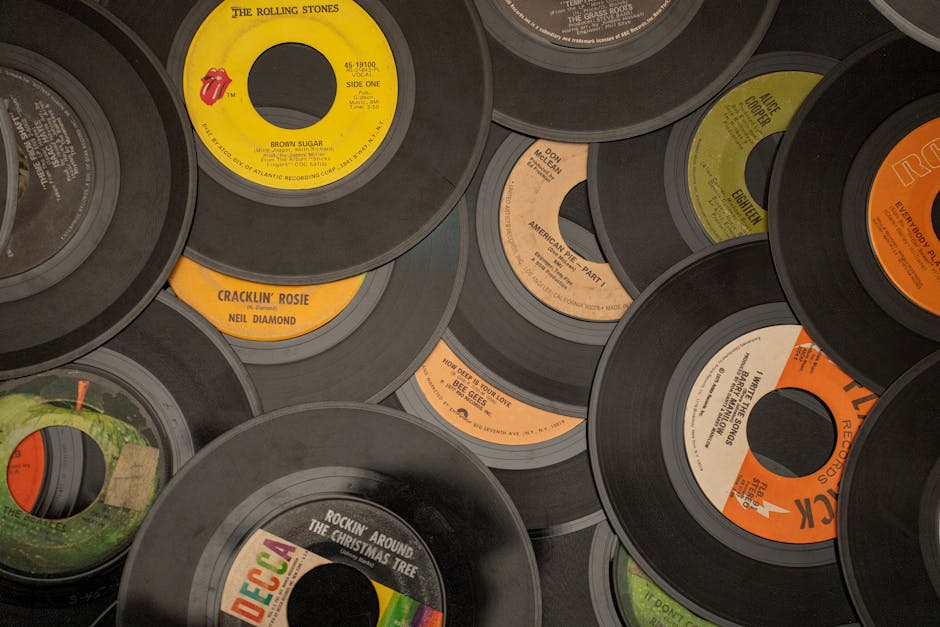
Explore the heart of Nashville's music industry. Discover iconic studios and the history of the legendary Nashville Sound at your own pace.
 Easy
EasyNashville, United States
Explore Nashville's oldest neighborhood! Discover Victorian architecture, Civil War history, and world-class craft beer on this self-guided walk.