Self-guided audio tour in Verona
Start Free on iPhone
Start free on iPhone to unlock this self-guided walking tour in Verona. Hear all the stories that make it amazing, walk at your own pace, and begin whenever you want.
Your Private Tour Guide
While most travelers flock to the iconic Arena or the crowded courtyard of Juliet’s House, the true heart of Verona beats in its quiet, stone-paved backstreets. This self-guided walk through the Città Antica invites you to peel back the layers of history, from Roman foundations to medieval strongholds. On this neighborhood stroll, you will explore the city's unique architectural heritage, moving through monumental courtyards that once served as the seat of power for the Scaligeri family, into narrow alleys where the smell of fresh pasta wafts from hidden osterias. This walking route is designed for those who want to discover Verona at their own pace, focusing on the atmospheric details that many visitors overlook. You will traverse the historic Via Sottoriva, one of the most evocative streets in the city with its low-lying porticoes, and find yourself in quiet squares like Piazzetta Pescheria, where the city’s relationship with the Adige River is most apparent. This self-guided adventure offers a chance to see the 'City of Love' through a different lens—one of artisan craftsmanship, ancient stone, and peaceful retreats. Whether you are a history buff or a photography enthusiast, this walking tour Verona provides a comprehensive look at the hidden corners of the old town. By following this independent path, you escape the predictable tourist trail and immerse yourself in the authentic daily life of Veronese residents. This neighborhood explore is perfect for those seeking a deeper connection to the city's past while enjoying the freedom of a self-guided walk. **Note:** This area is known for its ever-changing character. Street art, pop-up venues, and temporary exhibitions may differ from what's described. That's part of the adventure - you might discover something entirely new!
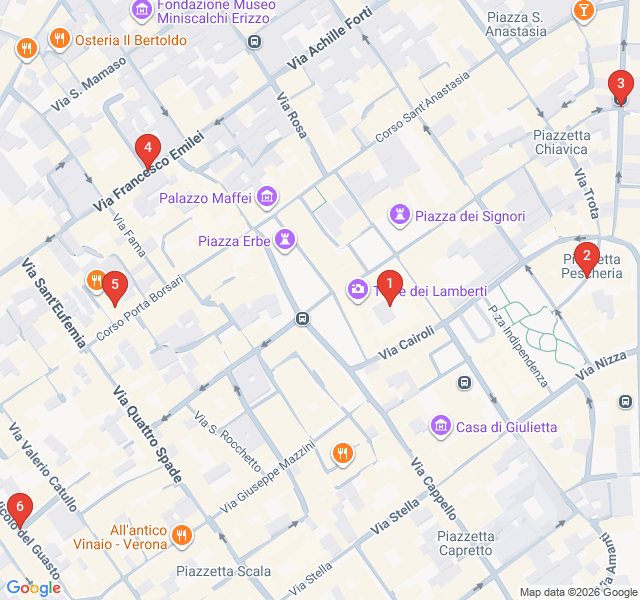
Numbers indicate the order of stops on the tour.
Welcome to the Cortile del Mercato Vecchio, or the Courtyard of the Old Market. This space was once the administrative heart of Verona under the Scaligeri family. Take a moment to admire the striking contrast of the red brick and white limestone—a signature Veronese style known as 'cloistered' masonry. The centerpiece here is the Scala della Ragione, a magnificent late-Gothic staircase made of red Veronese marble. Built in the 15th century, it led to the law courts. Imagine the bustle of merchants and magistrates who walked these stones centuries ago. This courtyard serves as a peaceful buffer between the grand Piazza delle Erbe and the nearby Piazza dei Signori, offering a first glimpse into the city's medieval grandeur.
As you wander toward the river, you arrive at Piazzetta Pescheria. This quiet square marks the site of the city’s former fish market. Its location was strategic; being close to the Adige River allowed for easy transport of goods. Today, the square is a tranquil spot far removed from the shopping crowds. Look for the small, traditional wine bars or 'osterie' that line the perimeter. The architecture here is more modest than the grand palazzos you just left, reflecting its history as a place of trade and labor. It is a perfect spot to appreciate the slower rhythm of Veronese life and the city's historical dependency on the winding Adige.
Step into Via Sottoriva, one of Verona's most atmospheric and ancient streets. The name literally means 'below the bank,' referring to its position just beneath the old embankment of the Adige River. This street is famous for its long, dark porticoes which have sheltered pedestrians for centuries. Historically, this was a hub for millers and river traders. Today, it remains one of the best-preserved medieval streets in the city. As you walk under the low arches, notice the varying heights of the columns and the small artisan shops tucked into the shadows. The uneven pavement and the smell of traditional cooking from the local taverns create a timeless feeling that is hard to find elsewhere in the city.
Transitioning into a more aristocratic part of the old town, you reach Via Francesco Emilei. This street is characterized by its elegant noble residences and refined atmosphere. Unlike the medieval grit of Sottoriva, this area showcases the Renaissance and Baroque wealth of Verona. Keep an eye out for the intricate wooden doors and heavy iron-wrought balconies that adorn the palazzos. While today it is home to several high-end boutiques and antique dealers, the street maintains a residential quietness. It serves as a vital artery connecting the river area back toward the Roman grid of the city, demonstrating how Verona’s urban fabric seamlessly blends different eras of prosperity.
The Church of San Giovanni in Foro is a hidden gem that many pass by without a second glance. The name 'in Foro' tells you exactly where you are: in the area of the ancient Roman Forum, today's Piazza delle Erbe. This church was rebuilt after the great earthquake of 1117, though its origins are much older. On the exterior wall facing the street, look for the ancient Roman funeral monuments and inscriptions embedded directly into the masonry—a common practice of recycling materials in the Middle Ages. The interior, if open, often hosts a quiet, contemplative atmosphere with fragments of frescoes that provide a glimpse into the religious devotion of medieval Verona.
Conclude your walk at Vicolo del Guasto, one of the narrowest and most intriguing alleys in the Città Antica. The word 'Guasto' translates roughly to 'ruin' or 'waste,' likely referring to a period in the 13th century when the buildings here were demolished to create a defensive gap or perhaps following a fire. Today, it is a narrow passage that feels like a secret shortcut through time. The high walls on either side block out the city noise, creating a sense of total seclusion. This alley is a testament to the organic growth of Verona, where the city was built, destroyed, and rebuilt over two millennia. It is the perfect place to finish your independent exploration of Verona’s hidden layers.
Start Free on iPhone
Explore “Hidden Courtyards and Artisan Alleys” with your very own Private Tour Guide with Zigway. Start free on iPhone, skip the large group and the fixed routes, and hear the city come alive as you go.
Your Private Tour Guide
Don't miss the good stuff
Explore Freely
 Moderate
Verona, Italy
Explore Verona’s most magnificent cathedrals and basilicas on this self-guided walk through the city's artistic and spiritual heart.
 Easy
EasyVerona, Italy
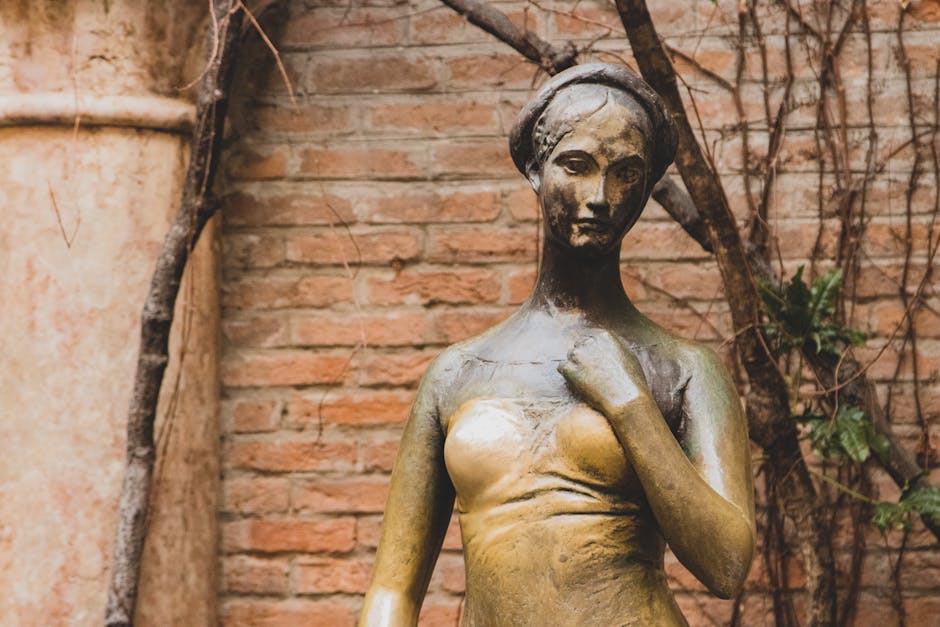
Explore the romantic streets of Verona on this self-guided walk through the history and legends that inspired Shakespeare’s Romeo and Juliet.
 Easy
EasyVerona, Italy
Discover the flavors of Verona on this self-guided walk through historic wine cellars, vibrant markets, and the city's most iconic culinary landmarks.
 Easy
EasyVerona, Italy
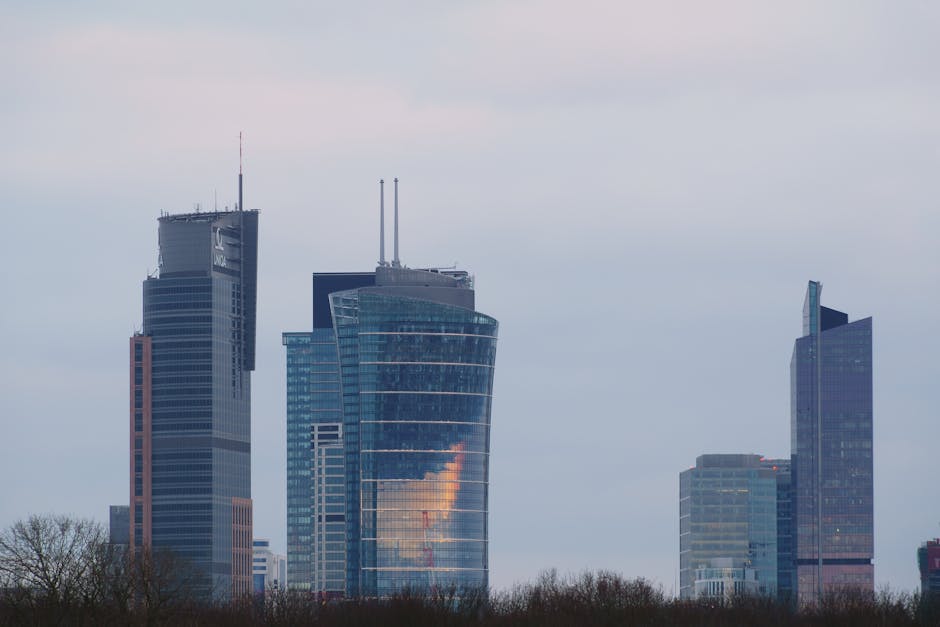
Savor Verona's vibrant aperitivo culture on this self-guided stroll through historic squares and charming wine bars. Discover the city's heartbeat.
 Easy
EasyWarsaw, Poland
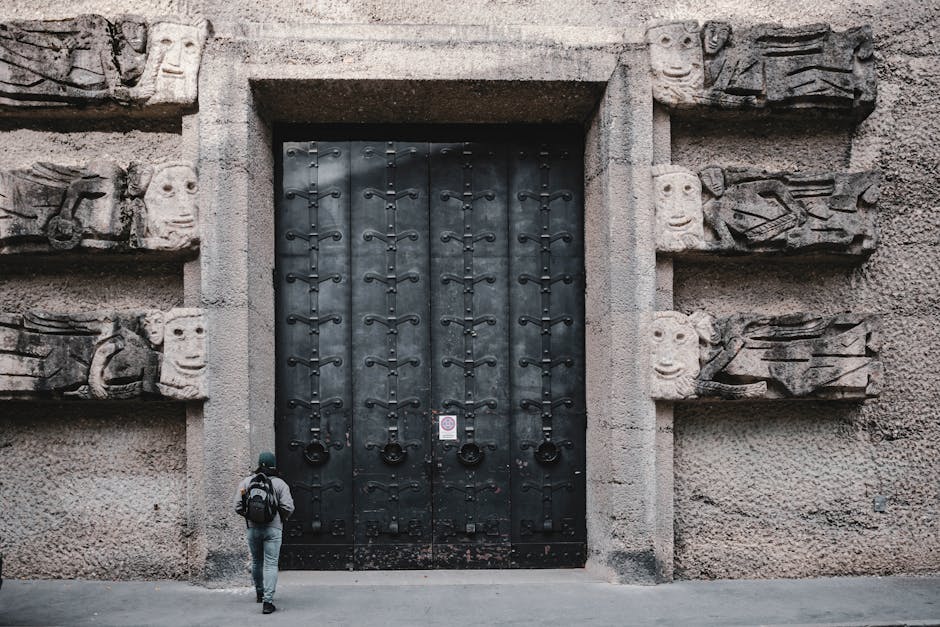
Discover the hidden courtyards and grand pre-war architecture of Warsaw's most atmospheric neighborhood on this self-guided stroll.
 Easy
EasySalzburg, Austria
Discover Salzburg's oldest medieval alley, the birthplace of the 'Silent Night' author, and breathtaking views on this quiet self-guided walk.
 Easy
EasyHelsinki, Finland
Discover Helsinki's oldest neighborhood on this self-guided audio walk through Kruununhaka’s historic streets, hidden courtyards, and scenic shores.
 Easy
EasyNairobi, Kenya
Discover Nairobi's iconic skyline on this self-guided architecture walk through the CBD’s most famous modernist and Brutalist landmarks.
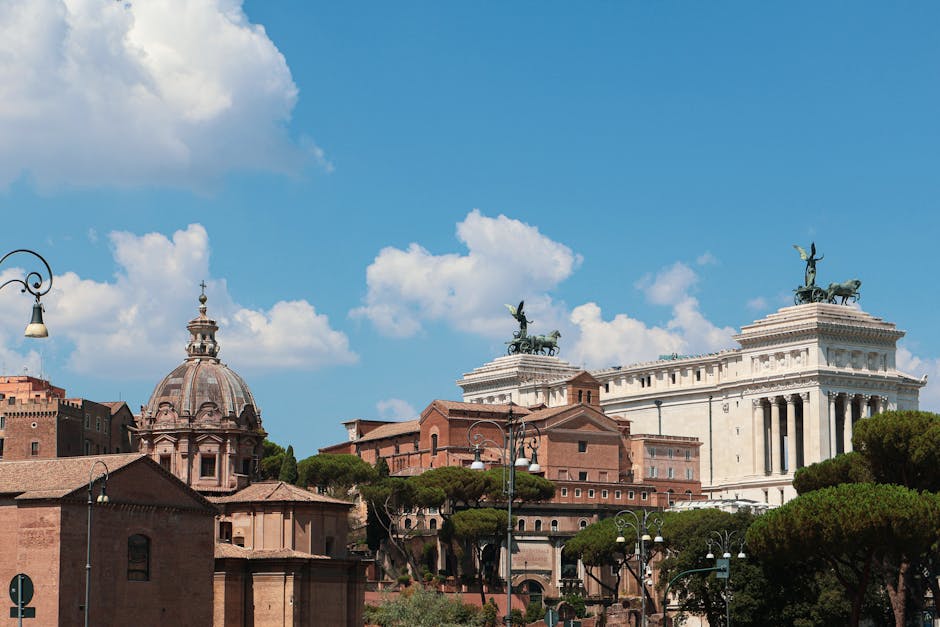 Easy
EasyRome, Italy
Explore Rome’s industrial heart on this self-guided walk featuring massive murals, the 'Iron Colosseum,' and unique industrial archaeology.
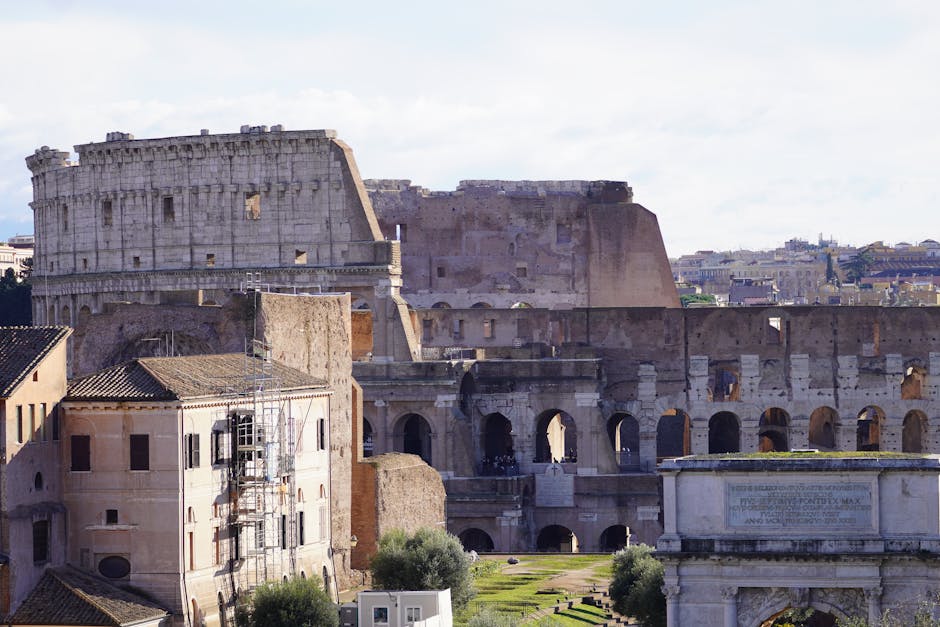 Easy
EasyRome, Italy
Explore Rome’s whimsical Fairytale District. A self-guided walk through Art Nouveau palaces, mythical fountains, and the magical Coppedè architecture.
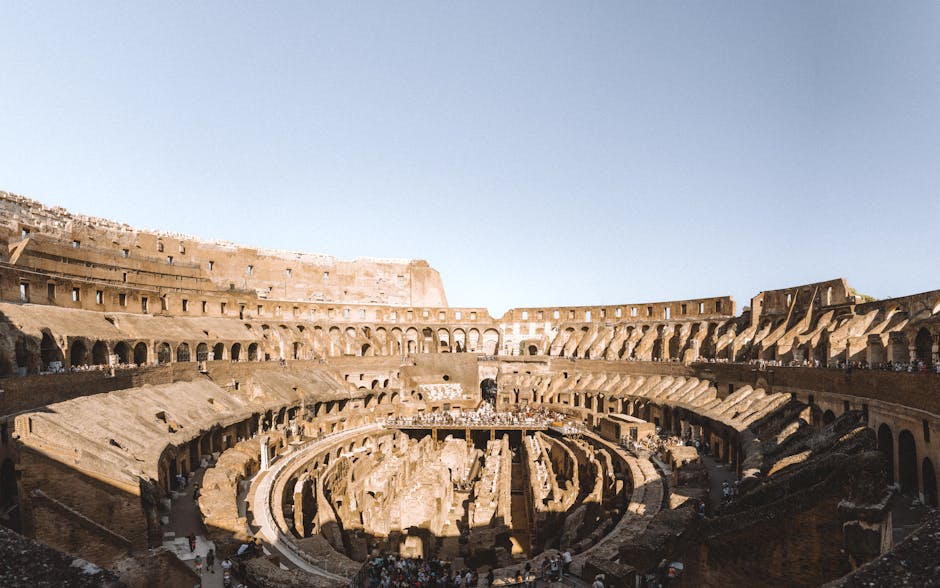 Moderate
Rome, Italy
Uncover Rome's hidden history on this self-guided walk through ancient gladiator pits, subterranean temples, and buried Roman houses.
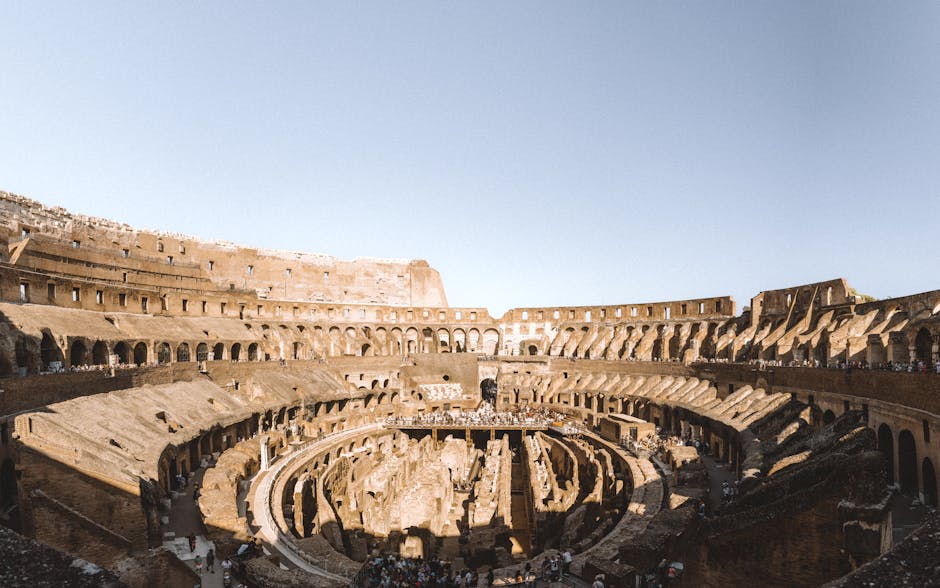 Challenging
Rome, Italy
Walk the 'Queen of Roads.' Explore ancient catacombs, imperial villas, and historic basalt stones on this scenic self-guided Roman adventure.