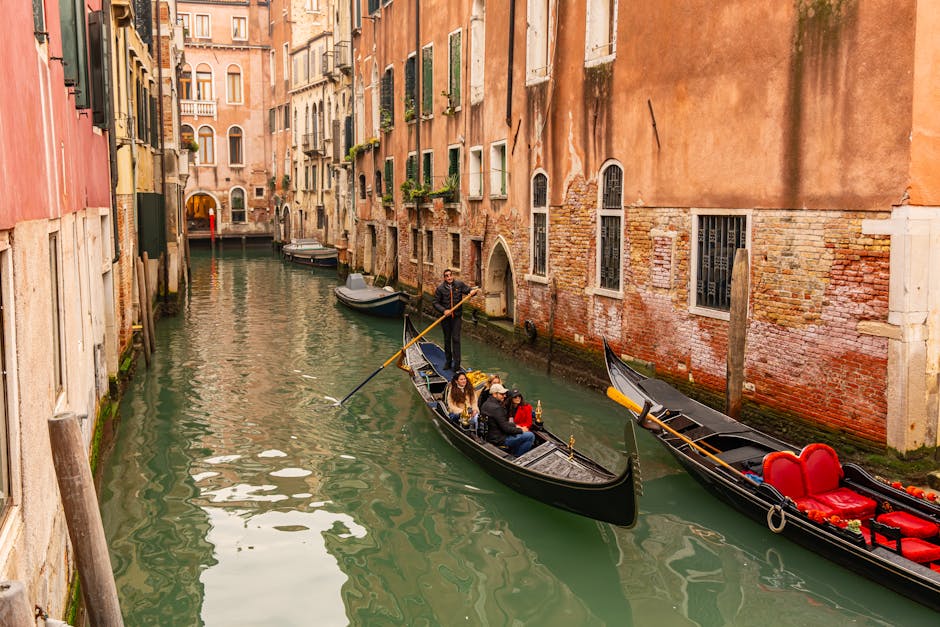
Self-guided audio tour in Venice
Start Free on iPhone
Start free on iPhone to unlock this self-guided walking tour in Venice. Hear all the stories that make it amazing, walk at your own pace, and begin whenever you want.
Your Private Tour Guide
Castello is the beating heart of Venetian history, a district where the echoes of shipbuilders and Renaissance masters still linger in the salt-misted air. This self-guided walk invites you to step away from the crowded paths of San Marco and discover a neighborhood defined by its layers of stone and stories. From the imposing gates of the Arsenale to the soaring heights of the city’s largest Gothic church, this route showcases the architectural evolution of a maritime superpower. As you explore independently, you will encounter the unique blend of styles that define Venice. The neighborhood stroll begins at the Campo Santa Maria Formosa, a square that perfectly captures the city's transition from medieval roots to Renaissance elegance. Here, the architecture is not just a backdrop but a narrative of wealth, piety, and naval dominance. The route leads through narrow calli to the Chiesa di San Zaccaria, where the facade bridges the gap between the Gothic and Renaissance eras, housing one of the city's most famous altarpieces. A highlight of this walking route is the Arsenale di Venezia. Once the largest industrial complex in Europe, its massive red-brick walls and stone lions stand as silent witnesses to the era when Venice ruled the Mediterranean. This neighborhood stroll continues toward the monumental Campo Santi Giovanni e Paolo, often called the 'Pantheon of Venice' due to the many Doges buried within its Gothic walls. Next door, the Scuola Grande di San Marco offers one of the most stunning examples of Venetian early Renaissance architecture, with its trompe l'oeil marble panels. Choosing a self-guided adventure allows you to linger at a quiet canal-side or spend extra time admiring the intricate stonework of a palace facade without the pressure of a group. This walking tour Venice experience provides the context you need while granting the flexibility to stop for a cicchetto or a coffee whenever you wish. Whether you are a first-time visitor or a seasoned traveler, the architecture of Castello offers a deeper understanding of how this floating city was built, defended, and celebrated through its magnificent structures.
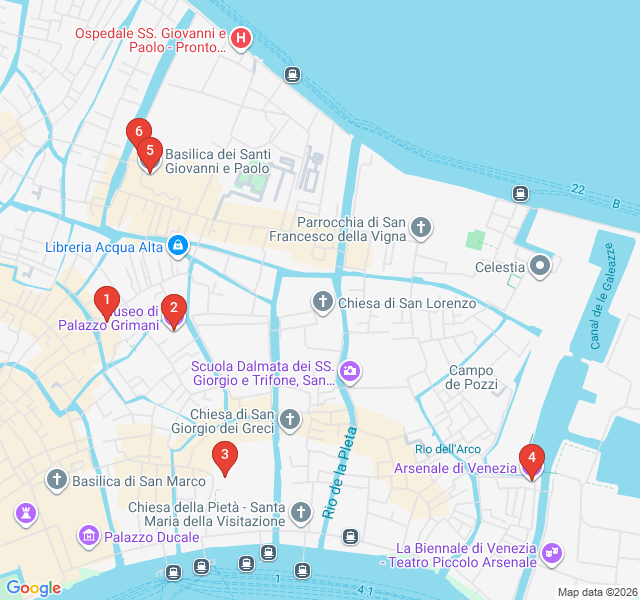
Numbers indicate the order of stops on the tour.
Campo Santa Maria Formosa is one of the largest and most vibrant squares in Venice. The church itself, redesigned by Mauro Codussi in 1492, is a masterclass in architectural transition. Notice how it features two distinct facades: one facing the canal in a neoclassical style and another facing the square in a more traditional Renaissance manner. This reflects the different eras and patrons who contributed to its reconstruction. Legend says the church's location was chosen after a vision of a 'formosa' or shapely Virgin Mary. The surrounding buildings, including the 16th-century Palazzo Vitturi and Palazzo Malipiero-Trevisan, showcase the wealth of the families who once called this lively campo home.
Palazzo Grimani is a hidden architectural jewel that feels more like a Roman villa than a Venetian palace. Unlike the typical Gothic style seen elsewhere, this residence was heavily influenced by the High Renaissance of Rome. The Grimani family, known for their collection of ancient sculptures, designed the 'Tribuna'—a soaring, light-filled room inspired by the Pantheon in Rome—to showcase their treasures. As you stand in the courtyard, observe the rare use of classical proportions and loggias that were revolutionary for Venice at the time. This stop highlights how international influences shaped the private dwellings of the city's elite during its golden age.
The Chiesa di San Zaccaria is an architectural bridge between two worlds. The lower portion of the facade is strictly Gothic, characterized by its tall, narrow verticality and pointed elements. However, as your eyes move upward, you’ll see the influence of the Renaissance taking over, with rounded arches and classical symmetry. Inside, the church is a treasure trove of art, most notably Giovanni Bellini’s 'San Zaccaria Altarpiece.' A unique feature of this site is the 10th-century crypt. Due to the rising sea levels in Venice, the crypt is permanently flooded, creating a hauntingly beautiful mirror effect where the ancient columns reflect in the still water.
The Arsenale di Venezia was the industrial heart of the Venetian Republic, a massive complex where a galley could be built in a single day during its peak. The architecture here is primarily functional and defensive, but the entrance, the Porta Magna, is a grand exception. Built in 1460, it is considered the first neoclassical structure in Venice, featuring triumphal arches and four ancient lions brought back from Greece as war trophies. These massive stone sentinels guard the gateway to what was once the most powerful shipyard in the world. The scale of the red-brick walls surrounding the Arsenale emphasizes the secrecy and security required for Venice’s maritime dominance.
The Basilica dei Santi Giovanni e Paolo, known locally as San Zanipolo, is a monumental example of Italian Gothic architecture. Built by the Dominicans, its soaring brick facade and massive interior were designed to accommodate large congregations. This basilica serves as the final resting place for 25 Venetian Doges, earning it the nickname 'the Pantheon of Venice.' The interior is filled with elaborate funerary monuments that track the stylistic evolution of Venetian sculpture from the 13th to the 18th centuries. Outside in the campo, look for the bronze equestrian statue of Bartolomeo Colleoni, a masterpiece of Renaissance sculpture that rivals the great monuments of Florence.
Concluding the walk is the Scuola Grande di San Marco, located right next to the Basilica. This building is famous for one of the most remarkable facades in Venice. Designed by Pietro Lombardo and Mauro Codussi, it features intricate marble carvings that use perspective to create the illusion of deep recessed hallways and lions’ dens. These 'trompe l'oeil' effects were cutting-edge for the late 15th century. Originally a prestigious lay confraternity, the building now serves as the city’s main hospital. The contrast between the somber Gothic brickwork of the neighboring church and the delicate, jewel-like marble of the Scuola perfectly encapsulates the architectural diversity of Castello.
Start Free on iPhone
Explore “Gothic Splendor: The Architecture of Castello” with your very own Private Tour Guide with Zigway. Start free on iPhone, skip the large group and the fixed routes, and hear the city come alive as you go.
Your Private Tour Guide
Don't miss the good stuff
Explore Freely
 Easy
EasyVenice, Italy
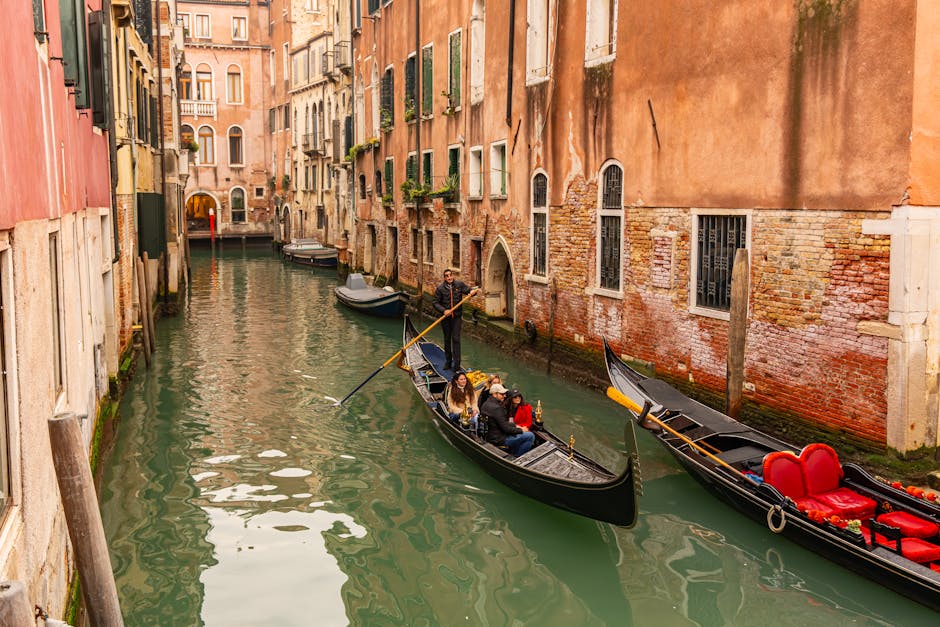
Explore the world’s first Ghetto in Cannaregio. Discover hidden synagogues, high-rise history, and the resilient spirit of Venice’s Jewish community.
 Easy
EasyVenice, Italy
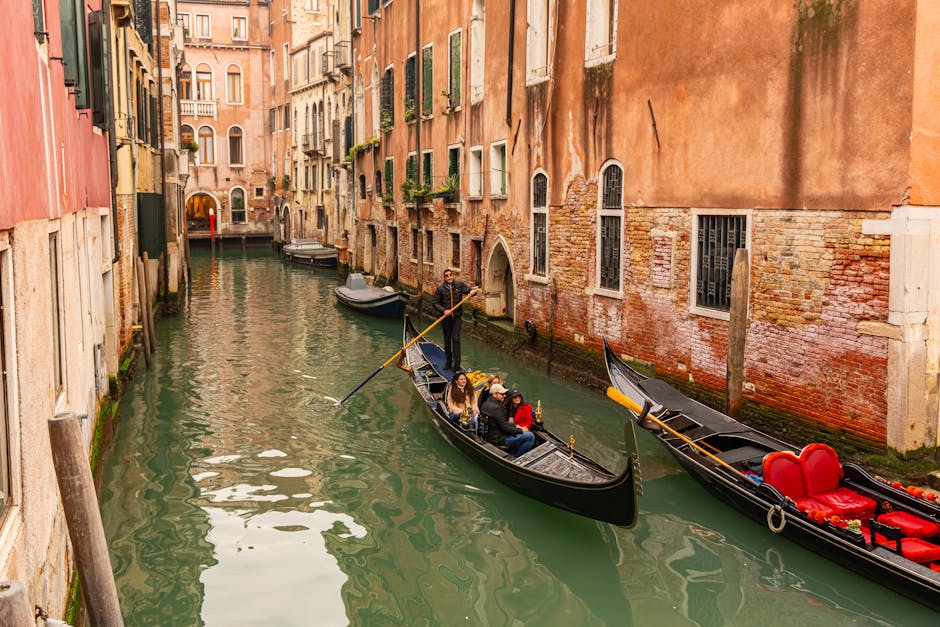
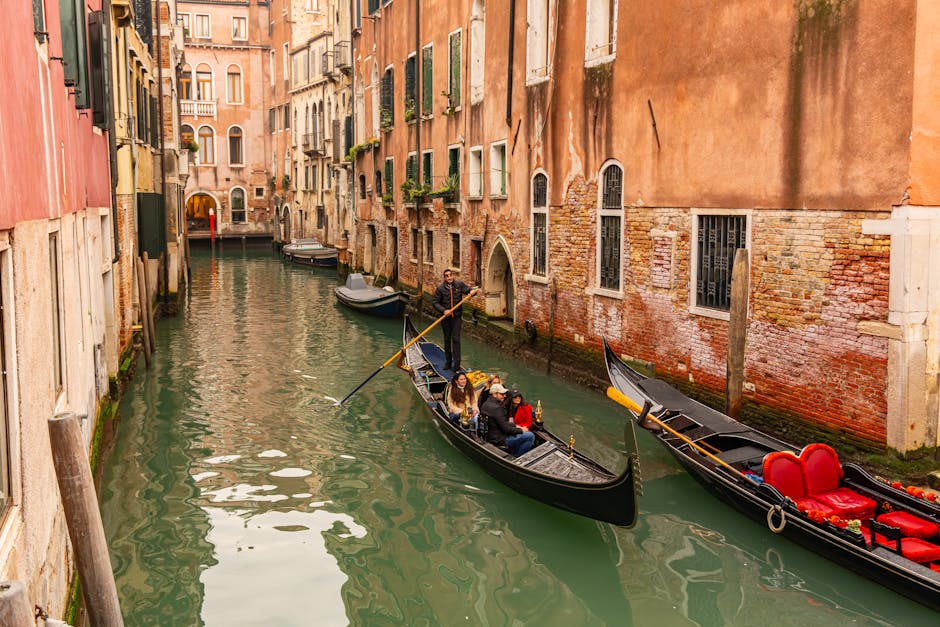
Discover the golden light of Venice's Dorsoduro district with this self-guided stroll along the scenic Zattere promenade.
 Easy
EasyVenice, Italy
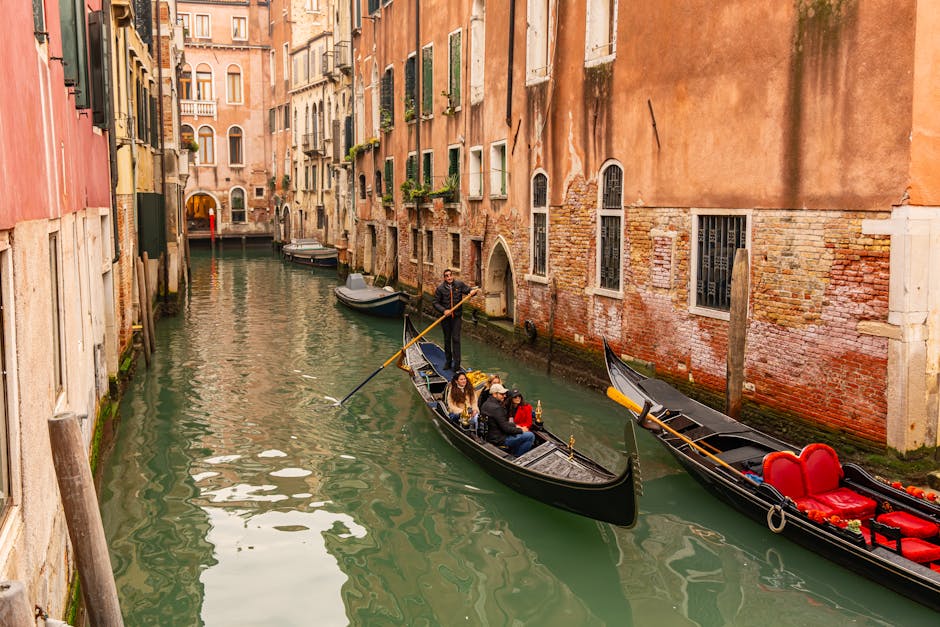
Discover the soul of Venice through its artisans. Explore mask-making, gondola shipyards, and modern art on this self-guided Dorsoduro stroll.
 Easy
EasyVenice, Italy
Trace the lives of Byron, Hemingway, and Dickens on this self-guided literary adventure through Venice’s historic San Marco district.
 Moderate
Gothenburg, Sweden
Discover Gothenburg’s maritime soul on this self-guided walk from the historic Central Station to the scenic riverfront at Stenpiren.
 Moderate
Helsinki, Finland
Explore the 'Gibraltar of the North' on this independent walking route through the historic bastions and hidden gardens of Suomenlinna Sea Fortress.
 Moderate
Vienna, Austria
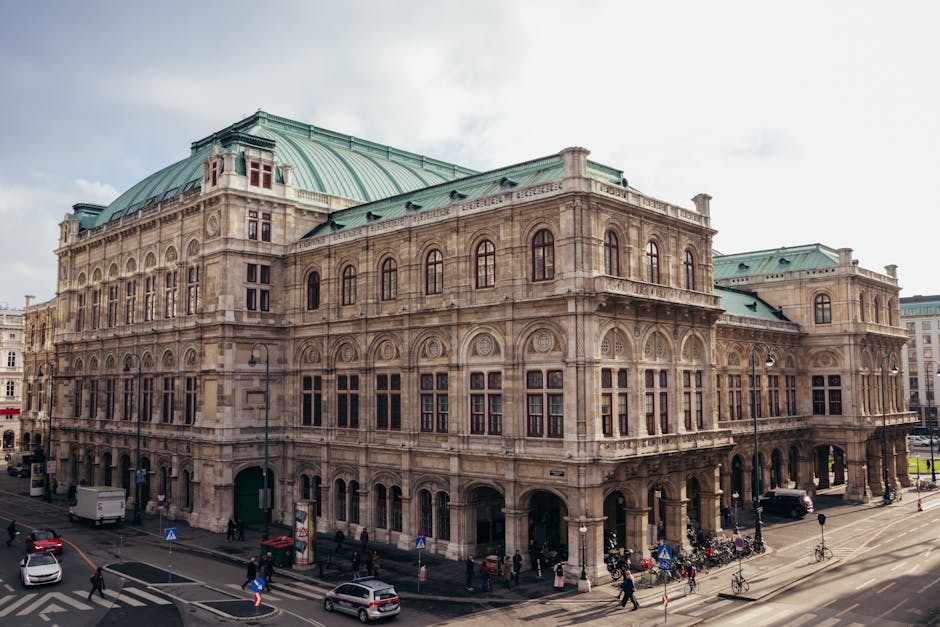
Follow the footsteps of Mozart and Strauss through Vienna’s historic center on this self-guided walk through the city's rich musical history.
 Moderate
Warsaw, Poland
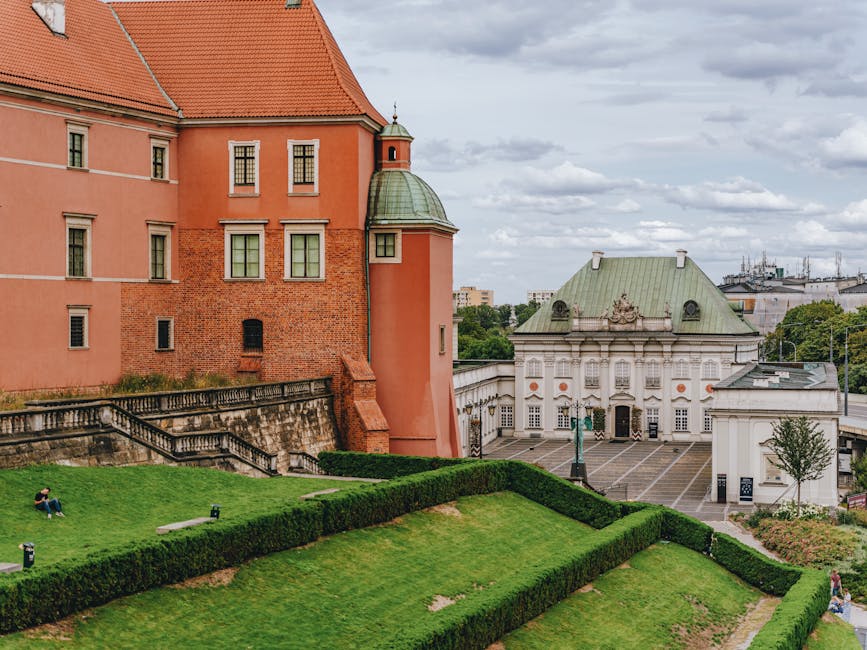
Explore the resilient spirit of Warsaw's Muranów district on this self-guided walk through the history and landmarks of the former Jewish Ghetto.
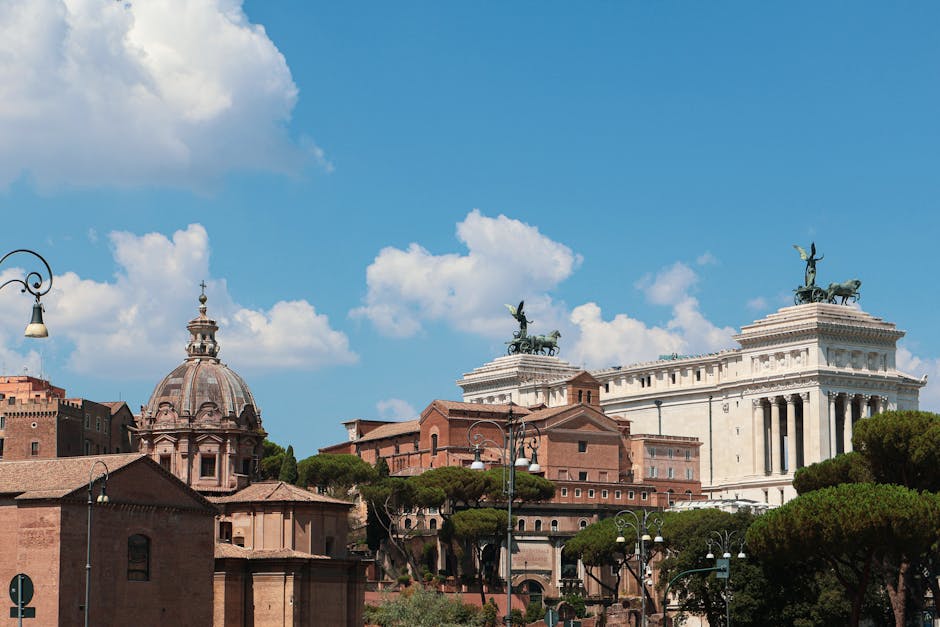 Easy
EasyRome, Italy
Explore Rome’s industrial heart on this self-guided walk featuring massive murals, the 'Iron Colosseum,' and unique industrial archaeology.
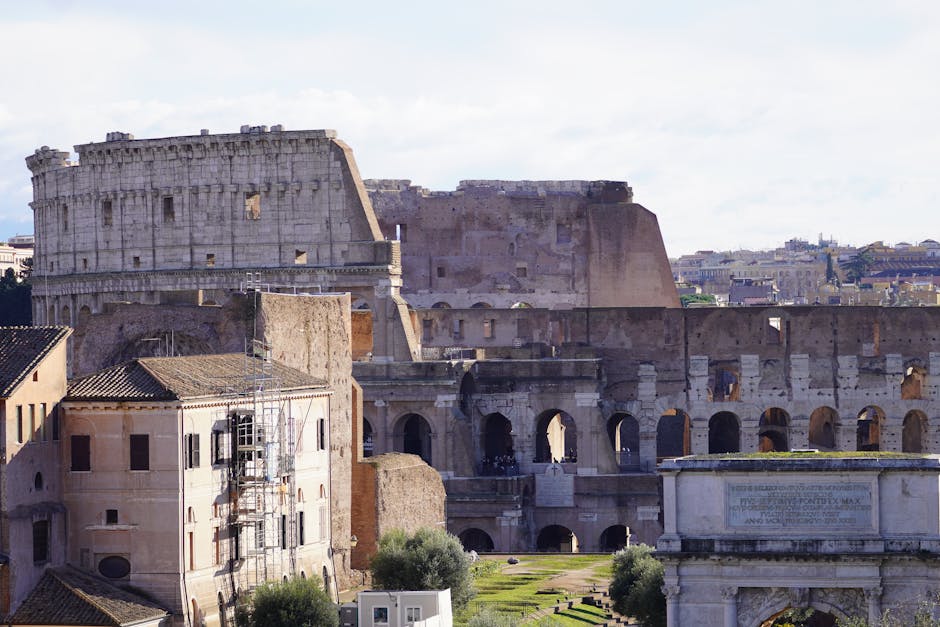 Easy
EasyRome, Italy
Explore Rome’s whimsical Fairytale District. A self-guided walk through Art Nouveau palaces, mythical fountains, and the magical Coppedè architecture.
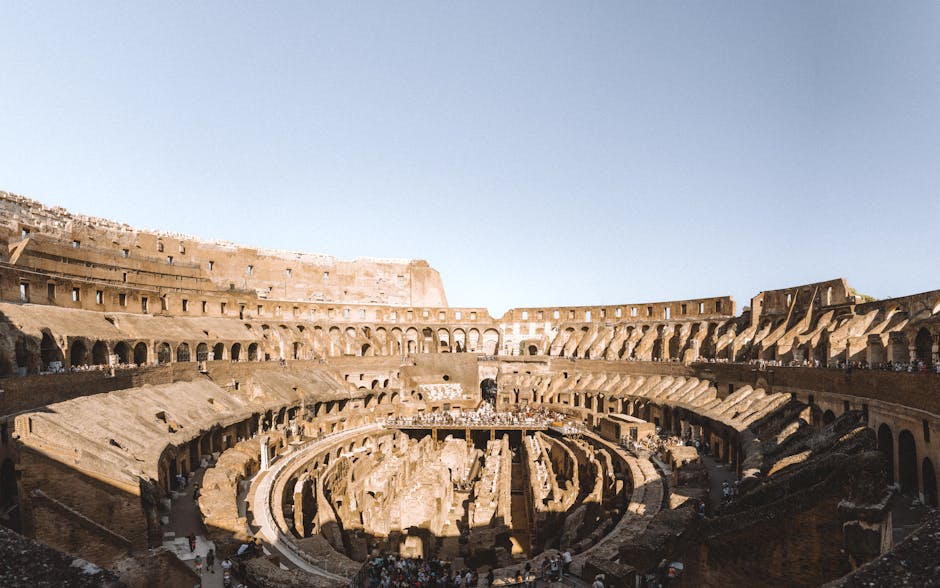 Moderate
Rome, Italy
Uncover Rome's hidden history on this self-guided walk through ancient gladiator pits, subterranean temples, and buried Roman houses.
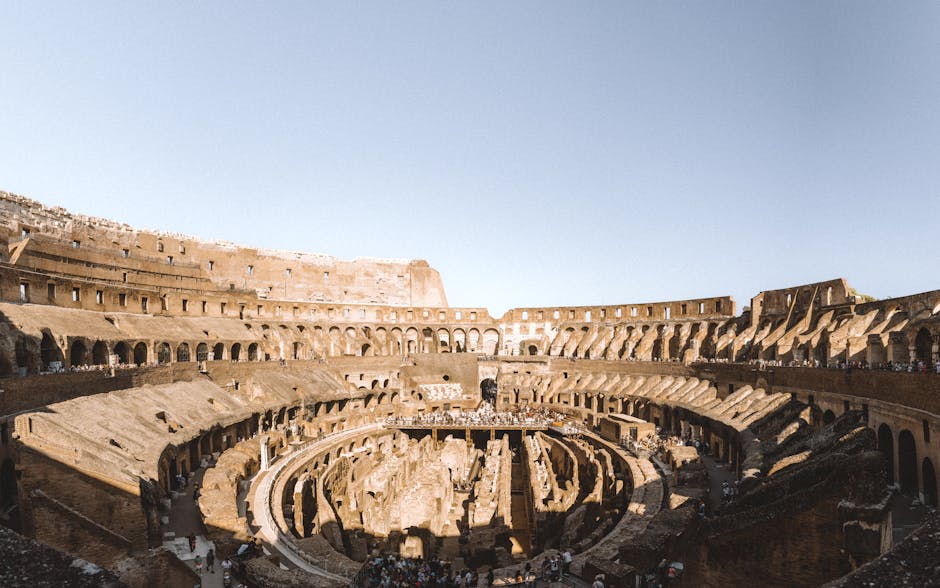 Challenging
Rome, Italy
Walk the 'Queen of Roads.' Explore ancient catacombs, imperial villas, and historic basalt stones on this scenic self-guided Roman adventure.