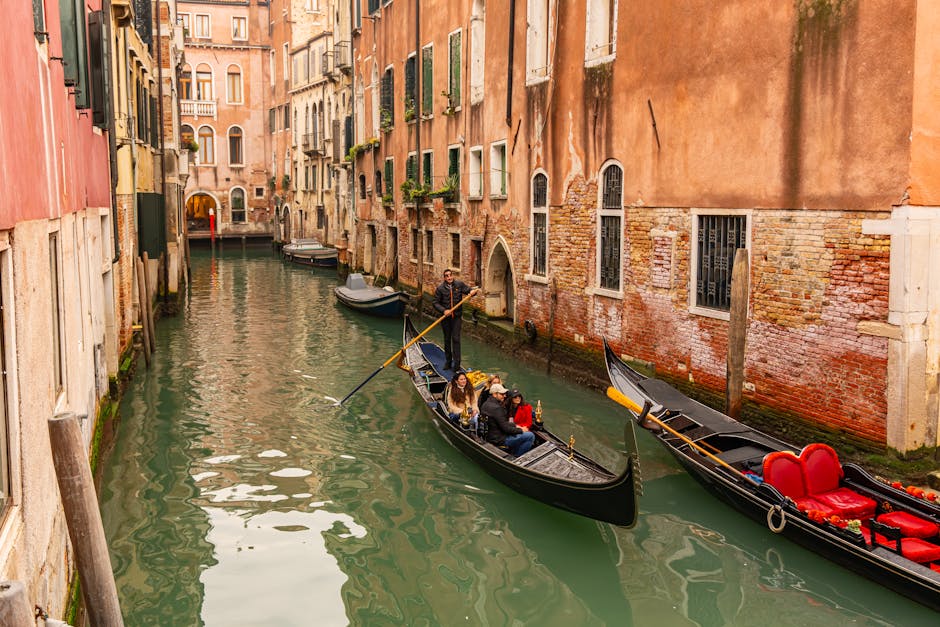
Self-guided audio tour in Venice
Start Free on iPhone
Start free on iPhone to unlock this self-guided walking tour in Venice. Hear all the stories that make it amazing, walk at your own pace, and begin whenever you want.
Your Private Tour Guide
Venice is famously a city of stone and water, where labyrinthine alleys and marble palaces dominate the landscape. Yet, hidden behind high brick walls and ornate iron gates lies another side of the Floating City: a world of lush greenery, fragrant herbs, and blooming roses. This self-guided walk invites you to step away from the crowded corridors of San Marco and discover the 'Secret Gardens of Venice.' As you begin your self-guided adventure, you will transition from the bustling hub of the Santa Lucia station area into the quiet, residential heart of the Castello neighborhood. This walking route highlights the incredible biodiversity found within the lagoon, from the monastic medicinal beds of the Giardino Mistico to the grand, Napoleon-inspired vistas of the Giardini della Biennale. Explore independently as you weave through the city's unique urban fabric. You will learn about the ancient horticultural traditions that allowed Venetians to cultivate vineyards and orchards amidst salt water, and see how modern conservation efforts have restored historic glasshouses like the Serra dei Giardini. The route isn't just about plants; it is a journey through Venetian history, seen through the lens of its public and private green spaces. You will encounter the rare sight of a wide, tree-lined boulevard at Viale Giuseppe Garibaldi and end your neighborhood stroll at the serene island of San Pietro di Castello, the city’s former religious center. This walking tour Venice offers a refreshing perspective on the city, focusing on tranquility and nature. Whether you are a photography enthusiast looking for the perfect floral frame or a traveler seeking a peaceful escape, this independent itinerary provides a curated path through the city's most enchanting hidden gems. While many visitors never see a single blade of grass in the city, this self-guided walk ensures you experience the verdant soul of Venice.
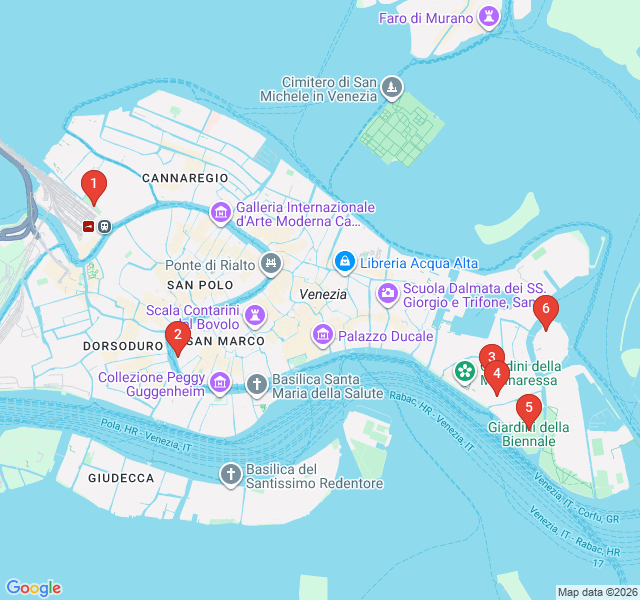
Numbers indicate the order of stops on the tour.
Start exploring with Zigway at the Giardino Mistico, a hidden oasis located within the monastery of the Discalced Carmelites. For centuries, this space was closed to the public, serving as a private source of food and medicine for the monks. Following a meticulous restoration, the garden is now divided into seven distinct 'rooms,' including a vineyard that produces a unique lagoon wine, a grove of ancient fruit trees, and a medicinal herb garden. As you walk through the rows of lavender and rosemary, notice the peaceful silence that contrasts with the nearby train station. This garden represents the ancient Venetian tradition of the 'Hortus Conclusus,' or enclosed garden, which provided a spiritual and physical sanctuary from the city's maritime bustle.
As you continue your walking route toward the San Samuele district, you arrive at Palazzo Malipiero. While the palace itself is a masterpiece of Byzantine and Gothic architecture, its true treasure is the garden overlooking the Grand Canal. This is one of the few remaining examples of a formal Venetian garden that faces the water. In the 18th century, the notorious Giacomo Casanova was a frequent guest here, likely finding inspiration among the climbing roses and sculpted hedges. The garden's layout is classic Italianate, featuring symmetrical paths and marble statues that frame the passing gondolas. It is a rare marriage of architectural grandeur and horticultural precision, offering one of the most iconic views in the city.
Venturing deep into the Castello neighborhood, you will find yourself on Viale Giuseppe Garibaldi. This wide, tree-lined street is an anomaly in Venice, where space is usually measured in inches. Created in the early 19th century by filling in a canal, the boulevard serves as the green entrance to the public gardens. It is named after the hero of Italian unification, whose statue stands guard at the entrance. Unlike the tourist-heavy areas of the city, this is a local favorite. You will see residents chatting on benches under the shade of massive plane trees and children playing in the open space. It provides a vital 'green lung' for the neighborhood and a glimpse into the everyday life of Venetians.
Follow the path to the Serra dei Giardini, a beautiful glass and iron tepidarium built in 1894. Originally designed to house exotic plants for the early Biennale exhibitions, the structure fell into disrepair for decades before a passionate community effort brought it back to life. Today, it functions as a vibrant cultural hub, flower shop, and cafe. The architecture is a stunning example of late 19th-century industrial design, with light flooding through the glass panes to illuminate a forest of indoor palms and ferns. It is the perfect spot to pause and appreciate the intersection of Victorian-era technology and botanical passion in the heart of Venice.
Just steps away lie the Giardini della Biennale, the largest green space in Venice. Created by Napoleon Bonaparte at the start of the 19th century, these gardens required the demolition of several ancient churches and monasteries to make room for grand promenades. Today, the park is home to 29 permanent national pavilions, each showcasing distinct architectural styles from around the world. Even when the Biennale arts festival is not in session, the gardens are a magnificent place for a neighborhood stroll. The winding paths, shaded by mature oaks and pines, lead you past neoclassical monuments and hidden corners that feel worlds away from the stone-paved calli of the city center.
Your self-guided adventure concludes at the island of San Pietro di Castello. To reach it, you must cross a long wooden bridge that separates this quiet outpost from the rest of the city. This was the religious heart of Venice for centuries, serving as the cathedral before San Marco took the title in 1807. The basilica is fronted by a vast, open grassy square—a 'campo' that actually lives up to its name, which means 'field.' The leaning bell tower, made of white Istrian stone, stands stark against the greenery. It is a place of profound peace, where the only sounds are the lapping of the lagoon and the distant tolling of bells, marking the perfect end to your journey through Venice's secret gardens.
Start Free on iPhone
Explore “The Secret Gardens of Venice” with your very own Private Tour Guide with Zigway. Start free on iPhone, skip the large group and the fixed routes, and hear the city come alive as you go.
Your Private Tour Guide
Don't miss the good stuff
Explore Freely
 Easy
EasyVenice, Italy
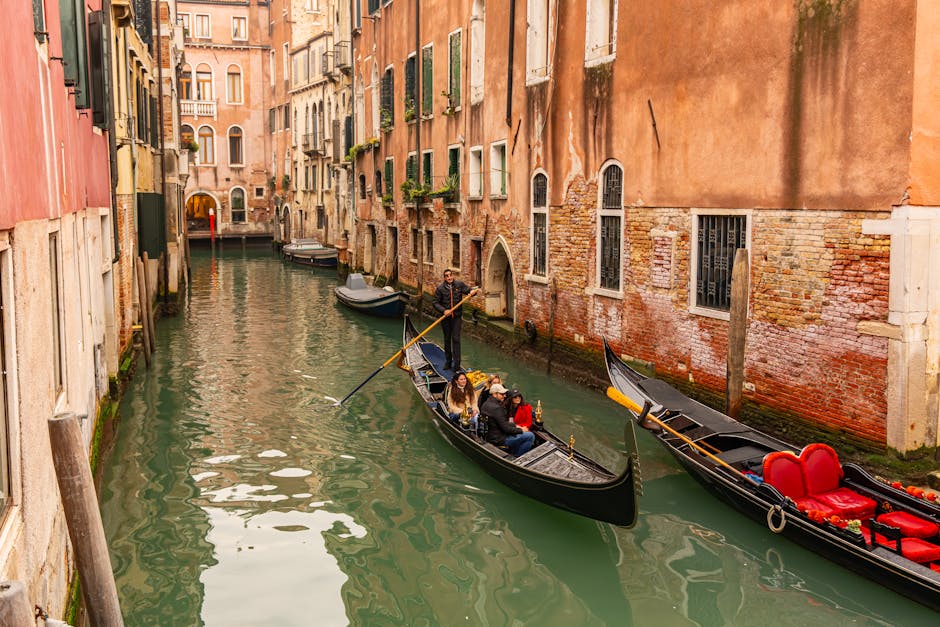
Explore the world’s first Ghetto in Cannaregio. Discover hidden synagogues, high-rise history, and the resilient spirit of Venice’s Jewish community.
 Easy
EasyVenice, Italy
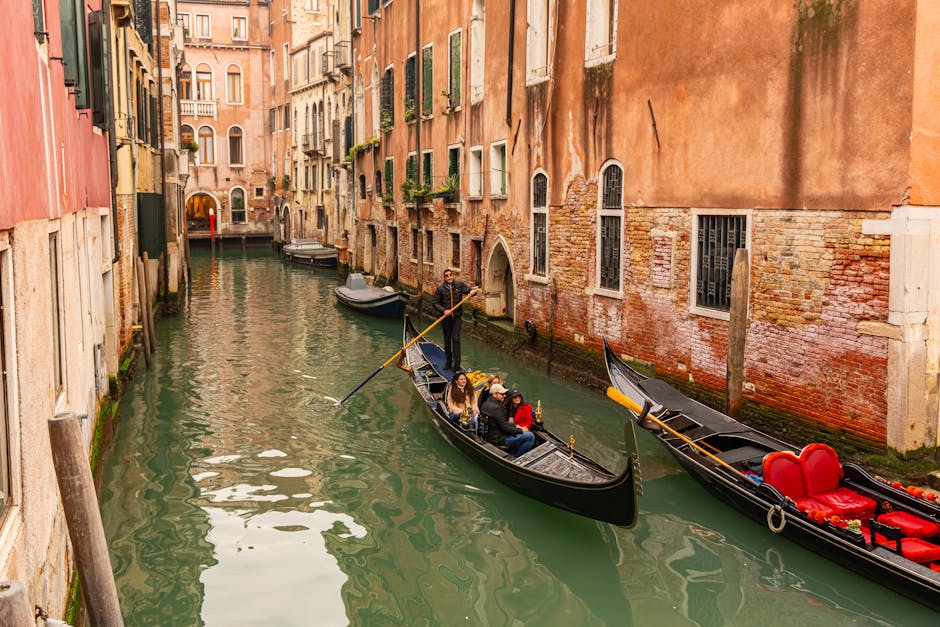
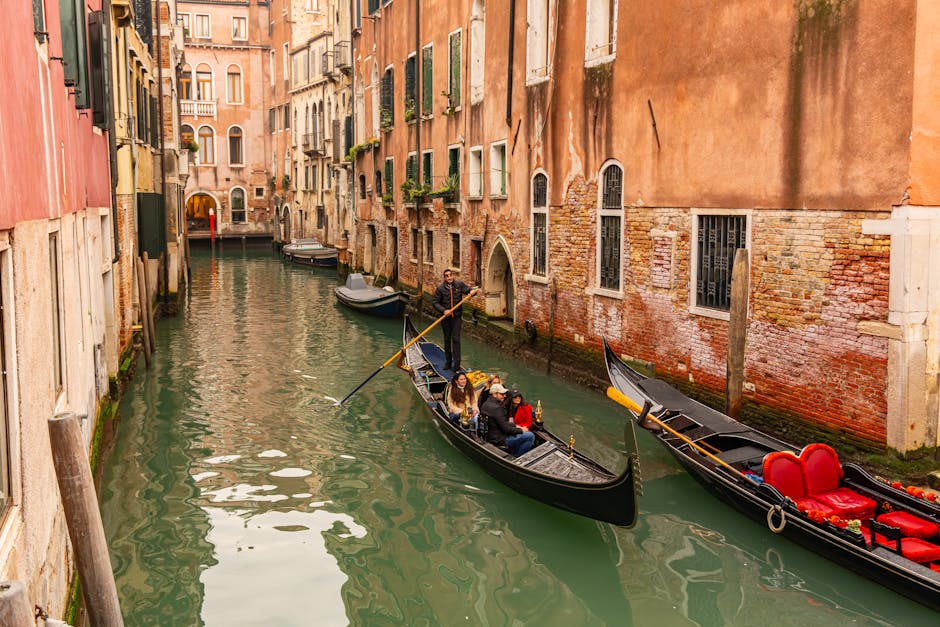
Discover the golden light of Venice's Dorsoduro district with this self-guided stroll along the scenic Zattere promenade.
 Easy
EasyVenice, Italy
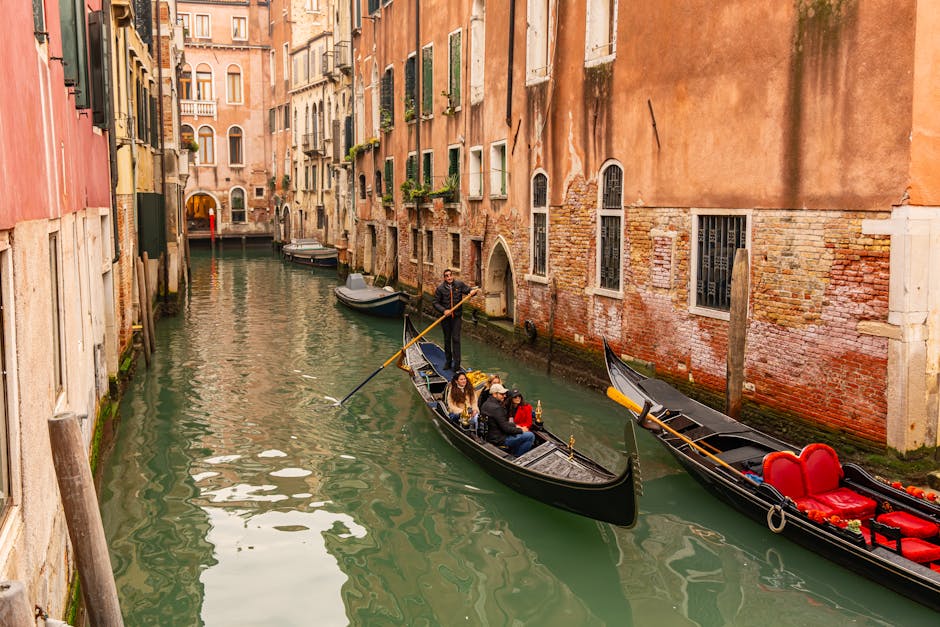
Discover the soul of Venice through its artisans. Explore mask-making, gondola shipyards, and modern art on this self-guided Dorsoduro stroll.
 Easy
EasyVenice, Italy
Trace the lives of Byron, Hemingway, and Dickens on this self-guided literary adventure through Venice’s historic San Marco district.
 Moderate
Nairobi, Kenya
Discover Nairobi's lush side on this self-guided walk through botanical gardens, historic memorials, and vibrant local markets.
 Moderate
Gdansk, Poland
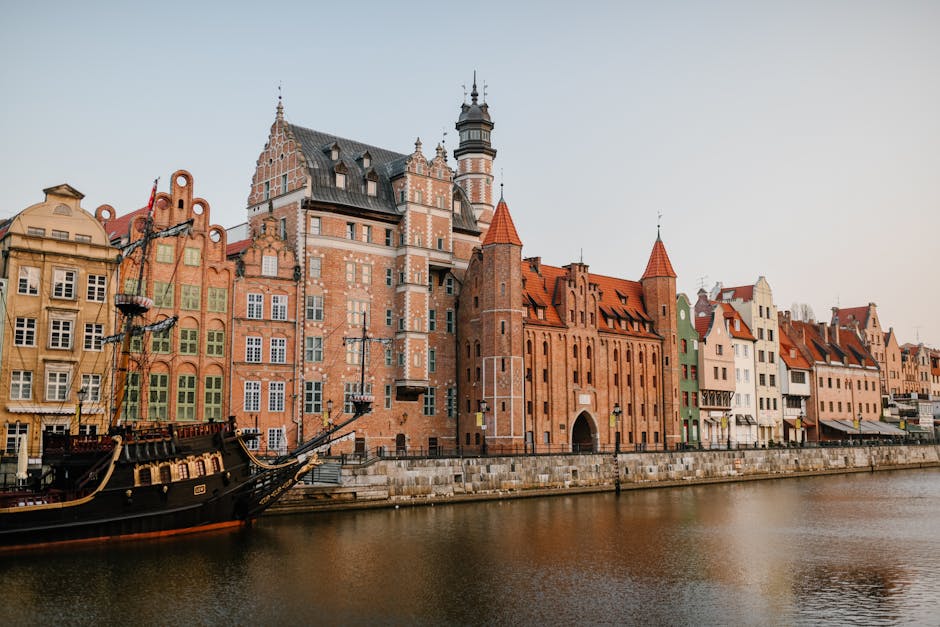
Discover the raw beauty of Gdansk’s Lower Town. Explore industrial ruins, hidden sluices, and riverside bastions on this self-guided walk.
 Moderate
Gdansk, Poland
Discover Zaspa, a massive open-air gallery where grey housing blocks are transformed by over 60 monumental murals. Explore at your own pace.
 Moderate
Krakow, Poland
Discover Krakow’s stunning skyline and riverside charm on this self-guided audio walk through scenic viewpoints and historic mounds.
 Easy
EasyRome, Italy
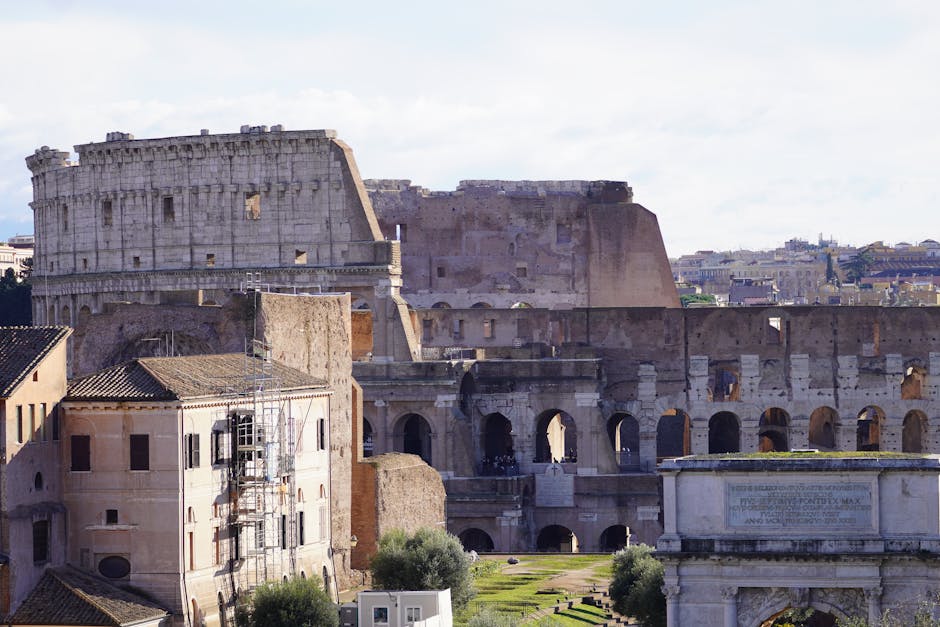
Explore Rome’s industrial heart on this self-guided walk featuring massive murals, the 'Iron Colosseum,' and unique industrial archaeology.
 Easy
EasyRome, Italy
Explore Rome’s whimsical Fairytale District. A self-guided walk through Art Nouveau palaces, mythical fountains, and the magical Coppedè architecture.
 Moderate
Rome, Italy
Uncover Rome's hidden history on this self-guided walk through ancient gladiator pits, subterranean temples, and buried Roman houses.
 Challenging
Rome, Italy
Walk the 'Queen of Roads.' Explore ancient catacombs, imperial villas, and historic basalt stones on this scenic self-guided Roman adventure.