Self-guided audio tour in Delhi
Start Free on iPhone
Start free on iPhone to unlock this self-guided walking tour in Delhi. Hear all the stories that make it amazing, walk at your own pace, and begin whenever you want.
Your Private Tour Guide
Connaught Place, the pulsating heart of New Delhi, is more than just a commercial hub; it is a landscape where time-honored traditions and colonial ambitions collide. On this self-guided walk, you will peel back the layers of Delhi’s 'CP,' exploring how this Georgian-style circle was superimposed on a land rich with ancient spiritual sites and astronomical wonders. The route begins at the stark, geometric marvels of Jantar Mantar, an 18th-century observatory that looks like a collection of modern art but functions as a precise celestial clock. This walking route offers a unique perspective on the city's evolution, taking you from the scientific pursuits of Rajput kings to the spiritual fervor of one of Delhi's oldest temples. As you navigate the concentric circles of the neighborhood, the architecture tells a story of a changing empire. The white-pillared colonnades of the Inner Circle represent the pinnacle of British urban planning in India, yet just a few blocks away, you will find the serene depths of Agrasen ki Baoli, a medieval stepwell that feels worlds apart from the bustling city streets above. This neighborhood stroll is perfect for those who want to experience the vibrant energy of modern Delhi while uncovering its hidden-gems. You will explore the legacy of the Khadi movement, witness the massive scale of the national flag in Central Park, and eventually descend into the quiet, cool shadows of a 14th-century architectural masterpiece. This self-guided adventure allows you to set your own pace, stopping for a coffee in a historic cafe or spending extra time photographing the intricate shadows of the ancient sundials. Whether you are a history buff or a photography enthusiast, this walking tour Delhi provides a comprehensive look at the architecture and heritage that define the capital. By the time you reach the final stop, you will understand why this area remains the most iconic landmark of the city, serving as a bridge between the Delhi of the Maharajas and the Delhi of today.
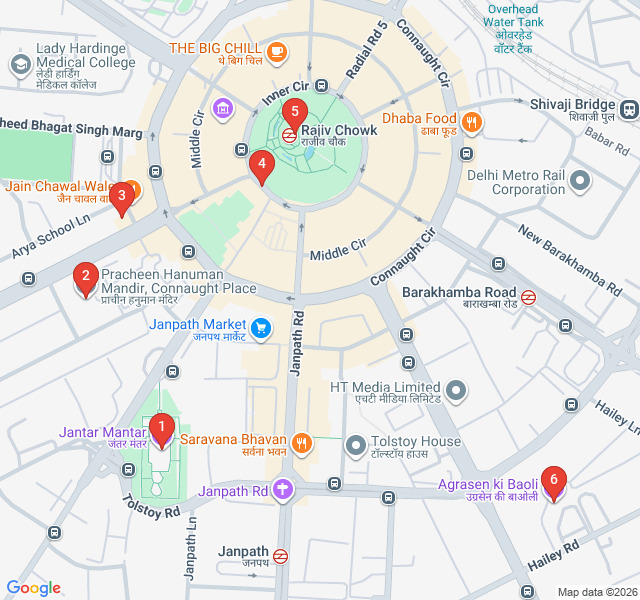
Numbers indicate the order of stops on the tour.
Welcome to Jantar Mantar, an extraordinary collection of architectural astronomical instruments built by Maharaja Jai Singh II of Jaipur in 1724. These massive terracotta-red structures aren't just art; they are precision tools. The Samrat Yantra, or 'Supreme Instrument,' is a giant sundial that can measure time to an accuracy of two seconds. As you walk among these geometric shapes, imagine the scientists of the 18th century tracking the movements of the sun, moon, and planets without telescopes. This site reflects a time when Indian astronomy was at its peak, blending scientific rigor with monumental design. Notice how the shadows shift across the structures, a silent reminder of the cosmic order that governed the lives of the Rajput kings.
A short walk brings you to the Pracheen Hanuman Mandir. While the current structure has seen many renovations, this site is believed to be one of the five ancient temples from the era of the Mahabharata, founded by the Pandavas. Look up at the temple spire to see a crescent moon—a rare feature for a Hindu temple, which some historians believe helped protect the structure during various periods of religious upheaval. The air here is often thick with the scent of incense and the sound of bells. It’s a powerful contrast to the scientific silence of Jantar Mantar, showcasing the deep-rooted spiritual traditions that continue to thrive in the heart of modern Delhi.
As you move toward the commercial circles, stop at the Khadi India flagship store. Khadi is more than just fabric; it was a symbol of India's struggle for independence. Championed by Mahatma Gandhi, this hand-spun and hand-woven cloth represented self-reliance and a boycott of foreign-made goods. This building serves as a modern guardian of that legacy. Even today, Khadi remains a staple of Indian identity, evolving from a revolutionary uniform into a sustainable fashion statement. The textures and colors found here offer a tactile connection to the history of the Indian freedom movement and the enduring philosophy of simplicity and indigenous industry.
You are now standing in the Inner Circle of Connaught Place, often simply called CP. Designed by Robert Tor Russell and WH Nicholls, this area was named after the Duke of Connaught and completed in 1933. The architecture is distinctly Georgian, inspired by the Royal Crescent in Bath, England. The uniform white columns and circular layout were intended to create a grand commercial center for the elite of British India. Today, it is a bustling mix of high-end brands, historic cinemas, and local eateries. As you walk the curved corridors, notice the blend of international commerce and local character that makes this the definitive meeting point for Delhiites of all generations.
At the very center of the concentric circles lies Central Park. This green oasis was rebuilt during the construction of the Delhi Metro and has become the city's literal and metaphorical heart. The most striking feature here is the monumental Indian National Flag, one of the largest in the country, flying high on a 207-foot flagpole. The park serves as a democratic space where students, shoppers, and travelers congregate. It offers a rare vantage point to appreciate the scale of Connaught Place’s circular design. From here, you can see how the city radiates outward, with the flag serving as a constant landmark against the Delhi skyline.
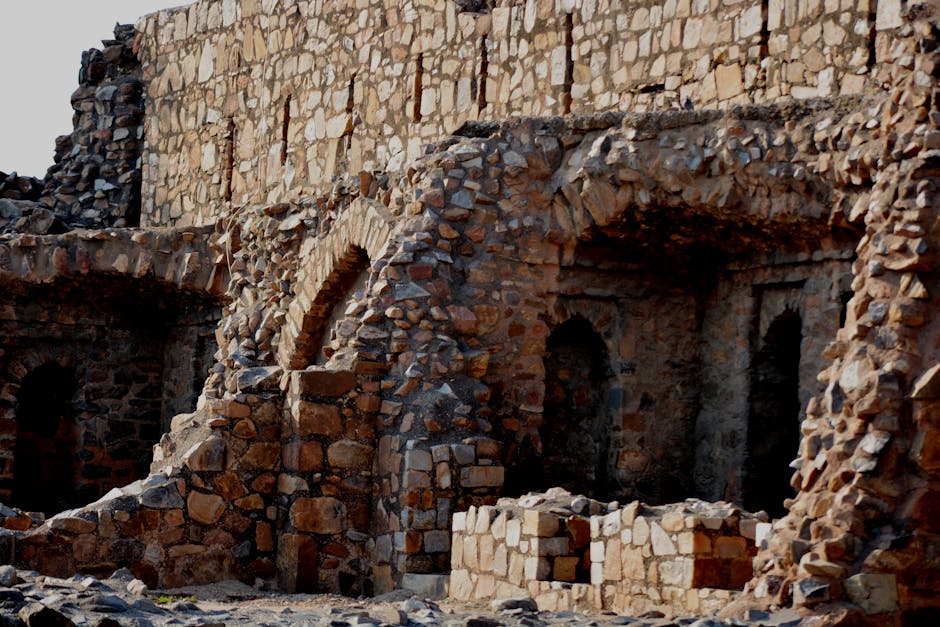
The final stop on this route is Agrasen ki Baoli, a stunning 14th-century stepwell tucked away in a quiet lane. Measuring 60 meters long and 15 meters wide, this structure features 108 steps descending into the earth across three levels. While its origins are attributed to the legendary King Agrasen, the current architecture reflects the Tughlaq and Lodi periods. Stepwells like this were vital for water storage and provided a cool sanctuary from the Indian heat. Today, its dramatic arches and deep shadows make it a favorite for photographers and filmmakers. As you descend the steps, the noise of the city fades away, replaced by a cool, haunting silence that feels centuries old.
Start Free on iPhone
Explore “Circular Shadows of Connaught Place” with your very own Private Tour Guide with Zigway. Start free on iPhone, skip the large group and the fixed routes, and hear the city come alive as you go.
Your Private Tour Guide
Don't miss the good stuff
Explore Freely
 Challenging
Delhi, India
Explore the legendary flavors of Old Delhi on this self-guided audio walk through the historic markets and hidden food stalls of the Walled City.
 Easy
EasyDelhi, India
Explore where 14th-century ruins meet high-end fashion in Delhi's most creative urban village on this self-guided neighborhood stroll.
 Moderate
Delhi, India
Explore Delhi's soul from the markets of Janpath to the hidden alleys of Little Tibet on this culture-rich, self-guided food and neighborhood stroll.
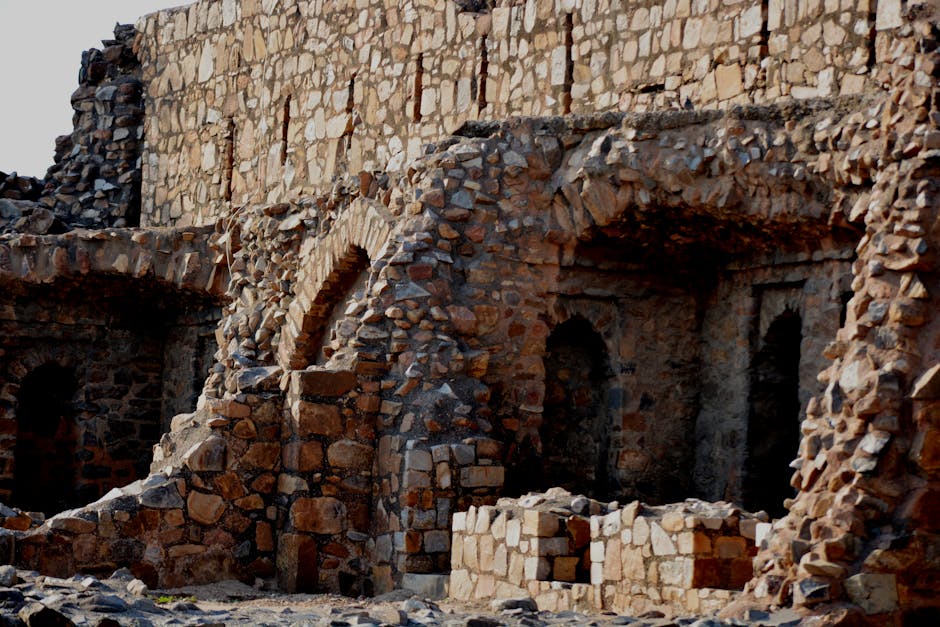 Challenging
Delhi, India
Experience the sensory magic of Old Delhi on this self-guided walk through historic spice markets, silver lanes, and grand Mughal monuments.
 Easy
EasyNairobi, Kenya
Discover Nairobi's iconic skyline on this self-guided architecture walk through the CBD’s most famous modernist and Brutalist landmarks.
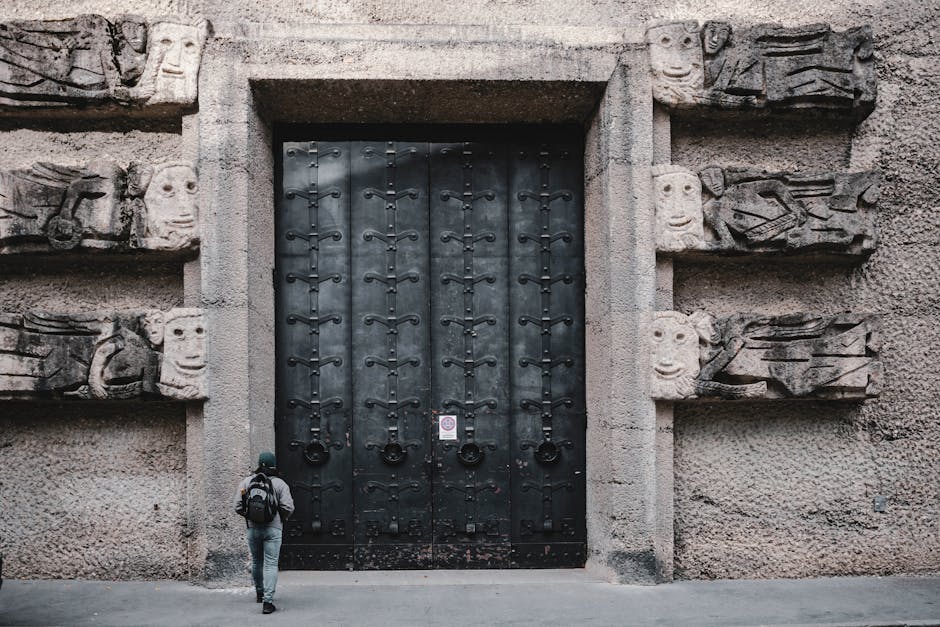 Easy
EasySalzburg, Austria
Discover the 'Rome of the North' on this self-guided walk through the Baroque squares and monumental legacy of Salzburg’s Prince-Archbishops.
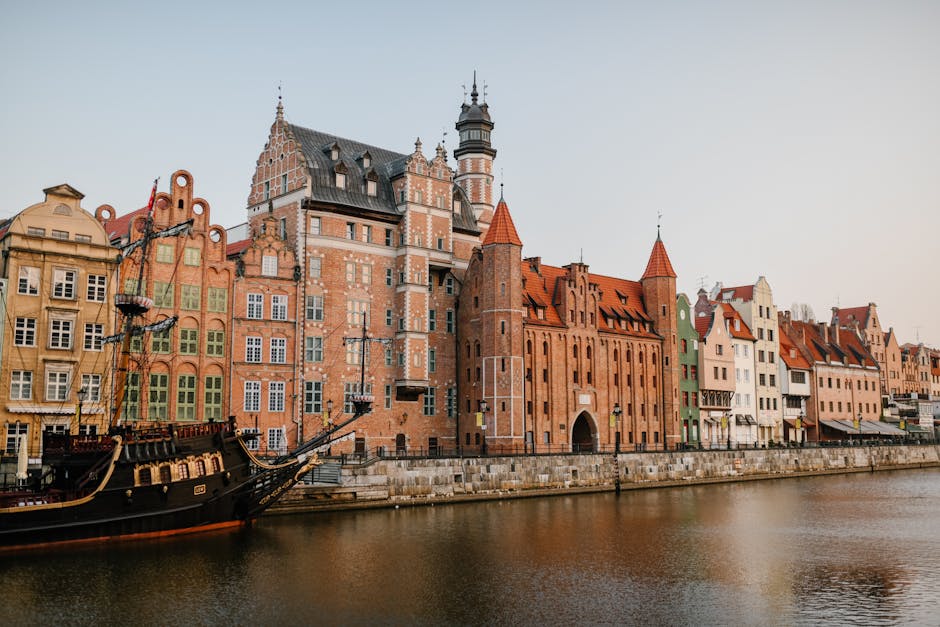 Easy
EasyGdansk, Poland
Discover the 'Baltic Gold' on this self-guided walk through Gdansk's historic mills, massive cathedrals, and the magical Mariacka Street.
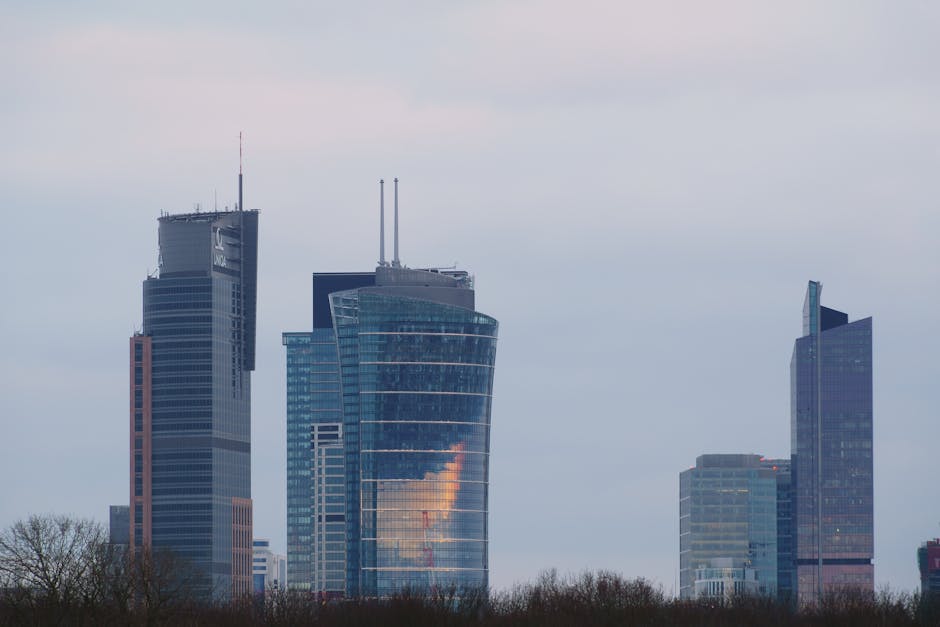 Easy
EasyWarsaw, Poland
Discover the hidden courtyards and grand pre-war architecture of Warsaw's most atmospheric neighborhood on this self-guided stroll.
 Easy
EasyMumbai, India
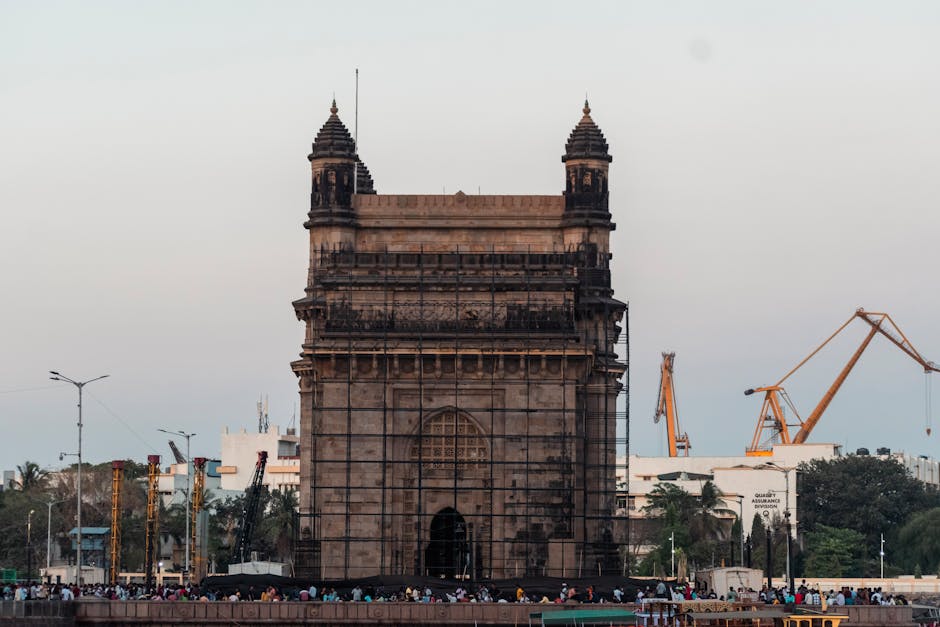
Explore Mumbai's stunning UNESCO Art Deco heritage on this self-guided walking route along the iconic Marine Drive promenade.
 Challenging
Mumbai, India
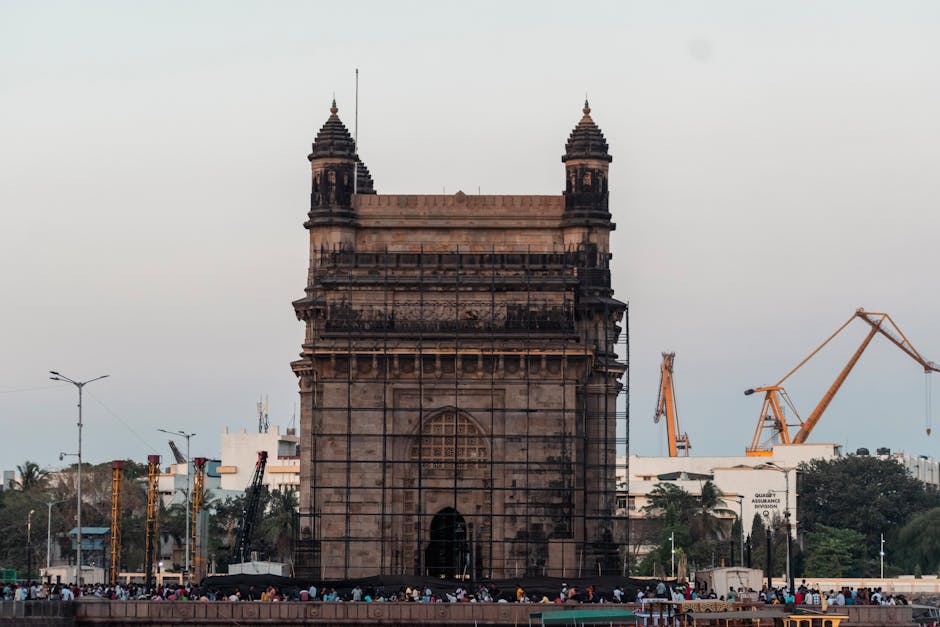
Experience the sensory explosion of Mumbai's historic markets on this challenging self-guided walk through Kalbadevi and Crawford Market.
 Easy
EasyMumbai, India
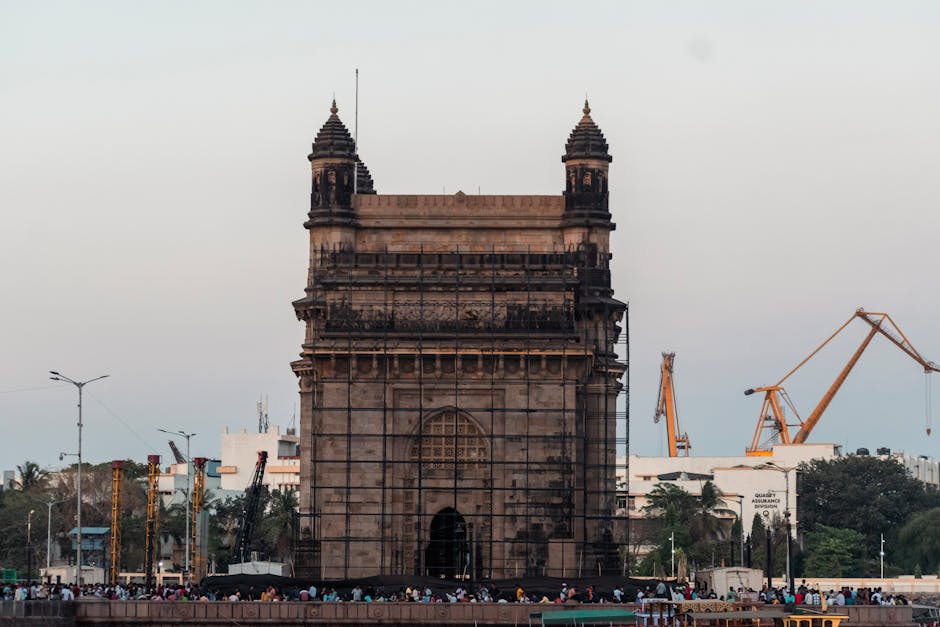
Explore Mumbai's colonial legacy on this self-guided walk through Colaba's iconic landmarks, from the Gateway of India to grand Art Deco palaces.
 Moderate
Mumbai, India
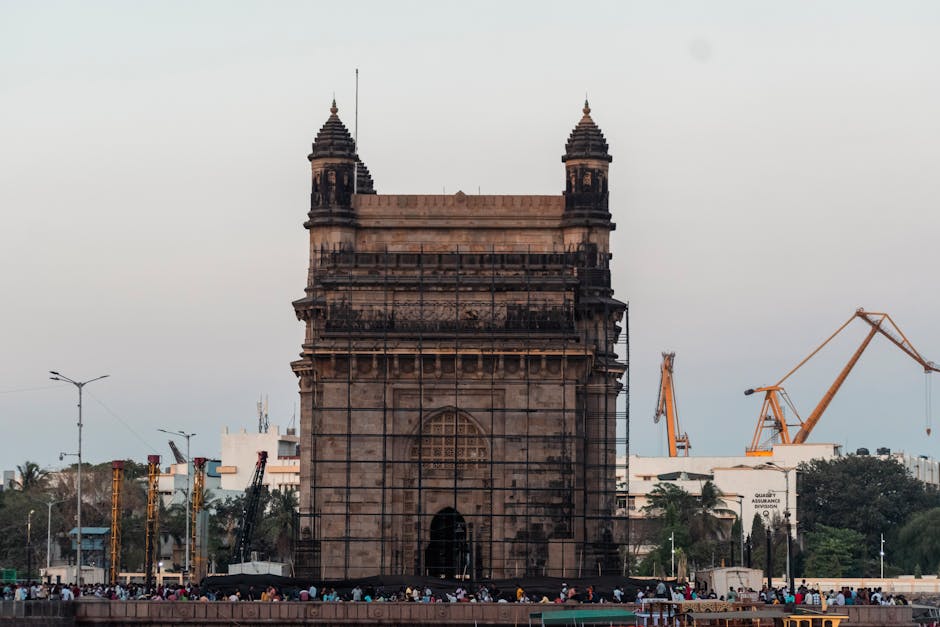
Explore the ancient fishing village of Worli Koliwada, historic forts, and stunning sea views on this self-guided cultural walking route.