Self-guided audio tour in Delhi
Start Free on iPhone
Start free on iPhone to unlock this self-guided walking tour in Delhi. Hear all the stories that make it amazing, walk at your own pace, and begin whenever you want.
Your Private Tour Guide
Delhi is a city of layers, where centuries of history coexist with a modern, pulsating creative energy. On this self-guided walking route, you will experience the perfect fusion of these worlds. The journey begins in the heart of Lodhi Colony, India's first open-air public art district. Here, the traditional symmetry of the colonial-era architecture serves as a massive canvas for local and international muralists. As you wander through the residential blocks, you will discover towering artworks that touch on themes ranging from climate change and gender equality to local Indian culture and abstract geometry. This neighborhood stroll offers a refreshing alternative to the typical sightseeing circuit, allowing you to explore the evolution of urban expression in India. Transitioning from the vibrant colors of the street art, the route leads you into the serene expanse of Lodhi Garden. This 90-acre park is not just a green lung for the city but a repository of 15th-century architectural marvels. You will encounter the grand tombs and mosques of the Sayyid and Lodhi dynasties, which ruled Delhi before the Mughals. The contrast is striking: one moment you are standing before a contemporary mural of a Kathakali dancer, and the next, you are beneath the massive stone dome of a 500-year-old mausoleum. This walking tour Delhi highlights the seamless blend of the old and the new that defines the capital's character. Whether you are a photography enthusiast looking for the perfect shot, a history buff interested in the pre-Mughal era, or simply a traveler seeking a peaceful escape from the city's chaos, this route provides a comprehensive cultural experience. Because the art district is an active project, the murals are subject to change, ensuring that every visit offers something new to discover. This self-guided adventure allows you to set your own pace, pausing for a coffee in the local markets or lingering in the shade of an ancient Banyan tree. For those looking for a unique walking tour Delhi, the Lodhi Art District and its neighboring gardens offer an unparalleled window into the city's artistic soul.
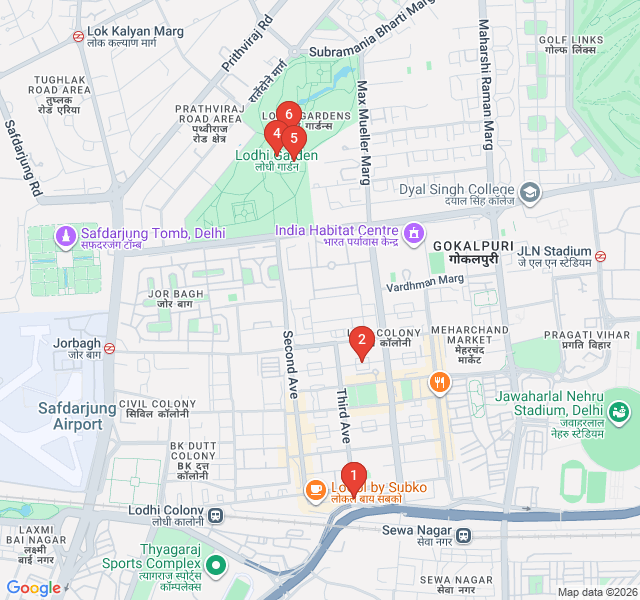
Numbers indicate the order of stops on the tour.
Welcome to the entrance of Lodhi Colony, a neighborhood that has become a symbol of Delhi's modern cultural revival. Built in the 1940s to house government officials, the architecture here is characterized by high arches and symmetrical courtyards. As you start your walk along Khanna Market Road, notice how the local life blends with the emerging art scene. This market is a local favorite for snacks and essential wares, providing a grounded contrast to the grand murals you are about to see. The project to transform these walls was initiated by the St+art India Foundation, turning a quiet residential area into a world-class gallery. Keep an eye out for the smaller details—the way the sunlight hits the yellow-washed buildings and the occasional street food vendor setting up for the day.
You are now in the heart of India’s first open-air art district. Look around and you will see that the walls have been reclaimed as canvases for social and cultural storytelling. From the hyper-realistic portrait of 'Mother India' to abstract explorations of the environment, these murals are created by artists from across the globe. Please note that street art is inherently temporary; some murals may have faded or been replaced by new commissions since your last visit, making each walk a unique experience. This area is a living community, so as you admire the scale of the artworks, you'll also see the daily rhythms of the residents. It is a rare place where high art and everyday life coexist so harmoniously. Take your time to explore the side alleys between the blocks, as many hidden gems are tucked away from the main road.
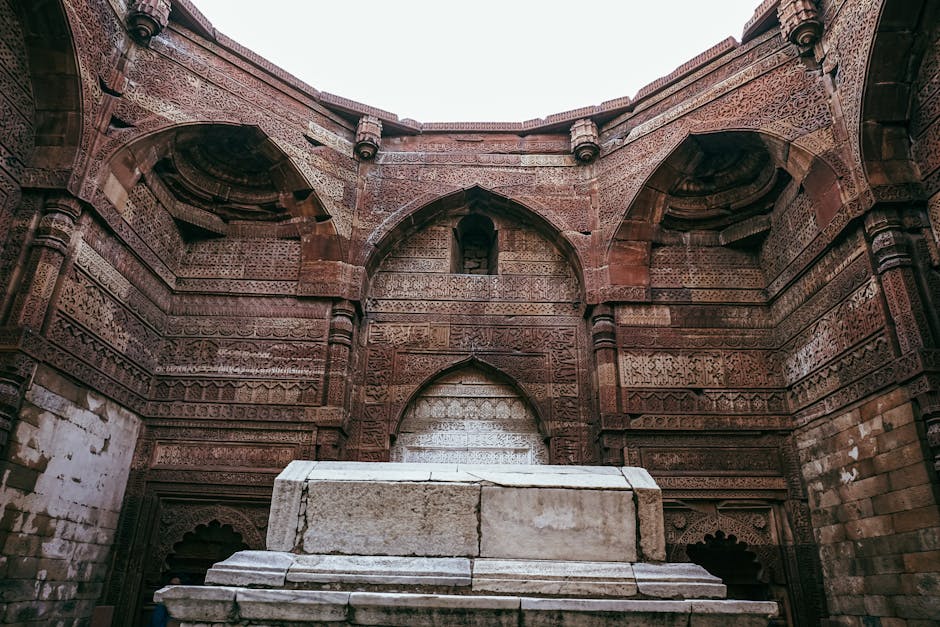
As you leave the colorful murals behind and enter the vicinity of the gardens, you encounter the Tomb of Muhammad Shah. This structure dates back to 1444 and is a classic example of Sayyid dynasty architecture. Notice the octagonal plan, a design feature that was quite popular during this era before the Mughals introduced more complex geometric styles. The tomb is surrounded by eight smaller 'chhatris' or umbrella-shaped domes, which give it a regal silhouette against the sky. It is a somber yet beautiful reminder of the dynasties that shaped Delhi long before the British colonial influence seen in the surrounding streets. The transition from the 21st-century murals to this 15th-century tomb happens in just a few steps, illustrating Delhi's incredible historical density.
Step into the lush expanse of Lodhi Garden, a 90-acre park that serves as a sanctuary for both locals and history. Originally known as Lady Willingdon Park during the British era, it was landscaped to highlight the medieval monuments scattered across its grounds. As you walk the winding paths, you will see joggers, yoga practitioners, and families enjoying the shade of ancient trees. The garden is home to over 50 species of birds and a wide variety of botanical life. It’s the perfect place to reflect on the art you’ve just seen. The layout of the park allows the historic tombs to emerge naturally from the landscape, creating a sense of discovery as you move through the greenery. This is often cited as the most beautiful park in Delhi, and it’s easy to see why.
Standing before you is the Bara Gumbad, or 'Big Dome.' Built in 1494 during the reign of Sikandar Lodhi, this structure is a bit of an architectural mystery. While it looks like a tomb, no graves have been found inside. Instead, it is believed to have served as a grand gateway to the attached mosque. Take a moment to look at the mosque’s facade—the intricate plasterwork and Quranic inscriptions are remarkably well-preserved. The Bara Gumbad represents the pinnacle of Lodhi-style architecture, characterized by its massive proportions and the use of gray quartzite with red sandstone accents. The courtyard here often feels like a stage set, frozen in time, offering a quiet space for contemplation away from the city's noise.
Our final stop is the Shish Gumbad, or 'Glass Dome.' Its name comes from the glazed blue tiles that once covered its exterior, glinting like glass in the sun. While only a few patches of these tiles remain today, you can still imagine how striking this building must have appeared in the 15th century. Like many structures in this park, the identity of those buried inside remains unknown, though the architectural style suggests they were high-ranking officials of the Lodhi dynasty. This tomb mirrors the Bara Gumbad in scale but features a distinct two-storied appearance from the outside. As you conclude your walk here, you are just a short distance from the Jor Bagh Metro station, making it easy to continue your exploration of Delhi or head back to your starting point.
Start Free on iPhone
Explore “The Lodhi Art District Canvas” with your very own Private Tour Guide with Zigway. Start free on iPhone, skip the large group and the fixed routes, and hear the city come alive as you go.
Your Private Tour Guide
Don't miss the good stuff
Explore Freely
 Challenging
Delhi, India
Explore the legendary flavors of Old Delhi on this self-guided audio walk through the historic markets and hidden food stalls of the Walled City.
 Easy
EasyDelhi, India
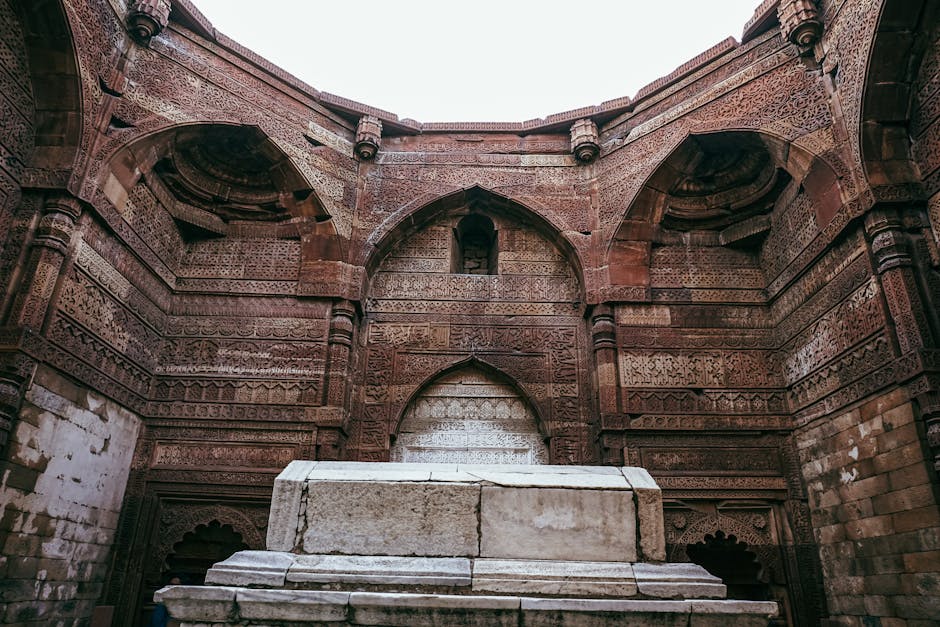
Explore where 14th-century ruins meet high-end fashion in Delhi's most creative urban village on this self-guided neighborhood stroll.
 Moderate
Delhi, India
Explore Delhi's soul from the markets of Janpath to the hidden alleys of Little Tibet on this culture-rich, self-guided food and neighborhood stroll.
 Challenging
Delhi, India
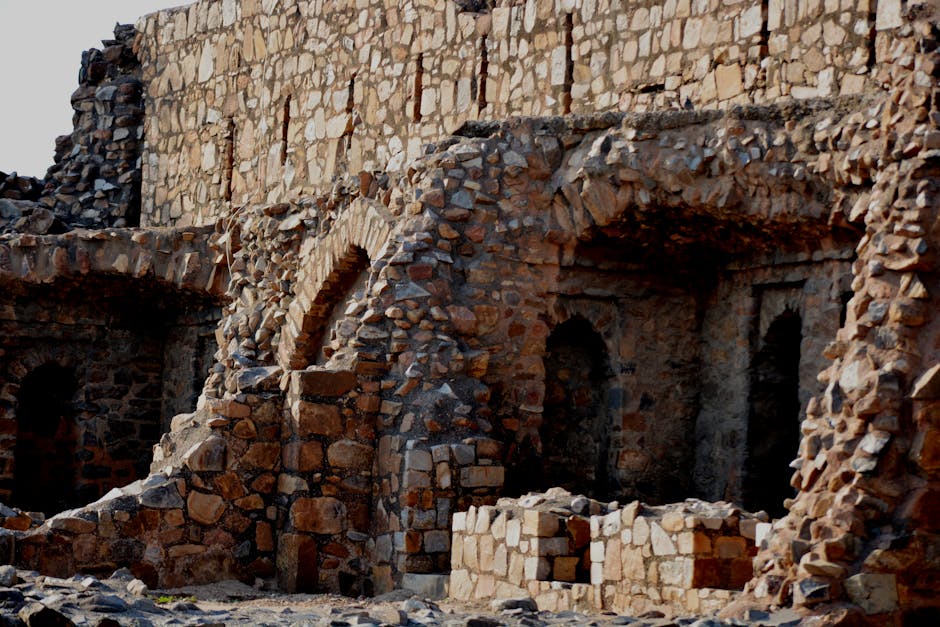
Experience the sensory magic of Old Delhi on this self-guided walk through historic spice markets, silver lanes, and grand Mughal monuments.
 Easy
EasyGdansk, Poland
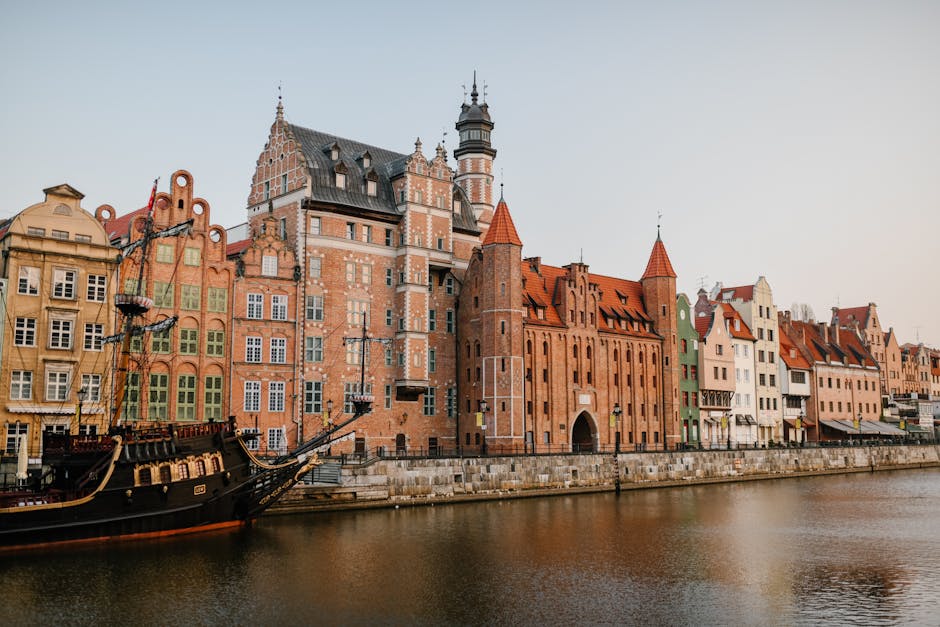
Discover the 'Baltic Gold' on this self-guided walk through Gdansk's historic mills, massive cathedrals, and the magical Mariacka Street.
 Easy
EasyVienna, Austria
Explore Vienna’s vibrant open-air gallery along the Danube Canal on this self-guided street art and nightlife stroll through Leopoldstadt.
 Easy
EasyKrakow, Poland
Explore the prestigious Jagiellonian University district, featuring Neo-Gothic architecture, Baroque churches, and Krakow's hidden scholarly gems.
 Easy
EasyGdansk, Poland
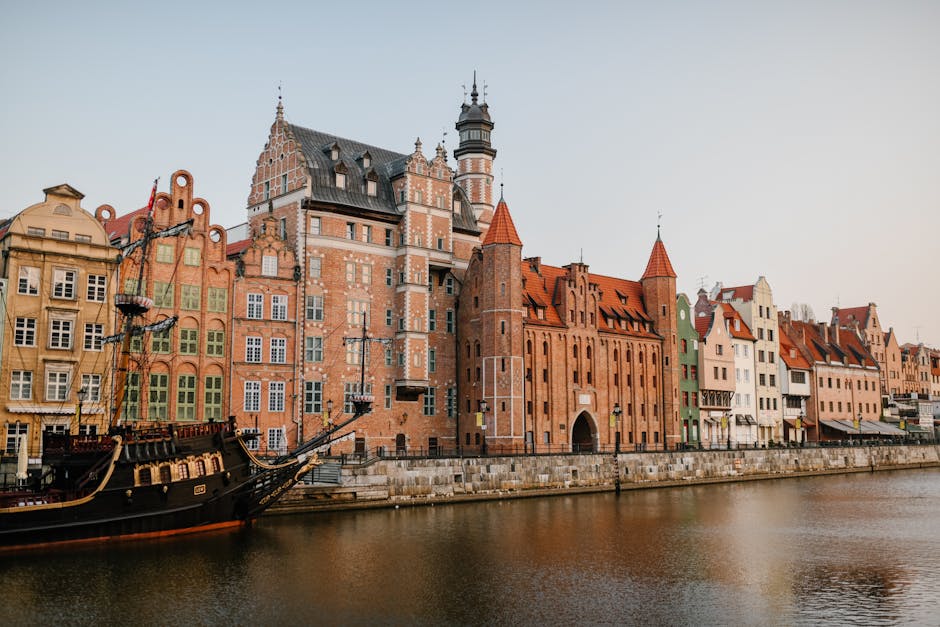
Discover the monastic heritage, world-famous organs, and lush botanical gardens of Oliwa on this peaceful self-guided neighborhood stroll.
 Easy
EasyMumbai, India
Explore Mumbai's stunning UNESCO Art Deco heritage on this self-guided walking route along the iconic Marine Drive promenade.
 Challenging
Mumbai, India
Experience the sensory explosion of Mumbai's historic markets on this challenging self-guided walk through Kalbadevi and Crawford Market.
 Easy
EasyMumbai, India
Explore Mumbai's colonial legacy on this self-guided walk through Colaba's iconic landmarks, from the Gateway of India to grand Art Deco palaces.
 Moderate
Mumbai, India
Explore the ancient fishing village of Worli Koliwada, historic forts, and stunning sea views on this self-guided cultural walking route.