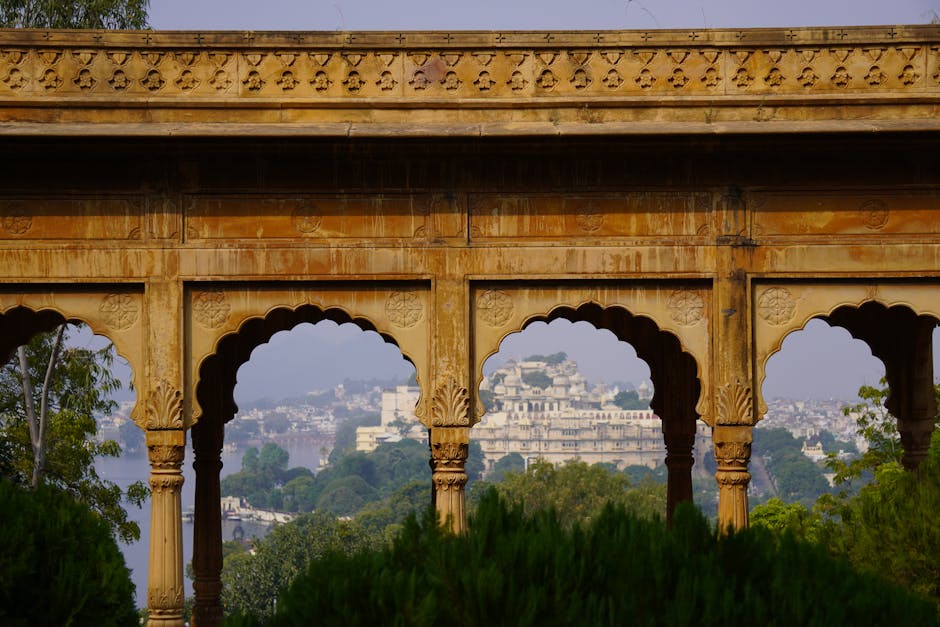
Self-guided audio tour in Udaipur
Start Free on iPhone
Start free on iPhone to unlock this self-guided walking tour in Udaipur. Hear all the stories that make it amazing, walk at your own pace, and begin whenever you want.
Your Private Tour Guide
Udaipur, the City of Lakes, is famed for its grand palaces, but its true architectural soul resides in the narrow, winding alleys of the Brahmpuri district. This self-guided walk invites you to look beyond the surface of the main tourist hubs and discover the 'Havelis'—traditional Indian mansions that define the city's heritage. On this neighborhood stroll, you will encounter a tapestry of stone carvings, lime-plastered walls, and the iconic Jharokha balconies that have overlooked Lake Pichola for centuries. The route begins at the spiritual and social heart of the waterfront, Gangaur Ghat, before weaving through the historic residences of Mewar nobles and wealthy merchants. As you follow this walking route, you will observe the transition of these grand structures from private family homes to meticulously restored heritage hotels and museums. You will see the intricate mirror work of Bagore Ki Haveli and the stunning white-washed facades of Jagat Niwas, which exemplify the 'Udaipuri' style of architecture. This explore-at-your-own-pace journey is perfect for photography enthusiasts and history buffs who want to understand the craftsmanship behind the city's famous silhouette. Beyond the stone and mortar, this self-guided adventure offers a glimpse into the daily life of Udaipur’s oldest quarters, where ancient traditions meet modern preservation. Whether you are admiring the hand-painted frescoes or the panoramic views from rooftop terraces, this walking tour Udaipur provides a deep dive into the artistic legacy of Rajasthan. By the time you reach the final stops, you will have moved from the bustling lakeside to the quieter, more elevated reaches of the city, gaining a comprehensive perspective on how Udaipur's elite once lived. Discover the secrets hidden behind heavy wooden doors and find the best vantage points for the lake that most travelers miss.
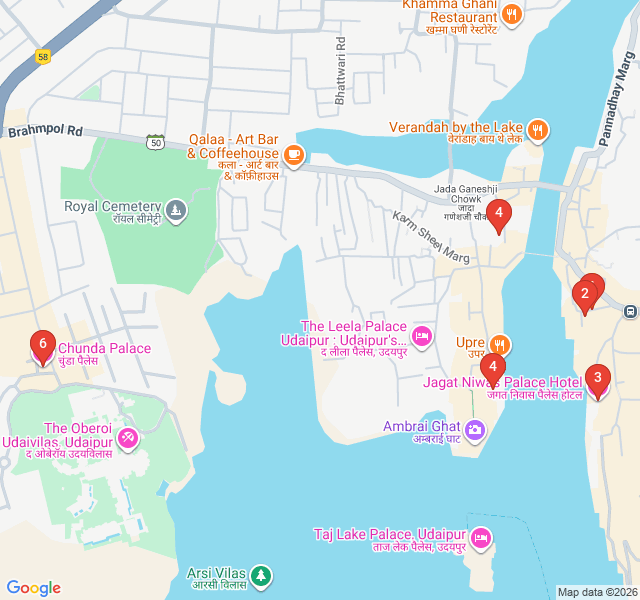
Numbers indicate the order of stops on the tour.
Begin your self-guided adventure at Gangaur Ghat, one of the most significant waterfront landmarks in Udaipur. This ghat, or series of steps leading to the water, serves as a primary location for the Gangaur Festival, where locals celebrate the goddess Gauri. As you stand here, look at the Bagore ki Haveli gateway; its massive triple-arched gate is a masterpiece of stone masonry. The ghat is the perfect place to observe the local relationship with Lake Pichola, from morning rituals to evening social gatherings. The architecture here is designed to be both functional for water access and grand enough for royal processions.
Just steps from the ghat sits Bagore Ki Haveli, built in the late 18th century by Amar Chand Badwa, the Prime Minister of Mewar. This massive structure contains 138 rooms and is a premier example of Haveli architecture. Notice the intricate 'Jali' or latticed stonework, which allowed women of the court to observe the outside world while remaining in 'purdah' or seclusion. The haveli features stunning glasswork and murals that depict the royal lifestyle of the 1700s. It was painstakingly restored over several years to preserve the original lime-mortar techniques that allow these buildings to breathe in the Rajasthani heat.
Continue your neighborhood stroll to Jagat Niwas, a 17th-century haveli that has been converted into a heritage hotel. This building is famous for its classic white-washed facade and its traditional 'Jharokhas'—overhanging enclosed balconies. These architectural features are not just decorative; they are designed to catch the lake breezes and provide natural cooling. As you look at the structure, note the 'Gokhdas' (sitting nooks) built into the windows. This stop highlights the successful adaptive reuse of heritage buildings in Udaipur, maintaining the aesthetic of the Mewar era while serving modern travelers.
Now, head toward Amet Haveli, located on the western banks of the lake. Built during the reign of Maharana Jagat Singh II (1734-1752), this was the town palace for the Rawji of Amet, one of the major nobles of the Mewar court. The architecture here is more robust, reflecting the martial heritage of the Amet family. The stone used in its construction was sourced locally and treated with traditional lime washes. The haveli’s position offers a unique 'reverse' view of the City Palace and the Lake Palace, showing how royal architects strategically placed these residences to maximize views and prestige.
Further up the shoreline is Karohi Haveli, once the home of the Karohi royal family. Situated on a slight elevation, this haveli showcases a blend of defensive and residential architecture. The thick walls and narrow entranceways are typical of Rajasthani homes built to withstand both the elements and historical sieges. From this vantage point, you can see the layering of Udaipur’s urban fabric: the water's edge, the merchant houses, and the towering palaces above. Pay attention to the 'Chhatris' or dome-shaped pavilions on the roof, which are a signature element of Rajput architectural style.
Conclude your walk at Chunda Palace. While many havelis in Udaipur are centuries old, this structure is a modern tribute to traditional craftsmanship. It took 16 years to build, using hand-painted frescoes, intricate bone inlay work, and hand-sculpted marble. It serves as a living museum of Mewari art forms that are otherwise at risk of disappearing. The palace is named after Prince Chunda, who famously relinquished his throne for his father's happiness. The interiors here represent the pinnacle of Rajasthani luxury, proving that the heritage of the haveli continues to inspire contemporary builders and artists in Udaipur.
Start Free on iPhone
Explore “Hidden Havelis and Heritage Facades” with your very own Private Tour Guide with Zigway. Start free on iPhone, skip the large group and the fixed routes, and hear the city come alive as you go.
Your Private Tour Guide
Don't miss the good stuff
Explore Freely
 Challenging
Udaipur, India
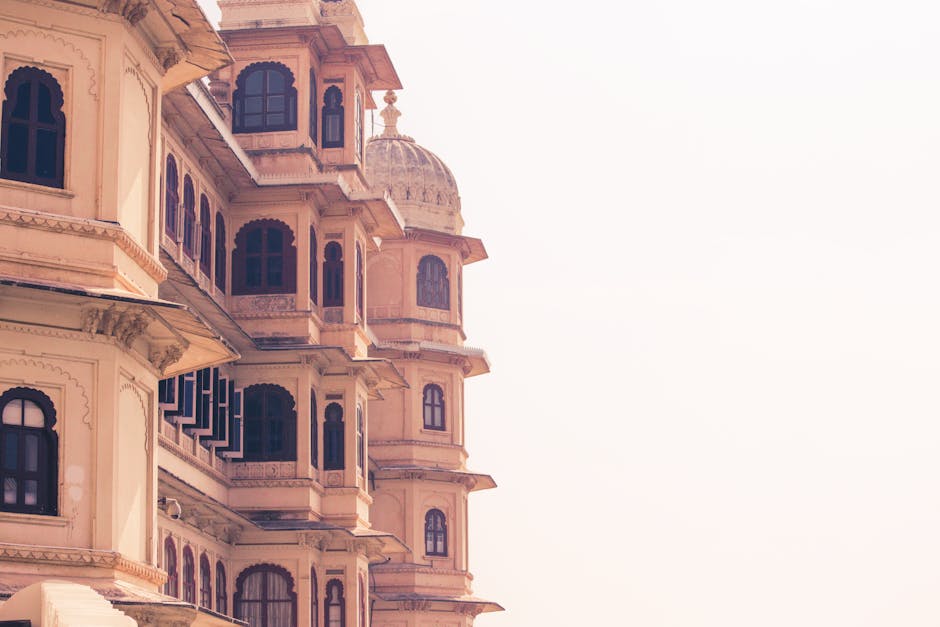
Explore the historic defense gates of Udaipur on this self-guided walk through the ancient city perimeter and bustling traditional markets.
 Easy
EasyUdaipur, India
Discover Udaipur's authentic flavors on this self-guided stroll from historic bazaars to vibrant evening food circles.
 Easy
EasyUdaipur, India
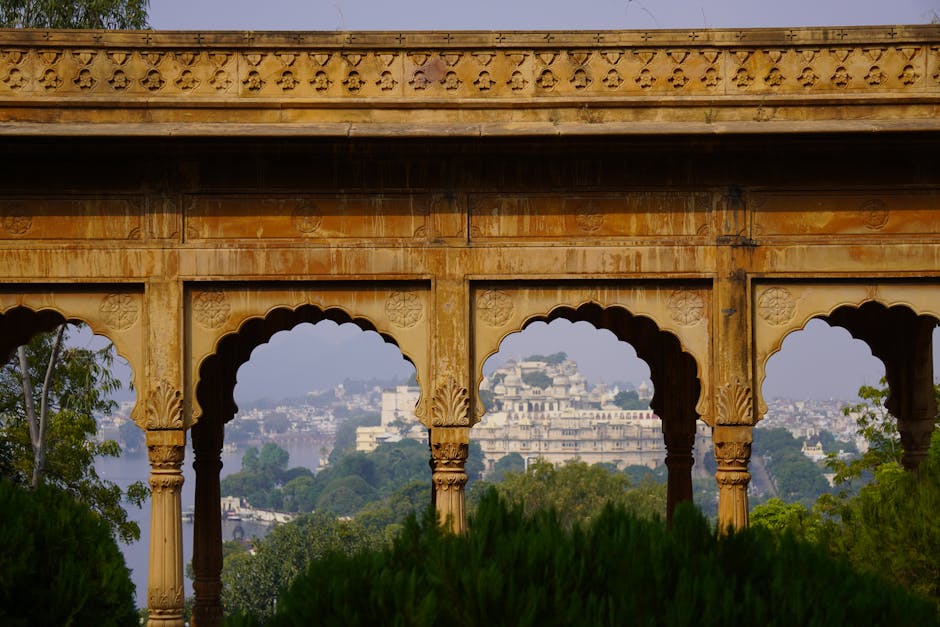
Discover the vibrant markets, historic temples, and legendary lakeside views of Udaipur on this self-guided stroll through Bhattiyani Chohatta.
 Moderate
Udaipur, India
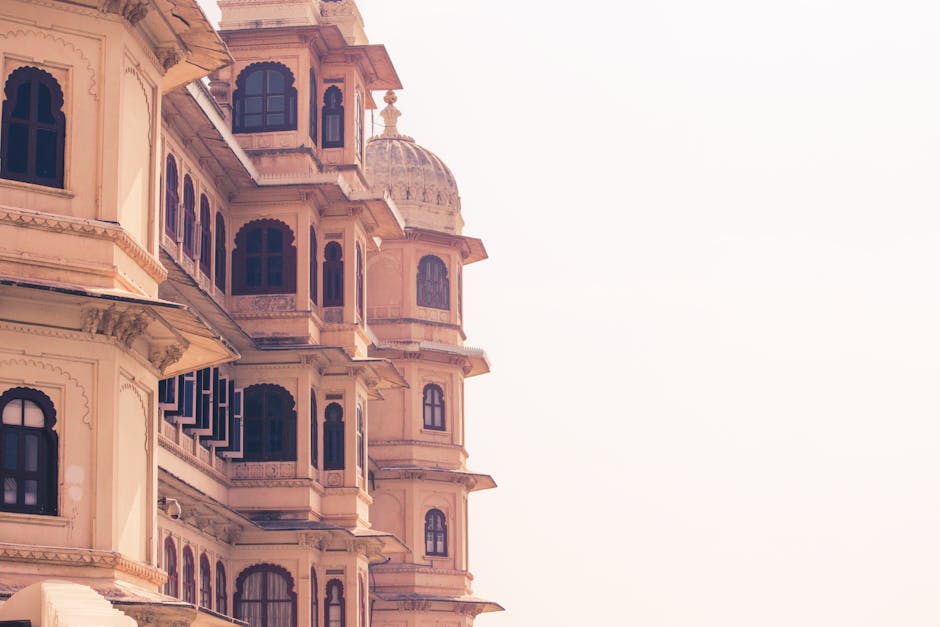
Explore the royal heart of Udaipur on this self-guided walking route through historic temples, lakeside mansions, and the majestic City Palace.
 Moderate
Vienna, Austria
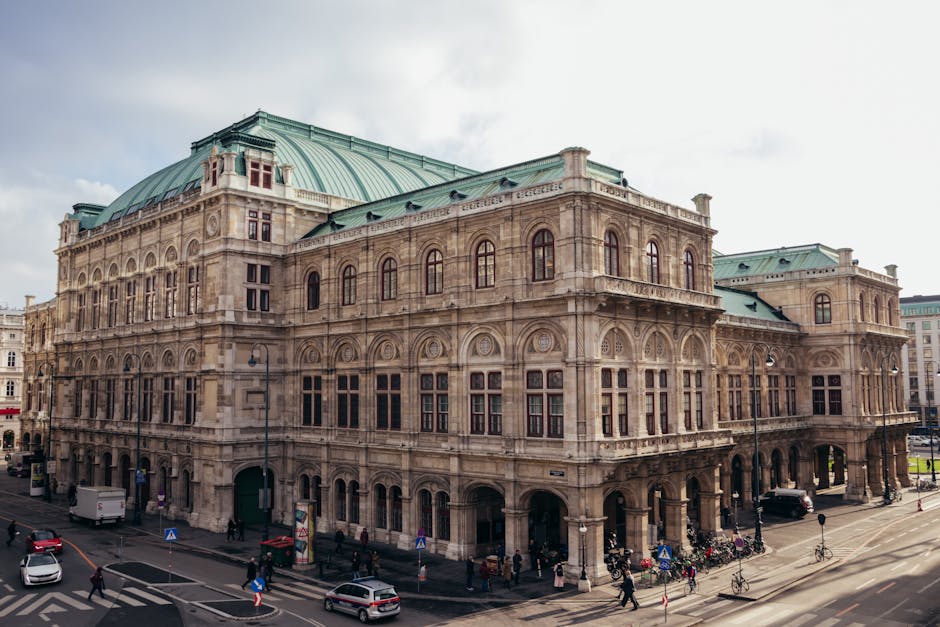
Discover the noir world of The Third Man and Cold War Vienna on this atmospheric self-guided audio walk through the historic Innere Stadt.
 Easy
EasyWarsaw, Poland
Discover the hidden courtyards and grand pre-war architecture of Warsaw's most atmospheric neighborhood on this self-guided stroll.
 Easy
EasyGothenburg, Sweden
Explore Gothenburg’s historic wooden houses, legendary giant cinnamon buns, and panoramic fortress views on this self-guided neighborhood stroll.
 Easy
EasyKrakow, Poland
Explore the prestigious Jagiellonian University district, featuring Neo-Gothic architecture, Baroque churches, and Krakow's hidden scholarly gems.
 Easy
EasyMumbai, India
Explore Mumbai's stunning UNESCO Art Deco heritage on this self-guided walking route along the iconic Marine Drive promenade.
 Challenging
Mumbai, India
Experience the sensory explosion of Mumbai's historic markets on this challenging self-guided walk through Kalbadevi and Crawford Market.
 Easy
EasyMumbai, India
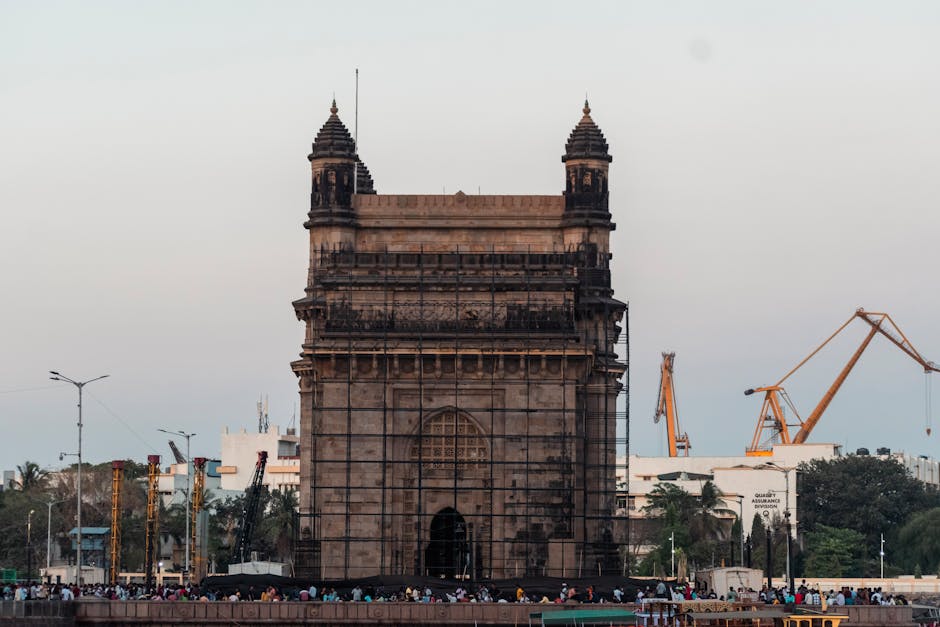
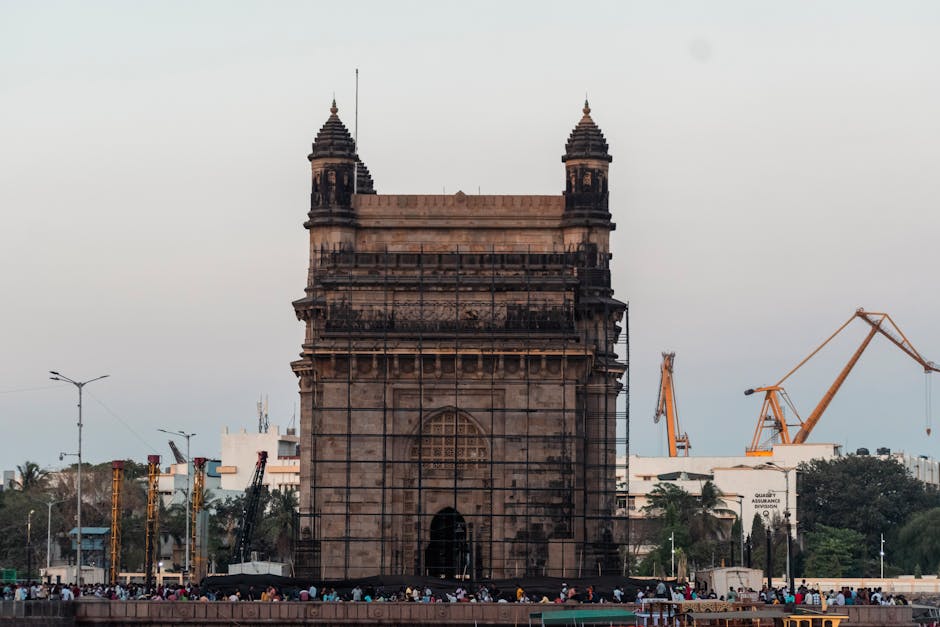
Explore Mumbai's colonial legacy on this self-guided walk through Colaba's iconic landmarks, from the Gateway of India to grand Art Deco palaces.
 Moderate
Mumbai, India
Explore the ancient fishing village of Worli Koliwada, historic forts, and stunning sea views on this self-guided cultural walking route.