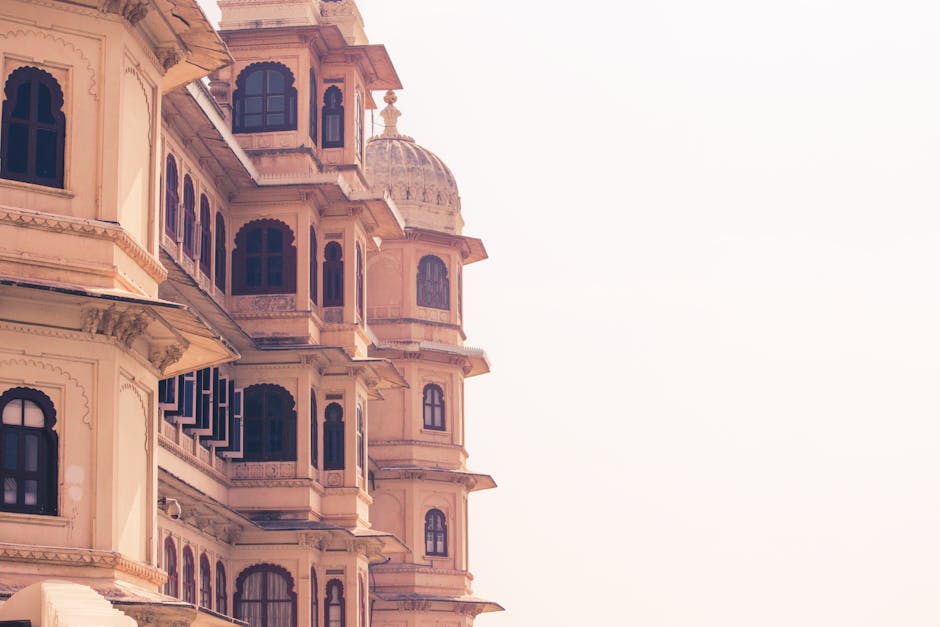
Self-guided audio tour in Udaipur
Start Free on iPhone
Start free on iPhone to unlock this self-guided walking tour in Udaipur. Hear all the stories that make it amazing, walk at your own pace, and begin whenever you want.
Your Private Tour Guide
Udaipur, often called the City of Lakes, holds at its heart a narrative of resilience and architectural brilliance that spans over four centuries. This self-guided walk invites you to explore the legacy of the Mewar Dynasty, the oldest serving dynasty in the world. As you navigate the narrow, winding lanes of the Old City, you will witness the seamless blend of spiritual devotion and royal power. The route begins at the towering Jagdish Temple, a masterpiece of Indo-Aryan architecture that has stood since 1651. From there, the neighborhood stroll transitions to the lakeside charm of Bagore Ki Haveli, where the lifestyle of the Mewar aristocracy is preserved in stone and glass. This walking route is designed for those who wish to discover the city's history at their own pace, moving from the sacred ghats of Lake Pichola to the imposing gates of the royal residence. You will learn about the strategic significance of the Badi Pol and the ceremonial history of the Tripoliya Gate, where Maharanas were once weighed against gold. The journey culminates at the City Palace, a sprawling complex that serves as a testament to the Mewar spirit, having never fully succumbed to foreign occupation. Whether you are captivated by the intricate carvings of a 17th-century temple or the panoramic views of the Aravalli Hills from the palace ramparts, this independent travel experience offers a deep dive into the soul of Rajasthan. This walking tour Udaipur provides a flexible way to see the most iconic landmarks without the constraints of a rigid schedule. By choosing this self-guided adventure, you can spend extra time photographing the vibrant street life or reflecting by the water, making the history of the Mewar Dynasty truly come alive. For anyone looking for a comprehensive walking tour Udaipur experience, this path covers the essential cultural and architectural highlights that define the 'Venice of the East.'
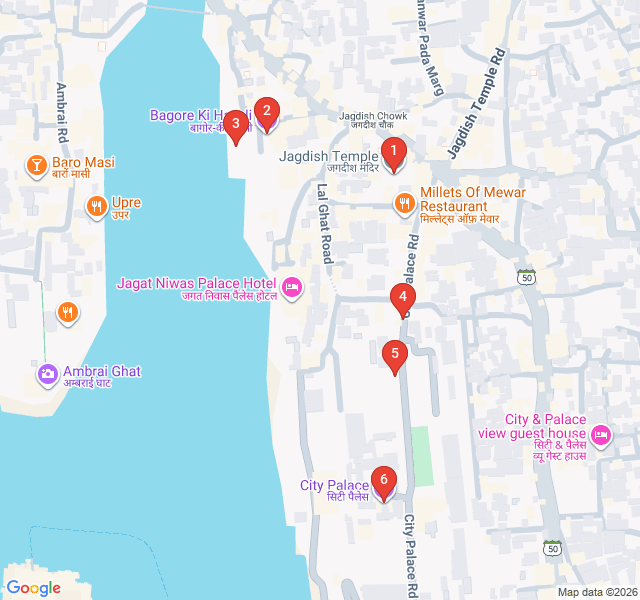
Numbers indicate the order of stops on the tour.
Standing tall on a raised terrace, the Jagdish Temple is your first introduction to the intricate craftsmanship of the Mewar era. Completed in 1651 by Maharana Jagat Singh I, this temple is dedicated to Lord Vishnu, the preserver of the universe. Notice the towering 'shikhara' or spire, which is covered in detailed carvings of dancers, elephants, and celestial musicians. The architecture follows the Indo-Aryan style, characterized by its verticality and complex geometric patterns. As you ascend the steep stone steps, you leave the bustle of the market behind for a space of spiritual devotion that has remained active for over 350 years. The central black stone image of Lord Vishnu is a significant pilgrimage site for locals.
A short walk from the temple brings you to Bagore Ki Haveli, an 18th-century mansion built by Amar Chand Badwa, the Prime Minister of Mewar. This haveli is a perfect example of the luxurious lifestyle led by the nobility. With over 100 rooms, it features delicate mirror work, colorful murals, and traditional Mewari glasswork. The haveli was restored in the 1980s and now serves as a museum. As you explore the courtyards, imagine the 'zenana' or women's quarters, where royal ladies lived in seclusion. The architecture here is designed to catch the lake breezes, providing a natural cooling system that was essential during the blistering Rajasthani summers.
Steps away from the Haveli lies Gangaur Ghat, one of the most prominent gateways to Lake Pichola. This ghat is central to Udaipur’s cultural identity, named after the Gangaur festival where women carry idols of the goddess Gauri to the water. The triple-arched gateway provides a framing view of the Lake Palace in the distance. This is a place for quiet observation; you might see locals performing morning rituals or artists capturing the play of light on the water. The ghat represents the lifeblood of the city, connecting the urban architecture to the natural beauty of the lake, which was artificially created in the 14th century to provide water to the region.
As you move toward the palace complex, you enter through Badi Pol, the 'Great Gate.' Built in the 1600s, this massive structure was the primary defensive entrance to the Royal City Palace. Its size was intentional, designed to allow elephants and cavalry to pass through comfortably while remaining a formidable barrier against invaders. Notice the thick walls and the strategic positioning of the gate at an angle to prevent an enemy's charging elephants from gaining enough momentum to break it down. Passing through Badi Pol marks your transition from the public streets of the old city into the private, fortified world of the Mewar sovereigns.
The Tripoliya Gate is a magnificent triple-arched structure built in 1711 by Maharana Sangram Singh II. This gate served a unique ceremonial purpose: it was here that the Maharana would be weighed against gold and silver, which was then distributed to the poor of the city. This act of 'Tuladan' symbolized the ruler's commitment to the welfare of his subjects. The architecture reflects the influence of Mughal aesthetics on Rajasthani design, seen in the curved arches and the use of white marble. The space between this gate and the palace was often used for royal processions and elephant fights, a popular courtly entertainment in centuries past.
Your final stop is the crowning jewel of Udaipur: the City Palace. This is not just one building, but a series of palaces built over 400 years by different Maharanas. Despite the long construction period, the complex maintains a surprising architectural harmony. Built primarily of granite and marble, it sits on a ridge overlooking Lake Pichola. Inside, you will find a maze of courtyards, pavilions, and hanging gardens. Highlights include the Mor Chowk, famous for its vibrant peacock mosaics made of colored glass, and the Sheesh Mahal, or Palace of Mirrors. The palace serves as a museum of history and a living symbol of the Mewar Dynasty’s enduring legacy and pride.
Start Free on iPhone
Explore “Royal Splendor of the Mewar Dynasty” with your very own Private Tour Guide with Zigway. Start free on iPhone, skip the large group and the fixed routes, and hear the city come alive as you go.
Your Private Tour Guide
Don't miss the good stuff
Explore Freely
 Challenging
Udaipur, India
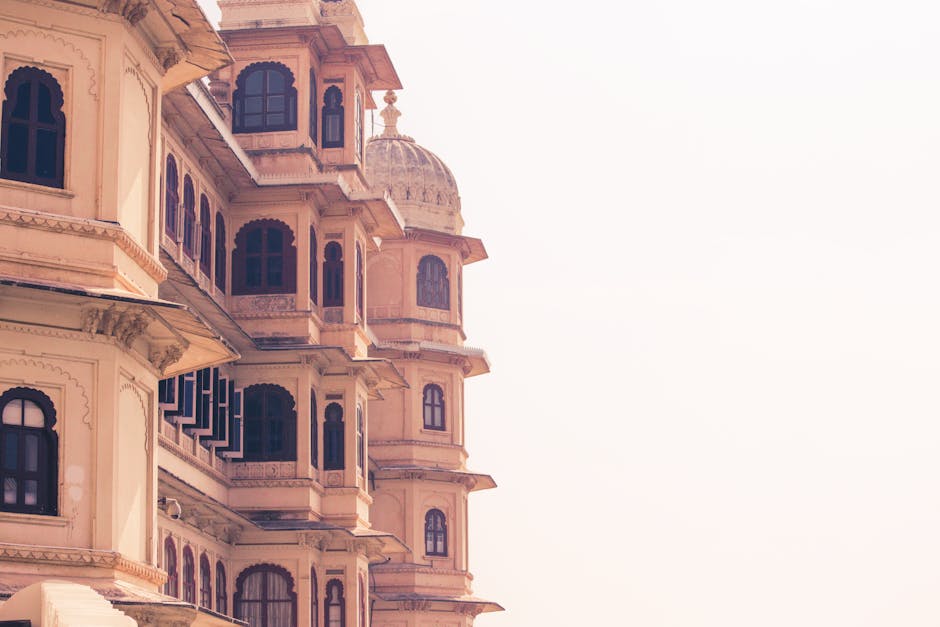
Explore the historic defense gates of Udaipur on this self-guided walk through the ancient city perimeter and bustling traditional markets.
 Easy
EasyUdaipur, India
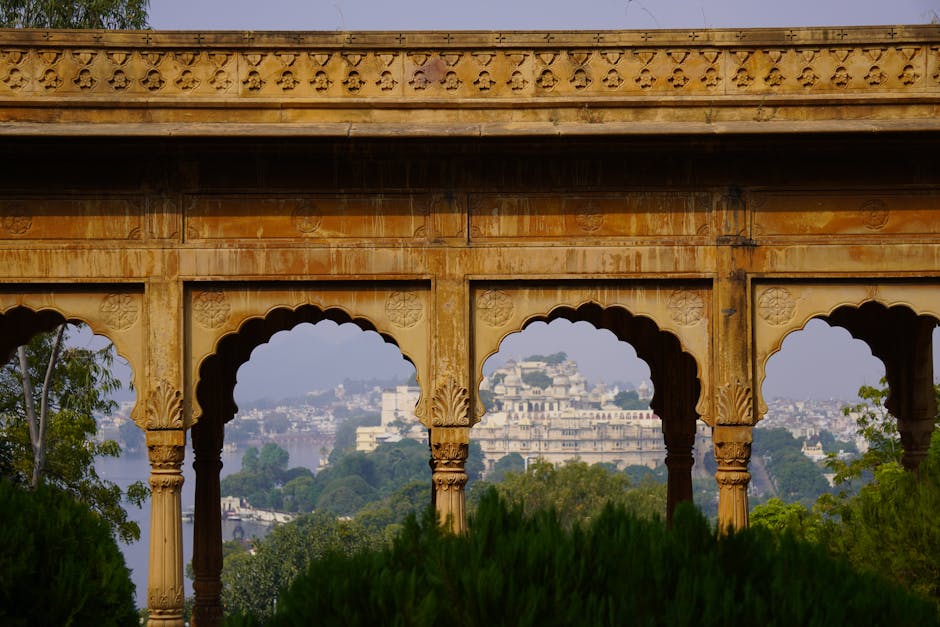
Discover Udaipur's authentic flavors on this self-guided stroll from historic bazaars to vibrant evening food circles.
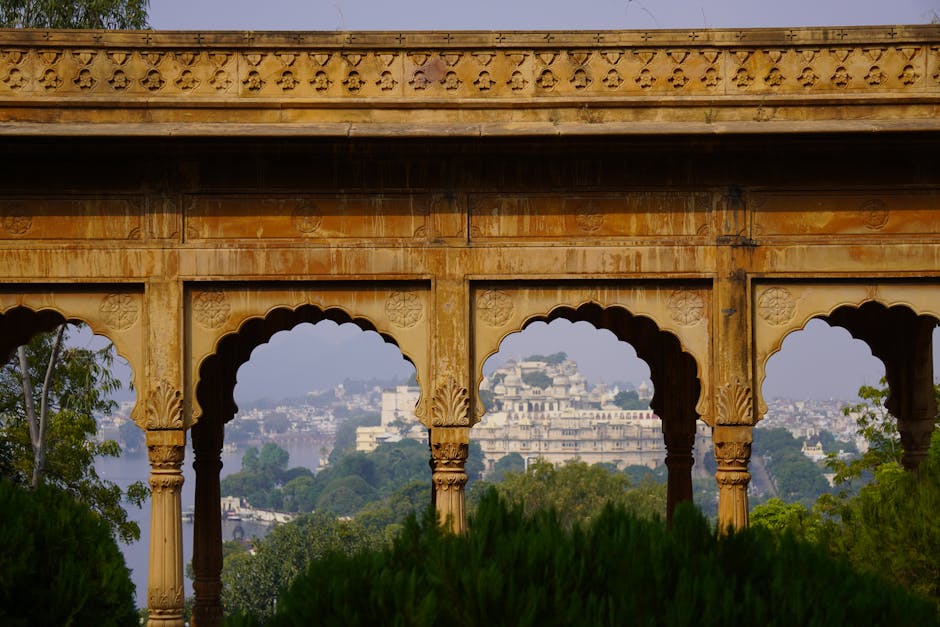 Easy
EasyUdaipur, India
Discover the vibrant markets, historic temples, and legendary lakeside views of Udaipur on this self-guided stroll through Bhattiyani Chohatta.
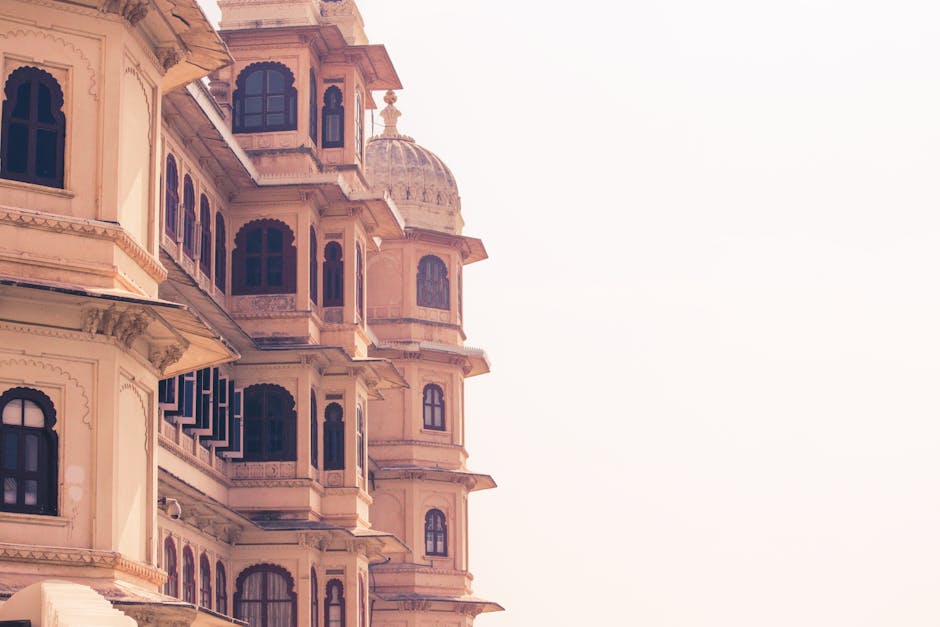 Moderate
Udaipur, India
Follow the trail of James Bond and royal legends on this self-guided walk through Udaipur’s most iconic film locations and literary landmarks.
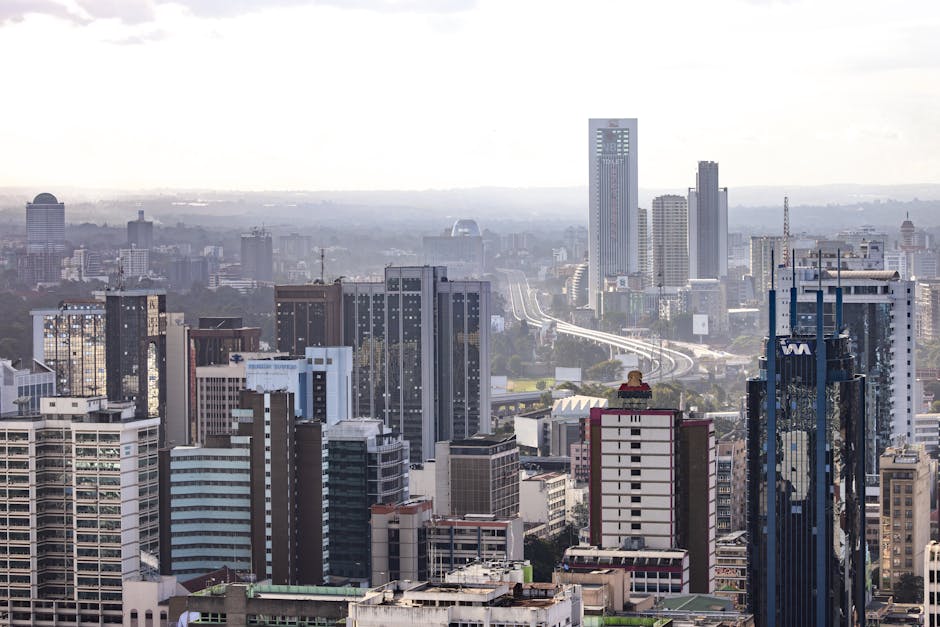 Easy
EasyNairobi, Kenya
Discover Nairobi's iconic skyline on this self-guided architecture walk through the CBD’s most famous modernist and Brutalist landmarks.
 Moderate
Gothenburg, Sweden
Discover Gothenburg’s maritime soul on this self-guided walk from the historic Central Station to the scenic riverfront at Stenpiren.
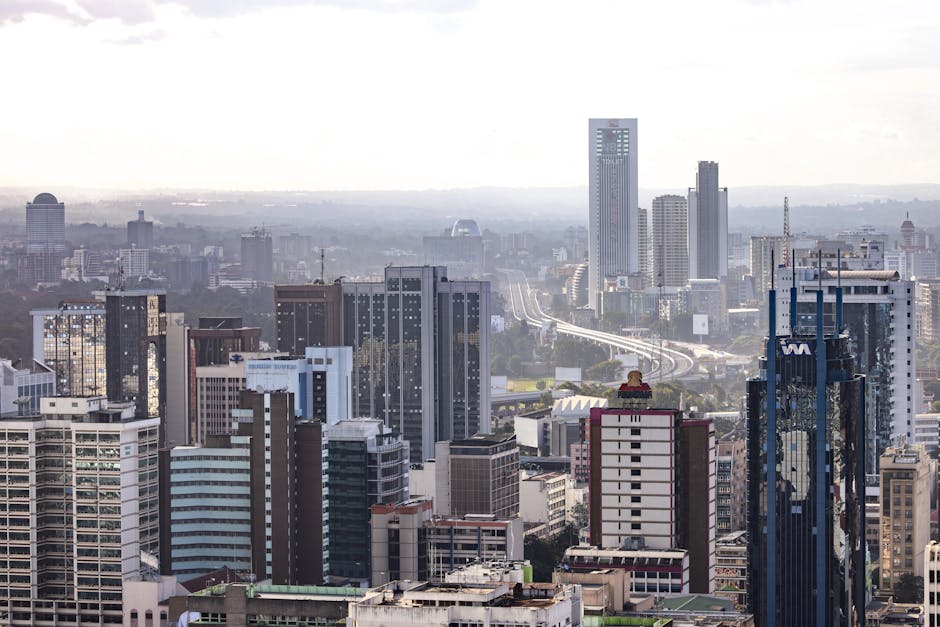 Easy
EasyNairobi, Kenya
Explore Nairobi's architectural evolution from colonial-era landmarks to iconic Brutalist skyscrapers on this historic self-guided walking route.
 Moderate
Vienna, Austria
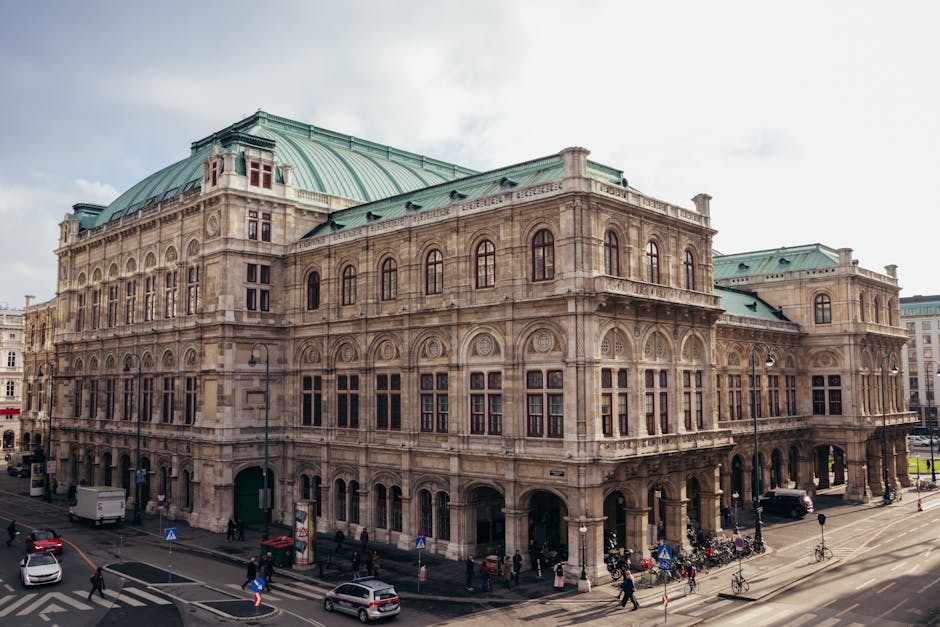
Follow the footsteps of Mozart and Strauss through Vienna’s historic center on this self-guided walk through the city's rich musical history.
 Easy
EasyMumbai, India
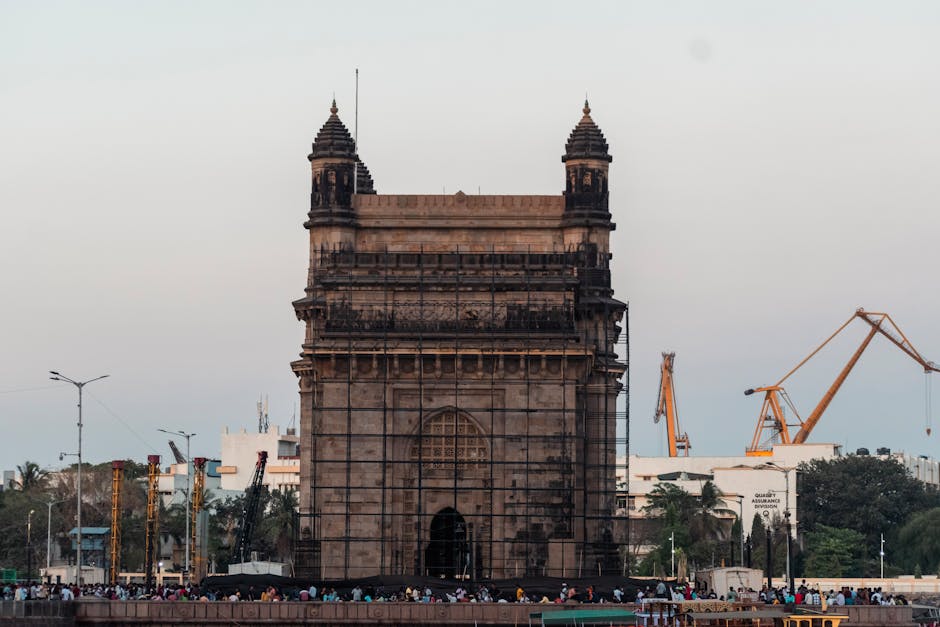
Explore Mumbai's stunning UNESCO Art Deco heritage on this self-guided walking route along the iconic Marine Drive promenade.
 Challenging
Mumbai, India
Experience the sensory explosion of Mumbai's historic markets on this challenging self-guided walk through Kalbadevi and Crawford Market.
 Easy
EasyMumbai, India
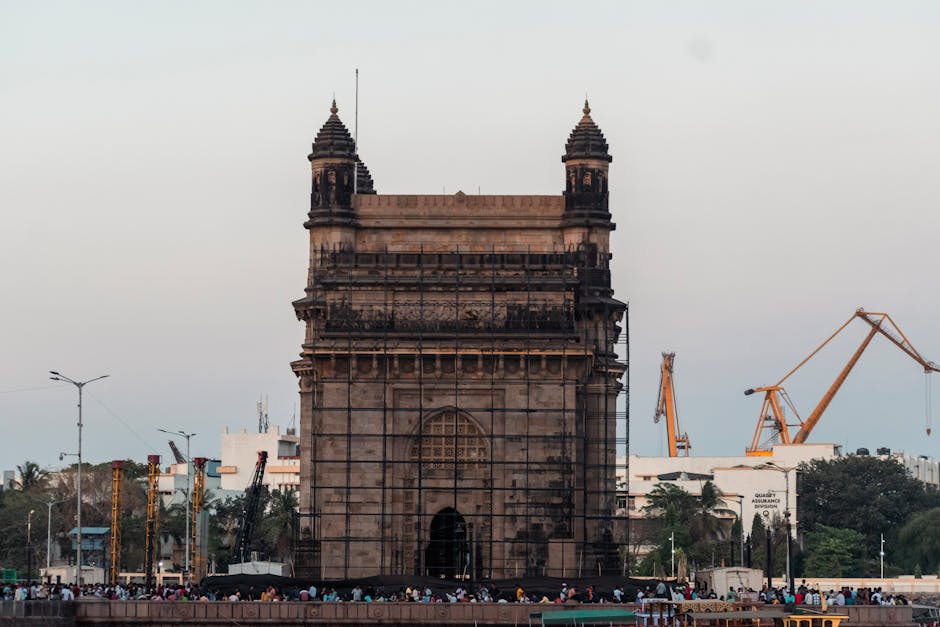
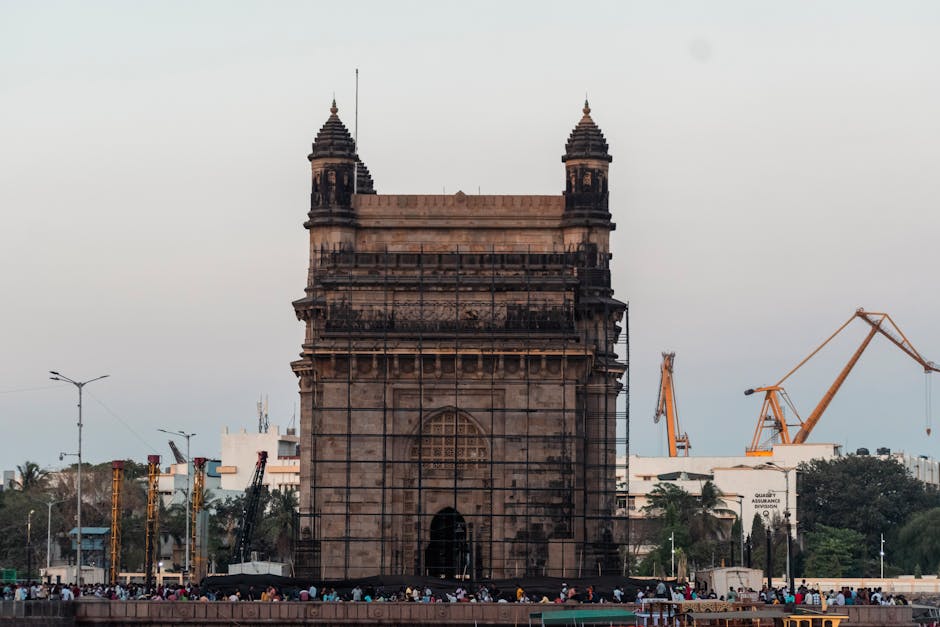
Explore Mumbai's colonial legacy on this self-guided walk through Colaba's iconic landmarks, from the Gateway of India to grand Art Deco palaces.
 Moderate
Mumbai, India
Explore the ancient fishing village of Worli Koliwada, historic forts, and stunning sea views on this self-guided cultural walking route.