Self-guided audio tour in Udaipur
Start Free on iPhone
Start free on iPhone to unlock this self-guided walking tour in Udaipur. Hear all the stories that make it amazing, walk at your own pace, and begin whenever you want.
Your Private Tour Guide
Step back into the 16th century and discover the defensive backbone of the Mewar Kingdom on this self-guided walk around the perimeter of Udaipur's historic walled city. While many visitors flock to the glistening waters of Lake Pichola, the true story of Udaipur’s resilience is etched into the massive stone gates, or 'poles,' that once guarded the city against Mughal invasions. This walking route follows the remnants of the ancient city wall, offering a deep dive into the military architecture and urban evolution of the City of Lakes. You will begin at the bustling entry point near the transport hubs and navigate through a series of monumental gateways, each strategically positioned to protect the Maharana’s subjects. As you explore independently, you will witness the stark contrast between the traditional lifestyle inside the gates and the modern expansion beyond them. This neighborhood stroll is more than just a history lesson; it is a sensory journey through vibrant bazaars, narrow alleys, and architectural transition points. You will see how the city was divided into distinct quarters for craftsmen, warriors, and merchants, a layout that still influences the city's character today. From the sun-facing Surajpol to the moon-inspired Chand Pole, the gates serve as celestial markers for the Suryavanshi Rajputs. This walking tour Udaipur provides a rare opportunity to see the 'non-touristy' side of the city while still hitting iconic landmarks like the Clock Tower. It is a challenging but rewarding route that requires a bit of stamina, as you will be navigating uneven terrain and busy intersections. By following this self-guided adventure, you can pause to photograph the intricate carvings of a hidden haveli or sample local street food without the pressure of a group schedule. Whether you are an architecture enthusiast or a history buff, this walking route reveals the grit and grandeur that allowed Udaipur to remain one of the few Rajput states to never fully surrender its sovereignty.
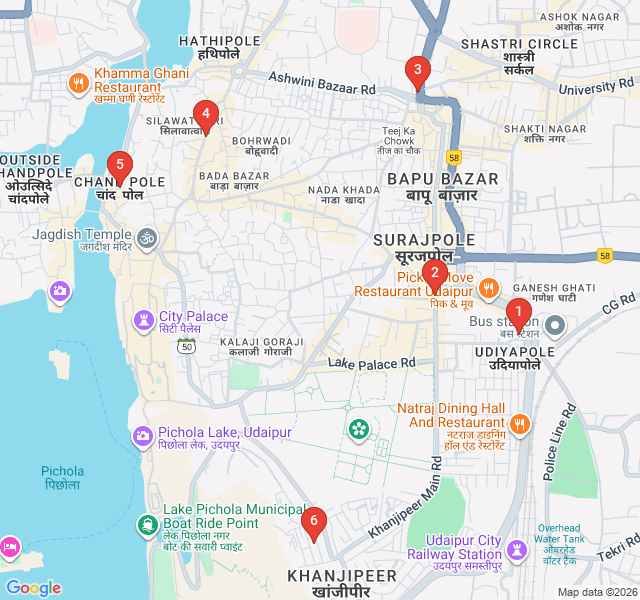
Numbers indicate the order of stops on the tour.
Welcome to Udaipole, the primary entrance to the old walled city. Named after the city's founder, Maharana Udai Singh II, this gate has served as the main reception point for centuries. In the days of the monarchy, this gate was heavily guarded, and its massive wooden doors would be bolted shut at sunset. Notice the height and width of the archway—it was specifically designed to allow armored elephants to pass through during royal processions or military mobilizations. Today, it serves as a bridge between the modern city near the railway station and the ancient core. As you pass through, you are literally crossing the threshold of history into the 1559 settlement of Udaipur.
You are now at Surajpol, or the 'Sun Gate.' Facing east, this gate was the first to receive the morning rays, a significant symbolic gesture for the Maharanas of Mewar, who claimed descent from the Sun God (Suryavanshis). Historically, this was the most important gate for royal entries after successful military campaigns. The architecture here is robust, featuring thick bastions that were once topped with cannons. Take a moment to observe the surrounding area; you'll notice it remains a vital commercial artery. The transition from the military focus of the gate to the commercial buzz of the nearby markets illustrates how the city has adapted over five centuries.
Delhi Gate stands as a reminder of Udaipur's complex relationship with the Mughal Empire. As the northernmost gate, it sat on the direct path toward Delhi. While it was a point of defense, it was also a gateway for trade. The area around Delhi Gate is now one of Udaipur's busiest commercial districts. While the original wooden gates are gone, the stone structure remains a sentinel over the chaos of modern traffic. This spot is excellent for observing the 'Havelis' or traditional mansions that begin to appear more frequently as you move deeper into the city's residential and mercantile fabric.
As you walk down Clock Tower Road, you are entering the high-density heart of the old city. The Clock Tower itself, or 'Ghantaghar,' was the first public clock in Udaipur, a gift indicating the city's move toward modernization in the late 19th century. This road is famous for its silver smiths and jewelry shops. Look up at the balconies of the buildings lining the street; many feature traditional 'Jharokhas' (overhanging enclosed balconies) which allowed residents to watch the street life below while maintaining privacy. The density of the architecture here served a dual purpose: providing shade during the scorching summers and creating a labyrinth that would confuse any invading force that managed to breach the outer gates.
We have moved from the Sun to the Moon. Chand Pole, the 'Moon Gate,' faces west toward the setting sun and the water. This area feels noticeably different from the bustling commercial gates we visited earlier. Chand Pole provides access to the inner sanctum of the city near Lake Pichola and the Hanuman Ghat area. The air here is often cooler due to the proximity of the lake. Historically, this gate was crucial for protecting the city's water supply and the western flank of the City Palace. Today, it is a favorite for travelers seeking the iconic views of the lake and the white-washed buildings that give Udaipur its 'Venice of the East' reputation.
Our final stop is Kishanpole, the southern gate. This gate is often overlooked by tourists but is vital for understanding the full circuit of the city's defenses. It is named after Lord Krishna and served the residential quarters of the city. From here, you can see some of the best-preserved sections of the original city wall winding up the nearby hills. The wall wasn't just a barrier; it was a complex system of walkways and lookout points. Standing here, you can appreciate the sheer scale of the engineering required to encircle a city in the 1500s. The walk from Chand Pole to here takes you through quieter, more local neighborhoods, offering a peaceful conclusion to your journey around the perimeter.
Start Free on iPhone
Explore “The Seven Gates of the Walled City” with your very own Private Tour Guide with Zigway. Start free on iPhone, skip the large group and the fixed routes, and hear the city come alive as you go.
Your Private Tour Guide
Don't miss the good stuff
Explore Freely
 Easy
EasyUdaipur, India
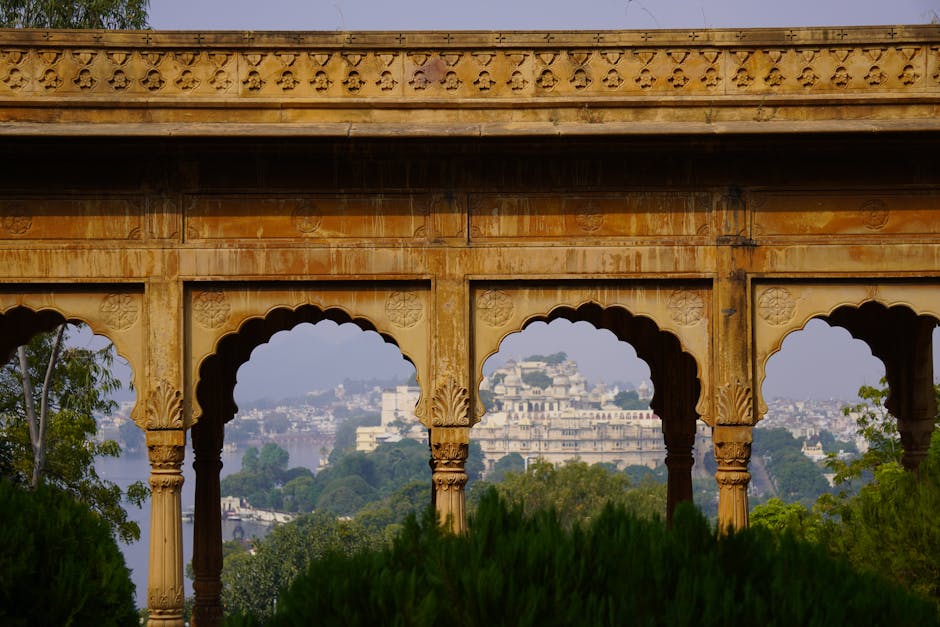
Discover Udaipur's authentic flavors on this self-guided stroll from historic bazaars to vibrant evening food circles.
 Easy
EasyUdaipur, India
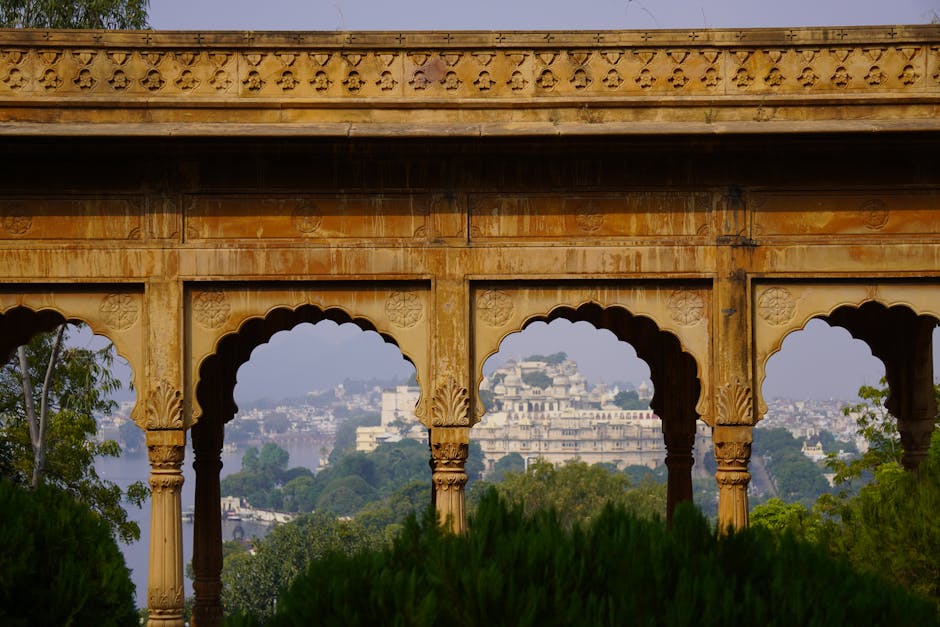
Discover the vibrant markets, historic temples, and legendary lakeside views of Udaipur on this self-guided stroll through Bhattiyani Chohatta.
 Moderate
Udaipur, India
Explore the royal heart of Udaipur on this self-guided walking route through historic temples, lakeside mansions, and the majestic City Palace.
 Moderate
Udaipur, India
Follow the trail of James Bond and royal legends on this self-guided walk through Udaipur’s most iconic film locations and literary landmarks.
 Easy
EasySalzburg, Austria
Discover Salzburg's oldest medieval alley, the birthplace of the 'Silent Night' author, and breathtaking views on this quiet self-guided walk.
 Easy
EasyNairobi, Kenya
Discover Nairobi's iconic skyline on this self-guided architecture walk through the CBD’s most famous modernist and Brutalist landmarks.
 Moderate
Nairobi, Kenya
Discover the pulse of Nairobi's contemporary art scene on this self-guided walk through the galleries and creative spaces of Kilimani.
 Easy
EasyKrakow, Poland
Explore the prestigious Jagiellonian University district, featuring Neo-Gothic architecture, Baroque churches, and Krakow's hidden scholarly gems.
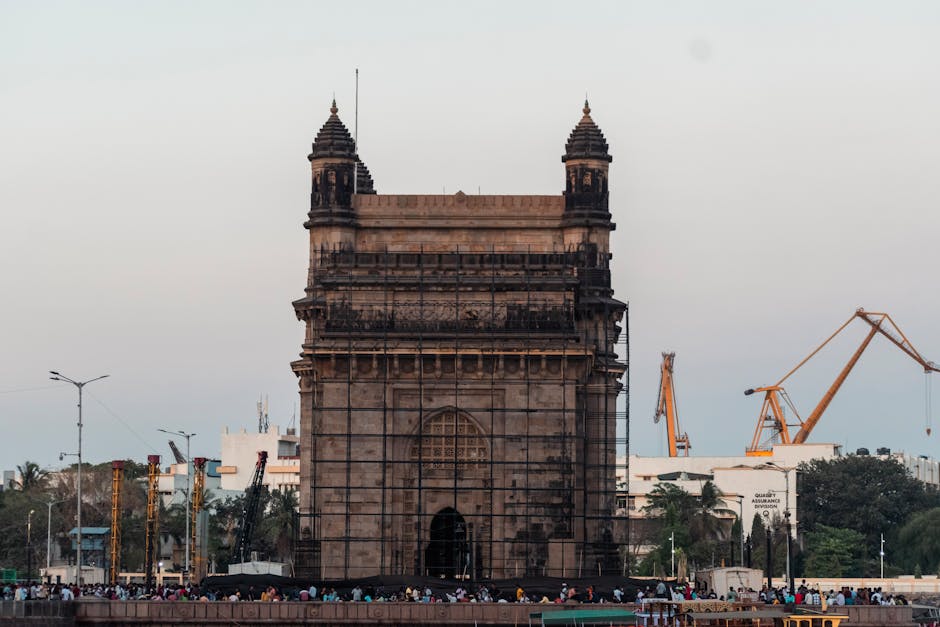 Easy
EasyMumbai, India
Explore Mumbai's stunning UNESCO Art Deco heritage on this self-guided walking route along the iconic Marine Drive promenade.
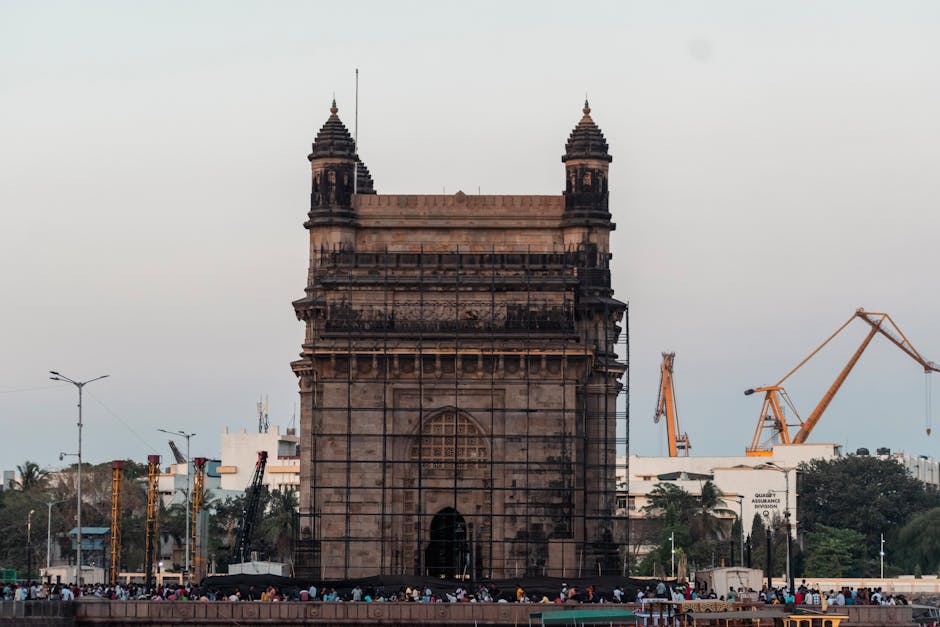 Challenging
Mumbai, India
Experience the sensory explosion of Mumbai's historic markets on this challenging self-guided walk through Kalbadevi and Crawford Market.
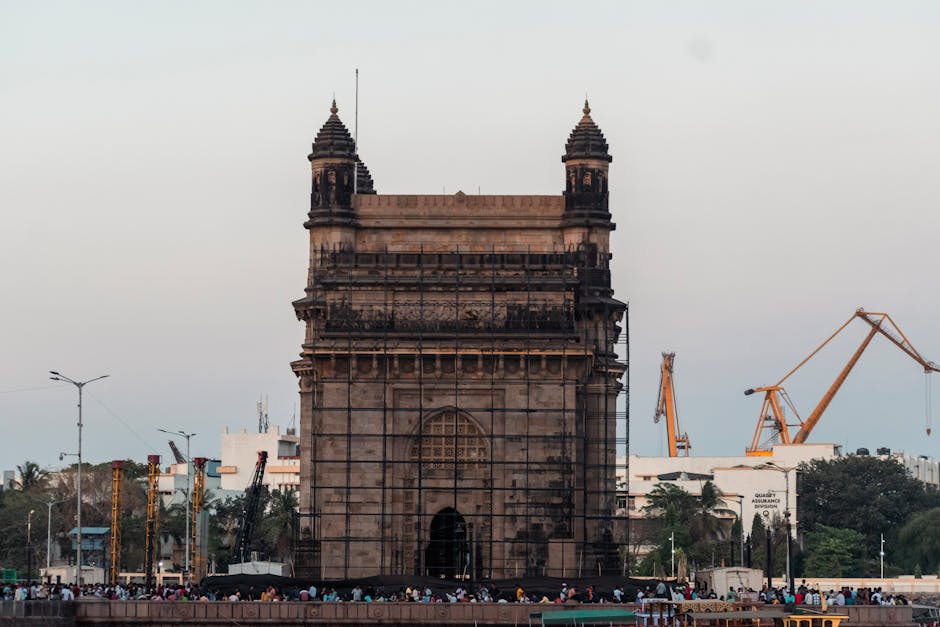 Easy
EasyMumbai, India
Explore Mumbai's colonial legacy on this self-guided walk through Colaba's iconic landmarks, from the Gateway of India to grand Art Deco palaces.
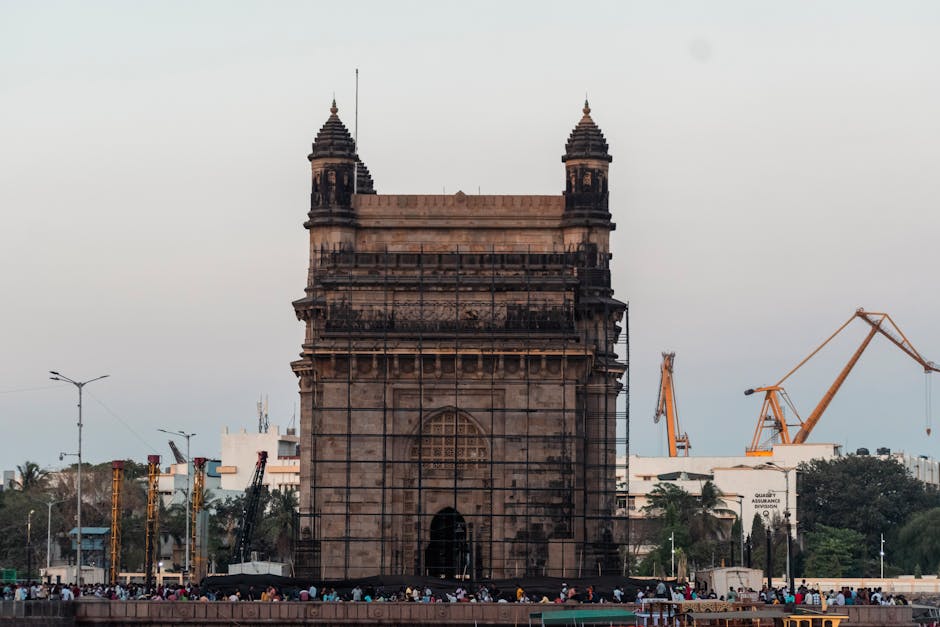 Moderate
Mumbai, India
Explore the ancient fishing village of Worli Koliwada, historic forts, and stunning sea views on this self-guided cultural walking route.