Self-guided audio tour in Varanasi
Start Free on iPhone
Start free on iPhone to unlock this self-guided walking tour in Varanasi. Hear all the stories that make it amazing, walk at your own pace, and begin whenever you want.
Your Private Tour Guide
Venture beyond the crowded main steps of Varanasi to discover the quiet majesty of the northern ghats. This self-guided walk explores a fascinating layer of the city where the legacy of the Mughal Empire meets the architectural revival of the Maratha kings. While most visitors congregate around the southern riverfront, the northern stretch from Trilochan to Gaay Ghat offers a more contemplative experience, characterized by massive stone bastions, hidden temples, and the towering minarets of the Alamgir Masjid. On this neighborhood stroll, you will witness the unique cultural synthesis that defines Varanasi's skyline. The route highlights the transition from the 17th-century Islamic influence under Emperor Aurangzeb to the 18th-century Maratha resurgence that rebuilt much of the riverfront. You will explore the site where five mythical rivers are said to meet and see the grand mansions built by Peshwas and Maharajas. This walking route Varanasi provides is perfect for those who want to escape the typical tourist trail and understand the complex history of India's oldest living city. Along the way, you can admire the intricate stonework of the Bindu Madhav Temple and the stark, elegant lines of the mosque that stands above it. This is a journey through the 'Forgotten North,' where the silence of the alleyways is broken only by the sound of temple bells and the gentle lapping of the Ganges. Whether you are interested in historical architecture or religious history, this self-guided adventure offers a deep dive into the soul of the city at your own pace. For a truly immersive experience, this walking tour Varanasi offers a window into the daily lives of the locals who have inhabited these ancient neighborhoods for generations.
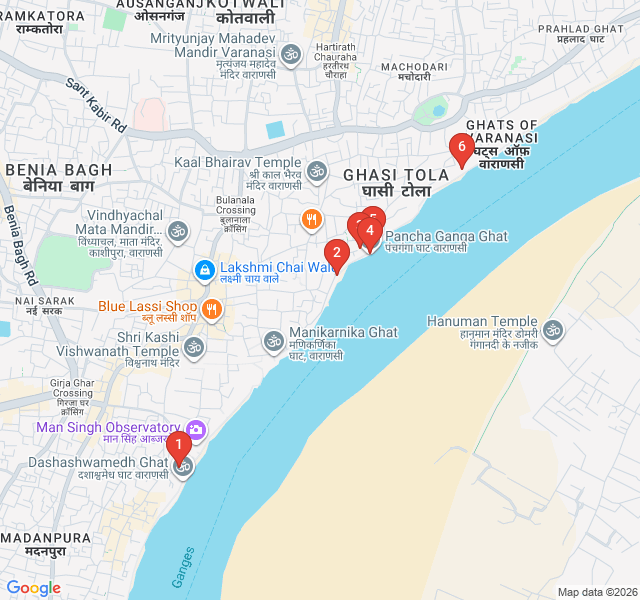
Numbers indicate the order of stops on the tour.
Begin your self-guided walk at Trilochan Ghat, named after the 'Three-Eyed' Lord Shiva. This is one of the oldest and most spiritually significant ghats in the northern cluster. Observe the two natural springs, known as 'tirthas,' which pilgrims believe are the eyes of the deity. The atmosphere here is noticeably different from the central ghats; it is quieter and more focused on local rituals. The massive stone steps and the presence of the Trilochaneshwar Temple nearby reflect the ancient roots of this neighborhood. Take a moment to look south toward the rest of the city to see how the river curves, providing a grand perspective of the Varanasi skyline.
As you move south, you reach Ram Ghat, a prime example of the Maratha influence on Varanasi. Built by the Raja of Jaipur in the 18th century, this ghat is dedicated to Lord Ram. Notice the distinct architectural style of the surrounding buildings—sturdy, fort-like structures with small balconies. This area was a hub for the Maratha revival during a time when the city was being physically reconstructed after centuries of conflict. The small temple dedicated to Ram here is a site of great devotion during the festival of Ram Navami. The stone platforms jutting into the water are often used by local priests and bathers for morning prayers.
Standing high above the riverbank is the Alamgir Masjid, an iconic landmark of the northern riverfront. Built by the Mughal Emperor Aurangzeb in the late 17th century, the mosque stands on the site of the original, much larger Bindu Madhav Temple. The architecture is a blend of Islamic and Hindu influences, with the lower portions of the structure still reflecting the temple's original foundations. While the towering minarets were shortened over the years for stability, the mosque remains the most prominent feature of the skyline here. It serves as a powerful symbol of the layers of history that define Varanasi, where different faiths and eras are literally stacked upon one another.
Directly below the mosque lies Pancha Ganga Ghat, the 'Ghat of the Five Ganges.' Tradition holds that five rivers—the Ganga, Yamuna, Saraswati, Kirana, and Dhutapapa—meet here underground. This is considered one of the five most sacred spots on the riverfront. Look for the stone pillars where lamps are lit during the month of Kartik (usually October or November). During the Dev Deepawali festival, thousands of small oil lamps are placed in bamboo baskets and hoisted into the air, creating a 'galaxy' of light. The massive stone steps here were largely patronized by the Maratha Peshwas, emphasizing the royal heritage of this specific location.
Just behind the Alamgir Masjid, tucked away in the narrow lanes, you will find the present-day Bindu Madhav Temple. After the original grand temple was replaced by the mosque, this smaller but highly significant temple was established to house the deity Vishnu. It remains one of the most important Vishnu shrines in the city. The temple reflects the resilience of local traditions; despite the changes to the physical landscape, the spiritual geography of the area remained intact. Inside, the atmosphere is intimate and serene, offering a sharp contrast to the monumental scale of the mosque outside. It is a vital stop for understanding the continuity of worship in Varanasi.
Concluding your neighborhood stroll is Gaay Ghat, the 'Cow Ghat.' This area marks the northern boundary of the more densely packed riverfront. It is famous for a large stone statue of a cow, which gives the ghat its name. Historically, this was a place where cattle were brought to the river, but today it is a peaceful retreat favored by students and locals looking for a quiet spot to read or meditate. The architecture here is simpler, reflecting the transition into the more residential and less commercial northern outskirts. From here, you can watch the boats drift by or find a local tea stall in the lanes behind the ghat to reflect on your journey through the forgotten north.
Start Free on iPhone
Explore “The Forgotten North: Mosques and Marathas” with your very own Private Tour Guide with Zigway. Start free on iPhone, skip the large group and the fixed routes, and hear the city come alive as you go.
Your Private Tour Guide
Don't miss the good stuff
Explore Freely
 Moderate
Varanasi, India
Discover the spiritual heart of Varanasi on this self-guided walk through ancient lanes, grand corridors, and sacred riverfront ghats.
 Moderate
Varanasi, India
Explore the ancient spiritual reservoirs of Varanasi on this self-guided walk through sacred kunds and the iconic Durga Temple.
 Easy
EasyVaranasi, India
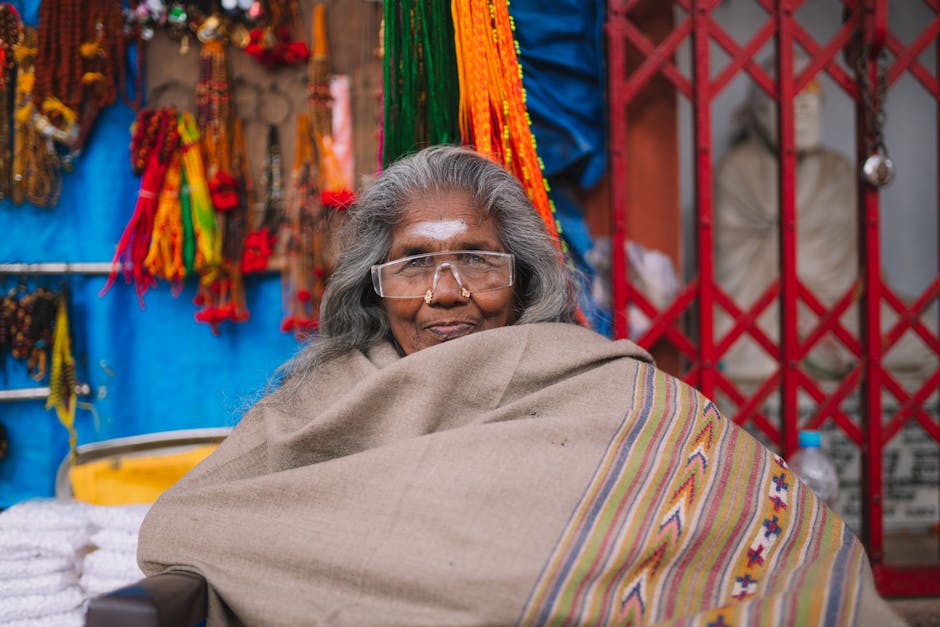
Discover the literary soul of Varanasi on this self-guided walk through Assi, the home of legendary poets, scholars, and historic tea-stall debates.
 Easy
EasyVaranasi, India
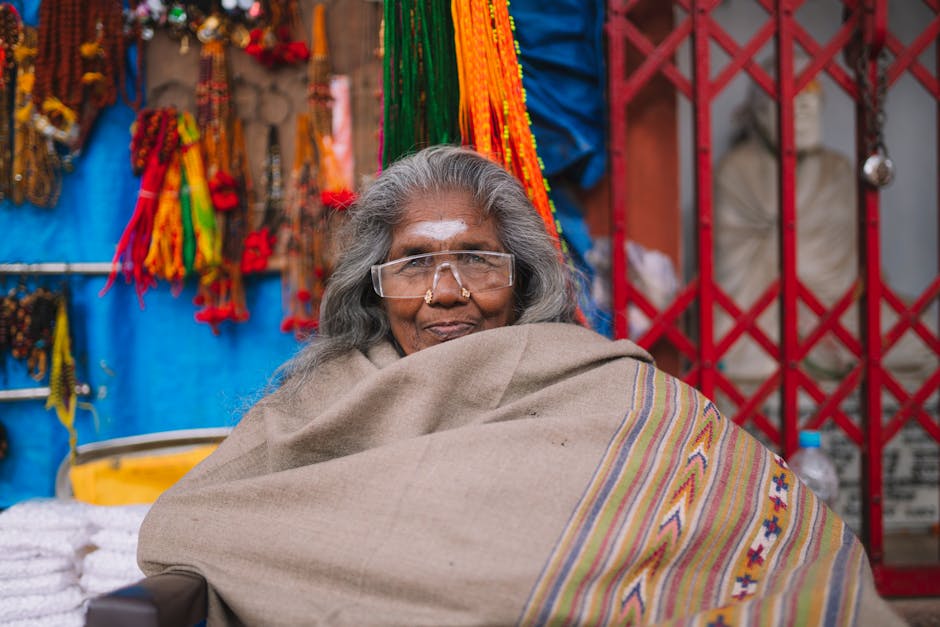
Explore the lush greenery and Indo-Saracenic architecture of Banaras Hindu University on this peaceful self-guided campus stroll.
 Easy
EasySalzburg, Austria
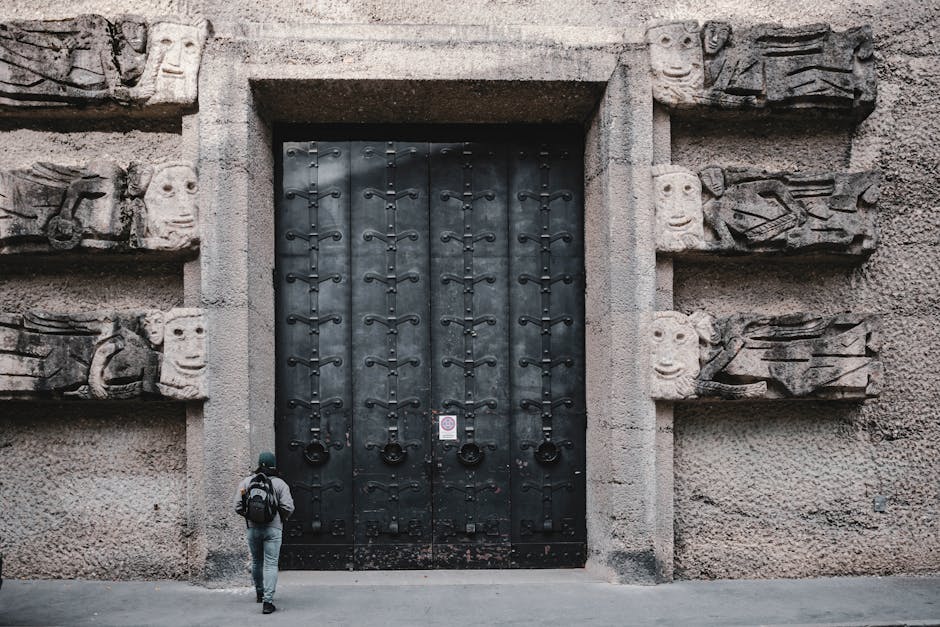
Discover Salzburg's oldest medieval alley, the birthplace of the 'Silent Night' author, and breathtaking views on this quiet self-guided walk.
 Easy
EasyNairobi, Kenya
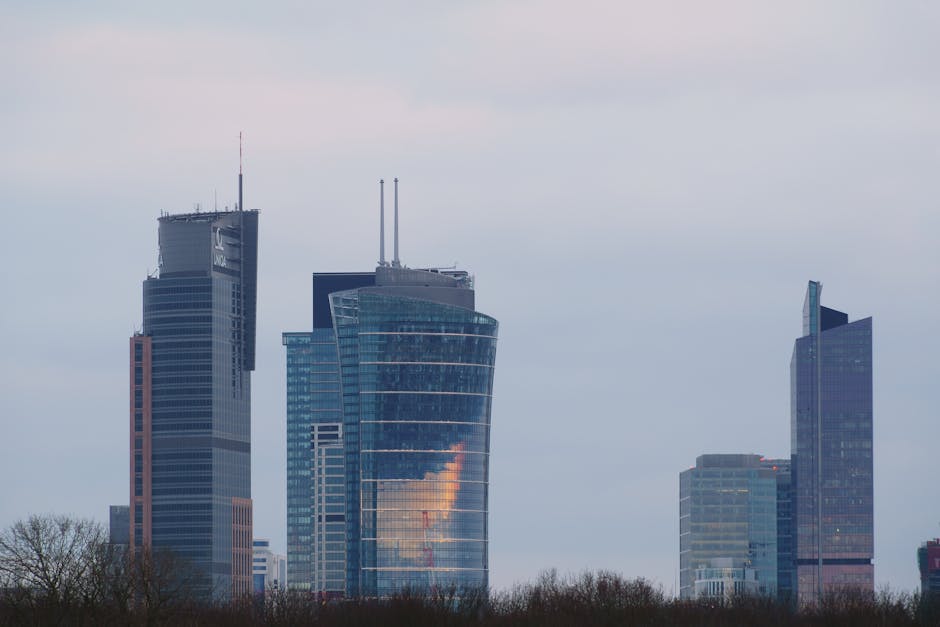
Discover Nairobi's iconic skyline on this self-guided architecture walk through the CBD’s most famous modernist and Brutalist landmarks.
 Easy
EasyWarsaw, Poland
Discover the hidden courtyards and grand pre-war architecture of Warsaw's most atmospheric neighborhood on this self-guided stroll.
 Easy
EasyNairobi, Kenya
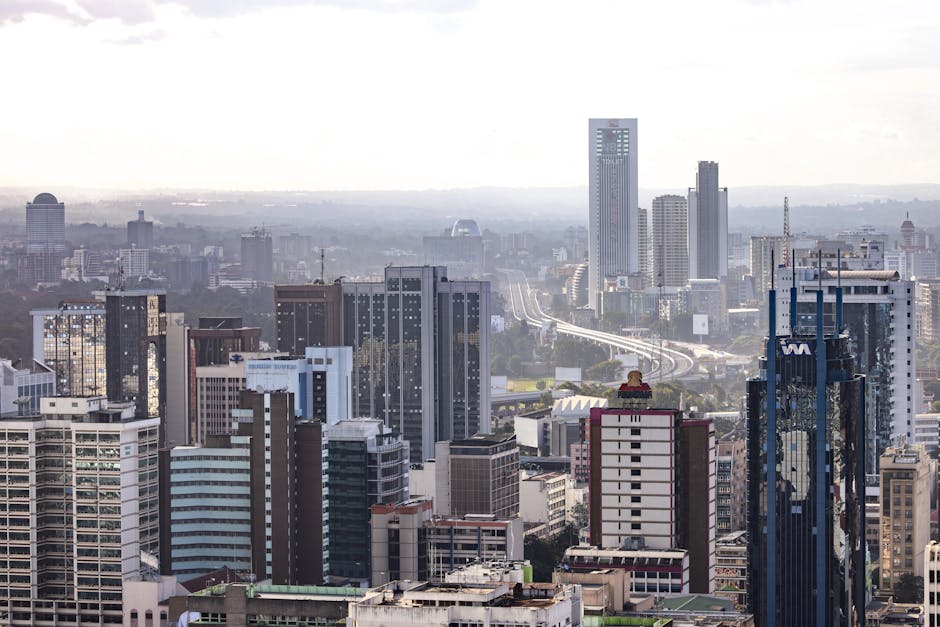
Explore Nairobi's architectural evolution from colonial-era landmarks to iconic Brutalist skyscrapers on this historic self-guided walking route.
 Easy
EasyMumbai, India
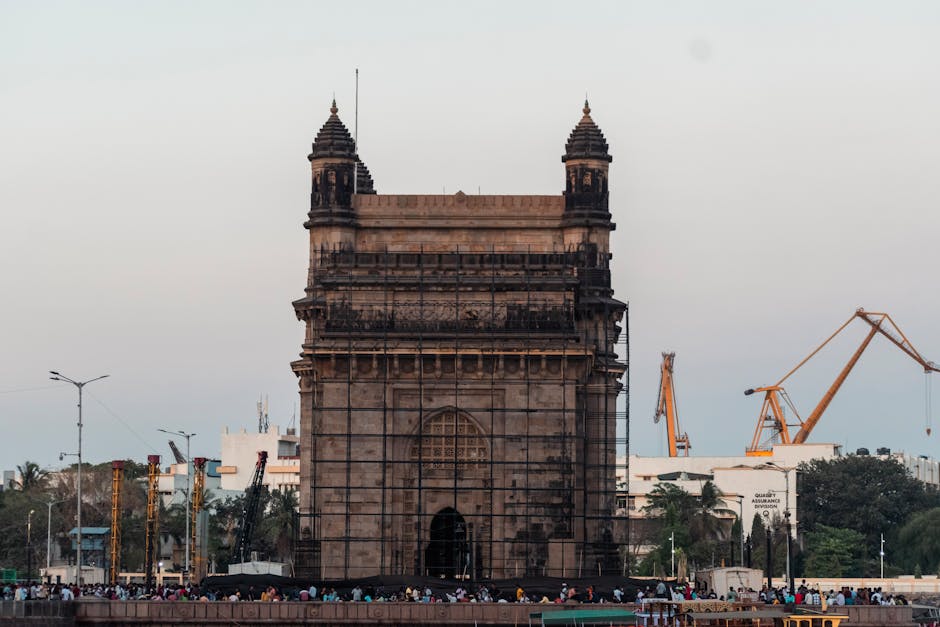
Explore Mumbai's stunning UNESCO Art Deco heritage on this self-guided walking route along the iconic Marine Drive promenade.
 Challenging
Mumbai, India
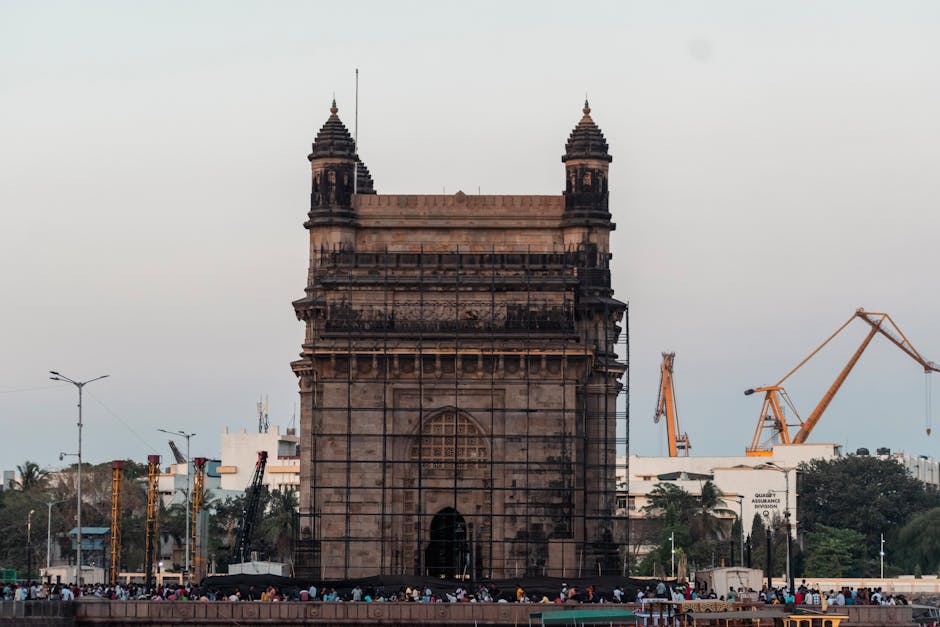
Experience the sensory explosion of Mumbai's historic markets on this challenging self-guided walk through Kalbadevi and Crawford Market.
 Easy
EasyMumbai, India
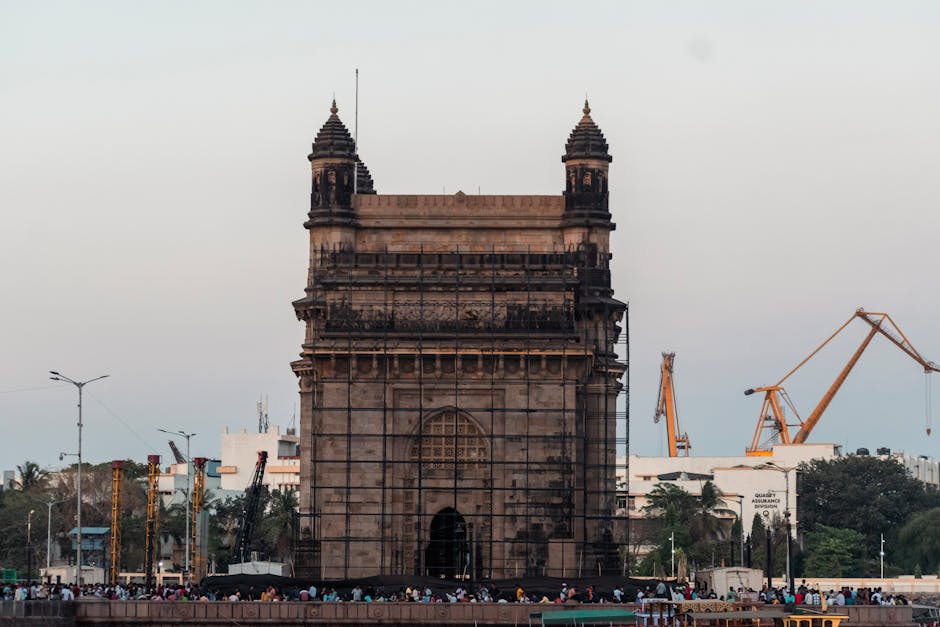
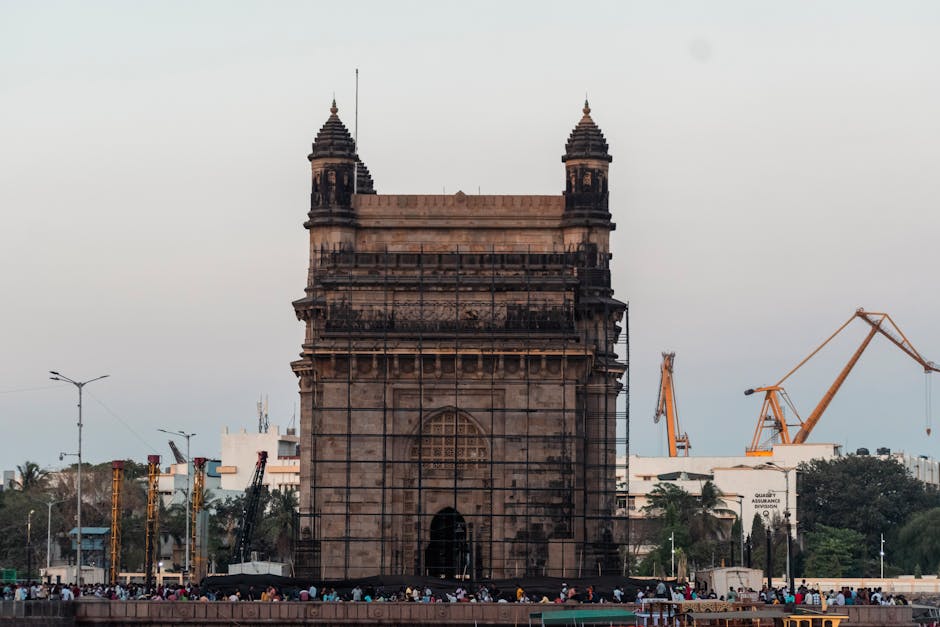
Explore Mumbai's colonial legacy on this self-guided walk through Colaba's iconic landmarks, from the Gateway of India to grand Art Deco palaces.
 Moderate
Mumbai, India
Explore the ancient fishing village of Worli Koliwada, historic forts, and stunning sea views on this self-guided cultural walking route.