Self-guided audio tour in Mumbai
Start Free on iPhone
Start free on iPhone to unlock this self-guided walking tour in Mumbai. Hear all the stories that make it amazing, walk at your own pace, and begin whenever you want.
Your Private Tour Guide
Step into a time capsule where the Victorian era meets the vibrant energy of 21st-century India. This self-guided walk through Mumbai's historic Fort district invites you to witness one of the world's most impressive collections of 19th-century Gothic Revival and Indo-Saracenic architecture. Once a walled fortress, this neighborhood evolved into the administrative heart of the British Raj, leaving behind a skyline of spires, gargoyles, and grand domes that earned it a place on the UNESCO World Heritage list. On this walking route, you will discover how stone and mortar were used to project power and prestige, while also absorbing the local rhythm of modern-day Mumbaikars rushing to work and street vendors selling chai in the shadows of giants. The journey begins at the hallowed halls of St. Xavier's College, a masterpiece of Jesuit architecture, before leading you toward the 'Urbs Prima in Indis'—the Municipal Corporation Building. You will stand before the iconic Chhatrapati Shivaji Maharaj Terminus, a railway station so ornate it resembles a cathedral, and explore the massive dome of the General Post Office, inspired by the architectures of Bijapur. As you move toward the waterfront, the style shifts to the Neoclassical elegance of the Asiatic Society, ending in the tranquil, circular green of Horniman Circle. This is more than just a walking tour Mumbai; it is an independent exploration of the city's soul, written in stone. Whether you are an architecture enthusiast or a first-time visitor, this neighborhood stroll offers the freedom to linger under gargoyles or pause for photography without the constraints of a group. Discover the stories of the architects who dreamt of a 'Gothic Bombay' and the Indian craftsmen who brought those dreams to life with local basalt and sandstone. This experience is the perfect way to understand how Mumbai became the cosmopolitan powerhouse it is today, all at your own pace.
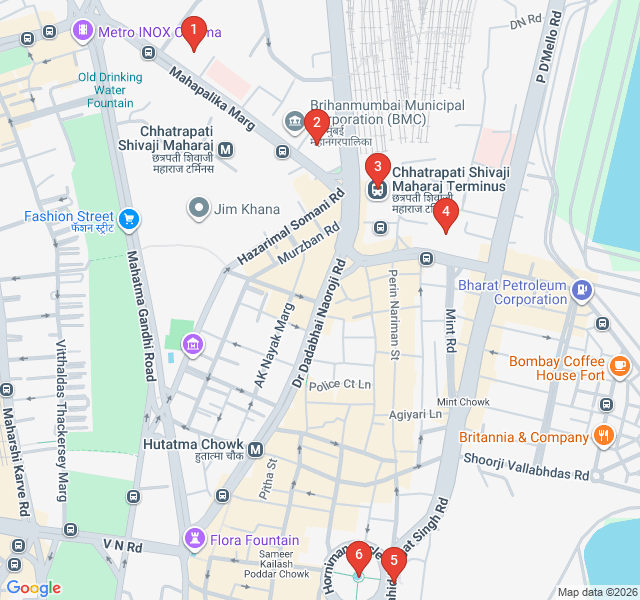
Numbers indicate the order of stops on the tour.
Welcome to the start of your self-guided adventure. Established in 1869 by German Jesuits, St. Xavier's College is a stunning example of Gothic architecture adapted for the Indian climate. As you look at the facade, notice the blend of lancet windows and intricate stone carvings. This institution has been a cornerstone of Mumbai's intellectual life for over 150 years. The campus, built with yellow Kurla basalt, features quiet quadrangles and high-vaulted ceilings designed to draw in the breeze. While the interior is a place of study, the exterior stands as a testament to the educational ambitions of the 19th century. It sets a scholarly tone for the architectural wonders you are about to encounter.
Standing before you is the headquarters of Mumbai’s local government, completed in 1893. Designed by F.W. Stevens, the same architect who designed the neighboring railway station, this V-shaped building is a riot of Gothic and Indo-Saracenic styles. Look up at the central tower, which rises 255 feet high. Atop the gable, you might spot the colossal figure representing 'Urbs Prima in Indis'—the First City of India. The building's design was a competition winner, intended to show that the city's administration was as grand as its commerce. The intricate stone balconies and domed minarets reflect a unique fusion of European and Indian aesthetics.
This is the crown jewel of Mumbai’s architecture. Formerly known as Victoria Terminus, this UNESCO World Heritage site is one of the busiest railway stations in the world. Completed in 1888 to celebrate Queen Victoria's Golden Jubilee, it took ten years to build. Observe the staggering detail: the stone dome, the turreted towers, and the pointed arches. If you look closely at the pillars of the entrance gates, you will see a lion and a tiger, representing the United Kingdom and India. The station is a functional masterpiece where over a million people pass through daily, yet it retains the majesty of a royal palace. It is the ultimate symbol of Mumbai’s Victorian Gothic identity.
Just a short stroll from the station, the General Post Office (GPO) offers a different architectural flavor. Completed in 1913, this building is a prime example of Indo-Saracenic style. Its most striking feature is the massive central dome, which was inspired by the Gol Gumbaz in Bijapur. The design incorporates elements of Islamic architecture, such as minarets and jalis (lattice screens), which were intended to harmonize with the Indian landscape. Inside, the vast central hall is designed to stay cool even in the height of summer. As one of the largest post offices in the world, it continues to serve as a vital hub for the city’s communication.
As you arrive at the Town Hall, home to the Asiatic Society, the architectural language shifts to Neoclassical. Built in 1833, this building is characterized by its grand Doric columns and the iconic flight of 30 wide stone steps. These steps are a popular local hangout and a frequent filming location for Indian cinema. The society houses a world-class library, including a rare 14th-century manuscript of Dante’s Divine Comedy. The white-washed exterior and Greek-inspired symmetry offer a sense of calm and order compared to the ornate Gothic structures you saw earlier. It represents the intellectual curiosity of the colonial era, modeled after the temples of ancient Greece.
The final stop on our walking route is Horniman Circle, a lush green oasis surrounded by a ring of grand office buildings. Completed in 1872, this was the first planned urban space in Mumbai, built on the site of the former 'Bombay Green.' The circular design was intended to provide a sense of civic community. The buildings surrounding the garden house some of India's oldest banks and businesses. It was renamed in honor of Benjamin Horniman, a British editor who supported Indian independence. Sit for a moment on a bench and enjoy the shade; you are in the heart of what was once the fortified town of Bombay, where the city's global financial journey began.
Start Free on iPhone
Explore “Gothic Grandeur of the Fort” with your very own Private Tour Guide with Zigway. Start free on iPhone, skip the large group and the fixed routes, and hear the city come alive as you go.
Your Private Tour Guide
Don't miss the good stuff
Explore Freely
 Easy
EasyMumbai, India
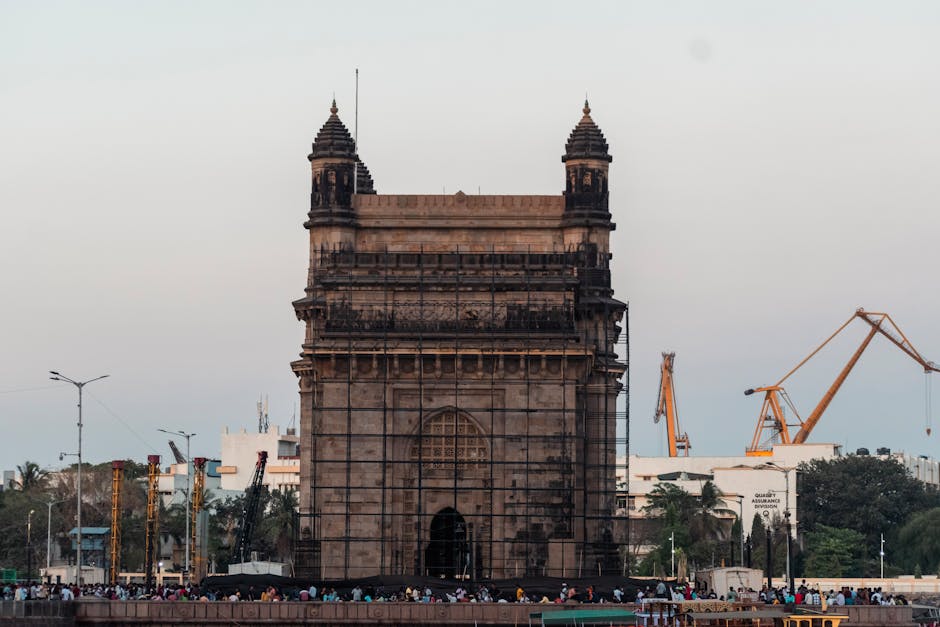
Explore Mumbai's stunning UNESCO Art Deco heritage on this self-guided walking route along the iconic Marine Drive promenade.
 Challenging
Mumbai, India
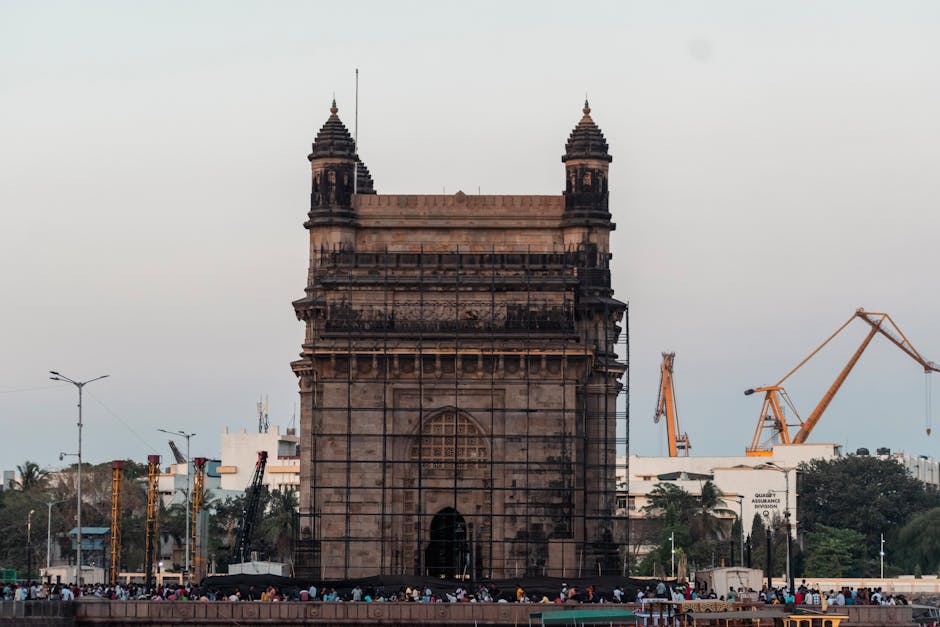
Experience the sensory explosion of Mumbai's historic markets on this challenging self-guided walk through Kalbadevi and Crawford Market.
 Easy
EasyMumbai, India
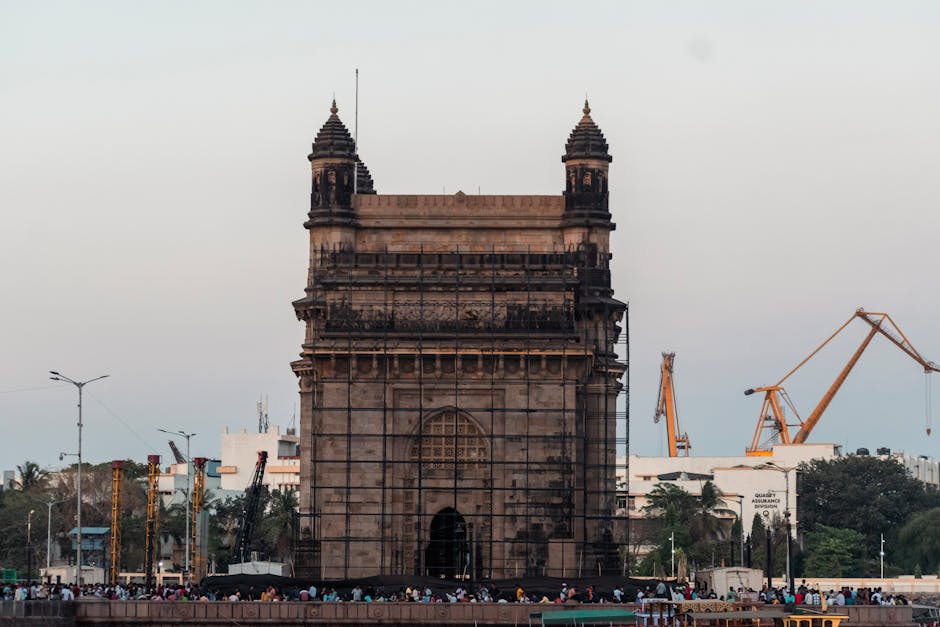
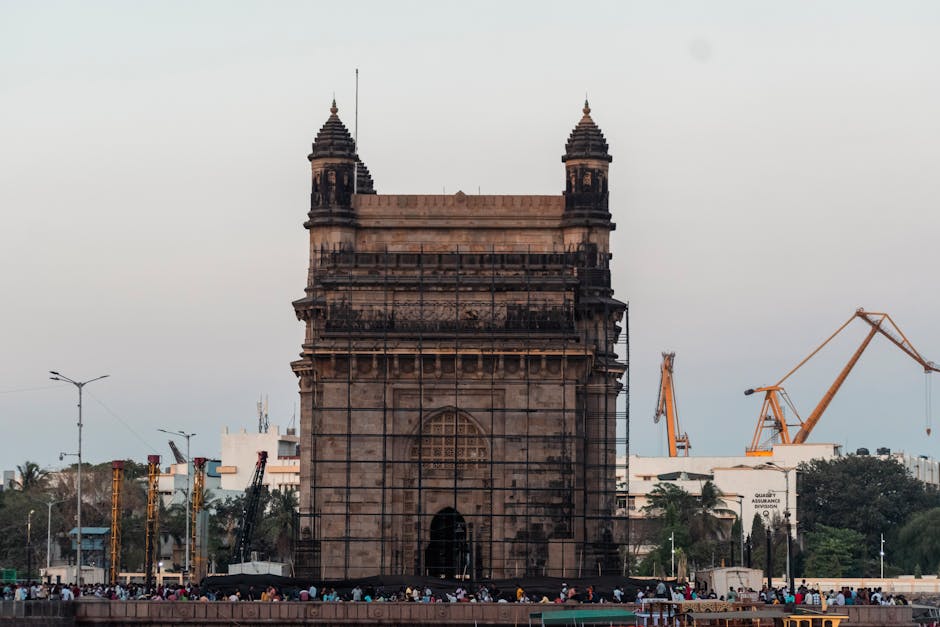
Explore Mumbai's colonial legacy on this self-guided walk through Colaba's iconic landmarks, from the Gateway of India to grand Art Deco palaces.
 Moderate
Mumbai, India
Explore the ancient fishing village of Worli Koliwada, historic forts, and stunning sea views on this self-guided cultural walking route.
 Easy
EasyNairobi, Kenya
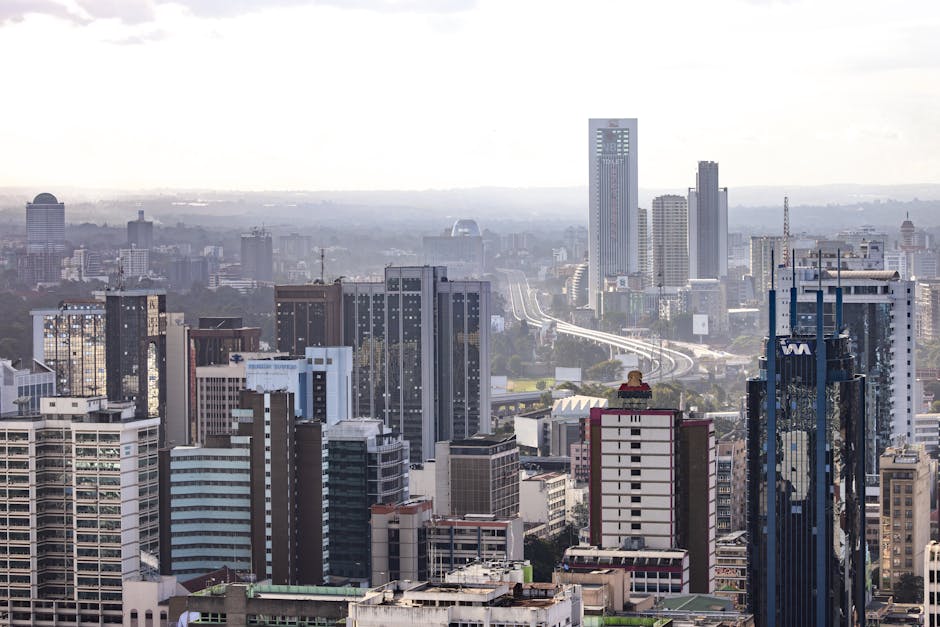
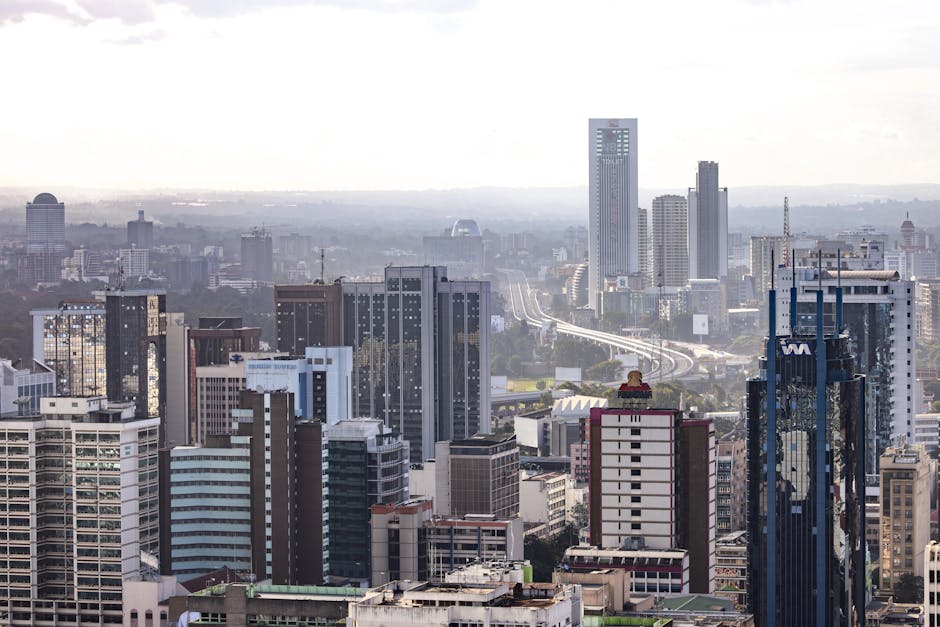
Discover Nairobi's iconic skyline on this self-guided architecture walk through the CBD’s most famous modernist and Brutalist landmarks.
 Easy
EasyNairobi, Kenya
Explore Nairobi's architectural evolution from colonial-era landmarks to iconic Brutalist skyscrapers on this historic self-guided walking route.
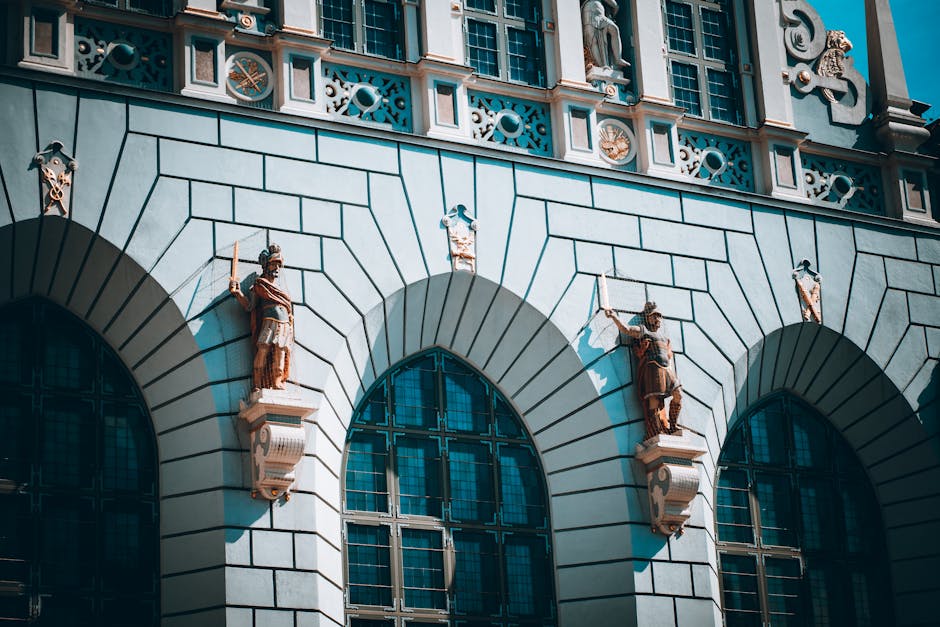 Easy
EasyGdansk, Poland
Discover the opulent Royal Way of Gdansk at your own pace. Explore Hanseatic history, gilded architecture, and the iconic Neptune's Fountain.
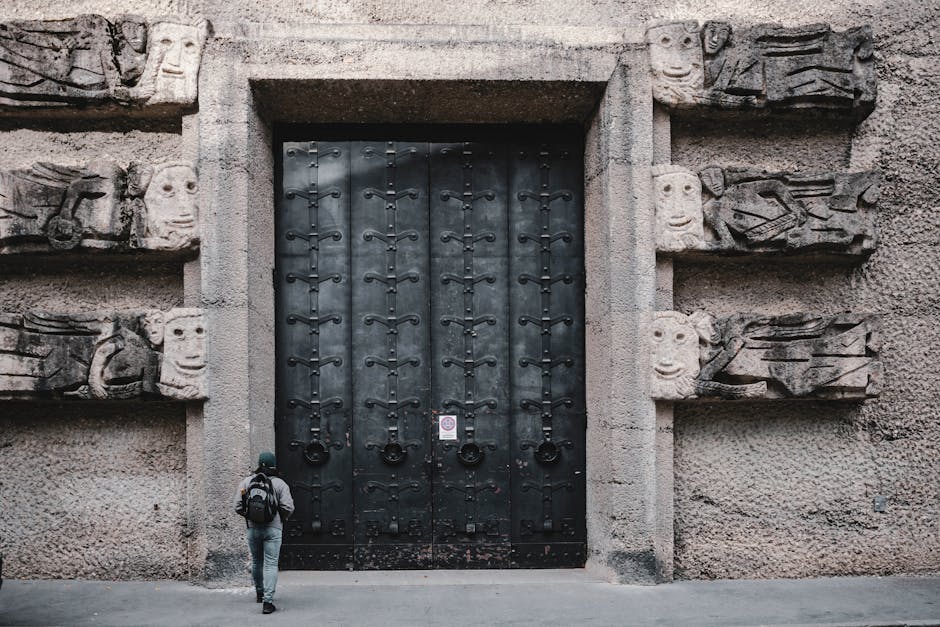 Easy
EasySalzburg, Austria
Discover the 'Rome of the North' on this self-guided walk through the Baroque squares and monumental legacy of Salzburg’s Prince-Archbishops.
 Challenging
Delhi, India
Explore the legendary flavors of Old Delhi on this self-guided audio walk through the historic markets and hidden food stalls of the Walled City.
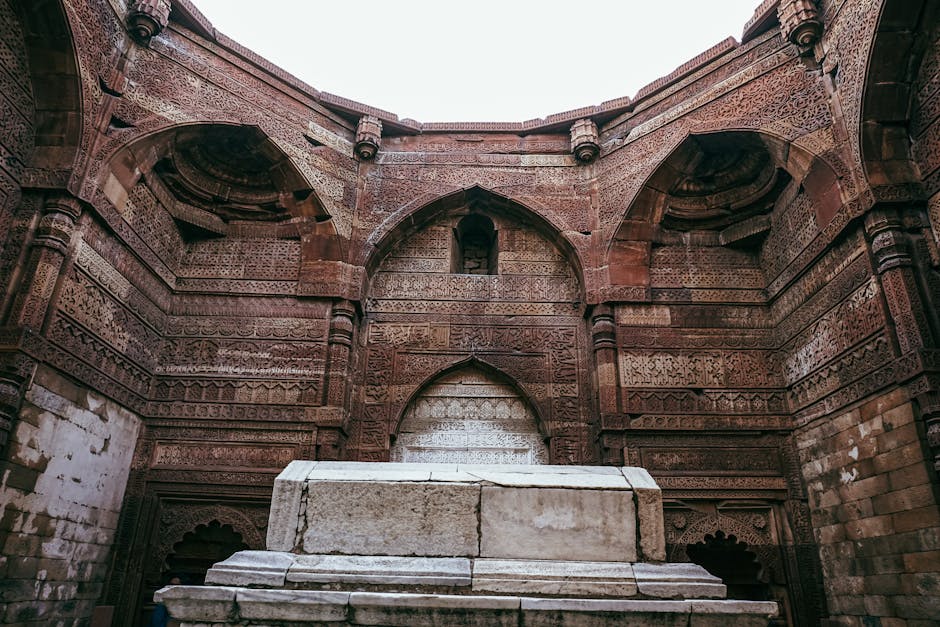 Easy
EasyDelhi, India
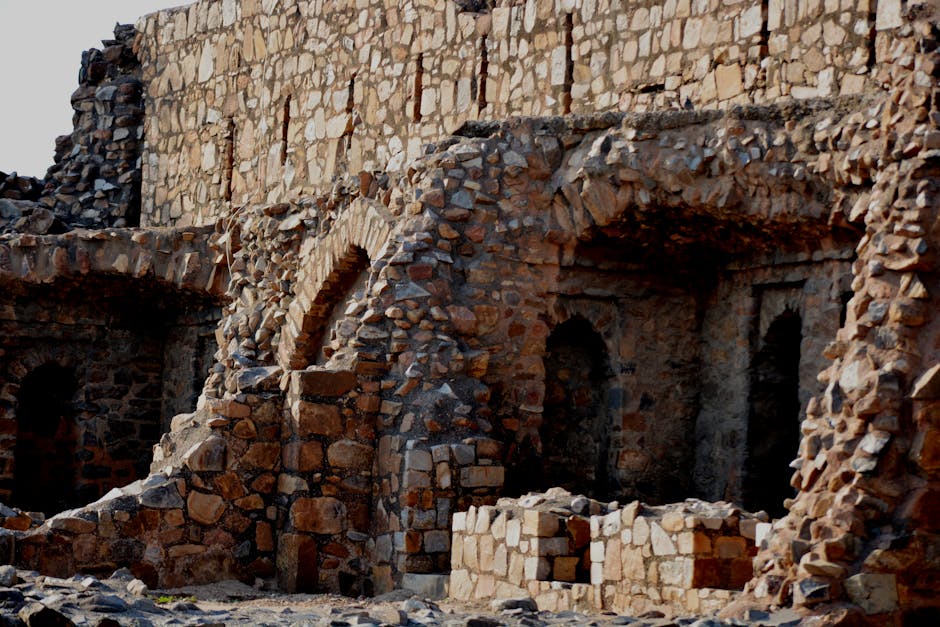
Explore where 14th-century ruins meet high-end fashion in Delhi's most creative urban village on this self-guided neighborhood stroll.
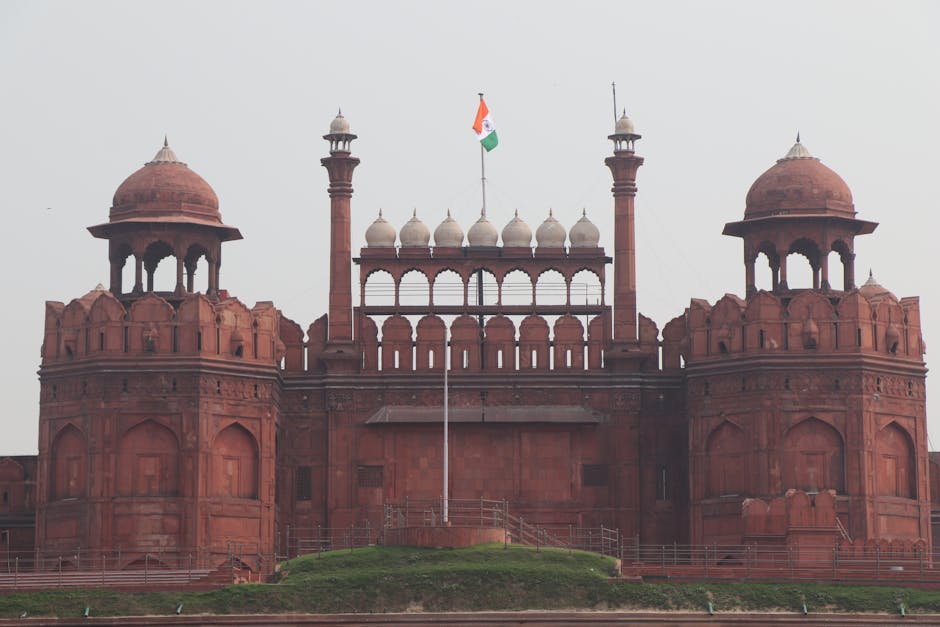 Moderate
Delhi, India
Explore Delhi's soul from the markets of Janpath to the hidden alleys of Little Tibet on this culture-rich, self-guided food and neighborhood stroll.
 Challenging
Delhi, India
Experience the sensory magic of Old Delhi on this self-guided walk through historic spice markets, silver lanes, and grand Mughal monuments.