Self-guided audio tour in Guanajuato
Start Free on iPhone
Start free on iPhone to unlock this self-guided walking tour in Guanajuato. Hear all the stories that make it amazing, walk at your own pace, and begin whenever you want.
Your Private Tour Guide
Guanajuato is widely recognized as the Cervantes Capital of America, a title it earned not through a direct visit from the famed Spanish author, but through a deep-seated cultural obsession that transformed the city. This self-guided walk explores the quixotic spirit of Guanajuato, tracing the legacy of Miguel de Cervantes from the humble plazas where student theater began to world-class museums dedicated entirely to the Man of La Mancha. As you navigate the winding cobblestone streets of the Historic Center, you will discover how a 17th-century novel became the heartbeat of this Mexican mountain town. This neighborhood stroll is perfect for those who want to understand the artistic soul of Guanajuato at their own pace. The journey begins at the Plaza de San Roque, the birthplace of the International Cervantino Festival. In the mid-20th century, local university students began performing Cervantes' short plays, known as 'Entremeses,' in this very square, eventually sparking one of the most important arts festivals in Latin America. From there, the walking route leads you past grand architectural marvels like the Teatro Juárez, where the opulence of the Porfirian era meets classical mythology. You will also visit the Museo Iconográfico del Quijote, a unique institution housing hundreds of depictions of Don Quixote and Sancho Panza by masters like Dalí and Picasso. Whether you are a literary enthusiast or an art lover, this exploration provides a window into the surrealist charm of Guanajuato. Unlike a typical walking tour Guanajuato might offer, this self-guided adventure allows you to linger over the intricate details of bronze statues and baroque facades without the pressure of a group. By the time you reach the iconic statues of the knight and his squire at the end of the trail, you will understand why Guanajuato remains a sanctuary for dreamers and artists alike. This walking tour Guanajuato experience is a tribute to the enduring power of imagination and the literary giant who inspired a city.
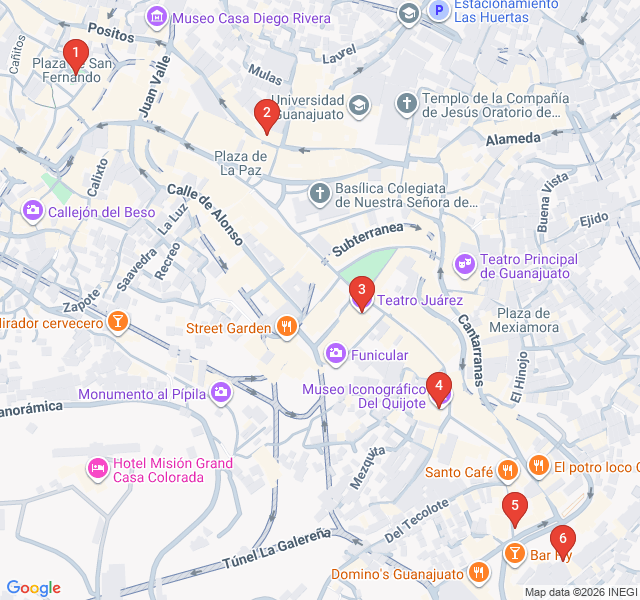
Numbers indicate the order of stops on the tour.
Welcome to the spiritual home of Guanajuato's artistic identity. San Roque Plaza, with its white-washed church and simple stone cross, might look quiet today, but in 1953, it became the stage for a cultural revolution. It was here that Enrique Ruelas and his university students began performing the 'Entremeses Cervantinos'—short, comedic plays by Miguel de Cervantes. These outdoor performances were so successful they eventually evolved into the International Cervantino Festival. Notice the lack of a traditional stage; Ruelas used the entire plaza and the surrounding balconies as his set, a tradition that continues every October. This spot represents the moment Guanajuato decided to become a living theater.
Housed in the former 17th-century mansion of the Marquis of Rayas, this museum is a bridge between the city's mining wealth and its artistic devotion. While the collection features a wide array of Mexican folk art and religious paintings, pay close attention to the murals by José Chávez Morado. Morado was a key figure in the Mexican muralism movement and a local hero. The building itself is a masterpiece of civil baroque architecture. As you explore independently, look for the intricate stone carvings around the doorways that reflect the immense silver wealth that once flowed through this neighborhood, funding the very art and culture we celebrate today.
Standing before the Teatro Juárez, you are looking at one of the most beautiful theaters in Mexico. Completed in 1903, it reflects the 'Francophile' tastes of President Porfirio Díaz. The facade is guarded by eight bronze muses from Greek mythology, standing atop a row of massive columns. The interior is even more spectacular, featuring an Orientalist design inspired by the Alhambra in Spain. While the theater hosts world-class opera and dance, it is also a centerpiece of the Cervantes legacy, serving as the main venue for the most prestigious events during the Cervantino Festival. The juxtaposition of Roman-style architecture and Spanish literary themes is quintessential Guanajuato.
This museum is truly one of a kind. It was founded by Eulalio Ferrer, a Spanish exile who arrived in Mexico with nothing but a pocket-sized copy of Don Quixote. His lifelong obsession with the character led to this massive collection. Inside, you will find over 1,000 works of art dedicated solely to the knight of the Rueful Countenance and his squire, Sancho Panza. From delicate porcelain figurines to massive canvases by Salvador Dalí and Raúl Anguiano, the museum explores every possible interpretation of the Quixotic myth. It is a testament to how one book can inspire a lifetime of collecting and define the identity of an entire city.
Located in the Plaza de la Hermandad, the Cervantes Theater is a more modern addition to the city's cultural landscape. Opened in 1979, it was built specifically to accommodate the growing needs of the Cervantino Festival. The plaza outside is often used for public art installations and community gatherings. Unlike the grand, historic Teatro Juárez, this space feels more contemporary and functional, symbolizing the city's ongoing commitment to the performing arts. It serves as a reminder that Guanajuato's connection to Cervantes is not just a historical fluke, but a living, breathing part of the city's modern infrastructure and daily life.
We conclude our walking route at these iconic bronze statues. Don Quixote sits tall on his horse, Rocinante, with his lance held high, while the stout Sancho Panza follows faithfully on his donkey. These figures are the most photographed residents of Guanajuato. They perfectly capture the duality of the human spirit: Quixote’s idealism and Sancho’s realism. Positioned here at the edge of the historic center, they seem to be heading out on another adventure. Their presence here solidifies Guanajuato's claim as the 'Cervantes Capital.' Take a moment to appreciate the details of the sculptures and the whimsical spirit they bring to this historic Mexican city.
Start Free on iPhone
Explore “Cervantes’ Legacy: The Quixotic Art Trail” with your very own Private Tour Guide with Zigway. Start free on iPhone, skip the large group and the fixed routes, and hear the city come alive as you go.
Your Private Tour Guide
Don't miss the good stuff
Explore Freely
 Moderate
Guanajuato, Mexico
Explore the myths and hidden alleys of Guanajuato on this self-guided walk through romantic corners and legendary historic sites.
 Easy
EasyGuanajuato, Mexico
Explore Guanajuato's vibrant nightlife through hidden mezcalerias, historic cantinas, and musical plazas on this self-guided evening stroll.
 Challenging
Guanajuato, Mexico
Ascend from the famous mummies to the opulent silver mines on this challenging self-guided walk through Guanajuato's industrial and colonial past.
 Easy
EasyGuanajuato, Mexico
Discover the vibrant tastes of Guanajuato on this self-guided walk through markets, plazas, and local sweet shops.
 Easy
EasyWarsaw, Poland
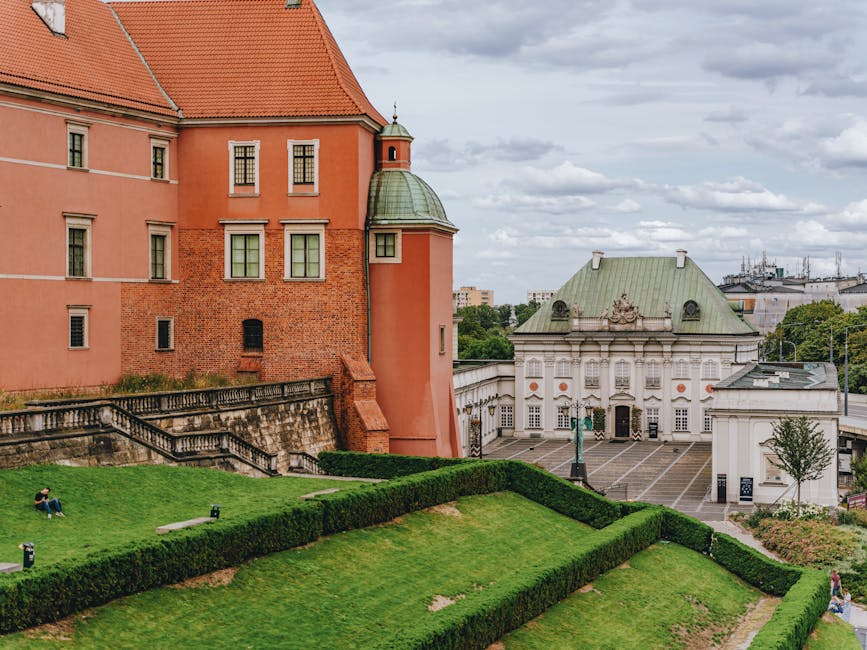
Follow the life of Fryderyk Chopin through Warsaw’s historic center. See where he lived, studied, and where his heart remains today.
 Easy
EasyNairobi, Kenya
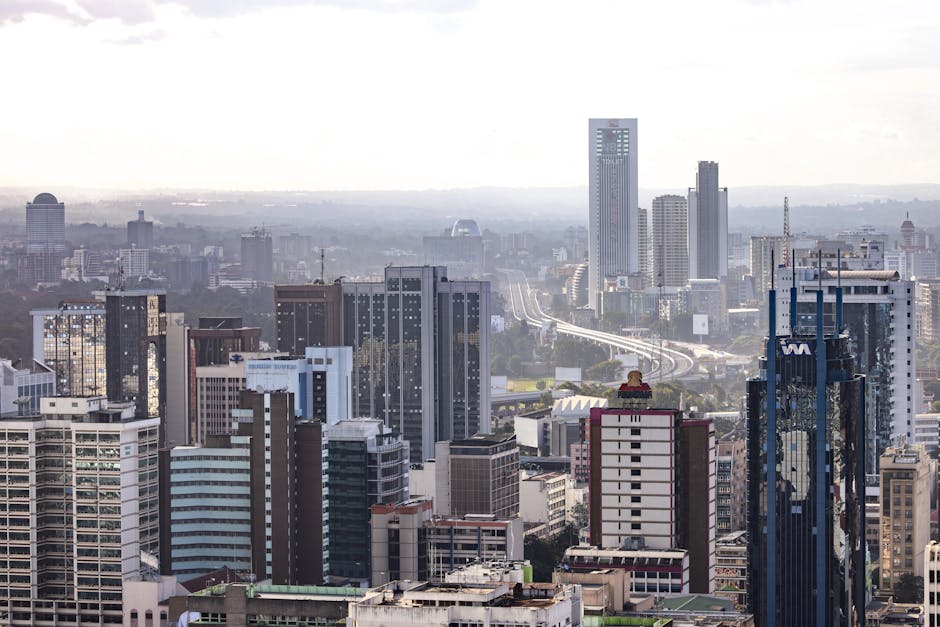
Discover Nairobi's iconic skyline on this self-guided architecture walk through the CBD’s most famous modernist and Brutalist landmarks.
 Easy
EasyNairobi, Kenya
Discover Nairobi’s literary soul on this self-guided walk through historic libraries, iconic bookshops, and cultural centers in the heart of the CBD.
 Easy
EasyNairobi, Kenya
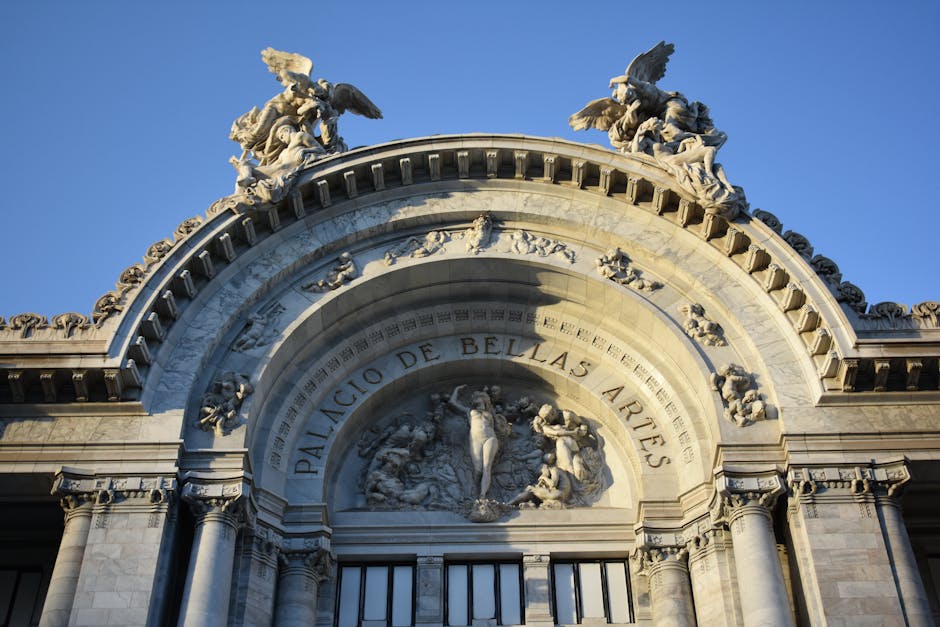
Explore Nairobi's architectural evolution from colonial-era landmarks to iconic Brutalist skyscrapers on this historic self-guided walking route.
 Easy
EasyMexico City, Mexico
Explore Mexico City's most glamorous district on this self-guided walk through Polanco's luxury boutiques, lush parks, and iconic art museums.
 Easy
EasyMexico City, Mexico
Explore the Art Deco architecture and gourmet food scene of Roma Norte on this self-guided neighborhood stroll through Mexico City’s creative heart.
 Easy
EasyMexico City, Mexico
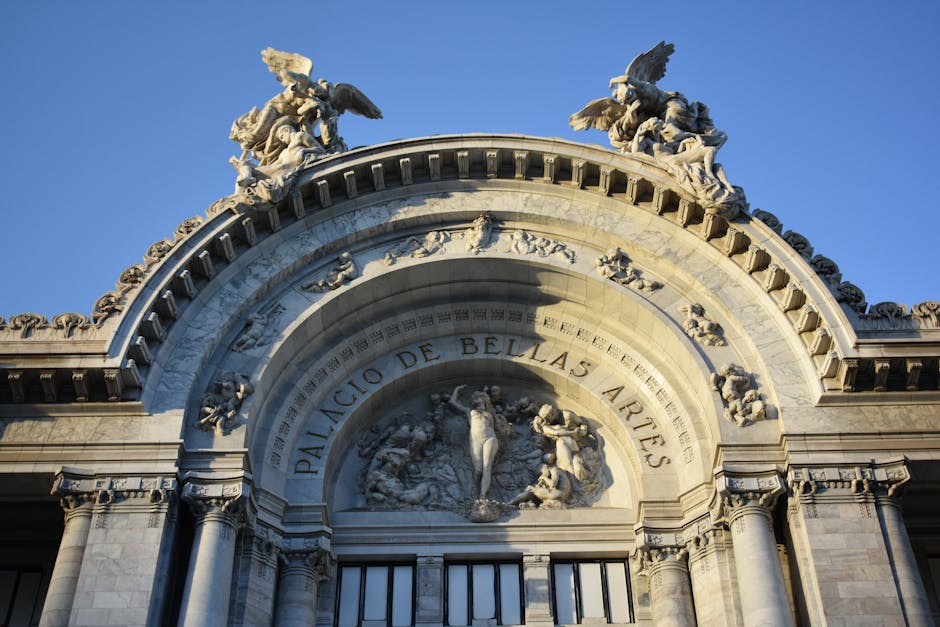
Explore the epic murals of Rivera, Orozco, and Siqueiros on this self-guided walking route through the heart of Mexico City’s historic center.
 Moderate
Mexico City, Mexico
Taste the legendary tacos and cantina culture of Narvarte on this self-guided walk through Mexico City's most authentic foodie neighborhood.