Self-guided audio tour in Mexico City
Start Free on iPhone
Start free on iPhone to unlock this self-guided walking tour in Mexico City. Hear all the stories that make it amazing, walk at your own pace, and begin whenever you want.
Your Private Tour Guide
Mexico City’s Centro Histórico is more than just a cluster of ancient ruins and colonial palaces; it is an expansive open-air canvas where the walls tell the story of a nation. Following the Mexican Revolution, a group of visionary artists—the 'Big Three' consisting of Diego Rivera, José Clemente Orozco, and David Alfaro Siqueiros—embarked on a mission to educate the public through massive, accessible fresco paintings. This self-guided walk invites you to explore the birthplace of the Muralist movement, tracing its evolution from its early intellectual roots to the grand, political epics that define the city's identity. Your journey begins at the edge of the Alameda Central, where you will encounter one of Rivera’s most personal and nostalgic works before heading toward the architectural crown jewel of the city, the Palacio de Bellas Artes. This walking tour Mexico City offers a deep dive into the 1920s and 30s, a golden age when art was used as a tool for social change. As you navigate the bustling streets toward the Zócalo, you will discover hidden mural cycles tucked away in government courtyards and historic colleges. You will witness the stark contrast between Orozco’s somber, critical views of humanity and Rivera’s optimistic, detail-rich visions of a socialist future. This neighborhood stroll captures the vibrant energy of the historic center, leading you through baroque corridors and neoclassical halls that house some of the most significant art of the 20th century. While a guided tour Mexico City might rush you through these spaces, this independent walking route allows you to linger on the intricate details of Rivera’s 235 panels at the Department of Education or the sweeping historical narrative on the National Palace staircase. By the time you reach the final stop, you will have gained a profound understanding of how these mural masters shaped the visual soul of modern Mexico.
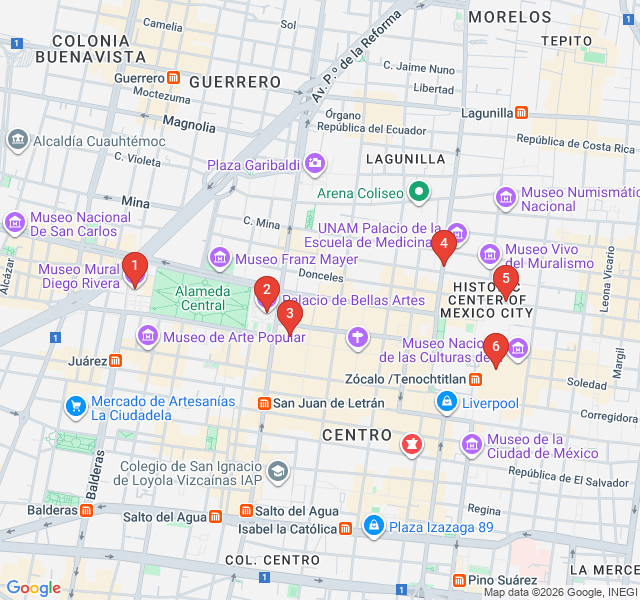
Numbers indicate the order of stops on the tour.
Start your self-guided adventure at this purpose-built museum, which houses just one primary masterpiece: 'Dream of a Sunday Afternoon in the Alameda Central.' Originally painted for the Hotel del Prado, which was destroyed in the 1985 earthquake, this massive mural was miraculously salvaged. It depicts 400 years of Mexican history through characters strolling in the park just outside these walls. Look for Rivera as a young boy holding hands with 'La Catrina'—the elegant skeleton—while his wife, Frida Kahlo, stands behind him. This work perfectly introduces the themes of identity and history that you will see throughout the day.
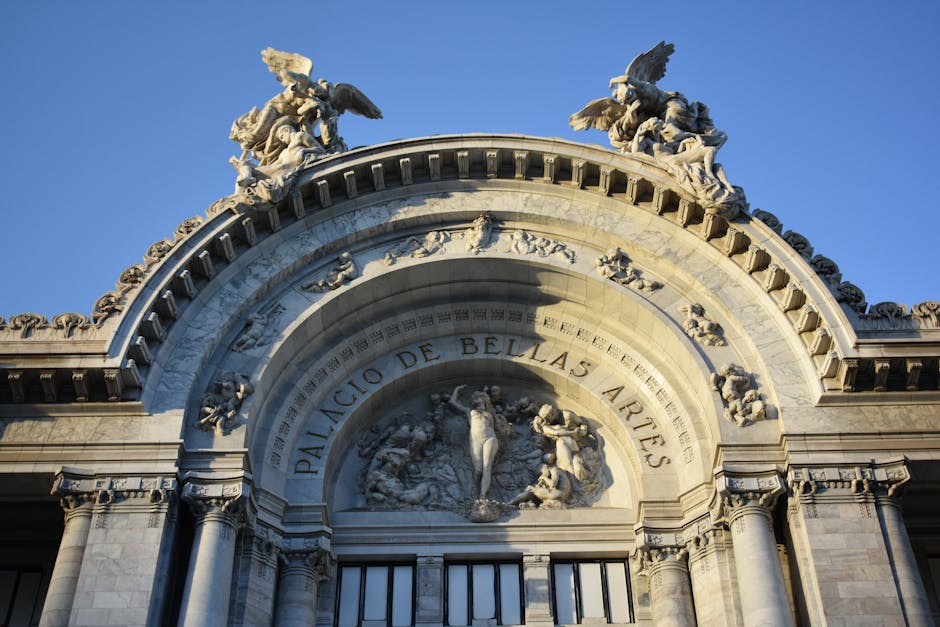
This white marble masterpiece is a fusion of Art Nouveau and Art Deco styles. Inside, the second and third floors serve as a gallery for Mexico’s greatest muralists. The standout is Rivera’s 'Man, Controller of the Universe.' Interestingly, this is a recreation of a mural Rivera originally painted for Rockefeller Center in New York, which was destroyed because it included an image of Lenin. Here, Rivera had his revenge, painting an even larger version. Opposite his work, you will find Siqueiros’ 'New Democracy' and Orozco’s 'Catharsis,' which offer much more turbulent and critical views of technology and war.
While famous for its stunning 18th-century blue and white Puebla tile facade, the 'House of Tiles' holds a secret upstairs. As you head toward the restrooms or the restaurant, look at the staircase to find José Clemente Orozco’s 1925 mural, 'Omniscience.' Unlike Rivera’s busy, crowded scenes, Orozco’s work is more symbolic and somber, focusing on the female form and the power of knowledge. It is a rare opportunity to see a masterpiece in a functional, everyday setting—a cornerstone of the Muralist philosophy that art should be for everyone, not just museum-goers.
This is often considered the 'Sistine Chapel' of the Muralist movement. Across two massive courtyards and three floors, Diego Rivera painted 235 fresco panels between 1923 and 1928. The ground floor, the 'Court of Labor,' depicts traditional Mexican industries like mining and farming. The 'Court of Fiestas' captures the country's vibrant festivals. As you walk the corridors, you are literally walking through the life of the Mexican people as Rivera saw them. It is one of the most comprehensive artistic projects in the world and remains a working government office today.
This beautiful colonial building is where the Muralist movement officially began in 1922. It was here that the government first commissioned artists to paint the walls of a public building. You can see Rivera’s very first mural, 'Creation,' in the amphitheater, which is heavily influenced by Byzantine and Italian Renaissance styles—quite different from his later political works. The corridors are filled with Orozco’s powerful, often dark reflections on the Revolution. This site is also famous as the place where a young Frida Kahlo first met Diego Rivera while he was working on his mural.
The grand finale of your walk is the National Palace, the seat of the federal executive. On the main staircase, Rivera painted 'The History of Mexico,' a dizzying epic that spans from the pre-Hispanic era to the post-revolutionary future. It is a visual encyclopedia of the nation, featuring hundreds of figures including Aztecs, Conquistadors, and revolutionaries. The north wall's 'The World of Today and Tomorrow' is particularly famous for its critique of capitalism. This stop provides the ultimate summary of how the Mural Masters used art to define the spirit of a new Mexico.
Start Free on iPhone
Explore “The Mural Masters of Centro Histórico” with your very own Private Tour Guide with Zigway. Start free on iPhone, skip the large group and the fixed routes, and hear the city come alive as you go.
Your Private Tour Guide
Don't miss the good stuff
Explore Freely
 Easy
EasyMexico City, Mexico
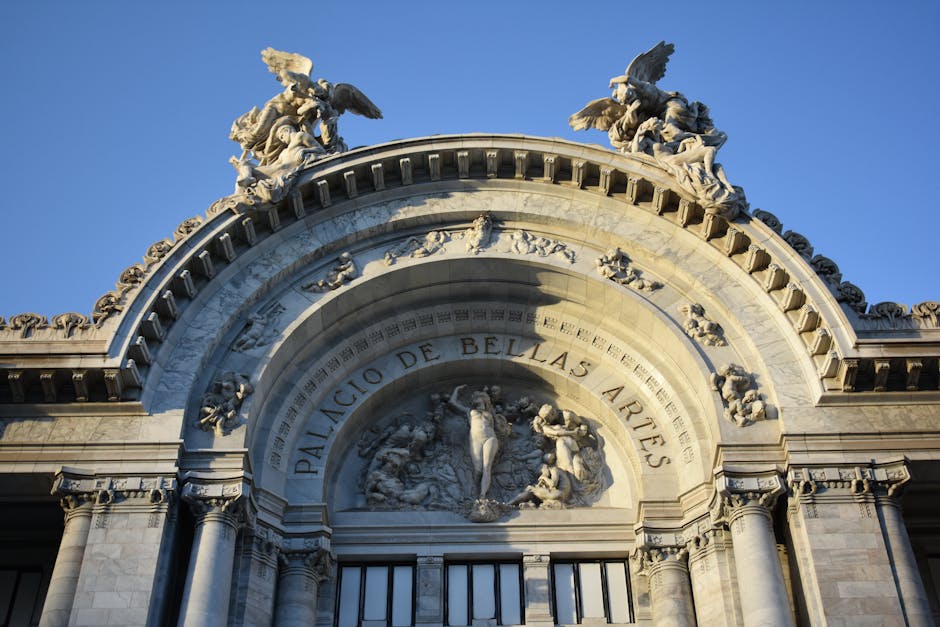
Explore Mexico City's most glamorous district on this self-guided walk through Polanco's luxury boutiques, lush parks, and iconic art museums.
 Easy
EasyMexico City, Mexico
Explore the Art Deco architecture and gourmet food scene of Roma Norte on this self-guided neighborhood stroll through Mexico City’s creative heart.
 Moderate
Mexico City, Mexico
Taste the legendary tacos and cantina culture of Narvarte on this self-guided walk through Mexico City's most authentic foodie neighborhood.
 Moderate
Mexico City, Mexico
Trace the footsteps of literary giants through historic cafes, grand libraries, and the vibrant intellectual hubs of Mexico City.
 Easy
EasySalzburg, Austria
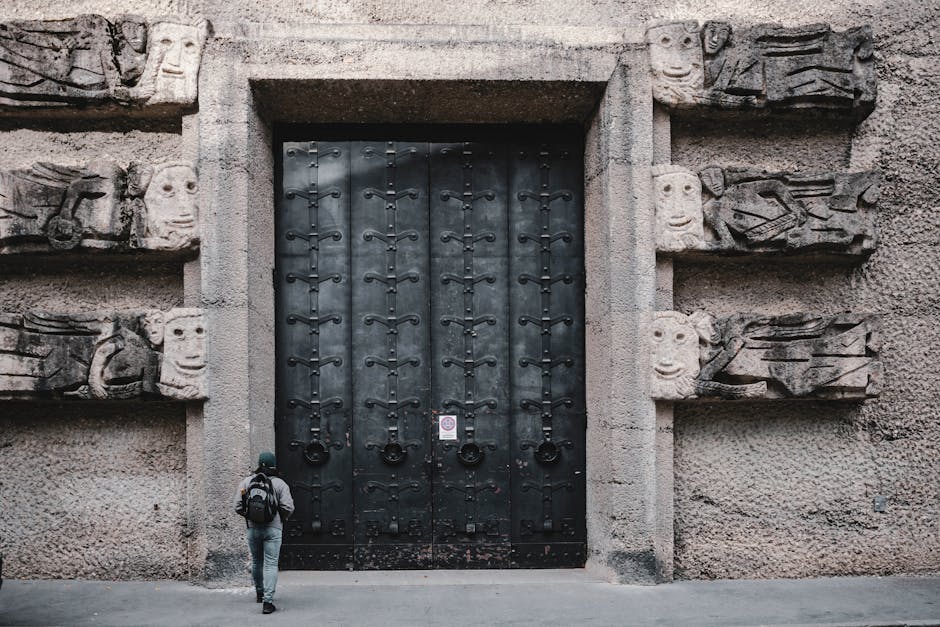
Discover the 'Rome of the North' on this self-guided walk through the Baroque squares and monumental legacy of Salzburg’s Prince-Archbishops.
 Easy
EasyNairobi, Kenya
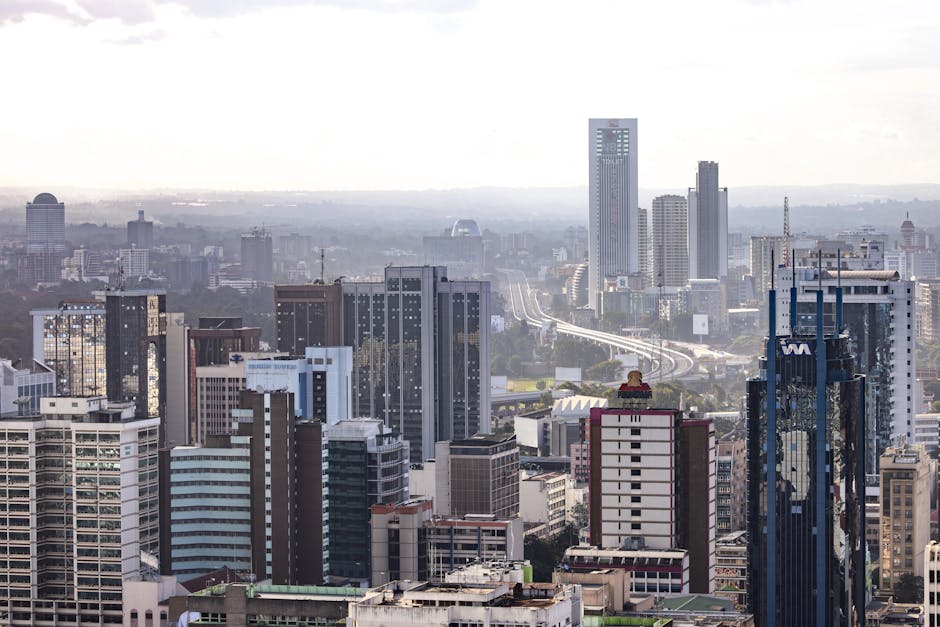
Explore Nairobi's architectural evolution from colonial-era landmarks to iconic Brutalist skyscrapers on this historic self-guided walking route.
 Easy
EasyNairobi, Kenya
Discover Nairobi's iconic skyline on this self-guided architecture walk through the CBD’s most famous modernist and Brutalist landmarks.
 Easy
EasyKrakow, Poland
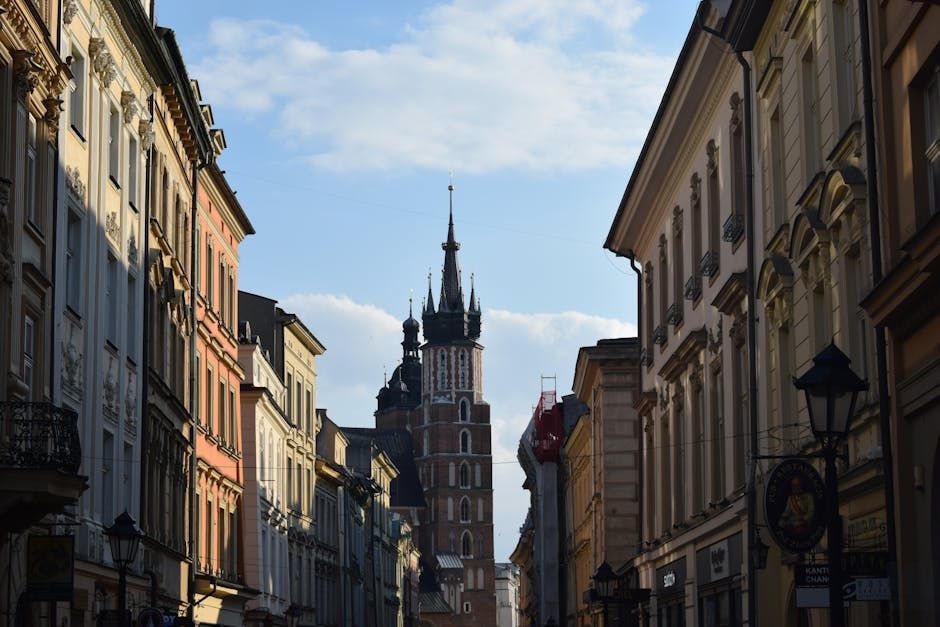
Savor the soul of Krakow on this self-guided walk through historic markets, bohemian cafes, and the city's best pierogi spots.
 Easy
EasyOaxaca, Mexico
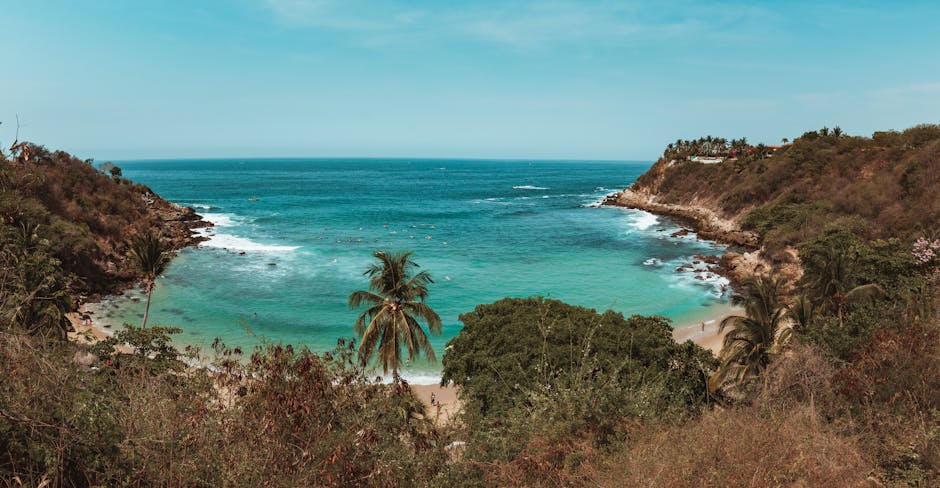
Explore Oaxaca’s oldest barrio on this self-guided walk through colonial aqueducts, colorful streets, and traditional artisan workshops.
 Easy
EasyOaxaca, Mexico
Explore Oaxaca's vibrant modern art scene, from revolutionary printmaking collectives to world-class contemporary museums, at your own pace.
 Moderate
Oaxaca, Mexico
Explore the heights of Oaxaca on this self-guided walk, featuring panoramic city views, cultural landmarks, and the iconic Cerro del Fortín.
 Easy
EasyOaxaca, Mexico
Explore Oaxaca's 'Green City' at your own pace. Discover Baroque masterpieces and the vibrant Zócalo on this self-guided neighborhood stroll.